

How Much Sun Does a Tomato Plant Need? Complete Guide for Best Growth
How much sun does a tomato plant need? Tomato plants need between 6 and 8 hours of direct sunlight daily to grow well.
For the best fruit, aim for 8 to 10 hours of sun each day. Too little sun means fewer tomatoes, so choose the sunniest spot you have.
Tomatoes do best in full sun, which means unfiltered sunlight for at least 6 hours. Pick a spot that faces south or west to get the most sun. If your garden gets less than 6 hours, consider smaller tomato varieties that handle shade well.
Avoid shady spots or partial sun areas because tomatoes won’t thrive there. Remember, every hour under 6 hours lowers your harvest. Starting with strong sunlight helps you get juicy, flavorful tomatoes.
Key Takeaways
- Tomato plants need a minimum of 6 hours of direct sun daily to survive.
- Best fruit production occurs with 8 to 10 hours of direct sunlight each day.
- Choose a south- or west-facing spot for the most consistent sunlight.
- Small cherry tomato varieties do better in spots with 4 to 6 hours of sun.
- Partial sun, about 3 to 6 hours, is not enough for optimal tomato growth.
- Sunlight under 6 hours leads to fewer and smaller tomatoes on the plant.
How Much Sun Do Tomato Plants Actually Need?

Tomato plants need six hours of direct sunlight each day. They need this to survive and produce fruit. Aim for 8 to 10 hours of sunlight daily.
This gives the best fruit yield and quality. Less than six hours means fewer tomatoes and less sweet fruits.
Plants with six hours of sun produce 60 to 85 percent of their potential yield. This means less fruit than plants with more sun. Sun exposure of 8 to 10 hours boosts yield to 85 to 100 percent.
It also improves fruit flavor and size. Ten or more hours of full sun gives the best results. You get maximum yield and excellent fruit quality.
Different tomato types also affect sun needs. Determinate varieties do well with 6 to 8 hours. Indeterminate ones need 7 to 10 hours for steady fruit production.
Gardens with less than six hours of sun should grow cherry tomatoes instead. They tolerate lower light but still prefer at least six hours.
Use this simple rule: full sun means six or more hours of direct sunlight daily. This helps you pick the best planting spot. Less than six hours is partial sun or shade, which limits fruit set dramatically.
Choose a south- or west-facing spot to get the most sunlight. This helps grow bigger, sweeter tomatoes.
| Daily Sun Hours | Sun Category | Expected Yield | Fruit Quality | Recommendation |
|---|---|---|---|---|
| 10+ hrs | Full Sun (Optimal) | 100% (Max yield) | Excellent | Ideal for all varieties |
| 8, 10 hrs | Full Sun | 85, 100% | Very Good | Excellent for most varieties |
| 6, 8 hrs | Full Sun (Min) | 60, 85% | Good | Best for cherry/patio types |
| 4, 6 hrs | Partial Sun | 30, 60% | Fair | Reduced fruit set |
| 2, 4 hrs | Partial Shade | 10, 30% | Poor | Not recommended |
| Under 2 hrs | Full Shade | 0, 10% | Very Poor | Tomatoes won’t thrive |
Plant tomatoes in a sunny spot with at least six hours of sun. This will help them grow strong. Eight to ten hours speeds up flowering and gives a better fruit harvest.
Gardens without enough sun let plants survive but with fewer, smaller fruits. Your tomatoes won’t grow as well.
What Happens If Tomato Plants Don’t Get Enough Sun?
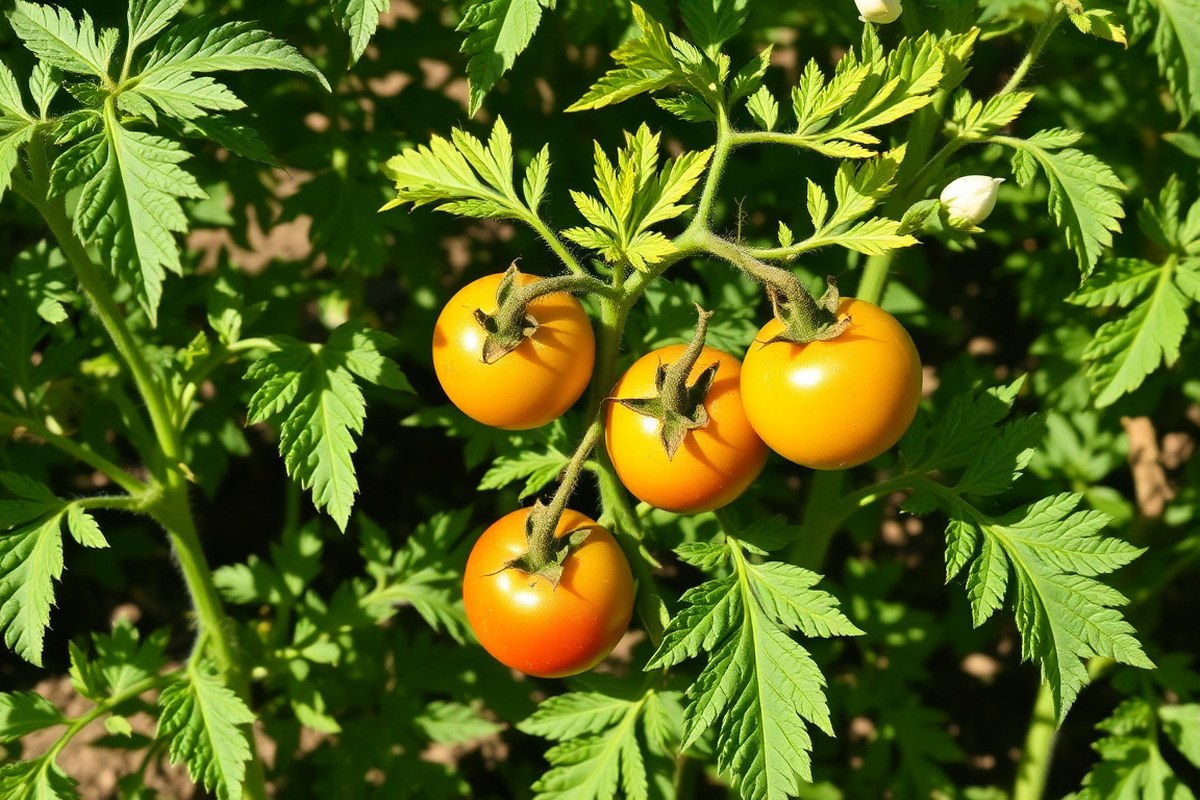
Tomato plants need strong light to grow healthy leaves, stems, and fruit. Without enough sun, their growth slows, producing fewer and smaller tomatoes. The plants may survive with low light.
They often look thin and weak. They stretch toward whatever light they get.
Tomato plants need at least six hours of direct sunlight. Less sun makes fruit smaller. It also hurts the flavor.
The sugar in tomatoes won’t fully develop in low light. This means fruits may taste bland.
They also turn green more slowly. You might also notice fewer flowers, which means fewer tomatoes on the vines.
Signs that sunlight is too low include pale leaves, long spindly stems, and sparse fruit clusters. Leaves might turn yellow or fall early as the plant struggles to photosynthesize.
Sugar production slows. So fruits may fail to ripen or form defects like split skin or soft spots.
Put your tomato pots where they get 6 to 8 hours of sun. Some types, like Black Cherry, do better in part shade.
Plants managed in low light need careful feeding to support growth. Use a balanced fertilizer two times during the growing season.
Tomatoes need this since they get less energy from sunlight. Try adding supplemental light or moving the plant to more sun if the tomatoes look stretched or weak.
Cherry tomatoes can make fruit with about four hours of direct sun. They also need some indirect light to thrive.
This works if you want a small harvest but not for large, full-size tomatoes. In less sun, avoid varieties that demand heavy sun and heat to thrive.
Can Tomato Plants Get Too Much Sun or Heat?
Tomato plants struggle when the sun gets too strong. Heat above 90°F for long times makes it worse. This can harm their growth and fruit quality.
You might notice leaves curling, wilting, or turning brown along the edges. Fruits can develop sunscald, appearing as pale, tough patches where the skin looks bleached and leathery.
Heat stress harms fruit set by causing flowers to drop before fruit forms. Temperatures rise during peak sun hours.
Then, the plant focuses on survival, not growing. That reduces flower pollination and causes fewer tomatoes to develop, cutting your harvest.
Providing shade during the hottest part of the day, usually between noon and 4 p.m., helps protect your tomato plants. Use a shade cloth blocking 30% to 50% UV rays. Or, put up a temporary barrier like a patio umbrella.
Both help protect plants from harsh sun. You can also grow tomatoes in containers and move them to shaded spots as needed.
Mulching around the base keeps soil cooler and holds moisture longer, easing heat stress. Water consistently, aiming for deep watering in the morning to reduce heat problems throughout the day. Avoid sparse foliage caused by heat or disease, because leaves usually shade fruits from direct sun.
You live in a hot place with temps over 90°F often. Here, giving plants extra shade really matters. Cooler areas allow longer sun exposure without as much risk.
Watch for pale spots on fruit and leaf edges with brown or curled tips. These symptoms tell you it’s time to shield your plants from midday sun.
Morning Sun vs Afternoon Sun for Tomatoes
Tomato plants do well with both morning and afternoon sun, but the timing matters. Morning sun provides bright light without much heat. Afternoon sun tends to be warmer and sometimes too intense.
In hot climates, give your tomatoes more sun in the morning. Provide some shade in the afternoon to avoid heat stress. This helps protect their leaves and fruit.
Impact of Morning Sun on Growth
Morning sun offers high-quality light at cooler temperatures. It helps tomato plants start the day strong and prevents heat stress early on. Cooler temperatures in the morning help leaves stay healthy and avoid curling or bleaching.
Tomatoes that get about four hours of direct morning sun often show better leaf color. Morning light kickstarts photosynthesis without pushing temperatures above 85°F, which can slow fruit ripening. It also encourages steady growth and strong stems.
Challenges of Intense Afternoon Sun
Afternoon sun is warmer but not always as intense as morning light. In cooler climates, this warm afternoon sun helps fruits ripen fully. However, in hardiness zones 9 and above, afternoon sun can cause leaf scorch and blossom drop.
Too much heat from afternoon sun can lead to wilting and sunscald. You might see leaves curling or fruits turning pale. Your tomatoes show signs of stress from too much sun.
Adding some shade in the afternoon will help protect them. This can keep your plants healthier.
Balancing Sunlight Duration and Heat Exposure
Most tomato varieties need 6 to 8 hours of direct sunlight per day to thrive. The best balance is starting with 4 hours of morning sun, then receiving gentle afternoon light. This combination supports both healthy growth and fruit ripening.
How much sun your tomatoes get can vary with nearby obstructions. The table below shows how different shading levels reduce actual sun hours and affect your plants.
| Obstruction Level | Sun Loss | Adjusted Hours (from 8) | Impact on Tomatoes |
|---|---|---|---|
| None, Clear Sky | 0% | 8.0 hrs | No impact |
| Light (fence/shrubs) | 10, 15% | 6.8, 7.2 hrs | Minimal reduction |
| Moderate (trees/buildings) | 20, 35% | 5.2, 6.4 hrs | Noticeable yield loss |
| Heavy (tall trees/close walls) | 40, 60% | 3.2, 4.8 hrs | Significant yield loss |
Use this table to check how much sunlight your spot really gets. Adjust your plant placement if your site cuts sun hours below 6. In hot zones, try to plant where tomatoes get mainly morning sun.
In colder areas, let tomatoes have sun in both morning and afternoon. This speeds up fruit coloring and increases yield. It helps your plants grow better.
Keep an eye on leaf health after heat waves. Shade or move plants if you spot sun damage symptoms.
Best Tomato Varieties for Different Sunlight Conditions
Tomato varieties differ in their sunlight needs. Determinate types usually thrive with 6 to 8 hours of direct sunlight daily. Indeterminate varieties benefit from 7 to 10 hours for best fruit production.
Choosing the right variety based on your sunlight conditions improves yield. Some tomatoes do well in partial sun, while others need maximum sun to perform. You can pick varieties that match your garden’s light exposure for better results.
| Tomato Variety | Sunlight Needed (Hours) | Type | Ideal Growing Conditions |
|---|---|---|---|
| Cherokee Purple | 4 to 6 (Partial Sun) | Heirloom | Partial shade or dappled sun, tolerates lower light well |
| Black Krim | 4 to 6 (Partial Sun) | Heirloom | Partial shade, good for gardens with some shade hours |
| Roma | 6 to 8 | Determinate | Prefers full sun, but tolerates some partial sun |
| Beefsteak | 7 to 10 | Indeterminate | Full sun needed, performs poorly in shade |
| Cherry Tomato | 7 to 10 | Indeterminate | Needs bright, direct sunlight for best fruit set |
Heirloom varieties like Cherokee Purple and Black Krim handle lower light well. They suit spots with morning sun or shading in the afternoon. Determinate and indeterminate tomatoes generally want full sun to yield the best harvest.
Using a Soil Meter to check your garden’s sunlight intensity can help. It measures both how much light your plants get and moisture levels. This tool helps you choose a spot that matches your tomato variety’s needs.
Check sunlight directly on leaves at midday, not just daylight hours, before planting tomatoes.
Tomatoes in lower light will grow slower and produce less fruit. Choosing varieties tolerant of partial shade improves success in these spots. For sunnier gardens, full sun varieties can maximize yields but need more watering.
How to Choose and Prepare the Best Spot for Tomato Plants
Pick a garden spot that gets at least six hours of direct sunlight each day. Measure sun hours to find the best spot and prepare soil well to help plants thrive. Good sunlight and soil set your tomato plants up for healthy growth and fruit.
Measuring Sunlight Hours Accurately
Tracking how much sun your spot gets helps you pick the right place for tomatoes. You need full sun, which means at least six hours of direct sunlight daily.
Use a simple method to measure sun hours. Mark your spot’s shade times carefully from 10 AM to 4 PM.
Note when sunlight hits the area during those hours. Keep a simple record of light and shade times daily.
- Choose a sunny day around the planting time.
- Stand where you plan to put tomatoes.
- Note the time when the sunlight hits the spot directly.
- Keep watching and write down when shade returns.
- Subtract shady times from total daylight to find sun hours.
- Repeat over a few days for accuracy, especially if clouds appear.
- Only pick spots with at least six full sun hours.
Selecting South- or West-Facing Spots
Positioning tomato plants facing south or west captures more sunlight. South-facing beds get sun longer, especially in the afternoon, which warms the soil and speeds growth.
Space plants well to avoid shadows on leaves. At least 18 to 24 inches between plants lets sunlight reach each tomato well.
White walls or light-coloured fences reflect extra sunlight onto plants. These reflectors add light on cloudy or less sunny days. They help increase your plants’ sun exposure effectively.
Preparing Soil for Sun-Exposed Tomato Plants
Prepare soil that drains well to stop soggy roots under hot sun. Add organic compost to keep soil loose and moist but not wet.
Loosen soil to about 12 inches deep so roots grow freely and absorb water easily. This helps plants handle the heat from long sun hours.
Check soil pH; tomatoes like it slightly acidic, between 6.0 and 6.8. Use garden lime or sulfur to adjust pH if needed before planting.
Managing Watering and Care Based on Sun Exposure
Tomato plants in full sun need more water than those in partial shade. High sunlight makes soil dry faster, so check soil moisture every day. Water deeply to moisten the top 6 inches of soil well.
Aim for about 1 to 2 inches of water per week. This helps roots grow deep and strong.
Pruning lets sunlight reach lower leaves and fruits. Cut off crowded or yellowing leaves in the morning to avoid disease. Also, trim nearby plants shading your tomatoes to keep air and light flowing well.
Shade cloth helps reduce intense sunlight, especially afternoon sun above 85°F. Use 30-50% shade cloth during the hottest hours or when leaves curl or crisp. Secure it about 2 to 3 feet above the plants to allow air circulation.
- Water tomatoes deeply in the morning, about 1 inch under normal sun
- Check daily in hot sun; increase watering if soil feels dry quickly
- Prune lower and crowded leaves weekly to boost light inside the plant
- Remove nearby plants shading tomatoes to improve air flow and light
- Use 30-50% shade cloth if temperatures exceed 85°F in afternoon
- Place shade cloth 2-3 feet above plants, avoid direct leaf contact
In cooler or cloudy areas, water less often to keep roots moist but not soggy. Your tomato leaves curl or get crispy when there is too much sun.
This shows the plant is stressed and needs shade. Adjust shading or move the plants if possible to prevent damage.
Correct pruning and watering can prevent stress and support better fruit quality. Use these tips to help your tomato plants grow well in strong sun.
They protect leaves and keep fruit healthy. You get better results by caring for sun exposure.
How Tomato Seedlings’ Light Needs Differ from Mature Plants
Tomato seedlings need more light than mature plants to grow strong. They require about 18 to 22 hours of bright, full-spectrum light each day. You can use indoor grow lights before moving them outside.
Ideal Light Duration for Seedlings
Seedlings thrive under 18 to 22 hours of light daily. This longer light period supports early leaf growth and keeps stems from stretching tall and weak. Use a timer to keep the light on and off consistently every day.
Once seedlings grow bigger and tougher, reduce light to 14 to 16 hours daily. This matches mature plant needs and helps prepare them for outdoor conditions. Avoid sudden dark periods or too little light, which can stunt growth.
Choosing Grow Lights or Natural Sunlight
Indoor tomato seedlings benefit most from full-spectrum LED grow lights. Place the light about 6 to 12 inches above the plants. This distance provides bright light without overheating or drying leaves.
You can start seedlings in a south-facing window. But it rarely provides enough light or the right spectrum.
Artificial grow lights give steady, bright light when days are short or weather is cloudy. These lights usually cost between $20 to $60, depending on size.
Transitioning Seedlings to Outdoor Sun
Start moving tomato seedlings outdoors when they are 4 to 6 inches tall. Ensure they have several sets of true leaves before moving. This helps them adjust better to outdoor conditions.
Begin by exposing seedlings to 1 to 2 hours of morning sun. Increase this time gradually over 5 to 7 days.
This helps the plants get used to the sun safely. This hardening off process toughens the seedlings without shock.
Keep seedlings outdoors during cooler times and bring them inside if temperatures drop below 50°F. Once fully hardened off, plants can tolerate full sun and longer hours comfortably.
Keep grow lights on a reliable timer to avoid stressing seedlings with irregular light periods.
Step-by-Step Action Plan for Sunlight and Tomato Growth
Follow this plan to give your tomato plants the right amount of sun. Watch for signs of happy growth to know you’re on track.
- Before Planting: Choose a spot that gets 6 to 8 hours of direct sunlight daily. Check the sun pattern at different times to confirm.
- Day 1: Plant tomato seedlings where morning sun is stronger than intense afternoon heat. Seedlings will perk up in morning light.
- Week 2: Watch leaves for signs of sun stress like curling or browning. Adjust shade cloth if needed.
- Weeks 3-4: Water plants deeply but less often to match sun exposure. Soil should stay moist but not soggy.
- Month 2: Prune lower leaves to improve air flow and sun reach. Healthy leaves should look green without scorch.
- Throughout Growing Season: Rotate plants regularly. Adjust shade if afternoon sun is harsh. Do this especially during heat waves.
- Harvest Time: Check fruit color and firmness regularly. Juicy, fully colored tomatoes mean your sun setup is working well.
Frequently Asked Questions
Can Tomato Plants Grow Indoors with Enough Sunlight?
Yes, with at least 6-8 hours of direct sunlight or grow lights, tomatoes can grow indoors. Place them near a south-facing window for the best light.
Is Artificial Light Good for Tomato Plants?
Artificial grow lights can work well if they provide 6-8 hours of full-spectrum light daily. They help when natural sunlight is limited.
Do Tomato Plants Need More Sun in Cool Climates?
Tomato plants do better with more sun in cooler areas to boost photosynthesis and fruit ripening. Aim for 8-10 hours if possible.
How Does Cloudy Weather Affect Tomato Plant Sun Needs?
Cloudy days reduce sunlight, so tomatoes might need extra hours on sunny days. This ensures enough light for healthy fruit.
Can Tomato Plants Be Shaded During the Hottest Part of the Day?
Yes, partial shade during peak afternoon heat can protect plants from sunburn. It helps prevent leaf curling and fruit damage.
Does the Sun Angle Affect Tomato Plant Growth?
Yes, a south- or west-facing spot offers the best sun angle and longer daily light. This supports stronger growth and bigger yields.
Final Thoughts
Tomato plants thrive with 6 to 8 hours of sun, mostly morning light. Find a sunny spot that isn’t too hot in the afternoon. Start by testing your garden’s sun pattern tomorrow morning.


