Does a Lawn Mower Come with Oil? Complete Guide to Oil Types & Maintenance
New lawn mowers generally don’t have oil inside when purchased. You must put oil in before using it to keep the engine safe. Without oil, the metal parts of the engine can overheat and wear out quickly.
Some manufacturers fill the engine with factory oil, but many don’t. It’s safer to check the oil level yourself each time. Always read your owner’s manual to see if you need to add oil right away.
Adding the right amount of oil helps your mower run smoothly from the start. Too much or too little oil can cause problems. Use the dipstick that comes with your mower to check the level carefully before first use.
Running the mower without enough oil can cause serious engine damage fast. Taking a few minutes upfront to check oil prevents costly repairs later. Regular oil checks also keep your mower working well season after season.
Key Takeaways
- Most new lawn mowers require you to add oil before first use.
- Check the oil level with the dipstick before starting your mower.
- Changing oil after the first 5 hours of use helps protect the engine.
- Follow your mower’s manual to know the exact oil type needed.
- Running low on oil risks damaging your mower’s engine quickly.
- Keep extra oil handy to top off before each mowing session.
Do New Lawn Mowers Come with Oil Pre-Installed?

Most new lawn mowers ship with empty engines. This avoids spills and leaks during transport. It also follows a safety rule in the industry.
You should expect to buy and add oil separately before starting your mower. Check the owner’s manual first for the right oil type and amount. Common types include SAE 30 or 10W-30, depending on the climate and mower model.
When you receive your mower, first take off the oil fill cap. You can also remove the dipstick. This lets you check the oil chamber easily.
Carefully look inside the oil reservoir to confirm it’s empty. Next, pour in fresh oil as the manual shows.
Many push mowers need about 16 to 20 ounces. Use a measuring cup to get it right.
Some specialty or pre-lubricated mowers may come with oil factory-installed, but these are rare. Typically, commercial riders and zero-turn models still require a separate oil fill. Always double-check with your dealer or the manual before use.
Never start your mower if it has no oil. Doing so can seriously harm the engine. Always add oil before using the mower.
Pouring oil takes only a quick few minutes. A quart of good lawn mower oil costs $5 to $15.
It’s a small cost to keep your mower running. Good oil keeps the engine cool and protects parts from wear.
After filling the oil, use the dipstick to confirm the correct level. The oil should reach between the low and full marks. Avoid overfilling, which can cause engine problems like smoking or poor performance.
How to Check Oil Levels in a New Lawn Mower

To check your lawn mower’s oil, find the dipstick first. Pull the dipstick out and wipe it clean. Then insert it again to check the oil level.
The dipstick shows the current oil level and its condition. Checking oil is a quick way to protect the engine from damage.
Locate the Oil Fill and Dipstick
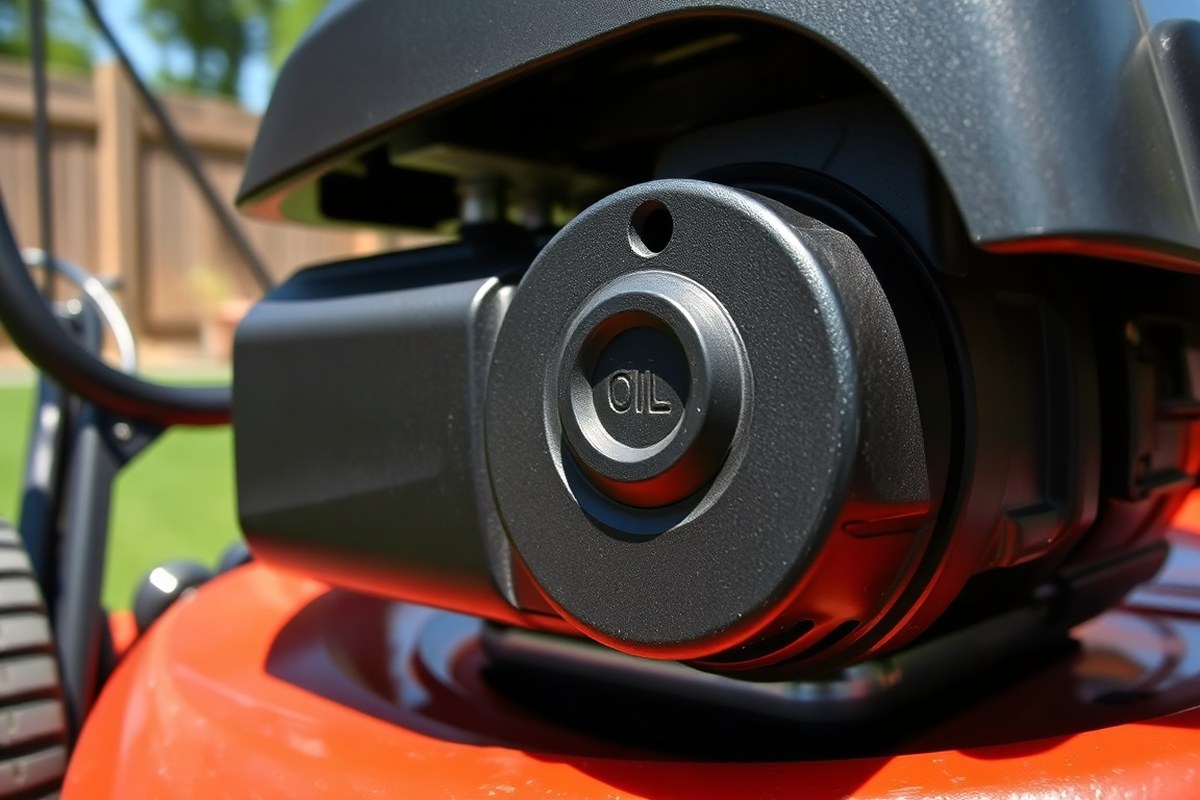
Place your mower on a flat, level surface before starting. Look for the oil fill cap on your mower. It is usually yellow or black.
The cap might have an oil can symbol on it. The dipstick is often attached to this cap or located very close by.
The dipstick usually holds a label like ‘Engine Oil’ to make it easy to spot. Check your manual to find the dipstick’s exact location.
It helps to confirm the right spot. This step ensures you know where to check without guessing.
Remove Dipstick and Inspect Oil Level
Before pulling the dipstick out, turn off the mower and let the engine cool down. Pull the dipstick straight out and wipe it clean with a cloth or paper towel.
Put the dipstick back in without screwing it down. Then pull it out again to check the oil level.
Read the markings on the dipstick to know the oil level. Usually, there are two marks for minimum and maximum. The oil should sit between these two marks.
Add oil if the level is below the minimum mark. This keeps your mower running well.
- Turn off the mower and wait for the engine to cool.
- Find and pull out the oil dipstick.
- Wipe the dipstick clean with a cloth or paper towel.
- Insert the dipstick back into the tube without screwing it in.
- Pull the dipstick out again and check the oil level.
- Compare the oil level to the min and max marks on the dipstick.
- Refill oil if the level is below the minimum mark.
Always check the oil level with the mower on flat ground for accuracy.
Interpret Oil Color and Texture
Fresh oil usually looks clear and amber-colored. Change the oil if it looks dark and gritty.
Old oil can harm your mower. Thick, milky, or foamy oil indicates contamination or internal engine issues.
Clean oil protects engine parts and helps the mower run longer. Stop using the mower if the oil smells burnt or has metal flakes.
Look for professional help right away. Checking oil condition keeps your engine healthy and avoids costly repairs.
Choosing the Right Oil Type for Your Lawn Mower
Choosing the right oil type for your lawn mower depends on the engine and climate. Most lawn mower engines need monograde oils like SAE 30.
These oils work well above 40°F. They keep the engine running smoothly. Using the right viscosity helps keep the engine parts lubricated without causing buildup or wear.
You can use synthetic oils in lawn mowers, especially 5W-30 or 15W-50, to get better protection. Synthetic oils flow well in cold weather and resist breakdown in hot conditions. Avoid automotive multigrade oils unless your mower manual says it’s okay.
Mower engines work differently than car engines. They need simpler oils to run right.
| Oil Type | Common Viscosity | Recommended Temperature Range |
|---|---|---|
| Conventional Lawn Mower Oil | SAE 30 | Above 40°F (4°C) |
| Multigrade Synthetic Oil | 5W-30 | 0°F to 100°F (-18°C to 38°C) |
| High-Temp Synthetic Oil | 15W-50 | 20°F to 120°F (-7°C to 49°C) |
Different climates affect your oil choice. For warmer areas, SAE 30 works fine all year. In cooler weather, use synthetic 5W-30 oil for easier starting.
This oil also protects the engine better. It suits cold places and seasons. Synthetic 15W-50 oil handles heavy loads or long mowing well.
It resists heat and lasts longer. Good for hard working mower engines.
Always check your mower’s owner’s manual for exact oil recommendations. Manufacturers list the type and capacity needed to avoid harm to the engine. Using the wrong oil can cause poor lubrication and engine wear.
This may lead to engine failure. Repair costs can add up quickly.
How to Add Oil to Your New Lawn Mower Safely
Before you start your new lawn mower, make sure you add the right amount of oil. This step protects the engine from damage and helps it run smoothly. Follow the directions carefully to avoid spills or engine problems.
Gathering Needed Supplies
Get everything ready before you add oil to avoid rushing and mistakes. You need the correct oil type and some tools to pour it safely. Having paper towels nearby helps clean up any spills quickly.
Use oil that fits your mower’s engine type. Check the engine or manual for the label. Match the oil type exactly to avoid damage.
Get a clean funnel and a rag ready. Consider using gloves to keep your hands clean. These tools help make changing oil easier and neater.
Measuring and Pouring Oil Carefully
Adding oil slowly lets you avoid overfilling, which can harm the engine. Start with the amount suggested in your mower’s manual, often between 18 and 22 ounces. Pouring while the mower is on a flat surface keeps the level accurate.
Follow these steps to add oil without spills or damage:
- Place the lawn mower on a flat, stable surface to keep it level.
- Remove the oil cap or dipstick and clean around the opening with a rag.
- Insert a funnel into the oil fill hole to prevent drips and spills.
- Pour the recommended amount of oil slowly into the funnel.
- Wait a moment to let the oil settle inside the engine.
- Replace the oil cap or dipstick securely to avoid leaks.
- Wipe any drips on the mower to keep it clean and safe.
Checking Oil Level After Adding
Confirm the oil amount is just right to protect your mower’s engine. Use the dipstick or sight glass, depending on your model, to check the level accurately. Avoid adding too much oil because that can cause smoke or damage.
Pull out the dipstick and wipe it well. Put it back in fully, then pull it out again. Check the oil level on the dipstick carefully.
The oil should fall between the minimum and maximum marks. Add a little more oil only if it’s below the minimum, then recheck.
When and How Often to Change Lawn Mower Oil
New lawn mowers need their first oil change after about 3 to 5 hours of use. This step clears out tiny metal shavings produced during the engine’s break-in period. Plan your first oil change within the first month for best results.
Change oil every 50 hours of use. Or change at least once each season. Do whichever comes first.
Regular changes keep the engine clean and running smoothly through lots of cutting jobs. You usually need one oil change per season if you mow weekly.
Signs you should change oil sooner include dark, gritty oil or unusual engine behavior. Check the oil’s look by pulling out the dipstick, clean oil is amber and clear. Dirty oil looks black and feels rough.
Smoke, overheating, or rough engine noise means you need fresh oil soon. Change the oil right away.
Changing oil is simple and affordable. Warm up the engine briefly, then turn it off and let it cool slightly. Use a container to catch old oil when you unscrew the drain plug.
Or tilt the mower gently to drain the oil. Refill the engine with the recommended oil type, usually about 20 ounces for push mowers. Running with dirty or low oil risks engine damage and costly repairs.
Change oil after the first 3 to 5 hours of new mower use. This removes engine break-in debris and prevents damage.
Risks of Running a Lawn Mower Without or Low on Oil
Running a lawn mower without oil or with low oil can be disastrous. Oil acts as a lubricant between the engine parts, reducing friction and heat. Without it, the engine parts rub together directly, causing wear and fast damage.
Low oil levels can lead to overheating and poor engine performance. You might notice rough running or unusual noises like knocking or ticking. Continuing to mow like this can cause the engine to seize.
That means it stops working and might need costly repairs. You could even need to replace the mower.
Too little oil fails to protect metal surfaces from grinding against each other. Bad results include scoring, warping, or complete failure of engine components. Running without enough oil can also void your warranty, adding to repair costs.
To avoid these risks, always check the oil level before mowing. Use the dipstick or sight glass as your guide.
Add oil if it reads below the recommended mark. But do not overfill since too much oil can cause leaks and damage seals.
Some newer mowers have sealed reservoirs designed to hold oil for life. So no regular topping is needed. For mowers needing oil checks, do it every morning before use.
This is very important if you mow a lot. Always check to avoid engine damage. Keeping an eye on oil is simple and cheap insurance against major engine trouble.
Warranty and Manufacturer Guidelines on Oil Use
Your lawn mower’s warranty often depends on following oil use guidelines carefully. Most manuals suggest using a certain oil type. This is usually SAE 30 or 10W-30.
The choice depends on the climate where you live. Using the wrong oil or skipping oil changes can void your warranty.
Manufacturers usually outline oil change intervals and types clearly in the manual. You might need to change the oil after the first five hours. Then, change it every 25 to 50 hours.
Follow what your manual says. Cleaning or replacing air filters is important.
Checking oil levels often is too. These steps help keep your warranty valid.
To keep warranty coverage intact, always use the recommended oil and follow the suggested schedule. Write down oil changes to keep a record in case you need warranty service. Avoid using additives or mixing oils not approved by the manufacturer.
Here’s a quick checklist for meeting manufacturer oil requirements: use only the oil grade specified. Check oil before each use. Change oil after the break-in period and at regular intervals.
Keep your mower clean and filter maintained. This approach prevents engine damage that warranties won’t cover.
Some mowers need synthetic oil, especially newer models or those used in extreme temperatures. Refer to your manual for these details. Your mower runs hot sometimes.
Using a synthetic blend oil can reduce engine wear. This helps avoid costly repairs outside warranty.
Ignoring oil guidelines can cause overheating, engine seizing, or expensive repairs that aren’t covered. For example, running low on oil can cause internal parts to wear out quickly.
That damages your mower and cancels warranty protection. Follow the manual’s instructions exactly and keep up with routine checks to avoid problems.
Where and How to Buy Quality Oil for Your Lawn Mower
You can find good quality oil for your lawn mower from well-known brands like Castrol, Mobil 1, and Briggs & Stratton. They’re widely available at hardware stores, garden centers, and online. Checking oil labels ensures you pick the right type and grade for your mower.
Top Trusted Oil Brands
Castrol offers oils that promote smooth engine performance and protect against wear. Mobil 1 makes synthetic oils that last longer and handle higher temperatures well. Pennzoil is known for its reliability and good cleaning agents inside the oil.
Briggs & Stratton produces oils designed especially for small engines, helping extend mower life. Husqvarna oil suits heavy use and tough weather conditions because it handles a broader temperature range. Vanguard 15W-50 oil is good for hot climates and heavy use.
It suits commercial work well. You might not find it easily at retail stores.
Buying Locations and Options
You can get lawn mower oil at hardware stores. Home Depot and Lowe’s also sell it. These places are easy to find for most people.
Many garden centers also stock oils tailored for small engines. Automotive supply shops often carry motor oils compatible with lawn mowers as well.
Online stores have many oil choices. They sell specialty oils and large sizes too. This is handy for frequent mower users.
Shopping in person lets you check the label closely to ensure compatibility and freshness. Online buying often offers better pricing but watch for shipping costs and delivery times.
- Local hardware stores for quick, easy purchases
- Garden centers with mower-specific oil choices
- Home improvement stores carry major brands
- Automotive supply shops for versatile oil types
- Online retailers for wide selection and bulk buying
Always store oil in a cool, dry place to keep it effective.
Label Checks for Compatibility
Look for the right oil weight and grade on the label. 10W-30 is common for many mowers. Check if the oil meets your engine’s needs.
This info is in your mower manual. You can also see it on the oil cap. Also, check for small-engine service ratings like SJ or newer.
Labels usually list temperature ranges the oil supports. Avoid oils outside your local climate needs.
Synthetic oils often say “synthetic” or “full synthetic” clearly. Avoid oils intended only for cars or heavy trucks, as they might lack needed additives.
Step-by-Step Action Plan for Your New Lawn Mower Oil Care
Keep your mower running smooth with these quick oil check and change steps. Follow this to avoid common mistakes that harm your machine.
- Before First Use: Check the oil level using the dipstick or sight glass. Fill with recommended oil if it’s low or empty to prevent engine damage.
- After First Hour of Use: Inspect the oil level again. This helps seat the engine parts and confirms proper oil flow.
- Every 5 Hours of Use: Check oil levels to spot leaks or burning early. Top off as needed before starting.
- Every 25 Hours of Use or Season Start: Change the oil according to your mower’s manual. Fresh oil keeps the engine cool and clean.
- End of Season: Do a full oil change before storage. Old oil can cause corrosion and strain in cold weather.
- When Oil Looks Dark or Gritty: Replace it right away. Dirty oil clogs parts and lowers power.
- Before Long Periods Without Use: Drain and refill oil to avoid build-up. This prevents damage when you start up again.
- When Buying Oil: Choose oil that matches your mower’s specs for best results. Using wrong oil risks engine wear.
Frequently Asked Questions
Do New Lawn Mowers Come with Oil Already in Them?
Most new lawn mowers don’t have oil in their engines. Check the oil level before you start using your mower. Adding oil first helps prevent engine damage.
How Can I Tell If My Lawn Mower Needs Oil?
Check the oil level using the dipstick or sight glass before each use. Low or dirty oil usually means it’s time for a change.
How Much Oil Do I Put in a New Lawn Mower?
Pour oil up to the mark shown in the manual. This is usually around 16 to 20 ounces.
Do not overfill or underfill the oil. Overfilling can harm the engine, so be precise.
Can You Use a Lawn Mower Without Oil?
No, running a mower without oil can cause major engine damage. Always add the right amount of oil before starting the mower.
Does the Oil Type Affect Lawn Mower Performance?
Yes, using the correct oil type helps your mower run smoothly. Check your manual for the recommended oil grade and type.
How Soon Should I Change Oil in a New Lawn Mower?
After 5 hours of use, replace the oil in new mowers. This clears out debris in the engine. Changing oil early helps your mower work better.
Final Thoughts
New lawn mowers may or may not have oil pre-installed, so always check first. Keeping oil at proper levels protects your mower and boosts performance. Start by checking your oil before your next mow session to set a good habit.