

Can You Use 2 Cycle Oil in a Lawn Mower? What Actually Works and Why
Using 2 cycle oil in a lawn mower isn’t recommended. Most lawn mowers have 4-stroke engines that need 4 cycle oil. Putting 2 cycle oil in those engines can harm them and lower power.
Two cycle oil is designed for engines that mix oil with gasoline. 4-stroke mower engines have separate oil tanks. The oil and gas don’t mix, which helps proper lubrication.
That’s why you should never put 2 cycle oil in a 4-stroke mower’s oil tank. It won’t protect the engine like 4 cycle oil does. Using the wrong oil can lead to damage.
Your mower uses 2 cycle oil only if it has a 2-stroke engine. Some light models have this type. Check your manual to know the right oil for your mower.
Key Takeaways
- Never put 2 cycle oil in a 4-stroke lawn mower’s oil tank.
- 2 cycle oil is designed to mix with gasoline, not for separate oil reservoirs.
- Check your mower’s engine type before choosing oil.
- Use 2 cycle oil only if your mower has a 2-stroke engine.
- Running 2 cycle oil in a 4-stroke engine can cause damage within minutes.
- Refer to your lawn mower’s manual for oil recommendations.
Can You Use 2 Cycle Oil in a Lawn Mower Engine?

No, you cannot use 2 cycle oil in a standard lawn mower with a four-stroke engine. Most lawn mowers today have four-stroke engines that need oil stored separately in the crankcase. 2 cycle oil is made to mix with fuel for burning.
It won’t properly lubricate lawn mower engines. These engines need a different kind of oil for lubrication.
Pouring 2 cycle oil into a four-stroke mower’s oil reservoir can cause serious engine damage. The oil will burn out quickly, leaving metal parts unprotected and increasing wear. This improper lubrication often results in expensive repairs or engine failure.
Two-cycle oil fits lawn mowers with 2-cycle engines only. These are usually older or lightweight mower models. Other mowers need different oil types.
For these mowers, mix oil with gas in certain amounts. Common ratios are 32:1 or 40:1, depending on the mower.
Check the mower’s age for the right ratio. Always follow the manufacturer’s instructions for the right fuel-to-oil mix to keep the engine running smoothly.
How 2 Cycle Oil Differs from 4 Cycle Oil
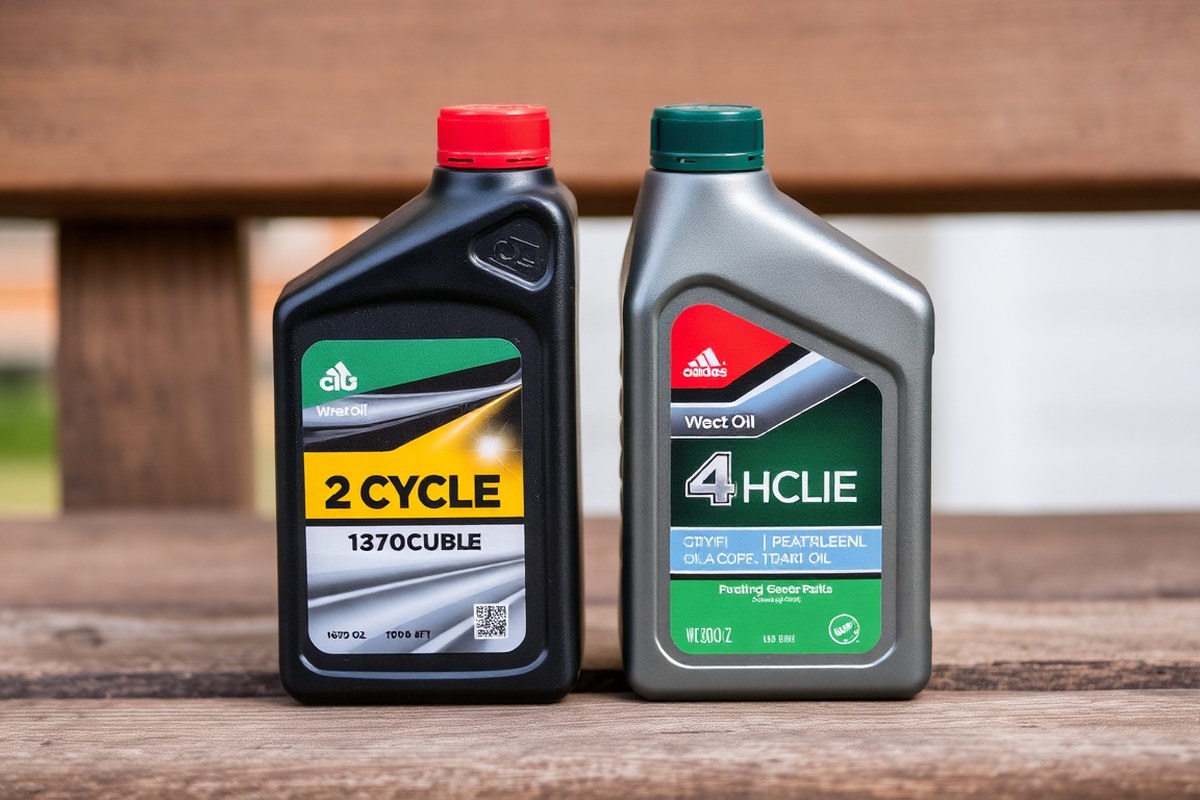
Two cycle oil mixes with fuel for engine use. Four cycle oil stays separate from fuel. They serve different engine types.
Their chemical makeup and lubrication methods are very different. Using two cycle oil in a four stroke mower can harm it.
The oil doesn’t lubricate engine parts well. This leads to engine damage.
Composition and Additives in 2 Cycle Oil
Two cycle oil is designed to mix directly with gasoline. It burns as part of the fuel mixture. So it contains additives to control smoke and prevent deposits.
This oil is thinner and burns off quickly. It mixes well with fuel for clean combustion. That helps the engine run smoothly.
Because it burns with the fuel, two cycle oil does not leave heavy, sticky residues. Two cycle oil has detergents that clean engine parts. It does not have many anti-wear additives.
These are common in four cycle oils. These features fit lightweight, high-revving engines like chainsaws and string trimmers.
Characteristics of 4 Cycle Motor Oils
Four cycle oils stay in a separate crankcase to lubricate engine parts like pistons and bearings. Four cycle oils are thicker than two cycle oils. They have more additives for wear and cleaning.
This protects the engine over time. This oil must maintain a stable film under heat and pressure.
These oils come in several viscosities such as SAE 30 or 10W-30, suited for different temperatures. Their chemical makeup includes additives that handle oxidation, corrosion, and sludge buildup. This ensures long engine life and smooth operation in four stroke lawn mowers.
Impact on Engine Performance and Wear
Using two cycle oil in four stroke mowers causes poor lubrication. It’s too thin and burns off fast. This can damage engine parts.
This leads to friction, overheating, and eventual engine damage. Common results include smoking, decreased power, and shorter engine life.
Four stroke engines need a steady oil film in the crankcase. Two cycle oil does not form this film. This risks engine wear and failure.
Over time, use of two cycle oil increases wear on bearings and pistons. This results in costly repairs or premature engine failure.
Never pour 2 cycle oil into the oil tank of a 4 stroke mower. It won’t protect your engine properly.
| Feature | 2 Cycle Oil | 4 Cycle Oil |
|---|---|---|
| Usage | Mixed with fuel, burns in combustion chamber | Separate oil tank; lubricates moving engine parts |
| Viscosity | Thin, lightweight oil | Thicker, stable under heat and pressure |
| Additives | Detergents for cleaner burn, minimal anti-wear agents | Anti-wear, anti-oxidation, corrosion inhibitors |
| Engine Type | Two stroke engines | Four stroke engines (typical lawn mower engines) |
| Effect in Wrong Engine | Not applicable (designed for different engines) | Two cycle oil causes poor lubrication, wear, damage |
Identifying Your Lawn Mower’s Engine Type
To tell if your lawn mower has a 2 stroke or 4 stroke engine, watch how it uses oil and fuel. A 2 stroke engine mixes oil and fuel together. A 4 stroke engine has oil and fuel separate.
A 2 stroke engine mixes oil with gasoline. A 4 stroke has separate oil and fuel systems. This difference helps you pick the right oil type and avoid engine damage.
Physical Signs of a 2 Cycle Engine
A 2 cycle engine uses only one opening for both the fuel and oil mix. You won’t see a separate oil fill cap on these engines. The exhaust often smells stronger and there’s usually smoke because the oil burns with the gas.
Check for no dipstick or oil reservoir. The engine is smaller and lighter than a 4 stroke. These engines are common in handheld tools but less common in lawn mowers.
Features of a 4 Cycle Lawn Mower Engine
Four stroke engines have separate fill ports for oil and gasoline. You will find a dipstick or oil cap to check oil levels. The engine size is generally bigger with a heavier build.
The exhaust smell is cleaner since oil is not burned with the gas. These mowers start easier and usually last longer with proper maintenance. Most walk-behind lawn mowers use 4 stroke engines today.
Reading Manufacturer Labels and Manuals
Look on your mower’s engine or fuel tank for stickers about oil and fuel. Labels will often say “mix oil and gasoline” for 2 cycle engines. For 4 stroke engines, the label shows the right oil weight.
It also says you add oil separately from fuel. This helps your engine run smoothly and last longer.
The owner’s manual is the best place to confirm engine type and the correct oil. You will find precise instructions matching your mower model. Manuals also warn against using 2 cycle oil in a 4 stroke engine and vice versa.
- Check for one or two fill caps on the engine
- Read instructions for oil type and fuel mixture
- Look for an oil dipstick or oil reservoir
- Notice exhaust smell and smoke when running
- Compare engine size and weight
- Consult the owner’s manual for exact details
Following these steps helps pick the right oil and avoids costly repairs. Mixing 2 cycle oil in a 4 stroke mower can cause fouling and engine failure. Knowing your engine type saves time and keeps your mower running longer.
Potential Engine Damage from Using the Wrong Oil
Using 2 cycle oil in a 4 stroke mower can harm the engine. This oil is thinner and burns in a different way.
It won’t protect engine parts well. Without good lubrication, bearings, piston rings, and cylinder walls wear out quickly.
The wrong oil leads to overheated metal parts because of increased friction. This heat can warp the engine’s cylinder or damage the piston. Over time, this may cause the mower to lose power or fail to start at all.
Damage from 2 cycle oil usually builds up slowly rather than happening right away. For example, you may not see issues in the mower’s first hours. Problems often do not appear right away.
Damage builds up over time. After 10 to 20 hours, you could notice rough idling.
Power loss may also become clear. The engine won’t run smoothly anymore.
Your mower’s engine might run at 3,600 rpm during use. Wrong oil lets metal parts rub while the engine heats up. Temperatures can go beyond 200°F. This causes extra wear inside the engine.
This breaks down the oil faster and causes sludge buildup. That sludge clogs small oil passages, starving the engine of lubrication.
Fixing this damage is costly. You could need new piston rings or valve parts. Repairs often cost between $150 and $300.
This includes parts and labor. Severe damage may require a full engine rebuild. Sometimes, buying a new mower is better.
Proper lubrication works by forming a protective layer between moving parts, stopping metal-on-metal contact. Four stroke engines rely on thicker oil to keep that layer strong.
Two stroke oil is made to mix with gas and burn with the fuel. So it doesn’t keep the metal safe inside the crankcase.
Proper Use of 2 Cycle Oil in 2 Stroke Lawn Mowers
Use 2 cycle oil only in mowers with 2-stroke engines. Mix oil and gasoline at the exact ratio the engine needs. This keeps the engine running well and prevents damage.
Recommended Mix Ratios by Engine Age
Most newer 2-stroke lawn mowers call for a 50:1 fuel-to-oil ratio. This means 2.6 ounces of 2 cycle oil per gallon of gasoline. Older engines might need a richer 40:1 ratio, which is about 3.2 ounces per gallon.
Check your mower’s manual to confirm the exact mix ratio. Using too much oil can cause smoky exhaust and carbon buildup. Using too little leads to poor lubrication and engine wear over time.
Steps to Mix Fuel and 2 Cycle Oil Safely
Start with fresh, clean gasoline rated for small engines. Pour one gallon into a clean, approved fuel container. Add the correct amount of 2 cycle oil based on the ratio.
- Measure oil carefully with a marked bottle or measuring cup
- Pour oil into gasoline, then mix by shaking the container gently
- Label the container with mix ratio and date for easy reference
- Use only approved fuel containers that seal tightly
- Fill the mower’s gas tank from this mixture, never separate oil and gas
Mixing oil and gasoline before filling the mower ensures proper lubrication during operation. Avoid mixing too far in advance to keep the fuel stable.
Never add oil directly to the mower’s gas tank without mixing it in a container first.
Storing Mixed Fuel for Best Results
Store mixed 2 stroke fuel in a cool, dry place, away from sunlight. Use sealed containers to prevent moisture and air from spoiling the fuel. Mixed fuel usually stays good for up to 30 days.
Older fuel breaks down and can cause hard starting or rough running. Smaller batches are better if you don’t use the mower often. Label the container with the mix date to track freshness.
How to Correctly Change and Maintain Lawn Mower Oil
Change the oil in walk-behind mowers once a year or every 50 hours. Riding mowers need their oil changed once yearly or after 100 hours. Always check the oil level on 4-cycle engines using a dipstick.
Drain the old oil when the mower is warm for better flow. Use a wrench to loosen the drain plug. Or, tip the mower slowly to let the oil flow out.
Make sure to catch the oil in a container. Catch the oil in a clean container to avoid spills.
- Warm up the mower engine briefly before starting
- Remove the oil drain plug and let oil drain into a container
- Clean the oil filter or swap it out if your mower has one. Keep the filter in good shape for better engine health.
- Reinstall the drain plug tightly once oil is fully drained
- Refill with the recommended 4-cycle oil to the proper level
- Use the dipstick to check oil levels after refilling
Never pour old oil down drains or on the ground. Take used oil to a recycling center or auto shop that accepts it. Proper disposal helps protect soil and waterways from pollution.
Following these steps avoids engine wear and damage from old or improper oil. Clean oil helps the engine run cool and smooth throughout the mowing season. Use the right oil and change it regularly.
This helps your mower last longer. Following the schedule avoids engine problems.
Warranty and Manufacturer Recommendations for Oils
Using 2 cycle oil in a 4 cycle lawn mower can void your warranty. Manufacturers clearly state to use the recommended oil type only. For most residential mowers, this means SAE 30 or 10W-30 four-stroke oil.
Manufacturers specify oil types to protect engine parts and ensure performance. Four-stroke engines need oil that lubricates and cools in a separate crankcase. Two-cycle oil mixes with fuel to lubricate the engine.
It does not protect the crankcase well if poured directly. Use the right oil type for proper engine care.
Check your mower’s owner manual for oil recommendations. Look for a sticker on the engine if needed. This prevents warranty problems later on.
Use the exact oil type specified, whether conventional or synthetic motor oil. Using the wrong oil, like 2 cycle oil, risks engine damage and voids warranty coverage.
Best Practices for Choosing and Storing Lawn Mower Oils
Picking the right oil brand matters more than you might think. Choose brands with good reviews and clear labeling. Look for oils made specifically for lawn mowers or small engines to avoid damage.
These oils have additives that protect against wear and heat. Regular car oils might not offer this level of protection. That makes these oils better for your mower engine.
Synthetic oils cost more, usually $8 to $15 for a quart. But they last longer and handle heat better. They keep your engine cleaner, especially in hot weather or if you mow often.
Conventional oil costs about $4 to $7 per quart. It works fine for occasional use. Use it in mild weather below 85°F.
Temperature and weather affect your oil choice. In cold weather, use oils with lower winter viscosity. Oils marked 10W-30 help your mower start easier.
This makes cold mornings less frustrating. Hotter places call for thicker oils, such as SAE 30, to maintain good lubrication.
Check the label for SAE numbers. They tell you how thick the oil is and when it works best.
Some additives help your engine. Look for oils with detergents to clean inside parts and antioxidants to reduce breakdown.
Avoid oils with extra friction modifiers or those not designed for small engines. These can gum up your mower or cause smoke and poor performance.
Reading oil labels takes a bit of practice but pays off. The label shows if the oil is 2-cycle or 4-cycle. It also gives the viscosity number like SAE 30 or 10W-30.
This helps you pick the right oil. It also says if the oil meets API or JASO standards, which guarantee quality. Always pick oil that matches your mower’s engine type and climate.
Store your oil in a cool, dry spot away from sunlight. Heat and light speed up oil breakdown and contamination.
Keep the container tightly sealed to prevent water and dirt from getting in. Proper storage keeps oil fresh for up to two years.
Old or contaminated oil can harm your mower’s engine. So never use oil past its expiration date or that smells sour.
Step-by-Step Action Plan for Oil Use in Your Lawn Mower
Follow these clear steps to use and maintain the right oil type for your lawn mower. This plan helps keep the engine running well and lasts longer.
- Before Your First Cut: Check your owner’s manual to identify your engine type. Confirm if your mower uses a 2 stroke or 4 stroke engine.
- Day 1: Pick the right oil based on your engine type. Use 2 cycle oil only in 2 stroke engines. Use 4 cycle oil for 4 stroke engines. These oils are made for different types of engines.
- Week 1: Mix 2 cycle oil with fuel exactly as the manual says. Follow the exact ratio for your 2 stroke mower. Do not guess the oil amount. Proper mixing keeps the engine from damage.
- Week 2: Run your mower and listen for smooth engine noise. Rough sounds or smoke indicate oil mix or type problems.
- Every Month: Change the oil in your 4 stroke mower according to the manual schedule. Fresh oil keeps your engine clean and prevents wear.
- Each Season: Inspect and clean your mower’s air filter and spark plug. This improves engine performance and oil effectiveness.
- After Each Season: Store your oil in a cool, dry place and check its expiration date. Good storage maintains oil quality for next use.
- Anytime You Buy Oil: Check for manufacturer approval labels on the product. This ensures the oil meets your mower’s requirements.
Frequently Asked Questions
Can 2 Cycle Oil Harm a 4 Stroke Lawn Mower Engine?
Yes, using 2 cycle oil can cause engine damage in 4 stroke mowers. It doesn’t lubricate parts properly and can lead to costly repairs.
What Happens If I Mix 2 Cycle Oil with Regular Gasoline in a Mower?
Mixing 2 cycle oil with gasoline only works for 2 stroke engines. Using it in 4 stroke engines confuses the oiling system. It can clog or damage the engine.
Can 2 Cycle Oil Be Used as an Emergency Substitute in a 4 Stroke Mower?
No, using 2 cycle oil instead of 4 cycle oil is risky. This applies even in an emergency.
It can harm your engine over time. It may cause long-term harm to the engine’s components.
Is Synthetic 2 Cycle Oil Better for Lawn Mowers Than Regular Oil?
Synthetic 2 cycle oil is designed for 2 stroke engines only. Using it in a different engine type doesn’t improve performance and can cause problems.
How Often Should I Check Oil Levels If Using 2 Cycle Oil in a 2 Stroke Mower?
You should check the oil level before every use of a 2 stroke mower. This ensures the mixture ratio is correct and prevents engine damage.
Can I Switch from 4 Cycle Oil to 2 Cycle Oil If My Mower Engine Fails?
No, switching oil types won’t fix engine problems and may worsen them. Use the correct oil as per the engine design instead.
Final Thoughts
Using 2 cycle oil only suits 2 stroke lawn mowers. Always match oil type to your engine to save money and avoid damage. Now, check your mower’s manual and label your oil cans for easy next use.




One Comment