What Part of a Plant Makes Seeds: A Complete Guide to Seed Formation and Dispersal
What part of a plant makes seeds? The answer is the flower.
Flowers hold the plant’s reproductive organs, where seeds develop after fertilization. This makes flowers key to a plant’s ability to reproduce and spread.
Inside the flower, the ovary houses ovules that turn into seeds once fertilized. Fertilization starts when pollen lands on the flower’s stigma.
The pollen then moves down to meet the ovules inside the flower. This process sets the stage for forming healthy seeds.
Knowing this helps you watch flowers closely for signs of pollination and seed formation. You see flowers bloom first on your plants.
This is the start of seed formation. Seeds later grow into new plants.
Key Takeaways
- Seeds form in the flower’s ovary after successful fertilization.
- Pollen from a flower’s stamen must reach the stigma to fertilize ovules.
- Healthy flower development is essential for strong seed production.
- Watch for pollinators visiting flowers to encourage seed formation.
- The ovary converts fertilized ovules into seeds inside the flower.
- Seed formation begins only after pollen reaches the ovary via the stigma.
Which Part of the Plant Produces Seeds?

The part of a plant that makes seeds is the flower. Seeds grow inside the flower’s ovary. The ovary is part of the pistil.
The pistil is the flower’s female reproductive organ. The ovary contains structures called ovules, where seeds actually form.
The flower itself doesn’t directly produce the seed but creates the right conditions for seed formation. After fertilization, the pollen travels down the style to reach the ovules in the ovary. This triggers the ovules to develop into seeds within the protective ovary.
The ovary plays a key role because it encloses and protects the developing seeds. The ovary often turns into fruit over time. Fruit helps protect the seeds inside.
It can also help spread the seeds. Without a healthy ovary, seeds can’t form properly. So good flower care supports seed production in your plants.
How Does Fertilization Lead to Seed Formation?
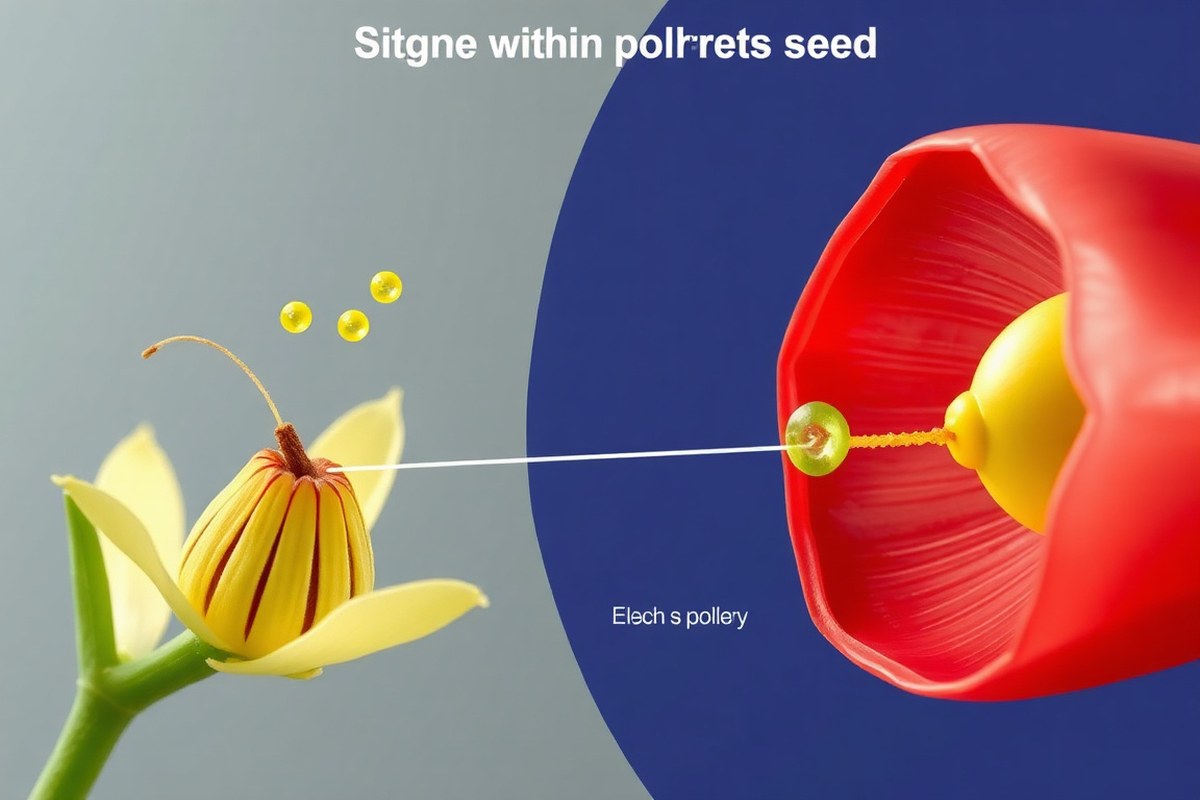
Seeds form when pollen brings male cells to the ovule’s female cells. Pollination moves pollen to the flower’s stigma.
Fertilization happens when sperm from pollen meets and fuses with the egg inside the ovule. This union starts the seed development.
Pollination: Transfer of Pollen
Pollen is produced by the male part of a flower. It lands on the sticky stigma of the female flower part. This step is essential for fertilization.
Pollen can reach the stigma by wind, insects, birds, or other animals. The stigma captures pollen grains and holds them. After landing, pollen begins its journey toward the ovules.
Pollen Tube Growth and Sperm Delivery
Once on the stigma, pollen grows a tube down the style. This tube guides the sperm cells to the ovary, crossing the style’s length. The process takes several hours to a few days depending on the species.
The tube reaches an ovule inside the ovary and penetrates it. Two sperm cells travel down the tube into the ovule. One fertilizes the egg, while the other supports seed formation.
Make sure flowers are healthy and not wet when pollinators are around to improve pollen transfer.
Fertilization of Ovules to Form Embryos
Fertilization happens when a sperm cell fuses with an egg cell in the ovule. This creates a zygote that will develop into an embryo. The embryo becomes the new plant inside the seed.
The fertilized ovule thickens and forms the seed coat, protecting the embryo. The ovule changes shape and size as the embryo grows. Fertilization usually completes within 24 to 48 hours after pollen reaches the stigma.
Steps for fertilization and seed formation:
- Land pollen on the flower’s stigma.
- Grow a pollen tube down the style toward the ovary.
- Deliver two sperm cells through the pollen tube to an ovule.
- Fuse one sperm with the egg inside the ovule to fertilize it.
- Develop the zygote into an embryo inside the ovule.
- Form a seed coat from the ovule’s tissues for protection.
What Are the Key Structures Inside a Seed?
Seeds have three main parts: the embryo, the seed coat, and the endosperm or nourishing tissue. Each part helps the seed develop into a healthy plant. They all have important roles in growth.
Each is necessary for proper seed development. Understanding these parts shows how seeds survive and begin new plant life.
Embryo: The Developing Plant
The embryo is the young plant inside the seed. It includes the radicle, plumule, and cotyledons. Each part has a different role later in life.
The radicle turns into the root system. The plumule becomes the shoot, and cotyledons form seed leaves.
As the seed grows, the embryo remains dormant until conditions suit growth. This tiny plant inside the seed holds important cells and parts.
It contains everything needed for life outside the seed coat. The embryo grows into the full plant.
Seed Coat: Protection and Survival
The seed coat surrounds the embryo and all internal parts. It acts like armor protecting the seed from injury and drying out. This layer also guards against fungi and harmful bacteria.
Healthy seed coats are a sign of good seed quality. A damaged or thin seed coat can let pathogens inside.
It also allows seeds to dry out fast. Both problems reduce the chance of germination.
Endosperm: Nourishment Source
The endosperm is tissue that surrounds and feeds the embryo in many seeds. It stores starches, oils, and proteins the embryo uses while growing inside the seed. In some seeds, cotyledons take over this nourishing role.
Having a strong supply of endosperm or nutrient-rich cotyledons gives the seed energy. This support helps the plant start quickly after germination, especially in poor soil.
Additional Seed Structures and Functions
Besides the main parts, seeds can have extra structures that aid survival or spread. These features differ among plant species. Some help seeds stick to animals or float in water.
- Arils: fleshy coverings that attract animals for dispersal
- Wings: extensions that help seeds glide on the wind
- Hooks or barbs: allow attachment to animal fur or feathers
- Mucilage: sticky coatings that help seeds attach to soil
- Plumes or hairs: small hair-like parts that catch the wind
These extra parts protect the embryo along with the seed coat. They also help spread the seed to new places.
Both functions aid seed survival and growth. Plants adapt these features to improve the chances of seed survival and growth.
How Does the Ovary Transform into Fruit to Protect Seeds?
The ovary of a flower turns into a fruit after fertilization. Inside the ovary, ovules develop into seeds. The ovary’s walls start to thicken during this process.
They grow and turn into the fruit. The fruit then surrounds the seeds inside.
Fruits protect developing seeds by acting like a shield against pests and harsh weather. They keep the seeds safe during dormancy by preventing bacteria, fungi, and viruses from entering. This protection helps the seeds survive until they are ready to grow into new plants.
Not all seeds grow inside fleshy fruits like apples or pea pods. Some seeds develop within dry fruit structures called capsules. These tough, protective shells hold the seeds until they are mature and ready to be released.
Fruit also plays a role in spreading seeds far from the parent plant. Many fruits attract animals that eat the fruit and later disperse the seeds through their droppings. Others use wind or water to carry seeds away, like dandelions with their cottony pappus.
Some fruits have special ways to send seeds flying away. For example, seed pods can burst open suddenly, flinging seeds into the air. This helps new plants start in places with less competition and better chances for survival.
What Are the Different Seed Dispersal Mechanisms?
Seeds spread away from their parent plant through several methods. These include wind, animals, water, and mechanical forces. Each method helps seeds find new places to grow and avoid competition.
Wind Dispersal: Wings and Fluff
Seeds that travel by wind usually have special structures to help them float or glide. Some have wings or papery coverings, while others carry fluff or hair-like appendages.
These features catch the air currents and push seeds away from the parent plant. The distance they travel depends on wind speed, seed weight, and shape.
- Maple seeds have winged “helicopters” that spin as they fall.
- Dandelion seeds come with light, fluffy parachutes.
- Milkweed pods release seeds with silky hairs for long rides.
- The wings increase surface area, reducing falling speed.
- Lightweight seeds float farther on gentle breezes.
Wind dispersal lets plants colonize open spaces fast. Seeds must be light but sturdy enough not to break during flight.
Animal Dispersal: Edible Fruits and Attachments
Animals help spread seeds by eating fruits or carrying seeds on their bodies. Some seeds hide inside tasty fruits to get animals interested.
When animals eat seeds, the seeds go through their digestive tract. They drop in new places afterward.
These seeds often land with natural fertilizer. Other seeds cling to fur or feathers using hooks, barbs, or sticky hairs.
- Wild berries contain seeds animals eat and spread.
- Blackberries and strawberries have fleshy edible coverings.
- Burdock seeds use hooked spines that stick to fur.
- Cocklebur seeds have sticky hairs for clinging.
- Squirrels bury nuts that later sprout into new trees.
Seeds adapted for animal spread often rely on the animal’s behavior. They might need to survive digestion or stick firmly to passersby.
Be cautious picking berries; some seeds must pass through animals before sprouting.
Water and Mechanical Dispersal Methods
Water carries seeds that can float. Many water-dispersed seeds have waxy coatings or air pockets to stay buoyant. Rivers, rain, and tides move these seeds to far-off places.
Mechanical dispersal means seeds use force to eject themselves. Some seed pods dry out and pop open, shooting seeds web feet away. This spreads seeds without relying on wind or animals.
- Coconut seeds float well and spread across oceans.
- Lotus seeds survive long submersion and float on water.
- Sundews burst their seed pods with tension when dry.
- Touch-me-nots’ pods explosively release seeds when ripe.
- Water dispersal suits plants near rivers and wetlands.
Plants combine these methods based on habitat and seed size. Mechanical action uses energy stored in the seed coat or fruit walls.
How Do Seed Formation Processes Differ in Gymnosperms?
Not all seed plants make seeds in flowers. Gymnosperms, like conifers, produce seeds without flowers. Their seeds develop on the surface of cones, often called “naked seeds.”
Conifers use cones to hold and protect seeds instead of flowers. The female cones house the ovules that develop into seeds after fertilization. Male cones release pollen that fertilizes these ovules, starting seed formation.
Understanding the difference between gymnosperms and angiosperms helps in identifying plants and their seed production. Angiosperms form seeds inside ovaries found in flowers, which later become fruit. Gymnosperms do not form fruit; their seeds are exposed on cone scales.
| Feature | Gymnosperms | Angiosperms |
|---|---|---|
| Seed Enclosure | Seeds are “naked,” not inside fruit | Seeds enclosed in ovaries that develop into fruit |
| Seed-Bearing Structure | Cones (male and female separate cones) | Flowers (carpels contain ovules and seeds) |
| Pollination Type | Pollen falls on ovules exposed on cone scales | Pollen lands on stigma inside flowers |
| Examples | Conifers like pine, fir, cycads | Grasses, roses, oak trees |
| Seed Protection | Seeds exposed until dispersed | Seeds protected by fruit tissue |
Seed formation in gymnosperms takes longer than in flowering plants sometimes. It can last several months as cones mature slowly and seeds develop. In gardening, recognizing cones instead of flowers shows you where seeds form on these trees.
Seed production in gymnosperms varies by species and climate. Conifer seeds often require drying and cold to germinate, unlike many angiosperm seeds. Knowing this helps you handle seeds for planting or collection properly.
What Factors Influence Successful Seed Development?
Seed development relies heavily on temperature, moisture, and light. Most seeds develop best with daytime temperatures between 65 and 75°F. Too much heat can cause embryos to stop growing. Too little slows development or causes failure.
Water availability directly affects seed formation. Dry soil during flowering and fertilization often results in poor seed set. You can boost seed production by watering plants regularly.
Light quality and duration also play a role. Plants need enough sunlight to produce energy for seed growth. Providing 6 to 8 hours of direct light daily helps most garden plants generate viable seeds.
Genetic factors and plant health impact seed quality, too. Diseases, pests, and nutrient deficiencies can interfere with embryo growth. Keep plants healthy with proper fertilizing, pest control, and regular pruning to support strong seed development.
Gardeners can encourage better seed set by removing excess flowers early. This directs the plant’s resources toward fewer seeds, improving size and viability. Also, hand pollination helps in poor wind or insect conditions, increasing fertilization success.
Seed dormancy is another biological factor. It pauses germination until the environment is suitable, protecting the seed from harsh conditions. Some seeds need cold treatment or scarification to break dormancy and start growing.
Stress caused by sudden temperature swings or drought often leads to malformed or nonviable seeds. Monitoring local weather and protecting plants from extreme changes helps avoid these problems. Using mulch can stabilize soil moisture and temperature for more consistent seed development.
How Can You Recognize and Support Healthy Seed Formation?
Look for plump ovaries or seed pods on flowering plants. Healthy seed development shows firm, rounded shapes without shriveling. Color changes from green to the mature hue signal seeds are growing well.
Supporting pollination helps seeds develop fully. Attract bees to your plants for natural pollination. Use a small brush to transfer pollen by hand too.
This helps when pollinators are not around much. Avoid spraying pesticides during flowering because they can kill pollinators and stop seed formation.
- Check flowers daily for signs of fertilization like wilting petals or swelling seed pods
- Keep soil evenly moist but not waterlogged during seed development
- Provide 6 to 8 hours of sunlight to give plants energy for seed growth
- Remove damaged or diseased flowers promptly to direct energy toward healthy seeds
- Use light support, like stakes, to protect heavy seed pods from breaking
- Watch for insects that chew on flowers or pods and treat only if damage is severe
- Harvest seeds after pods dry and turn brown to ensure full maturity
Wilting seed pods or seeds that are soft and hollow usually mean poor fertilization. Low pollen availability or poor weather during flowering may cause this. You can replant using viable seeds from healthy plants and adjust watering and pest care.
Don’t cut back seed pods too early; premature harvesting leads to weak seedlings.
Healthy seed formation needs careful monitoring through flowering and pod development. Small actions, like helping pollination and controlling moisture, make a big difference. Your efforts help the plant finish its life cycle.
It produces strong seeds ready for planting next time. This supports the plant’s ongoing growth.
Step-by-Step Action Plan to Encourage Seed Formation
Follow these steps to help your plants produce healthy seeds. Observing the plant closely will show you if each step worked.
- Before flowering: Make sure plants get plenty of sunlight and water. Healthy leaves mean strong flowers will develop.
- During flowering: Encourage pollination by attracting bees or manually pollinating flowers. If you see pollen on the stigma, pollination worked.
- Just after fertilization: Avoid disturbing the flowers or newly forming fruit. Swelling of the ovary shows seed formation has begun.
- When seeds are growing: Keep watering consistently but don’t overwater. Plump fruit or seed pods indicate good seed development.
- Before seed dispersal: Watch for drying or color changes on fruit or seed pods. This signals seeds are mature and ready.
- Harvest time: Collect seeds at full maturity, usually when pods crack or fruit softens. Clean seeds will be firm and can grow new plants.
- After harvesting: Store seeds in cool, dry places to keep them healthy. Test sprouting by planting a few to check viability.
Frequently Asked Questions
What Part of a Plant Makes Seeds?
The flower is the part of a plant that makes seeds. It contains reproductive structures where fertilization happens, leading to seed formation.
Can Seeds Develop Without Pollination?
No, seeds need pollination to start developing. Pollination allows pollen to reach the ovules for fertilization.
Why Do Some Seeds Develop Inside Fruits?
Seeds grow inside fruits because fruits protect and help spread the seeds. Fruits can attract animals that carry seeds away.
How Long Does Seed Formation Take in Common Plants?
Seed formation timing varies, usually from a few weeks to several months. It depends on the species and growing conditions.
Do All Flowers Have the Same Seed-Producing Parts?
Most flowers have similar seed-making parts like ovaries and ovules. But flower structures can vary widely by plant type.
How Do Environmental Factors Affect Seed Development?
Temperature, water, and nutrient availability impact seed growth quality. Poor conditions can lead to weak or no seed production.
The Bottom Line
The part of the plant that makes seeds is the ovary within the flower. This ovary transforms after fertilization into fruit that protects the seeds inside. To see seed formation yourself, watch flowers after pollination and follow the fruit as it grows.