How Big Is 20 Yards? Precise Measures, Visual Comparisons & Practical Uses
How big is 20 yards? It equals exactly 60 feet or 720 inches long.
That’s about the length of a bowling lane or one-fifth of a football field. Knowing this helps you picture the size without guessing.
You can also think of 20 yards as 18.3 meters or just over one hundredth of a mile. These conversions help whether you work in feet, meters, or miles. Always double-check your units to avoid mistakes.
Understanding 20 yards saves time when ordering materials or measuring outdoor spaces. For example, 20 yards of fabric means you get 60 feet of continuous cloth. That amount covers a large sofa or heavy drapes neatly.
Keep in mind that length in yards is linear, not volume. Using this fact will help you order the right amount for your project. Measure carefully and compare the numbers before buying or cutting materials.
Key Takeaways
- Twenty yards measure a total length of 60 feet or 720 inches.
- One meter equals about 1.09 yards, making 20 yards roughly 18.3 meters.
- 20 yards is about 0.0113 miles, just over one percent of a mile.
- 20 yards matches the length of a regulation bowling lane precisely.
- When ordering 20 yards of fabric, expect 60 feet of continuous material.
- Always remember 20 yards is a linear measure, not cubic volume.
How Long Is 20 Yards in Feet, Meters, and Inches?
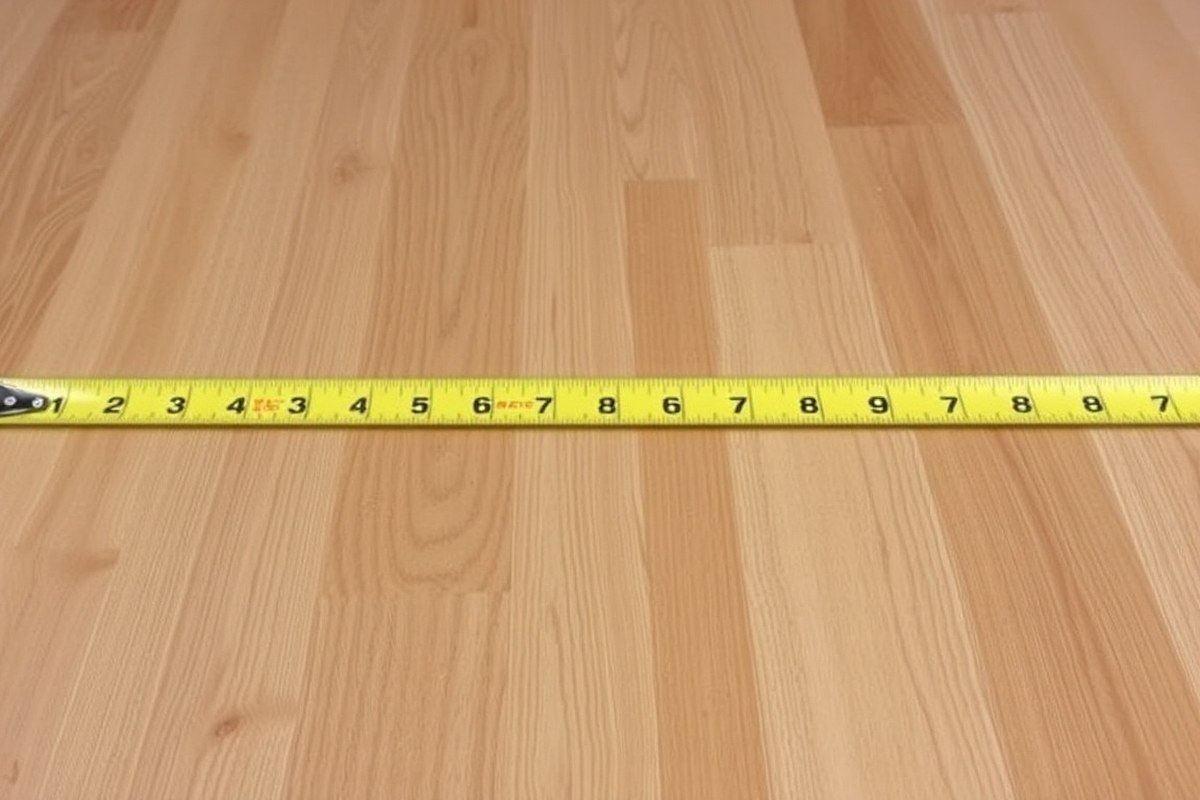
Twenty yards measure 60 feet in total length. One yard has three feet exactly. Multiply 20 by 3 to find 60 feet.
In inches, 20 yards measure 720 inches. Since each yard equals 36 inches, multiply 20 by 36 for the total. This gives you 20 × 36 = 720 inches.
Converting 20 yards to meters uses the exact factor of 0.9144 meters per yard. Multiply 20 yards by 0.9144 meters to get 18.288 meters. You can round this to 18.3 meters for everyday use.
Here’s the math broken down: 20 yards × 3 feet = 60 feet. 20 yards × 36 inches = 720 inches. For meters, 20 yards × 0.9144 m/yard = 18.288 meters.
Knowing that one yard is always exactly three feet helps keep these conversions precise. The U.S. And other countries use this standard measurement defined by law since 1959.
The yard’s metric length is an exact standard. The National Institute of Standards and Technology sets it.
This length isn’t an estimate or guess. That means your conversion to meters will be exact every time you use 0.9144 meters per yard.
Common Ways to Visualize 20 Yards in Everyday Life
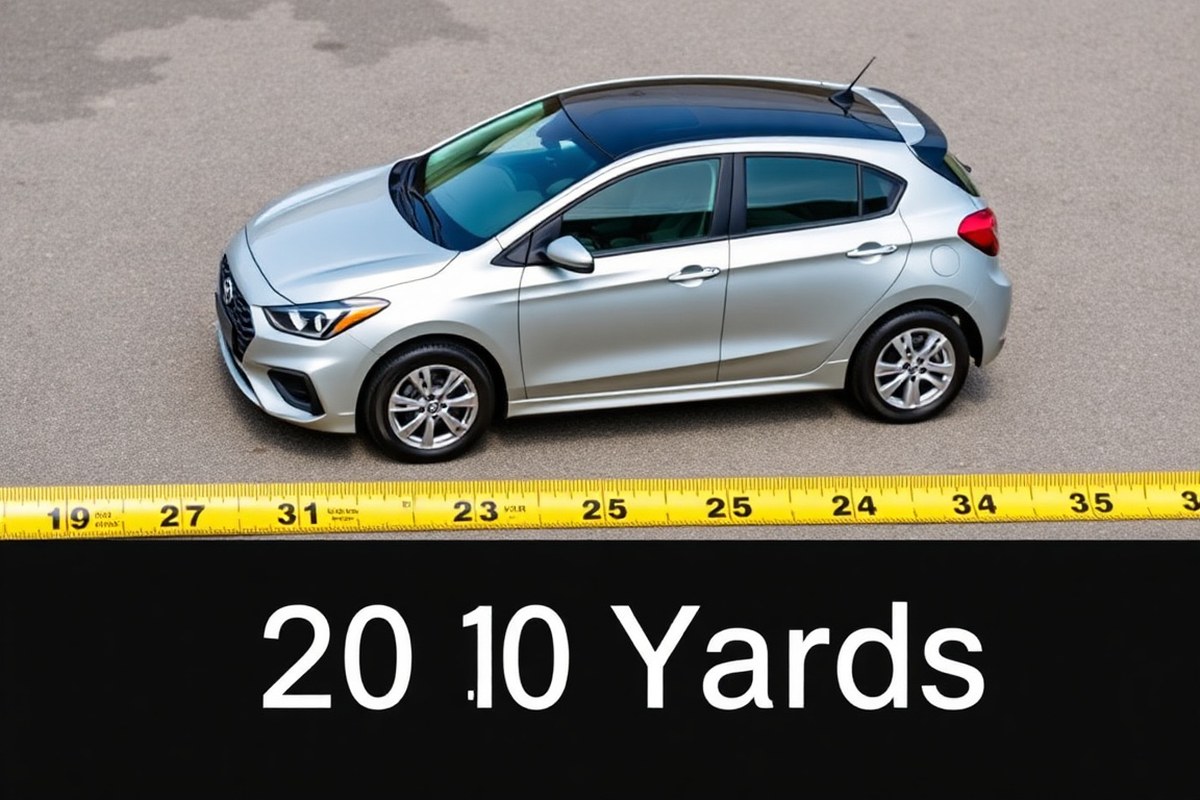
Twenty yards is about 60 feet long. That length is easy to picture. Think of something you know well for size.
Imagine two school buses parked one after the other. That length matches about 20 yards.
It’s close to the width of a soccer penalty box. Knowing what fits into 20 yards helps you estimate distances without measuring tools.
Length of Common Vehicles
A typical car is about 20 feet long. So 20 yards equals roughly the length of three cars lined up.
Two large school buses parked in a row cover about 20 yards too. This comparison helps especially if you’ve seen buses around your town.
Here’s a quick list for vehicle lengths close to 20 yards:
- Three average cars lined bumper to bumper
- Two standard school buses parked end to end
- A medium-sized dumpster is about 22 feet long, just over 20 yards
- A pickup truck is usually around 17 to 20 feet long
Using your vehicle helps you guess distances on the road or parking lots. Just park or imagine them lined up and you’ll get a solid feel for 20 yards.
Sports Field and Ball Comparisons
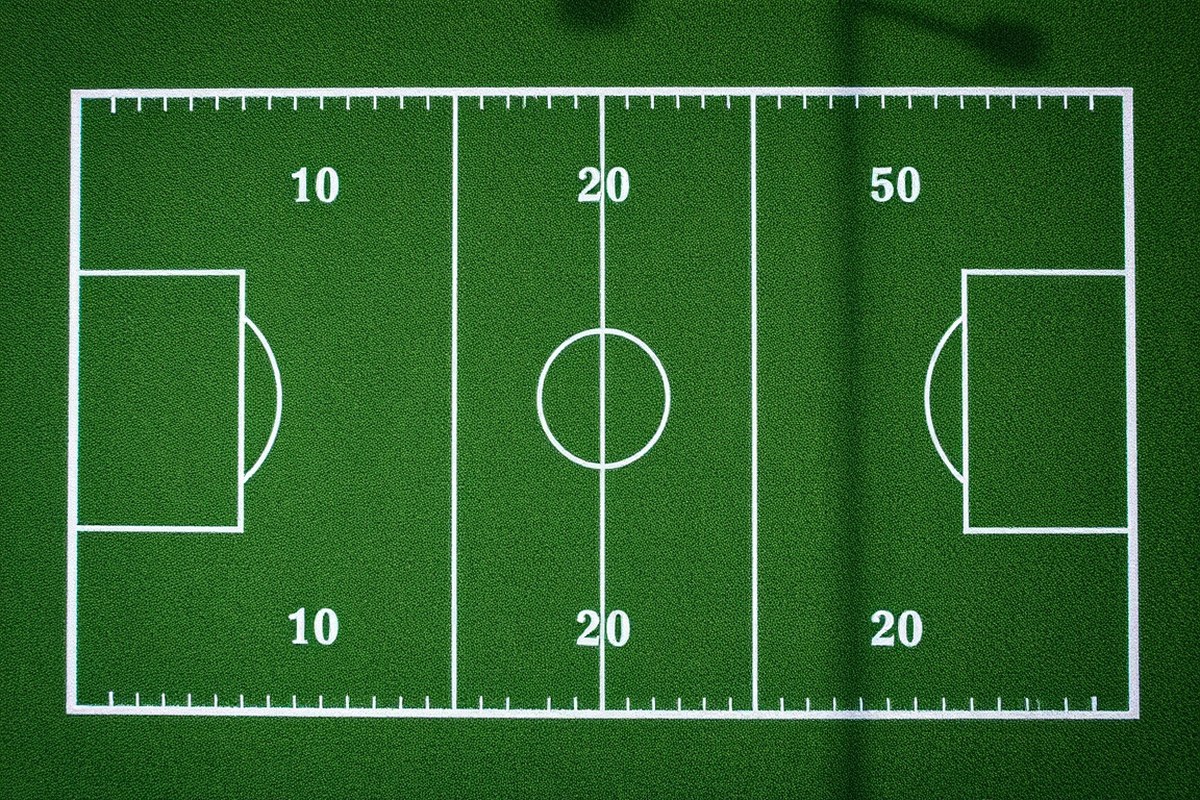
In football, 20 yards cover about half the length of the field between yard markers. It’s also the width of a soccer goal box.
These measurements pop up a lot in sports. So they’re handy for quick visual checks.
You can line up nearly sixteen standard footballs end to end to cover 20 yards. That’s close to five football fields’ worth of football lengths stacked in a line. This gives you a playful way to guess distances during a game.
Remember to check fields carefully. Playing surfaces often vary slightly from official sizes.
Try these sports-based visuals:
- About half of a football field’s length between markers
- The width of a soccer goal box
- Almost sixteen footballs lined end to end
Comparison to Rooms and Furniture
A typical two-story house is about 18 meters tall, just a bit shorter than 20 yards. That’s similar to some large living rooms or combined spaces in a home. It’s useful for planning furniture or DIY projects in your space.
You can measure 20 yards across a long room. It fits roughly three cars parked in a row.
Each car lines up nose to tail. This helps when moving big items or thinking about open floor space.
- Length of an average large living room or hall
- Space to park three cars inside a garage or covered area
- Distance across a large backyard or patio
Use a tape measure for a quick check. You can also try apps that help with size.
These tools show estimates on plans or photos. Actual room sizes vary a lot, so double-check your numbers.
How to Convert 20 Yards into Unusual Units Like Miles, Furlongs, and Microns
To convert 20 yards into less familiar units, you first need exact conversion factors. A yard equals 0.0005681818 miles and about 0.005681818 furlongs.
For nautical miles and very small units like microns or nanometers, understanding the scale helps. This makes comparing distances clearer, whether for science or curiosity.
Multiplying 20 yards by these factors gives precise lengths. For miles, 20 yards equal roughly 0.0114 miles, which is a tiny fraction of a mile. For furlongs, 20 yards come to about 0.114 furlongs.
Nautical miles come from the earth’s circumference measurement. One nautical mile equals 2,000 yards. That makes the conversion a bit different.
| Unit | Value for 20 Yards | How to Calculate |
|---|---|---|
| Miles | 0.0114 mile | 20 × 0.0005681818 |
| Furlongs | 0.114 furlongs | 20 × 0.005681818 |
| Nautical Miles | 0.01 nautical miles | 20 ÷ 2000 |
| Microns (µm) | 18,288,000 microns | 18.288 meters × 1,000,000 |
| Nanometers (nm) | 18,288,000,000 nanometers | 18.288 meters × 1,000,000,000 |
Microns and nanometers might seem odd for measuring yards. They show just how long 20 yards is on a microscopic scale.
Use meters first, then multiply by 1 million for microns or 1 billion for nanometers. This helps in scientific fields where precise distance matters.
Knowing these conversions helps in many ways. You can use maps to check distances. Try calculating them in old units like furlongs.
You might also compare distances to scientific scales. Avoid rounding too much to keep your results accurate. This way, your numbers reflect the actual length, no matter what unit you use.
Understanding the Difference Between Linear Yards and Cubic Yards
Twenty yards can mean two very different things: length or volume. A linear yard measures distance, while a cubic yard measures space or volume. Understanding this difference helps you use the right measurement for your task.
Definition of a Linear Yard
A linear yard is 36 inches long. You measure it as a straight line, like the length of a football field segment. Twenty linear yards equal 720 inches or 60 feet.
You use linear yards to measure distance, height, or width. For example, fencing a garden or laying out fabric requires linear measurement. It tells you how far or long something is in a single dimension.
What Makes a Cubic Yard?
A cubic yard is a cube 36 inches wide. It is also 36 inches tall and 36 inches deep.
This equals 27 cubic feet of volume. Picture a box the size of a small household freezer to understand it.
Twenty cubic yards means 20 of those cubes stacked or combined. That equals 540 cubic feet in total volume.
It can hold lots of soil, mulch, or gravel. When measuring dirt or concrete, volume is what counts, not just length.
Applications of Each Measurement
You use linear yards when measuring lengths like fabric, landscaping borders, or sports fields. For example, 20 linear yards cover a large room.
It is also the length of a football yard line. It helps in tasks requiring simple distance or length estimates.
Cubic yards matter when you buy or move bulk materials like soil, sand, or trash. A 20 cubic yard dumpster holds about 540 cubic feet of waste. Knowing this helps you order enough material or container space without guessing.
What Is a 20-yard Dumpster and How Much Does It Hold?
A dumpster holding about 20 cubic yards measures roughly 22 feet long, 8 feet wide, and 4 feet high. It can fit nearly six pickup truck loads or from 110 to 130 standard trash bags. This size suits medium projects, offering a good mix of space and manageability.
This size container is popular for multi-room cleanouts, kitchen or bathroom remodels, and deck construction debris. Its medium height helps fit in most residential driveways without blocking views or the road. This dumpster is bigger than a 10-yard one.
It’s smaller than 30-yard dumpsters. Those larger ones are used for big home fixes and business jobs.
| Size | Typical Dimensions (L × W × H) | Typical Debris Limit | Good For |
|---|---|---|---|
| 10-yard | The dimensions are usually 12 to 14 feet long, 8 feet wide, and 3.5 to 4 feet tall. | 1, 2 tons | Single-room cleanouts, small roofing jobs |
| 15-yard | 16 ft × 8 ft × 4 ft | 1.5, 2.5 tons | Small remodels, garage cleanouts |
| 20-yard | 22 ft × 8 ft × 4, 4.5 ft | 2, 3 tons | Multi-room cleanouts, kitchen or bath remodels, decks |
| 30-yard | 22 ft × 8 ft × 6 ft | 2, 4 tons | Whole-home cleanouts, new construction |
| 40-yard | 22 ft × 8 ft × 8 ft | 4, 5 tons | Large demolition projects |
Hiring a dumpster with 20 cubic yards gives you about six pick-up truck loads of capacity. This helps you plan how many trips you’d save from hauling waste yourself. This size fits well for kitchen remodels.
It’s good for clearing out several rooms. Many people choose it for these jobs.
A 20-yard dumpster is too big for small cleanups. It’s better for projects larger than a few pickups could handle.
Deck building, medium bathroom remodels, and multi-room junk hauling are perfect uses. You avoid the hassle of multiple small dumpsters or the excessive cost of bigger units.
Check local rules before placing a dumpster; some areas have size and permit limits.
How to Estimate 20 Yards in Outdoor Spaces Without a Tape Measure
You can estimate 20 yards outdoors by counting your steps or using familiar objects. Counting your steps or using football fields helps judge distance. Football fields and parked cars make good size references.
They offer quick ways to estimate 20 yards. These methods are easy and useful when you don’t have a tape measure handy.
Using Adult Pace Counting
The average adult step covers about 2.5 feet, so 20 yards equals 60 feet. That means roughly 24 steady steps add up to 20 yards. Counting your steps on flat ground gives a simple estimate.
Step counting works best when you walk evenly and keep a steady pace. Uneven terrain or walking very fast can throw off the count by several feet. Try a short practice first to check your step length.
Here’s how to measure 20 yards by pacing:
- Find a flat, clear area to walk.
- Start counting your steps from one spot.
- Walk forward with steady, normal strides.
- Stop counting when you reach 24 steps.
- Note that this total is about 20 yards (60 feet).
- Repeat to check consistency.
Estimating with Sports Equipment
A football field shows 20 yards with marked 5-yard lines. These lines are spaced five yards apart. You can imagine this distance easily.
Visualize four lines or four footballs placed end-to-end to cover 20 yards. This sports reference fits well for outdoor tasks near sports areas.
A football itself measures about 11 inches long. Placing 60 footballs tip-to-tip roughly equals 20 yards. This might be tricky but gives a hands-on visual if you have footballs nearby.
Sports gear is handy near fields or playgrounds. It works best in open spaces.
Tight or cluttered spots make it less useful. It gives you a quick mental image to estimate yardage accurately.
Visualizing with Vehicles or Furniture
A standard full-size car is about 15 to 16 feet long. So one and a half cars lined up total close to 20 yards. Line up a car and half a car end-to-end.
Do this in an open area for rough measure. This method estimates about 20 yards.
For furniture, a dining table lengths differ but often run about 6 feet. Stack three tables or couches lengthwise for a ballpark 20-yard stretch. It’s handy when testing layouts in yards or driveways.
Using cars or furniture depends on finding space and knowing those objects’ average lengths. This method adds a real-world scale you can see and measure against quickly.
How 20 Yards Applies in Sports and Project Measurements
You see 20 yards often in American football. A full field runs 100 yards, so 20 yards covers one-fifth of that space. Coaches use this distance for short passing plays.
They also use it for running drills. Testers mark the field with yard lines every 5 yards.
Moving the ball 20 yards gains a solid chunk of yardage. It often means the offense can keep possession with a fresh set of downs. On defense, stopping a 20-yard gain limits the opposing team’s scoring chances.
Besides football, 20 yards is useful in many home and outdoor projects. In garden layouts, 20 yards often marks a backyard section.
It can also show the length of a planting bed. Knowing this helps you plan irrigation or landscaping with accurate spacing.
When renovating or cleaning out a home, a 20-yard dumpster fits midsize projects. It holds enough debris for clearing multiple rooms but isn’t overwhelming to manage.
Renting this dumpster size usually costs $250 to $350 for a week. The price depends on your area and type of waste.
Large construction sites sometimes measure material deliveries or storage yard space in 20-yard increments. This distance helps you visualize truckloads of gravel, soil, or mulch.
You can pace off 20 yards in your work area. This helps estimate how much material to order.
To measure 20 yards on your property, use a tape or measure in feet. Since 1 yard equals 3 feet, 20 yards equals 60 feet. Mark this distance with stakes or temporary flags to get clear project boundaries.
This practical approach prevents ordering too much or too little material. Marking 20 yards on the ground helps in sports drills.
It also makes garden planning easier to follow. It also helps explain distances when working with contractors or coaches.
Common Mistakes When Estimating or Ordering 20 Yards and How to Avoid Them
Mixing up linear and cubic yards is common. People often think 20 yards only means length. Actually, 20 cubic yards describes volume, like a space 20 yards long, 1 yard wide, and 1 yard deep, which equals 540 cubic feet.
Ordering fabric can cause confusion too. You get 60 feet of fabric continuous, not cut into parts, when you buy 20 yards of upholstery material.
This amount can cover a big sofa or make tall drapes. Always double-check if the yardage refers to linear length or volume before buying.
- Confirm if the measurement is linear yards (length) or cubic yards (volume).
- Ask if yardage for fabric is continuous or in multiple cuts.
- Measure the project area yourself to compare with the order.
- Check the product description and label for volume or length units.
- Request a sample or photo of material width if uncertain.
- Speak to the supplier to clarify any unclear terms.
- Account for extra material for seams or waste when ordering fabric.
Before finalizing your order, measure the space your project covers. Use a tape measure to get length, width, and depth if volume matters. Double-check your numbers and ask the seller how they calculate yardage.
For fabric, ensure you have the full continuous length to avoid problems when cutting. This avoids running out mid-project or getting too much material.
Always write down measurements and units clearly to prevent mix-ups with yards.
Step-by-Step Action Plan to Master 20 Yards Measurements
Understand what 20 yards equals. Know how to use it daily.
This helps with measuring tasks around you. These steps will help you measure, visualize, and apply 20 yards confidently.
- Before you start: Gather a tape measure or marked rope. Check it measures in yards or feet for easy conversion.
- Day 1: Measure 20 yards outside. Use your tape or rope to measure 20 yards. Lay it on the ground straight. Walk the length to feel the distance.
- Day 2: Compare 20 yards to common objects. Line up 20 baseball bats or half a basketball court to visualize it clearly.
- Week 1: Convert 20 yards into other units like feet or meters. Practice quick mental math: 20 yards = 60 feet or about 18 meters.
- After 2 weeks: Try to guess 20 yards without tools. Use familiar spots like football fields. Compare it to parking space sizes.
- Before project work: Measure volume carefully for cubic yards. Don’t mix up linear and cubic numbers. Check your math before starting.
- Before sports practice: Measure 20 yards for drills or field spots. This helps improve your timing. Use it to space players correctly.
- After ordering materials: Double-check measurements and units with the supplier to avoid overordering or shortfalls.
Frequently Asked Questions
How Big Is 20 Yards?
Twenty yards is 60 feet long or 720 inches. It matches the length of a bowling lane or one-fifth of a football field. This size helps you picture distances in sports or yard work.
How Big Is a Cubic Yard?
A cubic yard is a cube 3 feet long, wide, and tall. That’s 27 cubic feet total or about 202 gallons. You can imagine filling a 3-foot by 3-foot box to understand it.
What Is the Meaning of 20 Yards?
Twenty yards means a length or distance of 60 feet. It helps measure spaces like sports fields or material amounts. It’s a simple way to talk about medium-sized lengths.
Can You Fit 2 Yards of Dirt in a Pickup Truck?
Most pickup trucks hold about one-third to one-half a cubic yard of dirt. Two cubic yards of dirt won’t fit in a standard pickup. You’ll need multiple trips or a larger vehicle for that much dirt.
Is a Yard Exactly 3 Feet?
Yes, a yard is exactly three feet long. It equals 36 inches or about 0.9144 meters. This fixed size makes conversions easy for measuring lengths.
How Many Yards Are in 60 Feet?
Sixty feet equal 20 yards because each yard has three feet. You divide 60 feet by 3 to get 20 yards. This simple math works for measuring fields or yards of fabric.
Wrapping Up
Twenty yards equals about 60 feet or 18 meters. That is about as long as three cars. Use that to picture the length easily.
Use these practical visuals and simple conversions to handle projects or sports distances accurately. Try measuring 20 yards yourself today to see how it fits your space.