
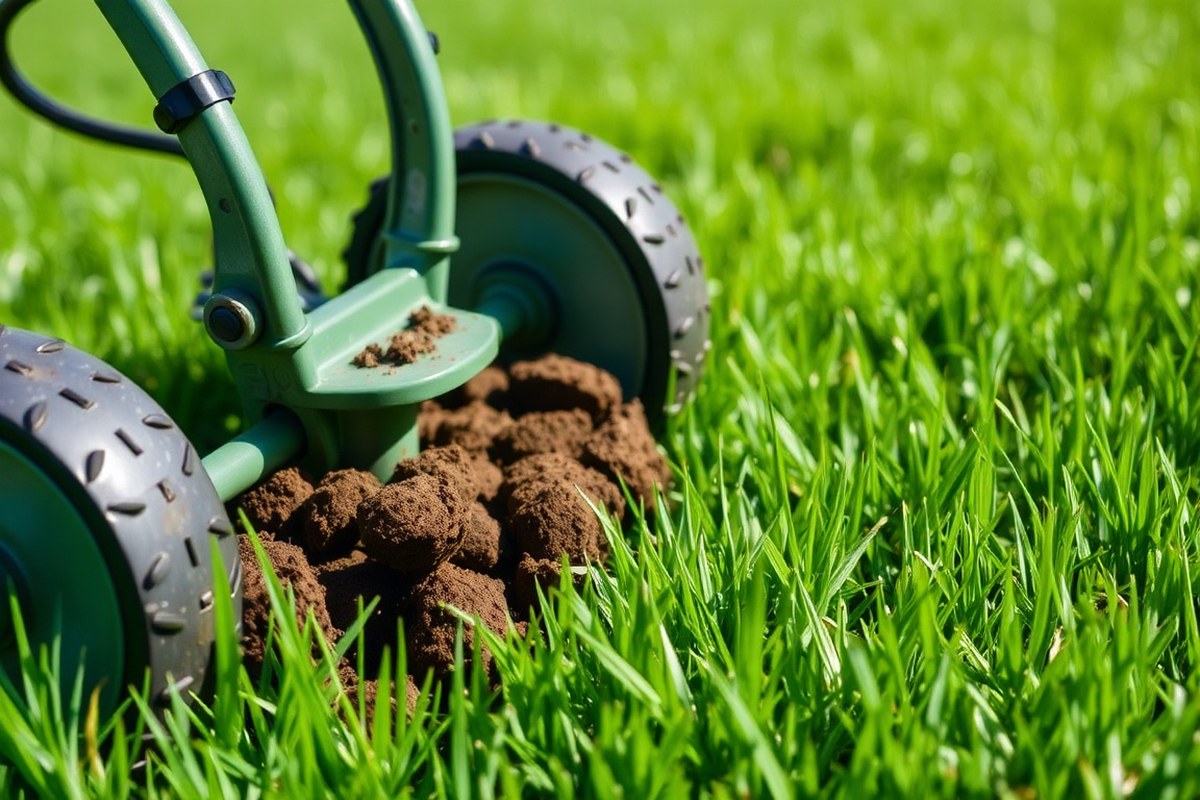
What Does an Aerator Do for Your Lawn? A Complete Guide That Works
What does an aerator do for your lawn? It creates holes that let air, water, and nutrients reach grass roots. This helps the roots grow deeper, strengthening your lawn and helping it survive dry spells.
Aerating also relieves soil compaction, which can stop water and nutrients from reaching roots. For best results, aerate when the topsoil is moist but not drenched. So the holes form easily.
Check your thatch layer. Aeration is best when soil moisture is above 0.75 inches thick, your lawn needs aeration to stay healthy.
Core aerators pull out small soil plugs. They open space 2 to 3 inches deep. This helps roots grow better.
Spike aerators poke holes without removing soil but are less effective with compacted ground. Knowing this helps you pick the right tool or method for your lawn’s needs.
Key Takeaways
- Aerate when soil is moist for easier hole formation and better root growth.
- Core aerators remove plugs and relieve compaction better than spike aerators.
- Spike aerators only poke holes, which may not reduce soil compaction fully.
- Thatch thicker than 0.75 inches blocks nutrients and water; aerate to fix this.
- Deeper roots (2 to 3 inches) help your lawn survive drought and stay green.
- Combine aeration with fertilization to boost lawn density and nutrient uptake.
What Does a Lawn Aerator Actually Do?
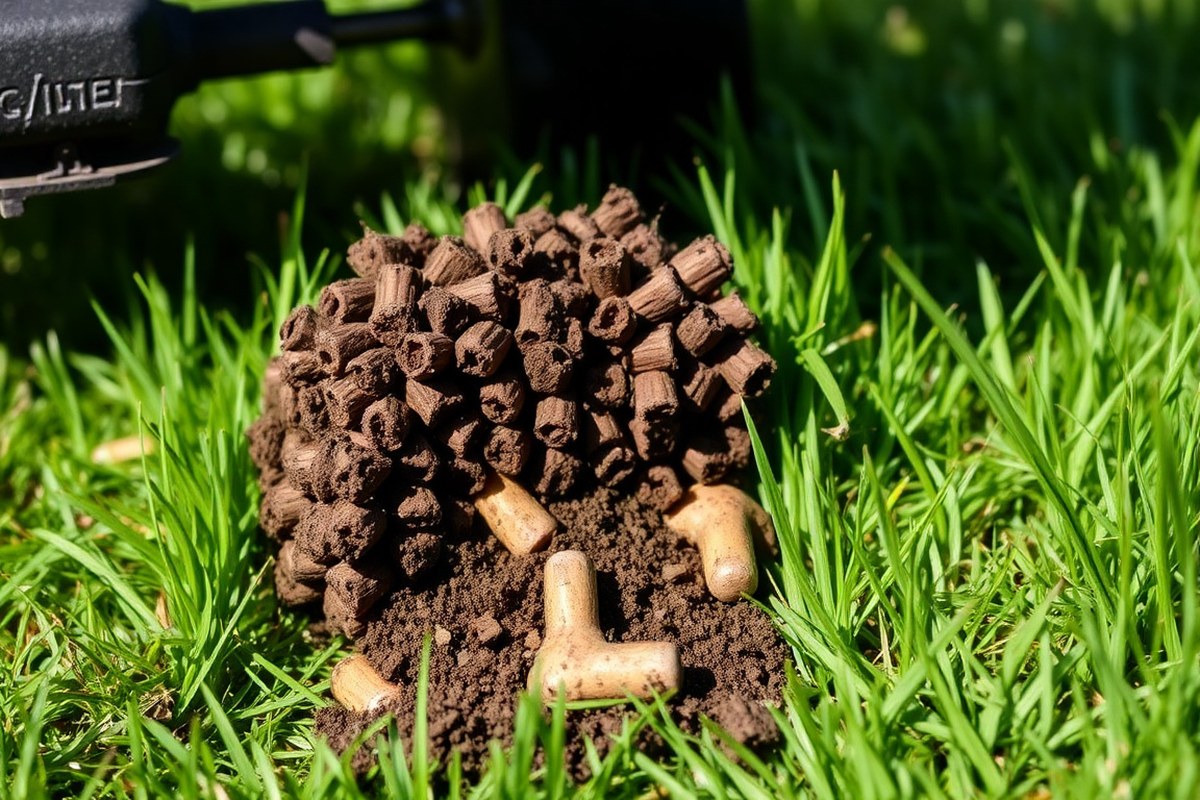
A lawn aerator punctures your soil with small holes or pulls out tiny plugs. This process relieves soil compaction. Compaction happens when soil is packed tight.
It blocks air and water from reaching roots. Soil compacted just a quarter to half inch thick causes problems.
Grass roots struggle to grow. They also get fewer nutrients.
By creating these holes, aeration lets air, water, and nutrients finally reach deep into the soil. Grass roots need oxygen along with water to stay healthy and grow thick and strong. Without proper air and moisture, roots stay shallow and weak, leaving your lawn patchy or brown.
Core aerators pull small plugs of soil. These work best. They create real space in the soil.
You can rent a core aerator for $60 to $100 a day. Another option is hiring a lawn service. This process takes about an hour for a 5,000-square-foot lawn.
Opening the soil quickly improves root growth and allows water to drain better. So your grass doesn’t drown during heavy rains. It also helps reduce thatch.
Thatch is the spongy layer on top. It holds moisture and blocks nutrients. The thatch layer over three-quarters of an inch benefits a lot from aeration.
After aeration, roots grow deeper and your lawn uses nutrients more efficiently. This usually leads to greener, thicker grass in weeks. Aeration works well on lawns with heavy foot traffic.
It helps lawns with poor drainage too. Clay soils also compact easily and need aeration.
How Lawn Aeration Improves Soil and Grass Growth

Aeration breaks up compacted soil by making small holes. These holes create space for roots to spread and breathe. Compacted soil is hard for roots to grow and stops water from soaking in properly.
When your lawn is aerated, water flows deeper into the soil. This also helps nutrients reach the roots more easily. Better water and nutrient absorption means thicker, greener grass that grows stronger.
Aeration can reduce thatch, the layer of decomposing grass and debris on top of the soil. Too much thatch blocks water and air from reaching roots, slowing growth. Aerating loosens thatch in your lawn.
It also improves drainage. This helps the lawn not stay soggy or dry out too fast.
Aerate before overseeding. The holes make perfect spots for new seeds. This helps seeds grow better.
They get in direct contact with soil and moisture, which helps them germinate faster. Without aeration, seeds might just sit on top of the ground and not grow well.
Water your lawn a day before aerating to make soil softer and easier to pierce.
Over time, soil tends to compact especially in high-traffic areas. Aerating once a year is usually enough to keep soil loose and healthy.
The best timing is during your lawn’s active growing season. So roots recover quickly and fill the holes.
Keep in mind, aeration won’t fix your lawn if done when soil is dry or frozen. Also, skip aerating if your thatch layer is thicker than one inch without removing some first. Too thick a thatch layer stops water and nutrients from reaching the soil, even after aeration.
Comparing Aerator Types: Core vs. Spike vs. Liquid
Core, spike, and liquid aerators each work differently and fit certain lawn needs. Core aerators remove soil plugs, improving soil health deeply. Spike aerators poke holes but keep soil in place, risking more compaction.
Liquid aerators use chemicals to loosen soil without disturbing the lawn. Your choice depends on your soil type, compaction level, and lawn condition.
Core Aerators
Core aerators pull small plugs of soil out of your lawn. This reduces soil compaction and lets air, water, and nutrients reach your grass roots better. The soil plugs break down on the surface, adding nutrients back to the lawn.
Use a core aerator for lawns with heavy clay soil or thick thatch layers. It removes cores 2 to 3 inches deep and about 0.5 to 0.75 inches wide. Space holes about 2 to 3 inches apart for good soil penetration.
Core aerators cost more to rent or buy but give the deepest, longest-lasting benefits. Avoid core aeration in very dry or frozen soil since plugs won’t break down well then.
Spike Aerators
Spike aerators use solid metal tines to poke holes in the soil without removing any dirt. These holes usually reach 1 to 3 inches deep. This method opens pathways for water and nutrients.
Spike aeration is quick and cheaper but can compact soil sideways, making soil denser around holes. It’s better for lawns with light compaction and sandy soil types. Avoid spike aerators on compacted clay soil, as they may worsen it.
To use, push or roll the spike aerator over your lawn. Make sure to space holes 2 to 6 inches apart.
Work evenly across the entire area. Aeration depth depends on tine length, typically 1 to 3 inches.
Liquid Aeration
Liquid aeration works by applying a solution of chemical surfactants to soil. These surfactants reduce soil surface tension, temporarily loosening compacted soil. This lets water and air reach roots better without physical disturbance.
This method fits lawns that can’t be dug up. It works well on neat, manicured yards. Core aeration might cause damage here.
Liquid aeration is less effective on very hard or deeply compacted soils. Multiple applications often improve results.
Use according to product labels, usually in spring or fall when soil is moist. Liquid aerators usually cost less but need repeated use.
They don’t remove thatch or plugs from your lawn. You might have to use them often.
The table below shows key differences among these three aeration types.
| Aerator Type | Mechanism | Typical Hole Depth | Soil Disturbance | Best Soil Type | Advantages | Disadvantages |
|---|---|---|---|---|---|---|
| Core (Plug) | Removes soil plugs with hollow tines | 2-3 inches | Removes soil | Clay, compacted, thatchy | Reduces compaction; adds nutrients; promotes roots | More expensive; plugs may clutter lawn temporarily |
| Spike | Pokes holes with solid tines | 1-3 inches | Displaces soil (no removal) | Sandy, mildly compacted | Quick; inexpensive; simple | Can cause sideways compaction; less effective |
| Liquid | Applies chemical surfactants to loosen soil | Surface only | No physical disturbance | Manicured, sensitive lawns | Non-invasive; easy application | Temporary effect; needs repeats; no plug removal |
Choosing the right aerator means matching it to your lawn’s compaction and soil type. Core aerators work best for heavy compaction and thick lawns where deep root growth matters most.
Spike aerators help light compaction and are affordable for quick care. Liquid aeration fits lawns sensitive to damage or that need mild treatment with no mess.
When and How Often Should You Aerate Your Lawn?
Cool-season grasses like fescue and bluegrass grow best with aeration in early fall. The soil stays warm while air cools, helping grass germinate and root fast. Spring can work but fall’s warmer soil and steady moisture speed recovery after aeration.
Warm-season grasses like Bermuda and zoysia do best when aerated in late spring. This is usually late spring or early summer. Aerate early enough to avoid lawn stress.
That’s their growing season, so they bounce back quickly from aeration holes. Avoid aerating during their dormant winter months since growth slows or stops then.
The soil type impacts how often you should aerate. Heavy clay soils hold water and get compacted faster. So yearly aeration helps keep roots healthy.
Lawns with heavy foot traffic or lawn equipment use may need two aerations yearly. This helps reduce hard soil and stops thinning. Twice a year keeps the lawn healthier.
Lawns in good condition need aeration every one to two years. Aerate during the prime growth period. Healthy grass benefits from occasional soil loosening.
Check thatch thickness to decide when to aerate. If it’s over an inch thick, aerate.
Thin grass patches in busy areas also mean it’s time. Aeration holes also improve overseeding contact with soil, encouraging stronger grass growth.
Renting a core aerator from a garden center gives you the best results. Aerators pull out soil plugs two to three inches deep. This depth matches where cool-season grasses root.
Removing plugs helps air and water reach roots. After aeration, watering and letting the lawn grow help fill holes with fresh grass replacement.
Pick aeration timing by grass type and local climate. Watch your lawn for signs it needs help. Timing impacts how well your lawn recovers and grows.
Aerating at the right time reduces dust and soil compaction. It helps your lawn grow thick and healthy. Proper timing keeps your grass strong and green.
Step-by-Step Guide to Aerating Your Lawn Yourself
Start by preparing your lawn well before aerating. Use the aerator carefully. Finish with proper care after aeration.
You’ll pull out soil plugs 2 to 3 inches deep. Space holes close enough for air and water. This helps roots access both easily.
Proper aeration helps grass grow stronger and greener. Adding seed and fertilizer after helps even more. This boosts your lawn’s health.
Lawn Preparation Steps
Cut your grass shorter than usual before aerating. This makes it easier for the aerator to reach the soil without getting clogged. Water your lawn lightly 24 to 48 hours before aerating.
Keep the soil moist but avoid mud. This prepares the grass for aeration.
Check your lawn for sprinkler heads, electric lines, or garden hoses. Mark these spots to avoid damaging your equipment or lawn. You want a clear path so the aerator can work smoothly.
- Mow the lawn to about 1.5 to 2 inches tall.
- Water the lawn lightly one to two days before aerating to soften the soil.
- Walk your lawn to identify and mark any hazards like sprinklers or shallow cables.
- Clear obstacles such as sticks, rocks, or toys from the lawn surface.
Watering a day or two before helps the aerator penetrate soil easily without sticking.
Aeration Technique
Use a core or plug aerator to remove small soil plugs. Make holes about 2 to 3 inches deep. Space them about 2 to 3 inches apart.
This allows air and water to reach roots well. Multiple passes in different directions ensure even coverage and better soil loosening.
Use a manual aerator by working slowly. Cover every part of the lawn carefully. This ensures even aeration all over.
Powered machines typically pull several plugs with each pass, speeding up the job. Avoid aerating when the soil is too dry or too wet to get good plugs.
- Start aerating in a straight line along one edge of the lawn.
- Make a full pass lengthwise, spacing holes about 2 to 3 inches apart.
- Turn 90 degrees and make a second pass to create a grid pattern.
- Use a light touch to avoid damaging roots or lawn thatch.
Running the aerator in multiple directions creates better airflow to roots.
Post-Aeration Care
Leave the plugs on your lawn. They break down and return nutrients to the soil.
Water your lawn regularly after aeration to keep the soil moist for root recovery. This helps grass grow deeper roots and stay greener during dry spells.
Consider overseeding bare or patchy spots right after aeration. Use a quality seed blend that matches your grass type. Applying a light coat of fertilizer now also supports healthy new growth without overwhelming the lawn.
- Do not remove the soil plugs; let them decompose naturally.
- Water the lawn thoroughly after aeration and keep soil moist for 1 to 2 weeks.
- Spread grass seed if there are thin or bare spots.
- Apply a balanced fertilizer in a light dose to encourage growth.
- Wait to mow until new grass reaches about 3 inches tall.
Leaving soil plugs on the lawn returns nutrients and helps soil health improve.
Common Mistakes in Lawn Aeration and How to Avoid Them
Common mistakes during lawn aeration can damage your grass and soil. Avoid aerating dry soil, skipping overseeding, and choosing the wrong season. These errors slow recovery and let weeds take over.
Dry Soil Operation
Aerating dry soil breaks tines and stops good soil penetration. The holes won’t open deep enough, so water and air can’t reach roots. Always soak your lawn 24 hours before aeration.
This watering softens the soil and protects your aerator from damage. Avoid trying aeration on very rocky or hard clay soil since it can harm the tool.
Skipping Overseeding
Not overseeding right after aeration leaves bare spots open for weeds. Your grass recovers slower if you miss this step. Seed immediately after aeration to fill thinning areas.
Seeding together with fertilizing helps fast growth and thick turf. The soil plugs left by the aerator dry out and break up, creating ideal seed contact.
Wrong Season Aeration
Aerating outside of your grass’s active growth causes stress and disease risk. For southern lawns, that means avoiding fall or dormancy periods. Aerate between mid-spring and early summer for best results.
Spring aeration can bring weed seeds to the surface, encouraging weed growth. Time aeration to match when your grass naturally grows fast. This way, it heals quickly.
Here’s a handy table on timing and rules for lawn aeration to help you plan:
| Grass Type / Region | Best Aeration Timing | When to Avoid | Reason |
|---|---|---|---|
| Cool-season grasses (bluegrass, fescue) | Early fall or early spring | Hot summer, winter/dormant periods | Active growth in cool weather; avoids heat stress |
| Warm-season grasses (Bermuda, zoysia, St. Augustine) | Mid-spring to early summer | Fall, winter (dormant times) | Matches growth peak; prevents disease and weed issues |
| All grasses | 24 hours after watering lawn | Aerating dry or rocky soil | Ensures good penetration and protects equipment |
| All lawns | Right before overseeding and fertilizing | Skipping overseeding | Improves grass recovery and prevents weed invasion |
You can avoid big mistakes by sticking to these simple rules. Good planning means a thick, healthy lawn without extra work or damage.
How to Choose Between Renting, Buying, or Hiring a Pro
Choosing to rent, buy, or hire depends on lawn size and budget. It also depends on your skill with lawn care. Renting is good for small to medium yards.
It saves money if you like DIY projects. Buying only makes sense if you aerate often or have a big lawn. Frequent use justifies the cost.
Hiring a pro is smart for large lawns or tough clay soils. They handle timing and care expertly.
Pros charge about $17 per 1,000 square feet. It may cost more but saves effort and may improve results.
Small lawns work well with manual or push aerators. Added weight, like a concrete block, helps. Large properties work better with tow-behind aerators attached to lawn tractors, saving time and labor.
You can share rental costs with neighbors to ease the expense. Split the $107 rental fee by sharing with friends. Use a truck and helpers to speed up the work.
| Option | Cost | Best for Lawn Size | Notes |
|---|---|---|---|
| Renting Equipment | About $107 per day | Small to medium | Share cost with neighbors; requires truck and help |
| Buying Equipment | $10 to $25 (manual aerator shoes) | Small, regular use | Good if you aerate yearly or more |
| Hiring a Pro | $17 per 1,000 sq ft | Large or compacted lawns | Includes timing, seed, and follow-up care |
| Manual Core Aerator | Low cost, basic tools only | Small, flat, open lawns | Good weekend DIY project |
| Tow-Behind Aerator | Varies by model | Large lawns with lawn tractor | Saves time on big properties |
For small yards, a manual aerator is a cheap, easy option. It’s simple, but takes time and effort. Adding weight to a push aerator can improve soil penetration.
Large lawns are better aerated with powered or tow-behind equipment. Professionals bring the right tools and handle everything.
So your lawn gets properly treated fast. Sharing rental costs also lowers expenses while giving you access to good aerators without buying them.
Signs Your Lawn Needs Aeration Now
Look for patches where grass grows thin or looks weak. Brown spots or areas that stay wet and soggy signal poor drainage. These signs often mean the soil underneath is compacted, stopping roots from breathing or growing well.
You can test soil compaction easily by pushing a screwdriver or a pen into the ground. The soil is probably compacted if you can only push down 4 to 6 inches. Lawns with lots of foot traffic have this problem more.
Clay soil also causes it. The pressure packs the soil tightly together.
The thatch layer on your lawn is another clue. It’s the dead grass and roots between the soil and live grass. This layer blocks water, air, and nutrients if it’s thicker than half an inch.
Thick thatch often builds up when aeration isn’t done regularly. It also grows from lots of plant debris.
- Grass in your lawn looks thin or patchy
- Soil feels hard or tough to dig about 4 inches deep
- Water pools or drains slowly after rain or watering
- Thatch layer is more than 0.5 inches thick
- Lawns have heavy foot traffic or pets running often
- Soil is heavy clay, swelling and shrinking with seasons
Heavy use from kids playing or pets makes soil particles squeeze tightly together. Clay soil expands and shrinks during the year, adding pressure.
Mower weight can also cause soil to compact slowly over time. All these make it hard for oxygen and water to reach grass roots.
Yearly aeration is often needed for homes on clay soil or busy lawns. Some folks aerate twice yearly: once in early spring and again in fall. This breaks up compacted soil and helps thatch decomposers work better.
Aeration takes one to two hours based on your lawn’s size. Renting the tools costs about $40 to $70 a day.
Test soil firmness in several spots to decide on aeration frequency for your lawn.
Step-by-Step Action Plan for Lawn Aeration Success
Follow this simple plan to aerate your lawn at the right time and get good results.
- Before aeration: Mow your lawn and water it 1-2 days before. The soil should be moist but not soggy.
- Aeration day: Use a core aerator to pull out plugs of soil. Cover the whole lawn in rows. Check that plugs are about 2-3 inches deep.
- Right after: Leave the soil plugs on the lawn to break down naturally. This adds nutrients back to the soil.
- Within a week: Apply a slow-release fertilizer. Healthy roots grow stronger with added nutrients.
- After 2 weeks: Seed any bare spots and keep new seeds moist. This fills in thinning areas nicely.
- Ongoing care: Water your lawn deeply once or twice a week. Avoid shallow, frequent watering.
- In 6-12 months: Plan your next aeration during your lawn’s peak growing season. Most lawns need aeration yearly or every other year.
Frequently Asked Questions
When Should I Aerate My Lawn?
You should aerate your lawn in early spring or fall for cool-season grasses. Southern lawns do better from mid-spring to early summer. Avoid aerating when grass is dormant to protect its health during those periods.
Is It Worth It to Aerate Your Lawn?
Aerating your lawn is worth it because it improves soil health and grass growth. It lets water, air, and nutrients reach your lawn’s roots.
This helps your grass recover from soil that’s packed tight. It also helps grass bounce back after stress.
What Are Common Mistakes to Avoid When Aerating My Lawn?
One mistake is aerating too often or when the lawn is unhealthy. Avoid aerating soil that’s wet or frozen.
Doing this can hurt your grass and soil. It will slow down recovery, not speed it up.
What Is the Average Cost to Aerate a Yard?
Renting a core aerator usually costs around $50 to $80 per day. Buying aerator shoes can cost $10 to $25 each. Sharing rental costs with a neighbor can help lower expenses to keep your lawn healthy.
What Are the Benefits of Aerating Your Lawn?
Aerating opens up soil to improve water, air, and nutrient flow to grass roots. It reduces soil compaction and helps lawn roots grow stronger. This results in healthier, thicker grass over time.
How Can I Tell If My Lawn Needs Aeration Now?
Signs your lawn needs aeration include water pooling or soil that’s hard and compacted. Thin or patchy grass means you should aerate your lawn.
Areas with heavy foot traffic need aeration too. Aeration helps grass grow and survive better.
Key Points to Remember
A lawn aerator helps your grass grow stronger by improving soil health. Start with watering and mowing, then aerate and care for your lawn well after. Try these steps soon to see a greener, healthier lawn in a few weeks.


