Do Deer Feel Pain When Shot? A Complete Guide to Deer Pain and Ethical Hunting
Do deer feel pain when shot? Yes, they most likely do feel pain.
Their nervous system is complex enough to register painful stimuli similar to other mammals. This means a shot that injures a deer causes real suffering, not just a momentary shock.
Understanding how a deer experiences pain helps you make ethical choices as a hunter. Quick, precise shot placement reduces prolonged pain and unnecessary suffering. Watching how the deer reacts after a shot gives clues about how much pain it feels.
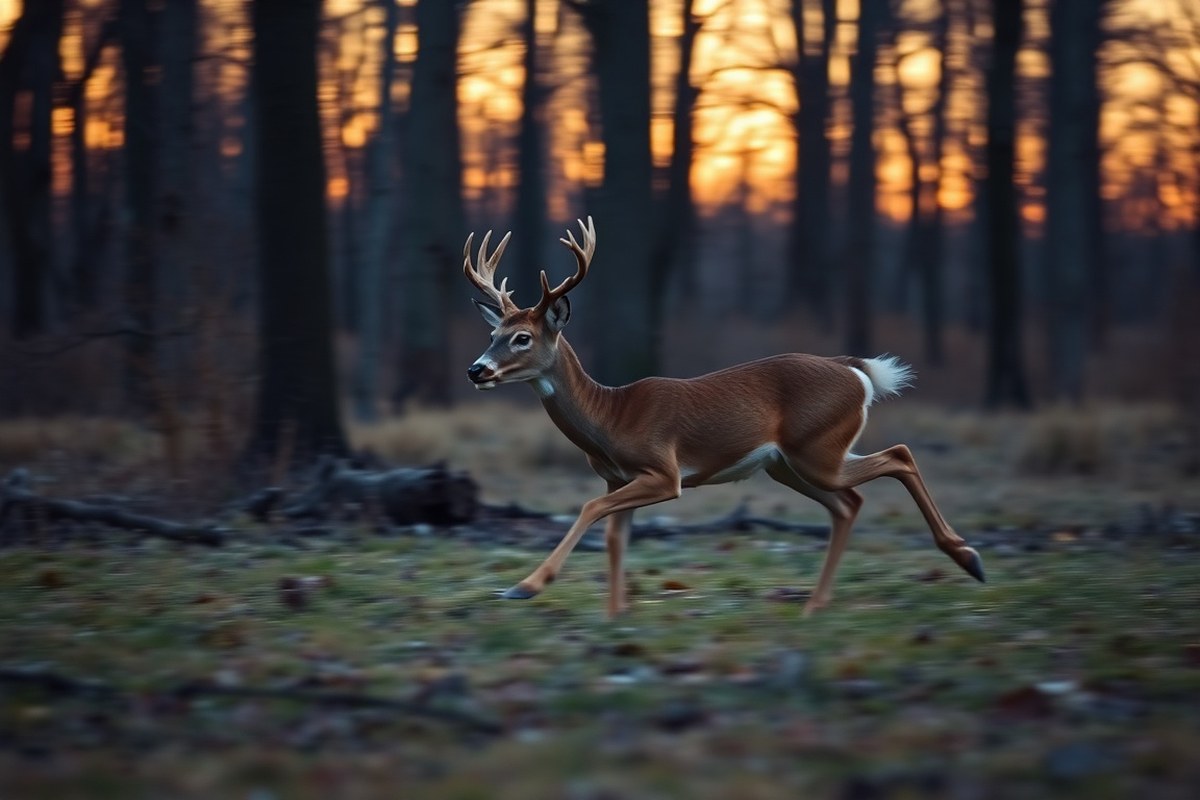
Deer can run fast even while hurt, sometimes covering 300 yards in seconds. That shows adrenaline plays a big role in masking pain right after they’re hit. Still, proper follow-up and tracking are key to ending a deer’s pain quickly and humanely.
Key Takeaways
- Deer have a nervous system that registers pain like most mammals.
- Precise shot placement minimizes the deer’s pain and suffering.
- Observe the deer’s post-shot behavior to assess its pain level.
- Adrenaline helps deer run fast despite injuries, masking pain.
- Follow-up tracking is essential to ensure a quick, humane kill.
- Shots to important organs cause faster demise, reducing prolonged pain.
Do Deer Feel Pain When Shot? The Essential Truth
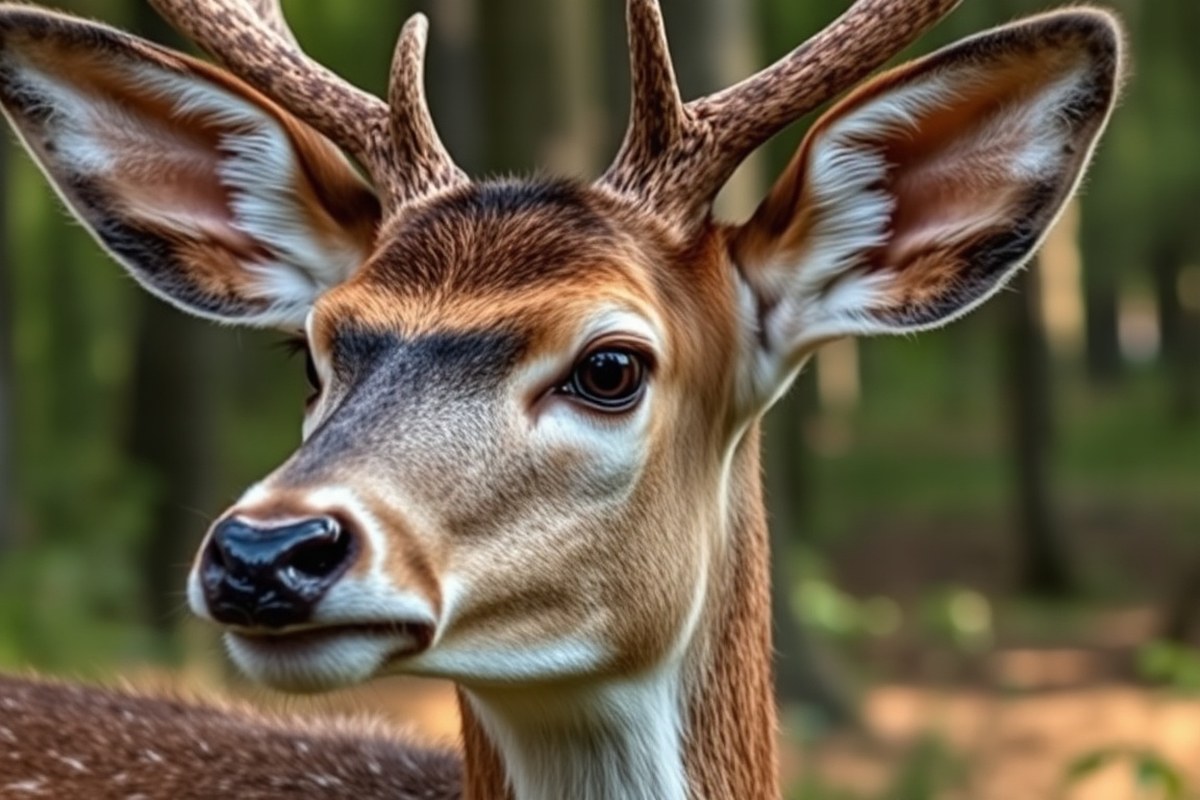
Yes, deer do feel pain when shot. Their nervous systems are simpler than humans.
They can detect injury. They send pain signals to the brain.
Scientific studies show deer respond behaviorally to pain like other mammals. They react with flinching, rapid movements, and vocalizations after being hit. These responses match what animals known to feel pain do after injuries.
Deer have fewer pain receptors in their skin than humans, which means they experience pain differently. Still, their body chemistry sends signals indicating distress after a wound. They physically sense pain and send signals to the brain.
They may not feel pain like humans emotionally. This still shows they respond to injury.
Observing a deer after a shot reveals changes like limping, shaking, or attempts to escape. Hunters and wildlife researchers use these signs to gauge injury severity.
A deer that goes down quickly still feels pain. But the pain is limited by losing movement right away.
Some argue deer don’t feel pain because some shots cause instant death or stunning. This isn’t always true. Many shots cause injury first, so the deer feels pain until unconscious or dead.
Recognizing that deer feel pain matters because it shapes ethical hunting practices. Hunters aim to minimize suffering by choosing proper equipment and shot placement. Quickly tracking and recovering wounded deer also reduces prolonged suffering.
Deer react to pain signals with physical movements. They also show behaviors linked to feeling pain.
Their nervous system processes pain but in simpler ways. Watching how they respond after being shot confirms deer do feel pain and discomfort.
How Deer Physiology Influences Pain Perception
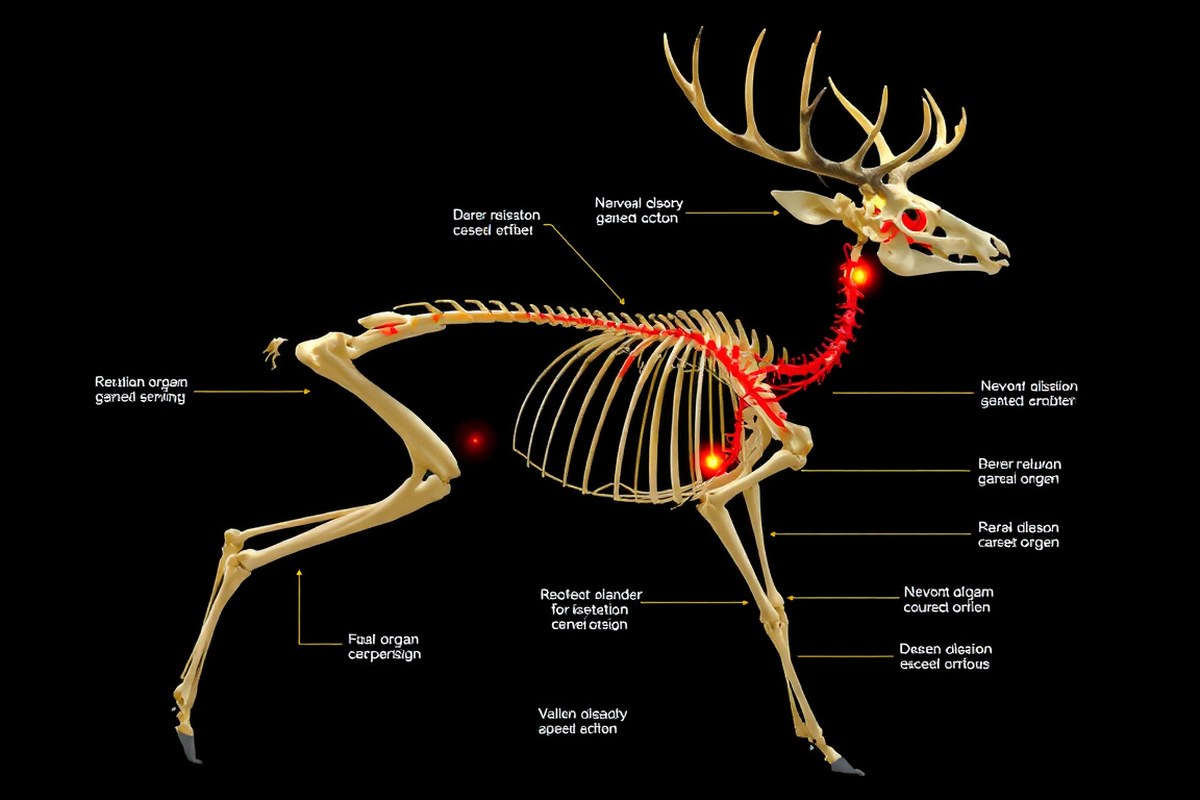
Deer have a nervous system similar to most mammals. Their nervous system includes pain receptors called nociceptors. These receptors send signals through nerves to the spinal cord and brain, where pain is recognized.
Deer and humans share many basic features in pain processing. Both have neurons that detect damage and carry messages to the brain. Deer’s brains have areas like the thalamus and cerebral cortex.
These parts help them sense pain. This is similar to how humans feel pain.
Pain receptors spread throughout a deer’s skin, muscles, and organs. When tissue is injured, these receptors activate and send strong pain signals. This lets the deer respond quickly to injury with behavior changes or attempts to escape.
The anatomy of important organs also affects how deer perceive pain. The heart, lungs, and liver have nerve fibers that send pain signals when damaged. Striking these organs can cause rapid blood loss and intense pain, leading to a quick collapse.
Non-important areas like muscles or legs contain pain receptors too. These wounds hurt but may not stop the deer immediately. The deer can still feel pain while trying to escape, causing more stress and suffering.
Understanding the nerve pathways and organ structures helps hunters aim better. Shots to important organs cause less prolonged pain and faster death. Wounds that miss important areas often prolong suffering and make tracking necessary.
Always remember to aim carefully for important organs to reduce suffering and increase hunting ethics.
Shot Placement: How Injury Location Affects Deer Pain and Death
Shot placement largely decides how much pain a deer feels and how fast it dies. Shots to important organs often cause quick death and less suffering. Limb or non-important hits bring longer pain and slower death.
Important Organ Shots and Quick Death
Shots that hit the heart or lungs cause rapid blood loss. This quickly incapacitates the deer and stops pain signals fast. These shots should be aimed broadside or quartering away for the best effect.
A shot right behind the shoulder blade hits this important area. A bullet here typically stops a deer sooner than an arrow. Thanks to prompt organ damage, suffering is minimized.
Limb and Muscle Shots Causing Prolonged Pain
Hitting a leg, jaw, or abdomen rarely kills a deer quickly. Such shots cause painful injuries like broken bones or torn muscle. The deer often runs far, suffering longer before death.
Peripheral wounds cause severe local pain and increase stress. They rarely allow fast incapacitation and instead lead to slow, painful blood loss. These are shots hunters try to avoid.
Spinal and Brain Shots: Instant or Not?
Shots properly placed in the brain or upper spinal cord cause near-instant death. These stop nerve signals immediately, cutting pain perception almost completely. However, partial hits can cause prolonged agony.
Shots to the spine that are not immediately disabling result in severe pain. The animal may still move and suffer before dying. Aim for precision to avoid these painful outcomes.
Accurate shot placement reduces suffering by quickly stopping pain and movement. This table shows shot locations with their kill speed and suffering risk:
| Shot Placement | Probability of Quick Kill | Potential for Prolonged Suffering |
|---|---|---|
| Heart/Lungs | High | Low |
| Spine | High | Low (if immediately disabling) |
| Abdomen | Low | High |
| Leg | Very Low | Very High |
| Jaw | Very Low | Very High |
Choosing a important zone shot is the ethical way to hunt. It helps ensure the deer feels minimal pain and dies fast. Avoid shots that cause lingering pain and suffering.
The Role of Adrenaline and Stress on Pain Perception in Deer
Adrenaline helps deer mask pain right after they’re shot. This hormone floods their system, allowing them to run or flee despite serious injuries. It reduces pain signals briefly but doesn’t stop the pain itself.
The effect of adrenaline usually lasts a few minutes after the injury. During this time, deer can move fast and far, sometimes running hundreds of yards. Hunters often see deer run long distances because adrenaline overrides their pain responses temporarily.
Once adrenaline fades, the deer begin to feel pain fully, which can cause stress and trauma. This stress affects their behavior, sometimes making them restless or slowing them down. Understanding adrenaline’s role helps hunters know why deer run fast.
Deer need quick and ethical follow-up after the shot. This ensures a responsible hunt and respect for the animal.
Comparing Arrow vs. Bullet Wounds: Differences in Pain and Recovery
Arrows and bullets cause different types of wounds that affect pain and death speed in deer. Bullets tend to cause more rapid tissue damage and quicker death. Arrows usually cause slower bleeding and longer pain unless the shot hits important organs cleanly.
Arrow Wounds: Penetration and Pain Duration
Arrows with broadheads cause deep penetration and tissue damage. Heavy, sharp arrows cut through flesh, causing bleeding and pain that lasts until the deer dies. Poorly shaped or dull broadheads can tear tissue, prolonging suffering.
Deer may stay conscious longer after an arrow shot. The damage is often localized, leading to slower hemorrhagic shock. The pain depends on where the arrow hits and the sharpness of the blade.
Bullet Wounds: Impact and Shock Effects
Bullets cause rapid trauma by crushing or fragmenting tissue on impact. High-velocity expanding bullets increase damage and pain sharply. This trauma often leads to a faster loss of consciousness and death.
The shock from a bullet wound causes immediate hemorrhaging. Expanding or fragmenting bullets cause more tissue damage than arrows. This often leads to a quicker death.
It tends to be more humane. However, some bullets may cause wound paths that leave the animal suffering longer.
Tracking and Recovery Differences Between Types
Tracking injured deer after arrow shots takes more time because bleeding is slower and less obvious. Arrow wounds may leave less visible blood trails, making it harder to locate the animal quickly. This may increase overall suffering if the deer is not found fast.
Bullet wounds usually produce a strong blood trail and faster death. This helps hunters track the deer and reduces the time the animal suffers.
Quick recovery of the animal is not possible if shot. But humane death happens faster with bullets in most cases.
Here’s a quick table comparing arrows and bullets on key points affecting pain and recovery:
| Factor | Arrow | Bullet |
|---|---|---|
| Penetration Speed | Moderate, depends on broadhead and draw weight | High, high-velocity rounds |
| Tissue Damage | Localized, can cause tearing if dull | Extensive crushing, especially with expanding bullets |
| Pain Duration | Longer if not instantly fatal | Shorter due to rapid shock and damage |
| Bleeding Intensity | Lower, slower hemorrhage | High, rapid blood loss |
| Chance of Quick Death | Lower unless perfect shot placement | Higher with well-placed bullet |
| Tracking Difficulty | Harder due to light blood trails | Easier with heavier bleeding |
Tracking after arrow wounds needs patience and skill to find the animal quickly. Bullets reduce tracking time, lowering suffering periods.
Always practice to perfect shot placement. Even the best projectile causes lasting pain if poorly placed.
Recognizing Behavioral and Physiological Signs of Pain in Deer
Deer show clear signs of pain through their behavior and body responses. You might see changes right after the shot.
These help you tell where the animal was hit. Watching these clues closely can help you understand its pain level.
Movement is one of the first signs that a deer is suffering. Instead of smooth running, a deer in pain often moves erratically or stumbles. It might also freeze suddenly or try to hide, showing discomfort.
- Erratic or uneven running and stumbling
- Sudden freezing or collapse
- Short, sharp vocalizations or distress calls
- Rapid or labored breathing
- Tense muscles or obvious limping
- Visible injuries like bleeding
- Widened eyes or alert, anxious expression
Distress noises, such as sharp grunts or bleating, can indicate serious pain or fear. Most deer stay quiet, so hearing any noise can be important. Important signs like quickened breathing and muscle tension also hint that the animal is under stress.
Recognizing these signs helps you aim for quick, humane kills. Using the right weapon size and targeting important organs lowers the chance of prolonged suffering. Watching closely after the shot lets you act fast to reduce pain and prevent unnecessary distress.
Common Myths About Deer Pain and What Science Shows
Deer do feel pain, much like humans do. Some people think deer are less sensitive because they are prey animals. This is not true.
Pain receptors in deer work similarly to those in people. When tissue damage occurs, nerves send pain signals to the brain.
The idea that deer are not smart enough to feel pain is also wrong. Pain is a biological reaction, not a sign of intelligence.
Deer have nervous systems that process pain and stress. Their immediate responses to injury, like fleeing or vocalizing, show they sense discomfort.
Another myth says deer become unconscious instantly after a shot. That can happen with a perfect hit to the brain. But many shots wound muscles or organs first.
In those cases, the deer stays conscious and feels pain until it collapses or bleeds out. Instant unconsciousness only occurs with precise, lethal shot placement.
Hunters should expect that deer feel pain after being shot. This fact guides ethical hunting choices.
Accurate shot placement minimizes suffering by targeting important areas that cause quick loss of consciousness. Shots to non-important parts extend pain and distress, which you want to avoid.
Knowing how deer experience pain helps you hunt more humanely. You aim to reduce the time an animal feels pain before death.
Sharp awareness of shot placement, and quick tracking of wounded animals, are important. Otherwise, the animal may endure longer pain, which causes unnecessary suffering.
Ethical Hunting Practices to Minimize Deer Suffering
Ethical hunting means cutting down deer suffering with smart shot choices. Use the right gear for quick, clean kills. Act fast after the shot to avoid extra pain.
You can reduce pain by aiming well, picking the right gear, and tracking wounded deer fast. Respecting deer means committing fully to these careful steps every time you hunt.
Choosing Appropriate Ammunition and Equipment
Selecting the right caliber and type of ammunition helps ensure a fast, humane kill. Smaller calibers may not cause immediate death, increasing animal suffering. Larger calibers designed for deer offer better energy transfer and penetration to important organs.
Use sharp, well-maintained broadheads or bullets designed for controlled expansion. Poor equipment leads to slow kills and prolonged pain. Hunting rifles chambered in .270 Winchester, .30-06 Springfield, or 7mm Remington Magnum are common humane choices.
- Pick ammunition tailored for deer-sized game
- Use expanding bullets or sharp broadheads for quick kills
- Regularly clean and maintain firearms and archery gear
- Test your rifle or bow for accuracy at typical hunting distances
- Practice shooting to ensure confident, ethical shots
A well-matched weapon and ammo also reduce the chance of wounding instead of killing. This respects deer by limiting unnecessary pain and distress during the hunt.
Best Shot Placement for Quick, Humane Kills
The best way to lower suffering is hitting important organs. Aim for the heart and lungs every time. This causes faster, cleaner kills.
Shots placed low behind the shoulder can quickly stop blood flow and cause rapid unconsciousness. Avoid shots to limbs or rear areas, as these result in prolonged injuries.
Good shot placement takes practice and understanding of deer anatomy. Learn where a deer’s organs are inside its body. Practice aligning your shot to those spots.
This helps you act in a responsible way. You should also avoid shots at very long distances that reduce accuracy and reliability.
Never shoot unless you can confidently hit the important area; wounded deer suffer more.
Clear marking on a diagram can help you memorize the important zones for your preferred weapon. This targeted approach brings quicker kills and shows respect for the animal’s pain.
Steps for Tracking and Recovering Wounded Deer
Tracking immediately is critical after a shot that doesn’t produce an instant kill. Start tracking your wounded deer within 30 minutes max. Waiting longer risks losing the animal.
Longer waits cause the deer more suffering. Use blood trails, broken branches, and disturbed ground as guides.
Bring tracking tools for your hunt, like blood powders. Carry a GPS to mark your trail and a compass. These tools help you find the animal faster.
Have a backup plan with another weapon ready. Carry a sharp knife to use for a quick dispatch.
This plan works once you find the wounded deer. Importantly, remain calm and patient to avoid disturbing the area too much.
- Begin tracking within 30 minutes of the shot
- Follow blood trails carefully, noting flow and quantity
- Look for disturbed vegetation and broken twigs
- Use blood tracking aids if available
- Be ready to dispatch the animal quickly and humanely
Acting fast and carefully shows respect for the deer as a sentient being. It prevents needless pain by ending suffering as quickly as possible.
Step-by-Step Action Plan to Reduce Deer Suffering When Hunting
Follow these steps on your next hunt. They will help your shot cause less pain. Check for quick, ethical results so the deer doesn’t suffer unnecessarily.
- Before you start: Practice accurate shot placement to hit important organs. You’ll know you’ve improved when your shots consistently land on your target during practice.
- During the hunt: Aim for the heart-lung area to cause a quick, humane death. A proper hit will disable the deer almost instantly, reducing suffering.
- Right after the shot: Watch the deer’s behavior carefully. Signs of severe distress or prolonged movement indicate a possible poor hit.
- Within minutes: Track the deer immediately using blood trails or disturbed vegetation. You’ll find it faster if the shot was effective.
- Once you locate the deer: Confirm death before approaching. Check for absence of breath, heartbeat, and eye movement to be sure.
- When the deer is still alive, use a quick and careful follow-up shot. This ends suffering and requires steady nerves and precision.
- After the hunt: Review your shot placement and tracking method. Note improvements or mistakes to reduce pain next time.
Frequently Asked Questions
Do Deer Feel Pain Immediately When Shot?
Yes, deer likely feel pain right after being hit. Pain depends on where the arrow or bullet strikes and how fast the deer loses consciousness. Hunters aim to reduce suffering by quick kills and good shot placement.
Can a Deer’s Nervous System Block Pain When Shot?
No, a deer’s nervous system cannot block pain if injured. Pain signals travel from the wound to the brain. This causes suffering.
The deer feels pain until unconscious or dead. Stress hormones may dull pain briefly but do not stop it.
Does a Headshot Cause Instant Death and Pain Relief?
A well-placed headshot often causes immediate death and stops pain. When the shot misses important brain areas, pain continues.
The deer suffers longer. Proper training and clear shots are essential to avoid prolonged distress.
How Does Adrenaline Affect a Deer’s Pain After Being Shot?
Adrenaline can mask pain temporarily but won’t stop actual injury pain. Deer might run far despite serious wounds due to adrenaline’s effects. This doesn’t mean they don’t feel pain, it just delays their response.
Can a Deer Feel Pain from Antler Injuries?
No, fully developed antlers don’t have nerves, so deer don’t feel pain there. But during antler growth, the velvet covering is sensitive and can hurt if damaged. Hunters rarely affect this growth tissue.
Is It Ethical to Hunt Knowing Deer Feel Pain?
Yes, but hunters must minimize the animal’s suffering. Using proper gear, aiming for important areas, and tracking wounded animals helps reduce pain. Ethical hunting respects animal welfare and wildlife management needs.
Key Points to Remember
Deer do feel pain when shot, but good hunting methods can reduce suffering greatly. Focus on careful shot placement and quick tracking to act humanely. Start by practicing precise shots so you can make every shot count.