
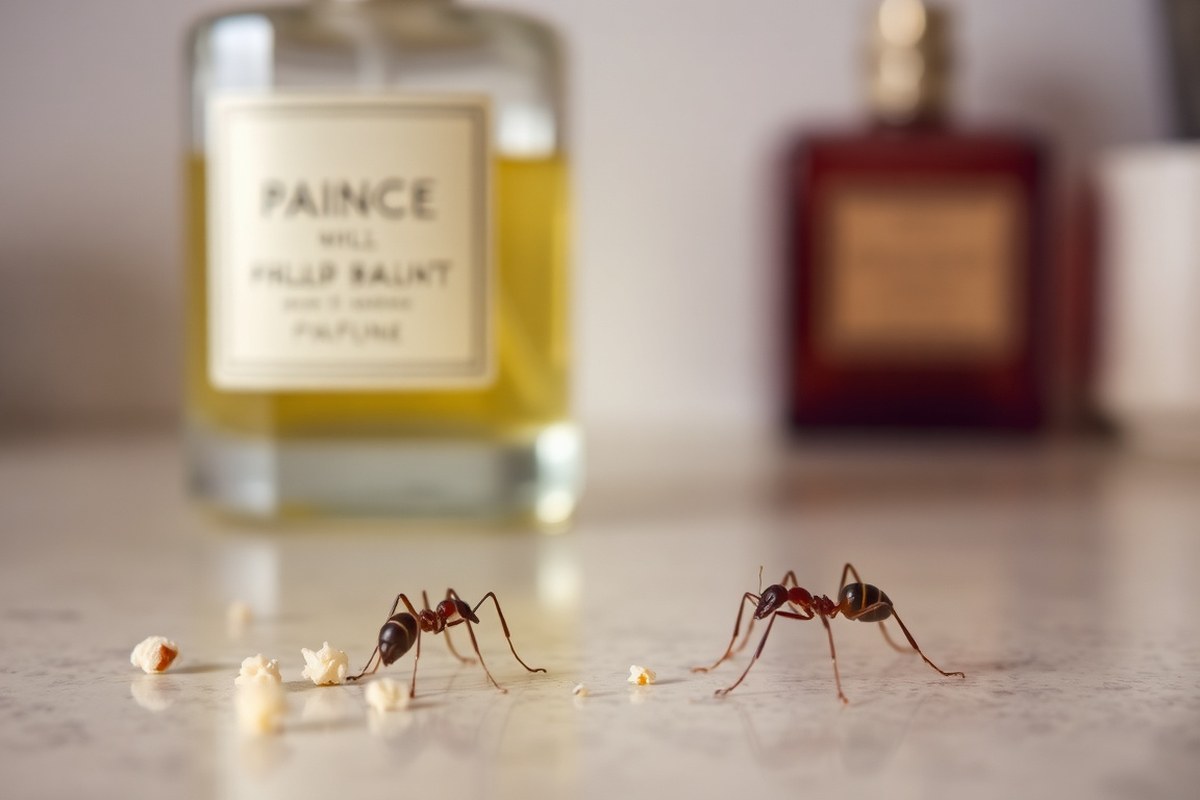
Does Perfume Kill Ants? What Actually Works for Quick Ant Control
Does perfume kill ants? Yes, it can kill ants but not instantly or reliably.
Perfume usually has too little alcohol to kill ants on contact like pure ethanol does. Instead, perfume can disrupt ants’ behavior and slow them down rather than causing quick death.
Perfume sprays often contain 40% or less alcohol. That’s usually not enough to kill ants outright. The alcohol in perfume mostly suffocates ants by blocking their breathing pores over time.
So, spraying perfume directly might kill a few ants. But it won’t solve an infestation.
If you want to control ants, start by disrupting their trails first. Perfume confuses ants by masking their scent paths, which can help you slow them down. Just don’t expect perfume alone to wipe out ant colonies or keep them gone for long.
Key Takeaways
- Perfume’s alcohol level is too low to kill all ants instantly.
- Splashing pure 95% ethanol kills ants quickly on direct contact.
- Perfume confuses ants by masking their scent trails temporarily.
- Using perfume won’t remove ant nests or stop infestations alone.
- Essential oils in some perfumes repel ants more effectively than alcohol.
- Try natural remedies like vinegar, lemon juice, or peppermint instead.
Does Perfume Kill Ants on Contact?

Perfume usually does not kill ants on contact because its alcohol concentration is too low. Most standard perfumes have 10 to 20 percent ethanol.
This amount is not strong enough to kill ants fast. Instead, perfume might disorient ants briefly but won’t deliver an instant kill like stronger alcohols do.
In contrast, rubbing alcohol with 70 percent isopropyl concentration kills ants instantly on contact. Even purer ethanol, around 95 percent, works faster and more reliably than perfume. These higher concentrations break down the ant’s protective outer layer, causing a rapid kill within seconds.
You should use alcohol with at least 70 percent content to kill ants. Spray rubbing alcohol directly onto the ants; they should die right away. Perfume might kill a few ants if sprayed heavily.
But it’s a slow and weak method. It also costs more since a bottle of perfume is pricier than rubbing alcohol.
Some perfumes contain essential oils toxic to ants, which might increase their effectiveness a bit. Still, most perfumes include sweet-smelling ingredients that can attract ants instead of killing them. To kill ants quickly, use alcohol with a high concentration, not perfume.
Why Perfume Usually Won’t Solve an Ant Infestation

Perfume only kills a few ants on contact. It won’t clear an ant infestation. You need stronger methods to get rid of them.
It doesn’t reach the colony, which can have thousands of worker ants. Plus, the scent signals ants leave behind stay active even after you spray them.
Why Killing Individual Ants Isn’t Enough
Killing a few ants with perfume affects only those you see. The entire colony stays safe underground or inside your walls.
Many colonies have tens of thousands of ants. So removing a handful doesn’t make a dent.
Worker ants keep coming out to forage for food and water. Perfume doesn’t stop new ants from arriving or the queen from producing more workers. That’s why you’ll see ants return after spraying.
Ants’ Chemical Trails Remain Active
The ants leave chemical trails that guide others to food sources. Spraying perfume may kill some ants, but it doesn’t erase these scent markers. Other ants just follow the trail and keep coming back.
Even dead ants release these signals after a short time. The perfume’s smell often can’t cover the strong chemical cues ants use. This means your sprayed areas still attract ants despite the perfume.
Perfume’s Alcohol Levels Are Too Low
Commercial perfumes usually have about 40% alcohol or less. This level is far below the 95% ethanol needed to reliably kill ants according to research. Perfume isn’t designed to kill insects but to smell good on skin.
Because of the lower alcohol amount, the poison dose ants get is weak. A brief spray might stun or irritate ants. But it won’t kill the entire colony or prevent new ants from appearing.
Ants Avoid Treated Areas but Don’t Leave
Perfume can repel ants temporarily by disrupting their trail and scent communication. You might see them wander or turn back where you sprayed. But this only moves ants to other routes, not away from your home.
Spraying perfume near bait stations actually causes ants to avoid those traps. This makes baits less effective, keeping the colony safe. Instead, bait stations should be placed where ants travel naturally without interference.
Why Perfume Spraying Can Be Counterproductive
Spraying perfume repeatedly can annoy you and waste product without solving the problem. It masks chemical trails but doesn’t stop ants from finding new paths. You’ll likely need to spray often to keep ants away.
Also, perfume scents might attract some ants due to sweet ingredients like vanillin. This can attract more ants instead of repelling them. Perfume ingredients vary, so their effect on ants is unpredictable.
Don’t spray perfume near bait stations or you’ll reduce their effectiveness.
How Perfume Disrupts Ant Trails and Behavior
Perfume doesn’t kill ants but disrupts their scent trails. Ants rely on pheromone trails to find food and guide others. When you spray perfume near these trails, the strong smell covers their chemical signals.
This disruption makes ants lose their way temporarily. They stop following the trail and may avoid the scented area. The perfume scent stays strong for a few hours.
Air flow and surface type change how long it lasts. The effect ends once the scent disappears.
Some perfumes irritate ants with sharp or minty notes, which repel them more effectively. Others, especially sweet or floral scents, can attract ants instead. You can try spraying perfume along ant paths or entry points to confuse or repel them.
Try these steps: spray a light mist of perfume directly on or around visible trails. Avoid soaking surfaces, as too much liquid can damage finishes. Reapply as the scent fades, often every few hours for short-term disruption.
Keep in mind perfume only masks trails and doesn’t stop ants long term. It won’t reach the colony’s nest or kill ants outright. Use perfume as a quick fix for small, localized sightings, not a total solution for infestations.
Strong perfume scents surprise ants by overwhelming their sense of smell. They may scatter or hesitate to cross the sprayed zone. This reaction helps block new ants from following the old paths temporarily.
Comparison of Substances: Perfume, Alcohol, and Natural Repellents
Some household substances kill ants quickly while others mostly repel them. The alcohol content plays a big role in killing power.
Perfume usually has only 5 to 20 percent alcohol. Rubbing alcohol has about 70 percent, making it stronger and faster at killing ants.
Natural repellents like cedar oil don’t kill ants right away. They disrupt ants’ trails and smell, making ants avoid the area.
Each substance costs different amounts and works best in certain situations. Knowing these details helps you choose what fits your ant problem.
| Substance | Alcohol Content | Effectiveness at Killing Ants | Repellent Power | Typical Cost (US) |
|---|---|---|---|---|
| 70% Rubbing Alcohol | 70% isopropyl alcohol | High; kills ants on contact quickly | Moderate; strong smell deters ants temporarily | $3 to $5 per 16 oz |
| Perfume Spray | 5% to 20% ethanol or similar alcohol | Low to medium; may not kill all ant types | Moderate to high; disrupts trail scent but not reliable | $15 to $100+ per bottle |
| Cedar Oil Spray | None | Low; does not kill immediately | High; naturally repels many ant species | $10 to $20 per 8 oz |
| 95% Ethanol (Lab-grade) | 95% ethanol | Very high; kills ants rapidly | Low; mainly used for preservation, not repelling | $20 to $30 per 16 oz |
Rubbing alcohol is the best choice when you want ants dead fast. Perfume’s low alcohol content means it does not reliably kill ants on contact. Perfumes vary widely and may only confuse ants by scent.
Cedar oil and similar natural sprays work better for repelling ants than killing them. You can spray cedar oil around entry points to keep ants away for hours. Perfume costs more and is less predictable for pest control than these substances.
Which Perfume Ingredients Affect Ants Positively or Negatively?
Perfumes combine essential oils, scent chemicals, and solvents in one container. Some ingredients, like cinnamon’s cinnamaldehyde, mint’s menthol, and lemon’s citral, can repel or damage ants. Alcohol in perfume harms ants when sprayed directly on them.
Not all fragrances stop ants. Sweet or fruity smells often attract ants instead of repelling them.
Your perfume might attract more ants if it smells very flowery or sweet. Strong floral or sugary scents can worsen an ant problem in your home.
Essential oils like peppermint, tea tree, and lemon are well-known ant repellents. Perfumes that focus on these oils tend to work better against ants than regular ones. Cedar oil stands out because it can kill ants on contact while keeping others away.
Use pure essential oil sprays like peppermint or cedar ants dislike. These sprays don’t attract ants like sweet perfumes do. They can help keep ants away better.
To use essential oil-based sprays, mix 10 to 20 drops with water in a spray bottle. Test on a small surface since essential oils can stain or damage finishes. Spray around windows, doorways, and trails to disrupt ants’ paths.
Essential oils cost around $5 to $15 for a small bottle. A single bottle can last several weeks with regular use. Prices depend on oil type and brand.
Perfumes with essential oils often cost more and contain less oil. This makes them less effective at repelling ants.
They also aren’t a good value for pest control. Using pure oils directly usually gives better results.
Natural and DIY Alternatives That Beat Perfume for Ant Control
Natural oils repel ants better than perfume because ants hate their strong scents. Oils like peppermint, cinnamon, and citrus disrupt ant trails and keep them away. You can easily make sprays that work well and are safer around pets than perfume.
Essential Oils That Repel Ants
Peppermint oil is one of the best for repelling ants. Its sharp smell confuses ants and drives them off quickly. Cinnamon oil also works well because ants dislike its spicy scent and avoid treated areas.
Citrus oils, especially lemon or orange, block ant trails by masking their scent signals. Lavender oil is less harsh but still helps keep ants out of kitchens and bathrooms. Tea tree oil contains natural compounds that repel ants and other bugs.
Simple DIY Repellent Recipes
You can make a simple ant spray with peppermint oil and water. Use 10 to 15 drops of peppermint oil for 1 cup of water. Mix them well before spraying.
Pour this into a spray bottle and shake well before use. Spray ant entry points and trails every day until the ants disappear.
Mix 1 cup of water with 10 drops of cinnamon oil. Add 10 drops of lemon oil to the mix. Stir well before using the spray.
Shake it up and spray around windows, door edges, and cracks. Repeat spraying every few days for a lasting effect.
For tough infestations, combine essential oils with a tablespoon of white vinegar. Mix this with 1 cup of water and spray where you see ants. Vinegar helps clean away their scent trails while the oils repel them.
Safety Tips for Natural Ant Control
Essential oils are generally safe but can irritate pets if swallowed or applied directly. Keep sprays away from cats and small animals, as some oils can harm them. Always dilute oils well in water before spraying to lower risks.
Store your homemade sprays in a cool, dark place and label them clearly. Avoid spraying on food, dishes, or directly on kids’ hands. Test your spray on a small area first.
Check for allergic reactions on plants or surfaces. Wait a few hours to see any effects.
Common Mistakes When Using Perfume Against Ants
Perfume can make ant problems worse if you aren’t careful about how you use it. Some perfumes have sweet or fruity scents that actually attract ants instead of repelling them. Using these fragrances near areas where ants frequent can invite even more insects, worsening the infestation.
Another mistake is spraying perfume right next to bait stations. Perfume’s strong smell can interfere with the bait’s scent, making the ants ignore the traps.
This reduces bait effectiveness. You might waste both time and money while ants keep coming back.
Spraying perfume directly on ant trails can cause ants to scatter and take new routes. This behavior might spread the infestation to other parts of your home. It can also lead ants to create satellite nests, which are harder to find and control.
To avoid these issues, never use sweet-smelling perfume near food, bait stations, or known ant paths. Test a small spot away from these areas first. See if the smell drives ants away.
Avoid spraying directly near where ants gather. Keep in mind that not all perfume scents repel ants; some do the opposite.
Use perfume only as a temporary disruption, not as a kill solution or main control method. Put bait stations at least six inches from sprayed spots. Let the bait work by itself.
Avoid mixing spray and bait to be safe. This keeps the bait scent strong and attracts ants without competition.
Remember, environmental factors like humidity and temperature can also change how ants respond to perfume. Perfume may lose strength or become less effective if it evaporates too quickly. Check and add small amounts every few hours.
Don’t use too much bait or it may attract ants. Keep an eye on bait stations regularly.
When to Choose Professional Ant Control over DIY Perfume Methods
Perfume and home remedies can work for minor ant problems but won’t fix bigger infestations. You should call a professional if ants keep coming back or spread quickly. Experts use stronger methods that stop ants for good when DIY fails.
Signs DIY Methods Are Insufficient
Ants keep appearing even after using perfume sprays or natural repellents for two weeks. You might see dozens of ants at once or find new trails in different rooms. This shows the colony is large or hidden deep in walls.
You won’t get good results from home remedies without finding the ants’ source. A steady increase in ants shows the problem is too big. You can’t handle it yourself anymore.
Benefits of Professional Pest Control
Pros use ant baits and treatments that target the entire colony, not just visible ants. Baits take days but cut down the colony slowly, which perfume cannot do. Pest control experts can spot nests hidden in walls or under floors.
They also know which products to use safely inside homes and around pets. DIY pest control costs only a few dollars.
Professionals charge $150 to $300. The price depends on how big the infestation is and what treatment you need.
Choosing the Right Time to Call an Expert
Ants appear in many rooms or come back fast after sprays stop. You should call a pro.
You should also seek help if home remedies cause irritation or allergic reactions. Using DIY methods nonstop without seeing fewer ants for 10 days is another sign.
Decision rule: Track the ant problem for one to two weeks. You don’t see improvement, or ants multiply.
Schedule a pest control visit soon. Acting early saves you time and effort later.
Keep a log of ant sightings and treatment attempts to decide when to call a professional.
Step-by-Step Action Plan to Handle Ants Without Perfume
Start by cleaning and removing what attracts ants. Then, try safer methods that actually stop ants for good.
- Day 1: Clean all areas where you see ants. Use soap and warm water to remove food scents that attract them.
- Day 2: Seal entry points like cracks or gaps near doors and windows. Watch if ants stop coming in.
- Week 1: Set up natural ant baits from sugar and borax or buy safe ant traps. Check if fewer ants appear after a few days.
- Week 2: Spray vinegar or lemon juice on ant trails to disrupt their paths. Look for less ant traffic after spraying.
- Week 3: Maintain a clean kitchen and avoid leaving food out. Ants usually disappear when no food is easy to reach.
- After 3 Weeks: Note if the ant problem is gone. If ants keep coming, consider calling a professional pest control service.
Frequently Asked Questions
Does Perfume Kill Ants?
Perfume rarely kills ants and usually just disorients them briefly. It might kill a few ants if sprayed directly but won’t solve an infestation.
What Scent Kills Ants?
Strong scents like peppermint, citrus, or vinegar repel ants better than perfume. These disrupt ant trails and keep them away effectively.
Will Spraying Perfume on an Ant Kill It?
Spraying perfume on an ant can kill that ant if done directly and in enough amount. However, it’s not reliable for larger ant problems.
Does Perfume Keep Away Ants?
Perfume can temporarily repel ants because they dislike strong smells. Still, it won’t keep ants away long-term or remove their nests.
Does Perfume Kill Insects?
Perfume may kill some insects on contact but is generally ineffective as an insect killer. Other products work better for most pests.
Can Perfume Attract Ants Instead of Repelling Them?
Yes, sweet-smelling perfumes can attract ants by mimicking food scents. Avoid using sugary perfumes near ant-prone areas.
The Bottom Line
Perfume might confuse ants but won’t kill an infestation. Use natural methods and clean up to control ants safely. Try sealing cracks today to keep ants outside.



One Comment