
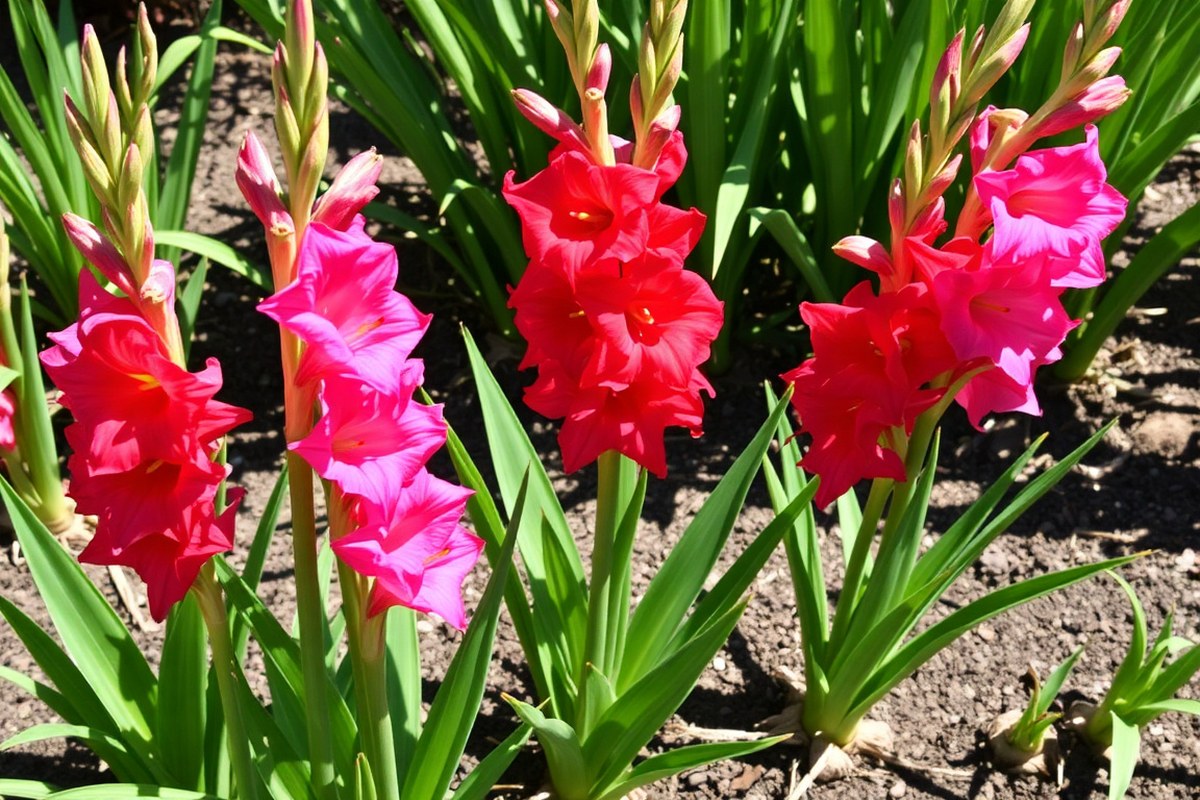
Do Gladiolus Spread? A Complete Guide to Growing and Multiplying Gladioli
Do gladiolus spread in your garden? Yes, but they don’t spread like running plants.
Gladiolus grow from corms that multiply slowly over time, so your patch expands gradually. These plants don’t creep across the soil like some bulbs or rhizomes do.
The main way they spread is by producing new corms called cormels around the old one. These smaller corms form at the base of the main corm each season. Planting these cormels in spring lets you grow more gladiolus without buying new bulbs.
Plant your gladiolus about 6 inches deep in the soil to protect the corms. Good soil that drains well, plenty of sunlight, and moderate temperatures help your gladiolus multiply and bloom well. Avoid soggy soil, which can rot the corms and stop spreading.
Key Takeaways
- Plant gladiolus corms 6 inches deep and 3 to 5 inches apart for best spread.
- Gladiolus spread slowly by growing clusters of small cormels around old bulbs.
- Full sun exposure (6, 8 hours) is essential for gladiolus to multiply effectively.
- Removing and replanting cormels each spring encourages more gladiolus plants next year.
- Temperature between 60 and 80 degrees Fahrenheit supports good growth and blooming.
- Allow cormels to stay on the mature corm for 2 weeks before storage.
Do Gladiolus Spread Naturally in Gardens?

Gladiolus plants do spread naturally in gardens, mainly through their underground corms. In warm climates, especially USDA Zones 8 through 10, these plants act like perennials.
You can leave the corms in the ground all year. The plants will come back on their own each season.
In cooler zones, gladiolus act like annuals. They die off in winter. You need to replant them every year.
They don’t spread aggressively like some weeds. So they are easy to control in most gardens.
While gladiolus produce seeds, seed spread plays a minor role for garden varieties. So it is less important for natural spreading.
Gladiolus are not invasive where they grow well. They usually stay planted. They don’t spread on their own.
One corm can grow up to 20 flower spikes. This helps plants multiply. But they don’t take over your garden.
After several years, you may see fewer blooms. This happens especially in warmer areas. Divide or refresh plants to avoid this.
How Gladiolus Multiply: Corms, Cormels, and Seeds Compared

Gladiolus multiply mainly by growing new corms and cormels. The large main corm stores energy and produces flower stalks. Smaller cormels grow around the main corm.
They develop into new plants. This process takes 2 to 3 years. Seeds do exist but rarely spread in home gardens.
Germination takes longer. It is also less reliable.
Corm multiplication is the easiest and most common way to grow more gladiolus. One mature corm can produce 30 to 100 cormels in a single season. You can dig up these cormels and store them for winter.
Replant them next year. They will grow fresh flowers. They naturally create thick clumps that can fill garden space.
| Propagation Method | How It Works | Time to New Plant | Ease and Common Use |
|---|---|---|---|
| Main Corm | Grows flower stalk and energy storage | Blooms in first season | Easiest to plant, usually purchased shape |
| Cormels (Bulblets) | Small corms form on main corm’s base | 2 to 3 years to bloom | Most common way to multiply gladiolus |
| Seeds | Produced after flowers are pollinated | Several years to bloom | Rarely used in home gardens, slow and unreliable |
Deadheading spent gladiolus flowers stops most seed production. That makes seed spread minor for hybrid types.
You might grow gladiolus from seeds if you want new varieties. But plan for slow progress.
For best results, leave cormels on the parent corm for two weeks. This should happen after digging.
Then store them in a cool, dry place over winter. Plant them in spring when soil warms to about 60°F. Expect new blooms in 2 to 3 years.
Keep gladiolus well spaced to prevent pests that can slow corm and cormel growth.
Timeline: How Long Gladiolus Take to Spread and Bloom
Gladiolus usually take about 90 days to bloom after their leaves appear above ground. New daughter corms and tiny cormels form each year. They won’t bloom until they grow bigger after 2 or 3 seasons.
It takes time for them to mature and flower. This slow buildup is why gladiolus spread steadily over time, not instantly.
From Planting to First Flower
When you plant gladiolus corms, wait for the soil to warm. Shoots usually come up once soil reaches above 50 degrees Fahrenheit. This helps the plants start growing.
After that, it takes roughly 80 to 100 days for flowers to bloom. Large corms planted 6 inches deep stand the best chance of blooming the first year.
Small corms or cormels won’t flower their first season because they don’t store enough energy yet. Instead, they focus on growing roots and leaves early on. Waiting 2 or 3 years lets them fully mature and bloom beautifully.
Development of Daughter Corms and Cormels
Each year, mature corms produce daughter corms that stay underground near the parent. They also grow dozens of tiny cormels, which look like miniature bulbs. These cormels slowly size up but won’t bloom right away during their first year.
Energy stored in the parent corm feeds these offshoots at first. As daughter corms grow bigger, they begin storing the reserves needed for flowering later. You’ll see clumps forming in the soil after a few seasons.
When to Expect Natural Multiplication
Gladiolus usually start spreading noticeably after 2 or 3 growing seasons. By this time, daughter corms have grown large enough to create flower spikes. The cormels have also grown closer to blooming size but may need another year.
Planting dense clusters helps the gladiolus spread faster, forming big groups over several years. Staggered planting can also extend bloom times but won’t speed up natural multiplication. Patience is key for gardeners watching those first few slow seasons.
How Planting Depth and Spacing Affect Gladiolus Spread
Planting gladiolus at the right depth and spacing helps them multiply and form healthy clumps. Dig holes about 6 inches deep and place corms 3 to 5 inches apart. Overcrowding can stunt growth and increase disease risks.
Recommended Planting Depths
Plant gladiolus corms roughly 6 inches deep with their pointed ends facing up. This depth protects corms against frost and supports strong root development. For smaller cormels, plant about 4 to 5 inches deep to give them room to grow.
Adjust depth slightly based on your soil type. Sandy soils may need about 7 inches deep to retain moisture. Heavier clay soils do best with 5 to 6 inches depth to avoid waterlogging.
Ideal Spacing for Natural Spread
Space large corms 3 to 5 inches apart to allow roots and cormels room to grow. This spacing encourages plants to form natural clumps without crowding. Plant cormels about 5 to 6 inches apart to give each new plant enough space.
Planting in rows or groups helps manage spread and looks tidy. Closer spacing, around 3 inches, makes dense clumps but lowers overall spread. Wider spacing over 6 inches allows more air circulation but fewer plants per bed.
Spacing Tips to Prevent Disease and Pests
Good spacing reduces risks of rotting and diseases by improving air flow. Too-close planting traps moisture and invites fungal problems. Keep 4 to 6 inches between corms to prevent pest buildup and spread.
- Plant corms 3-5 inches apart to avoid crowding.
- Give cormels 5-6 inches spacing for healthy clumping.
- Maintain 6 inches of space in humid or wet climates.
- Use raised beds or well-draining soil to control moisture.
- Thin dense clusters yearly to keep airflow open.
Spacing also makes it easier to dig and divide corms each year. Avoid planting around other dense root systems that could compete for nutrients.
How Climate and USDA Zone Influence Gladiolus Survival and Spread
Gladiolus survival through winter depends on your USDA hardiness zone. In zones 7 to 10, you can leave corms in the ground. These areas rarely see hard freezes below 28°F. This helps your gladiolus survive winter without digging.
The corms store energy underground. They naturally multiply under the soil. This gives you more flowers each season without extra effort.
In colder zones 7 and below, winter freezes often kill corms left in soil. These hard freezes damage the gladiolus corms. You need to dig and store them to keep them safe.
Here, you must dig up the corms after the first fall frost kills the leaves. This prevents the bulbs from rotting or freezing underground and ensures they survive until spring.
To dig them up, gently lift the corms with dried stalks still attached. Removing stalks too early can damage the corms and invite rot. After digging, keep the attached cormels on for two weeks.
This lets them mature. You can then store or replant them.
After frost kills leaves in cold zones, dig up corms gently. Leave stalks attached to prevent rot. This protects your plants during storage.
You live where winters are mild and frost is rare. You can save time by leaving corms in the ground. This avoids digging them up.
This allows natural spreading as corms multiply all year. In cold areas, digging and storing corms takes time and space.
But it protects your plants for next spring. This is good for gladiolus survival.
Remember, the key decision is your USDA zone and local winter lows. Temperatures drop into the mid to low 20s°F regularly. You should dig and store your gladiolus corms.
This keeps them from freezing. Temperatures do not regularly drop that low.
Let your corms winter in the soil. You will enjoy more multiplying blooms each summer.
Steps to Harvest and Replant Gladiolus Cormels for Best Spread
You can increase gladiolus numbers by harvesting, drying, storing, and replanting cormels. Dig up mature corms after flowering, separate new cormels, then dry and store them properly. Replant when the weather warms to help them grow into blooming plants.
Harvesting Cormels from Mature Corms
Dig up gladiolus corms after the flowers fade but before hard frost hits. Wait about two weeks after digging to let corms rest before separating. Pull off the smaller cormels growing around the mature corm carefully without breaking them.
Look for firm, healthy cormels about an inch wide. Avoid ones that look soft or dried out. Leaving the corms underground too long risks rot or frost damage in cold climates.
Drying and Storing Techniques
Dry corms and cormels in a cool, airy place for at least three days. Spread them in a single layer on a screen or rack to improve airflow. Don’t cover or seal them until completely dry to prevent mold.
Store dried corms in a paper bag or mesh sack to keep air flowing. Keep them at about 50°F in a dark, dry spot. Avoid freezing temperatures or excess humidity, which can ruin stored corms.
Replanting and Caring for New Cormels
Replant cormels in spring when soil temperatures reach 55°F or higher. Plant cormels 2 to 3 inches deep in well-drained soil, spacing them about 4 inches apart. This encourages healthy roots and strong shoots.
Water new plantings lightly until sprouts appear to avoid rot. Expect blooms from these young cormels after about 12 to 14 weeks of growth. Mulch lightly around plants to maintain moisture and control weeds.
- Dig up gladiolus corms two weeks after flowering ends.
- Remove small cormels gently from the base of mature corms.
- Dry corms and cormels for 3 to 5 days in a cool, airy spot.
- Store dried corms in breathable bags at about 50°F until spring.
- Plant cormels 2 to 3 inches deep in soil warmed above 55°F.
- Space cormels 4 inches apart to avoid overcrowding.
- Water sparingly until new shoots emerge, then water regularly.
- Mulch around plants to retain moisture and reduce weeds.
Gardening Practices That Encourage or Limit Gladiolus Spread
Gladiolus plants need full sunlight to grow well. At least 6 hours of direct sun each day helps them produce strong corms. Plant them in well-drained soil rich in organic matter to avoid rot and encourage growth.
Watering is important but tricky. Keep the soil moist during the growing season but not soaked.
Overwatering can cause the corms to rot, which stops them from multiplying. Water deeply about once a week during dry spells for best results.
Deadheading spent flower stalks limits seed spread and lets the plant focus on producing new corms. Remove flower heads right after they fade to stop seed pods from forming. If you want seeds, leave some stalks until the pods split open.
- Plant gladiolus two weeks before the last frost date for best growth.
- Use a layer of mulch to keep soil moist and suppress weeds.
- Support tall flower spikes with stakes to prevent flopping.
- Avoid over-fertilizing; too much nitrogen can reduce flower production.
- Remove damaged or diseased leaves to prevent spread of disease.
- Space plants to improve air flow and reduce fungal risks.
Regular garden care speeds up gladiolus spread by boosting corm growth. Make sure soil drains well to keep corms healthy over the winter. Poor drainage or crowded plants can slow multiplication and cause diseases.
Mistakes That Hinder Gladiolus Spread and How to Fix Them
Overcrowding is one of the biggest mistakes gardeners make with gladiolus corms. When corms grow too close, the plants compete for nutrients and water. This weakens the flowers and causes fewer blooms.
Rotating and replanting gladiolus every three to four years helps prevent overcrowding. Dig up the corms and separate the small cormels. Plant them at least 6 inches apart.
Use fresh soil for best results. This gives each plant enough room to grow strong.
Poor watering also limits gladiolus spread. Too much water causes rotting, while too little stops cormels from developing. Keep soil moist but well-drained during the growing season to encourage healthy new corms.
- Space corms 6 to 8 inches apart when planting
- Water evenly, about 1 inch per week, avoiding puddles
- Store corms in a cool, dry place (50°F to 60°F) after season
- Divide corms every 3 to 4 years to stop overcrowding
- Remove dead leaves and flowers to prevent disease build-up
Another common error is improper storage. Gladiolus corms can dry out or rot if stored too wet or in humidity.
Keep them in mesh bags in a cool place after digging. This keeps them healthy for replanting next spring.
Ignoring these steps leads to weak or missing blooms and poor multiplication. Frequent replanting lets corms form more cormels, which increases your gladiolus over time. It also helps you catch disease early and avoid crowded clumps.
Check your gladiolus bed each spring to pull out old corms and re-space new ones. Proper care avoids overcrowded clumps and poor flowers.
Step-by-Step Action Plan for Growing and Spreading Gladiolus
Follow these steps to help your gladiolus multiply and bloom well in your garden. This plan guides you through key times to care for your plants.
- Early Spring: Plant corms about 4 inches deep and 6 inches apart in well-drained soil. Look for strong shoots in 2 to 3 weeks.
- Late Spring: Water regularly but avoid soggy soil to prevent rot. Healthy, upright leaves mean good hydration.
- Mid-Summer: Harvest small cormels from mature plants after blooming. Store cormels in a cool, dry place. You’ll notice firm and dry cormels ready to replant next season.
- Fall: Plant the stored cormels in a sunny spot with space to grow. Watch for new shoots the following spring.
- Seasonal Care: Deadhead flowers as they fade to focus energy on corm development. New corms look plump when dug up in fall.
- Every Year: Adjust spacing based on how crowded your gladiolus get. Crowded plants may show slower growth and fewer blooms.
- Before Winter: In areas colder than USDA zone 7, dig up corms. Store them inside to keep them safe during winter. They should stay firm, not shriveled, until spring.
- After Replanting: Keep an eye on soil temperature and moisture during early growth stages. Consistent growth and timely flowering show proper care.
Frequently Asked Questions
Can Gladiolus Spread Without Human Help?
Gladiolus can spread on their own if the climate suits them. They do this mostly by growing more corms underground from the original bulb.
Do Gladiolus Seeds Often Spread in Home Gardens?
Seeds don’t spread much compared to corms in gardens. Most gardeners focus on corm division because seed spread is slow and rare.
How Can Gladiolus Spreading Affect Blooms?
When gladiolus grow too close, they may bloom less often. Thin them to keep flowers healthy and strong.
Does Planting Depth Impact How Gladiolus Spread?
Yes, planting depth influences how well corms grow and multiply. Proper depth protects corms from cold and helps spread underground.
Are Gladiolus Likely to Become Invasive If They Spread?
Gladiolus rarely become invasive since they don’t creep like vines. Their spread stays controlled unless you grow them in perfect conditions.
What Care Helps Gladiolus Spread Successfully in a Garden?
Regular watering and full sun boost corm growth and multiplication. Good soil also helps your gladiolus spread naturally over time.
Before You Go
Gladiolus spread mainly by corms and cormels, not by underground runners. You can encourage their spread by managing planting depth, spacing, and harvest timing carefully.
Plant healthy corms this spring for a better garden next year. This helps your garden bloom and grow well.


