How Many Gallons per Hour from a Garden Hose: A Complete Guide to Flow Rates
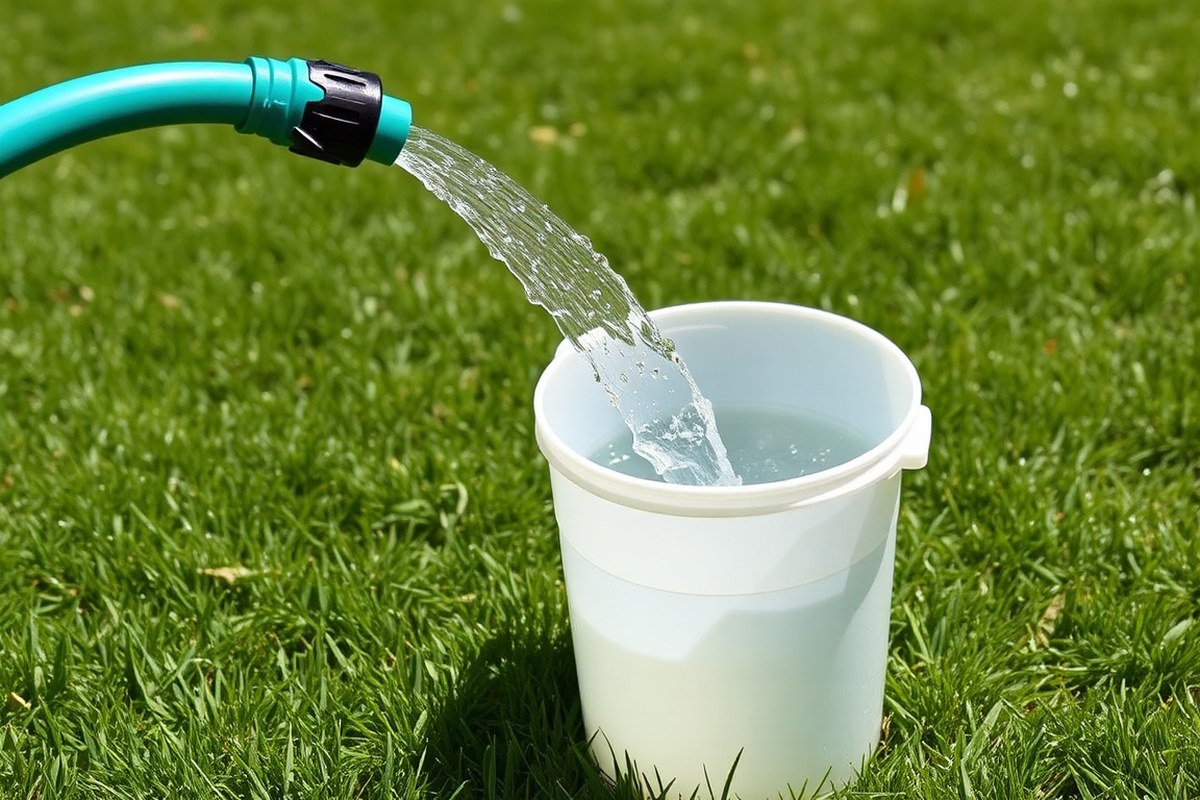
The amount of water from a garden hose varies by its size and pressure. Most hoses send between 540 and 1,020 gallons every hour. This suits typical home watering without wasting water.
The flow rate changes with hose diameter, length, and your water pressure. A 5/8-inch hose usually moves 1,020 to 1,380 gallons each hour. It works under normal home water pressure.
This helps keep watering efficient and quick. Smaller or longer hoses lower the flow, while higher pressure boosts it.
First, find out your hose size and water pressure. These help estimate how many gallons flow per hour. Measure both for a good rough idea.
Watch out for kinks or leaks that can cut flow and raise water use unexpectedly. Knowing this number helps water your garden efficiently and avoid wasting water.
Key Takeaways
- A standard garden hose flows about 540 to 1,020 gallons per hour.
- Hose diameter greatly affects flow; 5/8-inch hoses deliver the most water.
- Longer hoses reduce gallons per hour due to friction loss inside the hose.
- Water pressure directly impacts flow; higher pressure means more gallons per hour.
- Measure hose flow to match water needs of your garden or lawn.
- Fix leaks and remove kinks to keep water flow at expected levels.
How Many Gallons per Hour Does a Garden Hose Deliver?

A standard garden hose usually flows between 9 and 17 gallons per minute (GPM). This means it delivers roughly 540 to 1,020 gallons per hour (GPH). Knowing this range helps you estimate how much water you use for watering or washing.
Flow rates depend mainly on hose diameter, water pressure, and hose length. For example, a 5/8-inch hose commonly found in homes typically provides about 17 GPM. That equals around 1,020 gallons every hour if you keep the water running steadily.
Smaller hoses often have a 1/2-inch diameter. They usually flow near 9 GPM. That equals about 540 GPH.
Larger hoses, like 3/4-inch, can reach up to 23 GPM, totaling about 1,380 gallons per hour. Your flow rate can drop if water pressure is low.
Long hoses also reduce flow. These factors affect actual results.
How to Measure Your Garden Hose Flow Rate Accurately
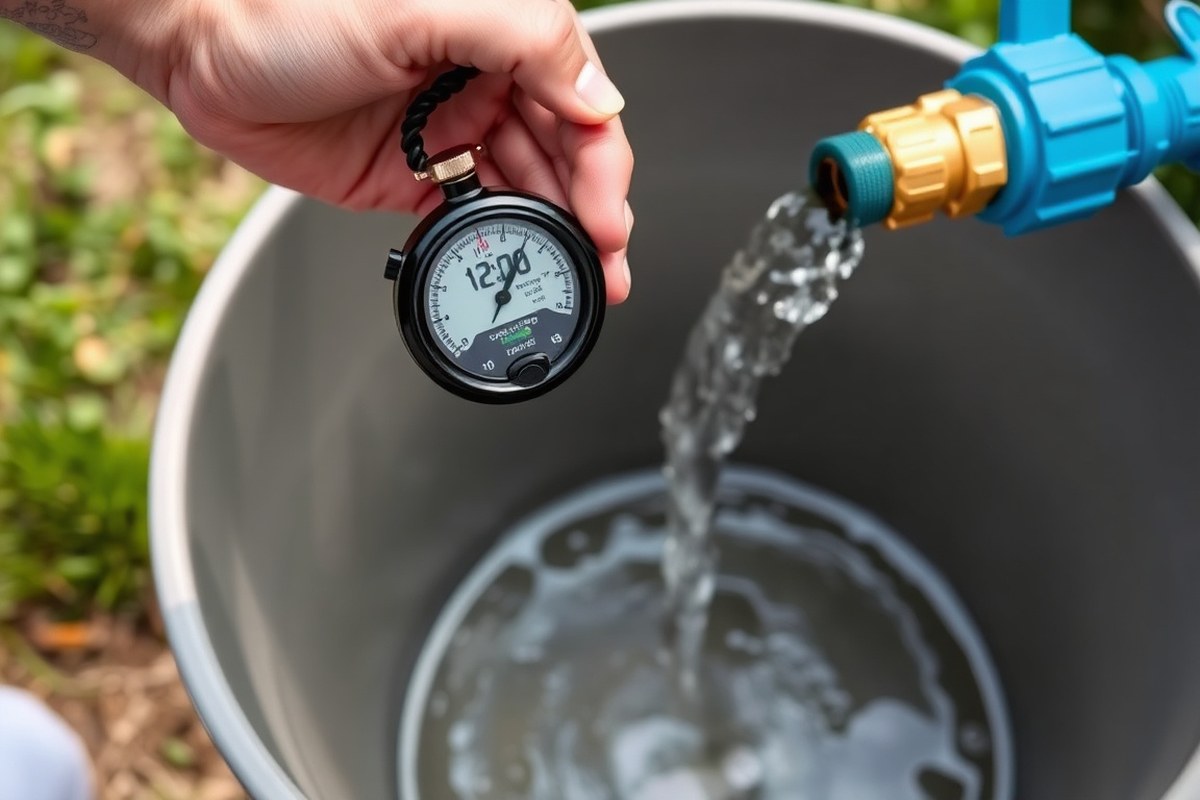
Measuring the flow rate of your garden hose shows how many gallons it delivers per hour. This helps you plan watering and conserve water better. You only need a few simple items typically found at home.
Gathering Tools and Materials
Grab a bucket with volume markings or know its gallon capacity. A stopwatch or phone timer is also necessary to track time precisely. Make sure your hose is connected to a water source.
Check that water flows at normal pressure. Then, your hose is ready to use.
Choose a bucket size that’s easy to fill in less than 5 minutes. A 5-gallon bucket is perfect for most hoses. Having a towel nearby helps avoid spills when moving the bucket.
Performing the Bucket Fill Test
This test measures how long it takes to fill a known bucket volume using your hose. It’s simple but accurate for measuring gallons per hour (GPH).
- Start the water at normal garden hose pressure.
- Place the bucket under the hose nozzle fully open.
- Start the stopwatch as water hits the bucket.
- Stop the timer once the bucket reaches the marked volume or is full.
- Record the time in seconds or minutes.
Keep the hose steady and bucket level to avoid water splashing and affecting your timing.
For example, your 5-gallon bucket fills in 2 minutes. Note 2 minutes as the fill time.
Keep track of the exact time it takes. Smaller buckets or longer times will still work, but you’ll adjust calculations accordingly.
Converting Measurements to Gallons per Hour
Convert the bucket volume and fill time into gallons per hour using a formula. Multiply the collected gallons by 60 and divide by the number of minutes taken.
- Use the formula: (Gallons collected × 60) ÷ Minutes filled = Gallons per hour (GPH).
- Plug in your data. For 5 gallons in 2 minutes, calculate (5 × 60) ÷ 2 = 150 GPH.
- Compare this GPH to typical needs like 10-20 gallons per hour for small gardens.
Convert seconds to minutes before using the formula. Do this by dividing seconds by 60.
This helps keep measurements consistent. This method lets you quickly figure out water flow for different hoses or water pressures.
Repeat the test 2-3 times and average times to get a more accurate flow rate result.
How Hose Diameter, Length, and Water Pressure Affect Flow Rate
How many gallons per hour your garden hose delivers depends mostly on three things. These are the hose diameter, the length of the hose, and your water pressure. Adjusting these can raise or lower your flow rate significantly.
Hose Diameter and Typical Flow Rates
The hose diameter sets the basic limit on how much water can flow through. Bigger diameters let more water pass easily, increasing gallons per hour (GPH). A 1/2-inch hose delivers much less water than a 3/4-inch hose under the same pressure.
Here’s a quick look at flow rates for common hose sizes. These are measured at 45 psi pressure and 50 feet long.
| Hose Diameter (inches) | Length (feet) | Pressure (PSI) | Flow Rate (GPM) |
|---|---|---|---|
| 1/2″ | 50 | 45 | 13 |
| 5/8″ | 50 | 45 | 24 |
| 3/4″ | 50 | 45 | 38 |
GPH equals GPM times 60. So, a 3/4-inch hose at 38 GPM pumps about 2,280 gallons per hour.
Larger hoses deliver more water but cost more and weigh more. Most home gardens do fine with 5/8-inch or 3/4-inch hoses.
Flow Rate Loss by Hose Length
Longer hoses lose pressure because water friction builds up inside. This friction slows water flow, dropping your gallons per hour. A 75-foot hose delivers fewer GPM than a 50-foot hose of the same diameter and pressure.
For 45 psi pressure, compare these flow rates of 50-foot and 75-foot hoses:
| Hose Diameter (inches) | Length (feet) | Pressure (PSI) | Flow Rate (GPM) |
|---|---|---|---|
| 1/2″ | 50 | 45 | 13 |
| 1/2″ | 75 | 45 | 9.8 |
| 5/8″ | 50 | 45 | 24 |
| 5/8″ | 75 | 45 | 18 |
| 3/4″ | 50 | 45 | 38 |
| 3/4″ | 75 | 45 | 28.5 |
The longer hose drops flow rates by roughly 20% to 25%. Using shorter hoses or bigger diameters helps keep your flow rate high. Beware of kinks or obstructions which also cut flow.
Water Pressure Ranges and Expected Output
Your water pressure strongly affects how fast water flows through the hose. Higher pressure pushes more water, increasing gallons per hour. Typical home water pressure ranges from 30 to 60 psi.
Here’s how pressure changes flow for a 5/8-inch hose with a short run:
| Hose Diameter | Pressure (PSI) | Approximate Flow Per Hour (Gallons) |
|---|---|---|
| 5/8-inch | 30 | 360 to 480 |
| 5/8-inch | 40 | 420 to 600 |
| 5/8-inch | 60 | 540 to 720 |
To boost your output, raising pressure is easier than switching hose sizes. But too high pressure can damage hoses and plants. Most home systems work well between 40 and 60 psi.
Typical Gallons per Hour for Different Garden Hose Sizes
Garden hoses come in three common inside diameters: ½ inch, 5/8 inch, and ¾ inch. These sizes affect how much water flows through the hose each hour. Manufacturers rate hose capacity based on this diameter and typical water pressure at the source.
A ½ inch hose typically delivers between 600 and 900 gallons per hour. It suits smaller garden areas or spot watering where less flow is needed.
A 5/8 inch hose flows about 900 to 1,200 gallons per hour. It fits most general watering tasks well.
A ¾ inch hose works better for large gardens. It also fills big containers or pools faster.
It can deliver 1,200 to 1,500 gallons per hour, which speeds up watering times. Choosing the right hose size balances water flow with ease of handling and cost.
| Garden Hose Size | Flow Rate (Gallons per Hour) |
|---|---|
| ½ inch | 600, 900 |
| 5/8 inch | 900, 1,200 |
| ¾ inch | 1,200, 1,500 |
Choosing a hose that’s too large wastes water and makes your hose heavier. Smaller hoses may not deliver enough water fast enough for big jobs.
Manufacturers list flow rates on hose packaging. This info helps you pick the right hose.
Most garden tasks work well with a 5/8 inch hose because it balances flow and manageability. Use a ½ inch hose only for light watering or watering in tight spaces. Pick ¾ inch if you need fast filling or watering across a large area.
How to Increase Gallons per Hour from a Garden Hose
To get more gallons per hour from your garden hose, upgrade it. Adjust water pressure carefully to keep flow steady. Use useful accessories for better results.
These steps boost water flow without risking leaks or damage. You can expect faster watering and cleaning by following a few simple changes.
Choose a Larger Diameter Hose
Switching to a hose with a wider diameter helps water flow faster. For example, a 5/8-inch hose carries more gallons per hour than a 1/2-inch hose. You can expect water flow to go up from 420 gallons per hour.
It can reach close to 540 gallons per hour. This works if water pressure stays steady.
Larger hoses cost a bit more and can be heavier to handle. These tools lower the friction inside the hose. Less friction means more water flows to your plants.
This helps when watering or cleaning outdoors. In tight spaces, a wider hose may be less flexible. So consider your garden setup.
Keep Hose Length Short and Straight
Shorter hoses deliver water faster by reducing friction loss. Avoid kinks or sharp bends, which slow down flow and reduce pressure. Laying the hose flat and straight helps maintain the highest gallons per hour.
Connect two shorter hoses if your garden is far from the tap. This works better than using one long hose.
It keeps water pressure stronger. Always check for leaks at couplings, as they lower overall pressure and slow flow.
Adjust Water Pressure Safely
Increasing water pressure at the source boosts your gallons per hour. Turn your outdoor faucet fully on for the highest steady pressure. Pressure-regulating valves or booster pumps can help optimize flow without stressing your hose.
Too much pressure may damage older hoses or fittings. Check your hose rating; most garden hoses work well under 80 psi. Use a pressure gauge to ensure you don’t exceed safe limits.
Use Flow-Optimizing Accessories
Adding certain accessories improves water flow by controlling and directing water. A high-quality nozzle with adjustable spray settings lets you match water speed to the task. Some nozzles concentrate flow for cleaning, while others soften spray for sensitive plants.
Boosting devices like pressure regulators or hose-end flow enhancers streamline water movement. These small additions cost around $10 to $30 but can add up to strong flow gains.
- Upgrade to a 5/8-inch or 3/4-inch hose for better flow
- Keep the hose as short and straight as possible
- Open outdoor faucets fully to maximize pressure
- Use a high-quality adjustable nozzle for task variations
- Consider pressure regulators or booster pumps
- Check hose and accessory ratings for max pressure
- Replace any leaky connectors or damaged sections
Don’t increase pressure above your hose’s maximum rating to avoid bursts or leaks.
Common Mistakes and How to Avoid Them When Measuring Flow Rate
Measurement errors often come from timing mistakes or leaks in the hose. A small drip during the test can drastically change the gallons per hour (GPH) reading. Inaccurate timing, like stopping the stopwatch early or late, also throws off the calculation.
Environmental factors like wind can blow water away, reducing the collected volume. Temperature changes might affect water pressure too, causing flow to vary during the test. Make sure the hose nozzle stays steady and the water flow is consistent throughout measuring.
- Use a container with known volume for collection, like a 5-gallon bucket.
- Start and stop a stopwatch exactly when water begins and stops filling.
- Check hose and nozzle connections for leaks before measuring.
- Try to test flow indoors or on a calm day to avoid wind effects.
- Keep water temperature stable by avoiding long exposure to sun or cold.
- Use a flow meter attached to the hose if possible for precise reading.
- Repeat the test several times and average the results for accuracy.
Leaks waste water and give a false low reading on GPH. Carefully tighten hose fittings and inspect for cracks before starting.
Measuring indoors lessens errors from weather, but if outdoors, pick a calm spot. Consistency in your process helps you avoid surprises and get reliable flow numbers.
Flow Rate Needs for Common Garden and Outdoor Tasks
Watering garden beds or pots usually requires a gentler flow to avoid washing away soil. Aim for about 100 to 200 gallons per hour. This range lets you water deeply without flooding plants.
Sprinklers need higher flow rates to spread water evenly. Many impact sprinklers start working well at 300 gallons per hour. Lower rates might cause weak spray patterns or uneven watering.
Filling pools or large containers demands the highest flow rates. Expect at least 500 gallons per hour to fill these quickly. Smaller hoses or longer lengths drop flow, so use shorter, wider hoses if possible.
- Watering beds or pots: 100, 200 gallons per hour steady flow
- Basic sprinkler operation: 300 gallons per hour minimum
- Large oscillating sprinklers: 400+ gallons per hour preferred
- Filling small pools or containers: 500 gallons per hour or more
- Use 5/8-inch or larger hose for high flow needs
- Keep hoses shorter to maintain good pressure and flow
Knowing your hose flow rate helps you choose the right watering method. For example, a weak flow under 300 gallons per hour can stall an impact sprinkler. You’d see uneven patterns, wasting water and harming plants.
For watering pots, too much water fast can erode soil. A slower, steady flow soaks the soil well and avoids runoff. When filling pools, slow flow rates extend filling time, making the task longer.
Adjust hose size and length to fit your watering needs. A 5/8-inch hose at 45 PSI usually delivers enough flow for most sprinklers and pool filling. Longer hoses or smaller diameters cut the gallons per hour you get.
Understanding Friction Loss and Other Factors Reducing Flow
Friction loss happens when water rubs against the inside surface of your garden hose. This rubbing slows water down and lowers gallons per hour flowing out. Hose length makes this effect worse.
Water has to travel further. It faces more resistance along the way.
The material of the hose also impacts friction loss. Rubber hoses usually have smoother interiors. So they cause less flow reduction than cheaper vinyl hoses.
Older hoses that develop cracks, kinks, or buildup inside can reduce flow even more. Dirt, mineral deposits, or mold inside create rough patches that slow water further.
Beyond the hose itself, other factors cut into your flow rate. A hose with tight bends or kinks limits water’s path. This reduces gallons per hour.
When the hose is connected to low water pressure, flow naturally drops. Hot weather can soften plastic hoses.
They may partly collapse under pressure. This narrows the inside and slows water down.
Check your hose regularly for buildup or kinks to keep flow rates steady.
Keeping hoses straight and free from blockages can help maintain better water flow. Using hoses with thicker walls but smooth linings might cost more but reduces friction loss. Over time, expect flow rates to drop a little as hoses age and their interiors worsen.
Cleaning hoses inside helps restore efficiency. It keeps gallons per hour as high as possible. This benefits your garden’s watering.
Step-by-Step Action Plan to Measure and Optimize Your Hose Flow
Use this plan to find your garden hose’s flow rate and improve your watering results quickly.
- Before you start: Gather a 5-gallon bucket, a stopwatch, and your hose. Make sure the hose is fully connected and leak-free.
- Day 1: Turn on your hose at full pressure and fill the bucket. Time how long it takes to fill 5 gallons. This shows your hose’s current flow rate.
- Day 2: Divide 5 gallons by your timed seconds. Multiply that result by 60. This gives you gallons per minute. Multiply by 60 again for gallons per hour.
- Day 3: Check your hose diameter and length against common flow rates for your size. Use this information to spot flow issues.
- Week 1: Test changes to increase flow, like reducing hose length or removing narrow nozzles. Re-measure flow rate after each change.
- After 2 weeks: Use your new flow rate to plan watering times. Apply it for garden or outdoor tasks. Adjust watering on very hot or dry days.
- Monthly: Repeat measurements and check for leaks or clogs. This keeps your flow consistent and efficient all season.
Frequently Asked Questions
How Many Gallons per Hour Does a Garden Hose Typically Deliver?
A garden hose usually delivers between 540 and 1,020 gallons per hour. This depends on the hose diameter, length, and water pressure.
How Do Hose Length and Diameter Affect Gallons per Hour?
Longer hoses and smaller diameters lower water flow rate, reducing gallons per hour. Keeping your hose shorter and wider improves flow speed.
What’s the Average Gallons per Minute for a 5/8-inch Garden Hose?
A 5/8-inch hose flows about 17 to 23 gallons per minute. That equals roughly 1,020 to 1,380 gallons per hour. Smaller hoses flow less water.
How Can I Increase the Gallons per Hour Coming from My Garden Hose?
Increase water pressure or use a shorter, wider hose to boost flow. Remove kinks and check faucets for better output.
Why Does Friction Loss Reduce Water Flow in a Garden Hose?
Friction between water and hose walls slows flow, lowering gallons per hour. Smoother, wider hoses cut friction loss.
What Is the Water Flow Rate Needed for Watering a Small Garden?
Small gardens need about 10 to 20 gallons per hour to stay healthy. A standard hose at good pressure delivers more than enough.
The Bottom Line
You now know how much water your garden hose delivers each hour. Use this info to water better and save time.
Start by timing how long your hose fills today. See how easy it is to improve your flow.