

Do Golf Courses Close When It Rains? A Complete Guide with Safety and Play Tips
Do golf courses close when it rains? Most often, they don’t shut down just because of rain. Courses usually remain open unless the weather poses serious safety risks or damages the grounds.
Lightning is the main danger that forces a closure. Since lightning can reach 50,000°C, golf courses close immediately to keep players safe. Heavy rain alone rarely causes a shutdown but can affect play quality and safety.
Heavy rain can make fairways muddy and greens slow, impacting your shots. Courses may delay play if water pooling makes walking or riding unsafe. Standing water can also damage the turf if carts keep driving over wet areas.
When thunderstorms or lightning appear nearby, pause your game. Stop playing until 30 minutes pass after the last lightning strike. This break helps protect you from sudden weather changes and keeps you safe on the course.
Key Takeaways
- Golf courses rarely close just because it rains lightly.
- Lightning threatens player safety and triggers golf course closures.
- Pause play for thirty minutes after the last lightning strike.
- Heavy rain may delay play but courses usually reopen quickly.
- Course conditions can worsen with heavy rain, affecting safety.
- Local course policies vary, so check before you head out.
Do Golf Courses Close When It Rains and Why?
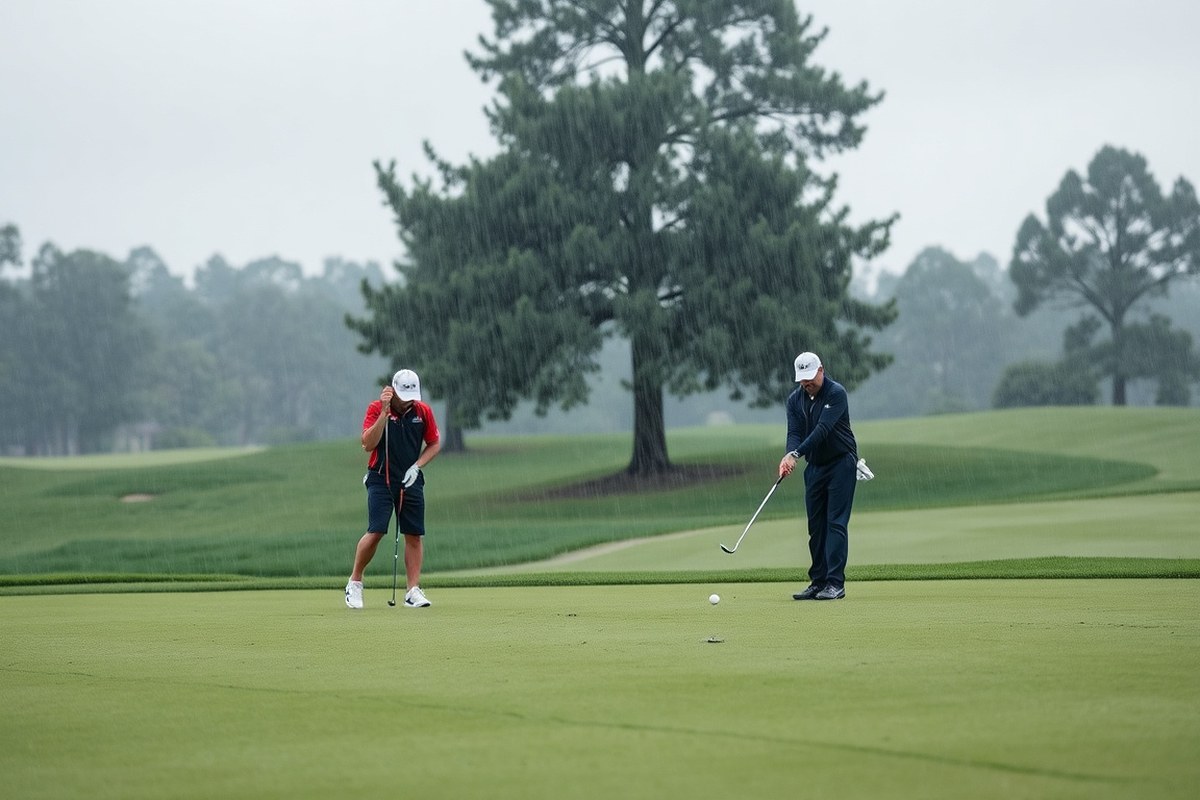
Golf courses often stay open through light or moderate rain. They close only if weather conditions become bad or unsafe. The choice depends on each course’s own weather rules and rainfall amount.
Heavy rain often leads to closures because it can harm the turf and make play unsafe. Some courses shut down for a short time when water pools. Mud can also make the course vulnerable to damage.
This helps protect grass and golf carts. Thunderstorms or lightning force immediate closure to protect players.
Course type affects how rain is handled. Private and resort courses often stay open longer because they have better drainage.
Public courses may close faster during heavy rain since their ground absorbs water more slowly. Links courses usually drain naturally and remain open even in wet weather.
Which Weather Conditions Lead to Golf Course Closures?

Rain intensity plays a big role in whether a golf course stays open or closes. Light rain usually doesn’t stop play because it tends to be short and gentle. Moderate rain can make the ground very wet.
Some holes might close. The course may shut those areas for safety.
Heavy rain can flood the course and damage the grass. So courses often close to protect the turf.
Lightning and thunder always cause immediate course closures due to safety risks. Wind and temperature also affect closure decisions but usually less than rain or lightning.
| Rain Condition | Course Status |
|---|---|
| Light rain | Open |
| Moderate rain | Partially open (some holes closed) |
| Heavy rain | Closed |
| Thunderstorms (lightning) | Closed |
| After rain stops | Depends on course condition |
Lightning is the top safety threat, so courses close right away during thunderstorms. Playing in strong winds makes the game hard and can cause tree damage.
So some courses may delay play. Cold temperatures don’t usually cause closures but can affect the ground and player comfort.
Once heavy rain stops, courses may stay closed if there’s standing water or soft ground. Drains and course design impact how long closures last.
Some courses reopen quickly. Others might need hours or even a full day for the turf to dry.
Always watch for lightning warnings and evacuate golf courses immediately if storms approach.
How Do Golf Courses Decide When to Close During Rain?
Golf course managers check several key factors during rain. They then decide if the course stays open or closes.
They look at drainage, player safety, and current course damage risk. The final call balances these factors with weather forecasts to protect players and the turf.
Course Drainage and Infrastructure
Drainage is one of the first things assessed when rain starts or is forecast. Courses with well-maintained drainage systems can handle several inches of rain before flooding happens.
Drainage systems use underground pipes to move water. Tiles placed in the ground direct water from fairways and greens.
When drainage works well, play can continue safely and without damaging the course. Poor drainage causes water to pool and creates soft spots.
Mud damages the turf and causes longer closures. Courses that lack modern drainage are more likely to close quickly after moderate rain.
Golf courses often maintain a checklist for drainage readiness, including checking:
- Functionality of drain pipes and outlets
- Condition of sand traps and their ability to drain
- Signs of puddling on greens or fairways
- Soil saturation levels in key areas
- Effectiveness of any water pumps or wells
- Slope helps water flow off the course quickly.
This checklist helps staff quickly determine if course conditions meet the standard for play after rain. Issues found here usually trigger partial or full closures to protect the turf.
Safety Considerations for Players
Player safety has equal weight in the decision to close a course during rain. Wet grass can lead to slipping and falling. Muddy walkways and paths create hazards for golf carts and pedestrians.
Lightning or severe storm warnings automatically lead to closures. Staff watch weather radar closely to spot dangerous conditions early. The safety checklist includes:
- Presence of lightning in the area
- Visibility and wind conditions
- Slippery or unstable surfaces
- Safe cart paths and access ways
- Health risks from exposure during heavy rain
Safety concerns stop play immediately until conditions improve. This protects all players and staff from injury.
Weather Monitoring and Thresholds
Managers constantly track real-time weather data from radar and forecasts. They note rainfall amounts, storm severity, and ongoing conditions. This data forms the basis for setting specific closure rules.
Common thresholds relate to rain amount per hour (typically 0.1 to 0.3 inches triggers review). Lightning within 10 miles results in instant course shutdown. The average course closes if more than 0.5 inches falls in under an hour or if standing water appears.
Use of precise rules helps courses avoid unnecessary closures but still protects the grounds and players. The superintendent or manager has the final say. They review all info before closing or reopening the course.
What Safety Risks Do Golfers Face When Playing in the Rain?
Lightning is the biggest danger when playing golf in the rain. Golf courses usually close immediately if thunderstorms are nearby.
Clubs can attract lightning, putting players at serious risk. To stay safe, watch for lightning alarms and leave the course fast if you hear one.
Slippery grounds are another big hazard on wet courses. Rain makes grass and paths slick, increasing the chance of falls.
Avoid this by wearing golf shoes with good traction and stepping carefully around wet spots. Walking slowly and staying clear of steep slopes also helps prevent slips.
Loose clubs and gear in rainy weather can cause injuries. Wet grips make clubs hard to hold, which might lead to accidental swings or drops.
Keep your clubs dry by using rain covers and drying grips often. Store extra towels in your bag to wipe hands and clubs as you play.
Water hazards get harder to spot after rain. Flooded bunkers or puddles can cause you to trip or lose your ball easily.
Always check the course conditions or ask staff about soft or flooded areas. Adjust your shots to avoid soggy spots and stay on firmer ground whenever possible.
To reduce risks, plan ahead before heading to the course. Check weather reports to avoid storms. Bring proper rain gear like waterproof jackets and hats that don’t block your view.
Use golf carts carefully since wet grass can make stopping and turning tricky. Drive slowly and park on firm surfaces to avoid getting stuck.
How Long After Rain Ends Can Golfers Safely Resume Play?
You can usually resume playing golf once the rain stops and the course starts to dry. How long this takes depends on the course’s drainage and the weather after the rain. Lightning storms require set wait times to protect everyone’s safety before play can continue.
Lightning-Related Wait Times
Lightning near golf courses leads to immediate stop of play. It can heat up to about 50,000°C, posing serious danger. Stay off the course for at least 30 minutes after last lightning.
Some courses have shelters scattered around to keep players safe during storms. Always use these shelters until the lightning threat ends. Ignoring wait times can risk serious injury or worse.
Drainage and Drying Timeline
Turf needs 30 minutes to a few hours to dry after rain. This drying makes it safer to play golf. The time depends on rain heaviness and weather conditions.
Courses with good drainage systems can start play sooner. Those with poor drainage take longer. Heavy rain can pause play for several hours or even require course closure.
Signs of a dry and safe course include firm ground and bunkers refilled with dry sand. Soft, muddy grass or water pooling means you should wait longer. Playing too soon can damage turf and make the course unsafe for players.
Course Maintenance After Rain
Golf course staff often work quickly to fix divots and refill bunkers after rain stops. They may wait for turf to firm up before using machinery to avoid further damage. Courses in wetter climates sometimes delay play until maintenance is complete.
Maintenance teams check drainage, repair damaged areas, and drain standing water. Without these tasks, the course can stay unplayable and weaken over time. Your patience helps keep the course healthy and enjoyable for later rounds.
Always wait the full lightning hold time before returning to the course for your safety.
How Do Different Golf Course Types Handle Rain and Closures?
Public and private golf courses handle rain differently. Public courses often close sooner during rain due to budget limits on drainage systems.
Private courses usually have better drainage. So they tolerate rain longer and stay open more.
Resort courses want to keep guests playing, so they invest in high-quality drainage. They might put sand on wet areas to help. They might let carts drive only on hard spots.
These are common temporary fixes during rain delays. Links courses, often near the coast, are built on sandy soil, which drains quickly. They usually stay open during light rain but watch for wind or storms.
Here’s a comparison of course types, drainage, rain tolerance, and typical closure policies:
| Course Type | Drainage Quality | Rain Tolerance | Typical Closure Policy |
|---|---|---|---|
| Public | Moderate to low | Low to moderate | Often close during moderate rain |
| Private | High | Moderate to high | Rarely close unless heavy rain |
| Resort | High, with additional temporary fixes | High | Usually stay open; manage wet areas carefully |
| Links | Very high (sandy soil) | High for rain; sensitive to wind | Stay open unless severe weather or flooding |
Public courses might close quickly because they lack drainage upgrades. Private and resort courses spend thousands of dollars on drainage to avoid lost playtime. Resort courses also use extra staff to manage wet spots, keeping the experience smooth.
Links courses have a natural advantage with sandy soil that drains better than clay or loam. That means you can often play soon after light rain. They mainly close during severe storms rather than rain itself.
What Practical Tips Help Golfers Play Safely and Effectively in the Rain?
Playing golf in the rain means preparing with the right gear and technique. You also need to protect your clubs and stay safe on the wet course. Some small changes can keep your game effective and your equipment safe.
Essential Waterproof Gear
Wear waterproof clothing that fits well to stay dry and comfortable. Look for breathable rain jackets and pants to avoid overheating. Waterproof gloves help keep your grip firm when your hands get wet.
Bring an umbrella designed for golfers. These are usually wider and sturdier to handle wind and rain. Don’t forget waterproof shoes or boots with good traction to avoid slipping on wet grass.
- Waterproof jacket and pants
- Rain gloves for a better grip
- Golf umbrella, sturdy and wide
- Waterproof golf shoes or boots
- Water-resistant golf bag cover
- Extra towels to dry grips and balls
Using these items costs about $50 to $150 depending on brands and quality. Investing in good rain gear lets you play longer without feeling soaked or uncomfortable.
Adjusting Technique for Wet Conditions
Wet grounds slow your ball, so hit slightly harder to maintain distance. Keep your swing smooth and controlled to avoid slipping during your swing. Avoid tall follow-throughs that can cause loss of balance on slick surfaces.
Shorten your backswing if the ground is muddy or slippery to keep stability. Watch how rain affects putting; slower green speeds mean less power is needed. Stay patient and accept slower ball rolls while focusing on accuracy.
Equipment Care Tips
Dry your grips and club heads regularly using towels to keep a secure hold. Use water-resistant covers for your golf bag to protect clubs from soaking. Don’t leave your gear in wet spots for too long.
Moisture leads to rust and damage. Keep your equipment dry to protect it.
After your round, clean your clubs and dry them thoroughly before storing. Applying a light coat of oil or a protective spray on metal parts helps prevent rust. Well-maintained equipment performs better and lasts longer, even with rain exposure.
What Are Alternatives When Golf Courses Close Due to Rain?
A golf course closing because of rain means you can reschedule your tee time. Many courses let you move your round to a different day or later the same day.
Call the course or visit their website to check their rescheduling rules. Find out how far in advance you must notify them.
Refund policies vary by course but many offer full or partial refunds. Some give rain checks or credit for future bookings. The ability to reschedule depends on how much of your game you played.
It also matters if the course reopens later that day. Always ask about fees or time limits when you book. So you know what to expect.
Indoor golf simulators offer an alternative when outdoors isn’t an option. These facilities let you hit real golf shots into a screen that shows famous courses. Prices range from about $30 to $70 per hour.
This can be fun and keep your swing sharp during bad weather. Look online for locations near you and book ahead, especially on rainy weekends.
Some courses let you play in light rain or wet conditions. They limit carts to the paths only during these times. This helps protect the turf and prevents damage.
Want to keep playing on a muddy course? Ask if cart path only rules are in effect.
Walking the course is another option if safe and allowed. But it will take longer.
Check the golf course’s social media or website for real-time updates on closures and rescheduling options.
Step-by-Step Action Plan for Playing When It’s Raining
Follow these steps to stay safe and enjoy your golf game during and after rain. Watch for course closures, then plan your timing and gear carefully.
- Before your round: Visit the golf course’s website. Or call them directly. Confirm if the course is open. You’ll avoid wasted trips this way.
- During rain: Pause play immediately if there is lightning or heavy rain. Safety comes first, and courses may close for bad weather.
- Right after rain stops: Wait at least 30 minutes before resuming play on wet ground. This prevents damage and injuries.
- While playing in light rain: Wear waterproof clothing and use golf grips designed for wet conditions. It keeps your swing steady and hands dry.
- After play: Dry your clubs and shoes with a clean cloth. Clean off dirt and grass. This keeps them ready for your next round.
- Alternative day: Plan an indoor golf session or a simulator visit if the course remains closed. You can still work on your game without weather issues.
Frequently Asked Questions
Can You Play Golf in Light Rain?
Yes, golf courses usually stay open during light rain. Most players find it manageable with rain gear and proper shoes.
Do Lightning Risks Affect Golf Course Closures?
Yes, lightning is a top safety concern that often closes courses. When storms threaten, play usually stops immediately.
How Does Heavy Rain Damage Golf Course Turf?
Heavy rain can soften turf and cause long-term damage. Courses may close to protect grass and allow drying.
Are Golf Carts Allowed on Soaked Courses?
Many courses restrict carts when fairways get soggy. Walking helps prevent ruts and lawn damage on wet ground.
Can You Get Refunds If a Round Is Canceled for Rain?
Refund policies vary by course, but some offer credits or partial refunds. It’s best to check with the course beforehand.
What Maintenance Happens After a Rain Closure?
Grounds crews often aerate soil and check drainage after rain. This helps speed drying and keeps grass healthy.
Before You Go
Golf courses usually close during heavy rain or dangerous weather to protect you and the grounds. Keeping an eye on local conditions helps you decide when to play safely. Check course updates before you head out next time.


