Does Grass Spread Naturally? Expert Answers and Care Tips That Work
Grass spreading depends on the variety you grow. Bermuda grass sends out runners quickly.
Tall fescue doesn’t spread without help. Knowing your lawn’s grass type guides your care steps.
Grass spreads naturally through stolons or rhizomes, above-ground and below-ground runners. Stolons spread faster but can get damaged by mowing too short or dull blades. So, keep your mower blades sharp and leave grass around 3 to 4 inches tall.
Slow-spreading grasses like Kentucky bluegrass form dense sod but take more patience. You might want to overseed occasionally when your grass lacks natural spread. This keeps your lawn thick and healthy without bare spots.
Some grasses also spread by seed carried by wind, animals, or water. These help fill gaps if runners don’t reach everywhere. Regular watering and fertilizing support seed germination and runner growth.
Key Takeaways
- Bermuda grass spreads fastest using stolons up to 6 inches per week in summer.
- Mow at 3 to 4 inches to protect stolons and encourage healthy spread.
- Kentucky bluegrass spreads slowly via rhizomes, expanding 12 to 18 inches per year.
- Tall fescue and ryegrass do not spread naturally and require regular overseeding.
- Using less than 2 pounds of nitrogen per 1,000 square feet yearly may reduce grass growth rate.
- Use physical barriers at least 6 inches deep to control unwanted rhizome spread.
Does Grass Spread Naturally on Its Own?
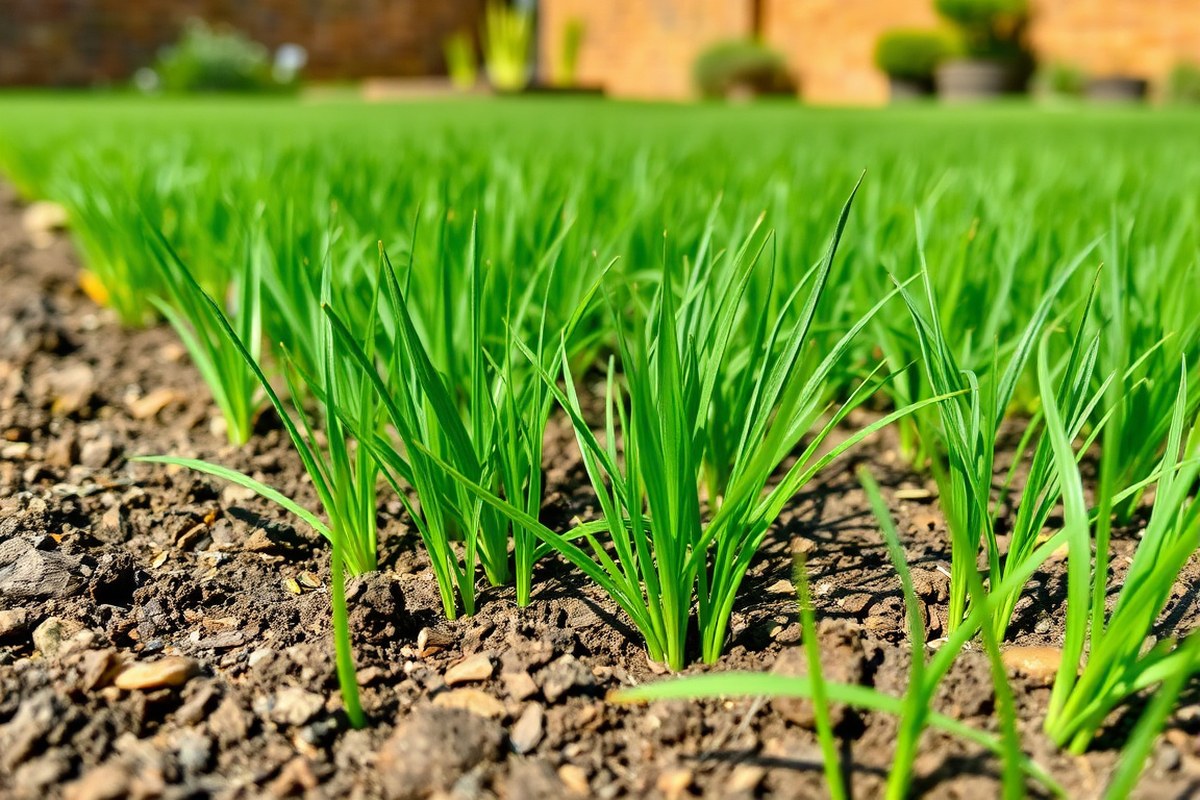
Yes, many common lawn grasses spread naturally on their own. They do this by growing underground roots called rhizomes or surface runners called stolons. These growth methods allow grass to fill in bare spots over time without seeding or planting.
Grass that spreads by rhizomes pushes out new shoots underground that pop up nearby. Stolons spread fast by sending runners above the ground. These runners take root and grow new grass plants.
They help grass cover ground quickly. For example, Bermudagrass stolons grow about 6 inches each week.
This happens mostly in summer. It quickly makes your lawn bigger.
Grass that spreads naturally needs good conditions to grow well. It should get enough sunlight, water, and nutrients from the soil.
Keeping grass at the right height helps too. Taller grass supports stronger roots and better photosynthesis, which fuels spreading.
Not all grasses spread by themselves. Some cool-season types like Kentucky Bluegrass and Zoysia spread slowly by rhizomes.
Others, like Tall Fescue and Perennial Ryegrass, grow in clumps and don’t spread naturally. These need seeding to fill bare patches in your lawn.
Letting your grass grow taller can encourage seeding and supports the spreading process. Cutting grass too short may harm stolons and rhizomes, slowing spread. Healthy, taller grass stands a better chance of filling in patches without extra help.
Grass that doesn’t spread naturally won’t fill bare spots on its own. Many hybrid grasses also produce sterile seeds, so they won’t reseed themselves. In these cases, you’ll need to overseed or patch bare areas to maintain a full lawn.
How Grass Spreads: Stolons and Rhizomes Explained

Grass spreads naturally in two main ways: stolons and rhizomes. Stolons run above ground, sending out new shoots. Rhizomes grow underground, extending roots that pop up new grass plants.
Above-Ground Stolons Function and Speed
Stolons are runners that stretch along the soil surface. They put down roots at nodes, creating new grass plants. This process helps grass cover bare spots quickly.
Warm-climate grasses like St. Augustine can grow 2 to 3 feet per year. This makes them fast at spreading. Augustine.
Stolons grow above ground and spread quickly. They dry out if it gets too hot or dry.
These conditions can slow their growth. These runners let the grass fill in gaps without seeding, saving you time and effort.
Underground Rhizomes and Root Growth
Rhizomes grow below the soil surface, spreading sideways underground. They extend roots and shoots that push up new grass plants. Kentucky bluegrass spreads 12 to 18 inches each year.
It uses rhizomes that grow under the soil. This happens mostly in cool-season climates.
This underground growth helps grass survive drought and cold. It stays protected beneath the surface, making rhizomes great for creating dense and resilient lawns.
Grass Types by Spreading Method
Grasses vary in using stolons, rhizomes, or both to spread. Bermuda grass grows with both stolons and rhizomes, spreading aggressively in warm seasons. St. Augustine mainly uses stolons, spreading quickly above ground.
Kentucky bluegrass spreads mostly through rhizomes underground. It fills bare spots slowly but steadily.
This makes it very good at covering lawn gaps. Other grasses like tall fescue don’t spread much naturally and often need seeding or plugs.
Stolons look like thin, horizontal stems on the soil. Rhizomes are thicker and grow underground. You can find the difference by looking closely. Knowing this helps identify how your grass spreads naturally.
Grass Types That Spread Naturally and Those That Don’t
Grass types fall into two groups: those that spread naturally and those that don’t. Grasses like Kentucky bluegrass and Bermuda grass spread by growing runners. These grasses quickly fill bare spots, making them good for self-repairing lawns.
Clump-forming grasses like Tall Fescue and Perennial Ryegrass grow in bunches. They don’t spread outward by runners.
Clump-forming grasses expand mostly by tillering, which means growing new shoots from the base. This growth is slower and won’t cover bare patches on its own. Bald spots on a Tall Fescue lawn won’t get filled by creeping grass.
The grass doesn’t spread enough to cover gaps. That’s why overseeding is necessary to keep those lawns full and even.
| Grass Type | Spread Method | Spread Speed | Overseeding Needed? |
|---|---|---|---|
| Kentucky Bluegrass | Rhizomes (underground runners) | Moderate to fast | No, spreads on its own |
| Bermuda Grass | Rhizomes and Stolons (above-ground runners) | Fast | No, covers bare spots well |
| St. Augustine Grass | Stolons | Moderate | No, spreads naturally |
| Zoysia Grass | Rhizomes and Stolons | Slow to moderate | No, but slow to fill spots |
| Tall Fescue | Tillering (clump-forming) | Slow | Yes, to fill bare areas |
| Perennial Ryegrass | Tillering (clump-forming) | Slow | Yes, overseed often |
| Fine Fescues (Chewings, Sheep) | Tillering | Slow | Yes, fills slowly |
Choosing a spreading grass like Bermuda or Kentucky bluegrass means less work repairing bare spots. You don’t need to overseed often because these grasses creep sideways fast.
Clump-type grasses like Tall Fescue require more help. Overseeding and spot seeding are the best ways to keep these lawns looking full and green.
Homeowners with cool-season lawns mostly use Tall Fescue or Ryegrass mixes. While these grasses offer good durability, they lack natural spreading. You’ll need to reseed bare spots on your lawn.
This costs $50 to $100 per 1,000 square feet yearly. Spreading grasses save time but need more trimming to keep them neat.
How Long Does It Take for Grass to Spread Naturally?
Natural grass spreading varies widely depending on the type and conditions. Stoloniferous grasses like Bermuda spread about 6 to 12 inches each month. This happens mostly in warm seasons.
It’s normal for these grasses to spread fast when it’s warm. Kentucky bluegrass spreads through rhizomes and grows slower.
It usually grows 2 to 6 inches per month under good conditions. This growth rate is less than Bermuda grass.
Cool-season grasses tend to spread fastest during spring and fall. Warm-season types, like St. Augustine, pick up spread speed in late spring through summer. Their horizontal growth slows or stops in cold or drought, conserving energy instead of spreading.
Grass spreads through lateral growth. But this depends on how it grows and the season. For example, Bermuda grass races ahead with stolons in 75 to 95°F weather and enough moisture.
Kentucky bluegrass needs cooler temperatures near 60 to 75°F for best rhizome growth. Poor watering or mowing slows spread and weakens grass often.
Some varieties, like tall fescue, don’t spread much on their own, forming clumps instead. Lawn owners see slow fill in these cases and may need overseeding. Overseeding bare spots can speed up coverage especially when the main grass spreads slowly.
Healthy lawn habits speed up natural spread. Mow your grass at the right height. Water about one inch weekly.
Feed your lawn occasionally during its active growing period. Aerating loosens soil, letting roots and runners advance faster.
Wait several months to see natural spread clearly on grasses that spread well. This time varies by grass type and conditions. Patience is key here.
Your lawn will take longer to spread if it lacks water or faces stress. Poor conditions slow down grass growth.
Proper care speeds up spreading time. You usually need one full growing season to get noticeable lawn fill-in on spreading turfgrass.
What Conditions Affect Grass Spreading Success?
Grass spreads best when the soil is healthy and loose. Compact or salty soil slows down spreading and root growth.
Adding organic fertilizer or compost improves soil structure. It also provides nutrients grass needs to grow sideways.
Water is also key. Grass needs consistent moisture, neither too dry nor soggy. Too little water stresses the plant and slows spread.
Water deeply once or twice a week, depending on temperature and rainfall. So roots grow strong and runners develop.
Mowing height changes how grass grows. Cutting grass too short forces it to grow upward instead of spreading out.
Set your mower to keep grass between 2 and 3 inches high. Taller grass supports deeper roots and more lateral growth.
- Soil with good drainage and organic matter
- Regular, deep watering during dry spells
- Keep mowing height at 2 to 3 inches
- Apply balanced fertilizer to boost nutrient levels
- Sunlight exposure; avoid heavy shade areas
- Avoid soil compaction and reduce foot traffic
- Maintain ideal temperatures for grass type, usually summer
Some climates limit grass spreading because of cold or heat extremes. Most spreading grass types peak in growth during warm summer months.
Shady spots or poor soil patches often remain thin and slow to fill in. Correcting these factors helps runners or rhizomes grow faster and fill bare areas.
Do not cut grass shorter than 2 inches in summer. It weakens roots and slows lateral spread.
Fertilizer supports grass spread by helping new shoots become strong tillers. Without enough nutrients, grass stays weak and vertical growth dominates. Adding balanced nitrogen-rich fertilizer once or twice a season encourages horizontal runners and denser coverage.
How to Help Grass Spread Faster and Fill Bare Spots
Helping grass spread faster takes steady lawn care. You can do this by mowing right, watering smartly, and feeding your lawn. Overseeding bare spots speeds up grass growth for quick results.
Overseeding vs. Waiting for Natural Spread
Overseeding lets you fill bare areas right away. It adds more grass seed directly where your lawn is thin. Natural spread takes longer and may leave some patches bare for weeks or months.
Use overseeding if you want a thick lawn soon. Spread seed evenly on bare spots, then water gently daily for two weeks.
Your grass spreads well naturally. You can skip overseeding and focus on care.
Mowing Height and Frequency Tips
Cuts that are too short weaken grass and slow spreading. Keep your lawn blades 2.5 to 3 inches tall to protect roots and help grass runners grow out. Mow once or twice a week during the growing season.
Change up mowing patterns each time to avoid compacting the soil. Cut only one-third of the grass blade length at each mow. That keeps grass healthy and encourages new horizontal growth.
Fertilization and Watering Practices
Feeding your lawn with fertilizer gives grass energy to spread sideways. Use a slow-release fertilizer. Apply 1 pound of nitrogen per 1,000 square feet.
Do this in early spring and in fall. Avoid over-fertilizing, which can burn grass and cause problems.
Water deeply but less often to encourage strong roots. Aim for about 1 inch of water per week total, including rainfall. Water early in the morning to reduce evaporation and disease risks.
- Check soil moisture before watering to avoid overwatering
- Keep lawn free from weeds that steal nutrients
- Remove pests or diseases quickly to prevent bare spots
- Aerate compacted areas once a year to improve root growth
- Topdress bare spots with compost before overseeding
- Avoid heavy foot traffic on new grass to allow rooting
Good lawn care supports your grass’s natural spreading ability. You’ll see bare spots fill in faster and a thicker, healthy lawn develop.
Why Grass Sometimes Fails to Spread Despite Good Conditions
Grass sometimes won’t spread even if you think conditions are good. Soil compaction is a big barrier.
When soil is packed tight, grass roots can’t grow well. Runners also have trouble moving through compact soil.
Another problem is lawn thatch, a thick layer of dead grass between soil and live blades. This stops runners like stolons and rhizomes from reaching the soil to root properly. Thatch over half an inch thick blocks new growth.
Weeds also compete fiercely for space and nutrients. They can crowd out grass runners and keep them from spreading. Pests such as grubs or insects eat roots and weaken plants, reducing their spread ability.
- Use a spike or core aerator to aerate compacted soil. Do this every 1-2 years. Spring or fall works best.
- Dethatch lawns by raking or power raking when thatch builds over 0.5 inch thick.
- Water your lawn deeply but not too often. Aim for about 1 inch of water per week. This helps prevent drought stress.
- Mow regularly at the right height (2.5-3 inches) to keep grass healthy and runners alive.
- Spot-treat or pull weeds before they go to seed, to reduce competition.
- Check for pests like grubs; treat with insecticide if damage is visible.
- Mulch garden beds with 3-4 inch layers to smother grass runners unintentionally spreading there.
Aeration costs about $50 to $150 for a 5,000-square-foot lawn if you hire it done. You can rent or buy smaller aerators for around $100 to $200.
Dethatching tools rent for $50 a day. Regular mowing usually takes 30 minutes or less per week.
Fix these problems and you’ll see new grass soon. Bare spots will fill with fresh grass shoots in weeks. Grass runners will root faster and spread evenly.
Ignoring soil and thatch problems can cause patchy grass. Your lawn might not improve despite your care.
How to Identify If Your Grass Spreads Naturally or Needs Intervention
To figure out if your lawn grass spreads naturally, look closely at how it grows. Spotting runners like stolons or rhizomes means grass can fill in bare spots. These runners spread across the soil to grow new grass.
This helps fill gaps without extra work. Bunch-type grass won’t spread much without help. So you’ll want to know your grass type before planning repairs.
Visual Signs of Spreading Grass Types
Look along the ground for thin stems called stolons or thick underground stems called rhizomes. Stolons run just above the soil surface, sending out roots and shoots at intervals. Rhizomes grow through the soil under the grass.
They make new grass shoots at spots called nodes. These nodes appear around the main grass clump.
You see new grass shoots away from the main patch. This shows your grass likely has spreading runners. They send out new growth far from the original clump.
Bent or creeping blades close to the soil also suggest spreading. Bare spots fill in because runners grow outwards.
This usually takes a few weeks in the growing season. The lawn spreads naturally over time.
Check your grass blades closely. Grass with spreading runners tends to have a thicker, denser carpet look over time. Your grass grows in tight clumps or tufts only.
That means it probably has no spreading stems. Without runners, the lawn won’t fill bare spots well. Identifying these traits helps decide if overseeding is needed to patch thin spots.
Differences Between Clump and Runner Growth
Bunch-type grass grows in tight clusters and doesn’t spread horizontally much. It’s common in shaded or cooler lawn areas where you want more control over grass growth. This type often needs help filling bare spots since it doesn’t send out runners.
Grass spreads by sending out stolons or rhizomes naturally. These runners help the lawn grow outward from old turf. This is how some grasses expand on their own.
This type fills gaps over time without needing reseeding. You can tell by grass “fingers” reaching from the main patch.
These thin runners stretch toward bare soil nearby. Watching close shows if your lawn is spreading.
To confirm, inspect your grass during spring or fall when growth is active. Runner grasses show small shoots emerging several inches from the main clump.
Bunch grasses stay where they started unless overseeded. So bare spots persist longer without intervention.
When to Seek Expert Lawn Assistance
Call a lawn pro if bare spots stay empty for months. This is true even with good watering and mowing. A pro can find hidden problems or fix the grass.
Professionals can identify your grass type correctly and create a repair plan using overseeding or sod. They also handle soil tests to spot hidden problems slowing natural spread.
You can’t find runners but want a thicker lawn. Getting expert advice will save time and money. They can suggest treatments or new grass types for your yard.
They may recommend specific grass blends suited to your climate and soil. Early help can avoid costly lawn replacements later if natural spread fails.
Also ask for help if pests or diseases damage your lawn, slowing grass growth. Treating these issues early improves runner grass spread and helps bunch grass recover faster. Professionals have tools and knowledge to fix complex lawn problems that DIY attempts might worsen.
Check your lawn closely during spring; spreading runners become easiest to spot then.
Step-by-Step Action Plan to Encourage Natural Grass Spread
Start helping your grass spread by following these simple steps. Watch your lawn closely to see progress.
- Before you start: Identify your grass type to know if it spreads naturally. Check for stolons or rhizomes by gently pulling up a blade.
- Week 1: Mow your lawn at the right height for your grass type. Look for new shoots coming from existing grass.
- Week 2: Water deeply but infrequently to encourage spreading roots. Soil should stay damp but not soaked.
- Week 3: Apply a balanced fertilizer following product instructions. Improved color and growth show it’s working.
- Week 4: Fill bare spots with grass seed or plugs if your grass doesn’t spread fast. New grass should start emerging soon.
- Month 2: Aerate compacted areas to help roots grow and spread underground. You’ll feel softer, looser soil underfoot.
- Month 3: Remove weeds regularly to reduce competition for nutrients. Your grass will look thicker and healthier.
Frequently Asked Questions
Will Grass Spread If You Don’t Cut It?
Grass might spread slightly if you don’t cut it, but growth is slow. Mowing helps keep grass healthy and encourages thicker spread with runners or rhizomes.
How Long Does It Take for Grass to Spread?
Grass spreading speed depends on type, from weeks to over a year. For example, Bermudagrass stolons can grow 6 inches weekly. Zoysiagrass spreads inches per year.
Can I Just Spread Grass Seed over Existing Grass?
You can spread seed over grass, but it works best with bare patches. Seeds need soil contact to germinate. So removing thatch or patching holes helps new shoots grow.
Does Grass Spread If You Let It Grow?
Letting grass grow longer encourages seed production but won’t speed natural spread much. Most spread happens underground or horizontally by stolons, not just from tall blades.
Can Grass Spread Through Underground Roots Only?
Yes, some grasses spread through underground rhizomes that send up shoots nearby. This type of spread fills bare spots slowly but steadily over time without seeding.
Is Overseeding Necessary for All Lawns?
Not all lawns need overseeding; it depends on grass type and bare spots. Grasses like Tall Fescue don’t spread on their own and benefit from overseeding annually.
Final Thoughts
Grass does spread naturally, but the speed depends on type and conditions. Taking small steps helps boost that process. Now, pick your grass type and start with proper watering today.