

Where Is Pepper Grown: A Complete Guide to Regions and Growing Conditions
Wondering where is pepper grown worldwide? Pepper grows best in tropical and subtropical regions with warm temperatures. Countries near the equator, like Vietnam and India, lead the world in pepper production.
Peppers need steady warmth and rich soil to thrive. So they are rarely grown outdoors in colder areas. Start pepper seeds indoors in a warm spot with soil at 80 to 90°F. This helps the seeds sprout faster and prevents rot in cooler soils.
Peppers grow well with a 3 to 4 month season. They need temperatures above 60°F during this time.
Watch for frost dates in your region to plan when to plant outdoors. Avoid cold spots that slow growth or stunt your plants.
Key Takeaways
- Start pepper seeds indoors 6 to 8 weeks before your last frost date.
- Keep soil temperatures between 80 and 90 degrees Fahrenheit for best germination.
- Leave 18 to 24 inches between pepper plants to ensure they have enough room.
- Peppers prefer daytime temperatures above 70 to 75 degrees Fahrenheit for healthy development.
- Protect pepper plants from temperatures below 55 degrees Fahrenheit to avoid stunted growth.
- Choose pepper varieties suited to your region’s length of frost-free days.
Where Is Pepper Grown Worldwide and by Region
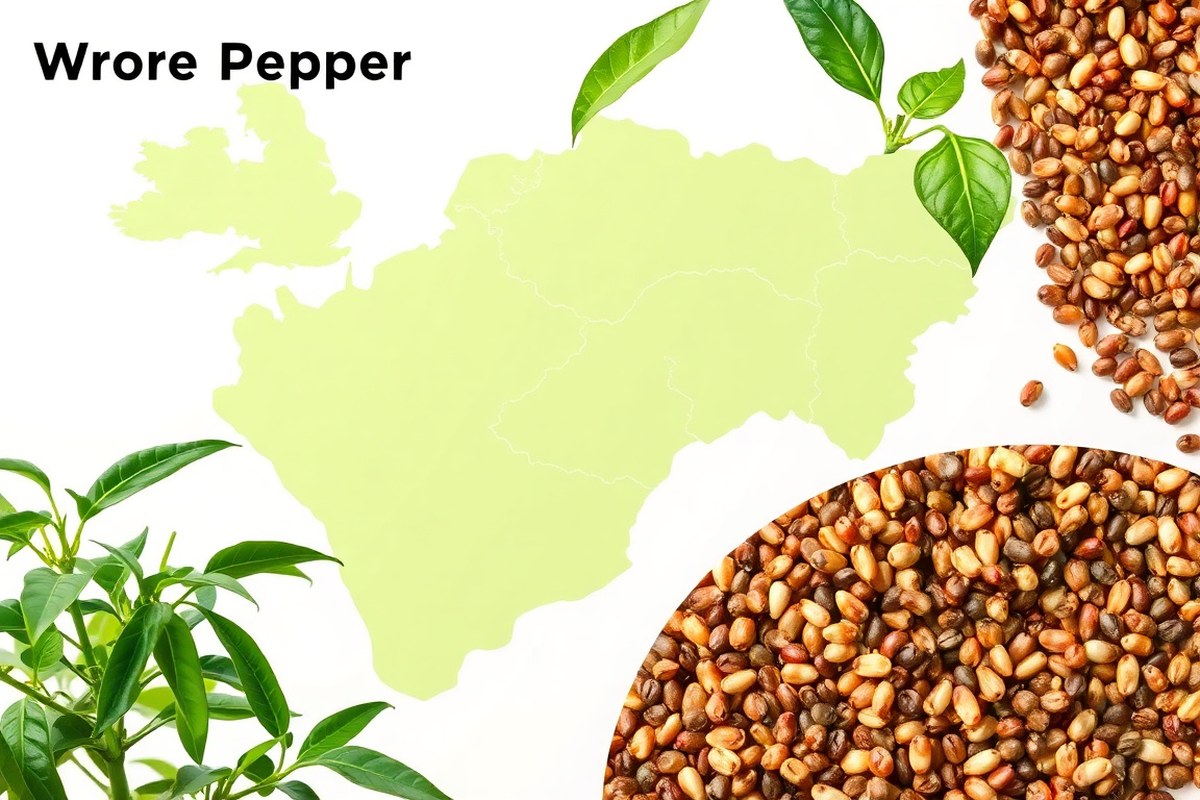
Black pepper is mainly grown in tropical regions with warm and humid climates. These areas provide temperatures from 23 to 29°C and 75-85% humidity, perfect for black pepper vines. Bell peppers grow well in warmer, less humid zones.
These include many parts of the mid-Atlantic. They also do well in US growing zones 3 and 10.
Asia dominates black pepper production, with seven of the top ten producers located there. Vietnam leads the world with over 272,000 tons produced in 2022. India and Indonesia have been major producers for a long time.
India is known as the source of “black gold.” That refers to its spice history.” Other notable producers include Brazil and several African countries.
Bell peppers are grown mostly in temperate to subtropical zones. Bell peppers need warm days above 70°F (21°C). They require about 3 to 4 months to grow.
The risk of frost during this time must be low. Under right conditions, green bell peppers mature in about 60 days.
Fully ripe peppers take 80 to 85 days. The warm climate helps speed this process.
| Country | Black Pepper Production (tons, 2022) | Region |
|---|---|---|
| Vietnam | 272,235 | Asia (Tropical) |
| Brazil | 44,090 | South America (Tropical/Subtropical) |
| Indonesia | 38,169 | Asia (Tropical) |
| Burkina Faso | 33,816 | Africa (Tropical) |
| India | 23,839 | Asia (Tropical/Subtropical) |
| Mexico | 10,815 | North America (Subtropical) |
Regions growing black pepper focus on tropical zones near the equator. These areas maintain the needed hot, humid environment year-round. Bell peppers adjust well to different climates.
They do well in temperate zones with warm summers. They also need areas without frost in summer.
Farmers in tropical areas must keep temperatures steady between 25-30°C for black pepper. Bell pepper growers watch for temperatures above 50-60°F (10-15°C) to avoid stress.
This difference means black pepper is less common outside tropical countries. Bell peppers can grow nearly anywhere with a warm season.
What Climate and Soil Conditions Do Pepper Plants Need
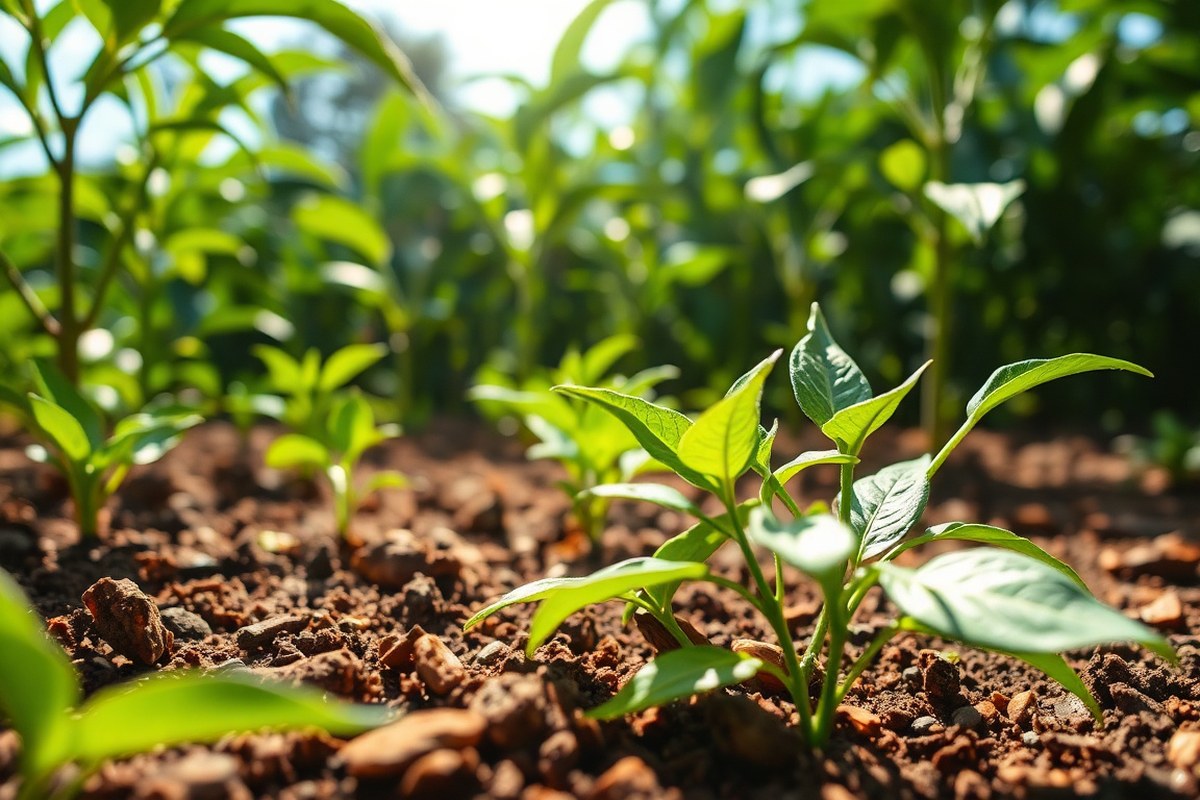
Pepper plants grow best between 70°F and 85°F, needing warm temperatures for good fruiting. They prefer steady humidity and well-drained soil with a pH near 6.0 to 6.8 to thrive. Soil rich in organic matter boosts their growth and yield.
Ideal Temperature Range for Pepper Plants
Black and bell peppers do best in temperatures between 70°F and 85°F. Seedlings struggle below 60°F and stall under 55°F, slowing growth. Keeping soil temperatures around 80°F speeds up germination and early growth.
Bell peppers especially benefit from protected environments like greenhouses or row covers. These spots keep temperatures steady, preventing cold shocks. When the soil stays below 65°F, pepper plants stop growing and wait for warmth.
Humidity and Its Role in Pepper Growth
Pepper plants like moderate to high humidity, around 60 to 70 percent. This helps keep leaves healthy and prevents drying out. Too dry air can cause flowers to drop early, reducing yield.
In dry climates, misting plants or using drip irrigation keeps humidity steady. In overly humid areas, proper spacing and airflow stop mold and diseases from spreading. You want a balance to keep your plants happy.
Soil Texture and Drainage Needs
Peppers do best in loose, well-drained soils like sandy loams or loamy clay. Heavy clay soils hold too much water and can rot roots. Adding organic matter improves drainage and retains enough moisture for steady growth.
Organic matter also supports beneficial fungi that help plants absorb nutrients. Avoid planting in waterlogged soil; peppers need soil that dries between waterings. This prevents root diseases and helps keep plants vigorous.
Soil pH and Nutrient Requirements
Pepper plants prefer slightly acidic to neutral soil, pH 6.0 to 6.8 is ideal. Outside this range, nutrient uptake drops, and deficiencies can show up quickly. Testing soil pH before planting helps guide lime or sulfur applications to adjust acidity.
Nutrient-rich soil improves pepper yield and fruit quality. Add compost or balanced fertilizer tailored for vegetables. Nitrogen helps leaf growth, while phosphorus and potassium boost flowers and fruit development.
Checklist for Growing Healthy Pepper Plants
Start with soil temperature above 65°F before planting outdoors. Choose a soil that drains well but holds some moisture. Keep humidity at a steady level near 65 percent.
Test soil pH and adjust to 6.0, 6.8 if needed. Add organic matter to improve the soil’s texture and nutrients. Protect bell peppers with row covers or grow indoors if temperatures drop below 60°F at night.
Keep young pepper plants in a warm spot above 60°F. The soil should be near 80°F. This creates the best conditions for germination.
Top Pepper Producing Countries and Quality Distinctions
Vietnam leads global black pepper exports, controlling about 55% of the market. They keep costs low through cheaper labor and government export subsidies. In contrast, India’s Malabar pepper fetches around 20% higher prices due to its superior quality.
Indian Malabar pepper is prized for its bold aroma and complex flavor. Vietnamese pepper tends to have a sharper, more pungent taste with a slightly lighter body. These differences come from the traditional cultivation methods, soil types, and climate conditions in each region.
A country’s export volume and price depend on several factors. Large-scale farms in Vietnam produce high volumes thanks to modern farming efficiency.
Indian producers focus more on quality, which raises their pepper’s market value but limits quantity. Weather, pest management, and harvest techniques also influence both yield and final quality.
| Country | Export Share (%) | Quality Traits | Price Impact |
|---|---|---|---|
| Vietnam | 55 | High volume, sharp pungency | Lower price due to volume |
| India (Malabar) | Less than 15 | Rich aroma, complex flavor | 20% price premium |
| Brazil | About 15 | Moderate quality, consistent size | Mid-range pricing |
Farming practices such as avoiding deep cultivation near pepper roots help maintain yield and quality. Damaging roots can lower both heavily. Choosing the right time to harvest affects the spice’s flavor.
Pungency and aroma are key to export quality standards. These qualities change depending on when you pick the spice.
Growing conditions vary, but efficient production mainly drives export dominance today. Traditional origins are less important than modern farm management and cost control. That’s why Vietnam, not India where pepper first grew, dominates the pepper world market now.
How to Start Growing Pepper Seeds Indoors Effectively
Start your pepper seeds indoors about 8 to 10 weeks before your area’s last frost date. Keep seeds warm and moist in a bright spot around 70ºF until they sprout. Once seedlings reach 4 to 6 inches tall, get ready to move them.
Wait until the frost danger is gone. Then transplant them outdoors carefully.
Timing for Seed Starting Indoors
Begin sowing pepper seeds 8 to 10 weeks before your last spring frost. Some varieties need even longer, up to 12 weeks before transplant. Starting early indoors gives your plants a strong start before moving them outside.
Transplant seedlings only after the soil warms, usually after the last frost. Moving them too soon may stunt growth or kill the young plants. Pay attention to your local frost dates for best timing.
Ideal Temperature and Moisture for Germination
Keep seed trays or pots at 70ºF for best germination. Temperatures between 65ºF and 80ºF also work but aim close to 70ºF. Soil should stay evenly moist but not soggy to avoid rotting seeds.
Use a heated propagator or place trays on a warm windowsill if your home is cool. Maintain a soil temperature near 20ºC (68ºF to 70ºF) for strong, even seed sprouting. Too cold slows germination and weakens seedlings.
Using Grow Lights and Transplanting Seedlings
After seeds sprout, place seedlings under grow lights or in a sunny south-facing window. Leave lights on for 12 to 16 hours daily to mimic ample sunlight. This helps prevent spindly and weak growth during early stages.
Move seedlings to bigger pots after their first true leaves show. This usually happens when they grow 4 to 6 inches tall. Transplanting helps roots get more space.
Keep them indoors at 70ºF or warmer until outdoor soil heats up. Harden off seedlings by gradually exposing them to outdoor conditions first.
Follow these steps to grow strong pepper seedlings indoors:
- Select high-quality pepper seeds suited to your climate.
- Sow seeds about ¼ inch deep in seed-starting mix in small pots or trays.
- Place pots in a warm spot or heated propagator, maintaining around 70ºF soil temperature.
- Keep soil moist but avoid waterlogging the seed trays.
- Once seedlings appear, move them under grow lights or to a bright window.
- Ensure seedlings get 12 to 16 hours of light daily to avoid stretching.
- Transplant seedlings to larger pots when true leaves appear and plants reach 4 to 6 inches.
- After the last frost and warmed soil, transplant seedlings outdoors, hardening them off gradually.
Pepper Plant Spacing, Growth Timing, and Field Care Tips
Pepper plants need enough space to grow big and healthy. Space them about 18 to 24 inches apart, stem to stem. Bigger varieties require more room to avoid crowding and improve air flow.
Peppers thrive in full sun, needing at least 6 hours of direct light each day. They grow best between 77°F and 95°F (25°C to 35°C). Too cold or too hot slows growth and reduces fruit production.
Water peppers consistently with about 1 to 2 inches per week. Container plants need daily watering since pots dry out faster. To cool plants in hot weather, spray water lightly in the late afternoon.
- Start seeds indoors and harden off before transplanting outdoors
- Space sweet peppers 18, 24 inches apart, hot peppers closer
- Plant in fertile, well-draining soil under full sun
- Water regularly, aiming for 1, 2 inches per week
- Feed with high potash fertilizer to boost flowers and fruit
- Support plants with stakes or cages as they grow
Avoid letting peppers bloom too early when plants are small. Early fruit sets stunt overall growth and cut yields. Peppers also appreciate partial afternoon shade in very hot climates.
Use drip irrigation if possible to focus water on pepper roots and avoid waste.
How Regional Climate Impacts Pepper Flavor and Harvest Timing
Peppers from different regions taste different because of climate and soil makeup. Hot, sunny areas speed up sugar and capsaicin production, making peppers hotter and sweeter. Cooler regions slow ripening, leading to milder peppers with greener, fresher notes.
Temperature changes also control when peppers are ready to harvest. Higher heat pushes peppers to ripen in about 60 days.
Cooler spots may take up to 90 days. Early harvest can preserve crunch but may reduce flavor intensity and heat levels.
Regional farmers improve pepper flavor by timing harvests and managing sun exposure. In warm zones, they harvest peppers when colors start to change. Then they let peppers ripen indoors to increase sweetness.
This method boosts the peppers’ flavor. In cooler areas, peppers ripen longer on the vine.
This helps develop a richer taste. However, they face a greater risk from pests.
For example, Indian Malabar pepper grows in hot, humid climates, producing bold, fruity flavors. Tellicherry pepper, from a slightly cooler area, offers strong and spicy taste but needs longer growth. You can mimic these effects by adjusting harvest timing and sun exposure in your area.
To improve flavor yourself, pick peppers just as colors shift from green to their ripe shade. Then, keep them at room temperature a few days to finish ripening. This simple step helps balance sweetness and heat without waiting for perfect vine weather.
Common Pest, Disease Issues, and How to Avoid Them in Pepper Cultivation
Aphids, whiteflies, thrips, and spider mites commonly attack pepper plants. These tiny sap-sucking bugs can cause leaves to curl, yellow, or drop prematurely. Check your plants every week to catch these pests early before they spread.
Removing damaged leaves and spraying plants with a hard water jet helps reduce minor aphid infestations. Hand-picking larger pests off plants works well, too. For stronger outbreaks, use organic insecticidal soap or neem oil following label directions.
Black Pepper plants often face mites and thrips, which stress growth and reduce yields. Balanced nutrition with nitrogen, phosphorus, and potassium supports plant health and resistance. Mulching around plants maintains soil moisture and temperature, helping prevent stress and disease.
Blossom-end rot looks like dark sunken spots on pepper fruits and signals calcium deficiency. Correct this by maintaining consistent soil moisture and adding calcium-rich amendments if needed. Grey mould causes fuzzy gray growth on leaves and stems, especially in wet weather.
Early disease recognition means spotting discolored, wilted, or sticky leaves. Remove affected parts quickly. Space plants 12 to 18 inches apart.
Leave 18 to 24 inches between rows for better air flow. Avoid overhead watering to reduce humidity around foliage.
Organic controls include hand removal, neem oil, and insecticidal soaps. Use chemical pesticides only if necessary. Always follow label instructions.
Check your local rules before applying any chemicals. Regular checks and good cultural practices cost little but make pest and disease management easier.
Choosing the Right Pepper Varieties for Your Climate and Soil
Choosing the right pepper variety depends on your local climate, soil, and gardening space. Some peppers need long, warm seasons.
Others grow well in cooler spots or containers. Matching the pepper to your conditions helps you get strong plants and a good harvest.
Varieties for Tropical Climates
Tropical climates with hot, humid weather suit peppers that need 90 days or more to mature. Black pepper vines thrive here with steady moisture and rich soil. Varieties like Indonesia’s Lampong pepper prefer these warm, consistent conditions for the best spice quality.
Capsicum annuum types can grow tall and spread wide in these zones. Large-fruited types, such as ‘Corno di Toro Rosso’, offer long, sweet peppers up to 25 cm. These plants do well when temperatures stay above 70°F and there’s full sun daily.
Options for Temperate Zones
In temperate zones, frost shortens the growing season. Pick peppers that mature in 60 to 75 days. This timing fits the shorter season well.
Bell peppers and some hot pepper cultivars fit this shorter growing time. Start seeds indoors to extend your growing season and transplant after the last frost.
Peppers don’t grow well below 55°F, so wait to plant outside until soils warm. Look for varieties bred for cooler zones or faster harvests to avoid frost damage. Soils should be fertile and well-drained, with a pH near 6.0 for best growth.
Pepper Types for Container Gardening
Compact pepper varieties suit container growing on patios or balconies. Small peppers, like mini bell or hot chili, grow under 18 inches tall. They need pots with 12 to 24 inches of space.
This keeps them healthy and manageable. Containers allow you to move peppers indoors if temperatures drop below 55°F.
Pepper plants in pots require daily watering and nutrient-rich, well-drained soil. Container growing helps you control temperature and light, mimicking the pepper’s ideal warm conditions. Keep pots in spots with 6 to 8 hours of direct sun for strong growth.
Peppers are sensitive to cold and water stress. So protect them from frost and avoid letting soil dry out.
Step-by-Step Action Plan for Growing Peppers Successfully
Follow this plan to grow healthy peppers that match your climate and soil. You’ll see steady progress by checking each step closely.
- Before you start: Choose pepper varieties suited for your local climate and soil. Look for seed packets or local nursery advice to ensure a good match.
- Week 1: Begin seeds indoors using a sterile seed-starting mix. Keep soil moist and warm (70 to 85°F) and watch for sprouting within 7, 14 days.
- Week 3: Thin seedlings by removing weaker ones so plants space at least 18 inches apart. Look for sturdy, healthy seedlings with good leaf color.
- Week 5: Harden off seedlings by placing them outdoors a few hours daily. Increase time outside each day for about a week to prevent shock at transplant.
- Week 6: Move peppers to a sunny garden spot or big pots. Use well-drained soil. Add organic matter for better growth. Check plants for damage or stress after planting.
- Weeks 7, 12: Water consistently but avoid soggy soil. Watch for pests like aphids or fungal spots. Use natural controls if needed and keep the area weed-free.
- Week 14 onward: Begin harvesting when fruits reach full color and size, depending on variety. Picking peppers regularly encourages more fruit production.
Frequently Asked Questions
Where Is Black Pepper Mostly Grown?
Black pepper is mostly grown in Vietnam, the largest producer worldwide. It produces over 270,000 tons yearly, thriving in warm, humid climates with partial shade.
Why Do Pepper Plants Grow Better Near Other Tall Crops?
Pepper plants climb, so growing them near tall crops gives necessary shade. The shade helps protect them from too much sun and keeps soil moist.
Can Pepper Grow Outdoors Year-Round in Cold Climates?
No, peppers are sensitive to cold and usually grown as annuals in colder areas. They need temperatures above 70°F during the day to grow well.
Why Start Pepper Seeds Indoors Before the Last Frost?
Starting seeds indoors 6-8 weeks before the last frost helps them germinate in warm soil. Pepper seeds need 80-90°F soil temperature to sprout well.
How Close Can I Plant Pepper Seedlings?
Space pepper plants at least 18 inches apart for good air flow and growth. You can go as close as 12 inches but it risks crowding and disease.
Are There Pepper Varieties for Short Growing Seasons?
Yes, some varieties suit shorter seasons. But most need about 3-4 months of warm weather. Avoid planting them where frost-free days are under 120.
Before You Go
Pepper plants thrive in the right climate, soil, and care tailored to your region. Take time to select the best variety and prepare well before planting. Start with seed indoors and track growth closely for a rewarding harvest.



One Comment