
Is Lavender Easy to Grow? A Complete Guide for Beginners That Really Works
Is lavender easy to grow? Yes, it is, as long as you meet its basic needs.
Lavender thrives in full sun and well-drained soil, which makes it perfect for many gardens. Start by choosing a sunny spot that gets at least six hours of direct light daily.
Plant your lavender when seedlings reach about three inches tall for the best results. Water them well after planting, but don’t overdo it since lavender hates wet feet. Knowing this helps you avoid the common problems most gardeners face.
Lavender isn’t very picky. But it prefers dry air and moderate temperatures from 45 to 60°F. If your garden matches these traits, growing lavender can be a simple and rewarding experience. Keep an eye on sunlight and soil drainage for healthy plants.
Key Takeaways
- Choose a planting site with 6 to 8 hours of full, direct sunlight daily.
- Wait until seedlings reach about 3 inches before planting outdoors.
- Use well-drained soil to prevent root rot and other moisture problems.
- Water plants thoroughly right after planting, then keep moisture moderate.
- Lavender thrives in temperatures between 45 and 60 degrees Fahrenheit.
- Most lavender plants grow between 1 and 3 feet tall and wide.
Is Lavender Easy to Grow for Beginner Gardeners?
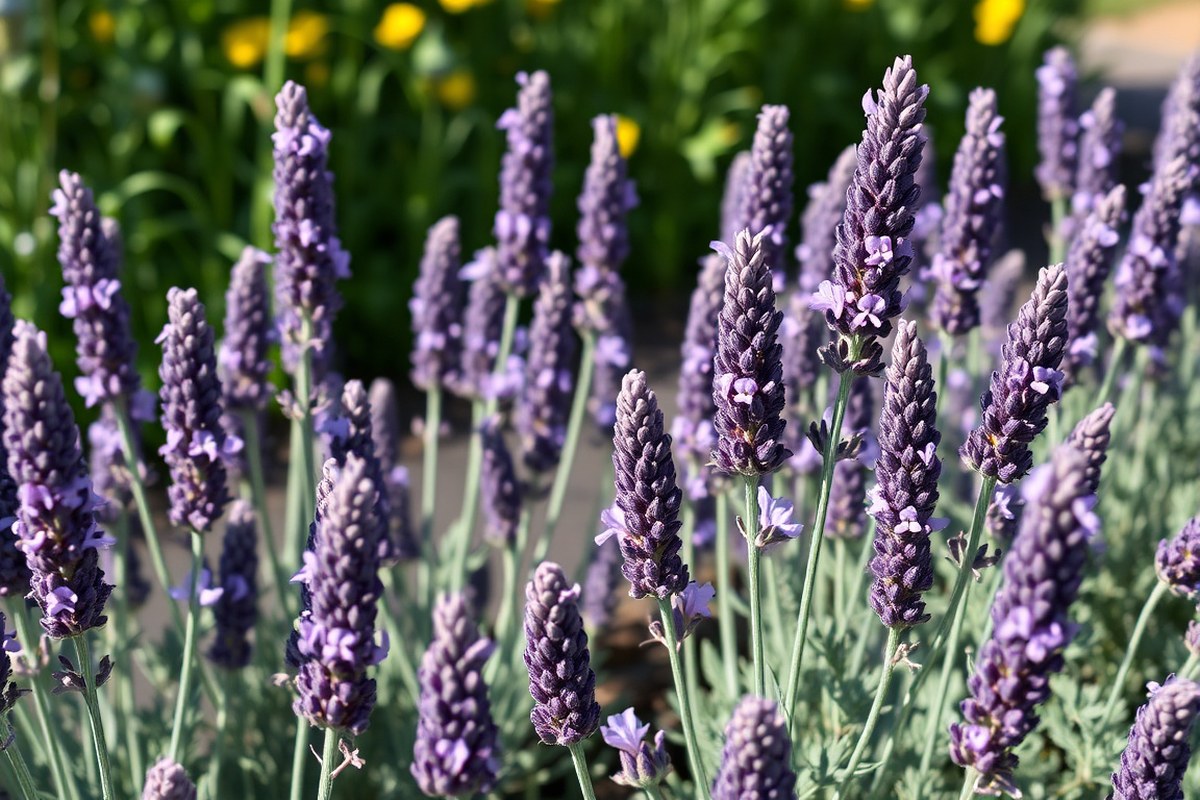
Lavender is easy for beginners to grow when you pick the right spot. It needs conditions that suit it well to thrive. You can do this by matching soil and sunlight needs.
Lavender handles dry soil and lots of sun better than basil or parsley. Basil and parsley need more water and some shade.
That makes lavender low-maintenance by comparison. This makes it less fussy for new gardeners who might forget regular watering or overwater.
Its drought tolerance means you don’t have to water it every day. Water your lavender well after planting, then let the soil dry out before watering again. Plants usually reach 1 to 3 feet tall and wide, depending on the variety you pick.
Choosing a lavender suitable for your climate is important. Mediterranean lavender grows best in USDA Hardiness Zones 5 to 9. English and French lavenders also like these zones.
They thrive in those specific climate zones. Pick varieties recommended for your area to avoid troubles with cold or humidity.
Lavender needs full sun with at least 6 hours each day. This can be tough if your yard is mostly shady. Make sure to pick a sunny planting spot.
It also prefers well-drained soil; clay or very wet soil can cause root rot. To improve drainage, mix sand or small gravel with your garden soil before planting.
New gardeners should prune their lavender back after the first growing season to encourage fuller growth. Cut roughly one third of the new growth, stopping above older wood.
Lavender does not regrow well from old wood. So regular pruning matters for healthy plants.
Unlike some herbs that mature fast, lavender may not bloom much in year one. Give it patience.
By year two or three, it will flower well if cared for correctly. The blooms attract bees and butterflies, adding life to your garden.
You can also start lavender from cuttings to fill your garden cheaply and quickly. This method makes plants that are just like the parent plant.
It also helps you grow more lavender without spending extra money. You can expand your lavender patch easily this way.
Lavender’s charm and ease of care make it popular for flower beds and containers. You can plant lavender indoors or on patios in pots. This protects the herb from cold temperatures and wet weather.
It lets you grow lavender even in tricky climates. This versatility makes it a forgiving and rewarding choice for gardening beginners.
Ideal Growing Conditions for Healthy Lavender Plants

Lavender prefers well-drained, sandy or gravelly soil with a pH between 6.5 and 7.5. Clay or heavy soils hold too much water and cause root rot. You can improve drainage by adding sand or grit to your soil before planting.
The plants need full sun to thrive, around 6 to 8 hours daily. Choose a spot that gets bright, direct sunlight most of the day. Too much shade slows growth and reduces flowering.
Ideal temperatures vary with lavender types. English lavender grows well in USDA Hardiness Zones 5 to 8, tolerating cold winters.
Spanish lavender likes warmer, humid climates in zones 8 to 10. Most lavender survives well from zones 5 through 10.
Good air circulation helps prevent fungal diseases and keeps plants healthy. Space lavender plants 12 to 18 inches apart to avoid overcrowding. Avoid planting near tall shrubs or in spots with stagnant air.
Choosing a sunny, dry site with well-drained soil is key to success. Raised beds or containers can help if your garden soil is heavy or moist. Using light-colored pebbles instead of mulch keeps the roots drier and reduces disease risk.
Never mulch lavender with organic matter; it traps moisture and can kill roots.
Choosing the Easiest Lavender Varieties to Grow
English lavender is the best choice for beginners because it is hardy and low-maintenance. Varieties like ‘Munstead’ and ‘Hidcote’ can handle cold winters and hot summers. French and Spanish lavenders need more care and must be moved indoors to avoid frost damage.
Lavandin lavender is a hybrid that combines qualities of English and spike lavender. It tolerates cold and heat better than English lavender. It grows larger and is often used for drying because of its strong aroma.
| Lavender Type | Scientific Name | USDA Hardiness Zones | Mature Size (Height x Width) | Care Needs | Bloom Season | Lifespan |
|---|---|---|---|---|---|---|
| English | Lavandula angustifolia | 5 to 9 | 1.5 to 2 feet x 2 to 3 feet | Low; tolerates cold and heat well | Summer | 10 to 15 years |
| French (Spanish) | Lavandula dentata / stoechas | 8 to 11 (less cold-hardy) | 2 to 3 feet x 2 to 3 feet | Higher; must be sheltered from frost | Spring to early summer | About 5 years |
| Lavandin (Hybrid) | Lavandula x intermedia | 5 to 9 | 3 to 4 feet x 3 to 4 feet | Moderate; tolerates cold and heat | Mid to late summer | 10 to 15 years |
English lavender grows well in full sun and well-draining soil, needing little extra care. French and Spanish types suit humid, mild climates but must move indoors in frost. Lavandin is larger and needs regular pruning to keep it healthy and manageable.
Small, compact English lavender varieties work well in pots. Moving potted French or Spanish lavender indoors helps them survive winter. Lavandin fits well in bigger garden beds or open spots.
It can grow for many years. You just need to take good care of it.
How to Plant Lavender: Step-by-Step Guide
Lavender can be planted from seed, cuttings, or young plants. Each method needs careful timing and proper steps. Choosing the right method depends on how soon you want blooms and your gardening skills.
Starting Lavender from Seed
Starting lavender from seed takes patience because seeds take longer to grow. Plant seeds indoors 8 to 10 weeks before the last spring frost date. Seeds need light, warmth, and good drainage to sprout well.
Before planting, soak seeds in warm water for 24 hours to improve germination. Use a light seed-starting mix and press seeds onto the surface without burying them. Keep the soil moist but not soaked.
Planting Lavender Cuttings
Most lavender gardeners start plants from cuttings. Cuttings root faster and flower sooner than seeds. Take cuttings in late spring or early summer from healthy new growth on established plants.
Strip lower leaves from the cutting and place it in moist soil or a rooting mix. Keep the cutting in a warm area with indirect light. Roots usually form in 3 to 6 weeks.
Transplanting and Spacing
Transplant young lavender when stems reach about 3 inches tall. Wait until danger of frost has passed before planting outdoors. Dig a hole twice the size of the plant’s root ball.
Set the plant so the crown sits just below the soil line. Space plants 12 to 18 inches apart to give room for growth and airflow. Water each plant with about 1 gallon of water weekly until established.
- Choose a full sun spot with well-draining soil.
- Dig holes twice the root ball size for each plant.
- Set plants so crowns are just under the soil surface.
- Space plants 12 to 18 inches apart for proper airflow.
- Firm soil gently around roots to eliminate air pockets.
- Water each plant with 1 gallon of water weekly for the first month.
- Check plants regularly for pests or disease signs.
Caring for Lavender: Watering, Feeding, and Pruning Tips
Lavender needs careful watering, occasional feeding, and regular pruning to stay healthy. Water young plants often but reduce watering once established. Feed sparingly if needed, and prune after flowering to keep shape and blooms.
Watering Frequency and Amount
Water new lavender plants once or twice a week during their first summer. Give enough water to moisten the soil about 6 inches deep. After the first year, water every 2 to 3 weeks.
Use less water if rainfall is enough. Only water more if rain is very low.
Established lavender is drought-tolerant and dislikes wet soils. So, avoid overwatering to prevent root rot. Water deeply but infrequently, letting the topsoil dry out between waterings.
New lavender plants need regular watering, but mature plants thrive with much less.
Fertilizing Lavender Plants
Lavender does not require much fertilizer and prefers lean soil. Use a slow-release fertilizer with low nitrogen once in early spring if the soil is poor. Too much fertilizer causes weak growth and fewer flowers.
Organic options like compost or well-rotted manure in early spring can also help without overfeeding. Skip feeding during summer because it can encourage lush foliage but fewer blossoms.
Pruning Methods and Timing
Prune lavender plants lightly right after they finish flowering to promote bushier growth. Trim the top third of flexible new growth, avoiding cutting into the woody base. This shape helps the plant resist weather damage.
Avoid pruning to the ground since lavender’s woody stems won’t regrow well. In spring, shape the plant again before new growth starts to keep it neat and healthy. For indoor plants, prune regularly to prevent legginess and encourage fresh shoots.
Common Problems Growing Lavender and How to Fix Them
Lavender often struggles when its soil stays too wet. Overwatering or poor drainage causes root rot, a fungal disease that turns roots black and mushy.
To fix this, check soil moisture before watering; the top inch should feel dry. Use sandy or gritty soil to improve drainage, which keeps roots healthy.
Pests like whiteflies and aphids can bother lavender plants. Whiteflies look like tiny white moths and cluster on leaves. Aphids are small green, black, or gray bugs that stick to new growth.
Spray affected areas with a strong water jet or insecticidal soap to control them. Avoid harsh chemicals to keep your lavender safe.
Lavender that fails to bloom often suffers from too much shade or too much water. It needs full sun for at least six hours daily. Trim back dead stems after flowering to encourage new blooms and keep the plant bushy.
Check soil pH when you notice growth slowing down. Lavender thrives in neutral to slightly alkaline soil, around 6.5 to 7.5.
Look for signs like yellowing, soft stems, or wilting to spot diseases early. Remove any affected parts and avoid overhead watering, which spreads fungal spores.
Using pots with drainage holes helps prevent soggy roots, especially in rainy climates. Check soil mix for appropriate grit; sometimes adding sharp sand helps reduce water retention.
Grow lavender in containers? Choose compact types like ‘Little Lottie’ or ‘Lady Ann’.
These handle container life well and bloom nicely without overwhelming space. Water containers less often but deeply, letting pots dry between watering to avoid root problems.
Growing Lavender Indoors and in Containers Successfully
Lavender can grow well indoors or in containers if you meet its basic needs. It needs lots of light, well-drained soil, and careful watering. You can keep it healthy by choosing the right pot and soil.
Give your plant proper light and the right amount of water. These help it grow strong and well.
Choosing the Right Container and Soil
Pick a pot with drainage holes to avoid water sitting at the roots. Lavender hates soggy soil, so good drainage is key. A wide, shallow container gives roots room to spread and dries out faster between waterings.
Use a soil mix that drains well. Mix regular potting soil with sand or perlite to create a lightweight, airy medium. Avoid heavy garden soil or peat alone because they hold too much moisture.
- Potting soil mixed with equal parts coarse sand or perlite
- Container at least 8 inches deep with drainage holes
- Light-colored pots reflect heat and help keep roots cool
- Wide pots spread out roots better than narrow deep ones
- Clay pots breathe better but dry faster than plastic
Good drainage and the right container type prevent root rot and stress. Pot size also affects how often you need to water.
Light Requirements Indoors
Lavender needs 10 to 12 hours of bright light daily to thrive. Place it on a sunny south-facing window where it gets direct sun. A bright spot means healthier growth and more flowers.
Use a grow light when your space lacks enough sunlight. It helps your plant get the light it needs.
Set the light about 12 inches above the plant. Keep it on for 12 hours daily to compensate for less natural light.
A cooler room around 60 to 70°F (15 to 21°C) works best. Avoid hot spots near heaters because they dry the plant too fast.
Watering and Feeding in Pots
Water lavender only when the top inch of soil feels dry. Overwatering causes root rot. Check by sticking your finger into the soil every few days.
Use water that has no chlorine if possible. Water slowly until it flows out the drainage holes. Empty any standing water in the saucer under the pot.
Feed lavender lightly in spring and summer with a balanced, water-soluble fertilizer diluted to half strength. Too much fertilizer makes stems weak. Skip feeding in fall and winter during rest.
How Long Does Lavender Take to Grow and Mature?
Lavender seeds take about 2 to 4 weeks to germinate. Keep the soil moist and warm, around 65 to 70°F for best results. Germination can be slow, so patience is key if you start from seed.
After seedlings appear, it usually takes several months before the plant blooms. Most lavender varieties will show their first flowers in the second year. Full blooming tends to happen from late spring to summer depending on your climate.
Lavender plants reach full size and peak fragrance around their third year. At this point, they can grow 1 to 2 feet tall and wide. The plant is mature enough to harvest its fragrant flower spikes efficiently by then.
| Growth Stage | Time Frame | Details |
|---|---|---|
| Seed Germination | 2 to 4 weeks | Keep soil moist, warm (65-70°F), and well-drained |
| First Bloom | 1 to 2 years | Young plants usually flower late in the second growing season |
| Full Size | Around 3 years | Plants reach 1-2 feet tall and wide; ideal for harvesting |
| Harvesting | From 3rd year onward | Cut flower stems 1/8 to 1/4 inch above new growth |
Harvest lavender by cutting the flower spikes just above fresh growth. Use a sharp knife or hand pruner for clean cuts. This encourages more blooms and keeps the plant healthy.
Full maturity means stronger fragrance and more abundant flowering. Rooted cuttings or nursery plants can bloom sooner than seed-grown lavender. Still, growing lavender from seed is a budget-friendly option if you don’t mind waiting.
Do not overwater lavender seedlings; soggy soil slows germination and may cause rot.
Step-by-Step Action Plan to Start Growing Lavender
Follow these easy steps to get your lavender growing strong from the start. Check your progress at each phase for best results.
- Before You Plant: Choose a sunny spot with well-draining soil. Good drainage means no soggy roots.
- Day 1: Plant young lavender in loose soil about 12 inches apart. The soil should feel dry to the touch.
- Week 1: Water your plants lightly once, then let the soil dry out between waterings.
- Week 2: Check if plants are steady and show new growth at tips. This means they are settling well.
- Month 1: Add a light feeding of balanced, slow-release fertilizer. Growth should pick up after this.
- Month 2: Give plants a light trim to shape and keep growth compact. No brown or dead parts should remain.
- Month 3 and after: Check plants for pests or diseases often. Prune once a year after blooming to keep them healthy.
Frequently Asked Questions
Is Lavender Suitable for Small Gardens or Balconies?
Yes, lavender grows well in containers, perfect for small spaces. Just ensure the pot has good drainage and gets plenty of sun each day.
Can Lavender Survive in Humid Climates?
Lavender prefers dry air and may struggle in humid areas. Proper air circulation and well-drained soil help reduce root rot in humid conditions.
Does Pruning Lavender Improve Its Growth?
Pruning encourages bushier growth and more blooms. Trim plants lightly after flowering to keep them compact and healthy.
Can You Grow Lavender from Seeds Easily?
Lavender seeds can be slow to germinate and need patience. Starting with cuttings or small plants is often easier for beginners.
Is It Okay to Grow Lavender Near Vegetables?
Lavender attracts pollinators and can benefit nearby vegetables. Keep some distance to avoid overcrowding and let each plant get enough sun.
What Soil pH Is Best for Lavender to Thrive?
Lavender prefers slightly alkaline soil with pH around 6.5 to 7.5. You can test soil pH and add lime to raise acidity if needed.
Before You Go
Lavender can be easy to grow when you pick the right spot and plant type. Start by planting in full sun with well-drained soil.
Once you see new growth, you’re on the right track. So keep giving your lavender a little care and watch it thrive.


