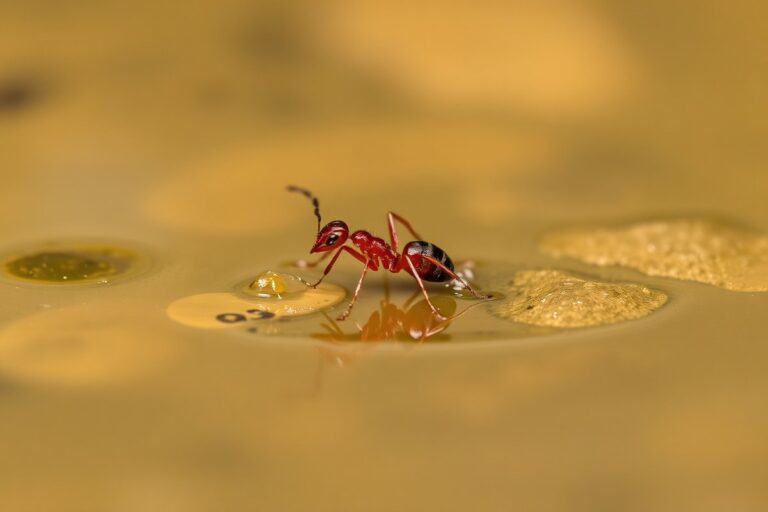
Does Showering Get Rid of Fleas? What Actually Works to Remove Them
Showering can remove fleas on your body but won’t stop new ones. Fleas often live in your environment, not just on skin or hair. Showering alone won’t solve the problem.
Using flea shampoo during showering kills fleas on your skin better than water. Start with warm water and apply flea shampoo to remove adult fleas. Then treat your pets with flea medicine and clean your home.
Only 5% of fleas live on people and pets. The rest hide in carpets, bedding, and furniture. Showering removes fleas on you now, but they can jump back later.
For lasting results, combine showering with pet treatments and thorough cleaning of your home.
Key Takeaways
- Showering removes some fleas from your body but won’t stop new ones.
- Use flea shampoo in the shower to kill adult fleas on skin and hair.
- Treat your pets with vet-approved flea treatments to reduce flea spread.
- Clean carpets, pet bedding, and furniture often to kill flea eggs and larvae.
- Vacuum and steam clean regularly to cut down flea populations at home.
- Only a small number of fleas live on humans; most are in your environment.
Can Showering Alone Remove Fleas from Humans?
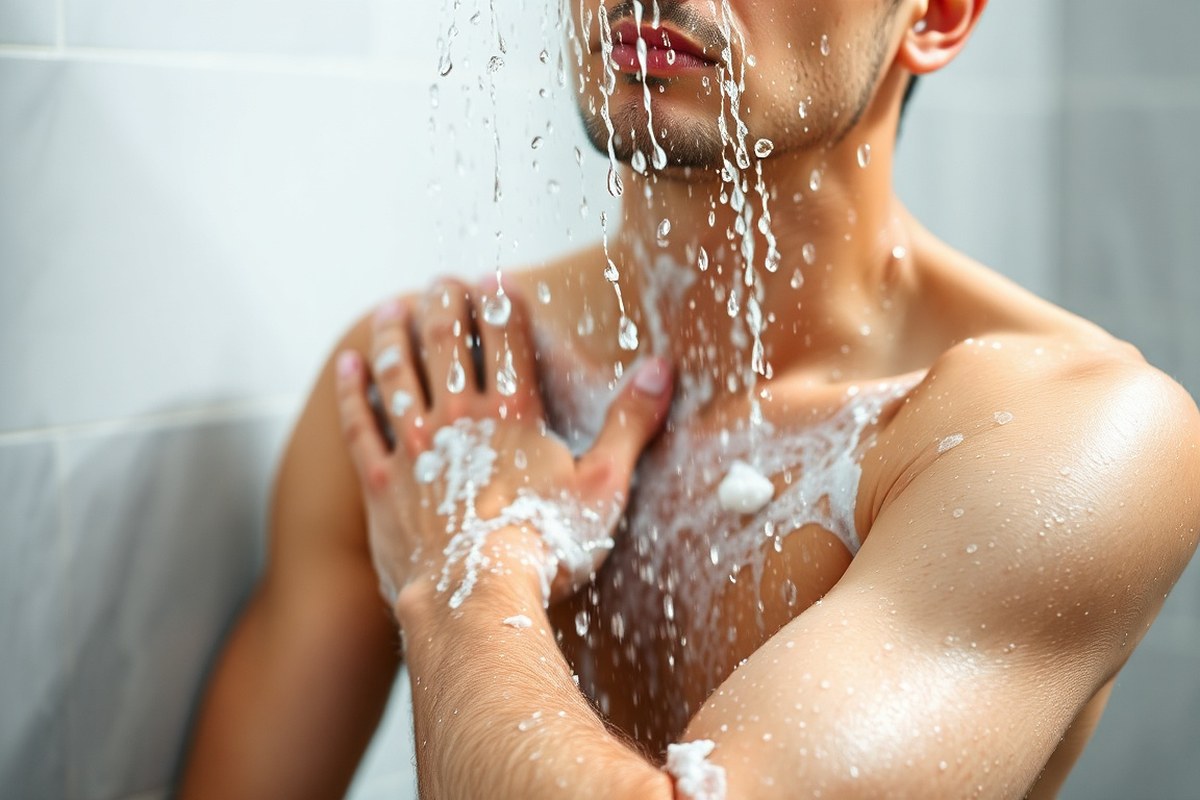
Showering can help wash off adult fleas from your skin and hair. The water and soap remove some fleas that jump onto you, offering temporary relief. Flea eggs and larvae don’t live on your body.
They stay in your surroundings. So, treatments on your skin won’t kill them.
Adult fleas grab onto your skin or hair to feed. They are easier to wash off. You can remove them by washing well.
Take a shower for about 10 minutes. Use regular soap during your shower. This helps wash away many adult fleas.
Showering alone can’t stop new fleas. Fleas may live in your clothes, bedding, or carpet. They keep jumping on you from there.
Flea eggs and larvae mainly live off the host in fabrics and floors. A shower won’t reach or kill them. So relying only on bathing won’t stop an infestation.
To protect yourself fully, you need to clean your environment and treat your pets. Flea eggs can hatch into larvae within two days, so regular cleaning matters.
Do Fleas Live or Lay Eggs on Human Skin or Hair?

Fleas do not live or lay eggs on human skin or hair. These insects prefer animal hosts like pets, where they complete their life cycle. Fleas might temporarily cling to your hair but usually leave soon after.
Flea Life Stages and Human Interaction
Fleas have four stages: egg, larva, pupa, and adult. Adult fleas lay eggs mostly on pets, not humans.
The eggs fall off into places like carpets or pet beds. They then grow into larvae in these environments.
Human skin does not support flea egg-laying or development. Fleas can bite humans but won’t survive long on us. This is because human skin lacks the conditions fleas need for hiding and reproducing.
Why Fleas Don’t Live on Humans
Fleas prefer animal fur which provides warmth and hiding places. Human hair is thinner, with fewer spots to grip tightly. Most fleas leave human hair quickly unless caught in long hair or tight clothing.
Without a pet host, fleas survive only days on humans. They seek pets to feed and reproduce. This means you can’t get a lasting flea infestation on yourself alone.
How Long Fleas Survive Off Pets
Fleas can live a few days away from a pet host. This depends on temperature and humidity levels. In cool or dry places, fleas die faster without a blood meal.
Eggs and larvae in the environment can live several weeks. That’s why treating your home and pets is important. Only killing fleas on your body won’t stop new ones from biting.
The Limits of Showering for Flea Removal
Showering helps wash away fleas loosely attached to skin or hair. Warm water and soap rinse off some adults. But showering won’t remove flea eggs or larvae hidden elsewhere.
Fleas in clothes or the home are untouched by showers. Also, adults clinging under clothing or deep in thick hair may survive. This means showers alone aren’t enough to stop fleas.
Fleas don’t live on humans like pets. But they can hitch a short ride in hair or clothes before jumping off.
How to Use Showering and Flea Shampoo Effectively
Showering with flea shampoo can kill and remove fleas from your skin and hair. Use a specialized flea shampoo designed to kill fleas on contact. Follow the right steps to shampoo well, rinse thoroughly, and check for any remaining fleas.
Choosing the Right Flea Shampoo
Choose a flea shampoo that contains insecticides like permethrin or pyrethrin. These ingredients kill adult fleas quickly on your skin and hair. Avoid using harsh regular soaps, as they may irritate your skin without killing fleas effectively.
Some flea shampoos are formulated for pets but check the label to ensure safety for humans. Look for products labeled for human use or approved by health authorities. You could ask a healthcare provider if you’re unsure which product fits you best.
Step-by-Step Flea Shampoo Application
Use a flea shampoo carefully for the best flea removal results. Shampoo and wash thoroughly to reach all flea hiding spots. Focus on the scalp, behind ears, neck, and underarms.
Make sure you cover these areas well to remove fleas. Doing so helps stun or kill fleas before rinsing them away.
- Wet your hair and skin well with warm water, about 90°F (32°C).
- Apply a generous amount of flea shampoo to your hair and body.
- Work the shampoo into a rich lather, covering all areas of skin and hair.
- Massage gently for about 5 to 10 minutes to loosen and kill fleas.
- Leave the shampoo on according to the instructions on the label.
- Rinse thoroughly to wash away shampoo, dead fleas, and debris.
- Repeat the process every 24 to 48 hours during an active flea problem.
Rinsing and Post-Shower Flea Inspection
After shampooing, rinse your hair and skin thoroughly with warm water. Make sure no shampoo remains, as residue can irritate your skin. Rinsing also flushes away dead or stunned fleas.
Use a fine-toothed comb or flea comb to check for fleas after drying off. Comb carefully through your hair to catch any missed fleas or eggs. Repeat combing along with shampooing for several days to clear fleas completely.
Why Showering Alone Doesn’t Prevent Reinfestation
Showering alone doesn’t stop flea bites because fleas often live where you don’t think to look. About 95% of fleas hang out in carpets, pet bedding, and furniture.
When you shower, you might wash off some fleas on your skin. But the ones waiting in your home can jump right back on.
Fleas are great jumpers and can easily move from pets or infested areas to you. You might step on a flea-filled carpet after showering. Fleas can jump onto your clothes or skin quickly.
They move fast and can cling to you. This means the shower only offers short-term relief and won’t protect you from bites.
Your home’s environment plays a big role in reinfestation. Fleas lay eggs in carpets and cracks where they develop into new fleas. Taking a shower doesn’t stop fleas on its own.
Pets and spots with fleas need treatment and cleaning. Without this, fleas will keep multiplying around you. The real way to stop fleas is treating pets.
Regular cleaning of your home is also needed. This helps break the flea life cycle for good.
Complete Flea Control: Treating Pets and Environment
Treat pets with flea control products regularly to stop infestations. Bathing pets once a week helps, but use flea shampoos or spot treatments too. These kill fleas at all life stages on your pet.
Cleaning your home is just as important. Vacuum carpets, rugs, and furniture to remove eggs, larvae, and fleas. Wash your pet’s bedding in hot water.
This kills fleas and eggs. Also wash any cloth your pet uses.
Fleas take time to control because their life cycle lasts weeks. You need repeated cleaning and treatments to break this cycle and prevent flea re-infestation.
| Action | How Often | Why |
|---|---|---|
| Bath pets with flea shampoo | Once a week | Removes fleas quickly from pet’s body |
| Apply topical flea treatment | Monthly or as directed | Kills fleas and prevents eggs from hatching |
| Vacuum carpets and upholstery | Every 2 to 3 days during infestation | Removes flea eggs and larvae from environment |
| Wash pet bedding and textiles | Weekly in hot water (130°F / 54°C) | Kills all flea stages in fabrics |
| Use environmental flea spray | As needed, following product instructions | Targets fleas and larvae in home areas |
Treating pets alone only handles part of the problem. You also need to focus on the home where flea eggs and larvae live. Avoid skipping frequent vacuuming and washing.
Failing to clean well or to retreat pets weekly can cause fleas to return. Persistent infestations may need insecticide sprays or professional pest control help. Keep following safe product labels closely.
Repeated cleaning and pet treatment is key. A single bath or cleaning won’t end fleas.
Safe Natural and Chemical Flea Treatments for Humans and Pets
Chemical flea treatments for pets include collars, topical drops, and oral pills. These options work by killing fleas and preventing new ones from hatching. Always get your pet treated through a vet.
They pick the safest product for their size. Your pet’s health affects the dose needed.
Using flea shampoos made for pets on humans is not recommended. These shampoos contain chemicals that can irritate human skin or cause allergic reactions. Use products labeled safe for humans.
Certain medicated lice shampoos work. Check with a doctor first.
Natural flea remedies include diluted apple cider vinegar. You can also use a few drops of essential oils like lavender or eucalyptus. These work for pets and people.
These help repel fleas but usually do not kill them effectively. Mix half a cup of apple cider vinegar with water in a spray bottle.
Gently spritz it on your skin or pet’s fur. Avoid eyes and sensitive skin.
Bathing pets with flea shampoo temporarily removes fleas but is just one part of treatment. Fleas often hide in carpets, bedding, and furniture, so cleaning these is key. Showering may wash off some fleas.
It only removes a small fraction of them. Don’t rely on showering alone. Fleas can jump back quickly if your pets still carry them.
Good flea control works by treating your pets and cleaning your home thoroughly. Vacuum carpets regularly. Wash pet bedding weekly in hot water.
This kills fleas and their eggs effectively. Apply insecticide sprays or powders to baseboards, cracks, and furniture.
This reduces flea numbers safely around the house. Follow product instructions carefully.
Natural options cost less but may require frequent use without fully solving the flea problem. Chemical treatments often cost $20 to $50 per pet per month but are more reliable. Talk to a vet before starting any treatment.
This is important for pets with health issues. Also check if your pet is very young or old.
How to Inspect and Remove Fleas from Hair and Skin
After showering, you need to carefully check your skin and hair for fleas. Using a fine-toothed comb on wet hair helps catch fleas and eggs. Repeat combing several times over a few days to clear any hidden fleas away.
Tools Needed for Flea Removal
A fine-toothed flea comb is essential for catching fleas in hair. Using a regular shampoo helps loosen fleas but may not catch them all. Have a bowl of soapy water nearby to dip the comb and remove fleas once caught.
You can buy flea combs online or at pet stores for around $5 to $15. Choose one with tightly spaced metal teeth to trap fleas effectively. Avoid plastic combs, as they usually don’t catch fleas well enough.
Step-by-Step Flea Combing Technique
Combing your hair properly after showering removes fleas trapped inside. Focus on thin sections to cover all areas. Wet hair works best because fleas slide out easier and don’t jump away as readily.
- Rinse your hair with regular shampoo and water during your shower.
- After showering, towel dry your hair gently until it’s damp, not dripping.
- Divide the hair into small sections using clips or hair ties.
- Run the fine-toothed flea comb slowly from the scalp to hair ends.
- Dip the comb in soapy water after each pass to kill fleas and eggs caught.
- Repeat combing across all sections until no more fleas appear.
- Do this combing process every day or every other day for at least one week.
Cleaning Comb and Disposal of Removed Fleas
Cleaning the flea comb after each use prevents fleas from escaping back into your hair. Use warm, soapy water to wash fleas and eggs off the comb. Rinse and dry the comb before the next use.
To dispose of caught fleas, keep the soapy water bowl sealed or pour it outside immediately. Fleas drown quickly in the soap water. Avoid flicking them into the trash where they might survive.
Recognizing Flea Bites and When to Seek Medical Help
Flea bites usually appear as small, red bumps with a central puncture. They often cluster around the ankles, legs, and waist, as fleas prefer these warm spots. You might see them in groups of three or four.
People call this a “breakfast, lunch, and dinner” pattern. It happens often around flea bites.
Some bites cause mild itching and redness, but others trigger allergic reactions. Severe itching, swelling, and blister-like bumps suggest an allergic response.
Scratching a lot can break your skin. This damage can cause infections like impetigo or cellulitis.
- Bites are small red bumps clustered mainly on legs or feet
- Intense itching and swelling, especially with allergic reactions
- Signs of infection include pus, warmth, redness, or red streaks
- Seek medical care if you develop fever or swollen lymph nodes
- Watch for prolonged symptoms lasting more than a week
Major health risks go beyond itchy skin. Flea bites can carry diseases like plague or typhus in the U.S., though these cases are rare.
More commonly, fleas pass tapeworms and cat scratch disease through pet contact. These can cause serious issues requiring medical treatment.
Ask for medical help if bites worsen or don’t heal. The skin near a bite can get hot and sore. If it starts oozing pus, see a doctor.
Also, get checked if you feel chills, fever, or develop swollen glands. These symptoms mean your body fights either infection or an allergic reaction.
Don’t ignore worsening skin symptoms or signs of infection after flea bites.
When to Call Professional Pest Control for Fleas
Flea bites keep coming back despite your treatments. Call a professional. Fleas swarm your home even after cleaning and pet care.
Experts can help. They have stronger tools to fight fleas.
Call a professional if bites cause strong skin reactions. Call if fleas spread to many rooms.
Pest control professionals use specialized methods that go beyond household efforts. They apply insecticides designed to kill fleas at various life stages, including eggs and larvae.
Professionals use heat or fumigation for bad infestations. These kill fleas in carpets, furniture, and cracks.
Flea control costs from $200 to $400. The price depends on your home size and flea level. Some treatments require repeat visits after two weeks to kill newly hatched fleas.
You’ll see fewer fleas in a few days. New bites stop after the full treatment.
Ask yourself if you can stop fleas with your current methods.If you still have bites and fleas after vacuuming and treating pets, call pest control. They’ll inspect your home and tailor treatments that household products can’t match.
This is wise if your pets bring fleas back often. Also call if fleas resist sprays and shampoos.
Professionals keep safety in mind by using approved chemicals following label instructions. They explain which rooms must be empty during treatment and how long to avoid re-entry.
Waiting the advised time after treatment prevents health risks and improves results. Many homeowners find that professional help ends the flea cycle faster than repeated do-it-yourself attempts.
Step-by-Step Action Plan to Remove Fleas and Prevent More
Start tackling fleas right now with these clear steps. Each step helps you track your progress toward a flea-free home.
- Day 1: Shower using flea shampoo. Wash hair and skin well, then check if fleas are gone.
- Day 1: Treat your pets with flea medication recommended by your vet. Watch for signs fleas drop off pets.
- Day 1: Wash all bedding, pet bedding, and clothing in hot water. Fleas and eggs die at 130°F or higher.
- Day 2-3: Vacuum carpets, furniture, and floors thoroughly. Dispose of vacuum bags immediately to remove fleas.
- Week 1: Repeat pet treatment if recommended. Monitor your pet’s behavior and skin condition.
- Week 1-2: Continue showering daily with regular shampoo. Check hair for any stray fleas and remove them.
- Week 2: Use flea spray or fogger in your home if fleas persist. Follow label instructions carefully.
- After 2 Weeks: Inspect your home and pets again. Call a professional if fleas keep returning.
Frequently Asked Questions
Does Showering Get Rid of Fleas Completely?
Showering helps remove fleas on your body but won’t kill all of them. Fleas can jump back on if your home or pets are still infested.
Does Showering Get Rid of Fleas on My Clothes?
No, showering doesn’t clean fleas off clothes. Fleas cling to fabrics, so wash clothes in hot water to kill them.
How Long Does It Take to Get Rid of Fleas Using Showering and Other Methods?
Combining showering with treatments on pets and home usually works in 3 to 7 days. This stops fleas from reinfesting you.
Can Fleas Hide Under Nail Beds or Behind Ears, Making Showering Less Effective?
Yes, fleas can hide in small places like nails and ears. Showering alone might miss these spots, so check carefully.
Does Bathing with Flea Shampoo Kill Fleas Instantly?
Flea shampoo kills many fleas quickly but might not catch all of them. Repeat treatments are often needed in days.
Can Showering Help Soothe Flea Bites?
Showering with cool water can clean bites and reduce itchiness. Avoid hot water, which can irritate bites more.
Wrapping Up
Showering alone can help remove some fleas but won’t stop new bites or eggs. Treating pets and your home is key to full control. Start by washing your pet’s bedding and plan your first flea treatment today.