

Do Petunias Come Back? 8 Key Ways to Help Them Regrow Every Year
Most petunias are annuals and don’t survive frost. They grow well in warm months but die once freezing temperatures arrive. Petunias need consistent warmth to thrive and can’t handle hard freezes.
Petunias stop growing below 60°F and won’t bloom in cooler weather. In warm USDA zones 9 to 11, mild winters let petunias survive and come back next season. There, they may behave like perennials.
To help petunias regrow, avoid temperatures below 40°F. Bringing potted petunias indoors or covering outdoor plants protects them from frost damage. This can extend their life through cold snaps.
In colder areas, it’s easier to treat petunias as annuals. Replanting every year or saving seeds works best where frost is common. Feeding and watering well during the growing season keeps them healthy until cold arrives.
Key Takeaways
- Petunias generally don’t survive hard freezes and act as annuals in cold zones.
- In USDA zones 9 to 11, petunias can often regrow because winters stay mild.
- Keep petunias away from temperatures below 40°F to protect their blooming potential.
- Bring potted petunias indoors before temperatures fall near 40°F to save them.
- Petunias require a minimum of 6 hours of direct sunlight every day to bloom well.
- Space petunias 12 to 18 inches apart in fertile soil that drains well for best results.
1. Do Petunias Come Back After Winter or Are They Annuals?

Petunias are usually annual plants, meaning they live for just one growing season. After frost kills them, they do not naturally regrow the next year. This happens because petunias cannot tolerate freezing temperatures, which damage their stems and roots beyond recovery.
However, some petunia varieties are perennial and can survive for several years. These are more common in warmer climates where winters stay mild.
In USDA zones 9 to 11, petunias often survive winter. They come back each spring without needing extra protection.
In cooler zones, especially from 5 to 8, frost usually kills petunias. So gardeners treat them as annuals. You might see petunias blooming bright and strong during summer.
But once winter brings freezing temps below 28 °F, they usually die off. Protecting them with mulch or frost cloth sometimes helps but doesn’t always guarantee survival.
Petunias technically can be perennial if conditions allow. But they rarely live past one season outdoors in most gardens. Annual and perennial plants differ by their natural lifecycles.
Perennials can survive harsh winters, but annuals usually can’t. You can help petunias last by bringing them indoors before frost. Growing them in mild climates also helps.
2. How Climate and USDA Zones Affect Petunia Survival
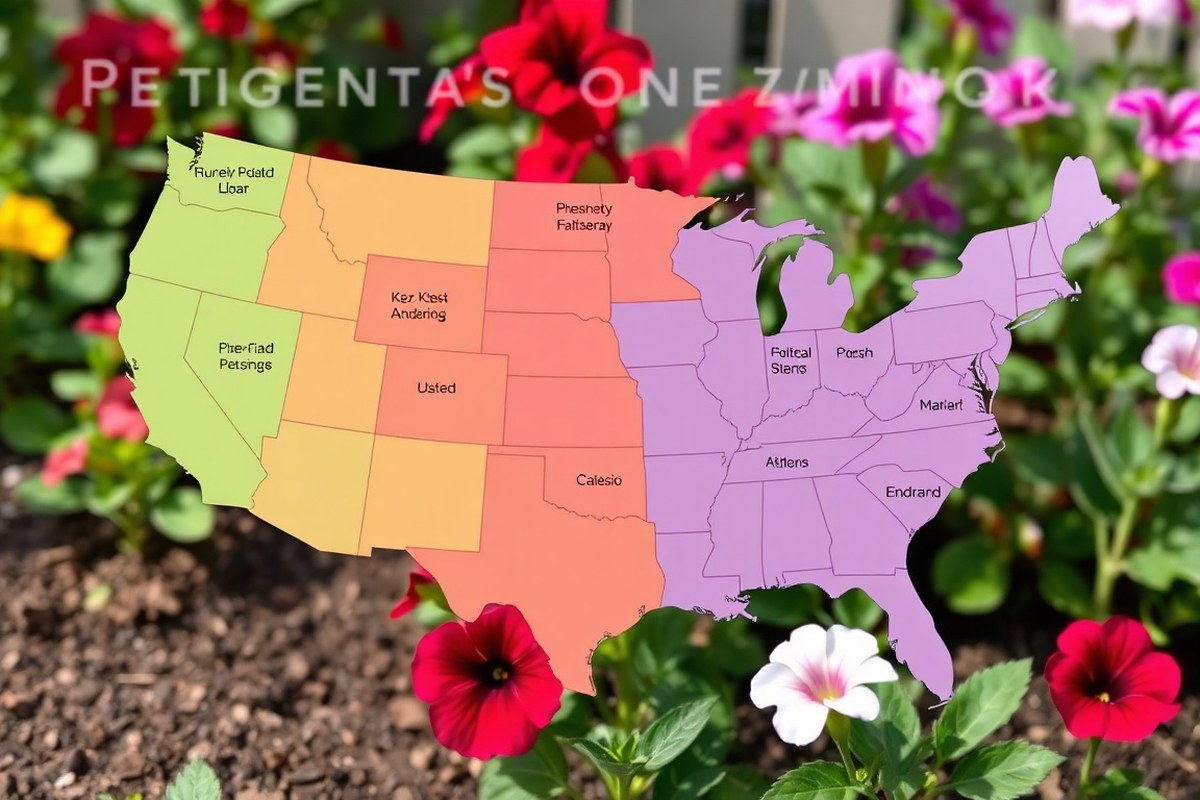
Petunias usually don’t survive freezing temperatures. They are sensitive to frost, which kills them quickly. This makes petunias unlikely to come back in colder zones without help.
Zones 9 through 11 let petunias survive winter outdoors. These warmer zones have milder winters and less frost. In these areas, petunias often self-seed and come back the next spring with less effort.
You can protect petunias from cold by using mulch or frost blankets. These layers keep the roots and stems warmer. This protection can give petunias a better chance to survive in borderline zones.
| USDA Zone | Typical Winter Temperature | Petunia Survival Expectation |
|---|---|---|
| 9-11 | Above 25°F (-4°C) | Often survive, may self-seed outdoors |
| 7-8 | 20 to 32°F (-7 to 0°C) | Usually killed by frost, may survive with protection |
| 6 and below | Below 20°F (-7°C) | Do not survive outdoors, need indoor care |
In cold zones, you can still save petunias by bringing them indoors. Keep plants in bright, indirect light at 60-70°F (15-21°C). This indoor care keeps them alive until spring.
Adding a frost blanket or mulch outdoors works well for zones 7 and 8. You want a 2- to 3-inch mulch layer around the base. Frost blankets can be wrapped around low plants before nightfall.
Protect petunias early when frost warnings begin; even one frost can kill them.
Trimming dead leaves in early spring helps petunias regrow strong. Fertilizing with a balanced formula boosts their return. These steps encourage healthy blooms after winter survival.
3. Types of Petunias and Their Lifespan Differences
Petunias differ by type in lifespan and whether they come back year after year. Wave, grandiflora, and multiflora are common kinds you’ll see.
Wave petunias often self-seed and can return in certain climates. Grandiflora and multiflora tend to act more like annuals.
Annual vs. Tender Perennial Petunias
Petunias are tender perennials. They can live several years. This lasts if the weather stays mild.
Most petunias act like annuals in cold regions because frost kills them. You need winters above freezing to keep petunias alive outside.
True perennial petunias are rare but exist, like some rough-leaved wild types. They survive mild winters and come back by regrowing roots or self-seeding. In colder zones, gardeners usually treat petunias as annuals and replant yearly.
Self-Seeding Varieties and Their Impact
Wave petunias stand out because they self-seed easily when conditions are right. They spread across beds and hangers if you let some flowers go to seed. This self-seeding can give the impression that the plants come back on their own.
Multiflora petunias also self-seed but less vigorously than wave types. Grandiflora petunias rarely self-seed well because their larger flowers interfere with seed production. Self-seeding helps bring plants back without replanting, mainly in warmer climates.
Growth Habits Linked to Lifespan
Wave petunias grow low and spread quickly, which helps in self-seeding and regrowth. They often cover ground fast and bloom continuously through summer. Grandiflora petunias grow more upright and bushy, focusing energy on big flowers over spreading.
Multiflora variants usually stay smaller with smaller blooms but a longer bloom period. Their growth is less sprawling.
So they depend more on gardener care to survive winter. Growth habit impacts how you manage and whether self-seeding or overwintering is realistic.
4. Caring for Petunias to Encourage Yearly Regrowth
To help petunias come back strong, you need to deadhead and prune them. You should also water and fertilize them carefully. Following these steps encourages healthy growth year after year.
Deadheading removes spent flowers to encourage new blooms. Proper pruning and watering keep plants healthy and ready for regrowth. Fertilizing gives them the nutrients to bloom repeatedly.
Deadheading: When and How
Deadheading stops petunias from putting energy into seed production. This redirects energy to making more flowers. You should deadhead petunias weekly during the growing season by removing faded blooms.
Pinch or snip off the flower stem close to the first leaf or side bud. This lets the plant focus on producing new buds. Regular deadheading can extend blooming by several weeks, keeping your garden bright longer.
Pruning for Vigorous Growth
Pinching back young petunia stems early encourages fuller plants with more branches. Prune mature petunias after about six to eight weeks to promote new growth and flowers. Cut back stems to around two to four inches above soil level during this routine pruning.
Prune lightly every few weeks by snapping off leggy shoots to keep plants bushy. Avoid heavy pruning too late in the season since this can reduce blooms. A steady pruning schedule helps petunias stay healthy and bloom longer.
- Pinch young stems to boost branching
- Prune mature plants every 6 to 8 weeks
- Cut back to 2, 4 inches above soil level
- Remove leggy shoots regularly for bushiness
- Avoid heavy late-season pruning
Watering and Feeding Best Practices
Petunias need consistent watering to avoid stress but dislike soggy soil. Water deeply about once or twice a week, depending on temperature and rain. Let soil dry slightly between waterings to prevent root rot.
Feed petunias with a balanced fertilizer every two to three weeks during the growing season. Use a 10-10-10 or 20-20-20 formula diluted as directed on the package. Feeding supports sustained blooming and helps plants recover after pruning.
5. Overwintering Petunias Indoors for Extended Lifespan
You can bring petunias inside to survive winter by creating the right indoor environment. They need cool air, good light, and gentle watering. This can extend their lifespan for several seasons if you care for them well.
Selecting the Right Pot and Location
Choose a pot with good drainage holes to prevent water buildup. Use a fresh, well-draining potting mix when repotting. Pick a bright spot that avoids direct heat sources like heaters or vents.
Placing petunias near a south-facing window helps if you don’t have grow lights. The cooler the room, between 55 and 65°F, the better they rest during winter. Avoid spots warmer than 70°F or the plant will struggle to stay dormant.
Providing Adequate Light and Temperature
Petunias need about 10 hours of light every day indoors. Using a grow light makes a big difference when natural light is weak or short. Set the light 6 to 12 inches above your plants for even coverage without burning leaves.
Keep the room temperature cool, ideally 55 to 65°F, to mimic their natural dormant phase. Cooler temperatures slow growth and reduce water needs. A too-warm room can cause petunias to become leggy or drop leaves.
Watering and Monitoring Indoor Plants
Water petunias sparingly in winter to keep soil just barely moist. Overwatering leads to soggy soil and root rot. Check the top inch of soil; water only when it feels dry.
Watch for pests and diseases, which may infest indoor plants more easily. Good air circulation helps reduce fungus and bugs. Wipe leaves occasionally to keep dust off and improve light absorption.
Follow these steps to bring your petunias indoors and keep them alive through winter:
- Prune back dead or weak stems before moving inside.
- Repot petunias in containers with drainage and new potting mix.
- Select a bright location, preferably near a window or under grow lights.
- Set up a grow light to provide about 10 hours of daily light.
- Keep room temperature cool, around 55 to 65°F, avoiding heat vents.
- Water sparingly, only when the soil feels dry an inch deep.
- Monitor for pests or diseases and remove affected foliage promptly.
- Keep the plant’s environment clean and dust-free.
Keep petunias cool and well-lit indoors; heat and poor light cause leaf drop.
6. Self-Seeding and Propagation Methods to Have Petunias Return
Petunias can self-seed, but it’s not always reliable. They drop seeds late in the season. Soil that remains moist can lead to new plants growing by spring.
Keep the soil loose and avoid heavy mulch for better germination. Frost can kill young seedlings. So if you live in a cooler zone, chances of natural return are low.
To collect seeds, wait until flower heads dry on the plant. Gently break the seed pods open and gather tiny black seeds. Store seeds in a cool, dry place in a paper envelope until spring.
For sowing, start seeds indoors 10 to 12 weeks before last frost. Use a seed-starting mix and keep it moist. Seeds usually sprout in 7 to 14 days at around 70°F.
Start new petunia plants by taking 3- to 4-inch cuttings from healthy stems during early spring or late summer. Remove leaves from the bottom, dip the cut end in rooting hormone, and plant them in moist soil or sand mixed with peat moss. Keep the cuttings in a bright spot with no direct sun and a temperature near 65-70°F. Roots usually form within 2 to 3 weeks.
Growing petunias from cuttings costs little and produces clones of the parent plant. Seeds may not grow true to the parents, especially with hybrids. So self-seeding can give you surprises in flower color or shape.
Choose propagation by cuttings if you want exact replicas. Seed collection and sowing take more time and care but let you grow many plants cheaply.
Both self-seeding and cuttings rely on careful timing and ideal conditions. Dry weather at seed set or frost risks seedling loss outdoors.
Cuttings require steady warmth and moisture indoors. Your choice depends on climate, space, and how sure you want petunias back next year.
7. Common Mistakes That Prevent Petunias from Coming Back
Petunias often die because of simple mistakes you can avoid. Too much water causes root rot, which kills the plants quickly. Make sure the soil drains well and water only when the top inch is dry.
Also, watch nighttime temperatures. Petunias struggle when the temperature drops below about 28 °F (-2 °C).
Frost can damage or kill them. So cover or move them indoors when frost is expected.
Many gardeners confuse dormancy with death in petunias. Dormant plants have green stems and firm branches, but they may lose some leaves. Dead petunias look brown, dry, and brittle.
Check the stem by gently scratching the surface. The plant might bounce back if it is green underneath. Brown or black stems usually mean the plant is dead and beyond saving.
Common care mistakes also include poor pruning that weakens the plant. Cutting petunias too late in the season limits their ability to regrow. Prune in early spring or late fall to remove old, dead parts.
Removing faded flowers encourages new blooms. Using the right feeding schedule with balanced fertilizer helps growth too. Avoid too much nitrogen; it leads to lush leaves but fewer flowers.
- Water only when the top 1 inch of soil feels dry.
- Watch nighttime temperatures to avoid frost below 28 °F (-2 °C).
- Prune petunias in early spring or late fall only.
- Check stems by scratching to see if they are green under the bark.
- Remove dead or brown stems and leaves promptly.
- Use balanced fertilizer; avoid feeding too much nitrogen.
Fixing common problems takes patience and timing. Cover outdoor petunias with frost cloths to block cold. Keep them indoors near a sunny window.
The temperature should be 60 to 70 °F (15 to 21 °C). Cut back damaged stems to healthy green parts to promote new growth.
Be careful with water; a slow, deep watering is better than frequent shallow watering. Avoid soggy soil by improving drainage or using well-draining potting mix for container plants.
8. When to Choose Petunias Alternatives in Cool or Harsh Climates
Petunias don’t survive harsh winters in cold zones, so you’ll need alternatives. Plants like pansies, snapdragons, and violas can handle colder temperatures and offer color through fall. These flowers tolerate frost better and often bloom longer in cool weather.
Some petunia-like plants are perennial, such as calibrachoa and nicotiana. They look similar and last multiple years but still prefer mild winters.
You can grow these in pots. Move them indoors if it gets below 40°F. This helps them live longer.
It’s often easier to replant petunias yearly instead of trying to overwinter them in cold climates. Petunias houseplants need bright light and steady warmth, which your home might not provide.
Starting new plants from seeds or seedlings each spring takes less space. It also needs less effort than saving old plants through winter.
Don’t expect petunias to survive outside below 30°F. Choose hardy flowering plants instead for cold climates.
Step-by-Step Action Plan to Help Petunias Come Back
Follow these steps to encourage your petunias to regrow every year or last longer. Each step helps you check they’re healthy and ready for more blooms.
- Spring planting: Plant petunias after the last frost date in your area. Check young plants for strong, green leaves within two weeks.
- Early summer care: Water petunias deeply twice a week, depending on rain. Look for firm stems and no wilted leaves to confirm good hydration.
- Mid-summer pruning: Pinch back petunia stems every 4 to 6 weeks to promote bushier growth. New shoot growth shows you did it right.
- Late summer fertilizing: Apply a balanced, water-soluble fertilizer monthly. Steady flower production means your plants are feeding well.
- Fall preparation: Stop fertilizing six weeks before the first expected frost. Yellowing leaves in late fall signal that dormancy is starting.
- Overwintering indoors: Move pots inside before frost hits. Keep in bright light and water sparingly to avoid root rot.
- Seed collection or cuttings: Collect seeds or take stem cuttings in fall. Healthy seeds or rooted cuttings show you can start new plants next year.
- Next spring check: Inspect overwintered plants or seedlings after frost. Vigorous new growth confirms your efforts paid off.
Frequently Asked Questions
Can Petunias Survive a Light Frost?
Petunias are sensitive to frost and usually die when exposed. Protect them by covering or bringing pots indoors if frost is expected.
Are There Petunias That Bloom Longer Than Others?
Some petunia varieties like Wave petunias bloom longer with consistent deadheading. Removing spent flowers encourages new blooms for weeks.
Can Petunias Grow Well in Shade?
Petunias prefer full sun but tolerate partial shade. They might produce fewer flowers if they don’t get enough light.
How Quickly Do Petunias Grow from Seed to Bloom?
Petunia seeds sprout in about 10 to 14 days. It takes 10 to 12 weeks for them to bloom. Starting indoors helps extend the growing season.
Do Petunias Need Special Fertilizer to Thrive?
Petunias benefit from balanced fertilizer every two weeks during growth. Fertilizing supports more blooms and healthier foliage.
Can Petunias Grow in Containers Year-Round?
Yes, petunias can grow in containers if moved indoors during cold months. Proper watering and light indoors are key to survival.
Final Thoughts
Most petunias do not survive cold winters outside. But you can make them come back.
Keep them healthy, prune often, and try overwintering indoors. Start by checking your local frost dates so you plant at the right time.


