

Do Perennial Flowers Come Back Every Year? What Actually Happens and Tips for Success
Do perennial flowers come back every year? Most do, but it depends on the type and your growing conditions.
Perennials generally survive winter and sprout again in spring. Some bloom once a year, while others flower multiple times during the growing season.
Your local climate and hardiness zone largely affect if a perennial returns. Plants native to your zone stand a better chance of coming back. You can improve success by choosing varieties suited for your area and giving them proper care.
Know that some perennials live only a few years, while others can last decades. For example, peonies can live 50 to 70 years. To help your perennials thrive, watch for stress signs carefully.
Follow seasonal care steps after planting. These habits keep your plants healthy through the year.
Key Takeaways
- Choose perennials that match your USDA hardiness zone for better survival.
- Expect some perennials to bloom multiple times each year.
- Peonies can last 50 to 70 years, providing long-term garden presence.
- Some perennials live just 2 to 3 years; plan to replace or divide them.
- Feed perennials with slow-release fertilizer lasting up to three months.
- Watch your plants after winter dormancy for healthy new shoots.
Do Perennial Flowers Come Back Every Year?
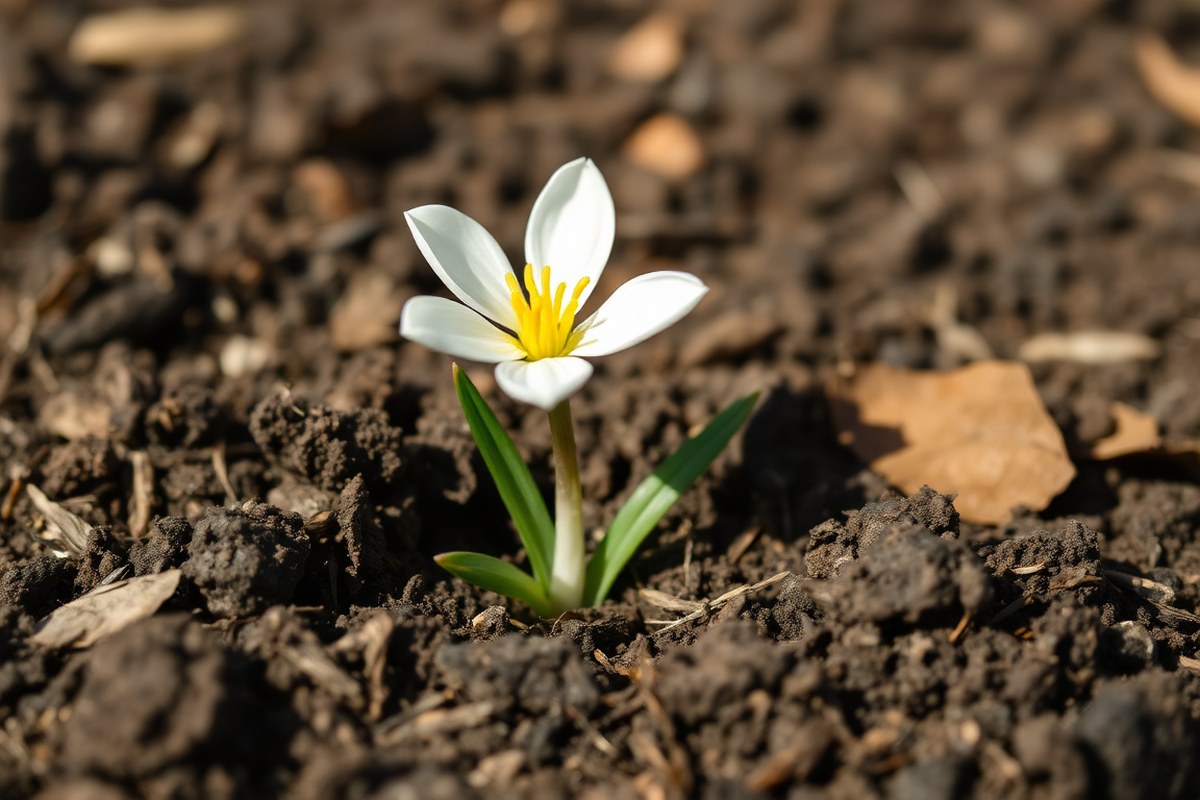
Perennial flowers do come back every year if you plant them right. These plants regrow from the same roots instead of reseeding themselves. After their top growth dies back in fall or winter, they stay alive underground.
A perennial plant differs from an annual because annuals only last one season. They grow, bloom, and then die completely each year. You must plant annual seeds or seedlings every spring to get flowers.
Perennials survive winter by storing energy in roots, bulbs, or crowns. Their above-ground parts may look dead during cold months. Once the weather warms, new shoots emerge from those root systems, ready to bloom again.
Seasonal dieback is natural for most perennials. It means the stems and leaves disappear with frost or cold. You may see empty spots in your garden in early spring before growth resumes.
Healthy perennials can return stronger each year if their roots get good water, nutrients, and sun. Protection from harsh weather or dry soil during dormant months also helps. Some perennials need specific climate conditions to survive winter well.
Not every perennial behaves the same way. Some may die back fully to the ground, like yarrow or catmint. Others, such as semi-woody types, keep some stem parts alive through winter.
Plants like blanket flowers or black-eyed Susans bloom year after year in the right zones. They need proper planting sites so roots don’t freeze or dry out. You can expect flowers each spring through fall once established.
Knowing how perennials regrow makes planning easier. You’ll realize they need less yearly work compared to annuals. You only plant them once and care for them seasonally to enjoy their lasting blooms.
How Hardiness Zones and Climate Affect Perennial Survival

USDA hardiness zones divide the country based on average winter lows. They range from zone 1 (coldest) to zone 13 (warmest). These zones help you pick perennials that can survive your area’s winter temperatures without dying.
Perennials rated for your zone will usually come back each year. For example, coneflowers thrive in zones 3 to 9. So they survive both harsh and mild winters.
Lilies can grow well from zones 4 to 9. But they’re unlikely to return in zone 3 or colder.
Some perennials may fail in colder zones because extreme cold damages their roots or crowns. Plants not hardy to your zone can freeze and die. You can try growing them with winter protection, though success varies and depends on local conditions.
It’s possible to grow perennials outside their recommended zones by protecting them. Mulching with 2 to 4 inches of shredded leaves helps insulate roots. Straw also works well for mulching in cold climates.
This keeps roots warmer during winter months. In warmer zones, make sure perennials get enough shade or water.
Still, survival is not certain outside their hardiness range. Plants might struggle or die if conditions are too harsh.
| Perennial | Hardiness Zones | Winter Protection Tips |
|---|---|---|
| Creeping Thyme | 5 to 9 | Mulch with straw for zone 5 winters |
| Lilies | 4 to 9 | Apply leaf mulch in zone 4; cut back foliage |
| Coneflower (Echinacea) | 3 to 9 | Cut back in late winter, minimal mulch needed |
| Switchgrass | 5 to 9 | One hard cutback in late winter suffices |
| Astilbe | 4 to 8 | Mulch and avoid harsh sun in warmer zones |
Winter mulching costs between $5 and $15 per 10 square feet of garden bed. It’s a small price for keeping perennials alive through cold months. Pay special attention to perennials near zone edges, as they often need extra care.
Don’t rely on winter protection alone for non-hardy plants. Pick perennials suited to your zone for best results.
Lifespan and Bloom Frequency Differences Among Perennials
Perennial flowers often live for several years, but their lifespan varies. Long-lived perennials like Baptisia can grow for over 10 years. Short-lived perennials usually last around 3 to 4 years before needing replacement.
Not all perennials bloom every year without breaks. Some bloom once per growing season, while reblooming perennials flower multiple times. Daylilies, for example, can send up several blooms over the summer.
Biennials differ from perennials because they live two years only. Common foxglove is a biennial that grows leaves the first year, blooms the second, then dies. Many biennials require replanting or self-seeding to stay in a garden.
The table below shows common perennial types with bloom periods and lifespan examples. These categories help you pick plants that match your garden’s rhythm and your patience level.
| Plant | Bloom Time | Sun Needs | Lifespan (Years) |
|---|---|---|---|
| Shasta Daisy | Extra-long, mostly early summer | Full sun | 3 to 7 |
| Lavender | Fragrant flowers in early summer | Full sun | 5 to 8 |
| Hosta | Striking foliage, blooms mid to late summer | Partial shade | 7 to 10+ |
| Pinks (Dianthus) | Bright flowers, bloom all summer | Full to partial sun | 3 to 5 |
| Spike Speedwell | Purple or blue flower spikes late spring | Full sun | 4 to 6 |
| Daylily | Repeated blooms midsummer | Full sun | 5 to 10 |
| Bee Balm | Attractive flowers midsummer | Full sun | 4 to 6 |
Short-lived types like Pinks often need replacing every few years. Rebloomers like Daylilies and some Bee Balm varieties reward regular deadheading. Removing spent flowers encourages fresh blooms.
Long-lived perennials such as Hostas require less frequent replacement. Their foliage persists even after flowers fade, adding garden structure. Understanding biennials is key since they differ from usual perennials.
Biennials happen because gardeners might expect them to come back every year, but they usually don’t. You can save biennials by letting them reseed or by replanting annually. Knowing these differences helps with better garden planning and care.
Herbaceous Versus Woody Perennials: What’s the Difference?
Herbaceous perennials are plants that die back to the ground each fall. Their above-ground stems and leaves wither and disappear as the plant goes dormant. Only the roots or underground parts survive through winter, sending up new growth in spring.
Woody perennials include trees and many shrubs. They keep their stems and branches above ground year-round.
These plants do not die back in winter except for some leaf loss. Their trunks and branches stay alive and keep growing slowly even in colder months.
This difference affects how you care for each type. Herbaceous perennials need mulch or leaf cover to protect roots during freezing.
You also want to prune dead stems before new growth starts. They benefit from spring feeding and steady moisture after they emerge.
Woody perennials need less winter protection since their structure remains intact. Still, avoid heavy pruning in late fall or winter, which can stress the plant. Instead, prune woody perennials in early spring or late winter before leaf buds swell.
Growth cycles show a clear pattern. Herbaceous types have a visible pause underground. Woody kinds continue slow growth inside branches.
This means herbaceous perennials rely on stored root energy to restart life. Woody perennials build on last year’s stems and add new shoots each season.
For best results, plant herbaceous perennials where roots stay moist but not soggy. Apply 2 to 3 inches of mulch in fall to hold warmth. For woody perennials, check soil drainage first.
Water deeply once or twice in dry winter spells. This helps prevent damage. Both types respond well to balanced fertilizer when they begin growing actively.
Best Perennial Flowers That Reliably Come Back Every Year
Some perennial flowers are known for reliably coming back year after year. They suit different garden spots and require different care levels. Picking plants that fit your garden’s sun exposure and your time helps ensure success.
Sun-Loving Dependable Perennials
Perennials that love full sun need at least 6 hours of direct sunlight daily. They usually bloom brightest and grow healthiest in these conditions. Popular sun lovers include coneflowers and black-eyed Susans, which attract pollinators.
A good sun perennial needs well-drained soil and often tolerates dry spells. Regular deadheading helps prolong bloom time through the summer. These plants provide strong colors and structure in sunny beds and borders.
Shade-Tolerant Perennial Favorites
Shade means little or no direct sunlight or only morning sun. Many perennials do well in low-light spots. They are perfect under trees or on shaded slopes.
These plants handle shade better than others. Hostas and bleeding hearts are classic shade-tolerant choices.
Shade perennials generally need richer, moist soil to grow well. They bloom early or late in the season. Even when not flowering, they have lush foliage.
This makes them attractive all the time. These plants fill spaces where sun perennials struggle.
Low-Maintenance Perennial Choices
Some perennials require little fuss for good growth and blooming. They tolerate varying soil types and need less watering and pruning. Sedums and daylilies are examples of low-maintenance options that still provide attractive flowers.
These plants are ideal if you want lasting color without much work. Plant them with proper sun exposure and mulch to reduce weeds and water needs. In general, low-maintenance perennials need minimal fertilizing.
Long-Lived Classic Perennials
Certain perennials last many years with minimal division or replanting. Peonies and bee balm often return reliably and improve with age. These classics offer dependability and can anchor your garden over time.
Long-lived perennials usually take a couple of years to fully establish. Patience pays off with their expanded clumps and bigger flower displays. Proper site choice and occasional division every 3 to 5 years keep them thriving.
| Flower | Sun/Shade | Bloom Time | Care Level |
|---|---|---|---|
| Agapanthus | Full Sun | Summer | Moderate |
| Hosta | Shade | Summer | Low |
| Daylily | Full Sun to Part Shade | Summer | Low |
| Peony | Full Sun | Late Spring to Early Summer | Moderate |
| Bee Balm (Monarda) | Full Sun to Part Shade | Summer | Moderate |
This list covers perennials proven to return and perform well in typical home gardens. Agapanthus stands out with its bold, globe-shaped flowers on tall stems. Hosta provides leafy ground cover, while daylilies offer bright, poppy-colored blooms.
Choosing plants based on sun preference and care needs helps you avoid common pitfalls. Too much or too little sun can mean weak growth. Following these pointers boosts your chances of a healthy perennial garden year after year.
Check the plant’s sun requirement before planting to avoid weak growth and poor blooming.
Seasonal Care Steps to Ensure Perennials Return Yearly
Perennial flowers come back each year with the right care through the seasons. Plant them in early spring or fall in well-prepared soil. Follow seasonal steps for watering, feeding, pruning, and protecting them to keep blooms coming back.
Early Spring Clean-Up and Feeding
Start by cutting back dead foliage to open space for new shoots. Remove old leaves and debris around plants to prevent disease.
Feed perennials with a slow-release fertilizer or compost in early spring. This gives plants nutrients for strong growth and early blooms.
Check each plant’s sun and soil needs before feeding or pruning. Some plants like columbine and scabious need extra care in colder zones.
Summer Watering and Maintenance
Water perennials deeply once a week during dry spells. More frequent watering may be needed for young or newly divided plants.
Stake tall plants like daylilies and rudbeckias when stems reach 12 inches. This prevents bending or damage in wind or rain.
Watch for pests such as slugs in spring and summer. Hand-pick or use safe controls to protect your plants from damage.
Fall Preparation and Mulching
Cut back spent flower stems in late fall or early winter. This tidies the garden and slows disease spread.
Apply 2 to 4 inches of organic mulch like bark or straw around the root zone. Avoid covering the plant crowns to prevent rot.
Planting new perennials is also best done in fall. The soil is warm, and cooler air helps roots establish before winter.
Winter Protection and Monitoring
Mulch keeps roots warmer and conserves moisture during freezing temperatures. Remove heavy snow from branches to avoid breakage.
Check your garden occasionally for signs of damage from frost or animals. Replace mulch if it has blown away or decomposed.
Some perennials die back completely and re-emerge in spring. So don’t worry if you see bare stems.
- Choose planting time in early spring or fall for best results.
- Prepare soil with compost and ensure full sun or shade as the plant requires.
- Cut back old growth and clear debris in early spring.
- Feed with slow-release fertilizer to support new growth.
- Water deeply each week during dry periods.
- Stake taller plants as stems grow over 12 inches tall.
- Remove spent flowers and add mulch in late fall.
- Check mulch and plant health through winter to protect roots.
Common Reasons Perennials Fail to Come Back and Solutions
Perennials often fail to come back when you plant them in the wrong spot. For example, planting shade-loving perennials in full sun dries them out quickly. Also, poor drainage can cause roots to rot over winter, killing the plant.
Pests and diseases can quietly kill perennials between seasons. Aphids, slugs, and diseases like powdery mildew harm plants. They stress plants and lower their chances of surviving bad weather.
These problems make plants weak and less likely to come back strong. Watch for damaged or discolored leaves as warning signs.
Watering problems are common. Overwatering drowns roots, while underwatering causes stress that prevents strong growth. Keep soil moist but never soggy for healthy plants.
Water deeply once or twice a week during dry periods. This helps plants get enough water without drowning roots. Mulching can help conserve moisture and keep roots cool.
Try these steps to avoid these issues and help your perennials come back strong:
- Choose a location that matches water and sunlight needs
- Improve soil drainage with organic matter or raised beds
- Check plants weekly for pests and treat early
- Water deeply and less often, avoiding surface drying
- Cut back clumping perennials to 6 inches in summer
- Use mulch to retain moisture and lower soil temperature
- Remove diseased leaves and debris from the bed
A perennial that won’t come back after a full season might need replacing. Replacing often saves time and effort in the long run. It stops wasting resources on a plant that’s not recovering.
Check roots at planting time, they should look firm and not mushy or dry. Plants that stay weak despite care usually aren’t worth fixing.
You spend more money and time than you’ll get back. Sometimes, it’s better to start fresh with new plants.
Healing a struggling perennial can take patience. Try trimming back dead stems in early spring.
Give plants a dose of balanced fertilizer to encourage new growth. Most well-cared-for perennials will bounce back by mid-summer if they survive winter and spring stress.
Propagation and Division to Keep Perennials Thriving
Dividing and propagating perennials helps keep them strong and long-lasting. You can renew their energy every three to four years by splitting their clumps. Propagation also lets you grow new plants from cuttings or seeds to maintain healthy gardens.
Recognizing When Division Is Necessary
Perennials often need division when the center of the clump dies out or flowering slows down. Thick clumps can crowd themselves, causing fewer blooms. Most herbaceous plants benefit from division every three to four years.
Division helps them stay vigorous. It also boosts flower production.
Some common signs are smaller flowers, fewer leaves, or edges turning brown. Certain perennials like daylilies and coneflowers often show these signs as they age. Checking your plants each spring can help catch these early signs before growth stalls.
Dividing Herbaceous Perennials
Divide your plants in early spring or late fall when growth slows. Choose a dry day to reduce transplant shock. You can dig up the whole clump.
Or cut through it where it stands. It depends on the plant’s size.
Follow these steps for simple division:
- Dig a wide circle around the plant with a garden fork or spade.
- Lift the clump carefully out of the ground.
- Shake or rinse off excess soil to see roots clearly.
- Cut or pull the clump apart into smaller sections, each with roots and shoots.
- Trim damaged or dead roots and remove old leaves.
- Prepare holes for replanting, spacing them as before.
- Plant the divisions at the same soil depth they grew before.
- Water the new plants well after replanting.
Don’t divide during hot summer or deep winter to avoid extra stress on plants.
Propagating Perennials by Seed and Cuttings
Seeds often take years to make flowering plants, so this is slower for perennials. Seed-grown plants may differ slightly from the parent because of genetic variations. Propagation by cuttings or division keeps the same traits and speeds up flowering.
Softwood cuttings work well for woody perennials, like hydrangeas and some shrubs. Rooting hormone can improve success.
Cuttings need humidity and shade for a few weeks. These methods save time and keep your garden uniform.
Replanting and Aftercare
After dividing, keep new plants moist but not waterlogged. Mulch can protect roots and maintain soil moisture. Avoid heavy fertilizing immediately; wait until new growth starts well to avoid burning roots.
Check plants regularly the first year for pests and watering needs. Divided perennials often recover fast with proper care.
This care helps them grow strong. They produce healthy flowers year after year.
Your Step-by-Step Perennial Care Plan
Follow these simple steps each year to help your perennial flowers come back strong. Watch for new growth as a sign of success.
- Early Spring: Remove dead foliage and loosen soil around plants. New sprouts should start appearing soon.
- Late Spring: Divide crowded perennials to prevent stress and boost blooming. Healthy new shoots show your division worked.
- After Bloom: Cut back spent flowers to save the plant’s energy for next year. Watch for fresh leaf growth as a good sign.
- Mid-Summer: Water deeply but less often to encourage strong roots. Check soil moisture to avoid over or underwatering.
- Early Fall: Add mulch to protect roots in colder zones. Mulch staying in place means better winter protection.
- Late Fall: Remove mulch gradually in mild climates to prevent rot. Look for healthy crowns under the soil as spring nears.
Frequently Asked Questions
Can Perennial Flowers Bloom Every Year Without Fail?
Perennials usually bloom each year if planted well and cared for. Your soil and sunlight affect their bloom strength.
Do All Perennial Flowers Need to Be Divided Regularly?
No, not all perennials require division, but dividing helps some grow better. Dividing every few years keeps plants healthy and blooming strong.
How Does Soil Type Influence Perennial Flower Survival?
Soil type impacts water retention and nutrient availability for perennials. Sandy soils drain fast, while clay soils hold moisture longer.
Can Perennials Tolerate Being Transplanted After They Grow?
Many perennials handle transplanting if done in early spring or fall. Transplanting during dormancy causes less stress to the plants.
Is Mulching Necessary for Perennials to Come Back Each Year?
Mulch helps perennials by conserving moisture and controlling weeds around roots. It also protects against temperature swings in winter.
Do Perennial Flowers Attract Pollinators Annually?
Most perennials attract pollinators yearly during their bloom period. This benefits your garden’s ecosystem and improves flower fertilization.
Key Points to Remember
Most perennial flowers will return each year if you care for them right. Watch your garden closely and adjust watering and dividing as needed. Start with clearing dead growth now to prepare for new life.


4 Comments