

Are Irises Perennials? A Complete Guide to Growing and Caring for Them
Are irises perennials? Yes, most iris plants are perennials, meaning they come back every year.
These flowers typically grow from rhizomes or bulbs, allowing them to survive through seasons. You can expect irises to live several years with the right care.
Different types of irises have varying perennial habits. Bearded irises often need dividing every few years.
Beardless types can last up to 10 or 12 years without dividing. Understanding the kind you have helps you care for them better.
Irises prefer full sun and well-prepared soil to thrive long-term. Planting rhizomes shallowly encourages stronger growth, especially for bearded varieties. Good spacing and sunlight create the best conditions for your iris to return year after year.
Key Takeaways
- Most irises grow from rhizomes or bulbs and return yearly as perennials.
- Bearded irises usually need dividing every 2 to 5 years to stay healthy.
- Beardless irises can go 10 to 12 years without needing division.
- Plant irises in full sun for at least six hours daily for best growth.
- Place rhizomes 2 to 3 inches deep with buds just under the soil surface.
- Space irises about 18 inches apart to avoid crowding and disease.
Are Irises Perennial Plants or Annuals?
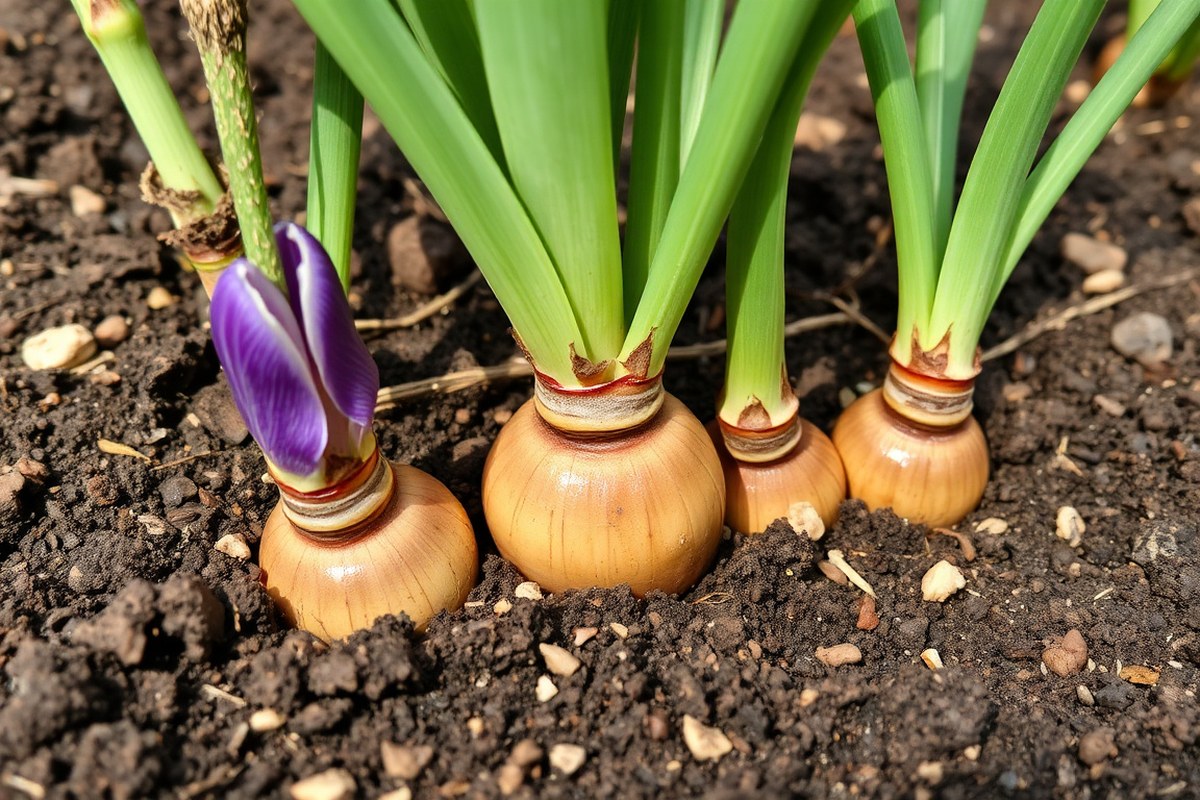
Irises are perennial plants, meaning they live for more than two years. Unlike annuals, which complete their life cycle in one year, perennials return each growing season. This matters because you don’t need to replant irises every year, saving effort and cost.
A perennial plant grows, blooms, and goes dormant but lives on through underground parts. For irises, those underground parts are usually rhizomes or bulbs. These store energy, allowing the plant to survive winter and regrow in spring.
Most common irises, like German and Siberian iris, live over ten years. They bloom each year during their lifespan. You can enjoy them for a long time.
Siberian irises are hardy in USDA zones 3 to 9 and consistently come back each spring. Dutch irises grow from bulbs and act as perennials.
They may need replanting every few years. This keeps them healthy and blooming well.
Some irises act like annuals in very harsh climates where they cannot survive the winter. For example, Japanese iris may only live a couple of years in zone 5. But improving soil drainage, mulching, and proper planting depth helps maintain their perennial growth habit.
With perennial iris, the roots stay alive underground even if the top dies back in winter. You can expect blooms yearly once the plant is well established. These plants do best in areas matching their hardiness zones and with good soil conditions.
In contrast, annual plants sprout, flower, and die within one year. They need replanting each season. Growing irises as perennials reduces garden work and gives a long-term return on your effort.
Some short-lived irises may seem like annuals but respond well to care changes. Dividing crowded rhizomes every 3 to 4 years helps irises stay healthy and bloom well. With the right conditions, most iris species will thrive multiple years as perennials in your garden.
Different Types of Irises and Their Perennial Habits
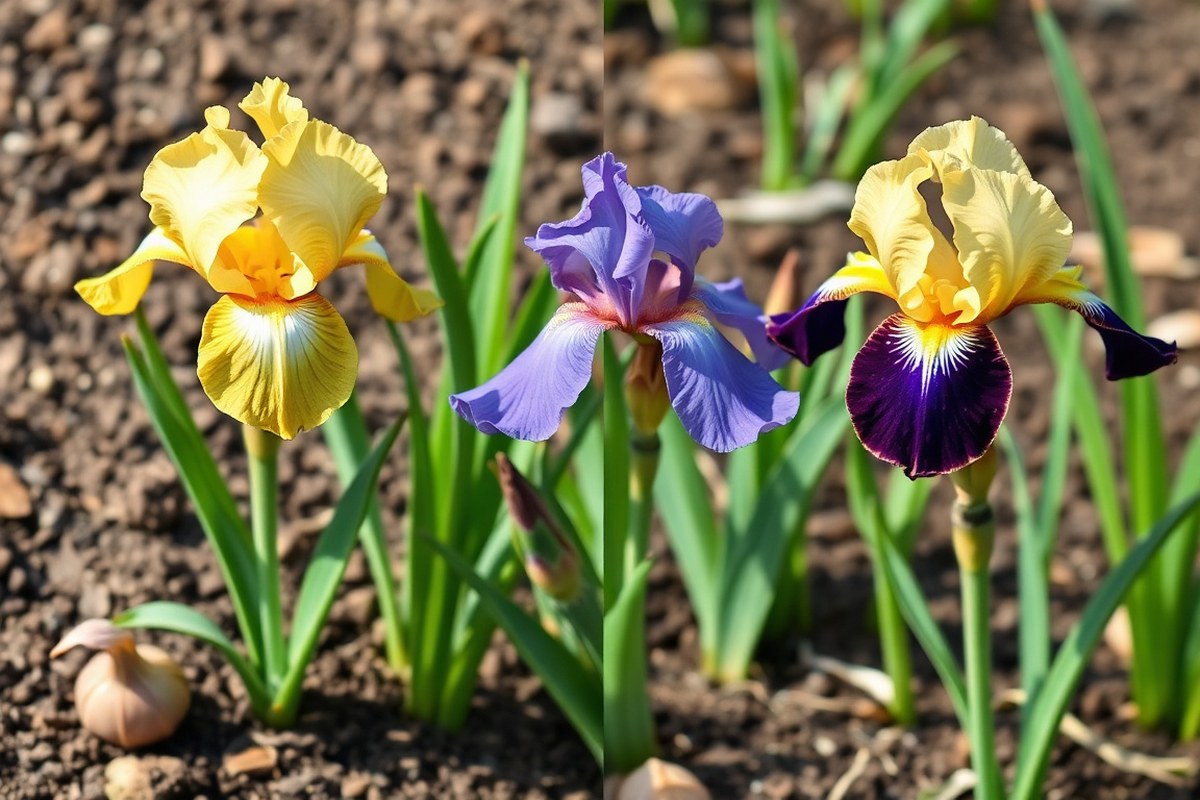
Most irises you find in gardens are perennials. Rhizomatous irises like bearded, Japanese, Siberian, and Louisiana come back every year.
They grow bigger over time and keep returning. Bulbous irises, such as Dutch irises, also survive for multiple years but behave a bit differently.
Rhizomatous Irises Explained
Rhizomatous irises grow from thick, fleshy rhizomes that spread just below the soil surface. These rhizomes store nutrients and help the plant survive winter and drought.
Bearded, Japanese, Siberian, and Louisiana irises belong to this group. They usually live for several years when planted properly.
These irises need rhizomes planted 2 to 3 inches deep. The top should sit just under the soil surface.
They grow new shoots from the rhizomes each spring, which creates bigger clumps over time. Regular division every 3 to 4 years maintains healthy growth and prevents overcrowding.
Bulbous Iris Characteristics
Bulbous irises grow from bulbs, not rhizomes. Bulbs store food underground to support leaf and flower growth each season.
Dutch iris and dwarf iris are common bulbous types. They are usually planted in fall for spring blooms.
Bulbous irises need planting deeper than rhizomatous types, usually 3 to 4 inches deep. While they can live multiple years, their bulbs may shrink or rot without good drainage. Many gardeners treat some bulbous irises like annuals, replanting them each year for best results.
Plant bulbs in well-draining soil to prevent rot and encourage perennial growth.
Overview of Popular Iris Species
Bearded irises are well-loved for their strong, tall flowers and hardy perennial nature. They need full sun and dry conditions around the rhizomes to thrive. Siberian and Japanese irises prefer more moisture and can handle partial shade.
Louisiana irises prefer wet soil and warm climates. They work well near pond edges or in rain gardens.
Dwarf irises typically grow from bulbs and are smaller but still showy. Their lifespan is usually shorter than rhizomatous iris types.
The table below shows different iris types and their perennial traits. It also lists USDA hardiness zones they grow best in.
| Iris Type | Growth Structure | Perennial Habit | Planting Depth | Sun Needs | USDA Hardiness Zone | Longevity (years) |
|---|---|---|---|---|---|---|
| Bearded Iris | Rhizomes | Strong perennial | 2-3 inches | Full sun (6+ hours) | 3-9 | 5-10+ |
| Japanese Iris | Rhizomes | Strong perennial | 2-3 inches | Partial shade | 4-9 | 5-8 |
| Siberian Iris | Rhizomes | Strong perennial | 2-3 inches | Partial shade | 3-9 | 5-8 |
| Louisiana Iris | Rhizomes | Strong perennial | 2-3 inches | Full sun to partial shade | 6-10 | 5-7 |
| Dutch Iris | Bulbs | Short-lived perennial | 3-4 inches | Full sun | 7-10 | 3-5 |
| Dwarf Iris | Bulbs | Short-lived perennial | 3-4 inches | Full sun to light shade | 4-9 | 3-4 |
Picking the right iris depends on how long you want it to live. It also depends on the growing conditions you provide.
Rhizomatous irises usually last longer and spread more over time. Bulbous irises may need replacement more often but offer early spring color.
How Climate and Zone Affect Iris Perennial Survival
Irises live year after year mainly when grown in suitable climates and soil. Their ability to come back depends on temperature, moisture, and soil drainage. You need to match iris types with your USDA zone.
Watch moisture closely. This keeps them healthy.
USDA Hardiness Zones for Irises
Most iris types grow well in USDA zones 3 to 9. They handle cold winters. They also do fine in warm summers.
Bearded irises thrive in zones 3 through 9. Japanese irises prefer zones 4 to 9.
Siberian irises stay hardy in zone 3. They tolerate heavy clay soil better than bearded irises.
Louisiana irises are an exception. They like wet spots and grow best in warm zones near water. Irises generally need full sun and well-drained soil for strong perennial growth.
| Iris Type | USDA Zones | Soil Preference |
|---|---|---|
| Bearded Iris | 3, 9 | Well-drained, sandy to loamy |
| Siberian Iris | 3, 9 | Heavier clay, tolerates partial shade |
| Japanese Iris | 4, 9 | Moist but well-drained |
| Louisiana Iris | 6, 9 | Wet, pond edges |
Choosing a variety suited to your zone and soil is key to perennial survival. Many iris types can grow across most of the U.S., except extremely hot southern areas.
Effects of Extreme Cold and Frost
Extremely cold winters below -20°F (zone 4) can freeze iris rhizomes, especially in poorly drained soil. Mulching after the ground freezes helps stop frost heave.
This is useful in colder zones like 3 and 4. Without mulch, the rhizomes might become exposed and die.
Bearded irises survive cold winters best with good soil drainage. Don’t bury rhizomes too deep.
Trim iris leaf fans in late fall to 2 to 4 inches. This lowers disease risk and gets them ready for winter.
Managing Heat, Drought, and Wet Soil
Hot, humid summers over 90°F can burn iris leaves. Poor drainage can cause rhizomes to rot.
Avoid overwatering, especially in heavy or poorly drained soils, to prevent rot problems. Irises prefer slightly acidic to neutral soil (pH 6.0 to 7.0) for the best health.
Prolonged drought slows iris growth and shrinks bulbs, which reduces blooms the next year. In dry spells, water deeply but infrequently to keep rhizomes alive. Louisiana irises are an exception, thriving in consistently moist soil near water.
Heavy snow followed by wet springs can increase fungal infections and reduce iris return rates. Good air circulation and well-drained soil help lower this risk. You can improve drainage by planting in raised beds or adding organic matter.
Best Planting Practices to Encourage Perennial Iris Growth
Plant iris rhizomes so their tops sit right at or just below soil level. They need sunlight and air to prevent rot, so avoid burying them deeply. Plant bulbs like Dutch iris about 4 inches deep for protection.
This depth helps the bulb grow properly. It stops damage from frost or drying out.
Full sun is key for any iris you plant. Choose a spot where the plants get 6 to 8 hours of sunlight daily.
Sunlight helps irises thrive and bloom better year after year. Also, the soil needs good drainage and a slightly acidic to neutral pH, around 6.0 to 7.0, to keep roots healthy.
Spacing irises properly helps their roots and rhizomes grow without crowding. Most garden irises like bearded, Siberian, and Dutch do well with about 18 inches between plants. Plant dwarf irises 3 to 4 inches apart in small groups.
Bury them about 2 inches deep in the soil. Keep the clumps tight but not crowded.
- Prepare soil 1 to 2 weeks before planting to let it settle.
- Plant rhizomes shallowly so tops are exposed to sun.
- Place Dutch iris bulbs about 4 inches deep, 3-6 inches apart.
- Space bearded and Siberian irises roughly 18 inches apart.
- Dwarf iris needs 2 inches planting depth, 3-4 inches spacing.
- Pick a spot with at least 6 hours of direct sunlight daily.
Before planting, loosen the soil to remove clumps and improve drainage. Mixing in compost or aged manure adds nutrients and keeps the soil loose. Heavy clay soil holds too much water near rhizomes.
Mix in sand or organic matter for better drainage. This stops water from pooling and hurting the roots.
Planting irises shallowly with proper spacing and sunlight lets them grow strong roots and bloom well. Overplanting or burying rhizomes too deep often causes rot or poor flowering. Prepare soil well and pick a sunny spot for irises.
They will come back year after year with blooms. Your garden will fill up with color every spring.
When and How to Divide Irises for Perennial Health
Rhizomatous irises need dividing every 3 to 5 years to stay healthy and bloom well. The best time to divide irises is right after they bloom. This usually happens in late summer or early fall.
Try to divide them before the frost arrives. Proper tools and clean cuts help prevent disease and rot when dividing.
Ideal Times to Divide Irises
Divide bearded irises every 3 to 5 years, right after they bloom. This timing gives the new divisions time to settle and grow roots before winter. Beardless irises like Siberian types can go longer, sometimes 10 to 12 years, between divisions.
Watch for signs like fewer blooms or rhizomes pushing each other above soil. You can divide irises from late summer to early fall. This timing works best for most rhizomatous irises.
It helps the plants recover well before winter. That keeps the plants strong and stops overcrowding from slowing bloom.
Tools and Sanitation Methods
Use a clean, sharp garden knife or pruning shears to cut rhizomes. Dull blades crush the tissue and increase disease risk. Clean your tools before you start cutting.
Use rubbing alcohol or a 10% bleach solution. Wipe tools again after each cut to prevent disease.
Wear gloves to protect hands from dirt and irritants. After cutting, dust rhizome cuts with sulfur or a fungicide powder to prevent rot. This step helps the plant heal fast and keeps fungal infections away.
Step-By-Step Rhizome Division Process
Dividing rhizomes is straightforward when you carefully separate healthy pieces. Remove old leaves and shake off soil first to spot the rhizomes clearly. Make sure each division has strong roots.
It should also have at least one healthy fan of leaves. Leaf buds can work too if leaves aren’t present.
- Dig up the iris clump carefully with a garden fork or spade.
- Shake off excess soil to see the rhizomes clearly.
- Cut away old, soft, or diseased rhizomes with a clean knife.
- Divide healthy rhizomes so each piece has roots and leaf fans.
- Trim leaves to about 4 to 6 inches to reduce moisture loss.
- Treat all cut surfaces with sulfur powder or fungicide dust.
- Let the divisions dry in shade for a day before planting.
Only plant rhizomes that look firm and healthy to avoid rot.
Replanting and Aftercare Tips
Plant divided rhizomes shallow, keeping the top just below soil surface. Leave 12 to 18 inches between plants for good airflow and less fungal problems. Water well after planting, but avoid soaking the soil to prevent rot.
Remove weeds and old leaves around the irises to improve air circulation. Fertilize lightly in early spring and after flowering to encourage strong growth. Watch for fungal diseases and treat early if leaf spots or discolorations appear.
Seasonal Care Routines to Support Perennial Iris Growth
Spring is the time to remove winter mulch and clear old foliage. This cleanup lets fresh growth start strong. Early spring is also when you want to add fertilizer to encourage healthy leaves and blooms.
After your irises bloom in early summer, cut back the spent flowers. This deadheading stops seed pods from forming and directs energy back into the plant. A second dose of fertilizer right after blooming keeps the rhizomes healthy for next year.
- Fertilize irises twice a year: early spring and late summer
- Cut back flower stalks soon after blooming finishes
- Trim foliage to 6-8 inches after it dies back in fall
- Remove any yellowed or spotted leaves in fall to prevent disease
- Dispose of all trimmed foliage and debris in the trash
- Delay cutting back foliage if you plan to divide rhizomes
- Provide winter mulch in colder zones to protect less hardy irises
In late summer or early fall, wait until the foliage naturally falls over before pruning. Removing dead leaves helps avoid pest and disease problems. Once the first hard frost hits, cut all foliage back to about 6 to 8 inches.
Watering needs drop after blooming ends. Water deeply but infrequently, about once every week or two, depending on rainfall. Too much water encourages rot around rhizomes, so good drainage matters.
Winter care depends on your climate zone. Hardy irises need little protection, but tender types benefit from a layer of mulch.
Use straw or shredded leaves to insulate roots from frost. Remove mulch in early spring before new shoots emerge.
Common Pests, Diseases, and How They Affect Iris Perennials
Iris perennials often face threats from pests and diseases that weaken their growth. Iris borers are a major pest, and their larvae tunnel into rhizomes, causing decay. Check your plants for holes or slimy soft spots on rhizomes to spot borers early.
Fungal infections like crown rot and leaf spot also harm irises. Crown rot makes rhizomes mushy and unusable.
Leaf spots create brown or yellow patchy leaves. Bacterial leaf blight can cause leaf yellowing and wilting too.
Early signs of trouble include limp or yellowing leaves and stunted flowering. Watch for unusual holes or chewed parts on leaves, which signal pests like slugs or aphids.
Aphids also spread iris mosaic virus, causing mottled leaf patterns. Infected rhizomes often smell bad and have a mushy texture.
To prevent problems, clean all old leaves and debris in fall. This removes iris borer eggs and keeps diseases from spreading.
Wash rhizomes with water before replanting and remove any damaged or rotted parts. Applying neem oil or insecticidal soap on affected leaves helps control soft-bodied pests without harsh chemicals.
- Remove and destroy old foliage to limit borer eggs
- Inspect rhizomes carefully; discard ones with holes or softness
- Water plants at the base to keep leaves dry and avoid fungi
- Use natural pest treatments like neem oil or insecticidal soap
- Plant irises in well-drained soil to prevent crown rot
- Divide irises every 3 years to reduce overcrowding and disease
Well-drained soil and proper spacing reduce root rot risks. Siberian irises tend to get fewer insect problems than bearded types. So consider them if pests worry you.
Dutch irises often decline after a few years, so expect to replace them sooner. Spotting problems early helps your iris patch stay healthy.
Removing issues fast stops them from getting worse. This saves you a lot of hassle later on.
Signs Your Iris Is Thriving or Needs Replacing
Your iris is thriving if its leaves stay green past blooming. The rhizomes should look plump and firm with no soft spots. Healthy iris foliage provides food for the rhizomes to fuel next year’s growth.
Watch for yellow leaves or signs of decay, as these warn of decline. The rhizome won’t survive winter if it feels mushy or smells bad. Such irises often fail to come back the next year, meaning they need replacing.
Iris clumps need dividing every 3 to 4 years to avoid overcrowding. Irises that don’t bloom after division usually need replacing.
No new growth by midsummer also means they may need replacing. Dig them up carefully after blooming to check their condition.
Remove dead or damaged parts before replanting unhealthy rhizomes. Apply about ½ cup of 5-10-5 fertilizer per 6 small plants to boost recovery. Keep foliage until it yellows naturally to nourish the rhizomes.
Dig up cold-sensitive irises at the season’s end. Store them in a cool, dry place. This protects them from harsh winter temps below 20°F. Replant in early spring once soil temperatures rise to 55°F or higher.
Don’t cut back iris leaves too early; green foliage feeds rhizomes for next season.
Step-by-Step Action Plan for Growing Perennial Irises
Follow these steps to plant your irises right. Care for them so they come back each year. You’ll enjoy their blooms in your garden again and again.
- Before planting: Choose a sunny spot with well-draining soil. Check the soil feels dry to the touch.
- Planting day: Plant rhizomes shallowly, about 1 inch deep. They should look partly above ground after planting.
- First week: Water irises well but avoid soggy soil. The soil should stay moist but not muddy.
- After 1 month: Add a balanced slow-release fertilizer once. Leaves should look healthy and green.
- Early spring next year: Divide rhizomes every 3 to 4 years to keep plants healthy. New shoots should appear after division.
- Summer: Remove dead leaves and spent blooms. This helps the plant store energy for next season.
- Fall: Cut back foliage to reduce disease risk. The soil should dry up a bit to avoid rot.
- Year-round: Watch for pests or disease signs like spots or wilting. Treat problems early to save your irises.
Frequently Asked Questions
How Long Can Irises Live as Perennials?
Irises can live for many years, returning each spring. They spread through rhizomes or bulbs to multiply in your garden.
Do Dwarf Irises Also Grow Back Yearly in the Garden?
Yes, dwarf irises are perennials and bloom year after year. They just stay smaller, about 6 to 12 inches tall.
Can Irises Survive Winter in Zones Colder Than 6?
In zones colder than 6, most irises act like annuals. They may not survive harsh winter so you’ll need to replant.
Are Siberian Irises Perennial in Colder Zones?
Siberian irises are hardy perennials, living in zones 3 to 9. They can survive colder winters better than other iris types.
What Sunlight Do Perennial Irises Need to Grow Well?
Irises need at least 6 hours of direct sunlight daily to thrive. Some can tolerate slight shade but bloom less.
Can Fertilizing Help Irises Stay Perennial Longer?
Fertilizing in early spring supports iris health and blooming. Use a low-nitrogen fertilizer to avoid crowding rhizomes.
Key Points to Remember
Irises usually come back each year as perennials with the right care. Keep planting them in good spots and dividing on schedule. Watch your irises grow by starting with proper planting this season.


