Why Are Fleas so Hard to Squish? The Science and Best Control Tips
Why are fleas so hard to squish between your fingers? Fleas have tiny, firm bodies with a hard outer shell that resists crushing.
Their shape and size let them slip through tight spaces. This makes it hard to catch and squash them.
Crushing a flea takes about 100 to 200 Newtons of force. That force is like the weight of a small car pressing down.
Their body can also bend without breaking, adding to how hard they are to squish. This means simple pinching usually won’t work well.
Start by vacuuming your home regularly to remove fleas and eggs physically. Vacuuming also stimulates flea pupae to hatch, bringing them into contact with treatments you might use. Be patient; fleas need constant, thorough efforts to control.
Key Takeaways
- Fleas’ hard exoskeleton protects them from being crushed easily.
- Their small size and shape allow quick movement through fur and cracks.
- It takes up to 200 Newtons of pressure to squish a flea.
- Fleas’ flexible bodies help them survive pinching and light pressure.
- Vacuuming daily for two weeks helps physically remove fleas and eggs.
- Stimulating pupae to hatch lets treatments reach newly emerged fleas.
Why Are Fleas so Hard to Squish Between Fingers?
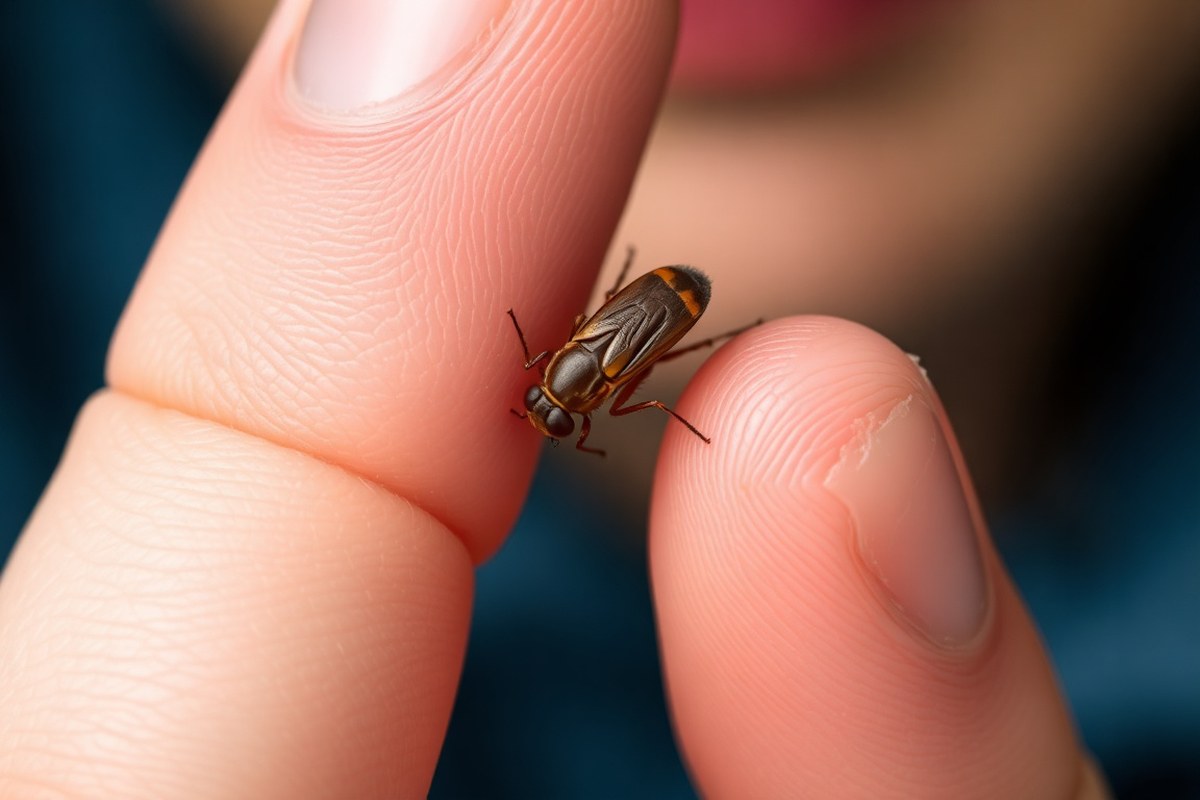
Fleas are hard to squish between fingers because of their size and shape. Their small, flat bodies make it tough to get a solid grip or apply enough pressure.
The flattened shape helps spread out force across their body. So no single spot gets crushed easily.
Their bodies have a tough exoskeleton made of chitin. This hard outer shell protects their insides from moderate pressure. Their elastic cuticle absorbs pressure.
It spreads the force out. This makes squishing fleas less effective.
Applying light finger pressure won’t usually kill a flea. Fleas can survive these weak squeezes because they’re designed to handle blunt force well. Crushing a flea needs strong force.
Regular finger pressure usually isn’t enough. You need to press very hard or crush it against something solid.
How Flea Anatomy Makes Them Resistant to Crushing

Fleas are hard to squish because of their tough exoskeleton and unique body shape. Their bodies are flat and covered by a strong, flexible shell made from chitin. This design lets them survive high pressure and quickly bounce back without damage.
Strong Chitin Exoskeleton
The flea’s outer shell is made mainly of chitin, a tough, flexible material. This exoskeleton absorbs and spreads the force of any squeeze, preventing cracks. A flea can take 100 to 200 Newtons of pressure before breaking.
That is a lot for such a tiny insect. It shows how strong they really are.
Chitin is both hard and flexible, letting the flea’s body resist heavy compression. The shell protects important organs while allowing the flea to move and jump. This combination makes physical crushing difficult and damaging attempts ineffective.
Flattened Body Shape
Fleas have flat, narrow bodies that help them slip into small spaces on pets. This flattened shape reduces the attack surface and spreads out force more evenly. Rounded edges further reduce pressure points during a squeeze, avoiding breaks in the shell.
Because of their small surface area, a large amount of force applies over a tiny body. But the weight gets spread.
This shape also allows fleas to fit where fingers cannot apply direct pressure. Their bodies are built for survival in tight spots.
Lateral Compression and Flexibility
Lateral compression means the flea can squeeze its sides inward without damage. Their body can deform temporarily and then return to its original shape quickly. This flexible compression helps fleas survive being pinned briefly without being crushed.
The combination of a rigid exoskeleton and lateral body flexibility absorbs shocks during squishing attempts. It’s like having a built-in shock absorber that keeps the exoskeleton intact. This lets the flea resist several pressing attempts before getting damaged.
Even Force Distribution
The exoskeleton’s shape and material spread any applied pressure evenly across the flea’s body. Force does not concentrate on one spot, lowering the risk of cracks or breaks. This even force spread means crushing a flea needs much more strength.
Softer insects break easier under less pressure. Fleas handle force differently because of this.
The smooth, curved surface acts like a shield against sharp pressure points. Pressure applied at one side transfers across to other parts of the shell. This system protects the flea’s inner organs and keeps its body stable under stress.
Simple Internal Structure
Inside, fleas have simple organs that can handle being compressed slightly without serious damage. Fleas don’t have hard parts inside their bodies. This helps them survive strong squeezes.
Other bugs would get hurt under the same pressure. This helps them bounce back after pressure is released.
Fleas have tough outer shells and flexible insides. This mix helps them survive rough handling. Their bodies can take more abuse than many insects.
Their body design balances strength with the ability to return to normal shape fast. This prevents injury from many common crushing attempts.
Crushing fleas works best with a hard, sharp surface. Using just your fingers won’t work as well. The right tool spreads pressure to break them easier.
The Physics Behind Flea Compression Resistance
A flea’s tough exoskeleton is key to its ability to resist crushing. This outer shell, made of hardened sclerites, spreads the force of pressure across the flea’s body. The exoskeleton has joints that absorb shocks.
It also redirects pressure. This helps stop damage from pinching or squeezing.
The physics behind squishing a flea depends on force and pressure over area. Force (F) equals pressure (P) times surface area (A). The formula is F = P × A.
Fleas have a tiny surface area. So high pressure is needed. This creates enough force to crush them.
Fleas usually require around 100 to 200 Newtons of force to be squished. To give perspective, this force matches the weight of a compact car pressing down. Killing a flea by finger pressure is almost impossible.
Fingers usually apply less force. That force is too weak to crush fleas.
The flea’s body shape also helps manage impact. Its narrow, flattened profile spreads pressure evenly instead of letting it concentrate in weak spots. Tiny hairs on the flea’s cuticle further spread out pressure, acting like shock absorbers during compression.
Pressing a flea with a finger uses about 10 Newtons. This force is over 1 square centimeter.
The pressure is 10 N/cm², far below what’s needed to break the exoskeleton. To reach 150 Newtons, you’d need a much higher pressure or a smaller contact area.
Physical pressure can eventually defeat a flea’s defenses, but it requires steady, focused force. A quick squeeze often does not work. The flea’s tough body spreads out the force.
It also bends slightly without breaking. Crushing a flea reliably takes more than just a casual press. It demands significant, sustained pressure on a very small area.
Behavioral Adaptations That Help Fleas Evade Crushing
Fleas use their powerful legs to jump quickly and avoid being squished. Their jumps can cover distances up to 7 inches vertically and 13 inches horizontally. This lets them escape fast, moving out of the way before you can even react.
They have incredibly sharp reflexes that help them detect threats almost instantly. Fleas sense slight changes in pressure when you get close. This triggers them to leap away rapidly, often before your hand reaches them.
Their small size and flat body help fleas slip out of tight spots. Fleas quickly move in unpredictable ways to confuse you. Constant repeated jumping often makes them easier to spot than dirt or debris.
These behaviors work together to reduce your chances of squishing a flea. Their speed and alertness make catching them by hand very difficult. Fleas’ ability to jump high and far is their best defense against crushing.
Flea Life Stages and Their Resistance to Crushing
Fleas resist crushing differently during each life stage. Their eggs, larvae, pupae, and adults each have special defenses. These stages need different approaches to fully control fleas.
Flea Eggs: Vulnerability and Protection
Flea eggs are small, pearly white, and oval shaped. They are soft and fragile but often fall into hard-to-reach spots. This hiding makes it hard to crush or remove them by hand.
They stick to pet bedding, carpet fibers, or furniture cracks. Since they don’t have much physical protection, their survival depends on remaining hidden. Eggs hatch in about 2 to 12 days depending on temperature.
Larvae: Soft but Hidden
Larvae look like small maggots and are soft-bodied. They don’t have a hard shell to resist pressure. They survive by living deep in carpet fibers or shaded spots.
You can’t easily reach these places. This helps them stay safe and hidden.
These larvae feed on organic debris and flea dirt for about 5 to 11 days. They stay under dust or fabric to avoid drying out. These spots also offer some shelter from being crushed.
Pupae Cocoon: Nearly Indestructible Shield
After larvae, fleas spin cocoons and enter the pupal stage. The cocoon covers them with a sticky, protective layer that hides them well. This stage lasts from 1 week up to several months, depending on conditions.
The cocoon resists crushing and keeps pupae safe against heat, cold, and many chemicals. Because of this, many fleas survive treatments that kill adults. Pressure, heat, or carbon dioxide trigger adults to emerge.
Don’t expect to kill pupae by simply vacuuming; they are very well shielded.
Adult Fleas: Hard Exoskeleton and Mobility
Adult fleas have a tough, flexible shell made of chitin. This exoskeleton spreads pressure across their body, making them hard to squish between fingers. Their flattened shape helps them slip between skin and fur quickly.
They are very active and jump away fast to avoid being crushed. Treating only adult fleas misses the eggs, larvae, and pupae hiding nearby. Adults live on pets but quickly reinfest homes from protected stages around the house.
Comparison of Flea Resilience to Similar Insects and Pests
Fleas have a stronger exoskeleton than many small pests. Their body is hard and narrow, built to resist crushing forces. This structure lets fleas survive pressure better than pests like bed bugs or carpet beetles.
Their tiny size adds to their resistance. Smaller creatures need less force to withstand pressure. Fleas can jump quickly, unlike ticks.
They often escape before you squash them. This makes killing fleas tricky.
| Pest or Material | What It Looks Like | Key Difference |
|---|---|---|
| Adult flea | Tiny, dark, narrow-bodied insect | Jumps and moves quickly through fur |
| Flea dirt | Black or reddish-black specks | May create a reddish-brown mark when damp |
| Flea egg | Small, white, oval object | Does not move and may resemble salt |
| Bed bug | Broad, flat, reddish-brown insect | Crawls but does not jump |
| Adult tick | Rounded body with eight legs | Attaches to a host and does not jump |
| Carpet beetle larva | Brownish wormlike larvae | Slow-moving and soft-bodied |
The flea exoskeleton is made of chitin, a tough material acting like armor. This helps them survive crushing better than softer-bodied pests.
Their life cycle also boosts their resilience. Fleas can adjust their development speed based on food availability, keeping populations strong.
Other pests like bed bugs or ticks don’t have this flexibility. Fleas’ ability to survive pressure and adjust their life cycle makes them especially hard to squish. Their small size and quick movements also protect them from being caught and crushed.
Effective Physical Methods to Kill Fleas Despite Their Resilience
Squishing fleas can be tough because their hard exoskeleton resists crushing. Using your fingers often spreads them instead of killing them. Instead, apply firm, steady pressure with a flat surface to increase your chances of killing fleas.
Tools like flea combs and sticky traps work better. Crushing fleas by hand is less effective. These tools help you remove or catch fleas easily.
Flea combs pull fleas off your pet’s fur. You can then dunk them in soapy water.
This kills the fleas quickly and safely. Sticky traps catch adult fleas moving around, which kills them without crushing.
Here are practical tips to physically kill fleas despite their resilience:
- Use a stiff flea comb on pets to catch and remove fleas.
- Immediately dunk removed fleas in soap and water to drown them.
- Use a flat object like a credit card to squash fleas. Push down with steady pressure until the flea is crushed. This works best on hard surfaces.
- Put sticky tape on floors or furniture where pets walk. This catches fleas when they jump off your animals. Change the tape often for best results.
- Vacuum regularly to capture fleas and larvae hiding in carpets and upholstery.
- Wash pet bedding and fabrics in hot water over 130°F (54°C). This temperature kills flea eggs, larvae, and adults. Hot laundry is a key step in control.
People often make the mistake of trying to squash fleas quickly with fingertips. This usually fails because fleas jump or escape and their bodies resist deformation.
Crushing fleas on hard floors or walls using a firm tool gives you better results. You’ll know you succeeded when the flea is smashed flat and no longer moves.
Physical flea control takes persistence and combining methods works best. Regular combing combined with vacuuming and washing cuts flea numbers over several weeks.
Don’t rely on crushing alone, this rarely removes all fleas, given their speed and structure. Using these tactful techniques helps you beat flea resilience effectively.
How Flea Biology Informs Long-Term Control and Prevention
Fleas reproduce quickly, with eggs, larvae, pupae, and adults all present around your home. Their life cycle means you must treat pets and living spaces repeatedly. Combining physical removal, cleaning, and insecticides gives the best long-term control.
Regular Grooming and Physical Removal
Groom pets daily with a fine-toothed flea comb to catch adults and eggs. Bathing pets with flea shampoo helps remove fleas stuck in their fur. This reduces the number of fleas jumping off onto your furniture and rugs.
Since fleas hide deep in the coat, comb slowly and carefully. Pets with thick fur may need extra time to work through and remove all fleas. Regular grooming interrupts breeding cycles and lowers infestation levels before they grow.
Home Cleaning and Vacuuming Strategies
Vacuum floors, carpets, and pet bedding thoroughly every day for 10 days after treatment. Vacuuming removes fleas at all stages and stimulates pupae to hatch so they can be killed. Focus especially on spots your pet frequents, like under furniture and rugs.
Wash pet bedding weekly using hot water over 120°F. This kills flea eggs and larvae. Do the same for fabrics your pet uses.
Dry items on the highest heat safe for the fabric for at least 30 minutes. Dust and debris removal weakens flea survival and interrupts the cycle.
Targeted Use of Insecticides and Treatments
Use topical flea treatments and oral medications as instructed to kill fleas on your pet effectively. Treat all pets at the same time to prevent fleas from hopping between animals. Repeat treatment after 2 to 4 weeks to catch newly hatched fleas before they reproduce.
Apply flea sprays or powders to carpets and cracks but follow label directions to avoid overexposure. Call a professional if you have a bad flea infestation. They’re helpful if fleas return fast after home treatment.
Professionals know how to handle tough cases. These treatments reduce existing fleas and protect areas for weeks.
Environmental Monitoring and Prevention Tips
Check for flea dirt, tiny black specks on your pet. Notice if your pet scratches a lot. These signs show fleas may be present even if unseen.
Monitor flea activity after treatment because new adults can emerge within 1 to 2 weeks. Persistent scratching means repeat vacuuming or a follow-up treatment may be needed.
Keep lawns trimmed and remove leaf litter to reduce outdoor flea habitats. Fleas can survive in shaded, cool areas close to your home. Limiting pet access to these spaces helps prevent bringing fleas inside again.
Vacuum each room thoroughly and empty the vacuum bag outside to stop fleas re-infesting your home.
Step-by-Step Action Plan to Fight Fleas Effectively
Follow these steps to reduce and control fleas in your home and on your pets. Each step will help you see progress soon.
- Day 1: Vacuum carpets, floors, and furniture thoroughly. A clean environment removes flea eggs and larvae, visible by less flea activity.
- Day 2: Bathe and treat your pets with vet-approved flea medication. Fleas on pets will drop dramatically after treatment.
- Week 1: Wash pet bedding and any washable fabrics in hot water. Check if flea bites on your pets lessen.
- Week 2: Use flea traps or sticky tape near pet resting areas. Fewer fleas caught means treatments are working.
- Weeks 3-4: Repeat vacuuming and pet treatments as recommended. Flea numbers should noticeably decline.
- Month 2 and beyond: Continue regular pet medication and clean living areas weekly. This prevents reinfestation and keeps fleas at bay.
Frequently Asked Questions
Why Do Flea Exoskeletons Resist so Much Pressure?
Flea exoskeletons are made of chitin, which is a tough, armor-like material. This hard shell protects them from being crushed under moderate force, making squishing difficult. The exoskeleton also spreads out pressure to lower damage risk.
How Does Flea Body Shape Help Avoid Being Squished?
Fleas have small, flattened bodies that fit through tight spots. This shape makes it hard to grab or crush them firmly with fingers. Their slim form allows quick slipping away from pressure points.
Why Do Fleas Jump Away Before You Can Squish Them?
Fleas react fast to threats using strong legs to jump quickly. This quick escape means they rarely stay put long enough to be squished. Their reflexes make capturing them by hand tricky.
Can Flea Larvae or Pupae Resist Crushing Like Adults?
Larvae and pupae are softer but often hidden in cocoons or debris. These cocoons protect them from pressure and allow survival through harsh conditions. The life stage affects how easy they are to physically kill.
Are There Other Insects as Hard to Squish as Fleas?
Some insects, like beetles and cockroaches, also have tough exoskeletons. However, fleas combine small size, hard shells, and fast jumping to be especially hard to crush. Their unique blend of features raises the challenge.
Does Squeezing Fleas Spread Diseases or Infection?
Squeezing fleas can release fluids and bacteria that may cause irritation or infection. Handling fleas carefully and using proper pest control reduces health risks. Avoid direct contact as much as possible to stay safe.
Before You Go
Fleas survive crushing mostly due to their strong bodies and quick moves. Knowing this helps you fight them smarter, not harder. Start by cleaning and treating pets right away to see real change.