

How Long Does It Take for Fertilizer to Dissolve? Complete Guide for Best Results
How long does it take for fertilizer to dissolve is a common question. Granular fertilizer usually takes between 2 and 6 weeks to fully break down.
Quick-release types dissolve within 48 hours. Slow-release ones may take up to 2 weeks or more.
Slow-release fertilizers offer a gradual nutrient supply for about 8 to 12 weeks. Uncoated, fast-releasing granules often start working within 24 to 48 hours. The soil moisture plays a big role in how fast the nutrients become available.
Always water after applying fertilizer to speed up dissolution. Avoid dry soil because it can delay nutrient availability for days. Proper watering ensures nutrients don’t wash away or get lost to the wind.
The temperature also affects the breakdown rate of fertilizer granules. Warmer soil conditions usually help fertilizers dissolve faster. Cooler weather or heavy rainfall can slow down the process significantly.
Key Takeaways
- Quick-release fertilizers dissolve fully in under 48 hours in moist soil.
- Slow-release fertilizers can take up to two weeks or longer to dissolve fully.
- Dry soil below 40% field capacity greatly slows fertilizer dissolution.
- Optimal soil moisture at 60, 80% helps fertilizer dissolve and absorb fastest.
- Uncoated granular fertilizers release nutrients within 2 to 4 weeks.
- Watering after fertilizing prevents nutrient loss from runoff or wind.
How Long Does Granular Fertilizer Take to Dissolve?
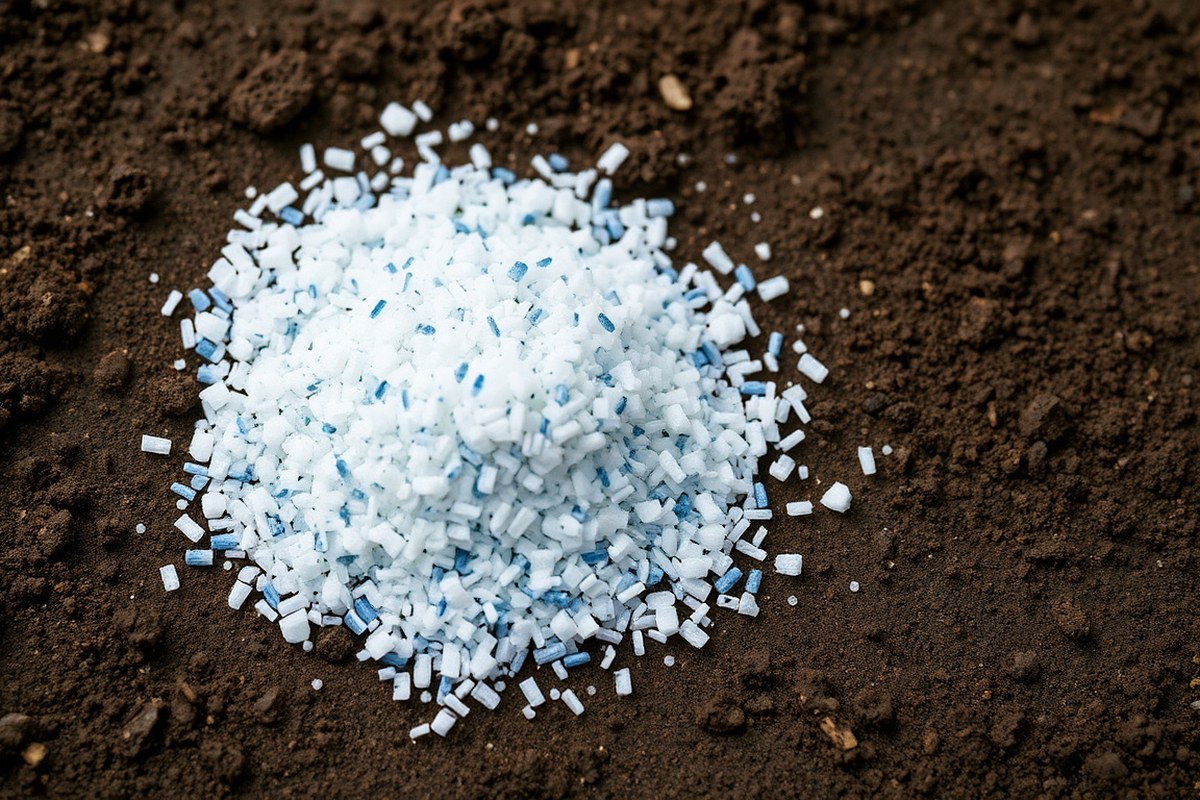
Granular fertilizer usually takes between 2 days and 2 weeks to dissolve. The exact time depends on the type you use and soil conditions. Quick-release granular fertilizers fully dissolve in less than 48 hours, offering plants immediate nutrients.
Slow-release granular fertilizers can take up to 2 weeks to dissolve completely. Their nutrients release steadily over time, feeding your plants for longer. These products break down slower because of special coatings or chemical forms in the granules.
For example, quick-release pellets sometimes disappear within 1 to 2 days after watering. Slow-release types might linger on the soil surface for 10 to 14 days before fully dissolving. That’s why choosing the right fertilizer depends on how fast your plants need nutrients.
Soil temperature and moisture change dissolution speed. Warmer soil temperatures between 25 and 35 °C speed fertilizer dissolving.
This process can take just a few days. Cooler soils below 15 °C slow down the process considerably.
A typical timeline looks like this: quick-release fertilizers dissolve in less than 2 days. Slow-release fertilizers take from 1 to 2 weeks.
Granular fertilizers usually need up to 6 weeks to fully release nutrients. Some blends mix both types to give you quick effects and longer feeding.
Types of Fertilizers and Their Dissolution Rates
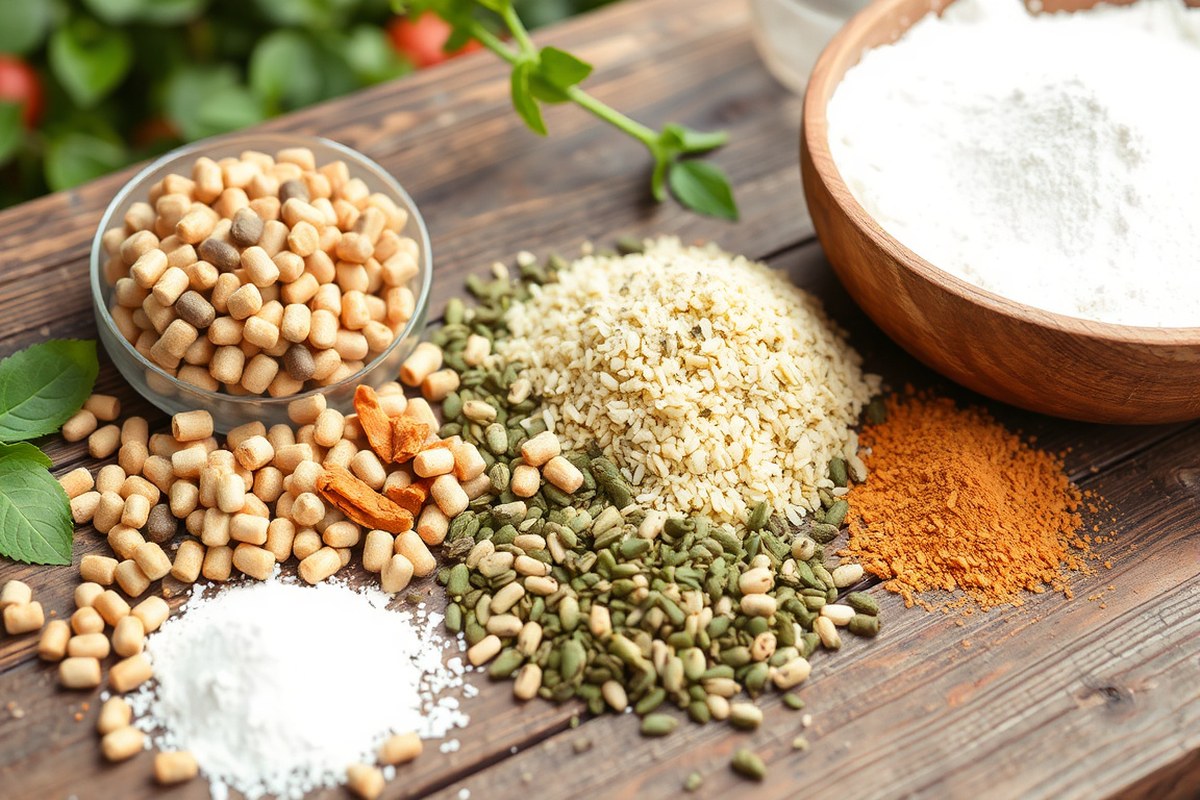
The speed at which fertilizer dissolves depends greatly on the type you use. Water-soluble fertilizers dissolve in one to two days, giving fast nutrient access. Slow-release and organic fertilizers break down slower, taking weeks to fully dissolve and feed plants gradually.
Quick-Release Fertilizers
These fertilizers dissolve quickly because they are made of water-soluble nutrient salts. Once in contact with soil moisture, they break down in about one to two days. This makes nutrients available to plants almost immediately, which helps with rapid growth during critical periods.
Using quick-release fertilizers suits plants needing fast-acting nutrients. However, they can leach away easily if heavy rain follows soon after application. You also need to water them well for better absorption and to prevent burning sensitive roots.
Slow-Release and Coated Granules
Slow-release fertilizers come with a coating that controls how fast nutrients leave the granule. The coating typically allows moisture to seep in gradually.
So it takes two to four weeks for the nutrients to fully dissolve. This steady release avoids nutrient spikes that can stress plants.
This type suits plants needing a steady nutrient supply over time or for longer growing seasons. The downside is the higher cost and the risk that uneven soil moisture reduces coating effectiveness. Proper watering helps maintain steady dissolution and optimal nutrient uptake.
Coated granules need enough moisture to soak through the shell. They should not get too wet or wash away. This balance keeps plants fed longer without frequent fertilizer reapplication.
Organic Fertilizers
Organic fertilizers take longer to dissolve, usually four to six weeks. They break down as microbes in the soil decompose the natural materials. This process releases nutrients slowly, feeding plants over time and improving soil health.
One tradeoff is organic fertilizers supply nutrients less predictably than synthetic options. They work best when mixed well into moist soil rich in microbial life. You shouldn’t expect immediate results, but the gradual nutrient release feeds plants sustainably.
Organic types also add organic matter that improves water retention and soil structure. Their slower nutrient availability fits nicely with steady, patient garden care.
Check soil moisture before applying slow-release or organic fertilizers. Dry soil slows their breakdown and delays feeding your plants.
Key Factors Affecting Fertilizer Dissolution Speed
Soil moisture needs to be high enough for fertilizer granules to dissolve. Dry soil delays breakdown because water starts the chemical process. After spreading, watering the area helps speed the dissolution.
Soil temperature directly affects how quickly nutrients release. Warm soil, roughly between 60°F and 85°F, boosts microbial activity and chemical reactions.
Cold soil below 50°F slows this process. So nutrients release slower in early spring or late fall.
Granule size matters because smaller pieces dissolve faster than big chunks. Fine or medium granules expose more surface area to soil moisture, speeding up nutrient availability. Bigger granules can take days longer and may suit crops with slower nutrient needs.
Soil pH also plays a role by changing nutrient solubility and microbial activity. Fertilizers dissolve best in near-neutral soils ranging from pH 6 to 7. Strongly acidic or alkaline soils can slow nutrient release or cause nutrients to lock up.
Below is a table showing key factors affecting fertilizer dissolution speed and why they matter. Use it to decide how to manage your soil and fertilizer choice.
| Factor | Effect on Dissolution | How to Manage |
|---|---|---|
| Soil Moisture | High moisture speeds dissolution | Water thoroughly after applying fertilizer |
| Soil Temperature | Optimal at 60°F to 85°F | Apply fertilizer in warmer soil if possible |
| Granule Size | Smaller granules dissolve faster | Select granule size based on crop needs |
| Soil pH | Near-neutral pH speeds nutrient release | Adjust soil pH with lime or sulfur if needed |
Follow these four factors as a checklist before applying fertilizer. Test soil moisture with a finger check, feel if it crumbles easily. Use a soil thermometer to check temperature around planting depth.
Match granule size to your crop’s root zone and growth speed. For example, choose smaller granules for fast-growing vegetable beds. Use a soil pH test kit to check your garden’s soil.
Adjust the pH slowly over weeks for best nutrient uptake. This helps your plants absorb nutrients better.
Watering Practices to Optimize Fertilizer Dissolution
Watering right before and right after applying granular fertilizer helps it dissolve faster. You need enough moisture to start breaking down the granules. But don’t overdo it, or nutrients could wash away before roots take them up.
Watering Before Fertilizer Application
Wet soil holds fertilizer granules better after you spread them. Dry dirt can cause granules to blow away or not settle properly. Give your soil a light watering first.
This helps granules stick in place. It also helps dissolve nutrients after you apply them.
Water the soil a few hours before applying fertilizer. Aim for enough moisture to dampen the surface without creating puddles. This keeps granules stable and ready to release nutrients when watered again.
Watering Immediately After Application
Watering within 24 hours after applying fertilizer dissolves the granules and activates nutrients. The water draws nutrients into the root zone for plants to absorb. Avoid waiting too long, or nutrients won’t be available to roots as desired.
Use enough water to moisten soil about 6 inches deep around fertilized areas. Light, even watering ensures granules break down without washing away. Dissolve fertilizer in water first.
Apply it evenly. Follow with a light rinse.
Follow-Up Watering Schedule
Keep soil moist enough to maintain nutrient availability but avoid overwatering. Overwatering can cause nutrients to leach past roots, wasting fertilizer and harming plants. Monitor moisture and adjust irrigation based on rainfall, soil type, and plant needs.
Water regularly, especially during dry spells, to maintain 60, 80% soil moisture for best nutrient uptake. In cool or slow-growth periods, reduce watering frequency to match plant activity. Watch for signs of dry soil or water logging and adjust accordingly.
Use this step-by-step watering timeline for fertilizing your garden:
- Water the soil lightly 2 to 3 hours before spreading fertilizer.
- Apply the granular fertilizer evenly across the soil surface.
- Water the area well within 24 hours. Make sure to soak soil about 6 inches deep. The water dissolves the granules.
- Monitor soil moisture daily to keep it moderately moist, adjusting watering based on weather.
- Water deeply but less often during wet seasons to avoid nutrient leaching.
- Reduce watering frequency when plants show slower growth or during cooler temperatures.
- Repeat the watering process with each fertilizer application, following label instructions.
Environmental Conditions That Influence Fertilizer Breakdown
| Environmental Factor | Effect on Fertilizer Dissolution | Impact on Nutrient Availability or Loss |
|---|---|---|
| Rainfall | Speeds up dissolution by wetting granules quickly | Heavy rain risks nutrient runoff and leaching |
| Humidity | High humidity helps granules dissolve faster | Maintains soil moisture, improving uptake |
| Soil Saturation (Waterlogged Above 90%) | Slows root oxygen uptake and can reduce nutrient absorption | Increases risk of nutrient leaching and loss |
| Soil Temperature | Warmer soils speed dissolution; colder slows it | Extreme heat can cause nutrient volatilization or loss |
Heavy rainfall quickly wets fertilizer granules, helping dissolve them within days. But too much rain washes nutrients away before roots absorb them.
You can lose valuable nitrogen and phosphorus this way. Avoid applying fertilizer right before storms or during extended wet spells.
Soils saturated above 90 percent slow plant root function by reducing oxygen. This stresses roots and cuts nutrient uptake.
Waterlogged soils also increase leaching, where nutrients move deeper than roots can reach. Wait for the soil to dry before fertilizing to prevent these problems.
Humidity helps keep soil surface moist, speeding fertilizer breakdown. Consistent moisture encourages steady nutrient release and better plant absorption. On dry days, watering after applying fertilizer ensures granules dissolve fully within one to two weeks.
Warm soil, around 70°F to 85°F, boosts fertilizer dissolution and intake. Colder soils below 50°F slow the process, extending nutrient release time. Avoid fertilizing in very hot weather above 90°F to prevent nutrient loss by evaporation or runoff.
Don’t fertilize if the soil is waterlogged or a heavy rain is coming soon. It wastes fertilizer and harms plant roots.
Practical Signs Your Fertilizer Is Dissolving Effectively
You can check fertilizer granules to see if they’re breaking down well. Look for granules that shrink or crumble within a few days after watering.
They might not be dissolving well if they stay whole for weeks. Check if the soil feels dry to confirm this.
Plants also show signs of nutrient availability. Bright green leaves and steady growth usually mean the fertilizer is working. Pale leaves might mean the roots aren’t getting nutrients.
Yellow leaves also suggest fertilizer hasn’t dissolved yet. Both signs show the plants need better nutrient access.
Testing your soil is a clear way to monitor nutrient levels. Use a simple soil test kit from a garden store. Follow this straightforward process to test nutrients at home:
- Collect soil samples from several spots around your garden, about 4 to 6 inches deep.
- Mix the samples in a clean bucket for a good average.
- Place a small amount of the mixed soil in the test kit container.
- Add the testing chemicals as the instructions say.
- Wait the recommended time to see the color change or use the meter reading.
You’ll generally see test costs around $10 to $30 for home kits. A lab test, which is more detailed, may cost $50 or more. Soil tests show if nitrogen, potassium, or phosphorus levels increase after fertilizing and dissolving.
Keep an eye on weather and soil moisture because dry soil slows fertilizer dissolution. Adding water around fertilized areas helps break down granules and pushes nutrients into the root zone.
Also, avoid letting soil temperatures get above 30 degrees Celsius. It can cause nitrogen loss and reduce fertilizer effectiveness.
Regular inspection is key. Check soil texture and plant health twice a week during the growing season.
Look for softer soil near granules, which shows moisture helping dissolve them. This practice ensures you catch issues early and adjust watering or reapply fertilizer if needed.
Common Mistakes That Delay Fertilizer Dissolution and How to Fix Them
Applying fertilizer on dry or frozen soil slows dissolution. Dry soil lacks moisture to dissolve granules and liquids. Frozen soil stops the coating from breaking down, leaving nutrients locked up.
Not watering after spreading fertilizer also delays nutrient uptake. The granules sit on the surface, visible days later without improving plant health. Overconcentrating fertilizer can cause another problem, nutrients wash away with heavy rain before plants absorb them.
To avoid these mistakes, keep the soil moist but not soaking wet. Water the garden a day before applying fertilizer and lightly irrigate again afterward. This helps dissolve the fertilizer and keeps nutrients where roots can reach them.
- Check soil moisture; water dry spots before fertilizing.
- Do not fertilize frozen soil, wait until it thaws.
- Apply fertilizer evenly in thin layers to prevent runoff.
- Lightly rake soil surface to break crusts and improve contact.
- Reapply fertilizer as a fine grade if granules remain after a week.
- Use manual aeration to loosen compacted soil for better water absorption.
- Avoid heavy watering immediately after fertilizing to prevent leaching.
Begin by watering your soil well when it’s too dry. So the fertilizer dissolves fast. Avoid letting fertilizer sit for more than a day before watering.
Heavy rains can cause fertilizer runoff. Apply fertilizer in small amounts. Spread it out over two or three days to reduce runoff risk.
Slow absorption signs include dry soil despite watering and visible granules days after applying fertilizer. Fix these by irrigating more often and gently breaking the soil crust with a garden fork. Choosing a finer-grade fertilizer can help nutrients reach the roots faster.
When and How Often to Reapply Granular Fertilizer
You should reapply granular fertilizer every 6 to 8 weeks during active plant growth. The best timing depends on your plant’s growth stage and the season. Spring is the ideal time for your first application, with a possible second in the fall.
Timing According to Plant Growth
Apply fertilizer when plants enter active growth phases. In warm climates, this often means the vegetative stage when roots grow fastest. Feeding plants too early or during dormancy wastes nutrients and may harm growth.
During flowering or fruiting, reduce fertilizer frequency to avoid excess nitrogen. Regularly observe your plants’ growth and adjust applications to match nutrient demand. Use soil tests for precise timing and nutrient types.
Seasonal Considerations for Application
Spring offers the best soil temperature for dissolving granular fertilizer. Soil warms above 50°F, speeding nutrient release to roots. A fall application helps lawns store nutrients before winter dormancy starts.
Avoid heavy fertilizer in summer if soil dries quickly without water. It can stay on the surface, delaying dissolution and risking nutrient runoff. Adjust frequency based on rainfall, temperature, and soil moisture levels.
Signs You Need to Reapply Fertilizer
Certain signs signal it’s time to reapply fertilizer. Yellowing leaves or slow growth after 6 to 8 weeks show low nutrients. Also, persistent granules visible on the soil surface after several days indicate poor dissolution.
Uneven plant growth in the same area can mean uneven fertilizer coverage or breakdown. Watching for these signs helps you fine-tune your schedule without overfertilizing or wasting product.
Reapply granular fertilizer every 6 to 8 weeks. Watch for clear nutrient demand.
Step-by-Step Action Plan for Managing Fertilizer Dissolution
Follow these steps to make sure your fertilizer dissolves at the right pace. This helps your plants grow strong and healthy.
- Before You Apply: Choose the right fertilizer type for your soil and plants. Check the product label to match your garden’s needs.
- Day 1: Spread the fertilizer evenly on moist soil. Moist soil helps it start dissolving faster.
- Immediately After Application: Water your garden lightly but deeply. This moves fertilizer into the soil for plant roots.
- Days 2, 7: Keep soil moist without overwatering. Check soil by touch; it should feel damp but not soggy.
- Week 2: Watch your plants for signs like greener leaves or new growth. These show the fertilizer is working.
- After 3, 4 Weeks: Reassess your fertilizer needs based on plant growth and soil health. Avoid overapplying to prevent waste.
- Monthly During Growing Season: Repeat light watering after any new fertilizer applications. This keeps nutrients available to plants.
Frequently Asked Questions
How Long Does It Take for Liquid Fertilizer to Dissolve?
Liquid fertilizer usually dissolves immediately upon application and absorbs within hours. This quick uptake is why liquids are often used for fast nutrient delivery during active growth.
Does Soil Type Affect Fertilizer Dissolution Speed?
Yes, sandy soils allow faster dissolution than clay soils due to better drainage. Clay holds moisture longer but can slow nutrient release by trapping fertilizer particles.
Can Fertilizer Dissolve Too Quickly or Too Slowly?
Yes, too quick means nutrients may leach away before plants absorb them. Too slow leaves plants without needed nutrients during critical growth phases, reducing effectiveness.
How Does Fertilizer Particle Size Influence Dissolution Time?
Smaller particles dissolve faster because they have more surface area exposed to moisture. Larger granules take longer and release nutrients steadily over weeks.
What Role Does Soil pH Play in Fertilizer Breakdown?
Soil pH affects chemical reactions that break down fertilizer compounds. Extreme pH can slow nutrient release or change nutrient form, making absorption harder for plants.
Can Applying Fertilizer Before Heavy Rain Cause Problems?
Yes, heavy rain can wash away undissolved fertilizer, causing nutrient loss and possible pollution. It’s best to apply fertilizer when light rain or irrigation will follow.
The Bottom Line
Granular fertilizer usually dissolves within a few days to weeks depending on conditions. Watch your soil moisture and plant response closely. Start by watering right after applying fertilizer to speed up the process.


