
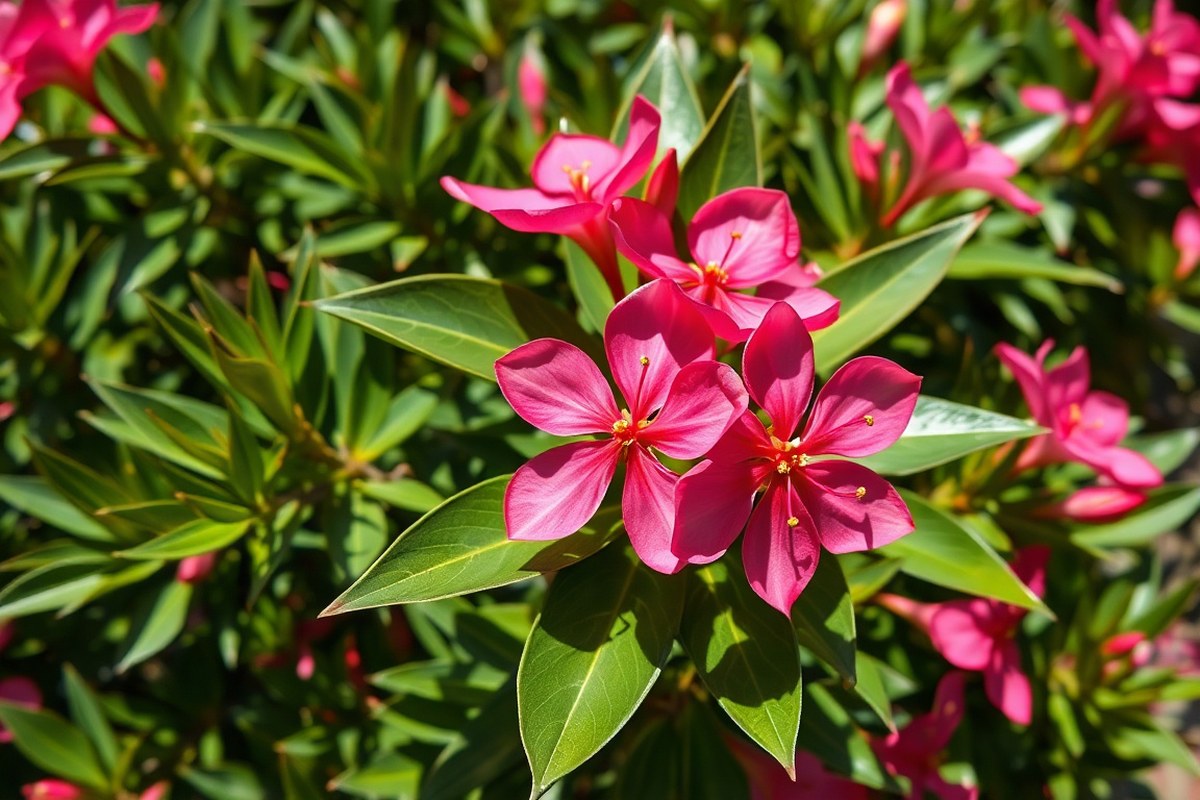
Is Oleander Toxic? 8 Key Facts About Its Dangers and Safety Tips
Is oleander toxic? Yes, oleander is highly toxic to humans and animals. Its leaves, flowers, and stems hold strong toxins.
These can cause serious health problems. Eating or handling them the wrong way is dangerous. Avoid planting it where kids or pets play because even small amounts can be dangerous.
Oleander poisoning symptoms usually appear within 2 to 6 hours after exposure. These symptoms affect the heart and digestive system and need quick medical attention. Watch for nausea, vomiting, dizziness, or irregular heartbeat after any contact with the plant.
Handling oleander requires caution, especially with large varieties that can grow 15 to 25 feet tall. Wear gloves and wash your hands thoroughly after working near it. Dead leaves and fallen debris can spread toxins beyond the main plant, so clean up well.
Key Takeaways
- Oleander contains toxic substances harmful if swallowed or touched.
- Symptoms often start within 2 to 6 hours after ingestion.
- Wear gloves when pruning or handling oleander plants.
- Keep oleander out of reach from children and pets.
- Symptoms include nausea, vomiting, dizziness, and irregular heartbeat.
- Clean fallen leaves promptly to reduce toxin spread around plants.
Is Oleander Toxic to Humans and Animals?

Every part of the oleander plant is highly poisonous. The leaves, flowers, seeds, stems, and even the sap contain toxic compounds. These toxins stay dangerous if you chew or swallow plant parts.
Sometimes, just touching the plant can be harmful. Always handle the plant with care.
Oleander’s toxicity is serious for humans and various animals. People who swallow any part risk severe heart problems and other critical symptoms. Pets like dogs, cats, horses, and rabbits are very vulnerable.
They might chew leaves or flowers out of curiosity. This can expose them to toxins.
Oleander is one of the most toxic plants you’ll find in home gardens. Oleander harms almost all animals and all parts of the plant. It is not limited to certain species or specific plant parts.
This makes it widely dangerous. Oleander is more dangerous than many other toxic garden plants.
Even small amounts can cause life-threatening problems. Handle it carefully to avoid risks.
Animals often explore plants by chewing, raising poisoning risks. Chewing increases their chance of swallowing harmful parts. This makes them more vulnerable.
Livestock like horses and cattle can be fatally poisoned if they eat oleander leaves or bark. Because of this, planting oleander near animal areas or outdoor pet spaces is especially unsafe.
Burning oleander poses another hidden danger. The smoke releases toxins that cause severe breathing problems in both humans and animals. Don’t burn any part of the oleander plant.
Smoke can cause breathing problems in people and animals. Keep the plant away from fires.
Given its extreme toxicity, growing oleander where children or pets play isn’t recommended. Some people replace oleander with less risky shrubs to protect their families and animals. Keep oleander away from kids and pets if you have it.
Watch them closely to prevent access. This reduces chances of poisoning.
How Oleander’s Toxins Affect the Body
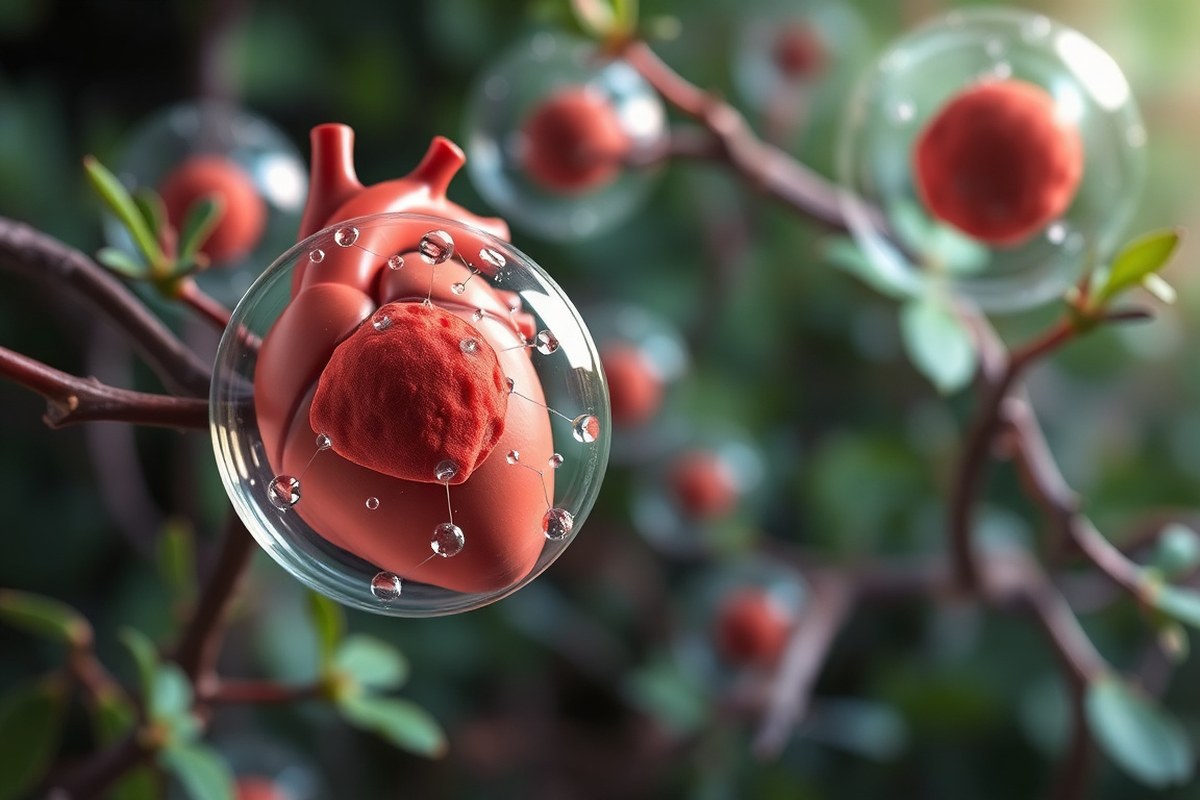
Oleander’s toxicity comes from cardiac glycosides in every part of the plant. These compounds, including oleandrin, neriine, oleandroside, and nerioside, affect the heart, nervous system, and digestive tract. They stop the sodium-potassium pump in cells, which is critical for heart muscle function.
Cardiac glycosides block the sodium/potassium ATPase pump. This causes high potassium levels in the blood and more calcium inside heart cells. Too much calcium causes heartbeats to get stronger but irregular. | These irregular beats can lead to dangerous arrhythmias. | It can also cause a slow heart rate called bradycardia.
Because these toxins disrupt heart rhythm, oleander poisoning often starts with nausea and vomiting. The toxins irritate the stomach lining and affect nerves controlling the heart and gut. In severe cases, heart rhythm problems can cause collapse or death without quick treatment.
Burning oleander releases toxic compounds in smoke, which can harm your lungs and body too. The toxins do not break down with heat.
So even inhaling the smoke causes poisoning. This adds another risk when disposing of cut branches or garden waste.
Always wear gloves and avoid burning oleander to prevent toxin exposure through skin or smoke.
Recognizing Oleander Poisoning Symptoms
Oleander poisoning causes symptoms in humans and pets within 2 to 6 hours after ingestion. Early signs include stomach upset, followed by serious heart problems. Seek immediate medical care if you spot any warning signs.
Gastrointestinal Signs in Humans and Pets
The first symptoms usually affect the stomach and digestion. Vomiting, nausea, and diarrhea are common in both people and animals. These signs show the body reacting to the toxins in oleander.
Because these symptoms come early, they give a clue to possible poisoning. The severity of vomiting and diarrhea can quickly cause dehydration in children and pets. Getting medical help fast can prevent worsening effects from toxin absorption.
Cardiac Symptoms to Watch For
After gastrointestinal issues, oleander toxins disrupt the heart’s rhythm. Watch for irregular heartbeat, slow pulse, weak pulse, or palpitations. These signs mean the poisoning affects the heart’s electrical system and blood flow.
Changes in heart rate combine with dizziness, confusion, or fainting. These symptoms are medical emergencies requiring immediate care.
Both humans and pets can suffer dangerous cardiac effects. Call Poison Control or a vet without delay if any of these appear.
Skin and Contact Irritations
Touching oleander can cause skin irritation and itching in sensitive people. The plant’s sap causes redness or dermatitis, especially if it contacts broken skin. Avoid touching your eyes or mouth after handling oleander to prevent toxin entry.
Burning oleander produces toxic smoke that can irritate your lungs and eyes. Skin contact alone rarely causes full poisoning but can lead to discomfort. Washing hands and exposed skin right away helps reduce irritation risks.
Here is a comparison of common symptoms in humans and pets after oleander exposure:
| Symptom | Humans | Pets |
|---|---|---|
| Gastrointestinal distress | Vomiting, nausea, diarrhea (2, 6 hours) | Vomiting, diarrhea, drooling |
| Cardiac effects | Irregular heartbeat, weak pulse, palpitations | Bradycardia, arrhythmias, weak pulse |
| Neurological signs | Dizziness, confusion, fainting | Weakness, collapse, seizures |
| Skin irritation | Redness, itching from sap contact | Rare, but possible local irritation |
Both humans and pets show gastrointestinal symptoms first, making early detection easier. Cardiac symptoms appear soon after and signal escalating severity. Skin issues are mostly irritation and should not delay medical care if ingestion happened.
Safe Handling and Garden Precautions with Oleander
Handling oleander requires care to avoid exposing yourself to its toxins. Always use protective gear when working with the plant. Dispose of trimmings safely without burning them.
Essential Protective Gear
Always wear gloves when handling or pruning oleander. This stops its sap from touching your skin. Avoid direct contact to prevent irritation or poisoning.
Long sleeves and eye protection help avoid irritation from sap splashes or leaf dust. After working, wash your hands and any exposed skin thoroughly with soap and water.
Use disposable gloves or thick garden gloves you can clean well. Avoid cotton gloves, as sap can soak through them. Wearing goggles protects your eyes, especially when cutting branches that might snap or spray sap.
Safe Pruning and Disposal Practices
Cut oleander carefully to minimize sap exposure. Remove branches with sharp pruners to make clean cuts and reduce jagged edges that leak sap. Keep a plastic bag nearby to seal all cuttings immediately after trimming.
Burning oleander trimmings releases toxic smoke that irritates lungs and can cause poisoning. Instead, collect all cut branches and leaves in thick plastic bags.
Seal the bags tightly and place them in your green waste bin if local rules allow. Otherwise, take them to a hazardous waste disposal site.
- Wear gloves and eye protection before pruning.
- Use sharp pruners for clean cuts.
- Seal cuttings in plastic bags immediately.
- Never burn oleander waste.
- Wash your hands and tools after handling the plant.
- Dispose of sealed bags per local hazardous waste guidelines.
Doing these steps keeps your family, pets, and neighbors safe from toxic exposure. It also helps prevent sap from contaminating other gardening tools or surfaces.
Avoiding Toxic Smoke Exposure
Smoke from burning oleander wood can cause serious health issues. Some cases have shown heart problems from inhaling smoke, even in healthy people. Don’t burn oleander branches, even in small amounts.
Instead, compost or dispose of the waste without burning it. Keep children and pets away from areas where oleander is cut or stored. Smelling smoke from burning oleander means you should move outside fast.
Get to fresh air right away. This prevents breathing harmful fumes.
Steps to Take After Oleander Exposure or Ingestion
Call Poison Control or emergency services immediately after any oleander exposure. Quick action is key for ingestion, skin contact, or breathing in smoke. Follow precise steps to reduce harm while waiting for medical help.
Immediate First Aid After Ingestion
Swallowing any part of oleander needs urgent attention. Do not try to make the person vomit.
Do not give them food or drink unless told to. Only follow instructions from a healthcare provider.
Here’s a clear set of steps to take immediately after ingestion:
- Call 911 or your local emergency number right away.
- Contact Poison Control at 1-800-222-1222 in the US for detailed instructions.
- Try to note how much and what part of the plant was swallowed.
- Keep the person calm and still to prevent the poison moving faster.
- Do not induce vomiting or give fluids unless recommended by professionals.
- Watch for symptoms like difficulty swallowing, vomiting, or irregular heartbeat.
- Prepare to provide details about the exposed person’s age and weight to medical teams.
Never delay calling emergency services; oleander poisoning can quickly become life-threatening.
Managing Skin Contact Reactions
Oleander sap on the skin can cause rashes, redness, or blistering. Washing the exposed area immediately helps reduce irritation and toxin absorption.
Use cool water and soap to rinse the affected skin for at least 15 minutes. Avoid scrubbing too hard, it could worsen the irritation.
Call Poison Control or a healthcare provider when rash or burning stays after washing. Avoid touching your face or eyes until your hands are clean.
Emergency Contact and Medical Monitoring
Get professional advice by calling Poison Control or emergency services as soon as exposure is suspected. Keep their phone numbers handy near your home phone or mobile.
The ASPCA Animal Poison Control Center at 1-888-426-4435 is also important if a pet is exposed. Be ready to describe what happened and any symptoms you see.
Once at the hospital or vet, staff will monitor heart function and other important signs closely. Quick, proper monitoring decreases the risk of severe outcomes after oleander poisoning.
Diagnosing and Treating Oleander Poisoning
Diagnosing oleander poisoning can be tough because its symptoms mimic other heart or digestive problems. Blood tests might show cardiac glycoside levels, but these aren’t always immediately available. Doctors and vets use patient history and symptom patterns to diagnose.
ECG readings sometimes help spot heart conduction defects from toxins. They rely on these methods together for an accurate diagnosis.
Treatment focuses on supporting the heart and removing the toxin. Activated charcoal helps reduce further toxin absorption if given soon after ingestion.
Intravenous fluids support hydration and organ function. Heart-stabilizing medications address arrhythmias and electrolyte imbalances that oleander poisoning causes.
Humans and pets need hospital or veterinary clinic monitoring for at least 12 hours. This helps catch delayed cardiac issues or sudden changes in heart rhythm.
Pets with severe symptoms often require ongoing care. Veterinarians may provide drugs to stabilize heart function and manage complications like kidney damage.
In less severe cases, close observation and fluid support might suffice. But with more active heart conduction problems, intense monitoring with ECG machines is necessary. This allows doctors to detect dangerous shifts that could require adjusting medications quickly.
Getting treatment quickly makes a big difference for recovery. Delaying care risks worsening heart rhythm problems and organ damage. Follow professional advice and keep all scheduled follow-up visits.
This helps ensure a full recovery from toxin exposure. It also reduces unexpected problems at home.
Myths and Facts About Oleander Toxicity
People often worry about the safety of using oleander branches as skewers for cooking. Some stories claim this can poison food and cause death. Researchers tested cooking hot dogs on fresh oleander skewers.
They tested dried oleander skewers, too. Only tiny amounts of oleandrin transferred, not enough to poison.
Still, there have been rare fatal cases linked to roasting food on oleander sticks. The toxin amount in food may vary based on several factors. It depends if the wood is fresh or old.
Cooking time also affects how much toxin transfers. Because of these risks, it’s best not to use oleander branches for cooking skewers at all.
Honey made from oleander flowers is another toxic source. Bees collect nectar from oleander, producing honey that contains poison. Eating oleander honey can cause serious illness.
Always check where homemade or local honey comes from before eating. This is especially true if oleanders grow nearby. Knowing the source helps avoid risks.
Oleander contamination in dietary supplements is a hidden hazard. The FDA found some supplements may contain toxic yellow oleander. These supplements might not list tejocote root as an ingredient.
This can be dangerous for users. This mix-up can pose serious health risks. Avoid supplements without transparent ingredient labels and buy only from trusted vendors.
No antidote exists specifically for oleander poisoning, making prevention important. You can reduce risks by not using oleander wood in cooking and avoiding unknown supplements. Checking food and honey sources carefully prevents unexpected exposure to oleander toxins.
Which Animals Are Most at Risk from Oleander Poisoning?
Some animals are very sensitive to oleander’s toxins, which can cause severe poisoning quickly. Dogs, cats, horses, and cattle are among the most vulnerable species. They show symptoms like diarrhea with blood, difficulty breathing, and loss of coordination once poisoned.
Other animals might be less affected by oleander. But none are totally safe to eat. Birds and smaller pets might not consume enough for dangerous poisoning.
But you should still prevent access. The risk is high for common pets and farm animals. They may chew on leaves or stems.
The table shows common pets and livestock. It lists sensitivity to oleander and typical poisoning signs. It also shows what to watch for closely.
| Animal | Sensitivity Level | Common Poisoning Signs |
|---|---|---|
| Dogs | High | Diarrhea (sometimes bloody), difficulty breathing, sweating |
| Cats | High | Loss of coordination, salivation, labored breathing |
| Horses | High | Colic, sweating, rapid pulse, weakness |
| Cattle | High | Diarrhea, weakness, abnormal heart function |
| Birds | Low to Moderate | Rare but possible digestive distress |
Watching for early symptoms in vulnerable animals is key. Contact your veterinarian right away if you see colic, diarrhea, shallow breathing, or loss of balance. Early treatment improves survival chances.
Never wait for symptoms to get worse. Call your vet quickly if pets or livestock eat oleander.
Tests using Digoxin assays can detect oleandrin toxins in animals. But some assays may give false high readings.
Handle oleander carefully. Keep it away from all pets and livestock to avoid poisonings.
Step-by-Step Action Plan for Oleander Safety and Poisoning Response
Follow these steps to protect yourself, your pets, and your family from oleander poisoning. Act fast to limit risks and treat exposure properly.
- Before planting: Wear gloves and long sleeves when handling oleander. Verify no small children or animals access the area.
- Daily: Check your garden for damaged oleander branches or fallen leaves. Remove those carefully to avoid accidental contact.
- Immediately after exposure: Rinse skin or eyes with water for at least 15 minutes. Watch for any symptoms like irritation or dizziness.
- If ingestion occurs: Call poison control or your doctor right away. Provide details about how much oleander was swallowed and by whom.
- Within the first hour: Seek emergency help if symptoms like nausea, vomiting, or irregular heartbeat appear. Early treatment is lifesaving.
- After medical care: Follow all doctor’s or vet’s instructions for monitoring. Keep an eye on delayed signs like weakness or confusion.
- Weekly: Educate family and neighbors about oleander risks and safe handling. Remind everyone to avoid using plant parts as mulch or toys.
Frequently Asked Questions
Can Oleander Toxicity Cause Skin Irritation When Touched?
Yes, oleander’s sap can irritate your skin. Always wear gloves when handling it to avoid rashes or discomfort.
Are Oleander Seeds More Dangerous Than the Leaves?
All parts of oleander are equally toxic, including seeds and leaves. Handling or ingestion of any part is risky and should be avoided.
Can Oleander Nectar Contaminate Honey or Harm Pollinators?
Oleander nectar is toxic and can harm pollinators if they collect it. Avoid planting it near beehives or edible gardens.
Is Yellow Oleander Found Outside Its Native Range a Public Health Concern?
Yes, yellow oleander is toxic and has been found as a dangerous contaminant in supplements. Authorities are actively testing products for it.
Does Burning Oleander Release Harmful Toxins into the Air?
Burning oleander can release toxic fumes that irritate your respiratory system. Avoid burning it and use safe disposal methods instead.
Can Oleander Toxicity Affect Indoor Pets If the Plant Is Outside?
Oleander outside can still poison pets if they chew on fallen leaves or flowers. Keep pets away from all plant parts.
Key Points to Remember
Oleander is toxic and can cause serious harm to humans and pets. You must handle it with care and know the right steps for exposure. Start by securing your garden to keep everyone safe.


