How to Improve Clay Soil for Grass: 8 Proven Strategies That Work
Improving clay soil for grass means fixing tight, heavy dirt. Clay holds water and compacts easily, making it hard for grass roots.
Adding organic matter is the best fix. It breaks up clay and improves drainage and soil texture.
Spread 2 to 3 inches of compost over the soil. Work it into the top 6 to 12 inches of dirt. This improves soil structure and enriches the clay soil’s quality.
Start with a soil test to check pH and nutrients. It helps you pick the right amendments and avoid over-fertilizing. Break up clumps by tilling to at least 6 inches deep for even mixing.
Gypsum helps loosen clay without changing pH. For very hard soil, water gently for long periods, then rest before digging. These steps prepare clay for healthier roots and better grass growth.
Key Takeaways
- Test your soil first for pH and nutrient levels before amending.
- Add 2 to 3 inches of organic matter like compost over your soil.
- Mix organic matter into the top 6 to 12 inches to improve structure.
- Use a tiller or garden fork to break up compacted clay soil deeply.
- Apply gypsum to help break apart clay particles without affecting pH.
- Irrigate hard clay gently for 12 hours, then let soil rest two days.
1. Effective Ways to Improve Clay Soil for Grass Growth
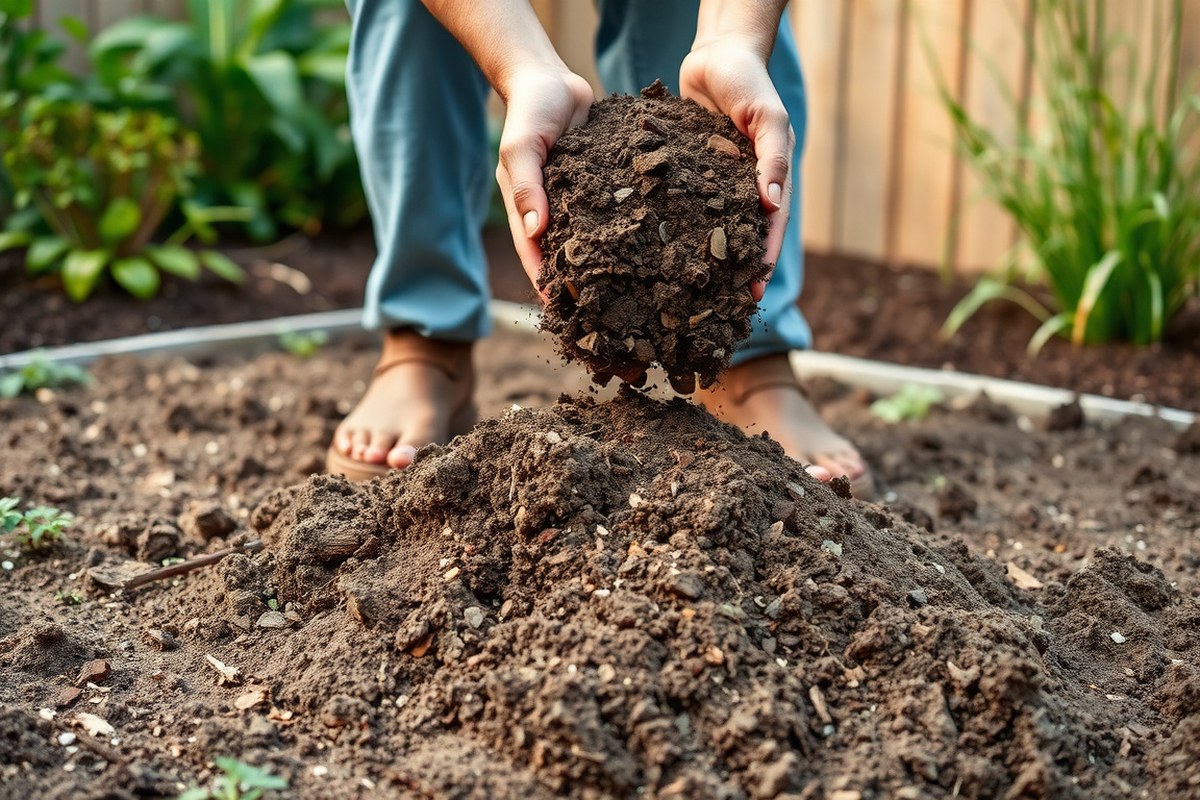
- Loosen the soil by aerating or tilling to break compaction. This opens air pockets and helps water drain better. Use a core aerator or garden fork to punch holes 3 to 4 inches deep.
- Add organic matter like compost, aged manure, or leaf mold. Work at least 4 inches into the top 6 to 12 inches of clay soil. This improves soil texture and feeds beneficial microbes.
- Mix in gypsum if your soil drains poorly but pH is normal. Apply about 40 pounds per 1,000 square feet. This helps break up clay particles. It does not change soil acidity.
- Level and contour your lawn slightly to direct water away from low spots. This stops standing water that hurts roots and causes bare patches.
- Apply mulch such as grass clippings or shredded leaves around lawn edges and bare spots. Mulch protects against surface crusting, encourages earthworms, and adds organic matter as it decomposes.
- Plant deep-rooted grasses suited for clay soil, like tall fescue or Kentucky bluegrass. These grasses push through dense soil and create channels for better air and water movement.
- Water slowly using a drip or soaker hose for 20 to 30 minutes. Clay soil absorbs water slowly; rushing it causes runoff and puddles. Aim to moisten 6 to 8 inches deep.
Doing these steps brings air, water, and nutrients into compacted clay. Aeration breaks the hard surface so roots can grow deeper. Adding organic matter stops soil from becoming sticky and dense.
Gypsum’s calcium improves soil crumb structure, important if clay compaction is severe. Mulching keeps soil surface loose and alive with microorganisms.
Contouring lawn areas prevents waterlogging, which kills grass roots by oxygen starvation. Choosing grasses with strong roots supports natural soil loosening. Watering slowly matches clay’s slow absorption, preventing puddles.
This method costs $20 to $60 per 1,000 square feet. It includes supplies like organic matter and gypsum. The biggest time investment is aerating or tilling once or twice a year.
Skipping aeration or using heavy equipment when soil is wet can make compaction worse. Adding only sand without organics can create a concrete-like layer. Make sure to work amendments into the top foot of soil for best effect.
2. How Soil Testing Guides Clay Soil Improvement
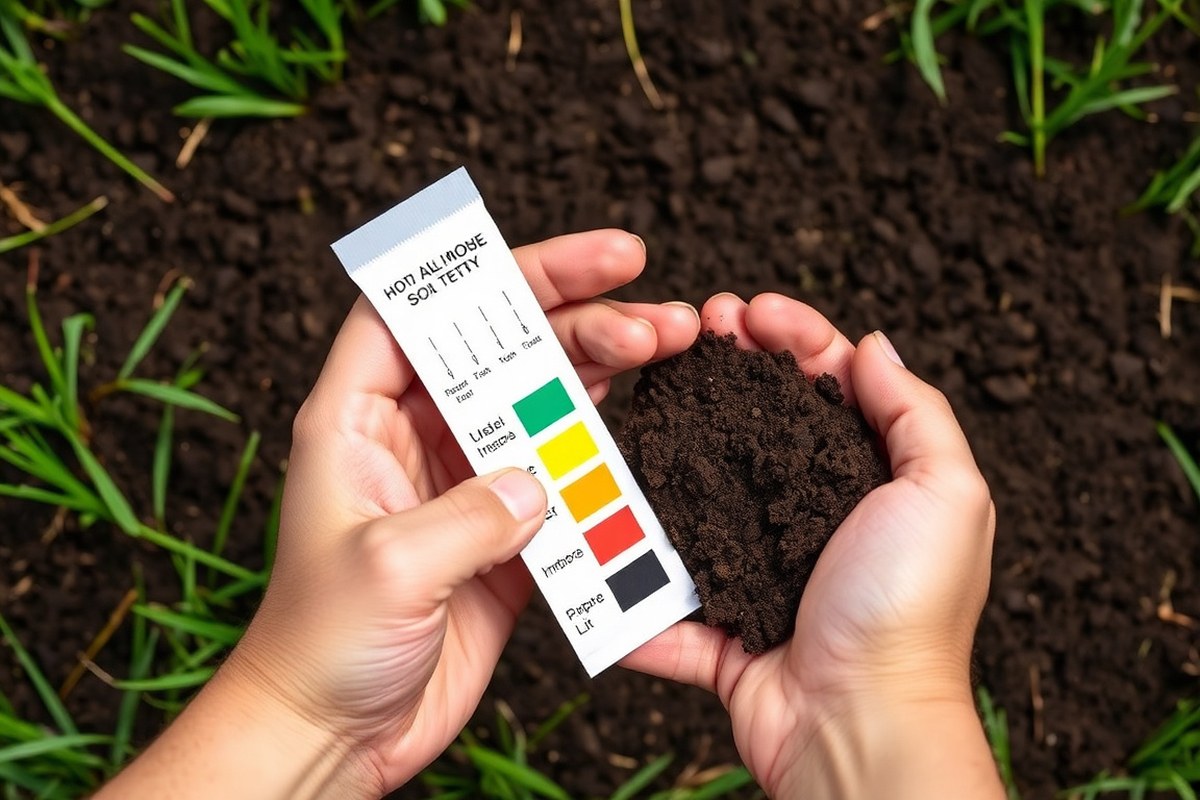
Start by testing your soil’s pH, nutrient levels, and texture. Soil testing kits are available at garden centers or through local extension services. Testing every 2 to 3 years helps track changes and adjust your lawn care plans.
Knowing the soil pH is key because clay soils often trap nutrients. A pH between 6 and 7 works best for most grass. When the pH is low (acidic), lime can raise it.
When it’s high (alkaline), sulfur may help. Nutrient tests reveal if the soil lacks nitrogen, phosphorus, or potassium, guiding your fertilizer choice.
Take samples from several spots across your lawn to get a balanced picture. Mix these samples well in a clean bucket.
Then send a cup of that mix to the lab. Many labs cost $15 to $30 and return results in a week or two.
- Test soil pH, nutrient levels like N-P-K, and organic matter content
- Collect samples from 6 to 8 inches deep, at 5, 10 locations around lawn
- Use extension service kits or commercial lab testing for best accuracy
- Send mixed sample for lab analysis every 2 to 3 years
- Match amendments like lime, sulfur, or fertilizers to test results
- Adjust tests or treatments if you add new soil or topdress
Sandy amendments and gypsum can improve structure only if pH and nutrients are balanced first. Without proper pH, amendments may not work well or could even worsen soil conditions. Tests also tell you if extra organic matter or aeration will help the most.
Always follow label directions for soil amendments after testing. Overapplying lime or fertilizer can harm your grass and soil health.
3. Choosing and Applying Soil Amendments for Clay Soil
Choosing the right amendments and applying them properly makes clay soil better for grass. Organic matter improves soil structure and drainage. Gypsum loosens clay soil without changing its pH.
Sand can help only if you use it carefully. Use these materials together and follow specific steps to get the best results.
Organic Matter Types and Benefits
Organic matter like compost, well-rotted manure, and peat moss works best to fix clay soil. They improve air gaps and help roots grow by breaking clay’s tight clumps. Over time, adding organic matter raises soil health and water movement.
The microorganisms in organic matter create tunnels and produce more organic material. This speeds up improving the soil’s texture and stops the clay from holding too much water. For lasting change, mix in plenty of compost every season.
Gypsum: When and How to Apply
Gypsum helps clay soils by breaking up particles without changing soil pH. Use gypsum along with organic matter for the best long-term effect on lawn health. It works slowly so repeated yearly applications improve the soil over time.
Apply gypsum based on package instructions, usually 20 to 50 pounds per 1,000 square feet. Spread it evenly on dry soil before mixing it in with a rake or tiller. Avoid applying gypsum if your soil test shows high calcium levels already.
Combining gypsum and organic matter encourages better drainage and less compaction. This makes roots stronger and promotes thick, green grass growth on clay lawns.
Sand and Other Mineral Amendments
Adding sand can help clay soil but only if you use the right amount. Too much sand turns clay soil into concrete, making grass grow worse. Mix no more than 30% sand by volume into the top 6 inches of soil.
Other minerals like perlite or vermiculite also assist drainage but cost more than sand. They improve aeration without adding weight or sealing the soil tighter. Mineral amendments are good for small spot fixes or container gardens.
Test your soil before using sand or minerals to avoid making your clay soil problem worse. Each soil type needs different mixes to work well.
| Amendment | Purpose | Recommended Application | Notes |
|---|---|---|---|
| Compost | Improves soil texture and drainage | Mix 2-3 inches into top 6-8 inches of soil | Best source of organic matter for clay soil |
| Gypsum | Loosens clay without affecting pH | Apply 20-50 lbs per 1,000 sq ft annually | Use with organic matter for long-term effect |
| Sand | Improves drainage if properly mixed | Limit to 30% by volume mixed in top 6 inches | Too much sand hardens soil like concrete |
| Well-Rotted Manure | Adds nutrients and organic matter | Incorporate 1-2 inches into soil | Use aged manure to avoid burning grass |
| Peat Moss | Improves moisture retention and aeration | Mix 1-2 inches into soil | Acidic nature may affect soil pH slightly |
| Perlite/Vermiculite | Improve aeration and drainage | Amend in small amounts as needed | Costly but light alternatives to sand |
Mix organic matter into the top several inches of your clay soil as a rule. Spread gypsum on dry, bare ground before raking or tilling it in. Use sand carefully and don’t add too much.
Too much sand can damage the soil structure. This can make your clay soil worse, not better.
4. Aeration Techniques to Relieve Clay Soil Compaction
Core aeration works best when your lawn has grass but feels firm or drains slowly. It pulls small plugs of soil from the ground. This makes air pockets for roots to breathe.
It also lets water flow better. This method boosts water movement through clay up to 300%. It helps grass grow stronger and healthier.
Core aeration usually happens once a year. Do it in early fall or spring. Pick when grass grows best.
Liquid aeration uses a special solution that breaks up clay soil particles instead of pulling cores. It’s less disruptive because it doesn’t leave holes or remove soil.
This suits lawns with mild compaction or when you want to avoid heavy equipment. Applying liquid aeration four times a year can keep clay soil looser without stressing your lawn.
To decide, check your lawn condition first. Your grass is mostly healthy, but soil feels dense. Start with core aeration first.
Then add a compost topdressing. After core aeration, water the lawn well. Next, spread a thin layer of organic compost.
This helps soil life and structure. Your turf is thin or bare.
Renovate by mixing compost into the soil. Add grass seed that works for clay soil.
Apply core aeration when the ground is slightly moist, not soggy or bone dry. Rent or buy a core aerator machine. Cover the lawn in a grid pattern, leaving about 3 to 4 inches between holes.
Spend about 30 minutes on a 1,000 square foot lawn. Avoid heavy traffic on the lawn for a few days after aeration to let soil recover.
You can layer liquid aeration onto core aeration for better results. First, core aerate the soil to open it up. Then apply liquid aerator as the label says.
Usually, spray it on with a sprayer. Finally, add another thin compost layer and water gently. This combination speeds up soil breakdown and nutrient flow in clay.
Keep core aeration off during drought or frozen ground. Liquid aeration works well year-round, but most effective during growing seasons. Core aerators cost around $50 to rent per day.
Liquid aeration products range from $15 to $30 for lawn-sized quantities. You can do liquid aeration with a garden sprayer and avoid heavy equipment.
5. Selecting Grass Types Adapted to Clay Soil Conditions
Picking the right grass matters a lot for clay soil success. Some grasses handle clay’s tight, heavy nature better than others. Choosing such grasses means less work fixing the soil and a stronger lawn.
Cool-Season Grasses for Clay Soil
Tall fescue is a top choice for clay soil in cooler areas. It grows a deep root system that breaks through dense clay and handles compaction well. Ryegrass also does fine by holding moisture and growing evenly in heavy soil.
These grasses do best in temperatures from about 50 to 75°F. They green up early in spring and stay active into fall. That matches well with lawns in northern US states and cooler climates.
Warm-Season Grass Options
Bermuda grass thrives in clay soil and warm weather above 80°F. It spreads fast with underground stems that help cover repairs quickly. Zoysia grass grows slowly at first.
It creates thick, strong lawns. It handles clay well when mixed with organic matter.
These grasses prefer southern regions with long hot summers. Preparing clay with some soil amendments before planting improves their growth and health. They use water efficiently once established.
Grass Selection Tips by Region
Northern lawns should lean toward tall fescue or ryegrass. These grasses manage heavy soil and cooler temperatures better. They reduce soil problems by creating better soil structure with their roots.
Southern lawns benefit from Bermuda or Zoysia grass. They withstand heat and heavy clay but still need some soil work. Clay areas with constant moisture might do better with a mix of species to avoid disease.
Mixing grass types can encourage stronger resistance to uneven clay soil spots. Diverse lawns adapt better to moisture swings and compaction levels.
| Grass Type | Soil Tolerance | Temperature Range (°F) | Growth Rate | Region |
|---|---|---|---|---|
| Tall Fescue | High (deep roots, compaction tolerant) | 50 – 75 | Moderate | Cool-season (North) |
| Ryegrass | High (moisture retention, heavy soil) | 50 – 75 | Fast | Cool-season (North) |
| Bermuda Grass | Moderate (likes amendments) | Above 80 | Fast | Warm-season (South) |
| Zoysia Grass | Moderate (needs soil prep) | 70 – 90 | Slow | Warm-season (South) |
Different grasses need different care for clay soil. Tall fescue and ryegrass improve soil by breaking up compaction with roots. Bermuda and Zoysia survive clay but require soil mixing with organic matter first.
Choose your grass type based on climate zone, not just soil. This avoids poor growth and frustration.
6. Proper Watering and Mowing Practices for Clay Soil Lawns
Clay soil holds water longer than sandy soil. You should water deeply and less often to prevent puddling and poor root growth. Water enough to soak 6 inches deep, then allow the soil to dry before watering again.
Set a timer for watering 15 to 30 minutes, depending on your sprinkler flow. Check soil moisture by digging 2 to 3 inches deep. Stop watering when water starts pooling on the soil surface.
Mowing tall grass helps shade the soil and reduces evaporation. Set your mower blade height between 3 and 4 inches. Tall fescue and other clay-tolerant grasses thrive at this height.
Cut only one-third of the grass height at a time to reduce stress on the lawn. Leave clippings on the lawn to return nutrients to the soil. Avoid mowing wet grass to prevent soil compaction from mower wheels.
- Water early morning for best absorption and less evaporation
- Use a rain gauge to track weekly watering amounts
- Rotate your mowing pattern to avoid soil compaction in the same spots
- Sharpen mower blades regularly for clean cuts and healthier grass
- Reduce watering frequency once grass reaches 1 inch tall
- Use aeration tools to break up soil if compaction occurs
Proper watering reduces standing water and soil crusting. Mowing higher encourages roots to grow deep into the clay, improving water uptake. Avoid overwatering, which limits oxygen in the soil and weakens grass roots over time.
Clay soil lawns need patient care but respond well to correct watering and mowing. Following these steps helps you maintain a dense, healthy lawn with less puddling and compaction. You may notice your grass stays greener longer during dry spells with these methods.
7. Seasonal Timeline for Improving and Maintaining Clay Soil Lawns
Improving clay soil takes patience and steady effort throughout the year. You can start seeing improvements in the first season by adding amendments and aerating. Full transformation happens over 2 to 3 years with regular care.
Spring Tasks for Clay Soil Lawns
Spring is prime time to aerate clay soil. The ground stays moist then. Grass begins to grow during this season.
Use a core aerator to pull out small plugs of clay. This helps loosen compacted soil and improves drainage. Spreading compost or peat moss now adds organic matter and improves soil texture slowly.
Apply lime or sulfur based on soil test results to adjust pH before planting season. Timing matters; apply amendments at least a few weeks before you seed or fertilize. This helps amendments move deep into the soil.
Summer Maintenance Tips
Summer is for keeping soil healthy and grass strong instead of major changes. Water deeply but less often, about once a week, to encourage roots to grow down. Avoid heavy foot traffic when the soil is dry and hard to reduce compaction.
Mulching grass clippings adds nutrients back to soil, which helps improve soil over time. Avoid aeration during hot, dry summer months because it stresses grass. Instead, focus on consistent watering and mowing to support growth.
Fall Renovation and Overseeding
Early fall is another good time to aerate, especially for cool-season grasses. The soil stays damp enough, and grass recovers quickly before winter. Once you aerate, spread compost or peat moss.
This fills holes in the soil. It also improves soil structure and health.
Overseed thin or bare patches after aeration to help grass fill in. Fall temperatures around 60 to 75°F are ideal for seed germination. Keep the soil moist during germination by watering lightly every day for about two weeks.
Winter Soil Care Considerations
Winter is when clay soil rests but can still compact from snow or foot traffic. Avoid walking on frozen lawns to protect soil structure. You can prepare soil for spring by planning amendments and testing soil early in the season.
Mulching leaves on the lawn adds organic matter and insulates soil. Don’t apply fertilizer or seed in winter, as cold soil delays growth and wastes effort. Use this downtime to clean tools and buy supplies for spring work.
Use the table below as a seasonal checklist to keep your clay soil lawn on track. These tasks help timing and consistency, especially for long-term improvement.
| Season | Key Tasks | Best Conditions |
|---|---|---|
| Spring | Aerate, add compost or peat moss, apply lime/sulfur | Moist soil, grass emerging |
| Summer | Deep watering, mow properly, mulch clippings | Warm, avoid aeration in dry conditions |
| Fall | Aerate, overseed, add organic amendments | Soil moist, cool temperatures 60-75°F |
| Winter | Protect soil from compaction, mulch leaves, plan amendments | Frozen or dormant lawn |
This timeline cuts down problems like poor drainage, compaction, and patchy grass. You won’t fix clay soil quickly.
But steady work each season brings noticeably better results. Regular aeration combined with organic matter changes soil for the better and helps your grass thrive.
8. Common Mistakes and How to Avoid Them When Improving Clay Soil
8. Common Mistakes and How to Avoid Them When Improving Clay Soil
Adding too much water is a common slip-up with clay soil. Overwatering makes the soil soggy and compacts it further. Water only when the top 1 to 2 inches feel dry.
This usually happens every 3 to 5 days in spring and fall. Check moisture before watering to avoid overdoing it.
Mixing soil amendments unevenly can cause patchy grass growth. Spread compost or gypsum evenly on your soil. Use a garden tiller or rake to mix it in.
Blend the material 4 to 6 inches deep for best results. Avoid dumping amendments on the surface without mixing.
Some people expect results too fast with clay soil. Improvement can take several seasons.
Still work on aeration and adding organic matter regularly. Patience gives the soil time to loosen naturally.
Check your soil, amendments, and tools with this quick checklist before starting:
- Soil tested in the last 2 years to know what you need
- Amendments measured carefully, no more than 2 inches spread per season
- Aeration done during growing seasons only, not when soil is wet
- Watering schedule set to avoid soggy spots
- Mix compost or gypsum down 4 to 6 inches deep
- Grass seed or sod chosen fits clay conditions
- Pro long-term patience; expect gradual improvement
Soil might stay dense even after your efforts. Sometimes, you need help from a professional. They have tools to fix tough soil problems.
Certified landscapers or soil experts can dig deeper or apply more specialized treatments. Call a lawn service when water pools on your lawn.
Also call if bare spots keep coming back. Wait until after two growing seasons to see lasting results.
Avoid working clay soil when wet; it compacts easily and ruins soil structure.
Failing to core aerate or doing it incorrectly also hampers improvement. Only use aerators with hollow tines and aim for 3 to 4 passes over the lawn. Don’t aerate during very dry or rainy stretches, which stresses the soil and grass.
Many skip soil testing and guess what to add. Without testing, you risk adding wrong nutrients or wastes.
Local extension offices often charge $10 to $30 for basic tests. This small cost saves bigger headaches later and helps you pick amendments precisely.
Step-by-Step Action Plan for Improving Clay Soil
Follow these steps to start fixing your clay soil and help grass grow better. Each action sets a clear sign you’re on the right track.
- Before you start: Test your soil with a DIY kit or lab. Check pH and nutrient levels to know what your soil needs.
- Week 1: Spread organic compost over the lawn area. Mix it into the top 3 inches with a garden fork. You’ll see darker, crumbly soil instead of hard clay.
- Week 2: Aerate the lawn with a core aerator or plug aerator. Look for many small soil plugs on the surface showing the soil compacted less.
- Week 3: Apply a thin layer of gypsum if your soil test shows sodium problems. It improves structure without clogging pores. The soil feels less sticky when moist.
- Week 4: Seed or overseed with clay-tolerant grass types like tall fescue. Grass should start to sprout within 10 to 14 days.
- Week 5 and ongoing: Water deeply but less often to encourage deep roots. Test soil moisture by feel to avoid overwatering.
- Month 2: Mow regularly but no lower than 2.5 inches. Healthy grass blades start looking fuller and greener.
- Through the year: Add more compost annually and aerate once a year. Watch that soil stays loose and grass stays thick.
Frequently Asked Questions
Can I Add Sand Directly to Clay Soil to Improve Grass Growth?
Adding sand alone can make clay soil harder. Mix organic matter instead for better improvement.
How Often Should I Add Organic Matter to Clay Soil for Lawn Care?
Add organic material once or twice a year. This keeps soil loose and fertile.
Does Mulching Help Prevent Grass Die-Off in Clay Soil?
Mulching helps by keeping moisture and adding nutrients. It supports clay soil health.
Can I Plant Grass Seeds Directly on Compacted Clay Soil?
Avoid direct seeding on hard clay. Improve soil first with aeration and organic matter.
What Type of Organic Matter Works Best for Clay Soil Improvement?
Leaf compost and untreated grass clippings work best. They break up clay over time.
Is Top Dressing a Good Option to Improve Clay Soil Around Grass Roots?
Yes, top dressing with compost helps clay soil slowly improve drainage and texture.
Key Points to Remember
Improving clay soil takes time but pays off with healthy grass that grows well. Start by testing your soil so you know exactly what to add. Take one step today, like mixing in compost, to begin making your lawn better.