How Long Can Flowers Last Out of Water: What Actually Works to Keep Them Fresh
How long can flowers last out of water? Most cut flowers stay fresh between a few hours and up to 24 hours without water.
Hardy types like carnations can last up to 24 hours if they stay cool. Delicate flowers tend to wilt sooner, so acting fast helps.
Keeping flowers cool slows water loss and wilting. Avoid direct sunlight and warm places to keep them fresh longer. To move flowers without water, wrap stems in moist cloths or keep them in shade.
Trimming stems before putting flowers in water also helps. Fresh cuts let flowers absorb water better once you rehydrate them. These small steps can make a big difference in flower freshness outside of water.
Key Takeaways
- Carnations and other tough flowers hold up to a full day without water.
- Delicate flowers such as orchids typically last only a few hours without water.
- Keep flowers cool and out of direct sunlight to extend freshness.
- Wrap stems in damp cloth during short periods without water.
- Trim stems before rehydrating flowers to improve water uptake.
- Transport flowers with air conditioning on to help preserve them.
How Long Can Cut Flowers Last Without Water?
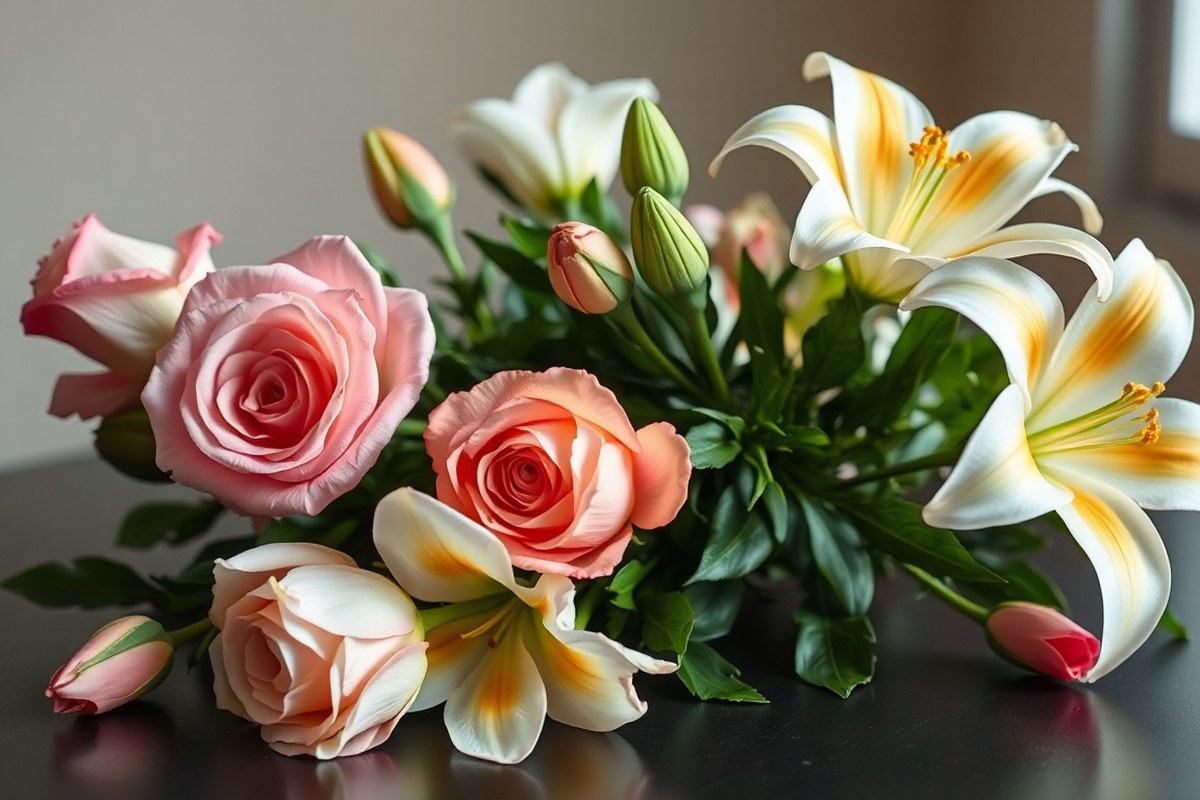
Cut flowers last between two to six hours without water indoors. Most begin wilting and losing freshness after about six hours. Cooler, humid conditions help keep them fresher a little longer.
Hardy blooms like carnations and roses can survive 24 hours without water. They last best in cool, shaded spots with little heat. Fragile flowers usually wilt in just a few hours without moisture.
The exact time depends on the flower type and the environment. Flowers dry out fast once they pass their no-water limit. They lose moisture quickly and start to wilt soon.
That leads to limp petals and droopy stems. Put cut flowers in water quickly for best results.
Keep them away from heat and direct sunshine. Don’t leave flowers out without water too long.
What Factors Influence Flower Longevity Without Water?

Flowers lose water through their stems and leaves. So temperature affects this loss rate a lot. Higher heat speeds up evaporation and wilting.
Cooler spots with 40% to 60% humidity slow down water loss. These conditions help flowers stay fresh for longer.
The type of flower and stem plays a big role too. Thick stems, like those on carnations, store water better.
Thin stems, common on daisies or baby’s breath, dry out fast. Also, some flowers naturally hold water better because of their species.
How you handle flowers after cutting matters. Freshly trimmed stems soak up water better.
Leaving them too long dry or placing them in direct sunlight speeds up wilting. Keeping flowers shaded and cool can stretch their time out of water.
- Temperature above 70°F speeds up water loss in flowers.
- Humidity below 40% makes flowers dry out faster.
- Thick, fleshy stems retain water longer than thin, hollow ones.
- Species like carnations last longer without water than delicate blooms.
- Freshly trimmed stems take in water better once rehydrated.
- Exposure to direct sun increases evaporation and shortens freshness.
- Handling flowers gently to avoid stem damage prevents quicker wilting.
Always trim stems underwater before placing flowers in water to reduce air bubbles. This helps them absorb water faster and last longer.
Light levels also influence how long flowers last. Bright light raises heat and evaporation, drying petals and stems. Dimmer lighting or shade helps flowers retain moisture.
Don’t bruise flowers or bend their stems when you handle them. This helps keep the vascular system intact. It’s key for water uptake after rehydration.
Hardy vs Delicate Flowers: Which Last Longer Without Water?
Hardy flowers generally last longer out of water than delicate ones. Flowers with tough stems and thick petals survive hours or even a day without water. Delicate blooms start wilting in just a couple of hours because they lose moisture fast.
Top Hardy Flowers and Their Survival Times
Hardy flowers often have woody or firm stems that hold water better. They resist wilting longer because their tissues lose moisture more slowly. Some common hardy flowers last up to two days even without water.
Here’s a quick comparison of hardy flowers and how long they can survive without water:
| Flower Type | Average Survival Time Without Water |
|---|---|
| Chrysanthemums | 24, 48 hours |
| Carnations | 24, 48 hours |
| Roses | 4, 6 hours (longer in cool conditions) |
| Foliage (common hardy types) | 12 hours or more |
These hardy flowers can last up to 12 hours out of water. They do best in cool and humid places.
Sometimes, they can last even longer than that. Their solid stems help keep cells hydrated longer.
Delicate Flowers That Need Quick Water Access
Delicate flowers tend to wilt quickly because their stems and petals hold less water. They lose moisture fast, causing the petals to droop and curl. Usually, these flowers survive only 1 to 2 hours without water.
Examples include tulips, daisies, and lilies, which have soft stems and thin petals. They need water soon after cutting for the best look and freshness.
Stem and Petal Characteristics Influencing Longevity
Thick, woody stems store more moisture and slow down dehydration. Hollow or thin stems let water evaporate quickly, causing faster wilting. For instance, carnations’ sturdy stems help them last longer out of water.
Petal thickness also matters. Thick petals keep moisture inside longer, helping flowers stay fresh. In contrast, thin petals dry out quickly, speeding up drooping.
Flower heads with dense tissues hold water better. So they maintain their shape longer when dry. That’s why flower choice matters a lot if water won’t be available.
How to Trim and Prepare Stems to Extend Freshness Out of Water
Trimming and preparing flower stems the right way helps them hold moisture longer out of water. Cutting stems diagonally and removing lower leaves reduces blockages. You can soak stems in water briefly to revive them before use.
Cutting Stems at a 45-Degree Angle
Cut stems at a 45-degree angle rather than straight across. This increases the surface area for water uptake. It prevents air pockets in the xylem, which block water from moving through the stem.
Always use a sharp pair of scissors or floral shears. Dull blades crush the stem and reduce water absorption. Cutting underwater can also stop air from entering the stem.
Using Warm or Cool Water to Hydrate Stems
After cutting, soak stems in warm water around 100°F (38°C) for 30 minutes. Warm water helps open the xylem tubes, promoting faster hydration. For daily refreshment, use cool water as it keeps bacteria growth lower.
When flowers have dehydrated, trim one inch off stems before soaking. Avoid using hot water above 110°F because it can damage delicate flowers. Keeping water clean and changing it every 2-3 days maintains freshness longer.
Removing Leaves Below Stem Tips
Take off any leaves that will sit below the waterline. Leaves in water rot quickly and encourage bacteria growth. This bacteria clogs stems and shortens flower life.
Removing lower leaves also lets you focus stem hydration on flower parts above the water. Doing this improves water flow and reduces blockages. Check stems for leaves carefully before placing flowers in water or floral foam.
Optional Treatments to Seal Ends and Prevent Air Blocking
Some florists dip fresh stem ends in sealing solutions. They use floral wax or clear nail polish.
This slows stem moisture loss during transport or storage without water. It’s especially helpful when flowers must last 24, 48 hours without a vase.
Another method is placing demos under moist paper towels or wet foam to keep stems damp. For flowers out of water briefly, wrapping stems in wet newspaper also helps retain moisture. These treatments are extra steps for long transport or display needs.
Follow these 6 steps to trim and prep flowers for lasting freshness out of water:
- Pick a sharp pair of scissors or floral shears.
- Remove all leaves that would sit below water or foam line.
- Cut stems at a 45-degree angle underwater or in moist conditions.
- Trim about 1, 2 inches off the stem to refresh the cut surface.
- Soak stems in warm water (around 100°F) for 20, 30 minutes if possible.
- Optionally, seal stem ends with floral wax or wrap with moist paper for transport.
Best Environmental Conditions to Keep Flowers Fresh Without Water
Temperature plays a big role in how long cut flowers last without water. Cooler temperatures slow down wilting and cell dehydration. Aim to keep flowers between 34°F and 50°F (1°C to 10°C).
At room temperature above 70°F (21°C), flowers dry out fast. They may wilt within just a few hours. Keep them cool to help last longer.
Humidity also matters because dry air pulls moisture from flower petals and stems. Flowers hold water better in humidity levels around 60% to 80%. Low humidity below 40% causes faster dehydration.
Very high humidity can encourage mold or fungus. A bathroom or kitchen can sometimes offer good humidity for short periods.
Light exposure affects flower freshness too. Avoid direct sunlight since it heats flowers and speeds up moisture loss. Bright, indirect light or shade works best.
Prolonged sunshine can damage petals and cause flowers to droop quickly. Keep them out of vents or near heaters to avoid dry, hot air.
- Keep flowers at 34°F to 50°F to slow wilting
- Maintain 60% to 80% humidity to reduce moisture loss
- Place flowers in indirect light, not direct sunlight
- Avoid heat sources like radiators or air vents
- Use a cool room or refrigerator for short-term storage
- Cover flowers loosely to trap humidity without crushing petals
Roses and hardier flowers can last up to 48 hours without water. This happens only if the right conditions are met. You should store them properly to prevent wilting.
However, delicate blooms may start wilting after just a few hours. Keep the temperature low and humidity high to stretch their life as long as possible.
Flowers left in hot, dry air will lose water quickly and wilt fast.
How Long Can Flowers Last During Transport Without Water?
Most cut flowers can survive without water for a few hours to one day. Some species, like tulips and other soft-stemmed flowers, only last a few hours. Hardier flowers may remain fresh for up to two days without hydration.
Professionals use special methods to keep flowers fresh during delivery. They often wrap stems with wet paper towels or use hydrated foam. These methods keep the flowers moist without needing a full water source.
Keeping flowers cool helps slow down water loss and wilting. Transport flowers in a shaded, cool vehicle where temperatures stay between 34°F and 38°F. Avoid direct sunlight or heat, which dries out the petals and leaves quickly.
- Wrap stems with damp paper towels or use floral foam
- Transport flowers in temperature-controlled containers or coolers
- Keep flowers upright to avoid damage and crushing
- Avoid packing flowers too tightly, which blocks airflow
- Do not store flowers near fruit, which releases ethylene gas
- Handle flowers gently to avoid bruising or breaking stems
For longer trips, overnight shipping requires pre-conditioning flowers in water. Floral suppliers may use flower sleeves with water tubes or gels. These keep stems hydrated during transit without spillage.
Flowers should not be left in hot cars or dry areas for long. Heat causes petals to wilt and leaves to brown, shortening flower life. If you can’t provide water immediately, at least keep flowers cool and shaded.
Reviving Flowers After They’ve Been Without Water Too Long
Flowers left without water for a few hours often recover well. Act quickly by placing them in fresh water. This helps revive their freshness and shape.
Rehydrating them involves trimming, soaking, and giving them a cool place to rest. Some flowers, especially roses or hydrangeas, respond well to warm and cool water baths to recover.
Submerging Stems and Flower Heads
Submerging helps flowers soak up water effectively, especially after wilting. Fully submerging flower heads in cool water rehydrates petals and tissues deeply.
For the best results, keep flower heads underwater for about 30 to 45 minutes. This step is essential for flowers that still show life but look droopy.
Using Warm Then Cool Water Baths
Start by soaking the stems briefly in warm water to open up the waterways inside. Then switch to cool water to slow water loss and ease shock.
Warm water around 100°F helps roses and hydrangeas refill their cells faster. Follow with cool water at about 50-60°F to settle them down.
Trimming Stems Before Revival
Cut stems under running water to stop air bubbles from blocking water flow. Recut about 1 to 2 inches at a 45-degree angle for the best absorption.
Remove any leaves below the water line to prevent bacterial growth. This keeps the water cleaner and helps flowers last longer after revival.
Signs Flowers Are Beyond Revival
Flowers that remain limp and dark brown after revival steps usually won’t recover. Also, petals that fall off or have a slimy feel mean the flower is past saving.
Wilting longer than two days out of water drastically lowers the chance of recovery. Mushy stems or sour smells mean the flower should be thrown away.
These signs show the flower is no longer healthy. Keeping it can spoil nearby blooms too.
- Fill a clean vase with room temperature or slightly warm water mixed with flower food.
- Recut flower stems about 1-2 inches at a 45-degree angle under running water.
- Remove lower leaves that will sit in the water to prevent rot.
- Place the whole flower head gently in cool water. Let it soak for 30 to 45 minutes. This helps rehydrate the bloom and restore its look.
- Place the flowers upright in the vase filled with prepared water.
- Keep flowers in a cool, shaded spot, ideally between 50-65°F, away from direct sun.
- Check flowers every few hours and change the water daily for best results.
Tips to Keep Flowers Fresh When Water Isn’t Immediately Available
Keep your flowers cool and shaded when you lack a vase or water. Wrap the stems in a damp paper towel to hold moisture temporarily.
Secure the towel with a loose plastic bag or cling wrap. This keeps humidity around the stems.
You can also use homemade moisture solutions to extend freshness. Mix a teaspoon of sugar with a drop of bleach in a cup of water. Soak the paper towel in this mixture.
Wrap the flowers with the soaked towel. This mix feeds the flowers and prevents bacteria growth until water is available.
Storing flowers in the fridge can slow water loss. Keep them away from fruits, which release gases that speed wilting. Set the temperature between 34°F and 38°F, like a vegetable drawer, to keep flowers fresh overnight.
- Trim stems slightly before wrapping them in damp paper towel
- Use a plastic bag to keep moisture focused on stems
- Store flowers in the refrigerator, away from fruits and vegetables
- Keep flowers out of direct sunlight and drafts during wait time
- Use a spray bottle to mist petals lightly whenever you can.
Don’t wrap flowers too tightly; they need air to avoid mold.
Place flowers vertically in a box lined with damp cloth during transport without water. This method reduces movement damage and keeps stems moist temporarily. Make sure the cloth stays wet but not dripping to avoid soggy stems.
When storing overnight, avoid high temperatures or heating vents. The flowers keep their moisture better when the air is stable and cooler. This care helps preserve their freshness until you can place them in water the next day.
Step-by-Step Action Plan to Keep Flowers Fresh Without Water
Follow these tips to keep your flowers fresh without water. Avoid heat and direct sunlight. Keep flowers cool and shaded as much as possible.
- Before You Cut or Receive Flowers: Trim stems at a 45-degree angle. This helps flowers take in more air and water later.
- Immediately After Cutting: Place flowers in a clean, cool container. You should see no wilt in the first few hours.
- Within 4 to 6 Hours Without Water: Put flowers somewhere cool and shaded. Make sure the air feels damp or humid around them. Avoid direct sun or wind. Check if petals still feel firm and look fresh.
- After 6 Hours Without Water: Spray flowers lightly with water every few hours. This helps keep the petals and stems from drying out. Do not soak them too much.
- Before Transport or Extended Time Without Water: Cut flower stems again under water. Wrap stems in damp paper towels or insert in moist floral foam. Keep the wrapping moist until flowers reach water. Flowers should perk up within 30 minutes once watered.
- During Transport: Keep flowers in a sealed, cool environment away from direct sun or heat. Watch for any signs of drooping.
- When You Can Access Water: Place flowers in lukewarm water with flower food. Flowers that bounce back will have firm stems in about one hour. Firm stems mean they are taking up water again. If stems stay limp, flowers may not recover.
Frequently Asked Questions
How Long Can Flowers Last Out of Water in a Sealed Container?
Flowers can last up to 24 hours in a sealed container without water. The limited air slows down drying. But avoid heat or sunlight that speeds up wilting.
Does Flower Type Affect Water Absorption Speed?
Yes, some flowers absorb water faster than others. For example, roses drink water quickly while succulents use less. This affects how fast they dry out without water.
How Does Stem Thickness Impact Flower Survival Without Water?
Thicker stems usually hold more moisture, lasting longer without water. Thin stems dry out faster and wilt sooner. Choose flowers with firm stems for better longevity.
Can Cut Flowers Survive Longer Without Water If Refrigerated?
Refrigeration helps flowers stay fresh longer without water. Cooler temperatures slow down water loss and aging. Set fridge temperature around 34 to 36°F for best results.
What Is the Longest Time Flowers Can Last Without Water Before Becoming Irrecoverable?
Most cut flowers begin serious wilting after 4 to 6 hours without water. After 12 hours, revival chances drop significantly. Some exceptions last longer, but prompt hydration is best.
Are Certain Flower Preservatives Helpful If Water Isn’t Available?
Flower preservatives mainly work in water by feeding and protecting flowers. Without water, they don’t help much. Keeping flowers cool and shaded is more effective.
Wrapping Up
Most cut flowers can last up to 6 hours without water if handled right. Keeping them cool and trimming stems helps a lot. Try misting or wrapping stems when you know water isn’t coming soon.