
Does Diatomaceous Earth Kill Slugs? What Actually Works in Your Garden
Does diatomaceous earth kill slugs? Yes, it does, but slowly and only on contact. It scratches the slug’s protective layer, causing them to lose moisture.
The slugs usually die within one to two days after contact. Applying it correctly and keeping it dry are essential steps for best results.
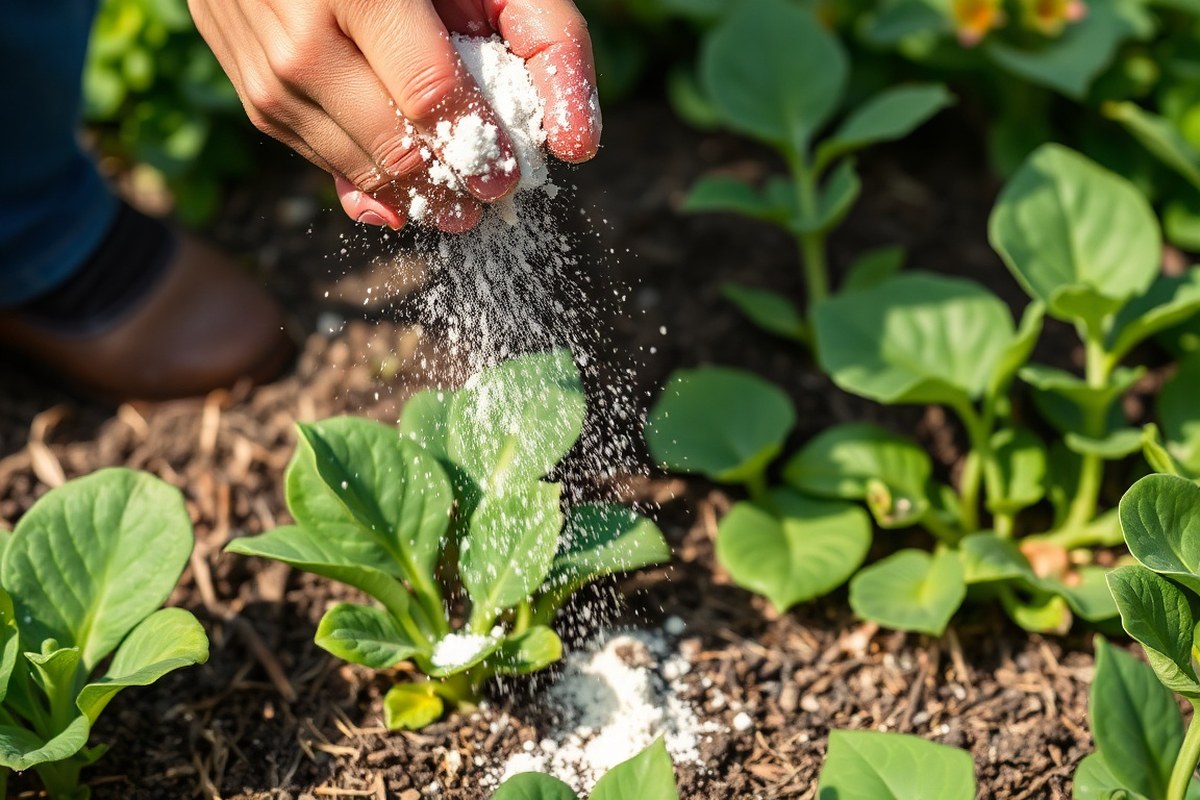
Spread diatomaceous earth along the edges of your garden beds where slugs typically enter. This creates a barrier that slugs must cross to reach your plants. Make sure the area stays dry because moisture reduces its ability to harm slugs.
Choose food-grade diatomaceous earth since pool-grade forms contain harmful chemicals. Apply it during late afternoon after dew evaporates and when the sun starts to fade. This helps the product stay effective because slugs become more active after dark.
Key Takeaways
- Diatomaceous earth kills slugs by damaging their protective coating and causing dehydration.
- Apply DE as a dry barrier around garden beds, especially 12 to 18 inches from edges.
- Always use food-grade diatomaceous earth to avoid health risks when inhaling.
- Do not apply DE if rain or watering is expected within 48 hours.
- Apply in the late afternoon after dew dries for the best slug contact.
- DE works slowly; expect 24 to 48 hours for individual slugs to die.
Does Diatomaceous Earth Really Kill Slugs?

Diatomaceous earth (DE) often comes up as a natural slug control method. It contains fossilized remains of algae, making a powder with tiny sharp edges. These edges cut soft-bodied insects, leading to dehydration and death within 24 to 48 hours.
Despite this, research shows DE is not consistently effective against slugs. A 2016 study from Slovenia tested DE on Arion slugs. It found that DE did not kill the slugs at all.
The study was done in a lab setting. Tests showed DE did not kill slugs or snails well.
It worked better on insects like ants and aphids. Slugs resisted DE more than these insects.
One reason is that slugs produce mucus. This slimy layer protects them from DE’s abrasive particles, reducing its ability to dry them out. Sand and other gritty barriers may slow slugs.
Slugs produce mucus that stops DE from cutting their skin. This mucus protects them compared to insects without it. It makes DE less effective on slugs.
Gardeners say DE works better with other slug control methods. It should not be the only defense used. DE helps as part of a larger plan.
Mix crushed eggshells with DE and sprinkle around plants. This creates a rough barrier that slugs find hard to cross. Bugs also avoid this kind of barrier.
Adding iron phosphate slug baits improves your control chances. These baits attack slugs in ways DE cannot. Combining methods gives better slug protection.
DE is safe for pets and organic gardens. This makes it a popular choice even if it is not enough alone. It won’t harm animals or plants.
It loses effectiveness after rain or watering. So you must reapply it frequently, usually after every shower or irrigation. The need for constant reapplication adds ongoing effort and cost.
The best way to use DE is as a barrier. You should combine it with other slug control methods. DE works best when it’s not used alone.
Sprinkle a thin layer of DE at plant bases or garden edges. Pair this with iron phosphate slug baits for better results.
This two-step method improves slug control. This combined strategy improves results but won’t replace handpicking or baiting entirely.
How Diatomaceous Earth Affects Slugs Differently Than Insects

Diatomaceous earth (DE) works by damaging the outer layer of soft-bodied pests like slugs. Its tiny, sharp silica particles scrape off the protective slime and skin that slugs have. This damage causes slugs to lose moisture rapidly, leading to dehydration.
Slugs are harder to kill with DE than crawling insects because of their mucus layer. They secrete a thick slimy coating that covers their body and protects them from drying out. Slug mucus blocks or reduces DE’s abrasive effect.
Many slugs crawl through it without much harm. This lowers DE’s ability to kill them.
Slug mucus acts as a natural shield. DE needs to stay dry to work well. It must form a thick barrier for best results.
The mucus also replenishes as slugs move. So a thin dusting of DE often won’t dehydrate them fast enough. This makes slug control with DE tricky and sometimes slower compared to insects that lack slime.
You can think of DE’s effect as mainly physical, unlike poisons. It absorbs the slug’s slime and scratches its skin, which causes moisture loss. This process takes time.
Results appear over hours or days. DE must stay dry and thick for slugs to cross it.
Keep diatomaceous earth dry to keep it effective. Reapply after rain or heavy dew. This helps keep killing slugs.
Since slugs are soft and moist, they tend to avoid rough surfaces like DE barriers. The roughness irritates their mucus layer, sometimes deterring their movement. Yet, many slugs will find ways around dusty patches if the barrier is incomplete or wet.
Unlike insects with hard exoskeletons, slugs rely on slime to protect their skin. This slime reduces the sharpness impact of DE, making slug control less immediate. Gardeners often see slower slug death with DE.
It works faster on ants or beetles. Slug death is usually partial or delayed.
When and How to Apply Diatomaceous Earth for Best Slug Control
Apply diatomaceous earth (DE) when the garden and weather are dry to keep it effective. Use a thick, half-inch layer where slugs travel most. Reapply after rain or heavy dew because moisture quickly reduces DE’s ability to work.
Timing Applications Around Moisture and Slug Activity
Apply diatomaceous earth during dry weather. Moisture causes DE to clump and lose its abrasive power against slugs. Pick a morning when there is no dew or forecasted rain for at least 24 hours.
Slugs are most active at night and early morning. Applying DE late morning or early afternoon keeps it dry. This timing helps DE stay ready for slug activity.
Slugs come out then, so DE works best. Keeping the area dry boosts your chances of trapping slugs crossing the powdery barrier.
Avoid applying DE if temperatures rise above 120°F (49°C). High heat degrades the powder, reducing effectiveness. Choose cool to moderate days in spring or fall to maximize DE’s lifespan and slug control.
Creating Effective Dry Barriers: Thickness and Placement
Slugs can easily move around thin dustings of diatomaceous earth. Build a barrier at least ½ inch thick around or between plants you want to protect. This thickness irritates slugs and slows their movement.
Focus on areas slugs use to reach vulnerable plants. Common spots include garden bed edges, pathways between rows, and near mulch or leaf litter. A three-inch-wide berm around your garden perimeter works well.
Apply crawling insect control grade DE specifically made for outdoor use. Spread it evenly, avoiding clumps.
Clumps trap moisture and allow slugs to bypass the barrier. Use a hand duster or shaker bottle for better control and coverage.
Reapplication: Frequency and Signals to Know When to Refresh
DE works as long as it stays dry. Reapply after any rain or heavy watering. Moisture quickly decreases its sharpness and crawling toxicity.
Check your DE barriers weekly. Powder seeming damp, clumped, or thin calls for more.
Add a fresh layer to keep DE effective. Light rain and morning dew weaken it, even without heavy rain.
Consistent reapplication costs about $10-$15 per 5-pound bag, enough for several garden treatments. Staying attentive means you won’t waste powder. Slugs face a constant dry shield between them and your plants.
Steps to apply diatomaceous earth effectively:
- Choose a dry day with no rain forecast for 24 hours.
- Use food-grade or crawling insect control DE for safety and effectiveness.
- Clear debris from areas slugs cross to ensure good powder contact.
- Spread DE in a ½-inch thick layer using a shaker or duster.
- Create wider barriers, about three inches, around garden edges or beds.
- Let the powder dry fully before any irrigation or watering.
- Inspect barriers weekly for dampness or thinning, then reapply as needed.
- Reapply after any rain or heavy morning dew to keep barriers active.
Combining Diatomaceous Earth with Other Slug Control Methods
Using diatomaceous earth (DE) together with other slug control methods improves your garden’s defense. DE forms a dry barrier that irritates and dries out slugs.
But it works best when combined with traps, hand-picking, and natural barriers. Adding these strategies lowers slug numbers faster and reduces damage to plants.
One common way to boost DE’s effect is by setting up beer traps nearby. Slugs are attracted to the beer’s smell and fall in, lowering their population.
Removing these slugs interrupts their breeding cycle. You can sprinkle DE around slug-prone plants, then place beer traps where slugs roam.
- Hand-pick slugs in the early morning or after rain for quick removal
- Create barriers using sand, crushed eggshells, or slug-resistant plants near DE
- Use shallow beer traps filled one-third full with beer, replaced every few days
- Remove garden debris and weeds that shelter slugs, reducing hiding spots
- Encourage predators like birds and frogs by adding habitat features
Hand-picking is effective and requires no special tools. Do it before applying DE to lower slug numbers right away.
Next, make physical barriers with materials like coarse sand next to DE lines. Slugs have trouble crossing them, so it slows their travel.
For a simple, natural barrier, plant slug-resistant greenery such as rosemary or mint near vulnerable species. This creates an extra challenge slugs face before reaching your plants. These companion plants cost little.
They help cut slug activity. Use them around your veggie beds and flower gardens.
Always use food-grade diatomaceous earth to avoid risks to pets and beneficial bugs. Avoid watering garden areas sprinkled with DE since moisture weakens its effects. Instead, reapply DE after rain or heavy watering to keep the barrier strong and active.
Common Application Mistakes That Reduce Effectiveness
Diatomaceous earth (DE) stops working well if it gets wet. The powder’s tiny sharp edges dry out slug bodies by scratching their skin. Wet DE loses this ability.
Rain, dew, or watering can make it clump and lose its effect. Thick piles also block slug contact with DE. Slugs simply cross over or slip around high mounds of the powder.
Gardeners often spread DE too thickly, thinking more is better. The thick layers can cake up, especially after any moisture. This creates a hard crust that stops air and moisture from reaching soil.
It may harm plants by disturbing their roots or soil life. Instead, a thin even layer lets the DE stay dry and active longer. It also avoids blocking water and air flow.
Reapplying DE after rain or watering is important. You can spread it easily with your hand or a small garden duster.
Avoid spraying wet DE to keep the dust powdery and thin. Protect spots where slugs appear most, like near host plants and mulch edges.
- Do not apply DE before or during rain or irrigation
- Spread a thin, even layer, about 1/8 inch thick
- Use a hand duster or shake container gently to spread
- Reapply after every heavy rain or watering session
- Apply early in the day so DE dries fully before night
- Avoid piling DE in heaps or thick patches
- Combine DE with other natural slug controls for best results
Wet or clumpy diatomaceous earth won’t harm slugs effectively, keep it dry and thin.
Fixing poor DE application means removing wet, caked patches and letting them dry out. Also, avoid applying it immediately before watering plants. This keeps DE active longer and slugs more likely to get harmed.
Using it alongside copper tape or beer traps boosts your slug control without piling up DE. Those steps cost little but improve overall slug protection in your garden.
Safety and Environmental Considerations When Using Diatomaceous Earth
Food-grade diatomaceous earth (DE) is safe for both humans and pets. Use only this type, not the kind meant for swimming pools. It has a low risk, but avoid breathing in the dust.
Breathing DE dust can irritate your lungs and nose. Apply it early in the day when garden air is still. Wear a dust mask and goggles to keep the powder out of your eyes and lungs.
Sprinkle DE carefully to prevent clouds of dust. Wet your hands before spreading to reduce airborne particles. Keep pets and children away during application to lower inhalation risk.
DE can harm beneficial insects such as bees and ladybugs. Apply it only where slugs crawl, not on flowers or plants visited by pollinators. Targeted use helps protect these helpful bugs.
Soil health usually isn’t affected by DE because it doesn’t dissolve or change soil chemistry. It works physically by scratching pests while staying inert in soil. Still, avoid using large amounts over wide areas to keep soil life safe.
Because DE is natural and non-toxic, it offers an eco-friendlier option than many chemical slug killers. It breaks down slowly, reducing harm to wildlife. Use it wisely to protect garden balance and beneficial insects.
Monitoring and Evaluating Diatomaceous Earth’s Effectiveness Against Slugs
Regular monitoring helps you see how well diatomaceous earth (DE) controls slugs. You check for slug signs before and after spreading DE. This way, you know if DE is reducing slug activity or if you need new tactics.
Identifying Active Slug Zones and Vulnerabilities
Look for slime trails and holes in leaves as signs of slug activity. Check under pots, stones, and mulch where moisture collects. These spots often hide slugs during the day.
Mark the areas most affected by slugs. Pay attention to your plants’ damage locations. Slugs prefer tender young leaves and low-growing crops.
- Search for slimy trails early morning or after rain
- Check damp, shaded corners of your garden daily
- Inspect plant damage like irregular holes and eaten edges
- Use shallow traps with beer to find slug hotspots
- Note spots near mulch or dense ground cover
- Record observations in a garden journal or on a map
This helps you focus DE on the right places. Spotting slug zones early improves control success.
Tracking Time to Impact After DE Application
Expect slug numbers to drop within a week of applying DE. DE dehydrating slugs slows them quickly but takes time to reduce overall activity. Check your slug zones daily for the first two weeks after treatment.
Use a simple checklist to track slug activity before and after:
- Count slime trails in each zone
- Note fresh leaf damage
- Record any slug sightings
- Check after rain or heavy watering
Rain or watering can weaken DE’s effect. Reapply when the DE looks wet or washed away. Keep records for about 14 days to see trends clearly.
Adjusting Treatment Based on Garden Conditions
Shift your DE use to drier times during wetter seasons. Slugs hide more when it’s moist, so control might need extra care then. Mulch thickly, but reduce it or move DE to dry spots during active slug months.
Temperature affects slug activity, so watch for warmer and cooler spells. You may need more regular DE applications in spring and fall when slugs thrive. If slugs keep damaging plants despite DE, add other organic controls like handpicking or beer traps.
Signs DE is failing include persistent plant damage and visible slugs. Switching strategies early saves your crops. Combining DE with other control methods works best when conditions aren’t ideal.
Deciding When to Use Diatomaceous Earth for Slugs: A Practical Checklist
Diatomaceous earth can help with slug problems, but only in certain conditions. You should use it when your garden is fairly dry and slug numbers are moderate. When the soil stays wet or slugs are everywhere, use other ways first.
Weather and Moisture Considerations for DE Use
Slugs need moisture to move and survive. So diatomaceous earth works best in dry weather.
It loses effectiveness when rain or heavy dew keeps the ground wet. After applying DE, wait for at least a day without rain to see results.
Use DE only when the soil surface is dry and moisture is low. Rain or damp evenings often wash away diatomaceous earth fast.
Garden Conditions and Slug Pressure Assessment
Assess how many slugs you have before using diatomaceous earth. This product helps most when slug activity is moderate, not heavy or widespread. Spread it in patches where you see slug damage or trails, not everywhere.
Dense mulch or crowded plants can block diatomaceous earth from slugs. Clear mulch away in strips before applying for better contact.
Alternatives for Heavy Infestations or Wet Climates
Slugs multiply fast when it’s wet. Diatomaceous earth alone won’t help much.
Use it with other control methods. Choose slug traps, baits, or barriers like electronic slug fences instead.
Combine those methods with DE if your garden dries out sometimes. But don’t rely on DE during rainy seasons. This saves time and reduces wasted product.
| Condition | Use Diatomaceous Earth? | Reason |
|---|---|---|
| Dry weather (few rainy days) | Yes | DE stays dry and abrasive to slugs |
| Frequent rain or heavy dew | No | DE clumps and loses effectiveness quickly |
| Low to moderate slug numbers | Yes | DE can reduce slug damage effectively |
| Heavy slug infestation | No | DE alone won’t control large populations |
| Dense mulch or moist soil cover | Limited | DE contact with slugs is reduced |
Check these conditions before you sprinkle diatomaceous earth. Match your slug problem with the right tool. This way you save money and stress.
Keep diatomaceous earth dry for at least 24 hours after applying it. Only then does it work against slugs.
Step-by-Step Action Plan for Using Diatomaceous Earth Against Slugs
Follow these steps to apply diatomaceous earth. Check if it lowers slug damage in your garden. Watch your plants each day to see any changes.
- Before you start: Remove slug hiding spots like leaves and boards around plants. This exposes slugs and helps DE work better.
- Day 1: Spread a thin, dry layer of food-grade diatomaceous earth around vulnerable plants. Avoid thick piles because slugs can bypass them.
- Day 2 to Day 7: Watch the treated areas daily for slug trails or damage. Healthy plant leaves and fewer slime trails show DE is working.
- After rain or heavy dew: Wait for the area to dry completely. Then, apply diatomaceous earth again. Moisture makes it less effective.
- Week 2: Add hand-picking or copper tape around beds to boost slug control. The mix cuts slug visits and damage.
- Week 3: Check your garden for slug activity again. Repeat applying DE when slugs stick around. Use other natural ways too for best results.
- After 4 weeks: Evaluate overall plant health. Reduced holes and healthier plants mean your slug fight is working well.
Frequently Asked Questions
Can Diatomaceous Earth Harm Beneficial Garden Insects?
Yes, it can harm beneficial insects by drying out their bodies. Apply it carefully and avoid areas with pollinators to protect your garden’s helpful bugs.
How Often Should Diatomaceous Earth Be Reapplied in Wet Weather?
Reapply after every rainfall or heavy watering to keep it effective. Wet diatomaceous earth loses its drying power, so maintaining a dry barrier is important.
Can Diatomaceous Earth Be Used Indoors to Control Slugs?
Using it indoors isn’t very practical since slugs prefer damp outdoor areas. Focus on outdoor garden edges and plant bases where slugs typically reside instead.
Does Diatomaceous Earth Affect Earthworms or Soil Health?
Diatomaceous earth is generally safe for earthworms and soil microbes when used sparingly. Avoid overapplication to prevent disrupting the soil ecosystem.
Is There a Difference Between Food-Grade and Pool-Grade Diatomaceous Earth for Pest Control?
Yes, food-grade is safe for gardens and pets. Pool-grade is chemically treated and unsafe. Always choose food-grade for slug control in your garden.
How Long Does Diatomaceous Earth Stay Active Once Applied?
It stays effective as long as it remains dry, usually several weeks in dry conditions. Moisture reduces its ability to kill slugs, so note weather changes.
The Bottom Line
Diatomaceous earth can help reduce slugs but needs dry conditions and regular checks. Spread it carefully around plants and add other methods if needed. Start today by clearing slug shelters to improve control.


