

Are Strawberry Plants Perennial? A Complete Guide for Longer Harvests
Are strawberry plants perennial? Yes, most varieties naturally come back every year.
They typically live and produce fruit for about three to four years with proper care. You can expect a good harvest during these years if you maintain your plants well.
Many home gardeners enjoy picking fresh strawberries year after year. However, commercial growers often treat strawberries like annuals, replanting them each season. This approach can boost yields but means more work and costs for replanting.
For the longest productive life, plant your strawberries with the crown just touching the soil surface. Space the plants 12 to 18 inches apart to improve airflow and reduce disease risks. Applying mulch helps control weeds and keeps the soil moist, both important for healthy plants.
Key Takeaways
- Strawberry plants can produce fruit for 3 to 4 years if well cared for.
- Plant crowns level with the soil surface to avoid rot or drying out.
- Space plants 12 to 18 inches apart for better air and root growth.
- Mulch regularly to control weeds and keep soil moisture steady.
- Water consistently, especially when strawberries are fruiting, to support growth.
- Renovate beds every 3 years by thinning and fertilizing for renewed fruit.
Are Strawberry Plants Naturally Perennial or Annual?

Strawberry plants are naturally perennial, which means they can live and produce fruit for multiple years. Unlike annual plants, perennials live for more than one season.
They come back year after year. This biological trait lets strawberry plants survive winters and grow again in spring.
Strawberries are perennials. They don’t need replanting every year if cared for. They enter a dormant state during cold months and resume growth when conditions improve.
This saves time and money. You get fruit from the same plants for years.
Some gardeners grow strawberries as annuals to boost fruit size. It also helps reduce diseases. Annual growing means planting new strawberries each spring.
This increases costs and work but can give bigger crops. For home growers, perennial strawberries are best. They are easier and last longer.
The perennial nature of strawberry plants also depends on factors like variety, climate, and soil quality. Some strawberry types handle winters better. Others may not survive cold or harsh soil conditions.
In warm areas, strawberries can live 3 to 4 years with good care. That includes mulching and watering right.
Understanding this helps you decide how to manage your strawberry patch. Protect your strawberry plants in winter. Use straw or mulch to stop frost damage.
Trim old leaves and thin runners. This keeps plants healthy and fruiting for many seasons.
How Long Do Strawberry Plants Typically Live and Produce Fruit?
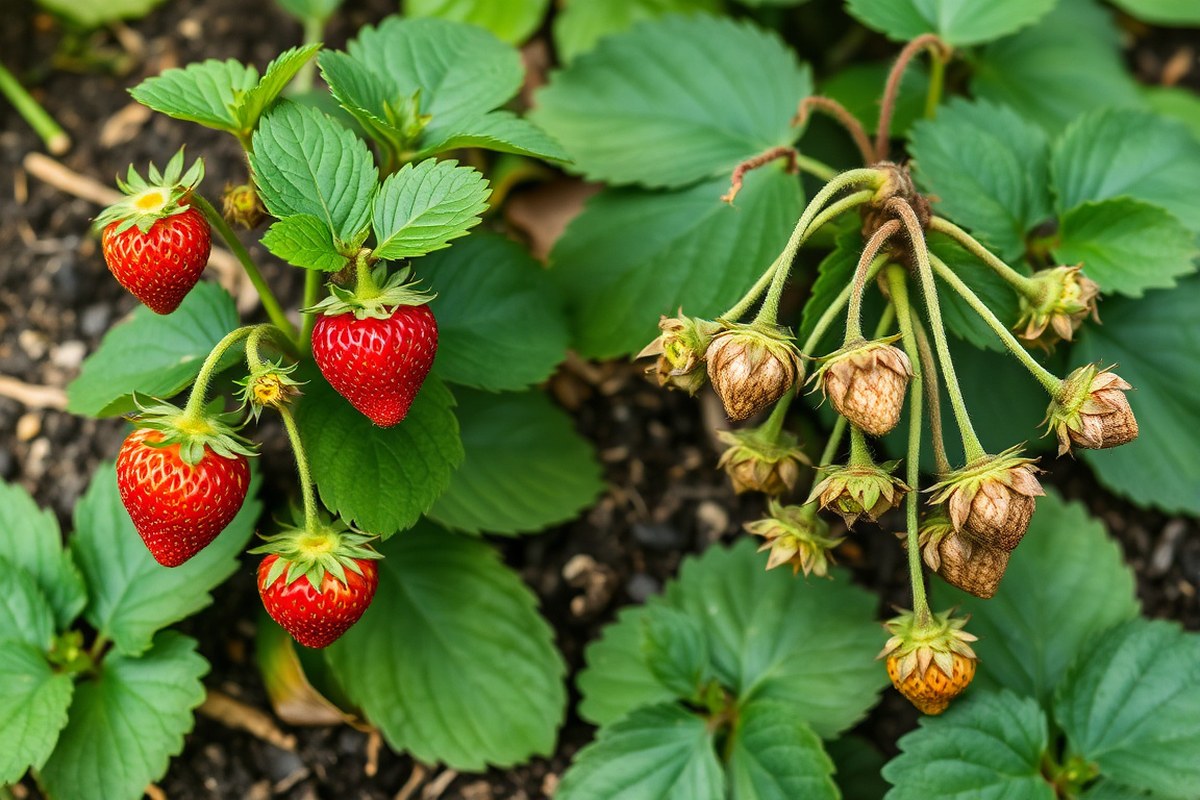
Strawberry plants usually live around three to five years in a home garden. They do best and produce the most fruit during the first two or three years. After this peak period, fruit yields often start dropping sharply.
In commercial settings, growers typically replace plants every three to four years. This keeps fruit production high and reduces problems from pests and diseases. Home gardeners can expect similar good yields timing.
Careful care lets you keep plants a bit longer. Good care helps plants produce for a longer time.
Plant longevity varies with strawberry types and care routines. June-bearing strawberries often give one big crop yearly, then produce runners to replace old plants. Everbearing kinds yield twice or more over summer.
You usually replace them every three years for best results. Replacing keeps the plants productive and healthy.
Regular watering, rich soil, and good sunlight help strawberry plants stay healthy longer. Renovating beds by removing old leaves and runners also supports steady fruiting. Beyond five years, plants lose vigor and fruit quality declines noticeably.
Watch for declining fruit size or fewer blossoms. These signs mean it’s time to replace plants.
What Types of Strawberry Plants Support Perennial Growth?
Strawberry plants differ in how well they keep fruiting over the years. June-bearing, everbearing, and day-neutral types each have their own growth and fruiting habits. Many gardeners prefer everbearing and day-neutral varieties for perennial growth.
June-Bearing Strawberries
June-bearing strawberries give one big crop in late spring or early summer. They focus on making runners, so they bloom less the following year. These plants act like annuals if you don’t take good care of them.
These plants usually live 3 to 4 years but may decline after the first season. To keep them productive, you’ll need to renovate the bed yearly. This involves cutting back old foliage and thinning plants.
Everbearing Strawberries
Everbearing strawberries produce two to three smaller crops from spring to fall. They focus more energy on crown development than runners. This helps them stay productive for several years.
These types usually overwinter well in USDA zones 5 through 9 with mulch for protection. You can expect them to produce fruit for 3 to 5 years if cared for right. They need regular watering and mulch to stay healthy longer.
Day-Neutral Strawberries
Day-neutral plants can produce fruit all season long. They keep fruiting if temperatures stay between 35°F and 85°F. They produce fewer runners than June-bearers, saving energy for flowers. This trait makes them more perennial in habit.
Some day-neutral strawberries decline after a couple of years and may need replanting sooner. Gardeners often replace them every 2 to 3 years to keep fruit fresh and abundant. They handle mild winters well but need mulch in colder areas.
How Does Climate and Soil Affect Strawberry Plant Longevity?
Strawberry plants do best as perennials in USDA zones 4 to 8. You should protect them from frost in colder zones by applying mulch over the crowns. Mulch keeps the crown, the plant’s base at soil level, insulated from freezing damage.
In zones 3 and colder, winter kills strawberry crowns without strong protection. In warmer zones 9 and 10, strawberries grow year-round but may struggle in harsh summer heat. Shade or extra watering helps in hot, dry climates.
Strawberries prefer soil pH levels from 5.5 to 6.8 for optimal growth. You can measure your soil’s pH using a testing kit from a gardening supply store. If adjustment is necessary, apply sulfur to reduce pH or lime to increase it before planting.
Keep soil moist but well-drained to avoid root rot, which harms perennial growth. Use raised beds to improve drainage in soggy or clayey soil.
Adding compost to the soil also helps with drainage. Both methods make soil better for strawberry roots.
Plant strawberries with the crown at soil level, not buried or exposed. Plant spacing should be 12 to 18 inches apart to ensure good air flow. Proper spacing reduces disease and helps crowns survive winter.
After the ground freezes, cover strawberry crowns with straw or pine needles. Use a layer about 2 to 4 inches thick.
This protects plants from harsh winter conditions. Remove mulch in early spring after the danger of frost passes to allow growth.
How to Plant and Space Strawberry Plants for Long-Term Growth
Give strawberry plants enough space to grow well. Plant them 12 to 18 inches apart in rows 3 to 4 feet apart.
This spacing lets air circulate and stops leaves from touching. Good airflow helps prevent diseases and supports long-lasting growth.
Preparing the soil before planting is key. Choose a sunny spot with soil that drains well.
Work in organic matter like compost to add nutrients and improve drainage. Avoid heavy clay or soggy spots because roots need air and moisture balance.
Planting bare-root and potted strawberries requires different steps. Bare-root plants need root trimming, while potted plants benefit from pre-watering. Both need careful placement to avoid damaging the crown, the plant’s growing point.
Follow these steps to plant strawberry plants for strong growth and long life:
- Choose a sunny, well-drained spot with rich soil, about 6 to 8 hours of sun daily.
- For bare-root plants, trim the bottom third of the roots with clean scissors.
- Water potted plants gently about an hour before planting to moisten roots.
- Dig holes wide and deep enough for roots without bending or crowding them.
- Set the plants so the crown is just above the soil level. This helps stop rot. It also protects against frost damage.
- Space plants 12 to 18 inches apart in rows. Keep rows 3 to 4 feet apart. This helps air flow properly.
- Fill holes gently, firm soil around roots, and water thoroughly to settle soil.
- Put a 2-inch layer of mulch around the plants. Keep mulch away from the crown. Mulch keeps soil moist and lowers weeds.
Plant crowns at soil level. Planting too deep or too shallow can stress plants and invite disease.
Best Seasonal Care Practices to Maintain Perennial Strawberry Plants
Strawberry plants need care all year to stay healthy and productive as perennials. You should focus on watering, fertilizing, pruning, mulching, and protecting them through seasonal changes. These steps help your plants survive winter and produce fruit for several years.
Spring: Preparing and Reviving Plants
Start spring by removing old mulch to avoid slowing new growth. Clear debris and check for any damaged leaves, pruning them to boost airflow. Water plants thoroughly after winter to rehydrate roots and jump-start growth.
Apply a balanced fertilizer or compost to feed plants with slow-release nitrogen. This helps strawberries build strong leaves and flowers. Be cautious not to over-fertilize, or you risk burning the roots and delaying fruiting.
Summer: Managing Water and Fertilizer
Keep soil consistently moist, giving about one inch of water weekly. Water in the morning to reduce leaf diseases. Mulch around plants lightly to keep soil cool and conserve moisture during hot months.
Fertilize again in mid-summer with a low-nitrogen formula to avoid excess leaf growth. Remove excess runners and overcrowded daughter plants to maintain airflow and direct energy to fruit. This pruning prevents disease and helps berries grow bigger.
Fall & Winter: Protection and Dormancy Care
As leaves fade, stop fertilizing and increase watering to prep plants for dormancy. Once the ground freezes, spread straw mulch about 3 to 4 inches thick. This mulch protects crowns from freeze-thaw cycles and harsh winter weather.
In colder zones, cover plants further with frost cloth or leaves to shield roots. Remove heavy mulch in early spring to avoid delaying new shoots. For potted strawberries, bring plants indoors or insulate pots to avoid root freezing.
How and When to Renovate Strawberry Beds for Renewed Productivity
Renovating strawberry beds keeps plants healthy and productive for more years. It involves cutting back old leaves, thinning plants, fertilizing, and managing runners. Doing renovation after harvest helps your strawberry plants produce better the next year.
Thinning and Spacing Plants
Thinning strawberry plants means removing crowded or weak plants to improve airflow. Better spacing helps reduce diseases and lets remaining plants grow stronger. For June-bearers, keep plants about 6 inches apart after thinning.
Runners need special care during thinning. Choose the healthiest runner plants to stay and remove the rest. This encourages new growth and avoids overcrowding that hurts fruit quality.
Foliage Removal Techniques
Cut the old foliage to about 1 or 2 inches above the crown after harvest. This stops disease spread and allows sunlight to reach crowns. Mowing works best on larger beds, but hand cutting fits small patches or spots.
Removing old leaves reduces pests and encourages fresh, strong leaves to grow. Avoid cutting too low or injuring the crown, which can weaken the plant. Leftover debris should be cleared away to prevent fungal problems.
Fertilization After Renovation
Adding fertilizer after renovation fuels new growth and fruit production. Use a balanced fertilizer with nitrogen, phosphorus, and potassium according to package instructions. Applying fertilizer within a week of mowing or thinning works well.
Don’t over-fertilize, which can lead to excessive leaf growth and fewer berries. Monitor plants the following weeks and water if dry. Good results show in fresh leaves and healthy runner development.
Renovation after harvest follows these steps:
- Remove all ripe and unripe fruit from plants.
- Thin plants to space them about 6 inches apart.
- Cut back foliage to 1 or 2 inches above the crown.
- Remove unwanted runners, keeping only strong healthy ones.
- Clean up debris around the plants to avoid disease.
- Apply balanced fertilizer according to label rates.
- Water plants if soil feels dry after fertilizing.
- Monitor growth and repeat renovation each year after harvest.
When to Replace Strawberry Plants and Start Fresh
Strawberry plants usually stop producing well after three years. You should replace strawberry plants if the yield drops a lot. Another sign is when the fruits become smaller than usual.
Both mean your plants may be getting old. Plants also look crowded or show more diseased leaves. These signs mean your patch needs refreshing to keep steady harvests.
Keeping old plants too long risks low fruit quality and higher disease chances. Older plants have weaker roots and less vigor, which allows pests to settle in.
You might spend more on sprays or pruning but still struggle with poor crops. Replanting avoids these problems and saves you time later.
To decide when to replace, set a three-year limit on your strawberry beds. Watch for this and poor fruit size as your replacement triggers.
When you see either, plan to clear the patch and prepare for new plants. This rule works well for home gardeners seeking consistent berries.
Start fresh by removing old plants thoroughly. Till or loosen the soil, and add compost for nutrients if needed. Space new strawberry plants about 12 to 18 inches apart.
This spacing helps air flow and lets each plant grow fully. Plant in well-drained soil with plenty of sun to boost fruit quality.
Buy healthy young plants from local nurseries or start your own runners from strong older strawberries. Plant them early in spring to give roots time to establish before warmer weather.
Water regularly but avoid overwatering. Keep weeds down to reduce competition for nutrients.
Replacing strawberry plants every three years keeps your garden productive and disease-free.
Sometimes you might keep plants longer in low-maintenance gardens. But expect fewer berries and more pruning if you do.
For the biggest, tastiest harvests, fresh plants yearly or every two years work best. This approach fits gardeners who want the most fruit with steady effort.
Step-by-Step Action Plan for Healthy Perennial Strawberry Plants
Follow these clear steps to plant and care for your strawberries each year. This helps keep plants healthy and producing fruit for several seasons.
- Before planting: Choose well-drained soil with full sun exposure. Healthy soil and light help your plants live longer and fruit well.
- At planting (spring): Space plants 12 to 18 inches apart. Proper spacing prevents crowding and disease, helping plants thrive for years.
- Early summer: Mulch around plants to keep soil moist and reduce weeds. Mulch protects roots and maintains steady growth.
- Late summer: Renovate beds by trimming leaves and thinning runners. This refreshes plants and boosts next year’s harvest.
- Fall: Apply balanced fertilizer to support root systems before winter. Strong roots improve plant survival and fruiting.
- Winter: Cover plants with straw mulch in cold zones. This shields crowns from freeze damage during harsh weather.
- Early spring (before fruiting): Remove old leaves to reduce pests and disease risk. Clean plants produce better berries.
- After harvest: Water deeply but reduce frequency to encourage strong roots. Healthy roots increase lifespan and fruit quality.
Frequently Asked Questions
Are Strawberry Plants Truly Perennial?
Yes, strawberry plants are naturally perennial, living 3-4 years or more with care. Proper care prevents them from dying off after one season.
Can Strawberry Plants Survive Harsh Winters?
Some perennial strawberry varieties can survive winter if mulched well. Protection helps them regrow in spring.
How Do Runners Impact Perennial Strawberry Plants?
Runners help spread strawberry plants but can crowd beds. Trim runners to keep plants healthy over years.
Can I Use the Same Soil for Growing Strawberries Again?
Reusing soil can lead to disease buildup in strawberries. Rotate beds every few years to reduce problems.
Do Strawberry Plants Need Fertilizer Yearly to Stay Perennial?
Yes, feeding plants yearly supports health and fruit production. Use balanced fertilizer in early spring for best results.
Is It Possible to Grow Strawberries Indoors as Perennials?
Growing strawberries indoors year-round is tricky but doable with grow lights. Indoor plants need more care for perennial growth.
Before You Go
Strawberry plants are perennial but need care to last and produce well. Start renewing your bed this summer by pruning and fertilizing. That one action sets you up for better fruit next season.





One Comment