
Can Snake Plants Live in Water? A Complete Guide for Healthy Growth
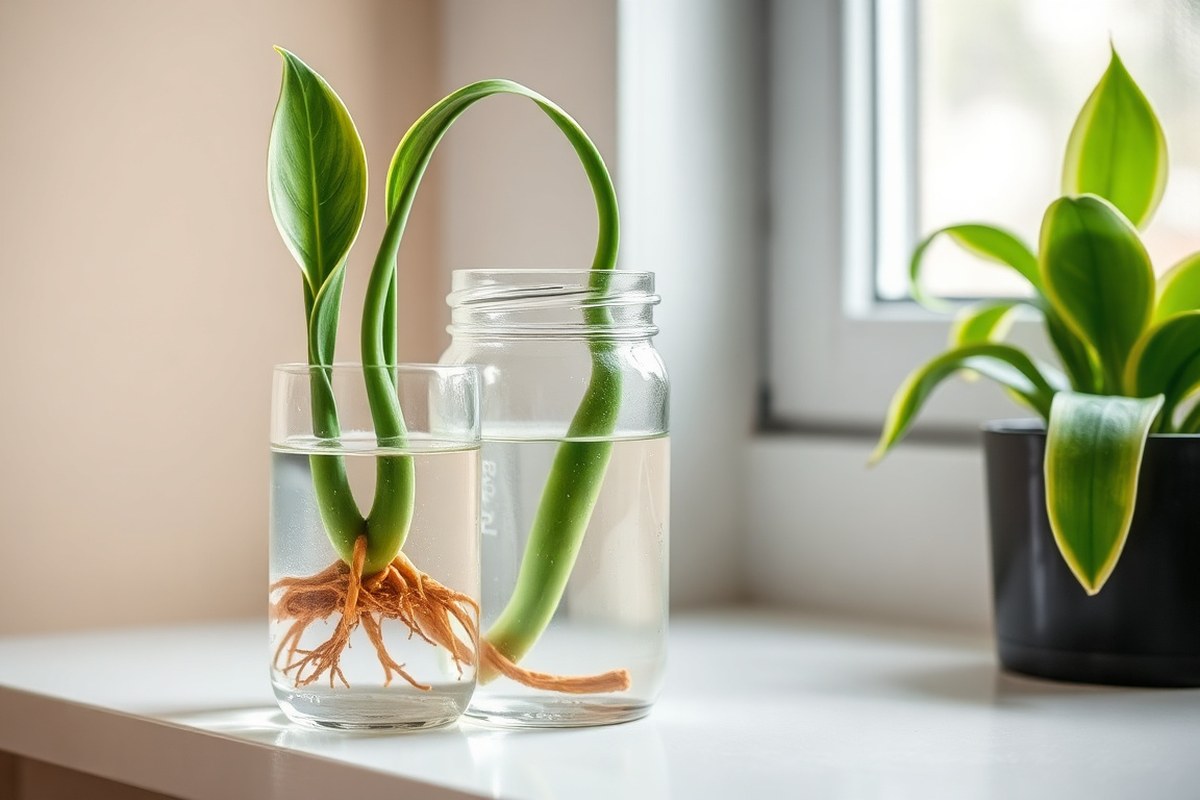
Can snake plants live in water? Yes, they can survive and even grow in water, but they won’t grow fast.
Snake plants naturally grow slowly, and water grows them even slower. You might need to wait 2 to 3 months before seeing new roots.
Start by placing cuttings in a clear jar. Add fresh water to cover the bottom 1 to 2 inches.
Change the water every one to two weeks to avoid algae and keep the roots healthy. Use room-temperature distilled or filtered water for the best results.
Keep the cutting in bright, indirect light near an east- or south-facing window. Avoid direct sunlight, which can stress the plant.
Snake plants stay healthy with proper light. Change water regularly to keep them fresh.
Key Takeaways
- Snake plants grow slowly in water; expect 2-3 months for new roots.
- Use a clear container to monitor root growth easily.
- Cover only 1 to 2 inches of the cutting with fresh filtered water.
- Change water every 1 to 2 weeks to prevent algae and stagnation.
- Place in bright, indirect light, 3 to 6 feet from a window.
- Add 2-3 drops of liquid fertilizer when changing the water for nutrients.
Can Snake Plants Live and Thrive in Water Long Term?
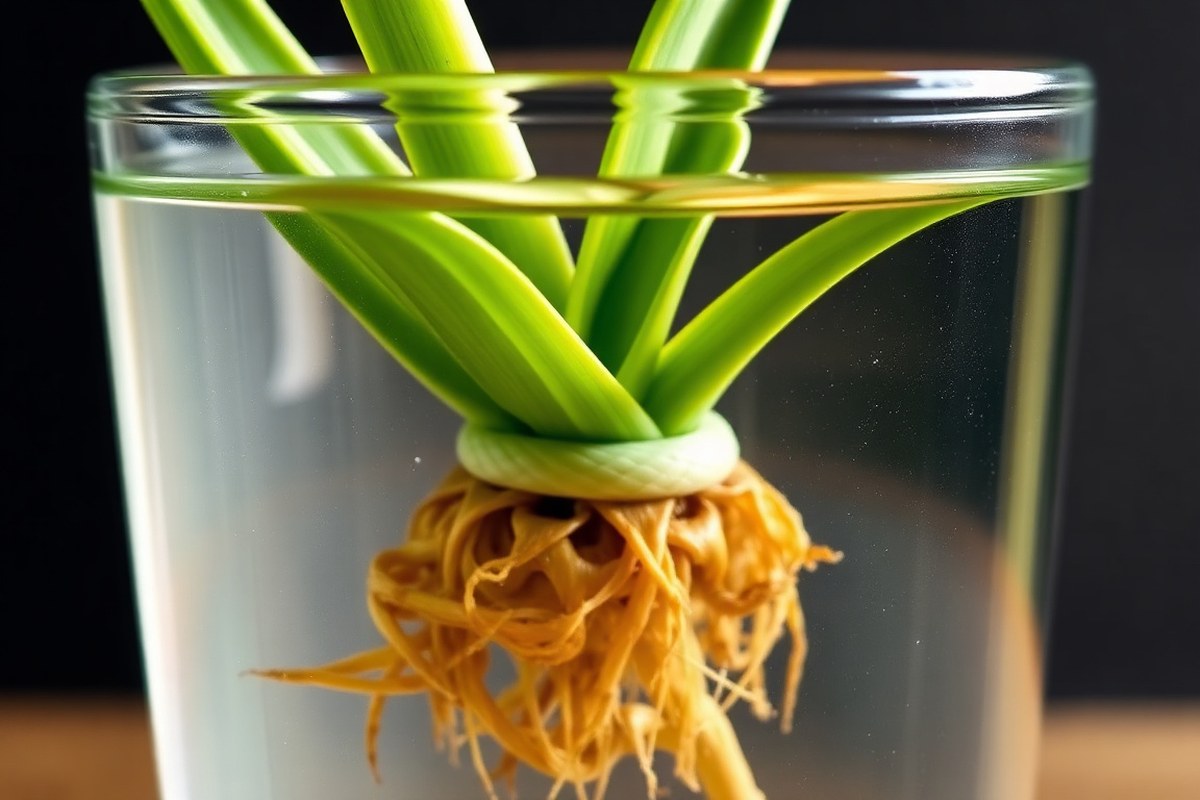
Snake plants can live in water permanently, but they need special care. They start growing roots in 2 to 3 months after you place cuttings in water. After roots grow, the plant can live in water for months.
You must control light, nutrients, and water quality well. This helps keep the plant healthy for years.
Growing snake plants in water usually slows their growth compared to soil. The lack of soil means they get fewer nutrients naturally. So you must add mild fertilizer occasionally.
New leaves can still grow while the plant lives in water. But expect slower leaf production and smaller leaves than in soil.
Proper water care prevents root rot, a common worry. Keep the water clean and change it every 2 to 3 weeks to avoid bacteria buildup. Use a clear container so you can watch root health closely.
But you might want to cover it to block excess light, which can cause algae. Keep the water temperature between 65 and 80 degrees Fahrenheit.
This matches the snake plant’s natural environment. It helps the plant grow well.
How to Propagate Snake Plants Successfully in Water

Propagating snake plants in water is easy and effective when you use leaf cuttings. Roots usually appear within 4 to 6 weeks. Preparing the cuttings properly and following the right steps helps you grow healthy new plants.
Choosing Leaf Cuttings or Sections
Select healthy, mature leaves from your snake plant for the best results. Cutting the leaves into 3 to 4-inch sections works well because each piece can develop roots. Make sure every section has a pointed end to support new growth.
It’s a good idea to take several cuttings at once. This way, you can watch which ones root faster.
You also have backup cuttings. Some might take longer to root.
Allowing Cuttings to Callus Before Water
After cutting leaf sections, let them dry for a day. Two days is also fine. Then place them in water.
This drying forms a callus, which prevents the cuttings from rotting. The callus acts as a natural seal for the cut surface.
Keeping them in a warm, dry spot speeds up the callus process. Don’t put fresh cuttings straight into water or damp soil.
This can cause root rot quickly. Let them dry first.
Timeline for Root Growth and Signs of Success
Roots usually appear 4 to 6 weeks after placing cuttings in water. Be patient during this time. Check for roots weekly.
Early on, expect some drooping as the cutting adjusts but no heavy wilting. By the third or fourth week, small root tips should be visible.
By week 5 or 6, roots will lengthen and look healthy and white. At this stage, you can add a quarter-strength liquid fertilizer to help growth. Clean water regularly to prevent algae and keep roots healthy.
- Cut healthy leaves into 3 to 4-inch sections, keeping the pointed ends.
- Let the cut sections dry in a warm spot for 1 to 2 days to callus.
- Fill a clear glass jar or plastic cup with room temperature water.
- Place the cuttings in water with the pointed end down.
- Change the water every 1 to 2 weeks to keep it clean.
- Watch for root growth starting 4 weeks after placing cuttings in water.
- Add a quarter-strength liquid fertilizer after 5 to 6 weeks when roots develop.
- Transfer rooted cuttings to soil or keep growing in water as preferred.
Tip: Avoid direct sunlight on cuttings in water. Too much light speeds algae growth and stresses the cuttings.
Optimal Water and Container Conditions for Water-Grown Snake Plants
Use a clear, clean container like glass or plastic jars for water-grown snake plants. It helps you check root health and spot water cloudiness. Fill the container with filtered water just enough to cover the roots.
Keep the leaves dry. Wet leaves can cause rot.
Filtered water is best because it contains some minerals and fewer chemicals. Distilled water lacks minerals, which the plant needs.
Tap water might have chlorine or fluoride that can harm roots. Change the water every 2 to 4 weeks to stop bacteria and fungus build-up.
Keep water 1 to 2 inches above the roots or cuttings. Avoid covering the leaf bases. This prevents leaves from rotting but keeps roots moist.
Add 2 to 3 drops of liquid fertilizer when you change the water. Water alone does not have nutrients.
| Factor | Soil-Grown Snake Plant | Water-Grown Snake Plant |
|---|---|---|
| Average Growth Rate (cm/month) | 2.5 | 0.8 |
| Root Rot Incidence (%) | 12% | 45% |
| Lifespan (years) | 10, 15 | 3, 5 (with maintenance) |
| Watering Frequency | Every 2, 6 weeks | Weekly water changes |
| Nutrient Supplementation | Biannually recommended | Monthly required |
You want a fresh water supply to reduce root rot risk, which is higher in water. Bright, indirect sunlight and temperatures above 60°F also help roots stay healthy. Snake plants store water in their leaves, so they need drying between water exposure.
Rotate the container occasionally to let all roots face light. Avoid overfilling the container, or leaves may sit in water and decay. Following these tips keeps your water-grown snake plant thriving longer and looking great indoors.
Light and Temperature Requirements for Snake Plants in Water
Snake plants grow best in bright, indirect light when placed in water. Direct sunlight can cause algae to grow on the water surface and harm the plant’s roots. They do tolerate low light, but growth slows and leaves may lose vibrancy.
Keep water-grown snake plants in temperatures from 50 to 95°F. That’s 10 to 35°C. Make sure the spot doesn’t get colder or hotter than this. Avoid sudden temperature changes, as they stress the plant and can stunt growth. Much cooler or hotter environments cause leaf damage or root problems in water.
Place your snake plant near an east- or north-facing window for gentle light. You can also use fluorescent or LED grow lights if natural light is weak.
In low light spots, expect slower growth. It’s fine for a low-maintenance look, but your plant won’t thrive as well.
Too much light encourages algae, which competes with the snake plant for nutrients. Move the plant away from bright windows when you see algae.
Or cut artificial light to 8-10 hours daily. Change the water regularly to keep it clean and avoid root rot.
Maintaining a stable temperature and proper light ensures your water-grown snake plant stays healthy indoors. Watching for dull or yellowing leaves can tell you if light or temperature is off. Adjust these, and your snake plant will add green beauty to your space with minimum fuss.
Fertilizing and Nutrient Management for Water-Grown Snake Plants
Snake plants can live in water but will need fertilizer eventually. Water alone supports early growth, but plants need extra nutrients for long-term health. You should add diluted liquid fertilizer every 4 to 6 weeks during the growing season.
A balanced fertilizer with a 7-9-5 ratio works well. Use only a few drops per quart of water.
Adding too much fertilizer causes nutrient buildup and can burn roots. Change the water every 2 to 4 weeks to avoid algae and root rot.
- Add a drop of liquid fertilizer per quart of water every 4-6 weeks.
- Use a balanced fertilizer like 7-9-5 or something similar for indoor plants.
- Check for yellowing leaves or weak growth as signs of nutrient deficiency.
- Watch for slimy roots or a bad smell, which might mean too many nutrients.
- Replace water fully every 2 to 4 weeks to limit algae and keep nutrients balanced.
Yellow leaves usually mean your snake plant lacks nutrients. If you see this, add fertilizer carefully. Otherwise, growth may slow, and your plant looks tired.
Signs of excess fertilizer include root rot and algae growth. Too many nutrients can harm roots and stunt development.
Always dilute fertilizer well before adding it to water. Strong solutions can damage roots quickly.
Step-By-Step Guide to Transitioning Snake Plants from Soil to Water
Transitioning a snake plant from soil to water takes care and patience. You will likely lose some roots in the process.
So expect to trim damaged ones. Avoiding root rot means giving roots clean water and good air flow.
Preparing the Plant and Trimming Roots
Start by choosing a healthy snake plant with no visible rot or pests. Gently remove it from the soil and shake off as much dirt as you can. Carefully inspect the roots and trim off any brown or mushy parts with sterilized scissors.
Here’s a step-by-step list to prepare your snake plant:
- Loosen and remove the plant from its soil pot without damaging roots.
- Shake or rinse off soil gently using room temperature water.
- Inspect roots for any that are soft, brown, or mushy.
- Use sterilized scissors to cut off unhealthy or dead roots cleanly.
- Trim back any damaged leaf tips to reduce stress on the plant.
- Pat roots dry with a clean towel to reduce excess moisture.
Cleaning and Acclimating Roots to Water
After trimming, rinse the roots with fresh water to remove leftover soil. Place the plant in a clear glass or vase filled with fresh, room temperature, non-chlorinated water. Keep roots fully submerged but avoid letting leaves touch the water to prevent rot.
Change the water every 1 to 2 weeks. This keeps oxygen levels high. It also helps stop bacteria growth.
Use filtered or dechlorinated tap water to avoid chemicals harmful to roots. Position the container in bright, indirect light to help plants adjust slowly.
Monitoring Early Signs After Transition
Check the leaves and roots closely over the next few weeks. Yellowing leaves can mean root rot. Cut out the rotted roots.
Change the water more often. Brown or slimy roots are a bad sign.
You should cut back some roots. Set up fresh water for the plant.
When your snake plant has no healthy roots after 2 to 3 months, move it back to soil. Wait for roots to look white and sturdy before this. Switching back too early can stress the plant, so be patient during this stage.
Common Problems with Water-Grown Snake Plants and How to Fix Them
Root rot is the main problem in water-grown snake plants. It shows up as mushy, dark roots and yellow or wilting leaves. You’ll often notice a sour smell from the water or plant base when rot starts.
Lower the water level so it just covers the roots, not the leaves, to prevent this. Always check your roots for any soft, slimy spots and trim them using clean scissors.
Algae and bacterial growth can cloud the water and suffocate roots. This happens when water isn’t changed often or the plant sits in direct sunlight. Algae turns the water green and slimy, while bacteria make it smell bad.
Change the water every one to two weeks. Keep the plant in indirect light.
Avoid placing it in direct sun. Clean your container during water changes to remove any buildup.
Leaves turning yellow or wilting might mean nutrient lack. Harmful chemicals in the water can cause this too. Tap water contains chlorine or fluoride, which may cause leaf tip yellowing.
Try using filtered or distilled water to avoid this damage. Use a weak fertilizer solution to feed your snake plant.
Make it one-quarter strength, not full strength. This helps prevent root burn.
- Keep water level below leaf bases to stop leaf rot
- Change water every 1-2 weeks to avoid algae and bacteria
- Use filtered water to prevent yellow leaf tips from chemicals
- Trim soft, slimy roots promptly to fight root rot
- Use quarter-strength fertilizer during growing season only
- Place plants in indirect light to reduce algae and water heat
Watch for a sour smell or slimy water; they mean trouble. When roots decay, cut off the bad parts and refresh the water. Avoid full-strength fertilizer to stop burning your roots.
Keeping the water clean with frequent changes is key, even though it takes more effort. Your snake plant will show greener, firmer leaves when treated right.
Seasonal and Environmental Tips for Thriving Snake Plants in Water
Snake plants in water can stay healthy all year with some care changes. Adjust your watering, light, and protection depending on the season. Avoid cold spots to stop stress on the roots and leaves.
Winter Care and Supplemental Lighting Options
In winter, snake plants grow slower due to less light and lower temperatures. Adding a grow light can make a big difference. Place the light 6 to 12 inches above the plant for 10 to 12 hours daily.
Check the water often because colder temperatures slow evaporation. Change water every two weeks to keep it fresh and oxygen-rich. Warmer indoor air means less frequent water changes, but don’t wait too long.
Protecting Water-Grown Plants from Cold Drafts
Snake plants dislike drafts and cold spots below 40°F. Cold water shocks the roots, causing leaf yellowing or rot. Keep your plant away from windows or doors that let in cold air.
During winter, put water-grown snake plants in a warm spot. Avoid placing them too close to a heater. A heated room works well.
Avoid sudden temperature swings. Keep snake plants outdoors in summer. Bring them inside before fall’s cold temperatures arrive.
Avoid putting your snake plant near air conditioners or entryways that get cold drafts.
Seasonal Fertilizing and Water Change Adjustments
Snake plants need less fertilizer in fall and winter. Cut back to feeding once every 6 to 8 weeks. Use a diluted, balanced liquid fertilizer suitable for hydroponic plants.
In spring and summer, when growth picks up, feed every 3 to 4 weeks. Change water more often, about every 1 to 2 weeks, to supply fresh nutrients. Take time to gently wipe off roots and container to prevent buildup.
- In cold months, maintain water at about 65°F to 75°F
- Reduce fertilizer strength to half in winter
- Keep room temperature above 55°F near the plant
- Use filtered or distilled water to limit minerals
- Replace water every week during warm seasons
- Use a small aquarium air pump sometimes for oxygen
Step-by-Step Action Plan for Growing Snake Plants in Water
Follow these steps to grow your snake plant successfully in water. Check each step so you know your plant is on track.
- Before you start: Choose a healthy snake plant leaf or section. Look for firm, green leaves without spots.
- Day 1: Cut the leaf into 4-6 inch pieces. Let the cut ends dry for 1-2 days to avoid rot.
- Day 3: Place the cut ends in clean water. Use a clear container to watch root growth.
- Week 1: Change the water twice and check roots. Healthy roots will start as small white tips.
- After 3 weeks: Add a water-soluble fertilizer at half strength. Watch for stronger root and leaf growth.
- Month 2: Move the plant to bright, indirect light. Leaves should stay firm and vibrant.
- Ongoing: Refresh water weekly, keeping it clean and oxygenated. Remove any brown or slimy roots.
Frequently Asked Questions
Can Snake Plants Survive in Just Water Without Soil?
Yes, snake plants can survive in water but need proper care to avoid root rot. Change water often and ensure indirect light for the best results.
Is Distilled Water Better Than Tap Water for Snake Plants?
Distilled water reduces mineral buildup, which benefits snake plants in water. Tap water may harm plants if it contains chlorine or fluoride.
Can You Use Aquarium Water for Growing Snake Plants Hydroponically?
Yes, aquarium water contains nutrients but can carry pests or diseases. Use fresh, clean aquarium water with care and monitor the plant closely.
How Often Should I Change the Water When Growing Snake Plants Hydroponically?
Change water every 2 to 3 weeks to keep it fresh and oxygenated. Regular changes prevent algae growth and root rot for your plant.
Do Snake Plants Grow Faster in Water or Soil?
Snake plants grow slower in water than soil because of limited nutrients. You can help growth with regular liquid fertilizer added during water changes.
Can Snake Plants Flower When Grown in Water?
Snake plants rarely flower in water but can under optimal light and care. Flowering depends mostly on age and environmental conditions, not just growing method.
Wrapping Up
Snake plants can live and thrive in water with good care and patience. Start by cutting a healthy leaf and putting it in clean water. Keep an eye on roots and light, then enjoy your easy indoor hydroponic plant.


