

When to Start Tomato Seeds Indoors: Complete Guide to Timing & Success
Knowing when to start tomato seeds indoors is key to a healthy garden. The best time is 6 to 8 weeks before your area’s last average frost date. Starting within this window helps seedlings grow strong enough for outdoor life.
Work back from that last frost date to pick your seed starting day. This timing gives seeds enough warmth and light to sprout without getting too leggy. Keep your indoor temperature at about 70 to 80°F for faster germination.
Soak your tomato seeds in lukewarm water for 12 to 24 hours before planting. This softens the seed coat and speeds up sprouting. Watch that seedling lights stay just 2 to 3 inches above young plants for healthy growth.
Key Takeaways
- Begin sowing tomato seeds inside 6 to 8 weeks before frosts end.
- Use your local last frost date to plan your seed starting day accurately.
- Keep indoor temperatures between 70 and 80 degrees Fahrenheit for best germination.
- Soak tomato seeds in lukewarm water 12 to 24 hours before planting.
- Position grow lights 2 to 3 inches above seedlings for 12 to 14 hours daily.
- Avoid starting seeds too early; more than 3 months may cause weak plants.
When to Start Tomato Seeds Indoors for Best Results
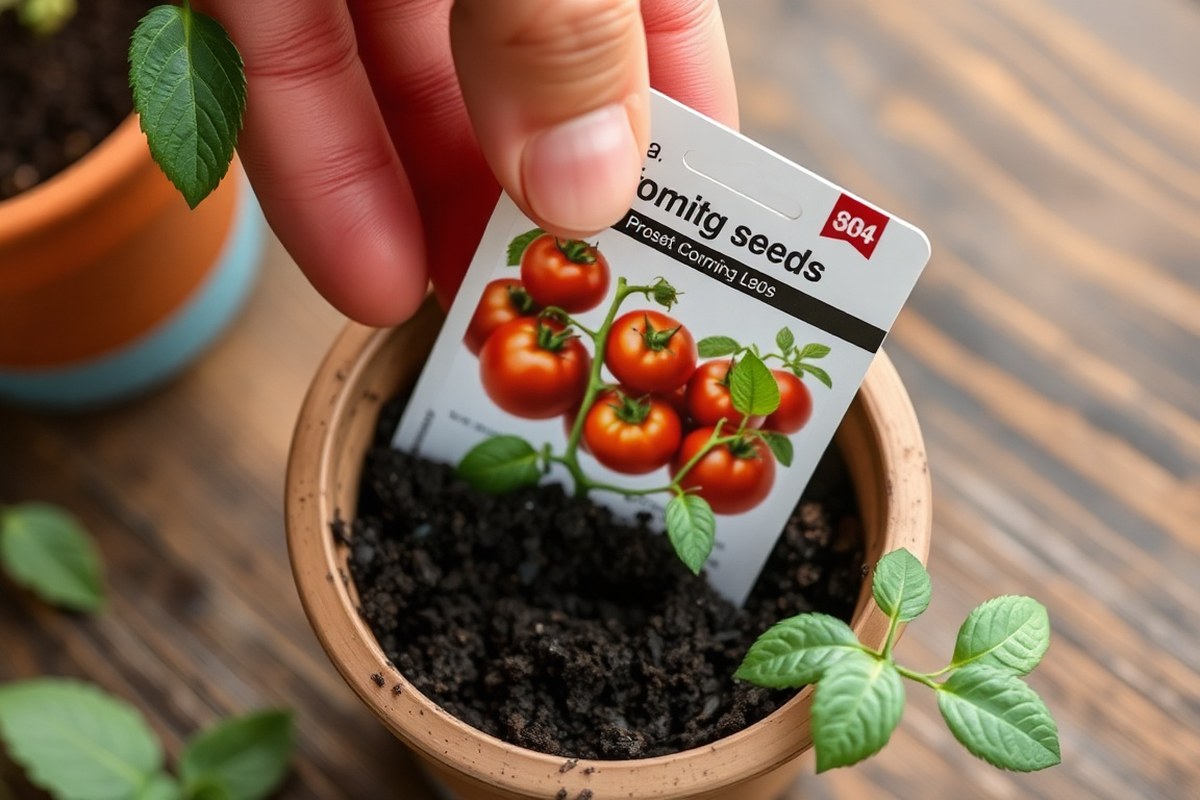
Tomato seeds should go indoors about 6 to 8 weeks before your last average frost date. This timing lets seedlings mature enough for transplanting when outdoor temperatures stay warm. Starting tomato seeds earlier than 8 weeks rarely helps.
It can cause weak, leggy plants. This happens because of low light or crowded space.
Counting back from your last frost date helps you pick the right seed starting day. For example, your last frost date is May 1st. Start seeds between March 6th and March 20th.
This gives seedlings enough time to grow. Starting seeds too late can cause weak seedlings.
They might not be strong enough to transplant. This reduces your total harvest.
Follow these steps to find the best date to sow tomato seeds indoors:
- Find your average last frost date for your area using local gardening resources.
- Count back 6 to 8 weeks from that date to set your indoor seed start window.
- Choose a specific day within that 6 to 8-week window to plant your seeds.
- Place grow lights 2 to 3 inches above seedlings. Run them 12 to 14 hours daily to prevent legginess.
- Monitor seedling growth and adjust light height as plants grow.
- Get ready to transplant seedlings after the last frost. Only do this when plants are strong. Wait for warmer weather outside.
- Avoid starting seedlings more than 8 weeks early to prevent overgrown, weak plants.
Starting tomato seeds 3 to 4 months before your last frost date is generally too early. It leads to pot-bound plants or those needing extra care indoors to stay healthy. Keeping timing close to 6 to 8 weeks balances growth and hardiness for transplant.
Starting seeds late means shorter time indoors. Plants need at least 6 weeks to grow well. This limits transplant success.
Choose fast-maturing tomato varieties. They help if you must start your seeds late. Proper light and warmth indoors speed seedling growth even if you start later than usual.
How to Find Your Last Frost Date Accurately
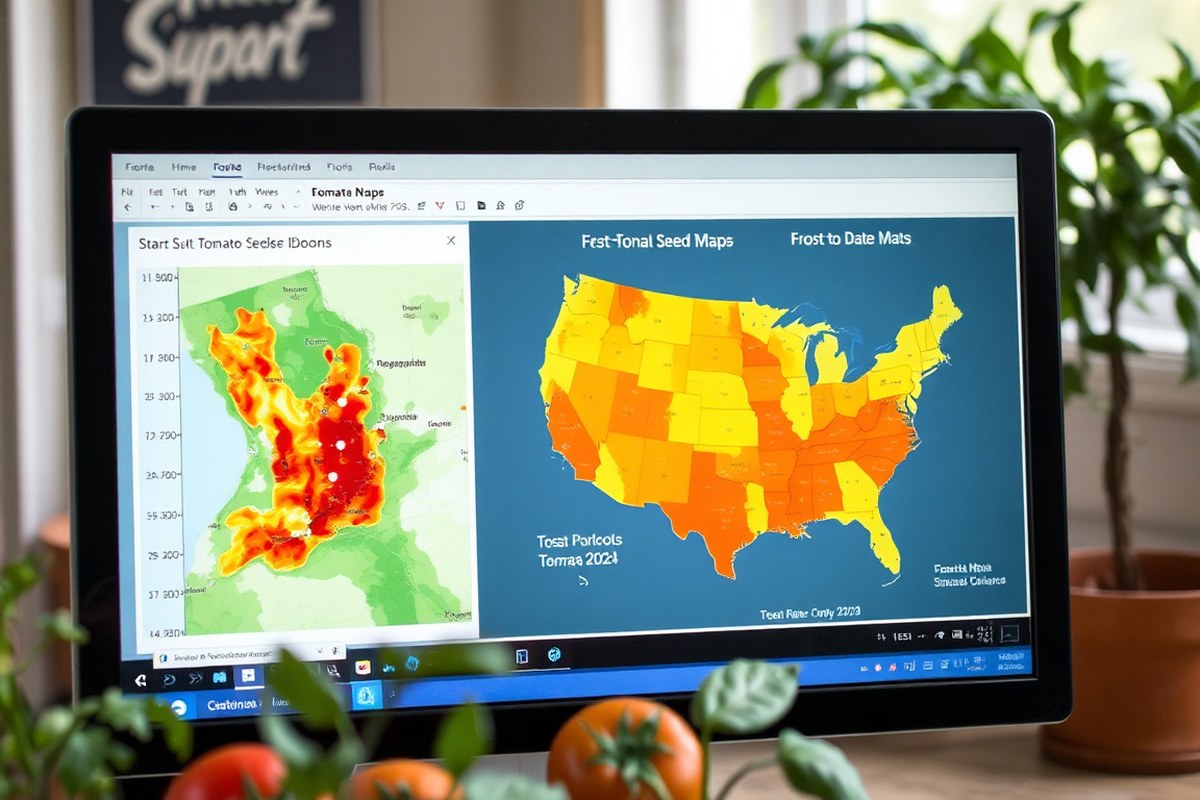
Your average last spring frost date is the date when frost rarely happens after it. It changes by location and year. So check local sources before starting tomato seeds indoors.
Knowing this date helps you plan when to start your seeds. Count back 6 to 8 weeks from this date. That gives you the best sowing day.
The USDA Hardiness Zones describe average coldest winter temperatures but don’t give frost dates directly. They help locate your zone, but frost dates come from historic weather records. Find your town or county’s last frost date for tomato seeds.
Use this date to time your early planting. It prevents planting too soon.
Several good websites provide frost date info for your location. The National Gardening Association and local extension services often publish average frost dates online. Enter your zip code on sites like the Old Farmer’s Almanac.
These sites show frost date ranges for your area. They help you plan gardening. Using these tools, you can build a planting calendar based on your zone and last frost.
- Check the National Gardening Association online for local frost info
- Use the USDA Plant Hardiness Zone Map to find your zone
- Visit local cooperative extension or university websites for frost dates
- Try the Old Farmer’s Almanac frost date lookup by zip code
- Keep a personal log of frost dates from past years if possible
Last frost dates aren’t exact and shift year to year because of weather changes. Track your area’s frost history with online weather archives or a garden journal.
This helps you avoid planting too early in a cold spring. Your best bet is to wait a little after the average frost date to protect seedlings.
Start seeds indoors about 6 weeks before your last frost date. This avoids frost damage to young tomato plants. It gives them time to grow safely.
How Tomato Variety Affects Seed Starting Timing
Different tomato varieties need different indoor seed starting times. You should change when to plant seeds based on the kind. Also, consider how long before you can move them outside.
This helps plants grow healthy in your garden. Heirlooms, indeterminate, and cherry tomatoes all have unique timing needs.
Heirloom vs. Hybrid Timing
Heirloom tomatoes usually take longer to grow indoors before transplanting. Most heirlooms are indeterminate and need about 8 weeks to grow strong. Hybrid tomatoes often require less time, about 6 weeks, because they mature faster.
Starting heirloom seeds earlier helps you avoid late-season planting risks. You give them enough time to develop into healthy seedlings that handle outdoor weather better. Hybrids are a good choice when your growing season is shorter.
Indeterminate vs. Determinate Growth Rates
Indeterminate tomatoes are vining types, so they grow taller and take longer indoors. They usually need a full 8 weeks from seed to transplant. Determinate tomatoes grow like bushes and mature faster, usually in 6 to 7 weeks.
Starting indeterminate seedlings late can make them weak or leggy. Determinate types can be started closer to transplant time. Consider your indoor space: indeterminate plants need more room to grow big before moving outside.
Adjusting for Cherry Tomato Varieties
Early cherry types mature faster than other tomatoes. They only need about 6 weeks indoors before moving outdoors. This short indoor phase helps them avoid getting root-bound or stretched out.
Use cherry tomatoes if you want quicker harvests or have less indoor space. Their faster germination and smaller mature size make them easier to manage inside. This lets you start seeds closer to your last frost date without stress.
Here’s a table comparing seed starting times and transplant ages for common tomato types:
| Type | Start Before Last Frost | Transplant Age |
|---|---|---|
| Early cherry varieties (55, 65 days) | 6 weeks | 6 weeks old, 6, 8″ tall |
| Main-season varieties (70, 80 days) | 6, 8 weeks | 6, 8 weeks old, 8, 10″ tall |
| Late beefsteak varieties (80+ days) | 8 weeks | 8 weeks old, 10, 12″ tall |
| Determinate/bush types | 6, 7 weeks | 6, 7 weeks old |
Use this table to pick your seed starting time based on your favorite tomato type. Match the timing to your local last frost date and how much space you have indoors. This way, your plants will be healthy and ready to grow strong once outside.
Ideal Indoor Conditions for Tomato Seed Germination
Tomato seeds need warm soil, steady humidity, and plenty of light to sprout well indoors. Soil should stay between 68°F and 85°F. Seedlings require 14 to 16 hours of strong light daily to avoid legginess and grow sturdy.
Maintaining Proper Soil Temperature
Keeping the soil warm helps tomato seeds germinate faster and evenly. Aim for 70°F to 80°F soil temperature at all times. Air temperature can be slightly cooler but near this range works best.
A heating mat under seed trays or pots is a simple way to keep soil warm. These mats raise soil temperature by about 15°F to 20°F above room temperature. You can find basic mats for $20 to $40 online or in garden stores.
Use a thermostat to control the heating mat. Set it to keep soil between 70°F and 80°F. Avoid overheating, which can dry the soil or damage seeds.
Lighting Needs for Strong Seedlings
Tomato seedlings need about 14 to 16 hours of bright light daily. Natural sunlight indoors often isn’t enough during late winter or early spring. Use a fluorescent or full-spectrum LED grow light.
Place it 4 to 6 inches above seedlings. This height gives the best results.
Strong light under 6 inches prevents seedlings from stretching and getting leggy. Keep lights on a timer for consistent daily hours.
Light that is weak or less than 14 hours delays growth. Wait 3 to 5 days before sowing in these cases.
Give each seedling space to avoid crowding. Crowded plants shade each other and become tall and weak.
Use containers that hold at least 1 gallon for 2 to 3 plants. This helps air and light flow well.
Humidity and Air Circulation Tips
Tight humidity control helps avoid mold and keeps seedlings healthy. Keep humidity moderate, around 50 to 70 percent. Use a spray bottle to mist soil gently without soaking.
Good air circulation helps prevent diseases and stops soil surface crusting. Set a small oscillating fan near seedlings on low speed. Keep it moving air but not directly blowing on plants to reduce stress.
- Place seed trays on a heating mat and plug it into a thermostat.
- Adjust thermostat to keep soil temperature between 70°F and 80°F.
- Position fluorescent or LED grow lights 4 to 6 inches above seedlings.
- Set lights on a timer for 14 to 16 hours daily.
- Mist soil with water once or twice daily to keep it moist but not wet.
- Arrange seedlings with enough space in 1-gallon or larger pots to avoid crowding.
- Turn on a small oscillating fan nearby for gentle air circulation.
- Check soil and air temps daily with a thermometer for steady warm conditions.
Preparing and Planting Tomato Seeds Indoors
Your tomato seeds do not need soaking before planting. Planting them dry works well and avoids seed rot. Use a fine, sterile seed-starting mix to give seeds the best chance to sprout.
A quality seed-starting mix feels light and crumbly. It drains well but holds enough moisture to stay damp. Avoid heavy garden soil.
It holds too much water. This can rot seedlings.
Choose small containers or seed trays with drainage holes. This helps keep the soil moist but not soggy. Keep containers in a warm spot between 70° and 80°F for best germination.
Plant each seed about 1/4 inch deep in the moist soil. Space seeds about 1 to 2 inches apart if sowing in a tray. Cover them lightly with soil, then water gently to settle the soil without washing seeds away.
- Fill container with moist seed-starting mix, leaving 1/2 inch space at the top.
- Sow tomato seeds 1/4 inch deep, spacing 1 to 2 inches apart.
- Cover seeds lightly with soil and press gently to firm.
- Water carefully with a spray bottle or gentle stream to avoid displacing seeds.
- Place container in a warm spot or on a heat mat set to 75° to 80°F.
- Keep soil consistently moist but not wet by checking daily and watering as needed.
- Once seedlings appear, give them plenty of light to avoid leggy growth.
Too deep or too wet planting can stop seeds from sprouting or cause mold. Keep soil moist and shallow for best results.
Hardening Off Tomato Seedlings Before Outdoor Transplant
Hardening off is the process of slowly getting tomato seedlings used to outdoor conditions. You start about a week before moving them to your garden. This helps prevent shock from sun, wind, and cooler temperatures.
Day 1, 2: Initial Outdoor Introduction
Begin on mild, overcast days to avoid sunburn. Put seedlings in bright shade for just 1 to 3 hours. Make sure they’re sheltered from wind and bring them inside before the leaves show stress.
This gentle start helps seedlings adjust to outdoor light and temperature. Avoid direct sunlight and strong wind at this stage for best results.
Day 3, 5: Increasing Sun and Wind Exposure
Gradually increase the time seedlings spend outside each day. Start adding short periods of direct sun, about an hour or two. Expose them to gentle breezes to build wind tolerance.
Watch the seedlings closely for signs of wilting or leaf burn. Bring them indoors at night to protect from cold temperatures. The goal is to toughen them up slowly without damage.
Day 6, 7: Full Day Outdoor Conditioning
By days six and seven, seedlings can spend full days outside in sun and wind. Move tomato seedlings to their final spot outdoors when it’s warm. Make sure the soil isn’t cold anymore.
This helps the plants grow better. Continue to bring them indoors at night until you transplant.
This final stage prepares seedlings for real garden stress. Cold soil slows growth and a late frost can kill them, so timing matters. Follow these steps for a smooth hardening-off process:
- Choose a mild, cloudy day to start.
- Place seedlings in a shaded, protected spot for 1, 3 hours on days 1, 2.
- Gradually increase outdoor time by 1, 2 hours each day.
- Introduce 1, 2 hours of direct sunlight during days 3, 5.
- Let seedlings experience gentle outdoor wind daily.
- Bring plants indoors each evening to avoid cold stress.
- On days 6, 7, leave seedlings outside for the full day in sun and breeze.
- Plant only once both air and soil temperatures stay warm and frost risk ends.
Adjusting Seed Starting Timing by Growing Zone and Indoor Setup
Your USDA zone shapes when to start tomato seeds indoors. Cooler zones with shorter growing seasons need you to start seeds earlier. Warmer zones with longer seasons let you start seeds closer to the last frost date.
Strong indoor lighting and heat mats shift your start date earlier. Lights that provide about 12 to 16 hours daily help seedlings grow faster.
A heat mat keeps soil around 70 to 80°F, speeding germination. Using just sunlight or weak bulbs means slower starts and waiting longer.
Here’s a rule of thumb for adjusting your seed-start date by USDA zone:
- Zone 3 to 5: Start seeds 8 to 10 weeks before last frost
- Zone 6 to 7: Start seeds 6 to 8 weeks before last frost
- Zone 8 to 10: Start seeds 5 to 6 weeks before last frost
Stronger indoor setups reduce the time you need. Cooler homes or greenhouses may delay germination unless you add heat. Placing trays in warmer spots or using heat mats helps seeds sprout faster and healthier.
Here’s a comparison of seed-starting timing based on your indoor setup and USDA zone:
| USDA Zone | Basic Light, No Heat Mat | Strong Grow Light, No Heat Mat | Strong Light & Heat Mat |
|---|---|---|---|
| 3 to 5 | Start 10 weeks before last frost | Start 9 weeks before last frost | Start 8 weeks before last frost |
| 6 to 7 | Start 8 weeks before last frost | Start 7 weeks before last frost | Start 6 weeks before last frost |
| 8 to 10 | Start 6 weeks before last frost | Start 5.5 weeks before last frost | Start 5 weeks before last frost |
Cooler indoor temperatures below 65°F slow down seed sprouting and growth. You can raise soil warmth by using a heat mat that costs $20 to $40.
Place it under your seed trays. Use a thermostat to keep soil at 75°F. This setup cuts germination time from about 10 days to as little as 5 days.
If your home lacks strong lighting, use a full-spectrum LED grow light with a timer. Keep lights 2 to 4 inches above seedlings.
Run lights 14 to 16 hours daily to mimic summer sun. That approach helps seedlings avoid getting leggy and weak.
Common Tomato Seed Starting Mistakes and How to Fix Them
Starting tomato seeds too early often leads to leggy seedlings. They grow tall and thin, using up energy before they hit the garden. These weak stems can cause stunted growth or wilting once transplanted.
Your seedlings look leggy? Move them into a deeper pot.
Cover the stem with fresh soil up to the first leaves. This gives the plant a strong base and helps it grow sturdier roots.
Soil that stays too wet or too dry will slow seed germination and kill seedlings quickly. Overwatering causes root rot, while dry soil stops seeds from sprouting. Make sure the soil stays evenly moist but not soggy.
- Don’t start seeds more than 6 weeks before the last frost date.
- Use a light soil mix that drains well and avoids compaction.
- Keep soil temperature around 70°F for best germination rates.
- Give seedlings plenty of bright, indirect light to prevent legginess.
- Water gently from the bottom or mist to keep moisture even.
- Use a fan or open window to strengthen seedlings with airflow.
- Pot up seedlings early if they stretch too tall in shallow trays.
The timing of seed starting depends on your growing zone. Starting seeds 4 to 6 weeks before the last frost usually works well. This window keeps seedlings strong and ready to adjust outdoors.
Seedlings need good light right away. Without it, they stretch toward any light source, looking weak.
Keep your light 12 to 18 inches above seedlings. Turn lights on 12 to 16 hours daily.
Too much warmth dries seedlings fast. Keep soil warm but not hot to avoid stress.
Adjust moisture carefully in your setup. Use a spray bottle or bottom watering to avoid disturbing young roots. Check soil daily and water only when the top inch feels dry to the touch.
Step-by-Step Action Plan for Starting Tomato Seeds Indoors
Follow this simple plan to begin growing tomato seedlings indoors on time. Each step helps your plants grow strong and ready for the garden.
- Six to eight weeks before last frost: Pick tomato seeds that suit your region and space. This helps your plants grow well indoors. Start early to give seedlings enough time to develop. Pick varieties that match your growing zone for best results.
- Five to seven weeks before last frost: Prepare your seed trays with quality seed-starting mix. Plant seeds 1/4 inch deep and keep the soil moist but not soaked.
- Immediately after planting: Place trays in a warm spot (70-80°F). Use a heat mat if needed to help seeds sprout within 5 to 10 days.
- First week after sprouting: Provide 12 to 16 hours of bright light daily. A grow light or sunny south-facing window will prevent seedlings from stretching.
- Two weeks after sprouting: Cut out weaker seedlings at soil level. Leave the strongest seedling in each cell. This prevents overcrowding and helps healthy growth. This avoids crowding.
- Three to four weeks after sprouting: Water plants from the bottom or lightly on soil. Avoid wetting leaves to stop diseases. Keep soil moist but not soggy. Avoid wetting leaves to prevent disease.
- One to two weeks before transplant: Begin hardening off seedlings. Take them outside for a few hours daily, increasing time and sun exposure slowly.
- On transplant day: Plant your tomatoes outside after the last frost date. Choose a warm, sunny spot and water them well after planting.
Frequently Asked Questions
How Long Does It Take for Tomato Seeds to Germinate Indoors?
Tomato seeds usually take 5 to 10 days to germinate indoors. Keep soil moist and warm around 70°F for best sprouting.
Can I Start Tomato Seeds Indoors Earlier Than 8 Weeks Before the Last Frost?
Starting seeds earlier than 8 weeks risks leggy, weak seedlings. They get too tall before transplant.
What Indoor Light Setup Works Best for Tomato Seedlings?
Use a bright grow light placed 2 to 3 inches above seedlings. Keep light on 12 to 16 hours a day.
How Often Should I Water Tomato Seedlings Started Indoors?
Water tomato seedlings when the top 1 inch of soil feels dry. Avoid overwatering; soil should be damp but not soggy.
Should I Fertilize Tomato Seedlings Before Transplanting?
Fertilize seedlings lightly once they develop their second true leaves. Use a diluted balanced fertilizer to avoid burning roots.
Can I Reuse Seed Trays for Tomato Seeds Starting Indoors?
You can reuse seed trays if cleaned well with soap and water. This prevents disease spreading to new seedlings.
Key Points to Remember
Starting tomato seeds indoors at the right time sets the stage for a healthy garden. Check your last frost date and plan backward from there. Get your seeds ready today and watch your seedlings thrive.




3 Comments