How to Drive FWD in Snow: Complete Guide with Proven Tips
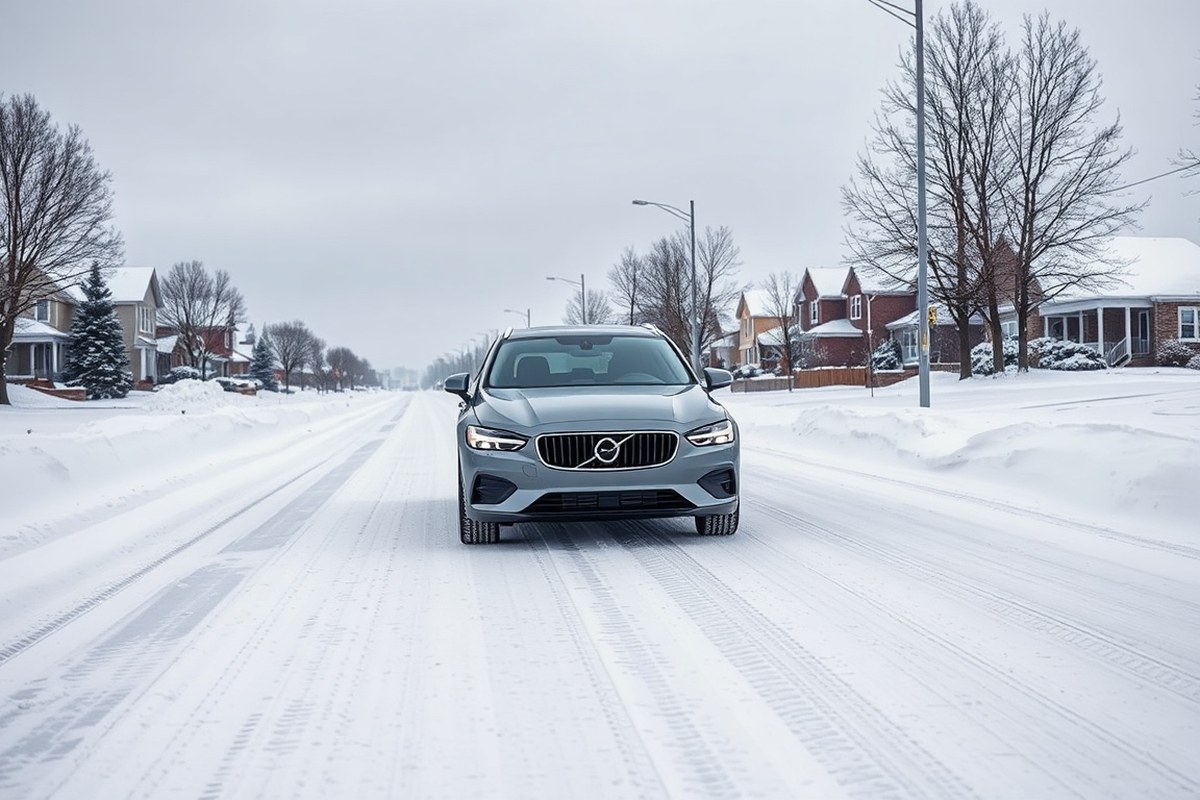
Understanding how to handle FWD in snow requires knowing its strengths. Front-wheel drive performs well on light or moderate snow by pulling your vehicle forward. The engine’s heft rests above the front wheels, improving traction and holding grip.
Start by fitting your FWD car with quality winter tires. This change cuts your stopping distance nearly in half.
Avoid sudden starts or sharp steering moves, which can cause slipping. Keep a smooth, steady pace and watch for changes in snow depth to stay in control.
FWD struggles in deep snow over 6 inches or steep icy hills. That’s when four-wheel drive is a better choice.
Most drivers do fine with the right tires and cautious driving. Knowing when to slow down or stop matters as much as how you drive.
Key Takeaways
- Use winter tires on your FWD vehicle to improve snow traction and control.
- Drive smoothly to avoid sudden steering, braking, or rapid acceleration.
- Keep at least a three-second following distance on snowy roads.
- Stop or avoid driving if snow depth exceeds six inches or roads are icy.
- Shift gently and use low gears going uphill to maintain traction.
- Clear snow from all tires and under the car before driving.
Is Front-Wheel Drive Effective for Snowy Roads?
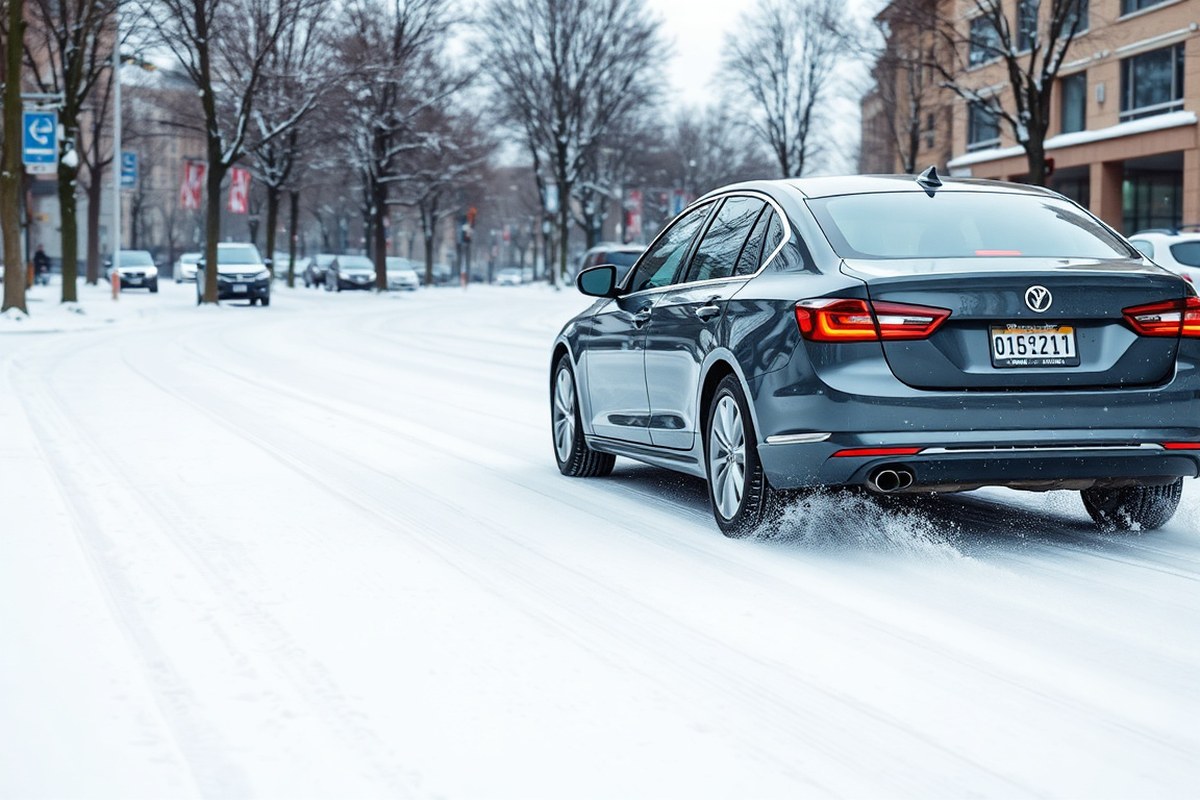
Front-wheel drive (FWD) has good traction on snowy roads. The engine’s weight sits over the driving wheels. This helps with grip.
This setup helps FWD cars hold snow better than rear-wheel drive (RWD). RWD vehicles often lose traction in snow.
That makes driving harder. FWD is a practical choice for everyday winter driving, especially with proper winter tires.
FWD works well in light to moderate snow. It’s not as good as all-wheel drive (AWD) in deep snow. It also struggles on steep hills.
AWD powers all four wheels, which boosts grip and control on slippery surfaces. Rear-wheel drive usually does worst in snow.
The back wheels have less weight over them. This makes them spin easily.
| Drivetrain | Snow Performance | Best Use | Limitations |
|---|---|---|---|
| FWD | Good on light to moderate snow | City streets, gentle hills | Slippery starts, limited on steep or icy roads |
| AWD | Better grip on most snowy conditions | Varied terrain, deeper snow, hills | More expensive, can cause overconfidence |
| RWD | Poor snow traction | Dry and dry pavement | Spins easily, hard to control on snow |
FWD’s main advantage is that its drive wheels also steer, making it easier to control slides. The engine’s weight over the front wheels helps with traction during acceleration.
Still, FWD doesn’t always prevent wheelspin when starting on ice or climbing steep snowy hills. So you must be gentle on the gas.
A major limitation of FWD is its stopping and turning on ice or packed snow. It’s easier to lose traction under braking. So you need to keep more stopping distance.
FWD cars can understeer when turning fast on slippery roads. This means they keep going straight instead of turning. It can be dangerous.
Using winter tires makes the biggest difference for FWD cars on snow. These tires have special treads and rubber that stay softer in cold temperatures, improving grip.
Even the best drivetrain won’t help without winter tires. So always choose them if you expect snowy or icy roads.
Preparing Your FWD Vehicle for Winter Conditions
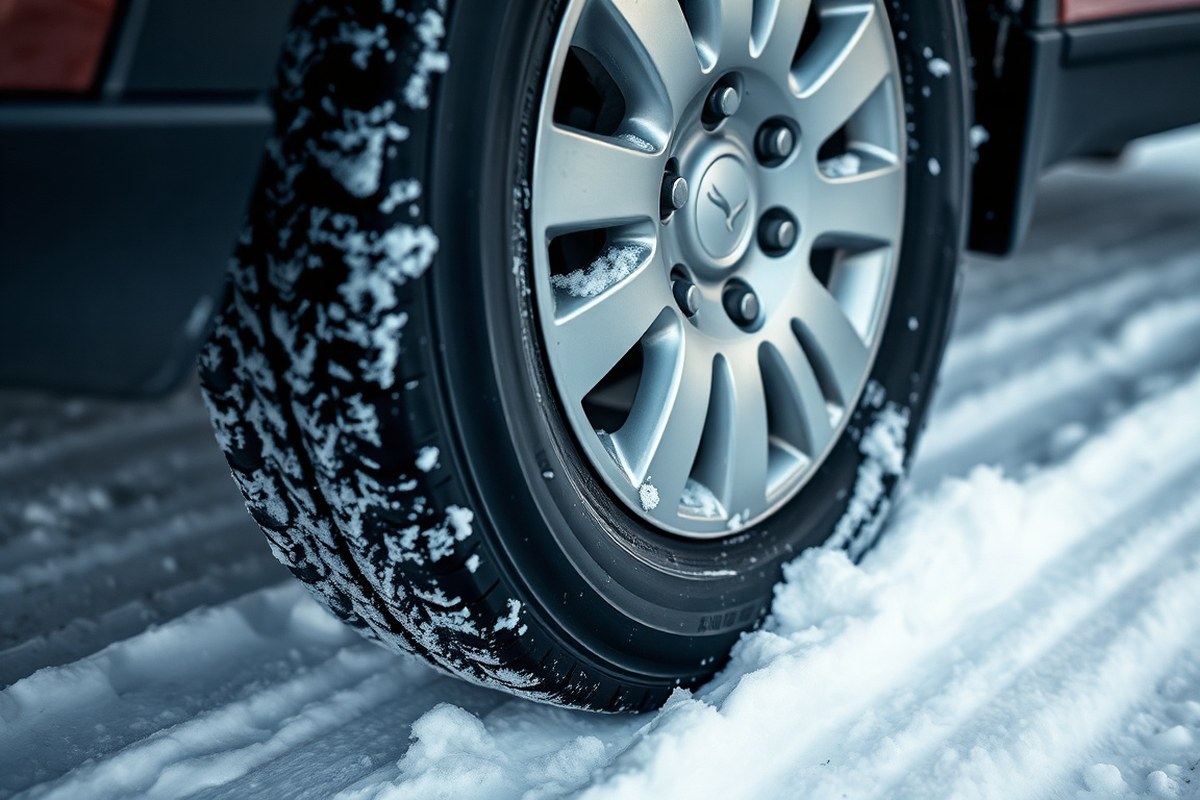
Winter tires are the best choice for FWD cars in snowy conditions. They provide deeper tread and softer rubber to grip cold, icy roads.
Avoid all-season tires when snow and ice are common. Pick tires marked with the mountain and snowflake symbol for true winter performance.
Prepare your car by checking tire tread depth. Make sure it’s at least 6/32 inches for good snow traction. Keep tires inflated to the pressure listed on your door jamb.
Check battery health since cold weather strains it more than usual. Fill your windshield washer fluid with a winter formula to prevent freezing.
FWD cars do better when they have a balanced load. So remove heavy items in the trunk that can unbalance your ride.
Also, keep your gas tank at least half full during winter to avoid fuel line freeze. Test your brakes before heading out to ensure they’re responsive on slick surfaces.
- Install high-quality winter tires with good tread depth
- Check tire pressure regularly, especially before trips
- Maintain battery and replace if older than three years
- Use winter windshield washer fluid and keep wipers in good shape
- Keep essential emergency gear: shovel, ice scraper, and warm blankets
- Carry sand or kitty litter for extra traction
- Pack jumper cables and a flashlight with fresh batteries
Emergency gear can save you in a winter roadside situation. A small, sturdy shovel helps if you get stuck in snow. Ice scrapers clear frost quickly, keeping visibility clear before driving.
Keep warm blankets and extra clothes in case you get stranded. Sand or kitty litter helps when your tires spin on ice. Jumper cables allow you to boost your battery if it dies.
Never drive on worn tires or without an emergency kit in snowy conditions.
Controlling Traction and Stability in Snow with FWD
Keeping traction in snow with a front-wheel drive car needs smooth control. You should stay steady when driving. Avoid sudden moves to keep grip on snow.
Your engine’s weight goes over the front wheels. This adds grip on snowy roads.
It works better than rear-wheel drive cars in snow. Still, gentle acceleration and careful steering are key to keeping control on slippery surfaces.
Press the gas pedal lightly to avoid spinning your front tires. Hard acceleration often breaks traction and causes wheel spin, especially on ice or deep snow.
When you turn, steer gradually without sharp or sudden moves. Fast steering can upset your balance and make the wheels slide off their path.
- Use your vehicle’s traction control system if available to prevent wheel spin.
- Keep your steering inputs slow and smooth to maintain tire grip.
- Accelerate gently from a stop and avoid sudden bursts of speed.
- Engage “snow mode” if your car offers it for better low-speed traction.
- Use winter tires for extra grip, especially below 45°F (7°C).
- Drive slower than usual to allow more reaction time and reduce slip risk.
- Keep a steady speed and don’t change lanes abruptly to stay stable.
Electronic stability control (ESC) helps by monitoring wheel speed and steering angle. It adjusts engine power and brakes individual wheels to keep you on your planned path. Traction control stops the wheels from spinning too fast.
It cuts engine power or applies brakes. This happens when slipping starts. These systems work silently but make a big difference, especially on black ice or slick patches.
Besides using these aids, watch for any dashboard warning lights. They signal when the car detects low grip and steps in to help. Also, anti-lock brakes (ABS) let you brake firmly without locking your wheels.
This keeps you able to steer and stops faster on snow or ice. Front-wheel drive cars need this because their front wheels do a lot of work stopping and turning.
Effective Braking and Following Distance for FWD Cars in Snow
Braking in snow with a front-wheel drive car needs gentle, steady pressure. Hard or sudden braking can cause your rear wheels to lose grip. This will make your car slide or spin, increasing crash risk.
Follow these steps for effective braking in snowy conditions. They help keep your car controllable and reduce stopping distance.
- Lift your foot off the accelerator gently.
- Press the brake pedal slowly and firmly, avoid slamming it.
- Apply steady pressure; if your wheels lock up, ease off slightly.
- Use engine braking by downshifting if possible, to reduce brake use.
- Look ahead and start braking earlier than usual to adjust to road.
- You should press firmly and hold the brake if you have ABS.
- Without ABS, gently pump the brakes to stop wheel lockup.
Knowing how far to stay behind vehicles helps avoid crashes on icy roads. Your car needs more distance to stop because snow reduces tire grip.
| Speed (mph) | Light Snow (inches) | Moderate Snow (inches) | Heavy Snow (inches) |
|---|---|---|---|
| 20 | 6 seconds | 8 seconds | 10 seconds |
| 30 | 8 seconds | 10 seconds | 12 seconds |
| 40 | 10 seconds | 12 seconds | 14 seconds |
| 50 | 12 seconds | 14 seconds | 16 seconds |
The table shows following distance time for different speeds. Snow depth changes how many seconds you need. It’s safer to keep even longer space in icy or slippery spots.
Never stop your car unnecessarily on snowy roads. Each stop means you have to get moving again on slippery ground, which is risky. Avoid jerky moves, smooth actions help maintain traction and control.
Handling Hills and Deep Snow in a Front-Wheel Drive Vehicle
Driving a front-wheel drive (FWD) vehicle on snowy hills and through deep snow requires careful technique. You need steady power on the front wheels and smart brake use. Snow chains help in certain conditions but aren’t needed all the time.
Starting and Stopping on Snowy Inclines
Moving uphill on snow means you must avoid wheel spin from the start. You want a smooth, gradual power delivery and control on the brakes to prevent sliding back. Using traction control can help but don’t rely on it entirely.
Here’s how to handle a slow hill start and stop safely:
- Hold the brake, then set your parking brake firmly.
- Gently press the accelerator to build slow, steady power to the front wheels.
- Release the parking brake slowly while maintaining light throttle.
- Keep your front wheels straight to avoid losing traction.
- When the wheels slip, ease off the gas. Then try carefully again.
- When stopping uphill, brake gradually to avoid sliding back.
- Use engine braking by shifting to a lower gear if available.
Starting on a hill with a lurch can spin your tires and lose traction fast. Take it slow and steady.
When and How to Install Snow Chains
Snow chains improve tire grip when roads are icy or snow-packed enough to reduce traction drastically. Use chains when local laws require them. Use chains also on steep, snowy hills.
They help when tires can’t grip well. Dry or lightly snowy roads don’t need chains.
Installing chains properly is key and takes about 10 to 20 minutes:
- Park on a flat spot off the road.
- Lay the chains flat and untangle them.
- Place the chains over the front tires (FWD drives these wheels).
- Connect the fasteners, tighten snugly but avoid over-tightening.
- Test drive slowly, then retighten the chains.
Loose chains can break or damage your tires. Retighten after your first 100 feet.
Techniques for Driving in Unplowed Snow
Deep, unplowed snow is challenging for FWD vehicles. You can get stuck if snow exceeds a few inches. Use gentle acceleration and keep momentum without spinning the wheels.
Follow these tips to reduce the risk of getting stuck:
- Drive slowly at about 10 to 15 mph to keep control.
- Avoid sudden turns or stops, which lower traction.
- Keep both hands on the wheel for smooth steering.
- Use the highest gear possible to prevent wheel spin.
- Plan your route to stay on packed snow or road edges with less snow.
When you feel front wheels digging in deeper, stop. Back out slowly to avoid a stuck situation.
Common Driving Mistakes with FWD in Snow and How to Avoid Them
One common mistake with FWD cars in snow is spinning the wheels too fast. This happens when you press the gas hard, causing loss of traction.
To avoid this, gently press the accelerator and keep your speed steady. Rapid acceleration can make your front tires lose grip, increasing the risk of skids.
Another error is braking suddenly or tapping the brakes on slippery roads. This disrupts the traction your front wheels need to steer.
Instead, use slow and steady braking, and leave more distance to stop safely. Using all your car’s abilities without jabbing the brakes helps maintain control.
You might also steer too sharply or make quick direction changes. These moves cause your tires to slip and lose grip.
Plan ahead for turns and curves, and steer smoothly. Sudden movements can catch you off guard and cause slides.
- Press the gas gently, avoid fast acceleration
- Brake slowly and steadily without tapping
- Steer smoothly, don’t make sudden turns
- Keep a safe following distance to stop safely
- Add weight in the trunk, like sandbags, for better traction
- Use winter tires for grip improvement
If your FWD car starts to skid, stay calm and don’t slam the brakes. Gently ease off the gas to let the car slow down naturally.
Turn the steering wheel toward the direction of the skid. For example, if the front slides right, steer right to regain control.
This method works because FWD cars pull the vehicle with the front tires. Turning into the skid helps the tires find grip again.
Avoid overcorrecting or jerky steering, which can make the skid worse. Keep your hands steady and make small steering adjustments until the car stabilizes.
How to Recover from Skids and Loss of Traction in FWD Cars
When your front-wheel drive car skids on ice, stay calm. Gently steer in the direction you want to go. Avoid sharp turns to keep control.
Avoid sudden braking or accelerating; these can make things worse. Follow these steps to safely regain control and keep your vehicle moving steadily.
Identifying Front-Wheel Skids
You’ll feel a front-wheel skid when your car doesn’t turn as tightly as you steer. The front tires lose grip.
The car drifts in a wider arc than expected. This is called understeer and it’s common in FWD vehicles on snow or ice.
Understeer feels like your car is sliding straight when you want to turn. It happens because front tires struggle for traction on slippery roads. Recognizing this early helps you act before losing full control.
Correct Steering Inputs for Recovery
Start by gently easing off the accelerator to let the front tires regain traction. Don’t turn the wheel too quickly or sharply, as jerky moves can worsen the skid. Instead, point the steering wheel slowly in the direction you want to travel.
Turning the wheel where you want the vehicle to go helps correct understeer. Keep your movements smooth and steady until the front tires grip the road again. Overcorrecting can lead to fishtailing, which you want to avoid in a FWD car.
Braking and Throttle Use During Loss of Control
Pressing the brakes hard can cause more loss of traction, especially on ice. Instead, gently pump the brakes to regain some control if you need to slow down. Avoid slamming the brakes as it can make your vehicle harder to control.
Use the accelerator carefully. Letting off the throttle helps during a skid.
Accelerating hard can spin your tires and make the skid worse. Keeping your inputs calm and smooth gives you the best chance to recover safely.
Here is a step-by-step guide to follow if your front-wheel drive car skids on snow:
- Release the accelerator gently to reduce speed.
- Look and steer the wheel toward the direction you want to go.
- Avoid sharp or jerky steering movements.
- Pump the brakes gently to avoid losing traction when braking is needed.
- Keep your eyes focused down the road to anticipate your path.
- Wait until the tires regain traction before accelerating again.
- Once control is restored, drive slowly and cautiously.
When to Avoid Driving Your FWD Vehicle in Winter Conditions
Driving a front-wheel drive (FWD) car in snow works best in light to moderate conditions. Deep snow, thick ice, or severe storms usually overwhelm FWD traction and control. Avoid driving in these unsafe conditions to protect yourself and others on the road.
Snow Depth and FWD Suitability
FWD vehicles handle snow up to about 3 inches well if you have winter tires. Beyond 3 inches, the tires struggle to grip and the front wheels can dig in. Snow deeper than 6 inches makes driving tough and often unsafe in FWD cars.
Ice covering the road reduces tire grip drastically, even with good tires. Thin ice layers mixed with snow make slippery spots.
Front-wheel drive cars can’t get through safely on these. Drive with care on icy-snow patches.
| Snow Depth | Road Condition | FWD Driving Viability |
|---|---|---|
| Less than 3 inches | Plowed or lightly packed | Good with winter tires |
| 3 to 6 inches | Fresh or packed snow | Challenging, use extra caution |
| Over 6 inches | Deep, unplowed | Not recommended |
| Any depth | Ice or black ice | Unsafe, avoid or use alternatives |
Understanding these snow depths helps you decide before hitting the road. Your route might have deep snow or icy spots.
Expect limited traction in those conditions. Take it slow and careful on hills.
Hazardous Road and Weather Conditions
Slippery conditions include rain turning into ice, freezing rain, heavy snowstorms, or low visibility zones. These conditions reduce control, even in FWD vehicles. Roads with sudden ice spots or strong winds overcurbs require extra caution.
City roads often stay clear or lightly snowed, making FWD more practical. Rural or mountainous routes tend to have deeper snow and ice spots, which challenge FWD traction. Check local weather, road reports, and closures before you travel.
Alternatives to Driving FWD in Unsafe Conditions
Choose public transportation or taxis during heavy snow or icy weather. These options avoid the risks of getting stuck or sliding on dangerous roads. Postpone your trip if conditions look bad and you can wait safely.
Opt for main roads over back roads to reduce exposure to deep snow or unplowed streets. Highways usually get faster snow removal and are less risky for FWD cars. Some drivers rent all-wheel drive (AWD) vehicles for tougher winter trips.
Check road conditions before you drive. Avoid routes with ice or snow deeper than 3 inches for your FWD car.
Step-by-Step Action Plan for Driving Your FWD Car in Snow
Use this plan to drive safely and confidently in snowy conditions with your front-wheel drive car. Follow each step to prepare and protect yourself on winter roads.
- Before the season: Install winter tires to improve grip and control. You’ll know they work when your car handles turns smoothly on ice.
- Week 1: Practice slow starts and stops on a snowy parking lot. You’ll feel better traction and less wheel spin after a few tries.
- Week 2: Increase your following distance to at least three times the usual length. This helps you brake safely without sliding.
- Week 3: Learn to use gentle steering and throttle control on hills. You’ll avoid wheel spin and keep moving uphill steadily.
- Before winter storms: Check your tire pressure first. Fill fluids like windshield washer fluid with antifreeze. Correct pressure means better traction and safer brakes.
- During each drive: Drive at slower speeds and avoid sudden moves. Control your car by feeling for skids and reacting calmly to recover.
- After heavy snowfalls: Clear snow from around tires and under the car. You’ll prevent getting stuck and keep your wheels gripping the road.
- Anytime conditions worsen: Use your judgment to delay driving or choose safer routes. Staying off the road can be the smartest choice.
Frequently Asked Questions
Can You Use Snow Chains on Front-Wheel Drive Cars?
Yes, snow chains can improve traction on FWD cars in deep snow. Install them on the front tires for best results.
Does Adding Weight over the Rear Wheels Help FWD Cars in Snow?
Adding weight to the rear doesn’t improve FWD traction much. Focus on good winter tires and smooth driving instead.
Is It Okay to Use All-Season Tires on a FWD Car in Snowy Weather?
All-season tires handle light snow okay. They don’t do well in heavy snow.
They also struggle on icy roads. Winter tires are safer for consistent snow.
Can Driving with Manual Transmission Help in Snow with a FWD Vehicle?
Using a manual transmission can help control wheel spin and traction in snow. It lets you choose lower gears to move smoothly.
How Does Tire Pressure Affect FWD Driving in Snow?
Proper tire pressure helps maintain the tread’s grip on snow. Check pressure regularly to improve handling and avoid slipping.
Should You Turn Off Traction Control in a FWD Car When Driving in Snow?
It’s best to leave traction control on in snow for safety. It helps prevent wheel spin and keeps you stable on slick roads.
The Bottom Line
Driving a front-wheel drive car in snow takes preparation and care, but it’s manageable. Start by equipping your car properly, then practice gentle, steady driving. Keep safety first and adjust plans if roads get worse.