How Much Bud Does a Plant Produce? A Complete Guide for Growers
How much bud does a plant produce depends on many factors like genetics and growing conditions. Typically, a healthy plant yields between 30 grams to over 900 grams of dried flower. Outdoor plants in perfect spots can sometimes produce up to three pounds of dried buds each.
Freshly harvested buds are mostly water; about 75 to 80 percent of their weight. This means the fresh weight looks much higher than what you get after drying. Drying usually shrinks fresh buds by 70 to 80 percent because the water evaporates.
How much you harvest depends on your setup and lighting. Tracking these things closely from the start helps you understand your plant’s full potential. Proper space, light, and humidity balance are good places to focus first.
Key Takeaways
- Expect dried bud yields to be about 20 to 25 percent of fresh plant weight.
- Outdoor plants in ideal conditions may produce up to three pounds of dried bud.
- Freshly harvested bud contains 75 to 80 percent water, lost during drying.
- Provide 18 to 20 hours of light daily for best indoor plant growth.
- Maintain temperature between 20 and 25°C for optimal plant bud development.
- Keep humidity around 40 to 60 percent during growth. Lower to 40-50 percent when flowering.
How Much Bud Can a Cannabis Plant Produce?
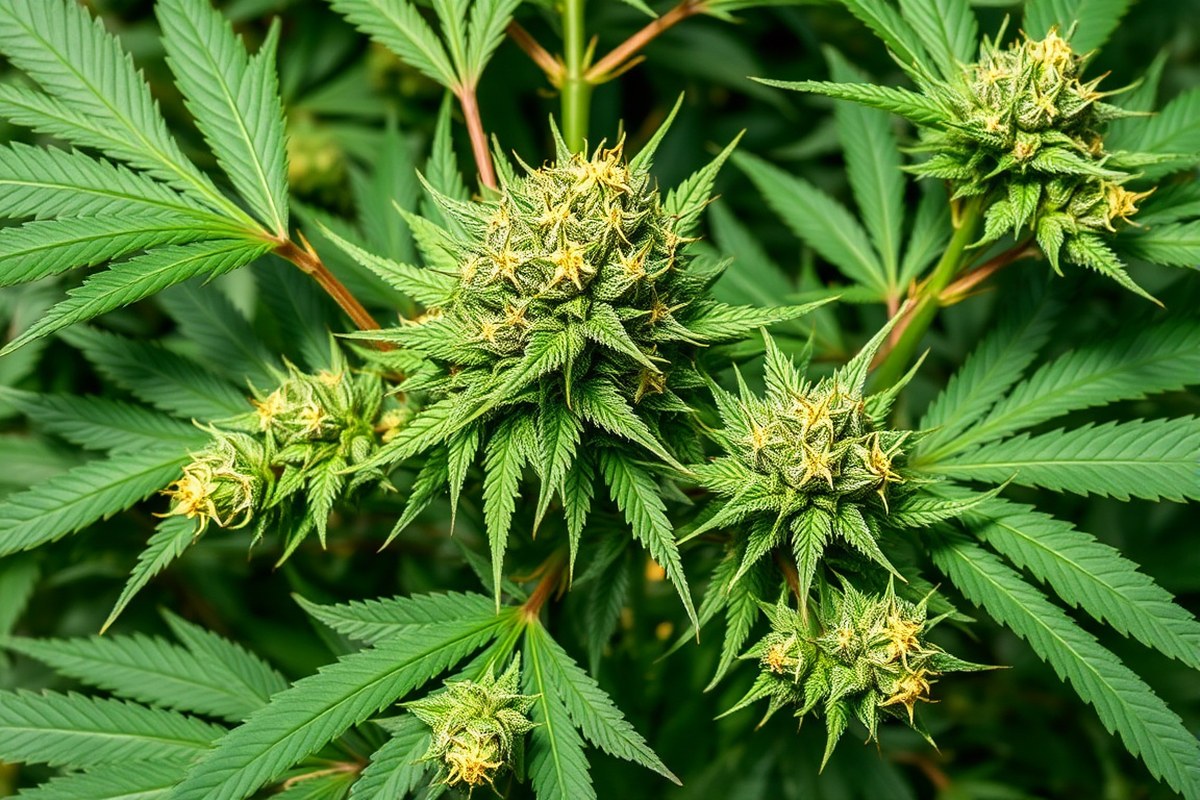
Typical dried bud yield per cannabis plant varies a lot. Indoors, expect about 1 to 2 ounces (30 to 60 grams) per plant. Outdoors, plants get plenty of sun and space.
Yields are bigger. They usually reach 4 to 16 ounces (115 to 450 grams) or more.
Wet buds weigh much more than dry ones. Freshly cut cannabis buds contain 70 to 80 percent water. This means a plant with 8 ounces (227 grams) of wet bud will yield about 1.6 to 2.4 ounces (45 to 68 grams) of dried flower.
To convert wet weight to dry weight, multiply the wet weight by 0.2 to 0.3. For example, 500 grams of fresh buds multiplied by 0.25 equals 125 grams of dried buds. This simple math helps you estimate final yields before drying.
Indoor growers often use the “grams per watt” rule. A 600 watt grow light can produce up to a pound per plant. That equals about 454 grams of dried bud.
The right setup is key. Smaller indoor grows with less light yield less bud.
They usually produce 150 to 600 grams per plant. That’s 5 to 21 ounces.
Outdoors, plants have the space and sunlight to grow bigger. Typical outdoor plants yield 300 to 900 grams (10 to 32 ounces). Some plants produce more in perfect conditions.
They can give 1 to 3 pounds of dry buds. That equals 454 to 1,362 grams. Plants growing for multiple years also have higher yield potential.
Here’s a quick look at yield ranges. Small indoor plants under 600 watts make about 1 to 2 ounces. That’s around 30 to 60 grams.
Larger indoor plants with strong light and training can reach 454 grams (1 pound) or more. Outdoor plants typically yield between 115 and 450 grams (4 to 16 ounces). But top outdoor growers see 500 grams to over 1 kilogram (1.1 to 2.2 pounds).
How Genetics Affect Cannabis Bud Yield

Genetics Shape Yield Potential Strongly
Cannabis genetics are the main factor determining bud size and weight. Strains bred for high yield develop many bud sites and larger flowers. Choosing the right genetics can greatly boost your harvest volume.
Indica, sativa, and hybrid strains differ in growth and bud density. Indicas usually grow shorter with dense buds, offering moderate to high yields. Sativas grow taller and have airier flowers.
They tend to produce less bud weight. These plants often stretch in height as well.
Autoflowers vs Photoperiod Strains
Autoflowers finish faster but yield less than photoperiod strains. Autoflowers typically produce 30 to 70 grams (1 to 2.5 ounces) indoors. Photoperiod plants get 18 or more hours of light before blooming.
Indoors, they can yield 150 to 600 grams (5 to 21 ounces). These yields depend on care and environment.
Outdoor photoperiod plants often surpass indoor yields, reaching 300 to 900+ grams (10 to 32+ ounces). Autoflowers suit beginner growers or those wanting quicker harvests. Photoperiod plants require more time and attention but reward with bigger harvests.
High-Yield Genetics to Consider
Strains known for high yields include Big Bud, Critical Mass, and Blue Dream. Big Bud produces dense buds and can reach 600 grams (21 ounces) or more outdoors. Critical Mass offers heavy yields but may need trimming to prevent mold.
Blue Dream is a popular hybrid that balances size, potency, and yield. For the biggest harvests, outdoor photoperiod plants with these genetics perform best. Autoflowers from strains like Amnesia Haze or Northern Lights deliver respectable yields quickly.
Matching Genetics to Your Yield Goals
Decide your priority: fast harvests or maximum volume. Autoflowers suit small spaces and quick turnarounds but limit bud size. Photoperiod plants need controlled light cycles and longer grow times but can produce pounds outdoors.
Pick indica-dominant types if you want compact plants with thick buds for indoor grows. Choose sativa-dominants or hybrids for taller plants with moderate yields outdoors. Always learn your chosen strain’s typical flowering time and yield estimates before buying seeds.
Choose strains with proven yield records and adjust your setup to support their growth traits.
Indoor vs Outdoor Growing: Yield Differences Explained
Yield Range Differences: Indoor vs Outdoor
Outdoor plants can produce significantly more bud than indoor ones. A healthy outdoor plant often yields between 4 and 16 ounces. Some large plants can produce more than 16 ounces.
Yields vary based on plant size and conditions. Indoor plants typically produce 1 to 4 ounces under good conditions.
Light strength and space limit indoor growth, capping yields. Outdoors, natural sunlight and unrestricted root space allow plants to grow bigger and heavier. This often means outdoor yields can be two to four times higher than indoor.
Space and Root Volume Effects on Yield
Indoor plants need at least 3 to 7 liters of pot volume. This limits how much their roots can grow. Bigger pots allow better root development.
Outdoors, you should provide at least 20 liters or more for the roots to spread. Bigger root space outdoors helps plants absorb more water and nutrients, driving bigger bud development.
Space between plants matters too. Indoors, you usually give each plant about 1 square meter.
This spacing maximizes light exposure and airflow but can restrict how large each plant grows. Outdoor plants can spread wider if the area allows, supporting larger canopies and more bud sites.
Light Cycles and Bud Production Impact
Indoors, you control light duration and intensity precisely. Many growers use 18 hours of light for vegetative growth. For flowering, 12 hours of light is common.
This control helps optimize bud size but limits total light energy compared to the sun. Strong, consistent LED or HPS lights deliver about 0.5 to 1 gram per watt, supporting decent harvests.
Outdoors, natural light changes with the seasons. During peak flowering, plants usually get 12 hours or more of daylight. Light duration depends on the local season.
The sun’s intensity is stronger, which boosts bud formation and resin production. Outdoor plants rely on the local climate’s light cycles.
You can’t adjust these natural cycles to speed growth. This limits flexibility compared to indoor growing.
Preparing Your Grow Space for Best Yields
Use good LED or HPS lights for indoor setups. Choose quality pots between 3 and 7 gallons. Keep temperatures between 70 and 77°F (20 to 25°C) for best results.
Ventilation helps manage humidity and heat, preventing mold and nutrient problems. Regular nutrient feeds matched to the growth stage support potent bud development.
Outdoors, pick a sunny, sheltered spot with well-draining soil. Use pots of 20 liters or grow directly in the ground for best results.
Water regularly but avoid overwatering; maintain soil moisture without flooding roots. Space plants at least 1 meter apart so the canopy gets full sun and airflow.
Typical Setup and Yield Comparison
| Setup | Typical Yield per Plant |
|---|---|
| Indoor (Good LED) | 1-2 oz (30-60 g) |
| Indoor Autoflower | 1-3.5 oz (30-100 g) |
| Outdoor (Healthy) | 4-16 oz (115-450 g) |
| Outdoor (Ideal, Large) | 16+ oz (450 g+) |
Lighting’s Critical Role in Bud Production
The right light schedule affects how big and dense your buds get. Cannabis needs 18 hours of light daily during the vegetative phase.
Then switch to 12 hours once flowering starts to trigger bud growth. This timing tricks the plant into flowering and boosts bud size.
Light spectrum changes help too. Blue light between 420 and 450 nanometers keeps plants short and bushy while they grow leaves.
When it’s time for buds, red light works better. It helps flowers get denser and bigger by encouraging the plant to focus energy on buds.
Indoor growers should aim for about 600 watts per plant in a 2×2-foot space. This power level helps you get solid yields.
You usually collect 1 to 2 ounces of good flower per plant. A 600-watt light under perfect conditions can push yields over a pound.
Place your lights 12 to 18 inches above the tops of plants during vegetative growth. This keeps light intense but prevents burning.
When flowering begins, move the lights to 18 to 24 inches. This stops buds from getting stressed but keeps energy strong.
Adjust lighting carefully during each stage. Use more blue-rich light in veg to keep plants compact and allow even canopy growth.
Switch to a red-rich spectrum 1 to 2 weeks before flowering. This pre-flower light triggers bigger flowers and denser buds later on.
Keep your plants trained so light reaches all bud sites. Untrained plants usually grow one main cola with smaller side buds. Training spreads out branches and exposes up to 20 colas to light, multiplying your harvest size.
Watch out for signs of light stress like leaf burn or drooping. Lights that are too close or too strong can stop buds from growing well. Lower the intensity or increase distance to keep buds swelling strong without damage.
Plant Training and Nutrients to Maximize Yield
Training plants with Low Stress Training (LST) or Screen of Green (ScrOG) can boost bud production. These methods spread growth to more bud sites and expose them to light. Feeding routines must match the plant’s stage to encourage bigger flowers.
Low Stress Training (LST) Basics
LST gently bends stems to open the plant’s shape. This exposes more bud sites to light, improving yield. It’s beginner-friendly and causes less shock than topping or supercropping.
Start LST in early vegetative growth when branches are flexible. Tie down branches to the pot’s edge using soft plant ties or garden wire. Adjust ties every few days to guide growth sideways and keep an even canopy.
- Identify main branches suitable for bending without breaking.
- Use soft ties to gently bend a branch sideways.
- Secure the branch at the pot edge or in the soil.
- Repeat on multiple branches to create a flat, wide canopy.
- Check and adjust ties every 3, 5 days as the plant grows.
- Stop bending once branches grow more upright or flower sites form.
Don’t bend stems too far or too quickly, that can cause breakage and slow growth.
Setting Up Screen of Green (ScrOG)
ScrOG uses a screen to hold branches horizontally and create an even bud canopy. It allows light to reach every cola evenly. Use ScrOG during vegetative growth before switching to flowering.
Install a screen about 12 to 18 inches above the pot. As branches grow, weave them under and through the screen, spreading them evenly. This focuses the plant’s energy on many equal-sized buds.
- Set up a 1- to 2-foot square screen above the plant early in growth.
- Train the main stem and branches through the screen’s holes as they grow.
- Push down taller shoots to keep the canopy flat and even.
- Continue weaving branches under the screen to fill all gaps.
- Trim lower growth that won’t get enough light to save energy.
- Switch to 12/12 light cycle once canopy fills screen and flower sites appear.
Don’t start ScrOG too late; branches get less flexible during flowering.
Nutrient Feeding Through Growth Stages
Feed plants more nitrogen during vegetative growth to build strong stems and leaves. Switch to higher phosphorus and potassium during flowering to grow bigger, denser buds.
Use a balanced vegetative nutrient mix with an N-P-K ratio around 3-1-2. During flowering, switch to a 1-3-4 ratio to support bud development. Avoid overfeeding to prevent nutrient burn or foliage damage.
- Feed vegetative plants every 1 to 2 weeks with 200-400 ppm nitrogen solution.
- Flush pots with water before switching nutrients to flowering mix.
- Use flowering nutrients with higher phosphorus (P) and potassium (K).
- Feed flowering plants every 7 to 10 days with 300-500 ppm.
- Decrease nitrogen dose to prevent excessive leaf growth.
- Keep pH around 6.0 to 6.5 for soil and 5.5 to 6.0 for hydroponics.
Watch for nutrient deficiencies or excesses; they show as discolored leaves or slow growth.
Environmental Factors That Impact Cannabis Yields
Temperature affects how well cannabis plants develop buds. During flowering, keep daytime temperatures between 65°F and 72°F. Temperatures outside this range can slow or stop bud growth, reducing yield. Night temperatures should stay slightly cooler, between 58°F and 65°F, to support healthy development.
Humidity impacts both the weight and health of your buds. Aim for 40-50% humidity during flowering to prevent mold and bud rot. High humidity makes buds more prone to mold.
Too low can stress plants and reduce size. Use a hygrometer to keep track and adjust with humidifiers or ventilation.
Watering also plays a key role in bud size. Keep the soil moist but not soggy to avoid root rot and nutrient issues. Overwatering can stunt plant growth and reduce bud development.
Underwatering causes stress and smaller yields. Check soil moisture regularly and water when the top inch feels dry.
Airflow helps buds dry evenly and prevents problems like mold. Use fans to circulate air gently around your plants indoors.
For outdoor growers, plant spacing ensures good airflow between plants. Avoid strong winds that can damage buds by using windbreaks or shade cloths if needed.
- Daytime temperature: 65°F to 72°F during flowering
- Night temperature: 58°F to 65°F for bud support
- Humidity: keep 40-50% to cut mold risks
- Water when top inch of soil feels dry
- Use fans or space plants for good airflow
- Watch for heat spikes and use AC or shade
- Reduce humidity spikes with dehumidifiers or exhaust vents
Manage heat spikes by shading plants or running air conditioning indoors. High temperatures over 85°F can quickly harm bud growth.
For humidity spikes, open vents or add a dehumidifier to lower moisture fast. These steps protect your harvest and keep buds heavy and healthy.
Estimating and Measuring Your Harvest Yield Accurately
When you harvest cannabis, the wet bud weight is only a starting point. Buds lose about 75 to 80 percent of their weight during drying and curing.
To estimate the dry weight, multiply your wet harvest by 0.25. This gives you a rough idea of what you’ll actually have after drying.
The drying process removes moisture and concentrates cannabinoids. For example, if you harvest 4 pounds of wet bud, multiply 4 by 0.25. The result, 1 pound, is closer to your dry yield.
Sativa strains have lighter, airier buds. They dry down to 20 to 22 percent of their wet weight. Indicas often retain slightly more weight, around 22 to 25 percent.
Measuring yields accurately takes a good scale and consistent timing. Use a digital scale with at least 0.1-gram precision. Weigh your buds right after harvest for wet weight.
Later, weigh again once drying is complete and the buds feel dry but not brittle. Record these numbers to track your real yield. This helps you see which growing methods work best.
Drying usually takes seven to ten days at 60-70°F and 45-55% humidity. Buds must dry slowly to preserve potency and weight. Too fast drying causes more weight loss and harsh smoke.
Too slow can cause mold, ruining buds. A small fan and dark room with good airflow often helps. You can test dryness by bending a small stem; it should snap, not bend.
Keep notes on each plant’s wet and dry weights. Over time, you’ll understand how your strains and techniques affect yields. This info helps you estimate harvest size even before drying starts.
Using the 0.25 rule is a good baseline. But adjust it for indica or sativa traits. Weighing right and recording results keeps your harvest data accurate and useful.
Common Growing Mistakes That Reduce Bud Production
Nutrient problems often reduce how much bud your plant can grow. Too much nitrogen during flowering causes sparse buds with poor weight. Deficiencies in phosphorus or potassium cut flower size and resin production, which lowers harvest quality.
Light is the biggest factor you can control for bud weight. Bud size depends on total light energy, called the Daily Light Integral (DLI). Your plant needs even, strong light.
Weak spots make buds small and loose. This cuts your harvest’s weight.
Harvesting too soon means the plant hasn’t developed full bud weight. Buds grow heavier in the last two weeks of flowering. Pulling plants early stops their weight gain and limits cannabinoid and terpene development.
Here’s a table with common mistakes linked to lower bud yield and how to fix them. Follow these tips to spot problems early and help your plants bounce back.
| Mistake | Why It Lowers Yield | How to Fix It |
|---|---|---|
| Excess nitrogen in flowering | Less flower production, lighter buds | Switch to bloom fertilizer with low nitrogen after week 3 |
| Phosphorus or potassium deficiency | Smaller flowers, reduced resin | Check pH for 6.0, 7.0 soil range; adjust nutrients accordingly |
| Insufficient light intensity | Low DLI reduces final bud weight | Use full-spectrum LED or 100W+ CFL per 2×2 ft; defoliate for light penetration |
| Harvesting too early | Buds haven’t reached max size or potency | Wait for 70, 90% amber trichomes, then harvest |
| Poor airflow and humidity control | Bud rot kills flowers, reduces harvest | Keep humidity below 60% and circulate air with fans |
Spotting nutrient issues starts with checking leaf color and shape. Yellowing edges or burnt tips usually flag nutrient imbalance. Use a simple pH meter and adjust with pH up or down products.
Hydroponic growers have less room for error with pH and total dissolved solids. Soil growers can usually correct minor mistakes but may lose some yield.
Light setups with at least 100 watts per 2×2 feet area give better bud weight. CFL lights work but need close placement and risk heat stress.
LEDs provide stronger light with less heat. Removing large fan leaves lets more light reach lower buds, boosting overall yield.
Don’t rush harvest. Waiting just 7, 10 days can add noticeable bud weight and potency.
Fixing these common mistakes requires small daily checks and quick action. Keep your plant happy with good nutrients and strong light.
Strong light helps buds grow bigger. Healthy plants produce denser flowers.
Step-by-Step Action Plan to Maximize Your Cannabis Bud Yield
Follow these steps throughout your grow to boost your bud production. Checking each result helps you adjust quickly.
- Before You Start: Choose genetics known for high yields, like a proven indica-dominant strain. You’ll see vigorous growth after germination.
- Week 1: Set up strong LED lighting at 18 hours per day indoors. Healthy, upright leaves show it works.
- Week 3: Begin low-stress training by gently bending stems to spread out growth. Watch for new shoot growth at bends.
- Week 4: Start feeding balanced nutrients with extra phosphorus and potassium. Leaves stay green and firm.
- Week 6 (Flowering Start): Switch light cycle to 12 hours off to trigger flowering. Bud sites start forming within a week.
- Week 8-9: Maintain stable temperatures around 70-80°F and humidity near 50%. Buds swell, and trichomes appear.
- Before Harvest: Flush plants with plain water for 1-2 weeks to improve taste and quality. Buds become sticky and resinous.
- Harvest Day: Dry your buds slowly in a dark, ventilated room at 60-70°F. Proper drying preserves weight and potency.
Frequently Asked Questions
How Much Dried Bud Does a Typical Indoor Cannabis Plant Produce?
A typical indoor cannabis plant yields about 1 to 2 ounces (30-60 grams) of dried bud. This depends on factors like strain, lighting, and plant care during growth.
What Causes Weight Loss from Fresh to Dried Cannabis Buds?
Fresh buds lose about 70-80% of their weight due to water evaporation during drying. This means 4 ounces of fresh buds usually become 1 ounce of dried flower.
How Does Container Size Affect Cannabis Bud Production?
Small containers restrict root growth and limit how much bud a plant produces. Using bigger pots allows roots to spread, leading to better yields.
Can Cannabis Plants Really Produce More Than 2 Pounds Outdoors?
Yes, some outdoor plants in ideal conditions produce 1-3 pounds or more of dried bud. Full sunlight and good care boost maximum outdoor yields.
Where Exactly Are the Bud Sites on a Cannabis Plant?
Bud sites mainly form at branch tips and nodes on stems. These growth points get the most light and develop the biggest flowers.
Does Drying and Curing Affect Final Cannabis Bud Weight?
Yes, the drying process causes major water loss, reducing the weight by up to 80%. Proper curing preserves potency but does not add weight.
Final Thoughts
Your cannabis plant’s bud yield depends on many factors working together. Focus on good genetics and steady care to get bigger harvests. Try picking one step above to test and improve results this grow cycle.