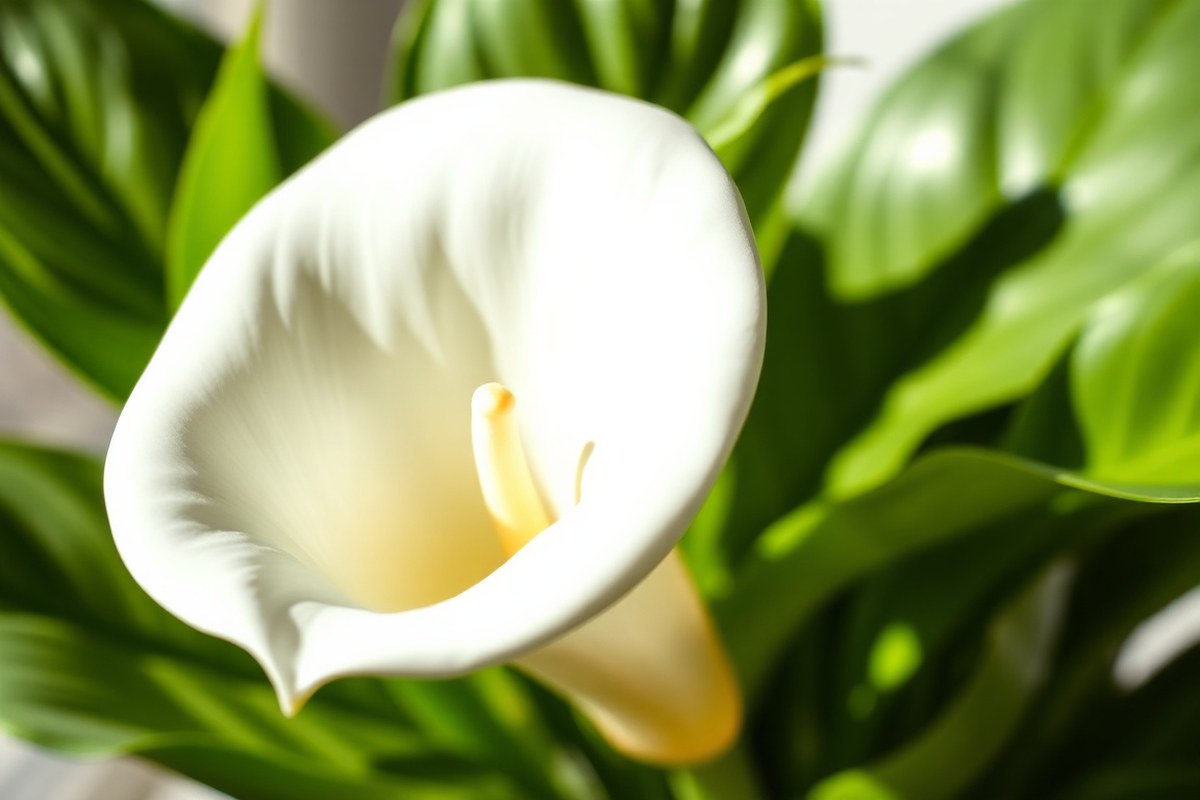
How to Look After a Calla Lily: Complete Care Guide for Healthy Blooms
How to look after a calla lily starts with giving it the right light and temperature. These plants grow best between 60°F and 75°F. They need at least 6 hours of indirect bright sunlight each day. Keeping the temperature steady and avoiding cold drafts helps your lily stay healthy.
Watering needs to be consistent but not too much. Let the soil dry slightly between waterings to avoid root rot. Feeding with a balanced fertilizer like 10-10-10 every few weeks supports strong growth and long-lasting blooms.
Plant calla lily rhizomes about 3 to 4 inches deep with the growth points facing up. Soaking the rhizomes in lukewarm water for 2 to 3 hours before planting speeds up sprouting. This simple step can give your flowers a jump start in blooming.
Key Takeaways
- Keep daytime temperatures between 65°F and 75°F for optimal growth.
- Provide at least 6 hours of bright, indirect sunlight daily.
- Plant rhizomes 3 to 4 inches deep with growth points facing up.
- Soak rhizomes in lukewarm water for 2 to 3 hours before planting.
- Water when the soil feels slightly dry to prevent overwatering.
- Use a balanced fertilizer like 10-10-10 every 3 to 4 weeks.
How to Care for Calla Lilies to Ensure Healthy Growth

Calla lilies need moist soil that drains well to stay healthy and bloom. Water them when the top inch of soil feels dry to the touch. Avoid overwatering, as soggy soil can cause root rot, especially in hybrid varieties.
Place calla lilies where they get bright but indirect light indoors. Outdoors, they thrive in partial shade to avoid harsh afternoon sun.
Insufficient light can stop blooming. So a spot with morning sun and afternoon shade works well.
These plants prefer temperatures between 60°F and 75°F (15°C to 24°C). Keep indoor calla lilies away from cold drafts and sudden temperature changes below 50°F (10°C). Outdoor plants need protection in cooler climates, especially at night.
Using well-draining soil rich in organic matter helps calla lilies absorb enough water while preventing sogginess. A mix designed for container plants or garden beds with added compost works fine. The soil should stay damp but never saturated.
Adjust watering according to the season and humidity. In warmer weather, you may need to water more often, roughly twice a week. In cooler, less humid conditions, watering once a week may work.
It helps keep the soil just a little moist. This is enough for many calla lilies.
Watch for yellowing leaves or drooping stems as signs of water stress or too much fertilizer. These symptoms often mean the soil is soggy or the plant lacks enough light. Tweaking your watering or light exposure usually fixes these issues.
Best Planting Practices for Calla Lily Rhizomes

Plant calla lily rhizomes in well-drained soil during spring or early summer. They need to be 3 to 4 inches deep with enough space for roots and growth. Proper planting timing and spacing help them bloom around 60 days later.
Selecting Healthy Rhizomes
Choose firm rhizomes without soft spots or mold. They should feel heavy, not dry or shriveled, which means they are still viable. Healthy rhizomes have visible “eyes” or growth points that will sprout leaves.
Inspect the rhizomes closely to avoid those damaged by disease or pests. Picking good-quality rhizomes is your first step toward strong plants with many flowers. Avoid rhizomes that look cracked or shriveled from age or drying out.
Preparing Rhizomes for Planting
Before planting, soak rhizomes in warm water for about an hour. This softens them and can improve root growth once planted. Avoid soaking for longer than two hours to prevent rot.
Cut any damaged roots or shoots with clean scissors. Let the rhizomes dry for a few hours to reduce the risk of rot. Preparing them properly helps them settle into the soil quickly and start growing.
Planting Depth and Spacing Guidelines
Plant each rhizome 3 to 4 inches deep with the pointed growth buds facing up. The soil should be loose and moist but well-drained. It should have a pH near 6, slightly acidic to neutral.
This helps calla lilies grow best.0 to 7.0. Clay-heavy or waterlogged soil can cause rhizomes to rot.
Space rhizomes 8 to 12 inches apart to let their roots and leaves grow without crowding. Crowded roots limit nutrient uptake and stunt growth. For pots, choose containers at least 10 to 12 inches wide with drainage holes.
Your plants will start blooming roughly two months after planting in warm, well-drained soil. Cooler soil delays bloom time.
So wait until temperatures are consistently above 50°F before planting outdoors. In USDA zones 7 or colder, plant outside after frost risk has passed.
- Inspect rhizomes, pick firm and healthy ones.
- Soak rhizomes in warm water for 1 hour.
- Trim damaged roots or shoots with sharp, clean scissors.
- Allow rhizomes to dry for a few hours before planting.
- Choose well-drained soil, slightly acidic to neutral.
- Plant rhizomes 3 to 4 inches deep, buds facing up.
- Space rhizomes 8 to 12 inches apart in garden or pot.
- Plant between February and June, depending on your climate.
Avoid planting rhizomes deeper than 4 inches; it slows growth and bloom.
Watering and Fertilizing: Feeding Your Calla Lily Right
Water calla lilies about once a week during spring and summer when they’re actively growing. In bloom time, watering twice a week is fine but avoid keeping the soil soggy.
Yellow leaves often show overwatering or poor drainage. So let the top inch of soil dry before watering again.
Calla lilies like moisture at their roots without wet leaves. So bottom watering is helpful. Pour water into the pot’s tray.
Let roots soak it up fully. Wait for 10 to 15 minutes before removing excess water. This reduces leaf fungal problems common with overhead watering.
Fertilize every 2 to 4 weeks during active growth with a balanced liquid fertilizer. Look for one with equal parts nitrogen, phosphorus, and potassium (like 10-10-10). Stop feeding once leaves yellow and growth slows as the plant enters dormancy.
| Stage | Watering Frequency | Fertilizing Frequency | Notes |
|---|---|---|---|
| Active Growth (Spring and Summer) | Once to twice weekly | Every 2 to 4 weeks | Keep soil moist but not soggy |
| Bloom Time | Twice weekly | Every 2 to 4 weeks | Adjust watering for strong flower stems |
| Dormancy (Fall and Winter) | Water sparingly; once every 2 weeks or less | Stop fertilizing | Allow soil to dry more to avoid rot |
During dormancy, reduce watering heavily since the plant rests. Too much water then can cause rhizome rot.
Keep the soil just barely moist. Also, skip fertilizer to let the plant conserve energy for next season.
Outdoor calla lilies may need more frequent checks after heavy rains to avoid waterlogging. Indoors, check pots for drainage holes and use a well-draining potting mix. Indoor and outdoor growers avoid overfeeding plants.
Too much nitrogen and wet soil make growth soft. This raises the chance of rot.
Light and Temperature Needs for Optimal Blooming
Calla lilies need bright, indirect light indoors. Avoid direct sunlight that can scorch their leaves. Place them near a north or east-facing window, where the light is softer throughout the day.
Rotate your plant every few days. This helps it grow evenly. It also stops the plant from leaning toward the light.
Outdoors, calla lilies thrive in partial shade to filtered sunlight. Morning sun with afternoon shade works best because intense afternoon rays may damage their blooms. Your outdoor lilies in full sun will have yellow leaves.
Their flowers will also fade faster. Move the plant to a spot with dappled shade during summer for healthier blooms.
Calla lilies prefer temperatures between 60 and 75 degrees Fahrenheit for healthy growth and blooming. Indoor homes usually fall into this ideal range.
But avoid placing them near heaters or air conditioners. Sudden temperature changes can cause leaf drop and stress the plant.
Outdoor lilies handle temperatures from the mid-50s to low 80s. They need frost protection. Below 50 degrees, growth slows, and frost risks rhizome damage.
Cover lilies with a cloth when night temps drop below 50. Bring potted lilies indoors for safety.
Light intensity changes with the seasons, so adjust your calla lily’s placement accordingly. In winter, give indoor lilies as much light as possible by moving them closer to windows. In summer, avoid direct sunlight by using sheer curtains or relocating plants to shaded spots.
Balancing temperature means preventing extremes. Mist your indoor calla lilies during hot summer days. Or place a water tray nearby to raise humidity.
This mimics outdoor conditions and helps the plant stay healthy. Cool indoor temperatures in winter can slow growth. So avoid drafts from windows or doors.
Caring for Calla Lilies After Blooming Ends
After your calla lilies bloom, deadhead spent flowers. Next, prune any damaged leaves to keep plants healthy.
This helps keep the plant healthy and tidy. You also want to prepare the plant for dormancy or encourage rebloom when possible.
Deadheading Techniques
Calla lilies don’t drop their petals like many flowers. Instead, spent blooms roll into a tube, which can turn green and spoil the look. Removing flowers promptly keeps the plant neat and stops energy waste.
Regular deadheading encourages the plant to make new buds. For potted callas indoors, check and deadhead once a week during blooming. Outdoor plants need deadheading right after each flower finishes.
- Pinch or cut the flower stem at its base. Do this where it meets the main stem precisely.
- Remove any faded flowers carefully, avoiding damage to nearby leaves or stems.
- Dispose of the dead flowers to prevent pests and diseases.
- Wash your pruning tool with rubbing alcohol between cuts to avoid spreading disease.
Don’t wait for petals to drop; deadhead early to keep plants looking fresh.
Pruning for Health and Appearance
Prune your calla lilies mostly when they enter dormancy, usually after flowering ends. Cut back yellowing or damaged leaves at the base. This helps the plant focus energy on root health and future growth.
Pruning keeps the plant tidy and improves airflow, reducing disease risk. Avoid cutting healthy green leaves during active growth since they support photosynthesis and blooming.
Preparing Plants for Dormancy or Rebloom
Calla lilies can go dormant but also sometimes rebloom in the same season. To encourage rebloom, keep deadheading and maintain moist soil with moderate feeding. Provide cooler nights above 50°F (10°C) and bright indirect light.
When dormancy begins, usually in cooler months, reduce watering gradually. Stop feeding to let the plant rest. You can let the leaves die naturally before cutting the foliage back.
In colder zones, dig up calla lily rhizomes before frost. Store them indoors in dry peat moss at 50°F (10°C). For container plants, reduce water but keep soil slightly moist during winter rest.
Overwintering Calla Lilies: Protecting Rhizomes in Cold Zones
To overwinter calla lilies in cold zones, dig up their rhizomes right after the first frost. Clean and dry them well. Store in a cool, dry spot.
Keep around 55ºF until spring. Replant the rhizomes once the soil warms up to avoid frost damage.
Digging Up Rhizomes at Dormancy
Wait until after the first light frost to dig up calla lily rhizomes. The foliage will turn yellow and die back, which signals dormancy. Cut the foliage down to ground level before digging.
Use a garden fork or shovel to gently loosen soil around the plants. Lift the rhizomes carefully to avoid bruising. Shake off excess dirt but don’t wash them off yet.
Cleaning and Drying Procedure
Remove excess soil by brushing the rhizomes with your hands or a soft brush. Avoid washing with water, which can cause rot. Trim any damaged roots or leaves with clean scissors.
Spread rhizomes in a single layer. Use newspaper or mesh tray. Keep in a dry, shaded area.
Let them dry for 3 to 5 days. Make sure the surface feels firm.
It should be dry to the touch. This helps prevent mold during storage.
Storage Environment and Timetable
Place dry rhizomes in paper bags filled with peat moss, sawdust, or dry vermiculite. Store bags in a cool, dark spot between 50ºF and 60ºF (around 55ºF is ideal). This temperature prevents sprouting and decay.
Check stored rhizomes every few weeks for mold or soft spots. Remove any rotten parts immediately to protect the rest. Keep them dry and avoid letting them freeze during winter.
- Dig rhizomes after first frost when foliage yellows
- Cut back dead foliage to ground level
- Brush off soil, avoid washing rhizomes
- Dry rhizomes 3-5 days in shade on newspaper
- Store in paper bags with peat moss or sawdust
- Keep storage temperature around 55ºF in a dry, dark spot
- Inspect monthly and remove any soft or moldy rhizomes
Replant the rhizomes outdoors once soil temperature consistently stays above 50ºF. This usually happens in mid to late spring. Plant them at the same depth as before and water well after planting to encourage growth.
Handling Common Pests and Diseases in Calla Lilies
Aphids, spider mites, fungus gnats, slugs, Japanese beetles, and thrips often attack calla lilies. Look for curled or yellowing leaves and sticky residue.
Spray insecticidal soap or neem oil early to control infestations. These organic treatments work well unless the problem is severe.
Fungal diseases like bacterial soft rot and powdery mildew harm calla lilies. Gray mold, blight, and leaf spot also cause damage. These issues affect plant health and growth.
They happen most in wet, crowded areas with poor air flow. Plant calla lilies in soil that drains well.
Space each plant at least 12 inches apart. This helps stop disease and keeps plants healthy.
Check plants regularly for soft, mushy spots or powdery white patches on leaves. Remove affected leaves and clean garden tools after use.
Fungicides may help if fungus starts spreading, but use them sparingly. Organic options like sulfur sprays reduce powdery mildew without harsh chemicals.
Balanced watering helps prevent rot and fungal growth. Let the soil dry some before watering again. This usually means watering every 4 to 7 days.
Your climate can change the watering schedule. Overwatering creates soggy soil where pathogens thrive. Adjust watering if leaves turn yellow or limp.
For serious pest or disease outbreaks, chemical treatments are available but use them carefully. Follow label instructions to avoid harming your plants or pollinators.
Always consider organic methods first, especially indoors. Severe fungus or insect damage might call for professional help.
Dividing and Repotting Calla Lilies for Longevity
Dividing and repotting calla lilies helps keep them healthy and blooming often. You should divide rhizomes every 2 to 3 years or when the plant looks crowded. Division refreshes the plant by giving each section more space and nutrients.
You should repot indoor plants or container plants in early spring. Do this before the new growth begins. It helps the plants grow well.
This timing lets the plant settle into fresh soil and root space. Outdoor lilies in zones 8 and warmer can stay in the ground.
You can dig them up to divide when overwintering. This helps keep them healthy.
The process takes a bit of work but pays off with stronger blooms and bigger plants. Use a clean knife or garden shears to split the rhizome into pieces. Each piece needs at least one growing point with roots attached.
- Gently remove the plant from its pot or dig up the rhizome cluster from soil.
- Brush or rinse off excess soil to clearly see the rhizomes and roots.
- Cut or snap apart rhizomes so each piece has at least one eye or bud.
- Trim off any dead, soft, or damaged parts before planting.
- Fill new pots with well-draining soil, slightly moist but not wet.
- Place each rhizome section in its pot, covering roots and base with soil.
- Water the newly potted rhizomes lightly to settle the soil without sogginess.
- Set pots in bright, indirect light and keep soil moist until growth resumes.
Dividing too often or using damaged rhizomes can stress the plant and reduce blooms.
Step-by-Step Action Plan for Caring for Your Calla Lily
Follow these steps to keep your calla lily healthy and blooming. Each step helps you see clear signs of growth and vitality.
- Day 1: Plant your calla lily rhizome in well-draining soil. It should feel firm and show no mold or soft spots.
- Week 1: Water the soil lightly to keep it moist but not soggy. The rhizome will start showing small shoots.
- Weeks 2, 4: Place your plant where it gets bright, indirect light. Leaves should begin to grow and look healthy.
- Month 2: Begin feeding with a balanced liquid fertilizer every two weeks. New leaves and buds will form and strengthen.
- After Blooming: Cut back spent flowers but keep watering and feeding until leaves turn yellow. Yellow leaves show the plant is resting.
- End of Season: Stop watering as leaves die back. Dig up rhizomes once dry and store them in a cool, dark place.
- Before Replanting Next Year: Inspect rhizomes for firmness and no rot. Only plant healthy ones to ensure a strong start.
Frequently Asked Questions
How Often Should I Water My Calla Lily During the Growing Season?
Water your calla lily when the top inch of soil is dry. They prefer moist soil but dislike soggy roots, so don’t overwater. Checking soil regularly helps prevent stress and promotes healthy growth.
Can I Grow Calla Lilies Indoors Year-Round?
Yes, you can grow calla lilies indoors if you provide enough bright, indirect light. Keep temperatures between 60°F and 75°F to support blooming. Indoor humidity should be moderate to avoid leaf drying.
Are Calla Lilies Safe to Have Around Pets?
Calla lily flowers are toxic to cats and other pets. Keep them out of reach to avoid accidental ingestion. Always monitor pets around your plants for safety.
What Type of Soil Works Best for Calla Lily Plants?
Calla lilies prefer rich, well-drained soil that retains moisture without flooding roots. A potting mix with organic matter or compost works well. Good drainage prevents rot and keeps roots healthy.
How Long Do Calla Lily Flowers Typically Last?
Their flowers can last up to 12 weeks, providing long-lasting color. Deadheading spent blooms helps the plant focus energy on new growth. Removing old flowers also improves the plant’s appearance.
Should I Fertilize My Calla Lily During Dormancy?
No, avoid fertilizing when the plant is dormant and leaves die back. Feeding should resume when new growth appears in spring. Fertilizing during dormancy can stress the plant.
Wrapping Up
Calla lilies need steady care through all their stages to thrive. Watch for healthy leaves and blooms as signs of success. Start with the right soil and light setup to see your lily grow happily.