What Does a Coneflower Seed Look Like? A Complete Guide with Identification Tips
What does a coneflower seed look like? These seeds are small, brown-to-tan, and lens-shaped. They measure about 2 to 3 millimeters long with a rough, papery texture you can feel.
The seeds come from a dried cone about 1 to 1.5 inches wide. This cone holds dozens of tiny seeds, which have a compact, slightly gritty feel. You can separate them easily using a fine mesh sieve that won’t damage the seed coats.
Look for seeds that are dark brown or grey. These seeds are mature. They are ready for planting.
Immature seeds tend to be green or light tan, softer, and heavier. Knowing what to watch for helps prevent planting seeds that won’t sprout well.
Key Takeaways
- Coneflower seeds are small, 2 to 3 mm long, flattened lens-shaped ovals.
- Mature seeds are dark brown or grey with a hard, dry surface.
- Immature seeds appear green or light tan and feel soft and damp.
- The dried seed cone, about 1 to 1.5 inches wide, holds many seeds.
- Use a fine mesh sieve (~0.5 mm) to separate seeds without harm.
- Heavier seeds are likely immature and may not germinate well.
What Do Coneflower Seeds Look Like Up Close?
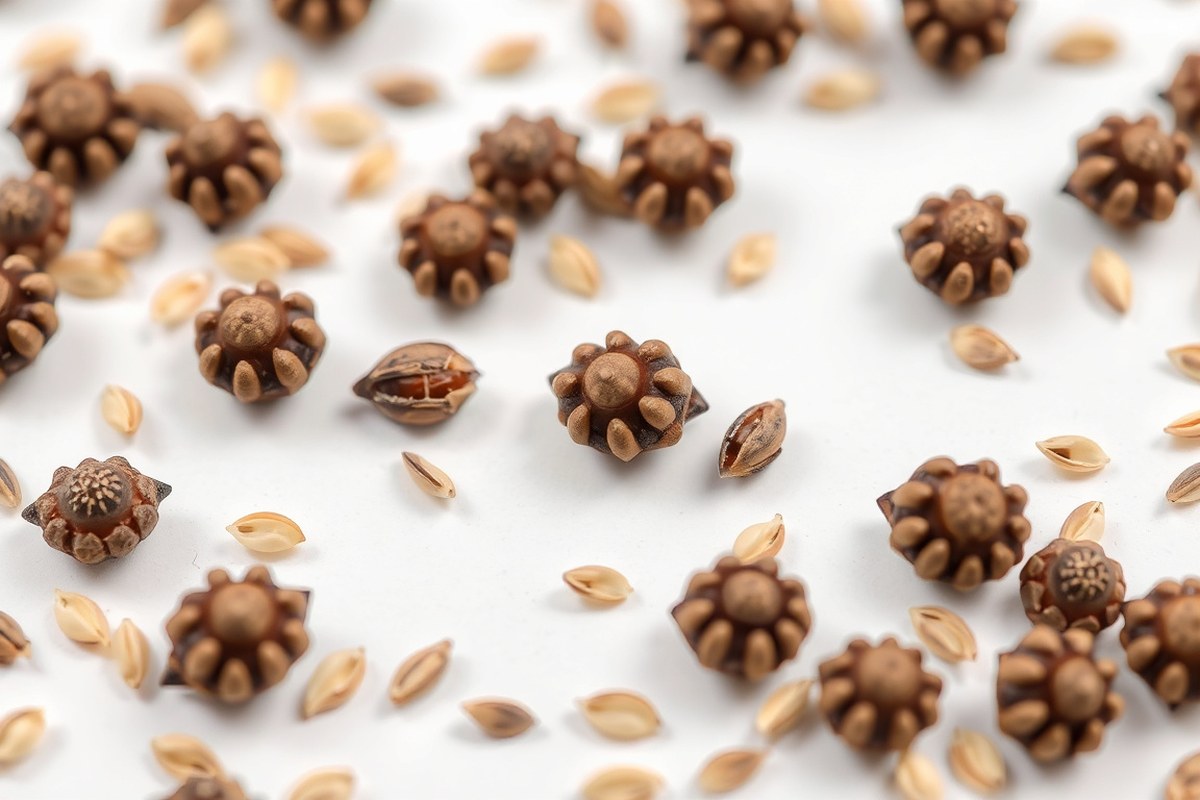
Coneflower seeds are small and flattened oval shapes about 2 to 3 millimeters long. They have a rough, papery surface that feels slightly ribbed, which helps you grip them easily.
The color changes from light tan to dark brown or black. It depends on the species and how mature the seeds are.
The seeds pack tightly inside the central cone. The cone stays woody and cone-shaped after the flower fades. The seed head feels hard and sharp to touch.
Stiff bracts surround the seeds and make it this way. The seeds sit deep in the cone’s spikes. This shows they belong to coneflowers, not sunflowers or daisies.
Visually, coneflower seeds resemble tiny grains of rice or small confetti specks in cross-section. Each seed’s matte finish helps reduce slipping when you handle them.
These features help you spot and pick coneflower seeds. This is easiest when seed heads turn dark and dry.
How to Distinguish Mature Seeds from Immature Ones
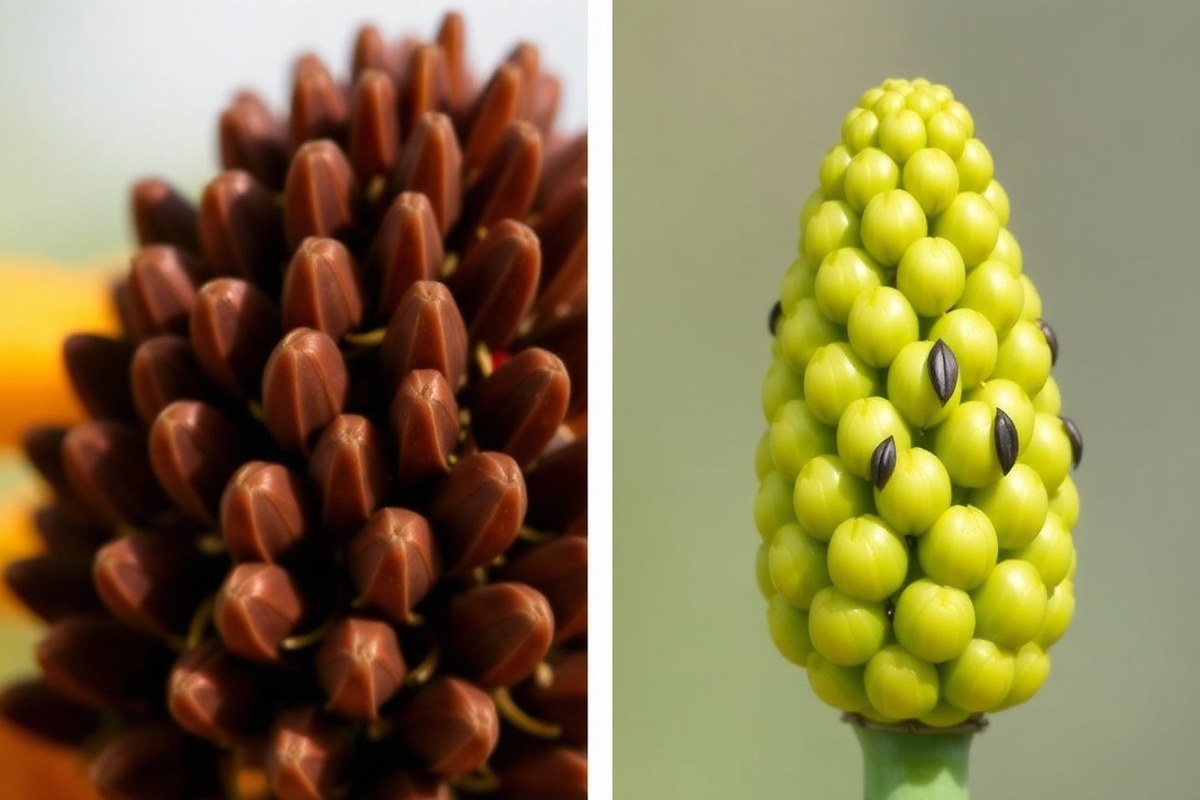
Mature coneflower seeds look darker, harder, and are more loosely held in the cone. Immature seeds remain lighter in color, soft, and stick tightly to the seed head. You can tell when seeds are ready by checking four things.
Look at their color, texture, weight, and how easily they fall out. These signs show the seeds are mature and ready to harvest.
Color Differences Between Seed Stages
Seeds start green or light tan while immature. As they mature, the color shifts to dark brown, gray, or black. This color change signals that the seed has dried and developed fully inside the cone.
The color shift matters because mature seeds hold higher germination potential. Lighter seeds often lack the nutrients and energy required to sprout. You want mostly dark brown or black seeds before you harvest.
Texture and Attachment Variations
Immature seeds feel soft, fleshy, and slightly damp to the touch. Mature seeds are dry, hard, and brittle. You can gently press them between fingers to check the difference.
Seeds embedded firmly in the cone usually aren’t ready. Mature seeds loosen and shake easily out of the dried cone.
Try tapping the seed head over a container. Seeds that fall out without force show they are mature.
Weight also changes with maturity. Immature seeds are heavy because of moisture inside.
When dry, seeds become lighter and more airy. This makes mature seeds easier to handle but also more fragile.
Viability Testing Methods
Viable seeds will usually feel firm and sink in water during a simple float test. Place seeds in a bowl of water for about five minutes. Seeds that float or disintegrate are often immature or nonviable and better suited as bird feed.
Another sign that seeds will germinate is a slight glossy finish on the seed surface. Overly dull, brittle seeds may have lower viability. These visual and tactile cues help decide if seeds should be planted or set aside.
Don’t harvest seeds too early; immature seeds rarely sprout and waste your effort.
Where Are Coneflower Seeds Located on the Plant?
Seeds grow within the central cone of the coneflower’s bloom. This dome-shaped part sits right in the middle of the flower head. After the bright petals drop, the seeds become easier to spot on the dried, brown cone.
The seed head changes as the plant matures through late summer into fall. The central cone hardens and darkens to a uniform brown. Once fully dry, it looks like a small “hedgehog” with spiky bracts poking out.
To know if seeds are ready to harvest, you need to check for these signs:
- Petals have completely withered and fallen off
- The central cone is firm, dry, and uniformly dark brown
- A gentle shake of the seed head releases tiny seeds like raindrops
- The cone can be bent slightly to ease seed release
- Seeds sit spaced out among the stiff bracts on the cone
Cut the entire dry seed head below the cone to harvest seeds. The stiff bracts around the seeds make the head feel rough to touch. Seeds shake loose easily when the seed head is tapped at this point.
Leaves and petals fading away help you spot the seed-bearing cones. This drying process shows that seeds inside are mature and ready. The seeds inside likely need more time when the cone remains green or soft.
Differences in Seed Appearance Among Common Coneflower Species
Seeds of Purple, Pale, and Yellow Coneflowers differ in size, texture, and arrangement on seed heads. Knowing these differences helps identify and pick seeds from the right species for your garden. Pay attention to seed size and feel for identification.
Notice how tightly packed the seeds are on drying flower cones. This helps spot the right seeds clearly.
Purple Coneflower Seed Traits
Purple Coneflower seeds are usually 2 to 3 millimeters long, with most around 2 millimeters. They have a slender, slightly curved shape and a smooth, dark brown to black surface. Seeds are packed tightly on the cone, making harvesting easier.
You need to remove them carefully to avoid losing small seeds. Handle the cones gently during seed collection.
The seed heads shrink as they dry, and seeds cling tightly together. This tight clustering means using gentle pressure is important when extracting seeds. The smooth surface helps the seeds flow out easily when shaken or tapped.
Yellow Coneflower Seed Traits
Yellow Coneflower seeds feel stronger and a bit thicker than Purple seeds. This texture difference helps in identifying the seed type. You can tell them apart by feel.
They share a similar size range, measuring about 2 to 3 millimeters. But lean toward the upper end of that size range. These seeds have a subtle sheen and lighter brown color compared to Purple Coneflower seeds.
Unlike Purple Coneflower seeds, Yellow Coneflower seeds are more loosely spaced on the seed head. This spacing often allows easier manual picking without the need for aggressive shaking. It also reduces the risk of mixing up seeds when harvesting from mixed flower beds.
Pale Coneflower Seed Traits
Pale Coneflower seeds look similar to Purple Coneflower seeds but often appear slightly lighter in color. Yellow seeds are usually about 2 millimeters long and slender. They have a slightly matte surface, unlike the shiny Purple seeds.
These details help distinguish between the two. The seeds cluster moderately but not as tightly as Purple Coneflower seeds.
This moderate seed spacing makes it easier to distinguish Pale Coneflower seeds from others during collection. Yellow Coneflower seeds are less tightly packed than Purple ones.
Gathering them needs more patience to avoid dropping the small seeds. Take your time during harvest to keep them all.
Below is a table summarizing key differences among the common coneflower species’ seeds:
| Trait | Purple Coneflower | Yellow Coneflower | Pale Coneflower |
|---|---|---|---|
| Seed Length (mm) | ~2.0 (mostly) | 2, 3 (toward 3) | ~2.0 |
| Seed Texture | Smooth, shiny | Strong, subtle sheen | Slightly matte |
| Seed Color | Dark brown to black | Lighter brown | Lighter brown |
| Seed Arrangement on Cone | Densely packed | Loosely spaced | Moderately clustered |
Using these traits, you can sort seeds confidently at harvest. These features prevent mixing different species by mistake. They make sure you plant the right variety in your garden.
Knowing this supports your gardening goals better. Sorting by seed traits also improves germination success by allowing more uniform planting conditions.
Safe and Efficient Methods to Harvest Coneflower Seeds
Harvest coneflower seeds in autumn after the seed heads fully dry. Use gloves to protect your fingers from prickles while handling the seed heads. Carefully separate seeds without crushing their tough outer coats to keep them viable for planting.
Preparing for Harvest
Wait until the summer heat fades and the seed heads turn brown and dry. The seeds inside become mature and slightly loose, making them easier to remove. This timing means the prickly seed heads feel less sharp and painful to handle.
Wear thick gardening gloves to protect your hands from the spiky seed heads. Use clean shears to cut the entire cone off the stem. Dry the cones indoors for one or two weeks to reduce moisture further before extracting seeds.
Removing Seeds from the Cone
Use your fingers or a gentle brush to loosen seeds from the dried seed heads. Each seed is inside a tough, spiky husk that needs careful handling. Shake and rub the cone over a container to catch loose seeds and debris.
To separate seeds from chaff, put the material through a fine mesh sieve about 0.5 mm wide. This keeps seeds intact while letting smaller bits fall through. Avoid pressing too hard to prevent cracking the seed coats and damaging embryos.
- Cut dried seed heads with garden shears.
- Put on gloves to avoid prickling your fingers.
- Dry heads indoors for 7, 14 days.
- Shake and rub cones gently over a clean tray.
- Use a fine mesh sieve to separate seeds from chaff.
- Pick out any remaining whole seeds by hand.
- Store cleaned seeds in a dry, cool place until planting.
Handling and Safety Tips
Prickly seed heads can hurt if handled without gloves. Use thick leather or gardening gloves to protect your hands. Avoid pulling or twisting the cones roughly to save seeds from damage.
Work slowly and over a tray outside or on a table to catch falling seeds. Clean the workspace afterward to avoid seed loss. Keep seeds dry and avoid crushing to maintain germination potential.
Wear gloves during harvest because coneflower seed heads can prick and irritate skin.
How to Store Coneflower Seeds to Maintain Viability
Keep coneflower seeds dry and cool to maintain their viability. The ideal temperature range is 50 to 60°F with low humidity. Store seeds in a dark place inside an airtight container to prevent moisture and light damage.
Seeds dry in shade right after harvest usually keep a stable brown color and glossy look. High heat and humidity above 70°F can harm seeds. Humidity over 60% may cause mold or gray spots.
Keep seeds cool and dry to avoid these issues. It can also reduce their ability to sprout later.
| Storage Condition | Typical Color Outcome |
|---|---|
| Air-dry in shade immediately after harvest | Deep brown to medium tan, retains natural gloss |
| Place seeds in a sealed container to keep them fresh. Keep this container in a spot that’s cool and dark. Ideal storage temperature is between 50 and 60°F. | Stable brown, minimal lightening over months |
| Warm, humid environment (>70°F, >60% RH) | Dull gray-brown, may darken or develop faint mold spots |
| Refrigerated storage (35‑40°F) | Brown remains consistent, slight lightening after long periods |
| Prolonged exposure to direct sunlight | Pale tan |
Make sure seeds dry fully in a well-ventilated room for a few weeks. This reduces mold risk and keeps seeds from getting brittle or discolored. Storing too dry can cause lightness and brittleness.
Store coneflower seeds in a dark place at 50 to 60°F. Seeds can stay good for three to five years there. This keeps the seeds healthy and ready to germinate.
Refrigerating them at 35 to 40°F extends storage but slightly lightens seed color. Avoid sunlight, which fades seeds and hurts their quality.
Check seeds now and then for signs of mold or shriveling. Soft seeds or ones with spots might be bad. Such seeds usually do not grow well.
Feel and look at seeds to check their quality. Use airtight containers like glass jars or sealable plastic bags for best results.
How to Plant Coneflower Seeds for Best Germination
Plant coneflower seeds about 1/8 to 1/4 inch deep in the soil. This shallow depth helps the tiny seeds stay put without drying out. Planting too shallow can let seeds wash away or dry fast, which stops germination.
Use well-draining soil that stays evenly moist but not soggy. Coneflower seeds need water to start growing but sitting in waterlogged soil can cause rotting.
Good soil contact is key. So press soil gently after sowing to help seeds absorb moisture.
Keep soil temperatures between 60°F and 70°F for best germination. Cooler soil slows growth while hotter soil can kill seeds. You can start seeds indoors to control temperature.
Plant them outside after the last frost. This helps seeds grow in the right conditions.
- Chill seeds in the fridge for 2 to 4 weeks before planting (stratification)
- Sow seeds in early spring for outdoor planting or start indoors
- Plant at 1/8 to 1/4 inch depth and firm soil gently
- Keep soil moist, not wet, throughout germination
- Maintain soil temperature near 65°F for 10-20 days
- Avoid disturbing seeds after planting
Germination usually happens between 10 to 20 days if conditions are right. Watch soil moisture carefully and avoid letting it dry before sprouts appear. Overwatering or poor drainage often leads to failure, not a lack of watering.
Common mistakes are planting seeds too deep or shallow. Another is letting soil dry out too much. Also, sowing seeds too early or too late causes problems.
Using a light layer of soil helps seeds keep moisture and oxygen. Don’t cover seeds with thick soil layers that block sprouting.
Visual and Practical Tips to Identify Coneflower Seeds vs Similar Seeds
Seeds from coneflowers stand out because they are larger and flat. Their most distinct feature is a gritty, papery texture. This texture feels rough, unlike the smooth, waxy seeds of many vegetables.
Tomato, carrot, and lettuce seeds often confuse gardeners. But they differ a lot from coneflower seeds. Tomato seeds are small and oval with smooth, slightly sticky surfaces.
Carrot seeds are tiny, ridged, and much smaller than coneflower seeds. Lettuce seeds look like small teardrops and have smooth surfaces too.
The table below helps you spot coneflower seeds quickly. It shows key differences to avoid mixing them up. Use it to identify seeds at a glance.
| Seed Type | Size | Shape | Texture | Common Confusion |
|---|---|---|---|---|
| Coneflower | About 0.1 to 0.15 inches long | Flat, oblong, slightly pointed | Gritty, papery surface | Rarely confused if textured check done |
| Tomato | Smaller, around 0.05 inches | Oval, smooth edges | Smooth, somewhat sticky | Sometimes mistaken by size or color only |
| Carrot | Very small, 0.03 inches | Irregular, ridged | Rough but not papery | Rarely mistaken due to size difference |
| Lettuce | Small, around 0.04 inches | Teardrop-shaped, smooth | Smooth, dry | May be confused by size without touch |
Look for the gritty, papery feel to separate coneflower seeds from smaller smoother vegetable seeds. Their flat shape is another good hint. Vegetable seeds usually don’t have this gritty texture or the same flat shape.
Always handle seeds gently to feel texture clearly before assuming their type.
Mistakes happen when seeds are viewed from far or mixed in dried flower heads. New gardeners sometimes confuse seed shape or size without touching them. Taking a few seconds to feel the seeds lets you avoid planting wrong crops.
Texture checks and size comparison are the best way to avoid mix-ups. Watching these details saves you time.
It also keeps your garden on track. You’ll end up with the right plants growing.
Step-by-Step Action Plan for Harvesting, Storing, and Planting Coneflower Seeds
Follow these steps to harvest healthy seeds and grow new coneflowers successfully.
- Late Summer: Check the seed heads when petals fade and dry. Pick only brown, dry seed heads.
- Harvest Time: Remove seed heads by cutting or twisting them off. Confirm they feel dry and firm.
- After Harvest: Place seed heads on a paper towel in a warm, dry spot. Wait 1-2 weeks for full drying.
- Seed Cleaning: Gently shake or rub the dried heads to release seeds. Discard any that look small or green.
- Storage: Store seeds in a paper envelope or breathable container. Keep in a cool, dry place until planting.
- Late Winter/Early Spring: Sow seeds outdoors after the last frost or start indoors. Lightly cover seeds with soil.
- Germination Phase: Keep soil moist but not soggy. Expect seedlings to emerge in 10-20 days.
Frequently Asked Questions
What Size Are Coneflower Seeds Compared to Common Grains?
Coneflower seeds measure about 2 to 3 millimeters long. They are a little smaller than long-grain rice. They are compact and flattened, making them easy to fit in small seed trays for planting.
Can Coneflower Seeds Be Confused with Other Garden Seeds?
Yes, coneflower seeds have a rough, papery feel. Tomato and carrot seeds usually feel smooth. Feeling the seed’s texture helps identify coneflower seeds.
Do Coneflower Seeds Change Color as They Mature?
Mature coneflower seeds darken to deep brown or almost black tones. This helps you know when to harvest after the flower fades.
How Can the Shape of the Cone Help Identify Seed Type?
The cone shape changes by species. Purple coneflowers have rounded cones. Pale purple have narrow cones.
Yellow coneflowers have stout cones. The seed shape corresponds with the cone.
What Is the Best Way to Tell If a Coneflower Seed Is Healthy?
A healthy seed is firm and plump with a slightly rough surface. Avoid seeds that are shriveled or very light in color.
Do Bracts Affect How Coneflower Seeds Look on the Seed Head?
Yes, bracts create a spiky “hedgehog” look on the seed head. These stiff spikes protect seeds from animals.
Final Thoughts
Coneflower seeds look small, dry, and textured, often on brown seed heads. Harvest seeds only when fully mature to get better germination. Next, collect your seeds on a dry day and start drying them indoors for best results.