

How to Replant a Money Tree: Complete Steps and Expert Tips for Healthy Growth
How to replant a money tree starts with knowing the right time and method. You repot your money tree every 2 to 3 years to boost growth and health. Start by watering it one to two days before to make removing roots easier.
Choose a pot about 2 to 3 inches wider than the current one. This gives the roots room to grow without overwhelming the plant. Place the root ball 1 to 2 inches below the pot rim.
This leaves space above for watering. It helps prevent water from spilling out.
Use a well-draining soil mix designed for indoor plants to avoid soggy roots. After repotting, water the money tree well but avoid overwatering. Keep it in a spot with 4 to 8 hours of indirect sunlight daily.
Key Takeaways
- Water your money tree 24 hours before repotting to reduce transplant shock.
- Increase pot diameter by 2-3 inches for mature money trees for root space.
- Let the root ball sit 1-2 inches below the new pot’s rim for watering.
- Use a well-draining soil mix to prevent root rot after repotting.
- Allow 4-6 weeks for your money tree to settle and grow in the new pot.
- Place your money tree in indirect sunlight for 4-8 hours every day.
When and Why You Should Replant a Money Tree
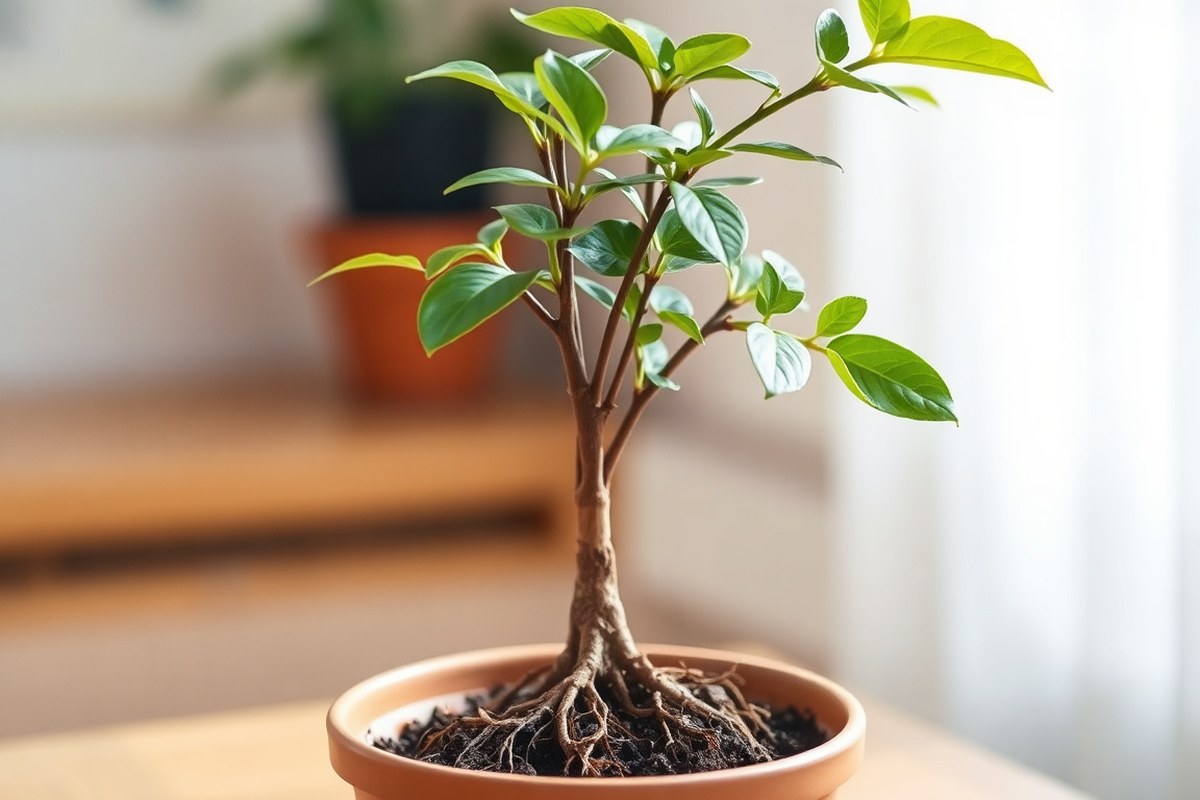
Your money tree should be repotted every 2 to 3 years to encourage healthy growth. Signs it needs repotting sooner include roots growing out of the soil surface or drainage holes. The pot feeling unusually light despite regular watering.
Repotting is needed when the pot cracks or breaks. This often happens because the roots push hard against the container. A root-bound plant can cause this problem over time.
The plant may lean or grow slowly. Yellowing leaves are also a sign. Plan to repot it within two weeks.
Water your money tree one to two days before repotting. This helps loosen the roots. It makes taking the plant out easier.
Early spring is the best time to repot money trees. Do it just before new growth starts. Act sooner if the tree looks stressed.
Money trees need room for their roots to spread. Use a bigger pot by 2 to 3 inches for mature plants. Fresh soil reduces root rot and helps nutrient absorption, keeping the plant strong.
Choosing the Right Pot and Soil Mix for Replanting

Pick a pot that’s 1 to 2 inches wider than the old one. This size leaves enough room for roots to grow well. Check that the pot has holes for drainage to stop water buildup.
Common pot materials for money trees include plastic, ceramic, and terracotta. Plastic pots tend to be lighter and retain moisture better, which suits drier homes. Terracotta pots let air in and dry out faster.
They work well in humid places or if you water too much. These pots help prevent root rot.
Money trees thrive in soil that holds some moisture but drains well. A peat-based mix helps keep moisture without getting soggy. Adding perlite improves drainage and prevents soil compaction around roots.
Here’s a table comparing suitable pot types, sizes, and soil characteristics for money trees:
| Pot Type | Recommended Size | Soil Characteristics | Why It Works |
|---|---|---|---|
| Plastic | 1-2 inches larger in diameter | Peat-based with 10-20% perlite | Retains moisture, lightweight, easy to move |
| Ceramic (glazed) | 1-2 inches larger | Peat-based, well-draining | Stable, attractive, moderate moisture retention |
| Terracotta | 1-2 inches larger | Peat mix with perlite, drains quickly | Breathable, dries soil faster, prevents root rot |
| Seedling or small pot | Transplant baby money trees | Same peat and perlite mix | Fits young plants, encourages root development |
Use your hand to hold the money tree’s base gently when replanting. Position the root ball 1 to 2 inches below the pot rim so water won’t overflow. Add 10 to 20% perlite to peat-based soil.
This mix keeps soil moist but lets air in. It helps your plant roots breathe and stay healthy.
Keep an eye on soil moisture after repotting. Check the top 1 to 2 inches daily during the first week.
Dry soil at the surface signals it’s time to water again. Overly wet soil leads to root rot, a common death cause for money trees.
Check that your new pot has enough drainage holes to prevent standing water.
Preparing Your Money Tree and Materials Before Repotting
Preparing your money tree and materials before repotting helps reduce stress on the plant. You want to avoid damaging roots and ensure the tree settles well in its new pot. Proper prep steps give your tree the best chance to thrive after repotting.
Watering and Timing Before Repotting
Water your money tree thoroughly the day before you repot it. This keeps the root ball moist and easier to handle. Avoid repotting during very hot days to prevent extra stress on the roots.
Spring or early summer is the best time to repot your money tree. Indoor trees in stable conditions can be repotted anytime.
Keep room temperatures from 60°F to 75°F. Make sure the environment stays steady during repotting. This range supports recovery from transplanting.
Gathering Tools and Supplies
Collect all the supplies you need before starting your repotting project. Having everything ready helps you work smoothly and quickly, which is less stressful for your plant. Basic tools include a new pot, fresh soil mix, gloves, and a watering can.
You will also need a clean workspace with newspaper or a tarp to catch spilled soil. A small hand shovel or trowel makes soil handling easier. Use scissors or pruners to trim roots or dead leaves.
Do this right after you take out the tree. It will make repotting easier and cleaner.
Here’s a checklist of what to prepare:
- Pick a new pot that’s 1 to 2 inches wider than the old one. This size gives the roots room to grow. Avoid pots that are too big or small.
- Get well-draining potting mix suited for indoor plants.
- Gather a watering can filled with room-temperature water.
- Prepare gloves and sharp scissors or pruners.
- Lay down newspaper or tarp to protect your work area.
- Have a small hand shovel or trowel ready for handling soil.
Choosing a Safe Location for Repotting
Pick a spot near a sink or outside with good light and ventilation. This helps you clean the root ball and soil spills easily. Make sure the area stays warm and away from drafts or direct, strong sun after repotting.
The location should be spacious enough to move around your money tree. You want room to gently remove the plant and add soil without rushing. Avoid busy areas where pets or kids might accidentally disturb your work.
Step-by-Step Process to Remove and Repot Your Money Tree
Step-by-Step Process to Remove and Repot Your Money Tree
Start by carefully removing the money tree from its pot, then clean the roots. Position the tree in the new pot and add fresh soil around it. This process helps the plant grow healthy roots and stay stable.
Removing the Money Tree from Its Current Pot
Check if the money tree’s soil feels dry a day before repotting. Dry soil lets you slide the root ball out easily without damage. Avoid pulling the trunk; instead, hold the base gently while easing it out.
A tight grip or sudden pulls can break roots or branches. For a root-bound plant, gently squeeze the pot’s sides to loosen the soil. A careful approach keeps roots intact and healthy for replanting.
- Water the money tree lightly the day before repotting.
- Lay down a clean surface to work on, like newspaper or a tray.
- Turn the pot sideways and hold the plant base, not the trunk.
- Squeeze or tap the pot sides to loosen the root ball.
- Gently pull the root ball from the pot, avoiding sharp tugs.
- Place the plant sideways to remove excess old soil around the roots.
Cleaning and Inspecting the Roots
Remove excess soil from the roots by hand, exposing root structure clearly. Look for signs of root rot, like black or mushy roots, which need trimming. Healthy roots are white or light tan and firm to the touch.
Rinse roots gently with room-temperature water if soil sticks too much. Trim any damaged or rotten roots with clean scissors to stop problems spreading. Let the roots air dry for about 30 minutes before repotting.
Placing and Securing the Tree in the New Pot
Choose a pot with drainage holes slightly larger than the old one. Add a layer of fresh potting mix designed for tropical plants at the bottom. Position the money tree in the pot center, spreading roots evenly without bending.
Add fresh soil around the sides until the roots are covered and secure. For a heavy tree, put half an inch more soil near the base for support. Press soil gently to remove air pockets but keep it loose for water to pass.
- Place a fresh 1-2 inch soil layer in the bottom of the new pot.
- Center the money tree and spread the roots out gently.
- Add fresh soil around the roots, covering all parts evenly.
- Press soil lightly to stabilize and remove air pockets.
- For tall or top-heavy trees, add about ½ inch more soil around the base.
- Water the plant soon after repotting to settle the soil.
Root Pruning and Handling Root-Bound Money Trees
Trimming roots isn’t always required when repotting a money tree. Only prune roots if you find damaged, rotten, or overly tangled ones. Healthy roots help your money tree grow better after repotting.
For root-bound trees, gently loosen the roots starting at the top with your fingertips. Take care not to break fragile roots. When roots are too tight, trim them lightly with clean scissors to boost growth.
Look closely for any brown or mushy root sections. These indicate root rot and need to be removed carefully.
Cut away all soft parts until only firm white roots remain. This stops the rot from spreading.
- Loosen tightly coiled roots carefully with your fingers.
- Trim brown, mushy roots using sterile scissors.
- Support the root ball gently to avoid damage.
- Spread healthy roots evenly in the new pot space.
- Tap the pot gently to settle soil and eliminate air pockets.
Roots that look thin and fragile require extra care. Support the root ball with your palm, then use a soft brush to separate root clusters. This avoids breaking fine roots, which are essential for water uptake.
Spot root rot? Remove damaged roots completely and treat your money tree soil.
Replant in fresh, well-draining soil to prevent future rot. Also, pick a pot that isn’t too big to reduce water retention around roots.
Use clean scissors for any root trimming to prevent infections that can kill your money tree.
Watering and Caring for Your Money Tree After Replanting
After repotting your money tree, water it lightly to keep the soil moist. Avoid soaking it right away. Overwatering can cause root rot since the roots need time to adjust.
Check the top inch of soil daily. Water again only when it feels dry. During the first 3 to 4 weeks, your plant drinks less water.
It is still settling in the new pot. Give it time to adjust.
Money trees like humidity around 50 to 60 percent. Place a humidifier nearby in dry indoor air, especially during winter.
You can also mist the leaves once daily to raise moisture. This helps prevent leaf edges from browning or curling.
Place your money tree where it receives bright, indirect light. Direct sun can burn the leaves and cause spots.
Move your plant outdoors in summer to a shaded spot. Look for a place with filtered sunlight, not direct sun.
Proper light keeps leaves green and sturdy. Pale, droopy leaves often mean too little light. Rotate the plant every week so all sides get equal light and grow evenly.
Wait about a month after repotting before adding fertilizer. Use a balanced, water-soluble fertilizer labeled for houseplants. Use fertilizer at half strength monthly in spring and summer.
These are the months your money tree grows most. Feed it regularly but gently.
Slow growth or yellow leaves may mean you fertilized too soon or used too much. Flush the soil with water to wash away excess nutrients. Then avoid fertilizing until the soil balances.
Keep the temperature steady, between 60 and 75 degrees Fahrenheit. Avoid placing the plant near heaters, air conditioners, or drafty windows. Sudden temperature changes stress the roots and stunt growth.
Check soil drainage regularly. Water collecting on the surface after watering means poor drainage in the pot or soil.
Check the pot’s holes or the soil’s texture. Repot with fresh well-draining mix to avoid root diseases.
Water your money tree lightly and keep humidity moderate. Give it indirect light and stable temperatures. Hold off on fertilizing at first to help it settle.
Recognizing and Managing Transplant Shock in Money Trees
After repotting a money tree, watch for signs of shock. Look for droopy or yellow leaves. Slow growth also indicates a problem.
These signs happen because roots get disturbed. The plant then struggles to absorb water and nutrients. This stress slows its growth.
Transplant shock usually lasts one to three weeks. The tree needs time to settle in. Growth improves once the roots adjust.
To help, remove any leaves that look brown or damaged. Feed the money tree with a diluted organic liquid fertilizer about two weeks after repotting. Keep the soil moist but not soaking wet.
Check the soil every few days. Avoid both drying out and overwatering.
Light changes can also cause stress. So place your money tree where it gets bright, indirect light but avoid direct afternoon sun. You might see faster recovery in warmer months.
Growth speeds up when temperatures are higher. This helps the tree bounce back. Cooler seasons slow recovery.
A common mistake is picking a pot that’s too big. Using soil that retains too much water also harms roots. Both cause stress to your money tree.
This leads to soggy roots and shock symptoms. Fix this by repotting again into a slightly bigger pot with well-drained soil.
Also, cutting off too many roots causes shock. Trim only the damaged roots when necessary.
The moment after repotting is critical. Don’t water heavily right away, instead, wait a few days to let roots heal. Then water lightly.
Keep an eye on the plant daily and adjust water based on soil feel. This careful balance prevents shock and helps the money tree bounce back faster.
Cutting, Propagating, and Braiding Money Trees During Replanting
You can propagate your money tree by taking cuttings and rooting them indoors. Braiding or reshaping the trunks is mostly for adding a neat look and doesn’t affect growth. Both are doable when you repot your plant.
Taking Healthy Cuttings for Propagation
Choose mature, healthy stems with several leaves for your cuttings. Cutting just below a leaf node helps new roots grow faster. Use clean, sharp scissors or pruners to avoid damaging the plant.
Cuttings about 4 to 6 inches long work best. Remove the bottom leaves so they don’t sit in water or soil and rot. Take cuttings during the growing season, usually spring or early summer, to improve success.
- Pick a healthy stem with at least 3 leaves.
- Cut the stem just below a leaf node.
- Remove the bottom one or two leaves.
- Optional: Dip the cut end in rooting hormone.
- Choose a medium for rooting, like water or soil.
Use clean tools to avoid spreading diseases to the cutting or main plant.
Rooting Cuttings Successfully Indoors
Place your cuttings in water or well-draining soil to start roots. Keep the environment warm, around 70 to 75°F, and avoid direct sunlight. Change water every few days if rooting in water to prevent rot.
It takes 2 to 4 weeks for roots to form, depending on conditions. Once roots are 1 to 2 inches long, transfer soil-rooted cuttings into pots with proper soil. Keep soil moist but not soggy to avoid root rot.
- Set the cutting in water or moist soil.
- Keep the container in indirect light and warm temperature.
- Keep humidity high by misting or covering with a plastic bag.
- Check regularly for roots every week.
- Pot cuttings once roots reach 1 to 2 inches.
Avoid overwatering cuttings; soggy soil kills new roots quickly.
Braiding or Restyling Money Tree Trunks
Braiding your money tree trunks gives them a neat, decorative look. It won’t affect the way your plant grows. This method is just for style.
To braid, start with young, flexible stems. Twist them gently and hold in place as they grow thicker.
Use soft ties or black tape near the base to keep stems together without cutting circulation. Don’t braid older, woody trunks since they can snap or damage. You can redo braids during repotting if stems are still flexible and healthy.
- Select multiple flexible stems that grow closely.
- Start braiding about 6 inches above the soil line.
- Wrap gently but firmly around each other without tight knots.
- Secure the base with soft ties or black tape.
- Adjust braids as the tree grows to keep style symmetrical.
Braiding older trunks may break the stems and hurt your money tree.
Step-by-Step Action Plan for Replanting Your Money Tree
Follow these clear steps to replant your money tree and keep it healthy. Watch for signs of good growth to know you’re doing it right.
- Before you start: Choose a pot one size larger with drainage holes. Pick a well-draining soil mix with peat and perlite. This helps roots grow without soggy spots.
- Day 1: Remove the tree gently and trim any dead roots. Check that you freed tightly wound roots for better growth.
- Day 1: Place fresh soil in the bottom of the new pot. Set the tree in the pot and fill around roots with more soil. The tree should sit at the same soil depth as before.
- Day 1: Water thoroughly until water drains from the bottom. This settles the soil and hydrates the roots.
- Week 1: Keep the plant in bright, indirect light. Look for firm, shiny leaves as a sign it’s recovering well.
- Week 2: Check the soil moisture twice a week. Water only when the top inch feels dry to avoid root rot.
- Week 4: Begin feeding with a balanced, diluted fertilizer once a month. This supports new leaf growth.
- After 6 weeks: Inspect the plant for steady growth and no wilting. This means your money tree adjusted successfully.
Frequently Asked Questions
When Should a Money Tree Be Repotted?
Repot your money tree every 2 to 3 years to encourage growth. Check if roots crowd the pot sooner to avoid stress.
What Kind of Soil Do Money Trees Need?
Money trees need well-draining soil with peat moss and perlite. This mix keeps roots moist but not soggy.
Can You Cut and Replant a Money Tree?
Yes, you can cut and replant a money tree by propagating its stem cuttings. Keep the cutting moist and warm for rooting.
Do Money Trees Like Small or Big Pots?
Money trees prefer pots 2 to 3 inches larger in diameter than the current pot. Too big pots can cause waterlogging.
How Long Does a Money Tree Take to Recover After Repotting?
It usually takes 3 to 4 weeks for a money tree to adjust after repotting. Keep soil moist but not soggy during this time.
Should I Fertilize My Money Tree Right After Repotting?
Avoid fertilizing immediately after repotting to prevent root burn. Wait at least 4 weeks before feeding.
Key Points to Remember
Replanting your money tree carefully boosts its health and growth after transplant. Start by picking the right pot and soil for your plant. Then watch it adjust over the next few weeks.
Keep an eye on how it grows and changes. Your next step is to monitor soil moisture and light to keep it thriving.


One Comment