
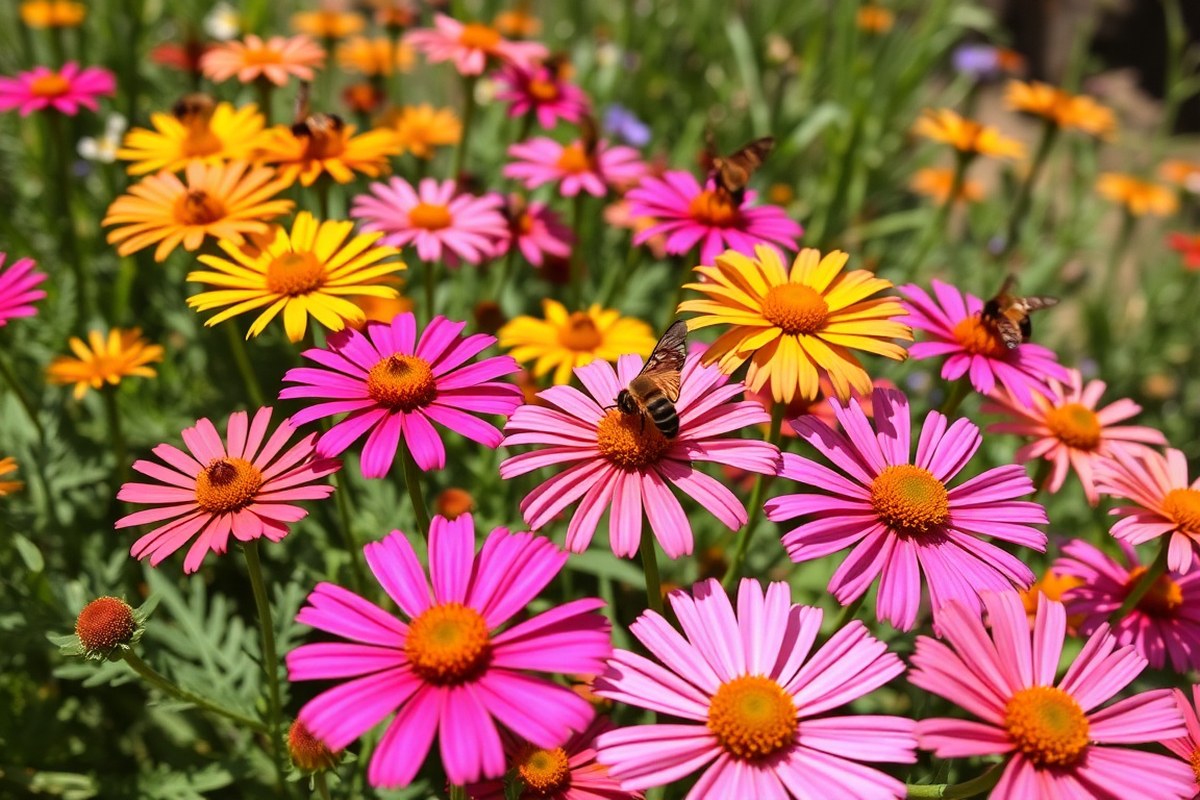
Is Tickseed a Perennial? A Complete Guide to Growing Coreopsis
Is tickseed a perennial? Yes, most tickseed plants, also known as coreopsis, are perennials. They usually come back year after year if grown in the right climate.
Perennial tickseed grows in USDA zones 4 through 9. It can survive winters in many areas. This means you can grow it in various regions.
Some varieties may act like annuals in colder zones because they won’t survive harsh freezes. Starting with perennial coreopsis means less replanting and more blooms over time. Choose your variety based on your zone to ensure it’s truly perennial where you live.
Before planting, clear weeds and loosen the soil about 8 to 10 inches deep. This gives your tickseed roots room to grow strong and healthy. Proper spacing between plants, about 12 to 18 inches, also helps keep them vigorous.
Key Takeaways
- Tickseed is mostly a perennial plant suitable for USDA zones 4-9.
- Some coreopsis varieties behave like annuals in colder climates.
- Clear weeds and loosen soil 8 to 10 inches before planting.
- Space plants 12 to 18 inches apart for good airflow and growth.
- Choose varieties based on your USDA hardiness zone for best results.
- Perennial tickseed returns year after year, reducing the need to replant.
Is Tickseed a Perennial or Annual Plant?

Tickseed can be either a perennial or an annual plant based on the species and climate. Perennials return year after year, while annuals complete their life cycle in one season. Knowing your local USDA hardiness zone helps decide which type will thrive in your garden.
Two common perennial types are Threadleaf Tickseed and Lanceleaf Tickseed. These plants usually live around five years before needing division for health. They grow well in zones 4 to 10 and can handle drought and deer.
Annual tickseed plants grow fast and live just one season. They bloom quickly and add color to gardens. These are perfect for wildflower mixes or quick garden spots.
In warmer areas, some perennials may die after one season. This can happen if winters are too cold or they’re cut back too much. They then act like annuals rather than lasting plants.
| Species | Plant Type | USDA Hardiness Zone | Lifespan |
|---|---|---|---|
| Threadleaf Tickseed (Coreopsis verticillata) | Perennial | 4-9 | About 5 years |
| Lanceleaf Tickseed (Coreopsis lanceolata) | Perennial | 4-10 | About 5 years |
| Single-Season Coreopsis (Annual type) | Annual | Varies, often 5-9 | One growing season |
In colder zones, perennial tickseed might not make it through winter. They often survive only one year in these harsh climates. They behave more like annual flowers in these places.
Coastal gardeners or those in mild climates will see true perennials returning every spring. Splitting mature plants every 3 to 4 years keeps them healthy.
This practice helps the plants stay lively and bloom better. It also extends the life of your garden plants.
Choosing the Right Tickseed Variety for Your Garden

Picking the right tickseed variety means matching size, bloom time, and zone. You want a perennial that fits your garden space and blooming needs. Hardiness zones ensure your plant will survive winters and thrive year after year.
Popular Perennial Varieties
Coreopsis grandiflora is a top choice for a sunny perennial garden. It grows 12 to 14 inches tall. It spreads to the same width.
Bright yellow flowers bloom all summer long. Another variety reaches 16 to 18 inches tall and wide, perfect for middle borders.
Taller types can spread up to 28 inches wide. They bloom during summer.
These work well for garden backgrounds. Coreopsis ‘Red Satin’ stands out with deep green foliage and vigorous growth, adding texture besides flowers.
| Variety | Height | Width | Bloom Time | Hardiness Zone |
|---|---|---|---|---|
| Coreopsis grandiflora | 12, 14 inches | 12, 14 inches | Early to late summer | 5, 9 |
| Coreopsis (mid-size) | 16, 18 inches | 16, 20 inches | Summer | 5, 9 |
| Coreopsis (large) | 16, 18 inches | 24, 28 inches | Summer | 5, 9 |
| Coreopsis ‘Red Satin’ | Medium | Medium | Summer | 5, 9 |
Choosing a variety depends on your garden’s space and design. Taller types suit background beds. Medium and smaller ones fit front rows or borders.
Dwarf and Compact Options
Small gardens and containers work well with dwarf tickseed varieties. ‘Golden Sphere’ has round, double golden-yellow flowers like tiny pom-poms. It stays compact, ideal for tight garden spots or pots.
‘Moonbeam’ grows only about 1 foot tall with fine, fern-like leaves. ‘Creme Brulee’ looks similar but grows a bit sturdier. These smaller types give bloom without taking much space.
Avoid overwatering compact varieties; they prefer less moisture to stay healthy.
Bloom Times by Variety
Most perennial tickseed blooms from early spring through late fall. This offers long-lasting color in your garden.
Coreopsis grandiflora blooms early to late summer, filling summer beds with bright color. Other varieties peak in mid to late summer, extending bloom periods.
Some semi-double and double-flowered types bloom in summer. Examples include ‘Early Sunrise’ and ‘Golden Sphere’. They add unique flower shapes to your garden.
Planting Tickseed: When and How to Start
Plant tickseed in early spring, about two months before the last frost date. You can start seeds indoors or sow them directly outdoors after frost risk passes. Space plants 12 to 18 inches apart to give them room to grow and avoid crowding.
Ideal Soil and Site Preparation
Choose a sunny spot where the soil drains well to prevent root rot. Remove weeds and debris, clearing the area completely before planting. Loosen the soil to a depth of 8 to 10 inches.
This gives the roots enough space to spread. It helps the plant grow healthy and strong.
Good air circulation around plants helps keep them healthy and blooming. Avoid locations where water pools or stands after rain. This reduces the risk of disease and encourages stronger growth.
Seed Starting and Germination Tips
Start tickseed seeds indoors about 6 to 8 weeks before you plan to plant outside. Keep the soil moist with a misting bottle and maintain temperatures between 55 and 75°F. These conditions encourage fast, healthy germination.
Direct sow seeds outdoors once all danger of frost has passed and soil warms up. You can also plant seeds in stages during the growing season for a longer bloom period. Tickseed seeds are easy to grow but need consistent moisture early on.
Transplanting and Spacing Guidelines
Harden off indoor-started seedlings by taking them outside for short periods a week before planting. This helps them adjust to outdoor conditions. Transplant seedlings when they have 3 to 4 true leaves and after frost risks have passed.
Space plants 12 to 18 inches apart depending on the variety’s size. This spacing allows airflow and prevents overcrowding, which can reduce flowering and encourage disease. Keep dividing mature plants every 2 to 3 years to maintain vigor and spread.
- Clear the site of weeds and loosen soil to 8, 10 inches deep.
- Start seeds indoors 6, 8 weeks before the last frost or plan direct sowing after frost.
- Keep seed trays moist, with temperatures between 55°F and 75°F for germination.
- Harden off seedlings before transplanting them outdoors.
- Plant seedlings 12 to 18 inches apart, depending on your tickseed variety.
- Water lightly after planting and watch for any signs of overwatering.
- Consider dividing mature clumps every few years to keep plants healthy.
Sunlight, Soil, and Watering Needs for Healthy Growth
Tickseed thrives best in full sun, needing at least six to eight hours daily. You should place it where it gets strong, direct sunlight to encourage vibrant flowers. Without enough sun, the plant may grow weak and bloom poorly.
It grows well in various soil types, including clay, sandy, loamy, poor, and normal soil. The key is to plant tickseed in lean, infertile soil rather than rich, heavy soil.
Soils with a pH close to neutral (6.0 to 7.0) suit tickseed best. But it’s a tough plant that tolerates slight variation.
Water tickseed regularly, but avoid soggy soil that can cause root problems. Outdoors, watering once or twice a week is usually enough, depending on rainfall and temperature. Container-grown tickseed needs watering weekly since pots dry out faster, especially in warm weather.
Fertilizing isn’t necessary for tickseed because it prefers poorer soils. Overfertilizing can lead to floppy stems and fewer flowers. If you want to feed it light, use a balanced, low-nitrogen fertilizer sparingly in spring to support new growth.
Tickseed seeds require light to germinate, so don’t cover them with soil. Instead, press the seeds gently onto the soil surface to keep them exposed to light. This helps ensure better sprouting and healthier plants in the long run.
How to Care for Perennial Tickseed Throughout the Seasons
Tickseed appreciates regular deadheading to extend its bloom time. Removing spent flowers every one to two weeks helps the plant focus energy on new buds. Use sharp scissors or garden shears for cutting.
Cut just above the next set of leaves. Also, cut above lateral buds.
Pruning is minimal but useful in late summer or early fall to shape the plant. You can trim back about a third to prevent legginess and encourage bushier growth next year. Avoid heavy pruning in late fall, as it might stress the plant before winter.
Dividing perennial tickseed every three to four years helps keep it healthy and vigorous. Early spring or late fall is best for division. The plant should be dormant or just starting to grow.
This timing helps new sections establish well. Dig up the whole root ball carefully.
Split it into smaller sections using a fork or spade. Replant each section at the same depth they were growing.
Fertilizing is low priority since tickseed does well in average soil. But a light application in early spring can boost growth.
Use a balanced, slow-release fertilizer, following the package rates to avoid overfeeding. Too much fertilizer may lead to lots of leaves but fewer flowers.
Consistent watering helps during dry spells, though established tickseed tolerates drought well. Mulching with organic material suppresses weeds and retains soil moisture, which supports steady blooming. You’ll notice healthier, longer-lasting flowers with these simple practices.
Check for and remove any dead or diseased leaves during seasonal care to avoid spreading disease.
Propagating Tickseed: From Seed and Division
Tickseed is easy to propagate from seeds or by dividing mature plants. You can start seeds indoors or sow them outside in spring. Dividing helps keep perennial plants healthy and blooming well over the years.
Starting Tickseed from Seed Indoors
Begin planting seeds inside roughly 6 to 8 weeks before frost ends. Use a tray made for seedlings and fill it with fresh seed mix. Water the soil to keep it damp and place it near grow lights or a bright window.
Here’s how to get your tickseed seeds started indoors:
- Fill a seed tray with moist, well-draining seed starting mix.
- Press seeds lightly into the soil without covering them deeply.
- Place the tray under grow lights or near a sunny window.
- Keep the soil evenly moist but not soaked.
- Maintain a temperature around 65 to 70°F for best germination.
- Watch for seedlings to appear, typically within 7 to 14 days.
- Thin seedlings if they grow crowded, leaving the strongest ones.
- Harden off young plants by gradually exposing them to outdoor conditions.
Direct Sowing Outdoors Guidelines
You can also sow tickseed seeds outdoors directly in spring. Choose a site with full sun and well-drained soil. Sow after the danger of frost has passed for best results.
Scatter seeds lightly on loosened soil, then press them in gently. Keep the area moist until seedlings grow strong enough to handle outdoor conditions. Expect blooms the first summer with right care.
Dividing Established Perennial Plants
Divide tickseed perennials every 3 to 4 years to keep them vigorous. The best time is early spring or fall when the plant is not in full bloom. Use a garden fork or spade to lift the whole plant out of the soil.
Shake off excess soil and separate the clump into smaller sections. Each division should have healthy roots and several shoots. Replant divisions at the same soil depth and water well to help them settle.
Common Problems Affecting Perennial Tickseed
Tickseed perennials rarely suffer from serious pest problems. There are no insects that usually harm these plants.
Despite the name “tickseed,” they don’t attract ticks. So you don’t need extra pest control for that.
You might see leaf spot or powdery mildew on your plants. This happens if they get crowded or stay wet too long. These diseases happen when moisture sits on leaves and air circulation is poor.
Plant tickseed where air can move freely around it. Water early in the day to help leaves dry fast.
Good growing conditions help keep diseases away without chemicals. Spot leaf spots? Prune those leaves right away.
Also, improve the airflow around the plants. Treat powdery mildew by spraying water and mild soap.
You can also use garden fungicides labeled for it. Follow all label directions closely to keep yourself and your plants safe.
Overwatering or letting tickseed sit in soggy soil often causes these issues. Use well-draining soil and water only when the top inch feels dry.
Avoid crowding the plants so air circulates and sunlight reaches each stem. That way, your tickseed stays healthy and bright throughout the season.
Another common mistake is planting tickseed in low light or heavy shade. These perennials need full sun most days to bloom well. Without enough sun, your plants grow lanky or sparse and produce fewer flowers.
Tickseed also attracts pollinators like bees and butterflies, which helps your garden’s overall health. It’s fine to have these visitors, so avoid insecticides that might harm beneficial bugs. Let nature work alongside your care efforts for the best results.
Special Considerations for Growing Tickseed in Containers and Challenging Climates
Tickseed can thrive in containers if you pick the right varieties. Look for types hardy at least two zones colder than your location. For example, if you live in Zone 6, pick a plant for Zone 4.
Choosing this helps it survive colder winters. This way, your tickseed stays healthy year after year.
Containers need good drainage and enough room since tickseed grows quickly. Repot or divide the plant every year to keep roots healthy and avoid crowding. Use well-drained soil that stays medium dry, avoiding soggy conditions.
Cold winters can challenge tickseed survival, especially in zones 4 to 7. Add mulch around the base of the plant in fall to protect roots from freeze damage. You can also move containers indoors or to a sheltered spot during harsh freezes.
Always check container drainage holes; soggy soil can kill tickseed fast.
Tickseed likes full sun but handles partial shade in hot areas. It grows best in poor, sandy, or rocky soil. These soils drain water well.
Good drainage helps stop crown rot from forming. For heavy or clay soils, mix in grit or sand before planting to improve drainage.
In warmer zones up to 10, tickseed usually survives outdoors year-round in containers. For colder places, winter protection is key. Insulating pots with bubble wrap or placing them against insulated walls can reduce freeze stress.
Step-by-Step Action Plan for Growing Perennial Tickseed
Follow these steps to start your tickseed plant strong. This will help it thrive. You can enjoy healthy growth year after year.
- Before planting: Choose a sunny spot with well-draining soil. Look for soil that dries out quickly after rain.
- Day 1: Plant tickseed seeds or divisions in spring after the last frost. The plants should feel firm in the ground with no wilting.
- Week 1: Water regularly to keep the soil moist but not soggy. Check soil moisture daily by feeling it with your fingers.
- Month 1: Mulch around the base to retain moisture and reduce weeds. The mulch should stay in place and keep soil cooler.
- Month 2: Fertilize lightly with a balanced fertilizer. New growth and vibrant leaves show your tickseed is happy.
- Early summer: Deadhead spent flowers to encourage more blooms. Watch for new flower buds forming.
- Fall: Cut back the foliage after it browns or dies back. Healthy new shoots should appear in spring.
- Every 3 to 4 years: Divide the plants in early spring to keep them vigorous. You’ll see new growth from divided roots during the season.
Frequently Asked Questions
Can Tickseed Survive Harsh Winters as a Perennial?
Some Tickseed varieties can survive harsh winters if mulched properly. Mulching helps protect the roots from freezing and supports perennial growth.
How Long Does a Perennial Tickseed Typically Bloom?
Perennial Tickseed blooms usually last from early summer to fall. Deadheading can encourage more blooms during this time.
Can Tickseed Be Grown Indoors as a Perennial?
Tickseed is best grown outdoors in full sun and well-drained soil. Indoor growth is challenging due to light and space needs.
Does Tickseed Require Fertilizing When Grown as a Perennial?
Tickseed grows well in poor soil but benefits from light fertilizing in spring. Use slow-release fertilizer to avoid overfeeding.
Are There Specific Pests That Target Perennial Tickseed?
Perennial Tickseed is mostly pest-resistant but can attract aphids or spider mites. Regularly check leaves and use insecticidal soap if needed.
How Often Should You Divide Perennial Tickseed Plants?
Divide perennial Tickseed approximately every five years to maintain vigor. Doing so prevents overcrowding and promotes healthier blooms.
Before You Go
Yes, tickseed is a perennial that will come back every year with proper care. Start by planting in the right spot and maintaining regular watering. Watch your tickseed bloom and fill your garden with color season after season.


One Comment