
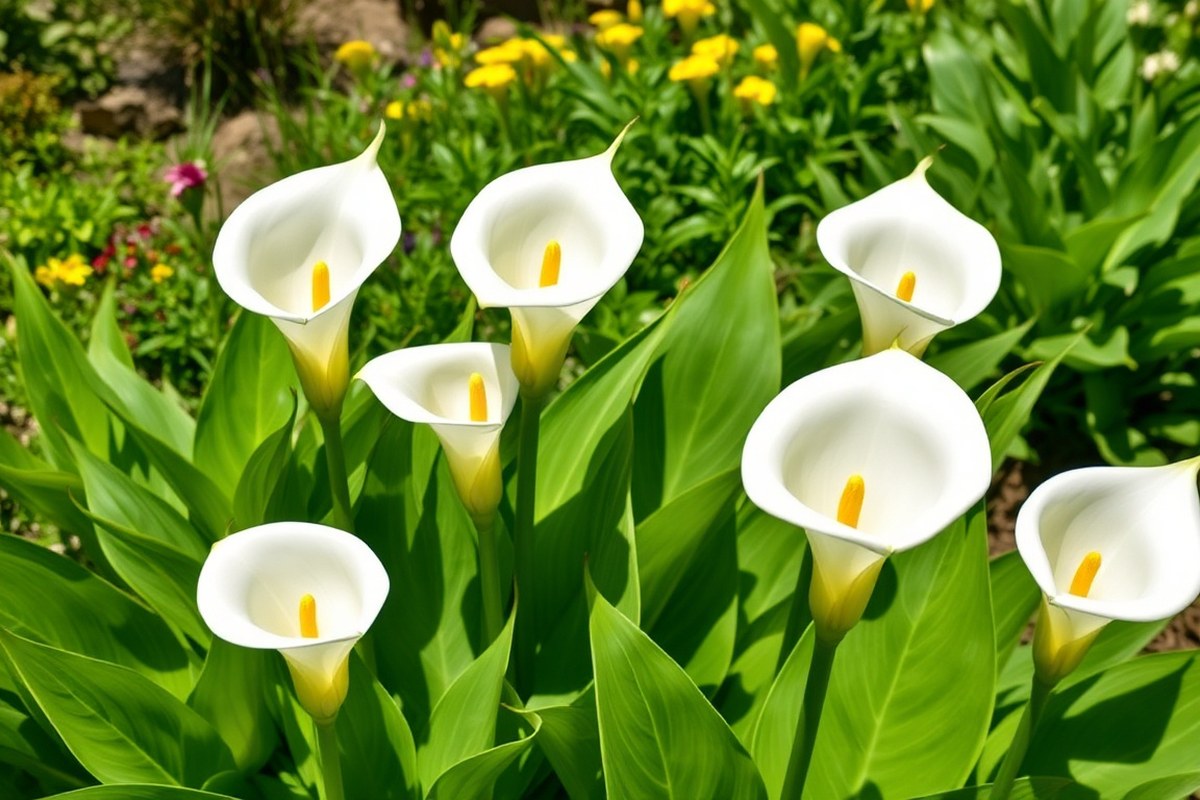
How to Grow Calla Lilies: A Complete Guide for Vibrant Blooms
Plant calla lily rhizomes in spring after the last frost. Wait until the soil reaches at least 60°F (15°C). This warmth helps the bulbs establish roots before hotter weather arrives.
Calla lilies prefer warm conditions and a sunny spot. Choose a place with daytime temperatures around 70°F (21°C) or higher. Use deep pots with drainage holes or raised beds for good drainage.
Keep the soil moist but not soggy to help roots thrive. Space bulbs 12 to 18 inches apart and plant 3 to 4 inches deep. Place bulbs pointed side up for best results.
Use a slow-release, natural fertilizer when planting to boost blooms. Calla lilies can flower beautifully for up to 12 weeks. Maintain consistent care throughout the season.
Key Takeaways
- Plant calla lily rhizomes in spring after the last frost.
- Wait until soil reaches at least 60°F (15°C) before planting.
- Choose a sunny location with temperatures around 70°F (21°C) or more.
- Use deep pots with drainage holes or raised beds for best growth.
- Keep soil moist but avoid waterlogged conditions to protect roots.
- Space bulbs 12 to 18 inches apart, planting 3, 4 inches deep.
How to Plant Calla Lilies for Best Growth

Planting calla lily rhizomes in well-prepared soil helps them grow strong and bloom well. Choose a sunny spot with soil that drains freely but holds some moisture.
The soil needs to be loose. So the roots can spread without struggle or waterlogging.
Preparing the soil starts with clearing weeds and breaking up any clumps. Mix in compost or aged manure to add nutrients and improve texture. This mix helps the bulbs get oxygen and moisture evenly, which encourages roots to develop properly.
Plant the bulbs at the right depth and space them well to avoid crowding. Planting too shallow can dry out the bulbs.
Too deep may slow their growth. Leaving enough space lets each plant get enough light and nutrients from the soil.
- Dig holes about 3 to 4 inches deep (7.5 to 10 cm) for each rhizome.
- Place the rhizome in the hole with the pointed growing tip facing upward.
- Space the rhizomes 12 inches (30 cm) apart if planting in the garden.
- Fill the holes with soil gently, covering the rhizomes completely.
- Press the soil down lightly to eliminate air pockets that dry roots.
- Water deeply right after planting to settle the soil and start root growth.
Planting calla lilies in pots requires a container about 12 inches wide with good drainage. Add a well-draining potting mix amended with compost before planting. This setup keeps moisture right around the rhizome but avoids soggy conditions.
Plant calla lilies after soil hits 60°F (15°C). This timing prevents chilly soil from damaging the bulbs. Taking care with these steps leads to healthy roots and bright, lasting blooms.
When and Where to Plant Calla Lilies Outdoors or in Containers

Calla lilies grow best when planted in spring after the last frost. Wait until soil temperature reaches about 60°F (16°C) for best results. This timing ensures the rhizomes start growing without risk of cold damage.
Choose a spot with full sun to partial shade. They tolerate a range of soils, but the soil must drain well. In hot climates, some afternoon shade helps prevent leaf scorch.
Calla lilies do well in garden beds and containers alike. Containers give you flexibility to move plants to better light or shelter. Use pots at least 12 inches wide and deep with good drainage holes.
Use a loose, well-drained mix with compost or organic matter. For garden beds, improve heavy clay soil with sand or peat for better drainage. Bury the rhizomes 3 to 4 inches deep in the soil or potting mix.
- Check your USDA hardiness zone to plan planting. Zones 7 to 10 can plant outdoors directly in spring.
- In zones 3 to 6, wait until mid to late spring after frost risk. Lift rhizomes in fall to store indoors for winter.
- Select a site with well-drained, loose soil and at least morning sun.
- Choose containers at least 12 inches wide and deep if planting in pots.
- Mix potting soil with compost to improve nutrients and drainage.
- Plant rhizomes 3 to 4 inches deep in soil or potting mix.
- Water lightly after planting, then keep soil moist but not soggy as they grow.
- Move potted lilies outdoors in spring, and indoors before first frost for protection.
Use mulch around outdoor lilies in colder zones to help protect roots from freezing. Avoid planting in poorly drained areas to prevent rot.
Soil, Sunlight, and Watering Needs Explained
Calla lilies grow well in soil that drains easily but holds some moisture. Choose rich soil that is slightly acidic or neutral, around pH 6.0 to 7.0. Adding organic matter like compost helps keep the soil airy and nutrient-rich without standing water.
They need about six hours of sunlight daily. But the exact light depends on your climate. In northern areas, full sun helps them grow strong.
Hotter regions should use partial shade in the afternoon. This avoids leaf burn. It also prevents plant stress.
Watering needs must balance moist soil without waterlogging the roots. Calla lilies like consistent moisture, especially while flowering, but avoid soggy conditions. In wet climates, you can water less once the plants settle.
Dry soil means you need to water more often. Aim for deep watering. Watering should be infrequent to grow strong roots.
| Soil Type | Sun Exposure | Watering Frequency | Practical Tips |
|---|---|---|---|
| Rich, well-draining, slightly acidic | Full sun (north) or partial shade (hot climates) | Keep soil moist; water deeply 1-2 times per week | Use mulch to retain moisture and reduce weeds |
| Neutral pH; amend with organic compost | Indirect light or filtered sunlight (afternoon shade) | Water less once established in rainy areas | Monitor soil moisture; avoid standing water |
| Light, airy soil that won’t compact | 6 hours of indirect or direct sunlight | Increase watering if soil feels bone dry | Check soil by touch, water when top 1-2 inches dry |
Mulching around calla lilies helps keep the soil evenly moist and cool. Spread a thin layer of organic mulch, like shredded bark, around the base. This also stops weeds from stealing water and nutrients.
Watch for signs of too much sun, like scorched leaves, or underwatering, such as drooping plants. Adjust watering based on weather and season, watering more during hot dry spells. Well-prepared soil helps your calla lilies grow well.
Correct sunlight and moisture are key. This setup helps them bloom beautifully.
Temperature and Climate Requirements for Healthy Calla Lilies
Calla lilies grow best in warm temperatures between 65 and 75°F. They suit USDA zones 8 to 10 for year-round planting. In colder zones, you’ll need to lift and store the bulbs before frost arrives.
Ideal Temperature Range for Growth
Calla lilies thrive when daytime temperatures stay between 65 and 75°F. Soil temperature also matters and should stay warm, between 60 and 70°F. Cooler soil slows growth. So plant after the last frost when soil warms well.
The warm range encourages strong foliage and bright blooms. Growth slows and can stop when temperatures drop below 60°F. High heat above 85°F can stress the plants and cause wilting or faded flowers.
Overwintering Calla Lilies by Zone
In zones 9 to 10, calla lilies survive winter in the ground. They do well with little care during this time.
These zones don’t usually dip below freezing. They grow like perennials and come back each year without digging.
In colder zones 2 to 7, dig up your calla lily bulbs before frost arrives. Clean the bulbs and let them dry for about a week. Then store them in a cool, dark place with temperatures around 60 to 75°F until spring.
The underground rhizomes should be kept dry but not completely dehydrated. Check bulbs every few weeks for rot or shriveling. When you’re ready to plant again, soak bulbs in water briefly to rehydrate before planting.
Managing Heat and Cold Stress
When it gets hotter than 85°F, give calla lilies some shade. Provide shade during the hottest times of the day.
This reduces heat stress and keeps flowers fresh longer. Mulching around the base also keeps soil temperature stable.
For cold snaps with temperatures below 50°F, cover calla lilies with frost cloth. You can also bring them indoors if in containers.
Plants exposed to frost or freezing temperatures can die or drop leaves quickly. Indoor winter storage helps protect bulbs from cold damage.
Growth slows when temperatures drop below 60°F. Stop fertilizing until it warms up again. Shield calla lilies from wind after cold weather. Keep soil damp but not soaked to help recovery.
Fertilizing and Feeding Calla Lilies for Abundant Blooms
Use fertilizers with equal nitrogen, phosphorus, and potassium levels. These balanced kinds work best for calla lilies. They give steady nutrients for healthy growth.
Apply a balanced liquid fertilizer every 2 to 3 weeks during the growing season. This supports lush foliage and prolonged blooming without overwhelming the plants.
At planting, you can use a slow-release, all-natural fertilizer like Van Bourgondien 100% Natural Bulb Food. It feeds calla lilies gradually to encourage steady growth. Many gardeners like organic fertilizers at this stage.
They release nutrients slowly and improve soil health. This makes plants stronger over time.
Once calla lilies begin active growth, switch to liquid fertilizer for faster nutrient uptake. Feeding every 2 to 3 weeks gives blooms the extra energy for large, vibrant flowers. Fertilizing more often can burn roots or cause problems.
It may lead to too much leaf growth and fewer blooms. Use fertilizer on a proper schedule.
- Apply slow-release organic fertilizer at planting for steady nourishment
- Start liquid feeding 4 to 6 weeks after planting
- Feed every 2 to 3 weeks during blooming season
- Use a balanced fertilizer with an N-P-K ratio close to 10-10-10 or 20-20-20
- Water plants before and after feeding to avoid root burn
- Avoid feeding once blooms start to fade to help bulbs rest
You can use either chemical or organic fertilizers but keep in mind their nutrient release speed. Chemical options release nutrients fast but can stress young roots if overdone. Organic types improve soil structure and feed roots steadily but cost a bit more.
Never skip watering before and after fertilizing to protect delicate roots and avoid fertilizer burn.
Overfeeding makes calla lilies grow too much leafy mass with fewer flowers. Look out for very dark green leaves or weak stems. These signs show you might be feeding your calla lilies too much.
Cut back on fertilizer amounts. Cutting back fertilizer frequency or diluting liquid fertilizer will help restore bloom balance.
Common Pests, Diseases, and How to Prevent Them
Calla lilies face several common pests and diseases that can hurt their growth. Watch for aphids, spider mites, and thrips. Aphids cluster on new shoots, causing curls and sticky leaves.
Spider mites leave tiny webs and pale spots on leaves. Thrips damage flowers, leaving them scarred and discolored.
Fungal diseases often affect calla lilies in wet conditions. Root rot shows as yellow leaves and mushy rhizomes, usually from overwatering or poor drainage.
Botrytis blight causes gray mold on leaves and flowers in cool, damp weather. Bacterial soft rot makes the plant rot and smell bad, usually where wounds exist.
- Inspect plants weekly, especially under leaves and stems.
- Keep soil evenly moist, not soggy, with good drainage.
- Remove and destroy infected leaves and flowers immediately.
- Space plants at least 12 inches apart to improve air flow.
- Use neem oil or insecticidal soap for aphids and mites.
- Apply fungicides labeled for calla lilies if fungal diseases appear.
- Avoid overhead watering to reduce fungus issues on foliage.
Early signs include distorted or shiny sticky leaves, yellowing, and soft spots near the base. Catching pests early helps prevent serious damage.
For small infestations, spray plants with a strong stream of water to knock pests off. For heavier pest loads, use insecticidal soap once or twice a week until pests drop.
Treat fungal problems by removing debris and letting soil dry between watering. Applying a copper-based fungicide can control botrytis and bacterial rots.
But follow the label carefully to avoid harming the plant. Avoid planting calla lilies in the same soil year after year to reduce disease buildup.
Container Growing Tips Versus Garden Bed Cultivation
Calla lilies in containers need different care than those planted in garden beds. Containers require more frequent watering and careful soil choice. You will also manage drainage and space differently to keep plants healthy.
Soil and Pot Requirements
Use potting soil with good drainage for calla lilies in containers. It keeps water from pooling and causing root rot. For garden beds, loose, well-draining soil enriched with organic matter works best.
Choose container pots with drainage holes to avoid standing water. Pick pots at least 8 to 12 inches wide to fit the bulbs comfortably. Space bulbs about 4 inches apart in containers, tighter than the 6-inch spacing in garden beds.
Watering and Drainage Management
Container calla lilies need watering more often than those in beds. Check soil moisture daily in warm weather. Water enough to keep soil moist but not soggy.
Garden soil dries slower, so watering every 3 to 4 days usually suffices. Containers need water every 1 to 2 days in summer, depending on temperature and sunlight. Always drain excess water from containers to prevent root problems.
Fertilizer and Repotting Needs
Calla lilies in containers benefit from balanced liquid fertilizer every 2 to 3 weeks. Garden plants feed on nutrients in soil and may need less frequent fertilizing. Feed with a balanced fertilizer to encourage blooms, avoiding excess nitrogen.
Repot container plants every 2 years or when roots crowd the pot. Refresh potting mix when repotting to ensure fresh nutrients. Garden bed lilies need dividing only every 3 to 5 years for best growth.
Here is a comparison table outlining key differences between container and garden bed calla lilies:
| Care Aspect | Container Growing | Garden Bed Cultivation |
|---|---|---|
| Soil Type | Potting soil with drainage | Loose, organic-rich soil |
| Pot Size/Spacing | 8-12″ pot; bulbs 4″ apart | Space bulbs 6″ apart |
| Watering Frequency | Every 1-2 days in summer | Every 3-4 days in summer |
| Drainage | Must have drainage holes; drain excess water | Natural soil drainage |
| Fertilizing | Balanced liquid fertilizer every 2-3 weeks | Less frequent; balanced slow-release |
| Repotting/Dividing | Repot every 2 years or if root-bound | Divide every 3-5 years |
Calla Lily Growth Stages and Blooming Timeline
Calla lilies typically bloom about 10 to 12 weeks after planting. You can spot healthy growth by bright green leaves and firm stems. Feed your calla lilies with liquid fertilizer higher in phosphorus.
Prune spent blooms often. This helps flowers bloom longer.
From Planting to Sprouting
After planting calla lily rhizomes, sprouts usually appear within 2 to 3 weeks. The soil should be warm, around 60 to 70°F, to encourage quick growth.
Watch for the first shoots pushing through the soil. This shows your plant is growing well.
Keep the soil moist but not soggy during this early phase. Too much water can cause rot and delay sprouting. A well-draining spot helps avoid these issues and supports strong roots.
Foliage Development and Care
Once sprouts emerge, the leaves grow quickly and turn a vibrant green. Healthy calla lily leaves look full and glossy with no yellowing or brown edges. Yellow or pale leaves may mean your plant needs water or nutrient changes.
Keep an eye on nitrogen fertilizer, you want enough for strong foliage. But too much can reduce flowering.
Proper balance helps the plant build energy for blooms later on. Let the foliage grow fully before expecting flowers.
Flowering Phase and Peak Bloom
Calla lilies start blooming 8 to 10 weeks after sprouting. They can bloom for about 8 weeks.
Remove faded flower heads by pulling them off gently to make room for new blooms. This pruning encourages the plant to focus on fresh flowers.
Feed calla lilies every two to three weeks with high-phosphorus liquid fertilizer. This extends blooming time.
This nutrient mix boosts flower production instead of just foliage. Healthy blooms will look smooth, funnel-shaped, and come in colors from white to deep purple.
Steps to encourage longer blooming on calla lilies:
- Water consistently, keeping soil moist but not waterlogged.
- Apply a balanced liquid fertilizer at planting and switch to a phosphorus-rich feed once blooms start.
- Remove spent flowers promptly by hand to prevent the plant focusing on seed production.
- Allow leaves to grow fully and avoid cutting them prematurely.
- Place calla lilies where they get partial to full sun for best flowering.
- Keep an eye on pests that can weaken your plant and reduce blooms.
Pull off brown or wilted flowers instead of cutting them to promote fresh blooms.
Step-by-Step Action Plan for Growing Calla Lilies
Follow this plan to start your calla lilies right and watch them thrive. It guides you through planting, watering, and care actions weekly.
- Before planting: Choose a spot with morning sun and well-drained soil. Check soil pH is slightly acidic (6.0, 6.5) using a test kit.
- Day 1: Soak calla lily rhizomes in lukewarm water for 2 hours. This jumpstarts their growth.
- Week 1: Plant rhizomes 3 to 4 inches deep, spacing them 8 to 12 inches apart. Soil should stay moist but not soaked.
- Week 3: Start feeding plants every 2 weeks with a balanced 10-10-10 fertilizer. Watch for new leaves and stems.
- Week 5: Check for pests like aphids or spider mites. Spray with insecticidal soap if you see tiny bugs or sticky leaves.
- Week 8: Expect blooms to appear. Continue watering regularly, allowing soil to dry slightly between waterings.
- After blooming: Cut back the flower stems to promote new growth. Stop fertilizing to let plants rest.
Frequently Asked Questions
What Size Pot Is Best for Growing Calla Lilies?
A pot about 12 inches wide with many drainage holes works best. This size gives tubers enough room and keeps soil moist for healthy growth.
Can Calla Lilies Grow Indoors Successfully?
Yes, calla lilies can thrive indoors as potted plants. Make sure they get plenty of bright light near a sunny window.
Are Calla Lilies Tolerant of Different Light Conditions?
Calla lilies can grow under various light levels but do best in full sun. They still survive well with partial shade.
How Deep Should You Plant Calla Lily Corms?
Plant calla lily corms 3 to 4 inches deep in soil. Cover lightly to keep moisture and promote root growth.
What Type of Soil Do Calla Lilies Prefer?
They prefer slightly acidic soil rich in organic matter. Well-drained soil is important to prevent tuber rot.
How Long Do Calla Lily Flowers Last Once Blooming?
Flowers typically last from 6 to 12 weeks depending on care. Cooler, stable temperatures help them bloom longer.
Wrapping Up
Growing calla lilies can brighten your garden or porch with fresh, colorful blooms. Start by planting rhizomes in the right spot and caring for them weekly. Keep an eye on water and pests as your lilies grow for best results.





One Comment