

How Long Does It Take for Leaves to Decompose? A Complete Guide with Proven Methods
Leaves break down in about 3 months up to 3 years time. The rate changes based on leaf kind, weather, and your care.
Leaves break down faster when shredded and kept moist but not soggy. Whole leaves on your lawn can take up to 2 years to disappear. Make sure to turn or fluff your pile to keep the air moving.
Decomposition also slows if leaves stay too dry or packed too tight. Let leaves dry a bit after rain before mulching or composting.
Warm temperature and moisture speed things up. So find a sunny spot for your pile.
Leaves from soft trees like birch or maple rot quickly, usually under six months. Hard leaves like oak or walnut take longer, sometimes years, due to tougher fibers.
Your leaf pile’s size also matters. Bigger piles hold heat and moisture better, helping decomposition.
Key Takeaways
- Shred leaves to help cut decomposition time in half or more.
- Keep leaves moist but not soaked to support microbes.
- Turn or aerate your leaf pile every few weeks to add oxygen.
- Wait 24-48 hours after rain for leaves to dry before mulching.
- Whole leaves left on lawns can take 6 to 24 months to break down.
- Warm, moist spots speed decay much faster than cold, dry areas.
How Long Does It Take for Leaves to Decompose Naturally?
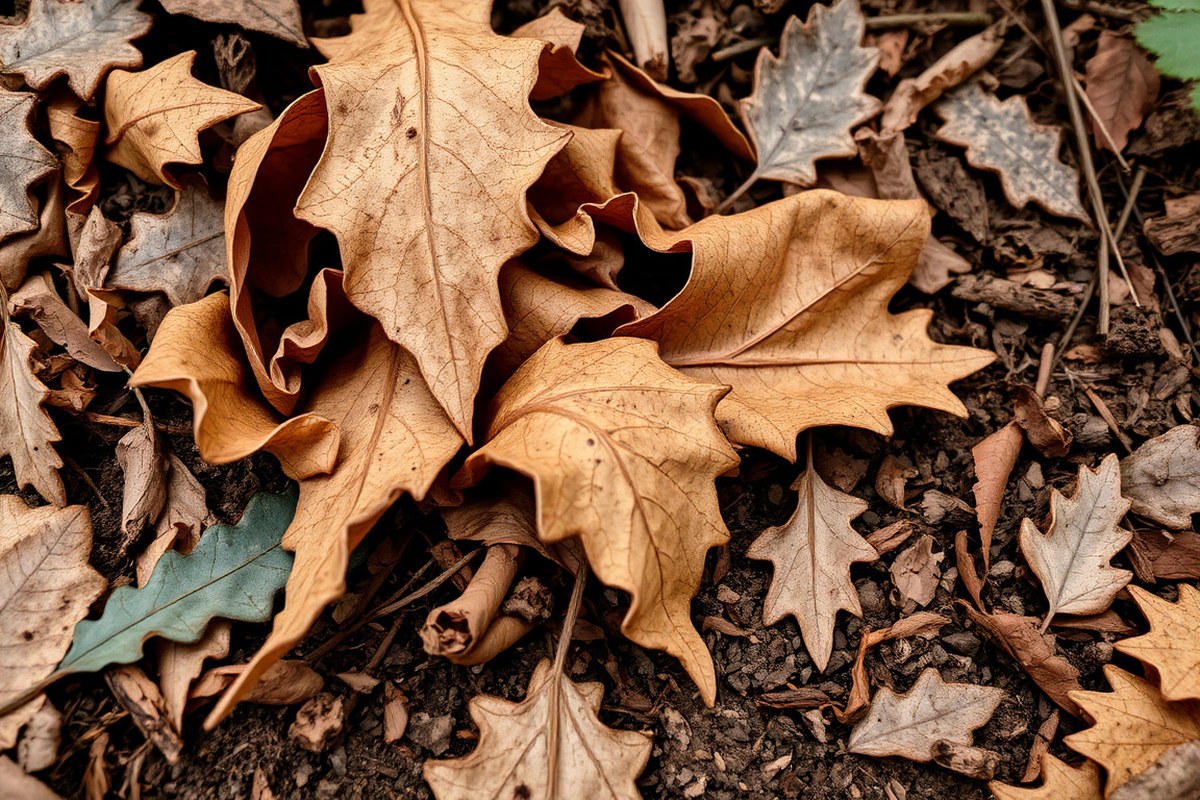
Leaves usually take between 6 months and 2 years to decompose naturally. The range changes based on your location and leaf type. How leaves lie on the ground also affects it.
In temperate areas, leaves break down faster, often within a year. Cold or dry climates stretch this process to 2 years or more.
Whole, unshredded leaves left on lawns often take 6 months to 2 years to break down. Shredded leaves speed this up, cutting the time roughly in half to about a year. Shredding increases surface area, helping microbes work faster.
For example, shredded maple leaves may decompose in just 4 months. Full leaves of the same type take longer.
Leaves left on soil or grass can mat together and slow decay. You should shred them first to speed decomposition. Thick leaf layers can block air and moisture from reaching soil.
This can make leaves take over two years to break down. Thin, loose layers on soil speed the process, letting oxygen and moisture reach the microbes. So, how leaves are placed affects how long decomposition takes most.
Which Leaf Types Decompose Faster and Why?

Leaves with different chemical makeup decompose at different speeds. Oak leaves have very high lignin content, which slows decay.
They take 12 to 24 months to break down if left whole. Shredded leaves break down faster, usually in 6 to 9 months.
Maple leaves contain moderate lignin, so they decompose faster than oak. Their whole leaves decay in 6 to 12 months. But shredded maple leaves break down in 3 to 5 months.
Birch and aspen leaves have low lignin. They break down fast, within 4 to 8 months whole. Shredded ones decompose in 2 to 3 months.
Pine needles are a special case. These leaves have high lignin and a waxy coating. Whole, they decay in 12 to 18 months.
Shredded, they take 8 to 12 months. High lignin content means microbes struggle to break down the tough structure, so decay slows down.
Leaf nitrogen content plays a big role too. Leaves with more nitrogen support more microbes, speeding decomposition.
When leaves are low in nitrogen, microbes take longer to break down the material. Mixing leaves high in nitrogen, like grass clippings, helps speed this process.
Leaves with less lignin and more nitrogen break down faster. Use this simple rule to judge decay speed. It helps you decide how fast leaves compost.
Hardwood leaves like oak take longer because they have lots of lignin. Softer, low-lignin leaves like birch decompose quickly. Shredding helps because it exposes more surface area for microbes.
Shredding leaves is cheap and easy to speed up decay. It cuts the compost time in half or less. This lets you use your leaves sooner.
How Temperature and Moisture Impact Leaf Breakdown
Leaves break down faster in warm temperatures between 70°F and 90°F. Microbes like bacteria and fungi become more active in these ranges. Cold weather slows their work, making decomposition take longer.
Moisture is just as important as temperature. Leaves decompose fastest when they’re damp but not soggy, with moisture levels around 40% to 60%.
Dry leaves stop microbial activity because microbes need water to survive. On the other hand, waterlogged leaves can suffocate microbes by cutting off oxygen.
Warm and humid conditions support both moisture and temperature needs for microbes. This combination speeds up breakdown processes by up to 40% compared to dry leaves.
Leaves lose mass faster when they stay moist and get good airflow. This is true in places with regular rain and mild warmth.
You should keep leaves moist during dry times. Spray water lightly every few days. Avoid piling leaves where water pools.
Turning leaves occasionally helps air reach microbes and prevents sogginess. These steps matter most in areas with extreme dry or rainy seasons.
In hot, dry areas, add water to the pile. Mix in moist scraps like kitchen greens. This helps speed up decomposition.
In cooler, wetter areas, just keeping leaves loosely piled to let air flow is often enough. Moisture and temperature work together to create the best environment for leaf microbes to thrive.
Which Organisms Help Break Down Leaves?
Fungi are key players in breaking down leaves. Saprotrophic fungi break down dead leaves. They digest cellulose and lignin.
These are the tough parts of leaves. These fungi release enzymes that chemically break leaves into simpler compounds, speeding up decomposition.
Bacteria work alongside fungi to chemically break down leaf material. They produce enzymes that break cellulose and lignin too. But they also digest softer leaf tissues.
Bacteria grow faster when it is warm and moist. They recycle nutrients like nitrogen and phosphorus. This helps the soil stay healthy.
Earthworms and insects physically break leaves into smaller pieces. Earthworms, beetles, and other small animals eat and break up leaves. This creates more surface area.
Fungi and bacteria can then work better. Breaking leaves into smaller parts speeds up decomposition.
It makes it easier for microorganisms to digest them. This speeds up the whole process.
All these organisms work together in a natural cycle. Fungi and bacteria chemically digest the leaves while earthworms and insects break them down physically. This teamwork turns leaves into nutrient-rich humus that improves soil structure and feeds plants.
Cutting leaves into small pieces gives fungi and bacteria a jump start. Smaller pieces expose more surface area to these microbes, allowing faster colonization and breakdown.
Soil conditions matter too. Fungi and bacteria struggle if soil pH drops below 5.5, slowing decomposition.
Good leaf decomposition depends on maintaining warm, moist conditions and proper aeration. These conditions support fungi and bacteria growth while helping invertebrates stay active. Ignoring moisture or soil quality can stall the process, leaving leaves partly decomposed for months.
How to Speed Up Leaf Decomposition at Home
Speeding up leaf decomposition means breaking leaves into smaller pieces. You also need to keep them moist. Mixing leaves with nitrogen-rich materials helps too.
These steps help microbes work faster on the leaves. They cut down the decomposition time by 3 to 4 times.
This makes the process much quicker. You can expect finished compost in 2 to 4 months with regular care.
Shredding Leaves for Faster Break Down
Shredding leaves breaks them into smaller pieces, which increases their surface area. More surface area lets microbes attack the leaves more quickly, speeding decomposition. Whole leaves take much longer to decompose because microbes have fewer places to latch onto.
Use a leaf shredder, mulching mower, or garden shredder to chop dry leaves. Shredded leaves fit more tightly together in the pile.
This causes the pile to heat up faster. The heat speeds up breaking down the leaves.
Balancing Moisture and Nitrogen Levels
Adding the right moisture and nitrogen keeps microbes happy and active. Dry leaves need water to soften and support microbial growth. But too much water can stop oxygen from reaching microbes.
Mix dry leaves with nitrogen-rich materials like grass clippings or kitchen scraps. Combining carbon-heavy leaves with nitrogen balances the pile and speeds decomposition by feeding microbes well.
Keep the leaf pile damp like a wrung-out sponge. Too wet or dry slows microbe action.
Turning and Monitoring the Leaf Pile
Turning the pile regularly lets air in and mixes materials. Oxygen is critical for aerobic microbes that do the bulk of decomposition. Turn the pile every 1 to 2 weeks, especially if it feels too wet or dry.
Watch the pile’s temperature and moisture. A hot, steamy pile usually means active microbes and fast breakdown. Adjust water or add dry leaves if the pile starts to smell bad or looks soggy.
- Shred dry leaves with a garden shredder or mulcher.
- Mix shredded leaves with fresh grass clippings or kitchen scraps.
- Moisten the pile until it feels like a damp sponge.
- Build the pile at least 3 feet high to retain heat.
- Turn the pile every 1-2 weeks using a pitchfork or shovel.
- Check moisture weekly; sprinkle water if dry, add dry leaves if soggy.
- Keep the compost bin or pile in a shaded but accessible spot.
Making Leaf Mold: A Specialized Decomposition Method
Leaf mold comes from decomposed leaves. Fungi mainly break it down. It differs from compost because compost has mixed organic stuff.
This process takes longer, usually around 6 to 12 months. Making leaf mold improves soil structure and water retention more than regular compost.
Selecting Leaves for Leaf Mold
Choose dry, fallen leaves from healthy trees. Avoid leaves with disease or thick waxy coatings as they take much longer to break down. Broadleaf species like oak and maple work well because they decompose steadily over time.
Crush or shred leaves before piling them up. Smaller pieces speed up fungal activity and moisture absorption. Avoid mixing in green grass or kitchen scraps if you want pure leaf mold.
Managing Moisture and Turning Frequency
Keep your leaf pile moist but not soaked. It should feel like a wrung-out sponge. Too dry, and decomposition slows; too wet, and it can rot or smell.
Water your pile during dry weather. Cover it with a tarp if heavy rain is coming. This keeps the moisture balanced.
Turn the pile gently every 2 to 3 months to add air, but don’t overdo it. Leaf mold needs turning less often than compost. Fungi like steady humidity and less air.
Bacteria need more oxygen than fungi. Monitor moisture when you turn it to keep it balanced.
Harvesting and Using Leaf Mold
Leaf mold is ready when it looks dark and crumbly. It should smell earthy. No leaf shapes should be visible.
This usually takes between 6 months and a year, depending on conditions and leaf type. The texture is soft, like soil, and smells like fresh forest floor.
You can use leaf mold as a soil conditioner or mulch. It holds moisture well and improves soil structure without adding much nitrogen. Mix leaf mold into garden beds in fall or spring.
You can also spread it on top as mulch. It helps soil retain moisture.
To start making your own leaf mold, follow these steps:
- Rake or vacuum dry leaves into a pile or bin, ideally 18 to 24 inches deep.
- Shred or crush leaves to speed decomposition and improve pile density.
- Moisten the pile evenly until it feels like a damp sponge but not soggy.
- Cover the pile with a tarp or breathable fabric to keep moisture in and pests out.
- Turn the pile gently every 2 to 3 months to maintain airflow and moisture balance.
- Watch the pile’s texture and colour, checking for crumbly, dark material after 6 months.
- Harvest finished leaf mold by sifting out any large bits and use it in your garden.
Common Mistakes That Slow Leaf Decomposition
Leaving too many leaves piled thick on your lawn can smother the grass underneath. This blocks sunlight, which the grass needs to grow and survive. It also raises mold and disease risks.
Snow mold likes damp, dark spots. These conditions help it thrive fast.
Moisture levels matter a lot. Dry leaves decompose slowly because microbes need moisture to work.
But too much moisture can create soggy conditions that slow decay and cause rot instead. You want leaves moist like a wrung-out sponge, not dry and crumbly or soaking wet.
Shredding leaves helps speed decomposition by increasing surface area. But shredding too fine and spreading leaves too thick can trap moisture and compact the pile.
This limits air circulation and slows decay. Spread shredded leaves in thinner layers around 3 to 4 inches thick.
- Spread leaves in thin layers to avoid smothering grass
- Keep leaf piles moist but not waterlogged
- Avoid piling leaves thicker than 6 inches
- Mix leaves with dry material to improve airflow
- Shred leaves coarsely, not into dust
- Store some leaves as mulch or habitat in garden beds
- Check piles regularly and stir to add oxygen
Don’t pile leaves directly on plants or delicate turf. This smothers roots and stops photosynthesis.
Instead, keep leaf piles in spots without grass or spread them lightly over beds. This lets beneficial bugs and fungi break leaves down without damaging plants.
Many gardeners find a mix works best. Spread leaves out enough that grass survives below. Add dry straw, shredded bark, or dry leaves to moistened green leaves.
This helps balance moisture and airflow. Turn leaves every two to three weeks to keep air flowing and break down leaves faster.
How to Know When Leaves Are Fully Decomposed and Safe to Use
Fully decomposed leaves look dark brown or black and break apart easily. They have no visible leaf shapes left and feel crumbly like soil. Typically, this final stage of humification takes about one to two years depending on conditions.
Visual Signs of Complete Decomposition
Leaves lose all recognizable parts by the time they fully decompose. They become uniformly dark and crumbly, resembling rich soil. No leaf veins, edges, or shapes remain visible.
Look for moist but not soggy material. It should be loose and break into small pieces when disturbed. You still see leaf fragments, so decomposition is not done yet.
- Color changes from brown/yellow to dark brown or black
- Texture turns soft and crumbly, similar to garden soil
- No intact leaf veins, edges, or leaf shapes
- Even moisture distribution without wet spots
- Material feels lightweight and breaks apart easily
Leaves fully decomposed this way become humus, which improves soil structure and fertility. Avoid using leaf material that looks patchy or contains visible leaf parts.
Tactile and Smell Indicators
The feel of decomposed leaves is soft and crumbly between your fingers. It is not slimy, sticky, or dry and brittle. These textural changes mean the organic material has broken down well.
You should smell an earthy, pleasant aroma like forest soil. A sour, ammonia-like, or rotten smell means incomplete or poor decomposition. That material should not go directly into your garden.
Testing Leaf Decomposition Readiness
Try a simple squeeze test: take a handful of the leaf material and squeeze firmly. Fully decomposed leaves hold their shape loosely but crumble easily when poked. The material feels tough or stays compact; it needs more time.
Check moisture too; it should feel damp but not dripping wet. Excess moisture can slow decomposition or cause bad smells. Let it dry slightly before use if too wet.
Do not use leaf mold that still shows leaf shapes or smells bad. It can harm your plants or soil health.
Here’s a quick checklist to decide if leaves are ready:
- Dark, soil-like color with no visible leaves
- Soft, crumbly texture without toughness
- Earthy, fresh smell with no sour or rotten odors
- Moist but not wet to the touch
- Material breaks apart easily under light pressure
Partially decomposed leaves work as mulch around plants. Avoid mixing them deep into soil or potting mix. They may tie up nitrogen and slow plant growth until fully broken down.
Step-by-Step Action Plan for Leaf Decomposition
Follow these steps to start decomposing your leaves quickly and see good results.
- Before you start: Gather dry leaves and green leaves separately. Chop or shred them. This speeds up breakdown.
- Day 1: Build a pile or use a bin for the leaves. Layer dry and moist leaves evenly. This helps keep moisture balanced.
- Week 1: Water the pile lightly if it feels dry. The leaves should feel like a wrung-out sponge.
- Week 2: Turn or mix the leaves to aerate them and speed up decomposition. Check for dampness regularly.
- After 1 month: Add a small shovel of garden soil or finished compost. This introduces helpful organisms.
- Week 6: Keep turning the pile every one to two weeks. Keep moisture steady for best results.
- After 3 months: Monitor the leaves for softness and dark color. This means they are breaking down well.
- After 6 months: Check for crumbly, soil-like texture. Leaves are ready to use as mulch or soil conditioner.
Frequently Asked Questions
How Long Does Shredded Leaf Litter Take to Decompose Compared to Whole Leaves?
Shredded leaves typically break down in about a year. Whole leaves can take up to two years because smaller pieces expose more surface for microbes. This speeds up the decomposition process significantly.
Can Acidic Leaves Delay the Decomposition Process?
Yes, acidic leaves like oak can slow down decomposition. Their chemicals make it harder for microbes to break them down. Adding lime can help balance the pH and speed things up.
Do Leaves Decompose Faster When Buried in Soil or Left on the Surface?
Leaves decompose faster when buried in soil. Soil moisture and microbes help break them down quicker. Leaving leaves on the surface slows the process, especially if dry.
How Does Leaf Decomposition Affect Garden Soil Quality?
Decomposed leaves add organic matter and nutrients to the soil. This improves soil structure and supports healthy plant growth. Using leaf mold as mulch can be especially beneficial in the garden.
Is It Safe to Compost Diseased Leaves with Other Garden Waste?
Composting diseased leaves can spread pathogens unless the pile heats to at least 140°F. Hot composting kills most diseases. If unsure, discard or burn diseased leaves instead of composting.
Does Autumn Leaf Color Impact Decomposition Speed?
Leaf color itself doesn’t affect decay time. Instead, the chemical makeup linked to certain species does. Darker leaves with more tannins tend to decompose slower than lighter, softer leaves.
Before You Go
Leaves usually take a few months to decompose well, depending on conditions. You can speed this up by chopping, watering, and turning your pile. Start today by collecting your leaves and setting up your pile the right way.



One Comment