What Is a Marquess Land Called? A Complete Guide to Titles and Estates
The question “what is a marquess land called” often trips people up. The land owned by a marquess is called a “marquessate” estate. It is often called a noble estate for short.
These words describe the same type of land. This reflects both the title and the land managed under that rank in British nobility.
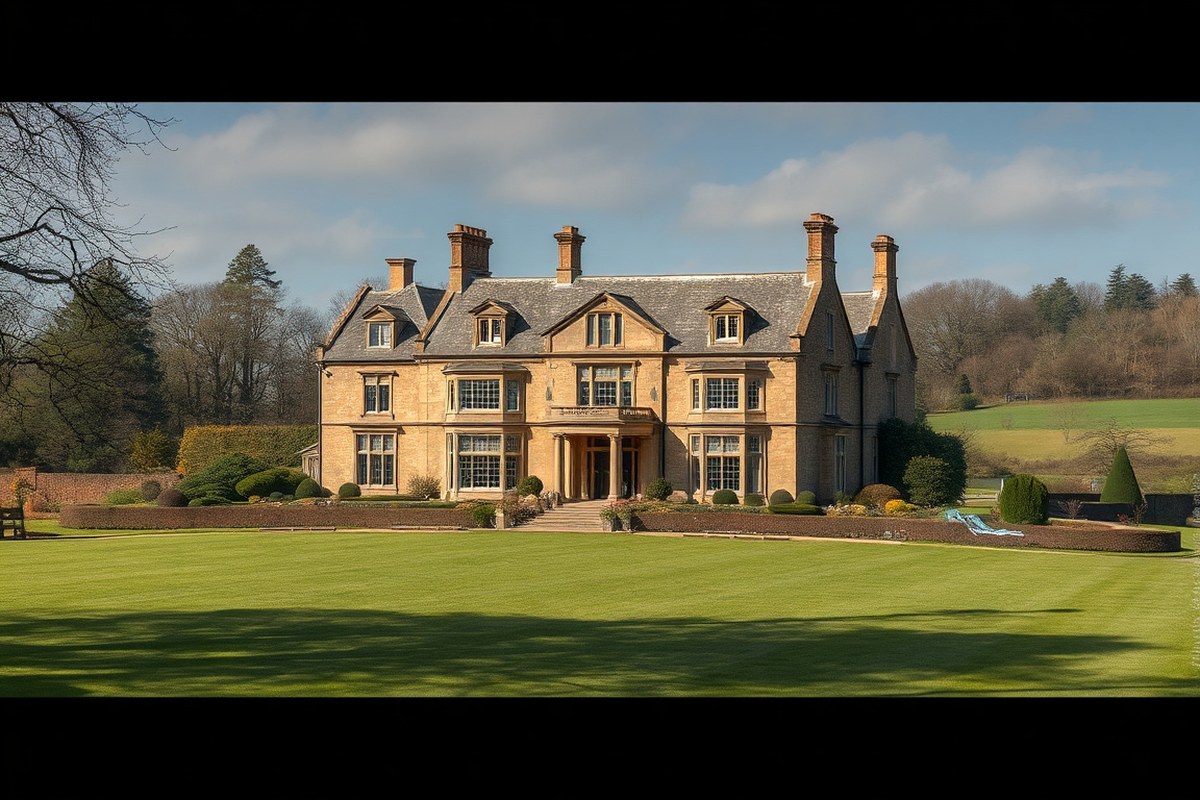
Marquess estates usually include large country houses and wide acres in rural areas. These lands carry historical significance and often come with specific legal responsibilities. The name ties back to tradition, linking the marquess’s title to the actual land they control.
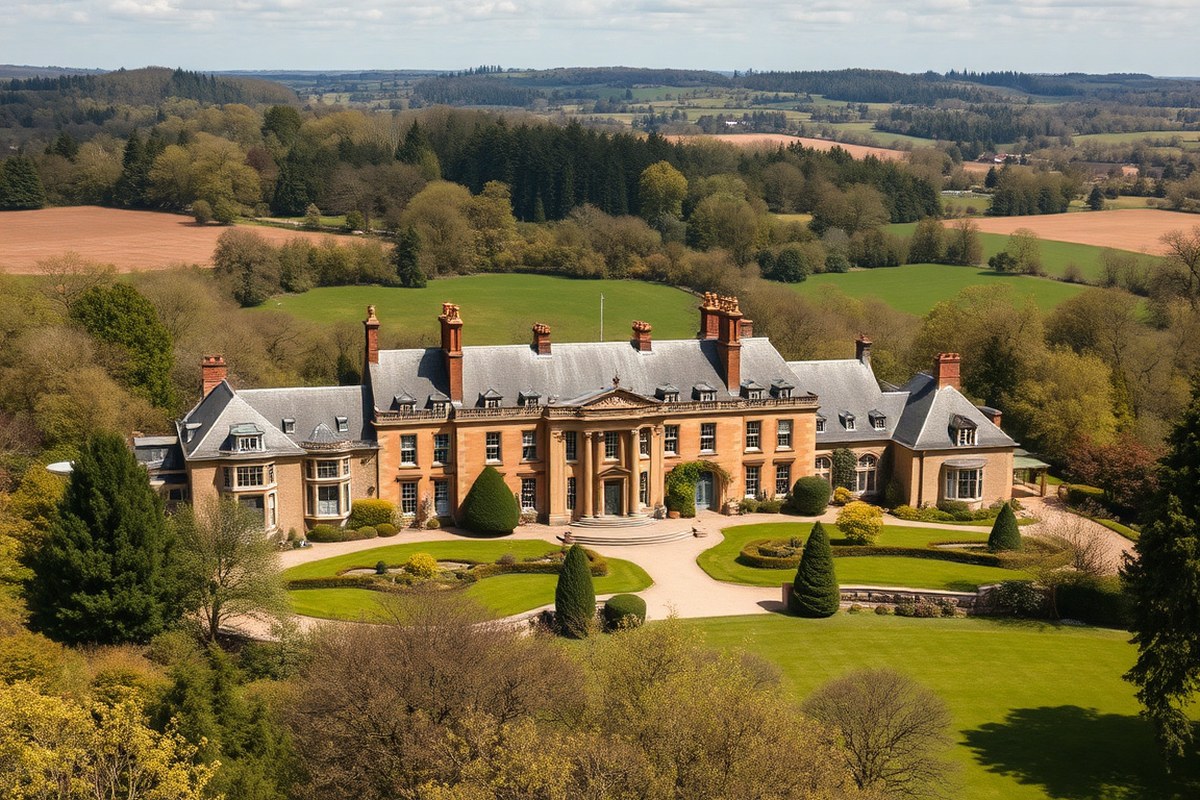
When you hear “marquess land,” picture the family seat or manor. This building sits at the estate’s center. It is often the main home on the land.
It’s best to check local records to understand the exact name and boundaries. These lands have complex ownership rules and heritage worth exploring carefully.
Key Takeaways
- A marquess’s land is known as a marquessate estate or noble estate.
- These estates often include a large country house called the family seat.
- Marquess estates typically cover thousands of acres in rural parts of Britain.
- Legal responsibilities accompany marquess land, including heritage and land management.
- Naming reflects a link between the noble title and the actual land owned.
- Local land records help clarify estate names and property boundaries.
What Is the Land Owned by a Marquess Called?
| Peerage Rank | Title of Holder | Land Term | Notes |
|---|---|---|---|
| Duke | Duke/Duchess | Duchy or Dukedom | Highest rank, land often called a duchy, e.g. Duchy of Cornwall |
| Marquess | Marquess/Marchioness | No specific term like duchy | Land usually called an estate or marquessate but no formal name |
| Earl | Earl/Countess | Earldom | Land often called an earldom or estate |
| Viscount | Viscount/Viscountess | Viscountcy | Term applies less strictly to land |
| Baron | Baron/Baroness | Barony | Smallest peerage rank, land called barony or estate |
The land owned by a marquess doesn’t have a special name like a duchy. Dukes have duchies, which are official territories. But marquesses’ holdings are generally called estates or marquessates.
The land is part of their title. It does not have a special name. People just call it an estate.
In British peerage, a duchy is a geopolitical entity ruled by a duke. This sets dukes apart because their lands hold a special legal status and often historic boundaries. Marquesses rank below dukes and above earls but don’t benefit from such formal land designations.
Earls often have an earldom named after their lands. Barons’ land is termed a barony. You might hear “marquessate” to describe a marquess’s domain.
This word means the title more than the land. Marquesses usually own large estates with old houses. There is no special legal term for their land.
How Much Land Do Marquesses Typically Own Today?
Not all marquesses own land today. Out of 34 marquesses in the UK, 14 own land.
These lands are mostly in England, Scotland, Wales, and Ireland. The rest hold titles without estates or have sold their lands over time.
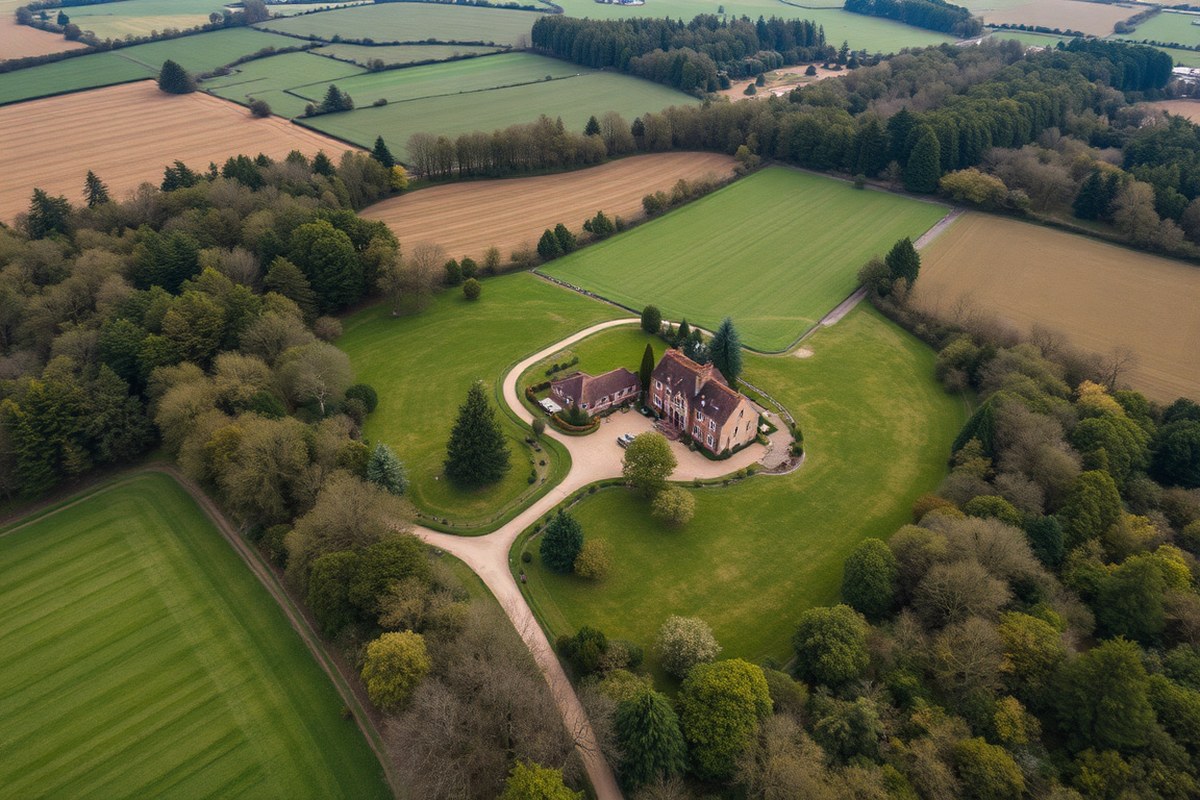
England’s 14 marquesses collectively own about 95,800 acres. Their estates vary from smaller farms to vast lands around grand historic homes.
For example, the Marquess of Exeter has around 15,400 acres. Others like the Marquess Camden own about 2,450 acres.
Many lands lie in old rural counties. Examples include Norfolk, Cheshire, Dorset, Hertfordshire, and West Sussex.
The Marquess of Cholmondeley has estates in Norfolk and Cheshire, some held via offshore companies. These locations tend to reflect historical family seats passed down for centuries.
Some marquess estates show up on public maps. This is due to digitizing old estate maps under the Highways Act 1980.
Online maps show ten notable marquess estates clearly marked, giving a good picture of distribution. This helps researchers and locals understand the spread and impact of these lands.
Farm subsidies support many of these estates, with payments reaching over £3.5 million in 2016 for English marquesses alone. Such subsidies come from government agricultural schemes. The Marquess of Exeter received more than £1.1 million, highlighting the blend of traditional estate ownership and modern farming economics.
Ownership size varies widely, influenced by family history, modern land sales, and inheritance customs. Some estates remain large and intact, while others are more modest or fragmented. The costs of upkeep and changing laws sometimes lead marquesses to sell parts of their lands.
Owning large land brings duties like upkeep and taxes. Public access laws add more costs and complexity.
Famous Marquess Estates and Their Histories
Some of the most famous marquess estates in Britain have roots stretching back centuries. These estates reflect how historic land grants shaped noble family fortunes. They often link to important figures who influenced politics and culture.
Longleat Estate and the Marquess of Bath
Longleat House in Wiltshire is the family seat of the Marquess of Bath. The estate dates back to the 16th century, with the current house completed around 1580. Lord Bath lived there until his death in 1837 at the age of 72.
The estate is famous for its landscaped park. It opened the first Safari Park outside Africa in 1966.
Longleat remains a private home and a major tourist attraction. The Marquess and his family have maintained stewardship over generations, balancing public access and estate management.
Hatfield House and the Marquess of Salisbury
Hatfield House dates back to the early 17th century. It’s one of England’s largest historic houses.
James I gave the estate to the Cecil family in exchange for their Theobalds house. It was once home to Queen Elizabeth I of England before becoming the family seat.
Lord Salisbury lives there today. He has several public roles. He has chaired the London Defence Conference since 2022.
The estate hosted important political talks. One was a secret 2010 meeting with Northern Ireland parties. At various times, land was set aside for local community use, showing the estate’s social role.
Burghley House and the Marquess of Exeter
Burghley House in Cambridgeshire is the seat of the Marquess of Exeter. The estate goes back to the 16th century.
William Cecil, Queen Elizabeth I’s chief advisor, first lived there. The estate grew from royal favor and land grants tied to political service.
The current marquess oversees hundreds of acres surrounding the house. The estate has had to change with time.
Economic and social pressures shaped these adaptations. The history of Burghley illustrates the mix of heritage and modern responsibilities faced by marquess landowners.
Ownership Rights, Responsibilities, and Legal Aspects of Marquess Land
Owning land as a marquess gives you legal rights but comes with responsibilities. Your title doesn’t guarantee you will own land forever. Land can be lost through sale, confiscation, or inheritance disputes.
This means ownership can change despite your title. You have the right to use, rent, or manage your estate. But laws often limit changes to historic or conservation-protected land.
You must follow laws about property taxes, environmental protections, and planning permissions. Modern regulations include registering land titles with the Land Registry and obeying local zoning laws. Selling or transferring land usually requires formal deeds.
Sometimes heirs’ consent is needed. This depends on the estate’s legal setup.
Marquesses must pay attention to these legal and financial factors:
- Land registration and title verification with authorities
- Property tax payments according to local rates and schedules
- Compliance with conservation or heritage regulations
- Requesting permits for building or significant landscape changes
- Managing estate income and reporting for tax purposes
- Understanding inheritance laws affecting estate succession
- Maintaining clear estate records and land surveys
Failing to meet these responsibilities might cause legal challenges or financial penalties. Estate upkeep often means hiring legal advisors. Land agents help manage compliance and tenants.
They also handle farming leases. These professionals help keep ownership secure and ensure smooth estate management.
Inheritance, Sale, and Management of Marquess Estates
Marquess land is hereditary, typically passing from father to eldest son. The land can be sold or placed in trusts to protect family interests or manage finances. Without a male heir, succession follows specialized rules to keep the estate whole or pass the title properly.
Inheritance Norms and Gender
The land owned by a marquess usually passes to the eldest male heir. This follows traditional primogeniture rules, where sons have priority over daughters.
The title often ties directly to the land. So inheritance maintains the family estate together.
In most cases, the heir must be a legitimate male born within marriage. Daughters generally do not inherit the title or main estate.
But they can receive smaller portions or other assets. Some estates allow joint ownership with married offspring or provide ongoing income for younger children.
Role of Trusts and Charities
Marquesses often use trusts to manage their estate efficiently and protect it from risks. Trusts keep assets secure and allow careful control over how land and income are distributed. This can help limit taxes, safeguard family wealth, and support charitable activities linked to the estate.
Many estates set up charitable trusts to maintain historic buildings or fund land conservation. Income from farms or rented property often flows into these trusts, supporting long-term upkeep without selling. Using trusts means you’ll need legal advice.
They also require regular work. This can add costs. But trusts help keep the estate for future family members.
Succession Without Male Heirs
No male heir means the title and land pass to the nearest male relative or may pause temporarily. In some cases, the estate transfers to a brother, cousin, or uncle, following a family tree. Without a clear male successor, titles can become dormant or extinct.
Daughters typically do not inherit the marquess title. But they might gain rights to financial assets or smaller portions of the land.
Estates may arrange marriage settlements or provisions to keep property within the broader family. When disputes arise, courts often get involved to settle inheritance claims.
Check your estate documents regularly to avoid surprises in inheritance or sale. Clarity can prevent costly legal battles later.
Financial Aspects: Income, Taxes, and Subsidies on Marquess Land
Marquess estates can generate income through farming, forestry, and property rentals. These lands often include large farms that produce crops or raise livestock. Renting out parts of the estate also adds steady cash flow.
Estate taxes affect marquess lands mainly through inheritance and capital gains. When an estate goes to heirs, inheritance tax applies. It can take up to 40% of the estate’s value.
The tax applies only above certain amount thresholds. Managing expenses and making use of reliefs, like agricultural property relief, helps reduce this tax burden.
Public farm subsidies help marquess estates. They give direct payments to landowners. These payments support farming or land upkeep in rural areas.
These subsidies can cover crop production, environmental care, and land upkeep. The payments help make large estates financially viable despite market fluctuations.
Here’s a simple breakdown of typical subsidies on an average marquess estate:
| Subsidy Type | Purpose | Annual Amount per 1,000 Acres |
|---|---|---|
| Basic Payment Scheme | Supports crop farming | $15,000 |
| Environmental Stewardship | Supports wildlife & soil health | $5,000 |
| Forestry Grants | Funds tree planting & care | $2,000 |
Managing estate finances requires careful planning to balance income, tax, and upkeep costs. Tracking farm production to maximize subsidies is key. Losses in crop yield or delays in subsidy applications reduce income significantly.
You should also plan for tax liabilities early, using available reliefs and consulting experts. Spreading land use between farming, rentals, and conservation can stabilize earnings. Avoid putting all resources into one income type, especially if markets swing.
Marquess estates often work with accountants or estate managers who understand subsidy rules and tax laws. Keeping detailed records of land use and spending makes applying for subsidies easier. Missing deadlines or paperwork errors are common pitfalls that cost money.
Differences in Marquess Land Across England, Scotland, and Ireland
| Region | Typical Estate Characteristics | Land Ownership Laws | Link Between Title and Land |
|---|---|---|---|
| England | Large manors, often mixed farmland and woodland | Common law system; lands held by fee simple or copyhold | Title usually linked to territorial designation but not legally tied |
| Scotland | Estates tend to include upland and moorland, often historic castles | Scots law applies; land held under feudal tenure until 2004 reforms | Titles often connected with a specific place name, less strictly tied to land ownership |
| Ireland | Estates vary from fertile farmland to coastal lands, some with historic castles | Land ownership under common law; impact of Irish Land Acts reducing large estates | Title granted by the Crown but often separate from land holding |
Marquess estates across England, Scotland, and Ireland differ mainly due to local land uses and laws. In England, estates tend to be large manor lands with mixed farming and woodland. English common law governs land ownership in England.
Estates can be held outright or by tenancy. Copyhold tenancy existed until the 20th century but was abolished.
Scotland’s marquess lands often have historic castles and cover moorlands or uplands. Until 2004, feudal tenure governed landholding. But it was replaced with outright ownership under Scots law.
Titles in Scotland usually relate to a territorial name. Yet owning the land isn’t legally required to hold the title.
Marquess estates in Ireland vary from fertile lowlands to coastal or rugged areas. Historic nobility titles came originally from the Crown. Large estates shrank due to Irish Land Acts.
These acts took place in the late 19th and early 20th centuries. Irish law follows common law norms, but land ownership and title don’t always match.
The Crown remains the only body granting marquess titles across the UK and Ireland. This central control means titles don’t automatically come with land.
Land laws shape estate size and rights. For example, Scotland’s abolition of feudal tenure ended many traditional landlord powers.
Owning land as a marquess means following regional rules. In England, landholders must check local planning and conservation laws, which affect estate use. Scottish landowners deal with extra rules on public access.
They must manage community rights carefully. This helps avoid conflicts and disputes in their land.
Irish marquess estates often must consider agricultural regulations and subsidies, especially with the Common Agricultural Policy. Land management also includes respecting rights-of-way and heritage protections. These factors affect how the estate can generate income or support activities like farming or tourism.
This regional variation means marquess landowners need clear legal advice before buying or selling property. They also must keep up with evolving laws that affect hereditary estates. Neglecting local specifics risks losing rights or causing conflicts over land use or inheritance.
How Historical Land Revenue Systems Influenced Marquess Estates
Historical land revenue systems shaped how aristocrats like marquesses held and managed estates. Systems like Mahalwari and Permanent Settlement tied land control directly to revenue collection. These shaped estate size, economic power, and how land passed through aristocratic families.
The Mahalwari System’s Principles
This system linked land revenue to groups of villages rather than individual landlords alone. Local leaders called Lambardars acted as middlemen, collecting taxes on behalf of the state. The system required about 66% of the rental value for revenue.
This made rules stricter for tenants. It also gave landlords more control.
British officials introduced Mahalwari in the early 1800s. It was revised a few times. The system matched estate boundaries with village clusters.
The thirty-year settlement terms reduced uncertainty but tied landlords to strict payment demands. This helped aristocrats maintain economic power over rural populations in colonial India.
Permanent Settlement Explained
Permanent Settlement fixed land revenues in Bengal from 1793 onward, giving zamindars hereditary rights. These landowners paid a fixed sum to the colonial government regardless of yearly income. This allowed many aristocratic landowners to build wealth and preserve estates across generations.
The system assumed stable agricultural output but failed when crops or rents fell. Some estates shrank after owners could not meet revenue demands, especially those lower in the peerage. The fixed 30-year settlement periods created rigid control but sometimes discouraged investment in land improvements.
British Aristocracy and Colonial Land Policies
British rule linked aristocratic titles and their estates with land revenue systems overseas. Policies favored aristocrats, giving them strong legal and economic control over land. This control extended through British colonies, affecting how marquesses and similar nobles held overseas properties.
Back home, aristocrats faced challenges keeping estates intact due to changing economic and political conditions. Different revenue systems in colonies influenced estate sizes and income. These effects still echo today in how aristocratic land ownership patterns developed across regions.
Estate managers must watch land revenue law changes carefully. This prevents losing income. It also helps avoid legal disputes.
Your Quick Guide to Understanding and Exploring Marquess Land
This plan helps you grasp what marquess land is and its real-world aspects. Follow these steps to learn and use this knowledge.
- Day 1: Identify a local marquess estate online or in books. Check its size and location to understand the land type.
- Week 1: Study the rank of marquess and how it connects to land ownership. Notice how their titles link to their estates.
- Week 2: Learn the legal terms for marquess land like “marquessate” or “march” lands. Confirm with historical sources.
- Week 3: Explore differences in land rights in England, Scotland, and Ireland. Note how laws affect estate management.
- Month 1: Look at income, taxes, and subsidies related to marquess land. Compare with modern real estate taxes to see the impact.
- Month 2: Research the inheritance rules for marquess estates. Learn what happens when estates pass to heirs or are sold.
- Month 3: Visit a marquess estate if possible, or view virtual tours. Observe how the land is maintained and used today.
Frequently Asked Questions
What Is the Historical Meaning of a Marquess’s Land?
A marquess’s land once called a “march” meant a border region. It marked a frontier between kingdoms or territories in medieval times.
Do All Marquesses Own Rural Land?
Not all marquesses own rural lands; some may have urban or mixed properties. Ownership varies depending on family history and estate sales over time.
Can Marquess Estates Include Non-Land Assets?
Yes, marquess estates often include buildings, historic houses, and sometimes businesses. For example, Longleat House includes a safari park inside the Marquess of Bath’s estate.
Are Marquess Lands Publicly Accessible?
Access depends on the estate’s rules; many are private but some allow public visits. Longleat is an example of a marquess estate open to visitors for tourism.
Do Marquess Lands Have Specific Legal Protections?
Some marquess lands fall under conservation or historical preservation laws. This can limit changes to buildings or landscapes on their estates.
How Has Marquess Land Ownership Changed over Time?
Land ownership by marquesses has shrunk due to sales and inheritance taxes. Estates have also adapted by opening parts to public or commercial use.
Final Thoughts
A marquess’s land often carries a special title tied closely to their rank. Understanding this land helps you see British nobility in action. Start by picking one famous estate and tracing its history next.