

What Do Hornworms Eat: A Complete Guide to Their Diet and Care
What do hornworms eat is a common question for anyone raising or spotting these caterpillars. Hornworms primarily munch on leaves from nightshade plants like tomatoes, peppers, and potatoes. They eat a lot daily.
Hornworms consume about 16 grams of leaves. That’s roughly four times their body weight.
These larvae grow fast. Hornworms live only 2 to 3 weeks. Their feeding is intense but brief.
Keeping them cool between 55 and 65°F can slow their rapid growth if needed. For captive hornworms, fresh leaves work best.
Nightshade leaves provide the right nutrients. You can also use a commercial diet.
Watching what you feed hornworms helps manage garden plant damage and controls pests naturally. Hornworms eat a lot of leaves.
Planting resistant types can help protect your garden. Watch leaf damage closely to save plants.
Key Takeaways
- Hornworms mainly eat leaves from nightshade plants like tomatoes and peppers.
- A single hornworm consumes about 16 grams of food daily during its larvae stage.
- The larvae stage lasts 2 to 3 weeks, with very rapid growth.
- Keeps hornworms at 55-65°F to slow their growth if needed.
- Use fresh nightshade leaves or commercial diets to feed hornworms in captivity.
- Watch for heavy leaf damage to protect garden plants from hornworms.
What Do Hornworms Eat in the Wild?
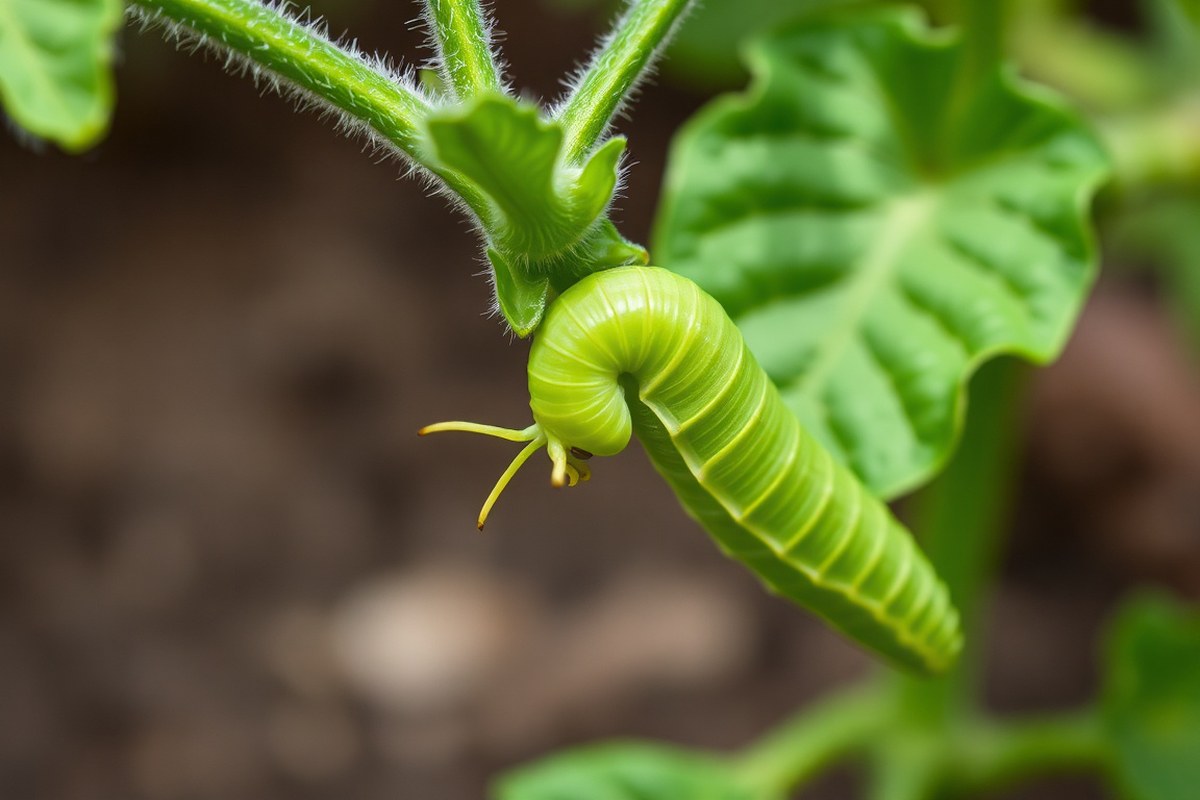
Hornworms in the wild mostly eat plants from the nightshade family, also called solanaceous plants. Their top favorites are tomato and tobacco leaves. They also nibble on eggplant, pepper, and potato plants.
But tomatoes and tobacco are the main meals they prefer. These plants give hornworms the right nutrients and moisture to grow quickly.
Though they stick mainly to nightshades, some hornworm species can eat other plants if needed. Studies show a few non-nightshade plants can support hornworm growth. But these are not common choices in nature.
Hornworms usually avoid plants outside the nightshade family. Those plants lack the right nutrients. Some may also have substances they dislike.
Different hornworm species mostly share this feeding habit, especially tomato and tobacco hornworms. However, wild hornworms pick specific nightshade hosts depending on their local availability.
For example, jimson weed and other datura species serve as key hosts in some areas. These plants also provide protection by making hornworms toxic to some predators.
Natural enemies live on wild nightshade plants. Egg parasitoids and predators help control hornworm numbers. They keep the population in check.
The hornworm’s diet not only fuels growth but also helps with its defense. Eating toxic nightshade leaves can make hornworms poisonous, which discourages some predators from eating them.
To raise hornworms naturally, feed them tomato or tobacco leaves. These leaves work well for their growth. These are their natural foods, easy to find in gardens.
Hornworms get enough moisture from the leaves they eat. This diet meets their water needs too.
They don’t need extra water. While hornworms can eat other greens in captivity, nightshade plants remain their top natural choice.
How Much and How Often Do Hornworms Eat?

Hornworms eat a lot, roughly four times their body weight daily. They can consume up to 16 grams of food each day to grow properly. Hornworms rarely need extra water.
They get moisture from leafy meals. Commercial diets also provide enough moisture.
Daily Food Intake and Growth Rate
Hornworms can eat about 16 grams of food every day. That feeding amount helps them grow fast and healthy. They reach about 4 inches long.
They weigh around 4 grams. Lack of enough food slows their growth.
Sometimes it stops growth altogether. This is bad for feeding your pet.
They grow fastest when the temperature stays between 78°F and 82°F. At this warmth, they feed more actively and develop quickly. Cool their environment to 55°F to 65°F to slow growth. This helps stretch feeding over more days.
Water Needs from Food
Hornworms don’t usually need a water source separate from their food. Leaves and their commercial diets hold enough moisture.
Adding extra water can cause mold or drown the larvae. So offer moist leafy greens or a proper gel-based diet instead.
Impact of Temperature on Feeding
Warmer temperatures between 78°F and 82°F encourage hornworms to eat more and grow faster. Cooler temps mean they eat less.
They also develop more slowly. This effect helps you manage feeding schedules by adjusting the temperature.
Want hornworms ready quickly? Keep heat steady at about 80°F. This speeds their growth. Lower the temperature to prolong their growth if you don’t need them immediately.
How to Measure and Provide Food
Use a kitchen scale to measure out to 16 grams daily per hornworm. You can feed fresh leaves or use commercial hornworm food paste, which simplifies care and cleanup. Feed several times a day if leaves wilt fast to keep food fresh and appetizing.
- Feed about 16 grams daily per hornworm for optimal growth
- Keep food fresh, replace wilted leaves or dried paste regularly
- Maintain temperatures between 78°F and 82°F for rapid development
- Offer no extra water, moisture comes from food alone
- Adjust temperature to slow growth when needed, lower to 55°F
- Provide enough space to prevent crowding and food waste
Don’t add water directly to containers, you risk mold or drown hornworms.
Growth Variation by Diet and Region
Hornworms fed different diets can grow at various rates and change color. For example, those eating green leaves turn green.
Commercial diets sometimes make them bluish. Also, hornworms in different states show feeding preferences unique to their environment.
Arizona hornworms might eat local plants differently than Virginia hornworms. Raising hornworms?
Use a consistent commercial diet or local host plants. This prevents growth problems.
Preparing and Feeding Hornworms in Captivity
Hornworms in captivity need a steady diet that keeps them healthy and safe. You can feed them fresh greens or specially made commercial paste diets. Follow exact steps to prepare and serve their food properly.
Safe Food Options to Offer Hornworms
Avoid feeding hornworms any nightshade plants like tomato or potato leaves. These make them toxic for reptiles or amphibians that eat them. Instead, give them collard, dandelion, mustard, or turnip greens from your garden or store.
Feeding hornworms with these mild, non-toxic leaves keeps them safe as feeders. They eat every day. So fresh leaves must be available daily to maintain their health.
Preparing Commercial Hornworm Diet Paste
Hornworm diets often come as a wheat germ-based paste. This paste helps hornworms get better nutrition than leaves alone. You should prepare the paste fresh or thaw it if frozen before feeding.
Keep in mind that mixing commercial paste with chopped greens provides more moisture and variety. This helps hornworms grow well and stay lively.
Storage and Hygiene Tips for Feeder Hornworms
Keep hornworms and their food in a cool, dry place with temperatures around 78 to 82°F. This keeps them active but not stressed. Remove any uneaten food daily to prevent mold or bacteria growth.
Wash your hands after handling hornworms or their food to avoid contaminating them. Replace their greens and paste food every day to keep the environment healthy.
- Choose safe greens like collard, dandelion, or mustard leaves.
- Prepare commercial hornworm paste according to the package instructions.
- Mix paste with small chopped fresh leaves for variety and moisture.
- Place food in a shallow container inside the hornworm enclosure.
- Maintain temperature between 78 and 82°F for best feeding conditions.
- Check food daily and remove leftovers to prevent mold growth.
- Provide fresh food every day to ensure continuous growth.
- Store any unused paste in a sealed container in the refrigerator.
Nutritional Value of Hornworms Based on Diet
Hornworm nutrition depends a lot on what they eat. Hornworms feeding on tomato or tobacco leaves get alkaloids in their system. These chemicals might affect some animals if fed hornworms that ate nightshade plants.
Most commercial breeders use artificial diets. These diets are convenient and avoid alkaloid build-up. Hornworms raised on artificial diet can look different than normal.
They may turn blue or blue-green instead of bright green. The change in color is noticeable.
Here is a table showing how diet affects hornworm traits valuable for feeding pets:
| Feature | Tomato/Tobacco Leaves | Artificial Diet |
|---|---|---|
| Color | Bright green | Blue or blue-green |
| Moisture content | About 85% | Similar range, slightly drier |
| Fat content | Moderate, natural levels | Variable, depends on diet formula |
| Toxic alkaloids | Present, from nightshades | Absent |
| Preference by hornworms | Preferred if chosen | Accepted for convenience |
| Feeder suitability | Hydrating, caution for sensitive pets | Safe for most pets |
Artificial diets allow safe feeding to many reptiles and amphibians. They keep hornworms moist and nutritious with less risk of plant toxins. Hornworms grow well on artificial diets and can survive fine.
They may need fresh leaves for brighter colors though. Fresh leaves help keep their usual green color.
Offering hornworms fresh greens like tomato leaves boosts hydration and natural nutrition. Still, watch for toxins if your pet can’t handle nightshade chemicals. Using artificial diets reduces this risk and fits tighter schedules or limited access to fresh plants.
Understanding Hornworm Feeding Preferences by Species
The tomato hornworm and tobacco hornworm both eat tomato plants, despite their names. The tomato hornworm (Manduca quinquemaculata) prefers tomato leaves while the tobacco hornworm (Manduca sexta) likes tobacco. Gardeners try to protect their crops by knowing the species present.
The difference in diet matters for this. It helps gardeners decide how to act.
You can tell them apart by their stripes. Tomato hornworms have eight white diagonal stripes on each side.
Tobacco hornworms have seven white diagonal stripes. This helps spot which species is eating your plants and guides your pest control approach.
Both species mostly target nightshade plants, especially tomatoes and tobacco. However, tobacco hornworms may seek out higher nicotine leaves if parasitized. This suggests tobacco hornworms show some complex feeding behavior, possibly to protect themselves.
Not all hornworm species feed the same way. Different species prefer different plants and may change leaves based on availability. Both common hornworms love tomatoes.
Some hornworms prefer eggplants or peppers. These plants are in the same family.
Tobacco and tomato hornworms damage different crops. Knowing what they eat helps you manage risks. It improves how you protect your garden.
For instance, planting basil near tomatoes can repel hornworms, reducing damage for both species. This works because certain companion plants are less attractive to hornworms.
Avoid feeding hornworms nightshade plants if you keep them as feeders for reptiles. These plants can be toxic to your pets.
How Hornworm Diet Affects Garden Plants and Pest Management
Hornworms mainly eat plants from the nightshade family, such as tomatoes, eggplants, and bell peppers. These plants can suffer major damage when hornworms feed on their leaves and stems. Even a small garden can lose crops quickly to hornworms.
They eat large amounts of leaves very fast. You need to check often to catch them early.
You can spot hornworm damage by finding big holes in leaves. Leaves may also look stripped or chewed on nightshade plants. Keep an eye on your plants regularly.
Another sign is the presence of large green larvae, often blending into the leaves. You might also find small black droppings called frass, which hornworms leave behind. Frass can be picked up and thrown in the trash.
You can also bury it in the soil safely. Doing this stops other pests from getting attracted.
Avoid planting nightshade plants if you want to keep hornworms away. This helps prevent feeding damage and keeps your garden safer. Finding hornworms means you can remove them by hand.
This method is simple and effective for control. Just wear gloves and pick them off carefully. Crushing or collecting the larvae in a sealed bag kills them quickly and protects your vegetables.
Hornworms serve as food for birds and parasitic wasps. These animals help control other pest populations naturally. So, hornworms are part of the garden’s food chain.
Leaving some hornworms can help feed natural pest predators. These predators then help control other pests in your garden.
This approach supports balanced pest management. Still, heavy infestations usually require active removal to protect your garden’s health.
How Hornworm Diet Influences Their Toxicity and Defense
Hornworms feed mostly on nightshade plants, which contain chemicals that make them less tasty to predators. These plants have alkaloids like nicotine and tomatine that can build up in hornworms’ bodies. This chemical buildup acts like a natural defense, helping the caterpillars avoid being eaten.
The toxic chemicals in nightshade plants slow down predators or make hornworms bitter. When a bird or lizard tries to eat them, they spit them out.
These predators avoid hornworms the next time they see them. This defense depends directly on the caterpillar eating these specific plants that produce the alkaloids.
Many nightshade plants have sticky hairs called trichomes. They also have chemicals that make hornworms digest food poorly.
Hornworms have gut bacteria that help break down these plant toxins and safely store some chemicals. This allows them to use the plant’s defenses as their own protection.
Hornworms lay eggs on nightshade plants. These plants protect the caterpillars and their eggs from danger.
Adult moths balance factors like leaf texture and chemical makeup when choosing plants. Choosing nightshade helps ensure their young have a better chance of survival against predators.
Though usually feeding on nightshade, some hornworms can eat other plants. Their toxicity drops if they feed on non-toxic plants, which makes them easier prey.
Gardeners without nightshade plants nearby often find hornworms harmless. The caterpillars lack the protective chemicals from those plants.
Best Practices for Feeding Hornworms to Pets and Using Them as Feeders
Hornworms are an excellent choice to feed your reptile or amphibian. They are large, soft, and packed with moisture and nutrients.
You can add them safely by matching their diet to your pet’s needs. Handle them right before feeding.
Matching Hornworm Diet to Pet Dietary Needs
Hornworms’ own diet affects their nutrition, so choose worms raised on safe, pesticide-free plants. Feed them leaves or fruits that suit your pet’s species. For example, herbivorous reptiles benefit most from hornworms raised on leafy greens rather than fruit.
Adjust the size of hornworms to your pet’s age and species. Smaller hornworms suit young reptiles.
Larger ones work well for adult amphibians with bigger mouths. Avoid feeding hornworms that recently ate toxic plants, since the toxins can pass to your pet.
Handling and Storage of Live Hornworms for Feeding
Keep hornworms cool and moist to maximize their lifespan before feeding. Store them in a ventilated container with fresh food daily. This care boosts their size and hydration, which benefits your pet’s health.
Wash your hands before and after handling hornworms to avoid spreading bacteria or pesticides. Offer them to your pet live or freshly killed, depending on the pet’s preference and safety. Avoid overfeeding by controlling how many hornworms you give per feeding session.
Common Mistakes When Feeding Hornworms to Pets
Never feed hornworms raised on plants sprayed with pesticides or chemicals. This can poison your pet.
Overfeeding hornworms can cause digestive issues or obesity. So limit feedings to your pet’s recommended diet plan.
Avoid feeding dead hornworms that have decomposed or smell off, as they can cause illness. Watch for signs like yellowing or sluggishness in your pet. These can show a feeding problem.
Use only hornworms raised on safe plants. Store them cool to keep them fresh.
Step-by-Step Action Plan for Feeding and Managing Hornworms
Follow these steps to feed hornworms right and protect your garden and pets. Each step helps you check if the worms are healthy and your plants safe.
- Before You Start: Choose hornworm species based on your pet or garden needs. Healthy species adapt better to your environment.
- Day 1: Gather favored host plants like tomato or tobacco leaves. Check if worms eat eagerly on the first try.
- First Week: Feed fresh local leaves daily, removing old food. Worms should grow steadily and stay active.
- After 2 Weeks: Observe how quickly worms consume leaves. Adjust amount if they finish food too fast or leave leftovers.
- Week 3: Try supplementing diet with pesticide-free alternative leaves. Worms should accept variety without showing illness signs.
- Every Feeding: Keep eater environment moist but not wet. Dry or moldy leaves hurt worm health and growth.
- Weekly: Monitor plant health for damage and control worm numbers if needed. Protect garden plants with physical barriers or hand removal if damage spikes.
- For Pets: Feed hornworms that have a balanced diet free of chemicals. Check pet reactions carefully to ensure they digest worms well.
Frequently Asked Questions
Can Hornworms Eat Plants Other Than Nightshades?
Hornworms mainly prefer nightshade plants but can eat other greens in captivity. They avoid bitter or toxic plants in the wild.
Do Hornworms Eat Fruits as Well as Leaves?
Yes, hornworms eat unripe fruits along with the leaves on their host plants. The fruits provide extra nutrients for their fast growth.
How Fast Do Hornworms Grow While Feeding?
Hornworms can double their size in 24 hours under great conditions. Their voracious appetite supports this rapid growth phase.
What Plants Should You Avoid Feeding Hornworms?
Avoid feeding hornworms plants that are toxic or bitter to them. These plants have compounds that hornworms naturally avoid.
Can Hornworm Diet Affect Their Usefulness in Pest Control?
Yes, their diet influences how much damage they cause and their toxicity level. This affects how they interact with garden plants and predators.
Is Hornworm Chow Necessary for Captive Hornworms?
Hornworm chow provides balanced nutrition for captive hornworms. It’s the easiest way to support their health if fresh plants aren’t available.
Wrapping Up
Hornworms mostly eat leaves from plants they’ve met in the wild. This eating shapes how they grow. It also helps keep them safe.
Feeding them right at home keeps them healthy for pets and garden care. Start feeding with fresh, pesticide-free leaves and watch how your worms respond each day.


