

How to Take Care of a Monstera: A Complete Guide for Healthy Growth
How to take care of a monstera starts with giving it the right light and water. These plants want bright, indirect sunlight and moist soil that’s never soggy. You should water your monstera every week.
Check if the top 1 to 2 inches of soil are dry. Only water when it feels dry on top.
Humidity matters too because monstera loves a tropical vibe. Try to keep humidity between 60% and 70% to help your plant thrive.
Avoid leaving your monstera sitting in water. Empty the saucer after 15 to 30 minutes to prevent root rot.
One more tip is about pot size and soil. Use well-draining soil for your monstera plant. Change to a bigger pot every 12 to 18 months.
Do this especially if your plant grows fast. This helps roots spread and keeps your monstera healthy.
Key Takeaways
- Place your monstera in a spot with 5 to 8 hours of bright, indirect sunlight daily.
- Water your monstera when the soil is dry on top. Check 1 to 2 inches deep. This usually happens about once a week.
- Empty any water from the saucer within 30 minutes to avoid root rot.
- Maintain humidity between 60% and 70% for best monstera growth.
- Repot your monstera every 12 to 18 months if it grows quickly.
- Use well-draining soil to keep the roots healthy and prevent sogginess.
How to Care for a Monstera Plant Indoors

Water your Monstera every 7 to 10 days. But only if the top 1 to 2 inches of soil feel dry. Check the soil by sticking your finger into the pot before watering.
Wait a few more days if the soil still feels moist. This helps you avoid overwatering. Overwatering can cause root rot.
Place your Monstera in a spot with bright, indirect light for six to eight hours daily. Direct sunlight can scorch the leaves, causing brown, crispy edges. A spot near an east or north-facing window works well.
You can also place it a little far from a south or west-facing window. This avoids too much direct sun.
Use a well-draining, nutrient-rich potting mix designed for tropical plants. This kind of soil holds moisture without becoming soggy. Use a mix of peat moss, perlite, and pine bark.
This keeps roots healthy. The mix also helps air reach the roots.
Choose a pot with drainage holes to let excess water escape. Terracotta pots dry out faster than plastic. So you might need to water more often with terracotta.
The pot should fit your Monstera’s roots well. Avoid pots that are too large. Bigger pots hold moisture longer.
Keep humidity between 40 and 60 percent. Dry air can cause brown leaf tips. It also slows your plant’s growth.
Use a humidifier or place a tray of water near the plant to raise moisture levels. Misting helps briefly but doesn’t replace proper humidity.
What Light and Temperature Conditions Does Monstera Need?
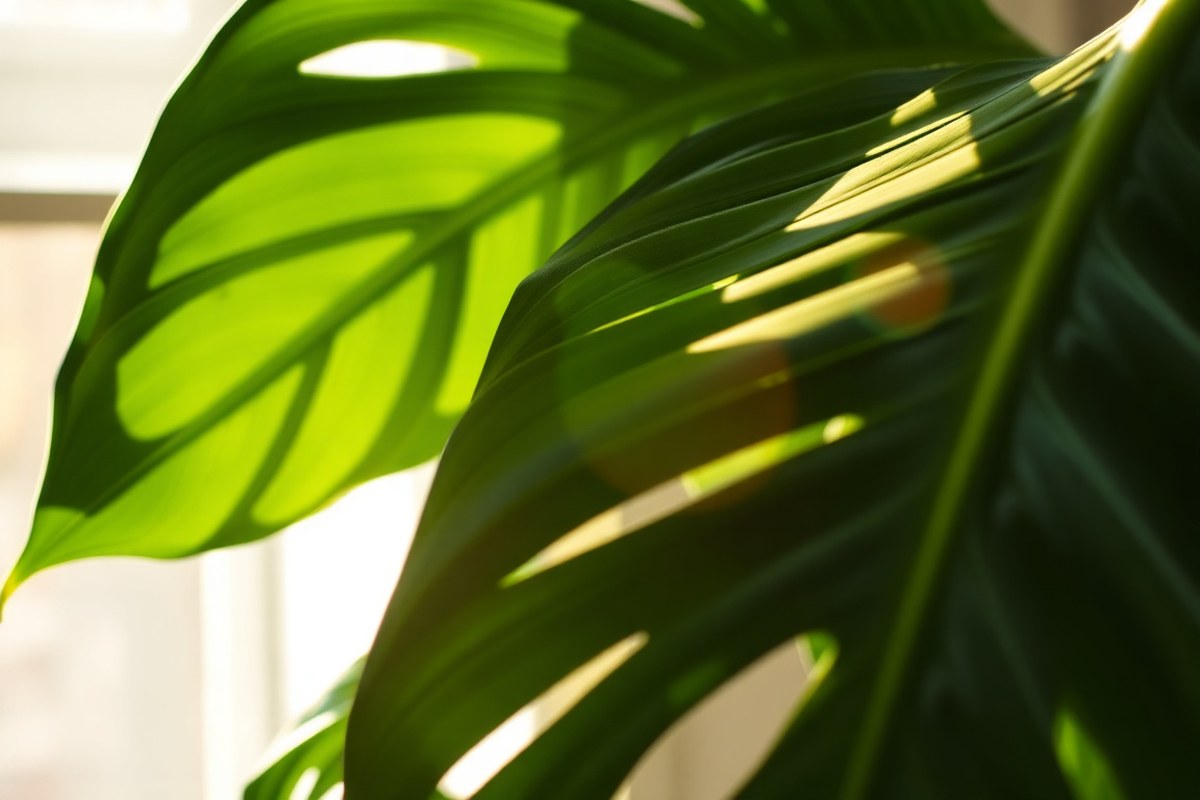
Monstera plants thrive best in bright, indirect light. Place your plant near a window with 5 to 8 hours of indirect sun. Avoid direct sunlight to keep the leaves healthy.
Indirect light helps your Monstera grow well indoors. Direct sun can scorch their leaves, causing brown spots or edges.
They can survive in lower light but will grow slower and may develop fewer leaf holes. Spotting your Monstera 1 to 2 meters away from a bright window usually works well. Low light causes smaller leaves and slower growth in your plant.
Temperature plays a major role too. Keep your Monstera between 65°F and 85°F (18°C to 29°C) to support steady growth. Avoid exposing it to temperatures below 55°F, which slow growth and can stress the plant.
Seasonal changes affect how you care for it. In winter, indoor light is dimmer. Move your plant closer to bright windows for better light.
Keep it away from direct sun rays to avoid burns. Bright, indirect light helps the plant thrive. Heating in winter can dry the air, so keeping humidity up helps.
During warmer months, protect your plant from harsh afternoon sun. This is important if your area has strong sunlight. Avoid sun damage to keep your Monstera healthy.
You can rotate the plant periodically to promote balanced growth. Keep your Monstera near warmth in cooler homes, especially in northern states.
Avoid placing it where cold drafts might reach. Consistent warmth helps your plant grow better indoors.
Moving your Monstera too close to a sunny window will burn its leaves quickly. So keep it a bit back.
How to Water and Maintain Humidity Around Your Monstera
Water your Monstera when the top 2 inches of soil feel dry. This usually means watering once a week in spring and summer. Keep humidity between 60% and 70% by misting or placing the plant on a pebble tray.
Checking Soil Moisture Accurately
Use your finger to check the soil’s top 2 inches for dryness. When the soil feels dry, it’s time to water your Monstera. Avoid watering if the soil still feels moist; this helps prevent root rot.
For a more precise check, use a soil moisture meter. This tool shows moisture at the root level and takes guesswork out of watering. Insert the meter near the pot’s drainage hole to get an accurate reading.
- Insert your finger or a soil probe into the soil about 2 inches deep.
- Check if the soil feels dry or moist at that depth.
- When dry, get ready to water your Monstera plant soon.
- When moist, wait a few days before checking the soil again.
- Use a moisture meter for a more exact reading if unsure.
- Record the readings to track your plant’s hydration needs over time.
Using Humidifiers and Pebble Trays
Aim for humidity levels between 60% and 70%, which suits Monstera’s tropical roots. Use a basic room humidifier to keep air moisture steady, especially in dry winter.
Place your Monstera on a tray filled with pebbles and water to raise nearby humidity. Keep the water level below the pot base to avoid root rot. Mist leaves regularly to add temporary moisture.
Adjusting Watering by Season
Your Monstera drinks more in spring and summer since it grows actively then. Water about once every 7 to 9 days during these months. Reduce frequency to every 2 to 3 weeks in fall and winter when growth slows.
Watch out for dry indoor air from heating in winter. Use extra humidifying steps during that time. Adjust watering if your plant shows droopy or yellow leaves, as this signals over- or underwatering.
Selecting Soil, Pots, and Repotting Monstera Successfully
Select soil that drains well and nutrients that feed your Monstera. Pick pots 2 to 3 inches wider than the old one. Repot Monsteras every 12 to 24 months to keep them healthy and growing strong.
Choosing Well-Draining, Nutrient-Rich Soil
Monstera plants need soil that holds moisture but drains excess water fast. A mix of potting soil, peat moss, and perlite works best. This blend keeps roots aerated and stops them from sitting in water.
You can also add some orchid bark or coconut coir to improve drainage and texture. Avoid heavy garden soils that stay soggy and can cause root rot. Fresh soil every time you repot will replace lost nutrients and support healthy growth.
Deciding When to Repot and Pot Size
Look for roots growing out of drainage holes or circling inside the pot. These signs mean your Monstera is root-bound and needs more space. Repot every 12 to 24 months, or faster if your Monstera grows quickly.
Pick a new pot 2 to 3 inches wider than the old one. Make sure the new pot fits your plant well. This gives room for roots to grow.
This size gives the roots room to spread without holding extra water that can cause rot. Pick pots with drainage holes to keep water flowing out.
Repotting too often can slow your plant’s growth. Using a pot too big may cause water issues. Avoid these to keep your plant healthy.
To keep your plant size, repot with fresh soil in the same pot. Trim some roots before repotting to manage growth. This keeps it from getting too big.
Step-by-Step Repotting Instructions
To avoid shock, handle your Monstera gently during repotting. Prepare a clean workspace with your new pot and fresh soil ready before removing the plant. Water the Monstera a day before repotting so the roots aren’t dry.
- Gently remove the Monstera from its current pot by tipping it sideways and loosening the soil.
- Inspect the roots and trim any that look dark, mushy, or rotten using sterile scissors.
- Fill the new pot about one-third full with fresh, well-draining soil mix.
- Place the Monstera in the new pot, centering it and spreading its roots out gently.
- Add soil around the roots until it reaches the base of the stem, pressing lightly.
- Water thoroughly until water drains out the holes at the bottom.
- Set the plant in bright, indirect light and avoid fertilizer for about a month.
This routine helps your Monstera settle in without too much stress. Keep an eye on moisture and avoid overwatering while it adapts to its new home. Healthy leaves and fresh growth show your repotting worked well.
Pruning and Supporting Growth to Encourage Fenestrations
Pruning your Monstera encourages bushier growth and stronger stems. Do this once during spring or early summer, which is peak growing time. Cut about ¼ inch above a leaf node where new leaves will sprout.
Use clean, sharp scissors or pruning shears to prevent damage or infection. Removing older, yellow, or damaged leaves helps the plant focus energy on new growth. For bushier Monstera, trim long, leggy stems to encourage side shoots.
Supporting your Monstera’s climbing habit is key to bigger leaves and fenestrations. Moss poles or stakes let roots cling and climb, mimicking their natural tree trunks. The plant then grows taller with larger leaves showing more splits and holes.
Here’s how to use supports:
- Choose a moss pole about 3 feet (90 cm) tall for best support.
- Insert it firmly into the soil near the plant base.
- Gently tie stems to the pole every 4 to 6 inches with soft ties.
- Keep moss moist to encourage aerial roots to grab on.
- Check ties monthly and loosen them to avoid stem damage.
Encouraging fenestrations means giving Monstera the right conditions and support. Bright, indirect light helps leaves grow large and split properly. Leaves on support poles grow 32 to 40 cm long.
They develop big fenestrations after 5 to 6 new leaves. These holes make the leaves look unique.
Fenestrations usually take 2 to 3 years to develop fully. So patience is part of success.
Fertilize monthly during growing months to feed the plant. Avoid direct sun to prevent leaf burn, which stunts split formation.
Make sure your pruning cuts are just above a leaf node to stimulate healthy new growth.
Identifying and Treating Common Pests and Diseases
Monstera plants can face pests and diseases that affect their growth. Spotting symptoms early lets you act fast to save your plant. Treating problems safely and preventing them keeps your Monstera healthy for years.
Common Pests on Monstera Plants
A few pests commonly bother Monstera plants indoors. Spider mites and mealybugs hide on leaf undersides, leaving fine webs or white cottony spots. Scale insects show up as small brown bumps on stems and leaves.
Aphids cluster around new shoots and cause leaf curling. Thrips can cause silvery streaks on leaves or black specks.
Use this quick checklist to spot these pests:
- Spider mites: tiny webs and yellow speckling on leaves
- Mealybugs: white cottony blobs on leaf joints
- Scale insects: brown, shell-like bumps on stems and leaves
- Aphids: small green or black insects on new growth
- Thrips: streaked or silvery leaves with black dots
Treatment starts with wiping leaves with a soft cloth dipped in water and mild soap. For stubborn pests, spray insecticidal soap or neem oil every 5 to 7 days.
Move your plant away from others to stop spread. Repeat treatments for 2 to 3 weeks until pests disappear.
Signs of Disease and How to Treat Them
Monstera plants can suffer from root rot, leaf spot, and powdery mildew. Root rot appears when soil stays too wet, turning lower leaves yellow and mushy.
Leaf spot shows as dark brown or black patches on leaves. Powdery mildew looks like white dusty spots.
Treat root rot by trimming affected roots and repotting in fresh, well-draining soil. Remove leaves with spots and improve air circulation around your plant. Spray the affected leaves with a fungicide made for indoor plants.
Repeat the spray once a week for 2 to 3 weeks. This helps stop the fungus from spreading. Avoid overwatering, which worsens fungal issues.
Preventive Care to Avoid Problems
Prevent pests and diseases by keeping your Monstera clean and stress-free. Dust leaves regularly to remove hiding pests and spot early signs. Good air circulation helps stop fungal growth and makes your plant stronger.
Here are key preventive steps to take:
- Water only when the top inch of soil dries out
- Keep your Monstera in bright, indirect light
- Clean leaves with a damp cloth weekly
- Avoid overcrowding plants to improve airflow
- Inspect plants weekly for early pest signs
- Use organic insecticidal soaps as a preventive spray
Applying treatments safely means following product directions closely. Test sprays on a small leaf area first.
Avoid spraying during the hottest part of the day to prevent leaf burn. Consistent care and spot checks are your best defense against issues.
How to Propagate Your Monstera Plant Successfully
Monstera plants root well through stem cuttings, which is the simplest and most common method. Choose a healthy stem with one or two leaves and a visible node.
The node is where roots will develop. So it needs to be included in your cutting.
You can root the cutting in water or soil. Water propagation is beginner-friendly and lets you watch roots grow in 2 to 4 weeks. Soil takes a bit longer, usually 4 to 8 weeks.
But reduces transplant shock afterward. Keep your cuttings in bright, indirect light. Keep temperatures warm, around 70 to 75°F. This helps the cuttings grow strong roots.
Fresh cuttings need consistent moisture but not soggy soil or water. Change water every few days if rooting there.
For soil, water lightly to keep it damp but well-draining. Avoid direct sunlight because that can dry out or burn delicate new roots.
- Cut a 6 to 8 inch stem just below a node using clean scissors.
- Remove any lower leaves near the cutting’s base to avoid rot.
- Place the cutting in a jar of water or a pot with moist soil.
- Keep the cutting in indirect light and stable warm temperatures.
- Change the water every 2 to 3 days for water propagation.
- Check for roots around 2 to 4 weeks, or up to 8 weeks for soil.
- Transplant rooted cuttings to a well-draining potting mix once roots reach 2-3 inches.
- Water the new plant lightly and gradually increase light and water as it grows.
Transplant only after substantial roots appear to avoid shock. Use a pot with drainage holes and soil rich in peat and perlite. Keep humidity moderate around the young plant to encourage healthy growth without mold.
Some use sphagnum moss for cuttings. It holds moisture well and helps rooting. Roots can form faster, usually in 3 to 5 weeks.
Perlite is another medium that balances moisture and air for root health. Both require careful watering but offer faster root development than soil alone.
Recognizing and Fixing Common Monstera Care Mistakes
One common mistake with Monstera is overwatering, which shows as yellow or brown leaf tips. This causes root rot, leading to weak or drooping leaves. Let the soil dry for a few days before watering again.
Use pots with drainage holes to stop water build-up. This helps prevent overwatering problems in your Monstera.
Too much direct sunlight can burn the leaves, causing brown, crunchy spots. Move your Monstera to a spot with bright, indirect light for the best results.
Low light, on the other hand, slows leaf growth and can make the plant leggy. So find a balance of filtered light.
Temperature stress also harms your Monstera. Temperatures below 65°F or above 85°F cause leaf discoloration and leaf drop. Avoid placing the plant near air vents, radiators, or drafty windows to keep the temperature stable.
- Yellow leaves often mean overwatering or poor drainage
- Brown leaf tips usually indicate underwatering or dry air
- Leaf drooping can result from both overwatering and underwatering
- Crispy edges and burnt spots show sunburn or fertilizer burn
- Slow or stunted growth can signal nutrient imbalances
- Check for pests like spider mites if leaves have spots or webs
- Rotate your Monstera every few weeks for even growth
Leaf tips turning brown and dry means low humidity. Raise humidity by misting the leaves or putting a tray of water near your plant. Brown and yellow mixed on leaves is almost always due to overwatering.
So check your watering schedule carefully. To avoid root rot, water only when the top 1-2 inches of soil feel dry.
Keep your Monstera away from cold drafts and air conditioning vents to prevent temperature shocks.
Adjust your care routine by watching your plant daily. Water less often during winter when the plant uses less moisture.
Regularly dust the leaves to improve light absorption and inspect them for early signs of pests. These small steps help prevent recurring problems and keep your Monstera healthy.
Step-by-Step Action Plan for Your Monstera
Follow this simple plan to get your Monstera growing strong and healthy indoors.
- Day 1: Pick a spot with bright, indirect light. Watch your Monstera’s leaves turn a rich green within a week.
- Week 1: Water lightly when the top inch of soil feels dry. Check soil moisture with your finger every 3 days.
- Week 2: Spray water around the plant daily or place it near a humidifier. Leaves should look plump and healthy.
- Week 4: Support taller stems with a moss pole or stake. See your plant grow upright with new leaves forming.
- Month 2: Prune any yellow or damaged leaves. New growth should come from healthy nodes.
- Month 3: Repot your Monstera if roots peek through drainage holes. Use fresh, airy soil with good drainage.
- Every Month: Check for pests like spider mites or scale. Treat with insecticidal soap if you spot any.
- After 4 Months: Try propagating stem cuttings in water or soil to grow a new plant. Roots should appear in 3 to 6 weeks.
Frequently Asked Questions
How Often Should I Fertilize My Monstera Plant?
Feed your Monstera once a month during spring and summer. Use a balanced, water-soluble fertilizer to support its active growth and stronger leaves.
Can Monstera Plants Grow in Low Light Spots?
Monsteras handle low light but grow slower and may lose leaf holes. Bright, indirect light is best for healthy growth and more fenestrations.
What Size Pot Is Best for a Growing Monstera?
Choose a pot slightly bigger than the root ball to prevent waterlogging. A pot 2 inches larger in diameter helps roots spread without excess soil.
How Do I Clean the Leaves of My Monstera?
Wipe leaves gently with a damp cloth to remove dust and help photosynthesis. Avoid harsh chemicals; just water works fine for healthy leaves.
Should I Mist My Monstera Daily?
Misting helps but isn’t needed daily if room humidity is moderate. Occasional misting adds moisture, especially in dry homes or winter months.
Can I Keep My Monstera Outside in Summer?
You can, but keep it in shade and away from direct sun and wind. Bring it inside at night and avoid cold drafts to protect the plant.
The Bottom Line
Your Monstera thrives with steady care and attention to its needs. Start by setting up the right light and watering routine today. Watch it grow leaf by leaf and enjoy the green boost it brings to your home.


