
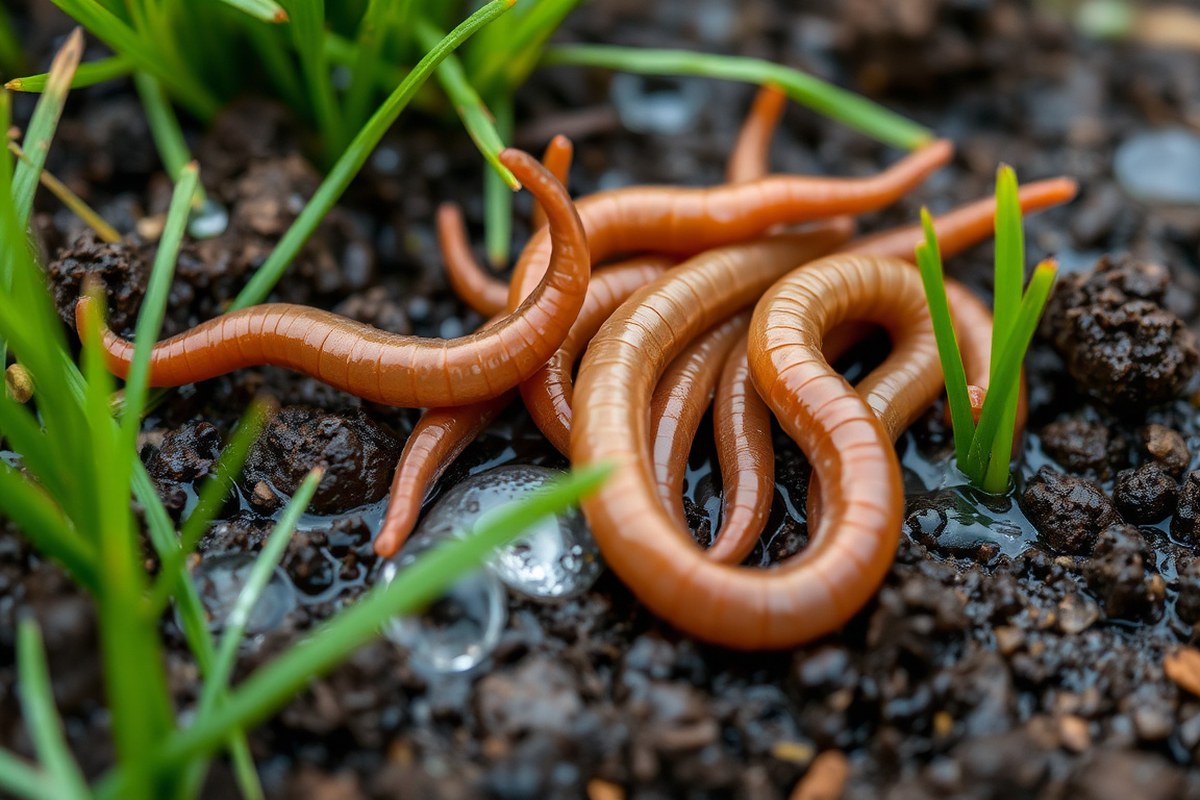
Why Do Earthworms Come Out When It Rains? The Science Behind Their Surface Visits
Many people ask, “Why do earthworms come out when it rains?Wet soil helps worms move above ground much easier. They find it simpler to travel when the ground is wet. Wet conditions reduce friction for their movement outside.
Rain softens the soil surface and reduces the risk of drying out. So earthworms feel safer exploring outside.
Earthworms breathe through their skin, which needs moisture to absorb oxygen. When soil is saturated, there’s less air underground.
So they come up for fresher oxygen. They don’t come out because they are drowning, as some myths suggest.
After rain, worms often get stuck on hard surfaces. They are fragile, so watch your step around them. Be careful not to step on these stranded worms.
Also, avoid using pesticides since earthworms help keep your soil healthy after rain. Watching where they go can tell you about your soil’s condition.
Key Takeaways
- Earthworms surface after rain because moist soil eases their movement.
- They need moisture to breathe, so wet conditions support their skin’s function.
- Worms come up to access more oxygen when soil air spaces fill with water.
- Don’t confuse their surfacing with drowning; they can survive saturated soil for months.
- Some earthworm species only come out to mate, but that is rare after rain.
- Earthworms improve garden soil by aerating and breaking down organic matter.
Why Earthworms Surface During Rainfall
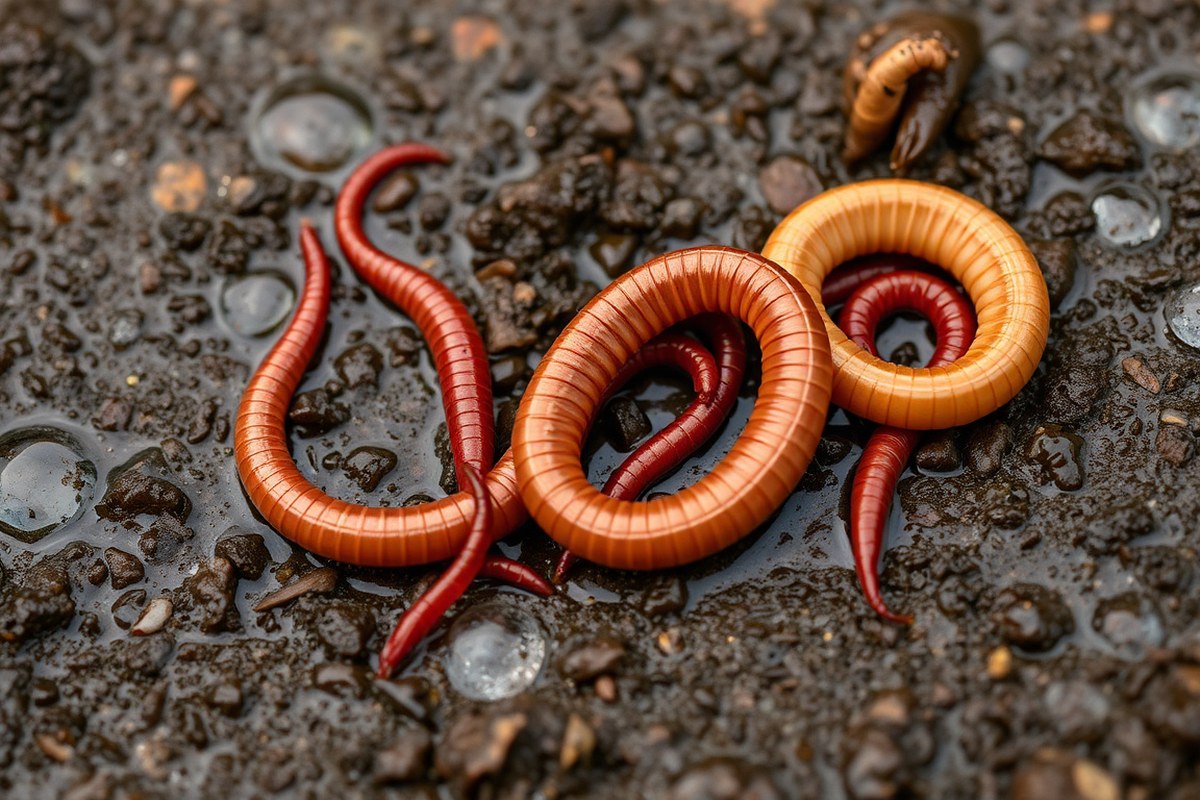
Earthworms come out during rain mainly because the soil becomes saturated with water. Saturated soil holds less oxygen, and earthworms need oxygen to survive. When the soil floods, oxygen levels drop, making it harder for worms to breathe underground.
Contrary to popular belief, earthworms do not come out to avoid drowning. They can breathe through their skin as long as it stays moist. Flooded soil slows oxygen diffusion, but the worms don’t literally drown inside.
Scientists have observed that some species increase oxygen consumption during rainy periods. This may push them to move toward the surface where oxygen is more available. That said, the exact reasons can vary among species and situations.
Another factor is that wet soil makes it easier for earthworms to travel above ground. They need moisture to prevent drying out.
So rain creates a safe window for surface movement. This explains why you often see many worms on sidewalks after a heavy shower.
Some researchers think vibrations from raindrops mimic predator movements, startling worms. This might prompt them to escape toward the surface or new soil areas. It’s more about reacting to environmental cues than just flooding.
Soil saturation definitely plays a role. But it’s one part of a more complex response. Worms come up to find better oxygen and maybe to explore or migrate.
They take advantage of safer surface conditions during rain. But they don’t surface simply because they are drowning.
How Earthworms Breathe and Thrive Underground

Earthworms don’t breathe with lungs. They absorb oxygen through their skin. Their skin needs to stay wet for oxygen to pass into their blood.
Moisture is essential because dry skin blocks oxygen absorption. Oxygen diffuses through the damp surface and reaches their blood vessels. This explains why earthworms thrive underground, where soil moisture stays fairly constant.
When the soil gets drenched by rain, worms keep breathing because water contains dissolved oxygen. Many species can survive underwater for several days if oxygen levels remain sufficient. They do not drown like humans since oxygen reaches them through water, not lungs.
In dry conditions, worms struggle to breathe and will try to find moist spots. They rely on a thin film of moisture surrounding them to avoid suffocation. This need shapes their life underground where humidity and soil texture matter greatly.
Keep soil moist but not waterlogged in your garden to help earthworms breathe and stay active.
Worm tunnels and tiny air pockets underground usually hold enough oxygen for them. However, saturated soil can fill these air spaces with water. Worms rely on oxygen that’s dissolved in water.
This oxygen level is much lower than in air. That limits how long they can live underwater.
Their skin also protects them from drying out while moving through soil or over wet surfaces. Worms move faster and easier when the ground is wet. Their skin doesn’t dry out in wet conditions.
This keeps their breathing working well. After rain, worms often come to the surface.
The wet ground helps them breathe and move safely. They use the moist air to their advantage.
Theories Explaining Earthworm Surfacing Behavior
Several theories try to explain why earthworms come out when it rains. The main ideas include escaping flooded soil. They also cover reacting to vibrations.
Another part is moving more easily on wet surfaces. Scientific evidence supports some theories more than others.
Escape from Flooded Soil and Low Oxygen
Heavy rain fills soil air pockets with water, cutting oxygen supply. Earthworms breathe through their skin, needing oxygen from the air. They move to the surface to find better air and avoid suffocating.
This escape behavior helps them survive when the soil becomes waterlogged. However, the surface poses risks, like drying out or predators. Worms tend to stay near grass or soil edges to quickly retreat underground.
Response to Rain Vibrations and Predators
Earthworms sense vibrations in the soil. Heavy rain causes vibrations similar to those made by predators like moles. Moles stomp on the surface while hunting, producing shaking earthworms detect.
Worms might confuse rain vibrations with threats, prompting them to surface. This theory links rain to predator escape behavior. Still, repeated research shows vibration alone may not fully explain worm surfacing.
Surfacing to Find Mates and Travel Quickly
Only a small number of earthworm species surface to mate during rain. This means mating isn’t the main reason most worms come up. More important is that wet soil and surface water allow easier and faster travel.
Earthworms travel slowly through dense or soaked soil. Wet surface conditions let them move farther and find food or new homes. After rain, you often see worms crossing lawns, using moisture to stay damp and protected.
| Theory | What It Is | Scientific Support | Limitations |
|---|---|---|---|
| Escape from Flooded Soil | Worms leave low-oxygen waterlogged soil for air | Strong: Soil oxygen drops after heavy rain | Surface is risky for drying or predators |
| Response to Vibrations | Worms surface after sensing predator-like vibrations | Moderate: Rain and mole vibrations are similar | Not all rains cause surfacing, other cues needed |
| Mating | Some species come up to mate during rain | Weak: Very few species use this method | Does not explain most surfacing behavior |
| Easier Travel | Wet surfaces let worms move faster and farther | Strong: Worms avoid dense, soaked soil | May expose worms to danger above ground |
Differences Among Earthworm Species During Rain
Not all earthworm species come out when it rains. Some common garden worms do, while others stay in their burrows. Jumping worms behave differently from typical earthworms during rainy weather.
Common Garden Earthworms
Many common earthworms surface after rain because the soil stays moist. This moisture helps them breathe and move safely above ground. Not every individual worm of a species will come out each time it rains.
These worms also leave their burrows to avoid low oxygen levels in waterlogged soil. They use the wet surface to travel and search for food. Birds often catch them as they appear on the ground after rain.
Jumping Worms and Invasive Species
Jumping worms respond differently than typical earthworms during rain. Instead of slowly surfacing, they wriggle rapidly and may appear more active. They are invasive in many areas and change soil by breaking down organic matter quickly.
These worms can come out in large numbers, especially in moist soil. Their quick movements differ from the usual slow crawl of common species. Because they are invasive, their surfacing behavior can disrupt local ecosystems.
Rare Species and Special Cases
Some rare or delicate worm species avoid surfacing even during heavy rains. They stay deeper underground to protect themselves from predators and harsh surface conditions. Their sensitivity to soil moisture and oxygen varies widely.
Other species only surface rarely or during very specific wet conditions. These special cases show that not all earthworms react the same way to rain. Soil type, temperature, and moisture levels also affect their behavior.
How Long Earthworms Stay Above Ground After Rain
Earthworms usually stay above ground for about 30 minutes to an hour after rain. This time depends on how wet or warm it is outside.
When the sun comes out and it heats up fast, worms burrow quickly. They do this to avoid drying out or getting too hot.
Heavy rain pushes water into tunnels. Worms leave burrows to avoid drowning. They must find safer places to survive.
They prefer misty or gentle rain because it keeps them moist without flooding their homes. As soon as the soil starts to dry or sunlight increases, they head back underground.
Worms become paralyzed after about an hour in direct sunlight. This makes them very vulnerable to predators and drying out.
So they usually try not to stay on the surface longer than that. But they still risk harm if the rain stops suddenly and the sun shines strong.
Don’t handle worms in sunlight longer than 30 minutes. They get stressed easily. Prolonged exposure can harm or damage them.
Risks Earthworms Face on the Surface After Rain
When earthworms come out after rain, they face many dangers on the surface. Birds like robins actively hunt worms in the open. These birds spot the worms easily against soil or pavement, making worms vulnerable to quick attacks.
Besides predators, earthworms risk drying out in sunlight and dry air. Worms breathe through their skin, which must stay moist to absorb oxygen. Direct sunlight and dry air cause worm skin to dry fast.
This leads to deadly water loss in a few hours. Dry skin can kill them quickly outside.
Moving across open ground also exposes worms to environmental dangers like temperature swings. Surfaces warm faster than underground soil, which stays cooler and more stable. Worms exposed to heat for too long can become stressed or die.
Dead worms often found on sidewalks result from these risks. They may have been caught by birds or lost moisture too fast after surfacing. Some worms crawl onto hot pavement by mistake.
They dry out in minutes and can’t get back to soil. This often kills them fast.
Rain and wet soil make worms crawl on the surface. This works only when humidity stays high and the air is moist. Worms need wet air to stay safe outside.
High humidity slows moisture loss, allowing worms to explore without drying out. Worms must get underground fast when sun appears or air dries.
Staying outside in dry air or sun means death. They depend on moisture to survive.
The balance of air and water matters too. Soil normally has about 50 percent pore space filled with air. The rest with water.
When soil becomes waterlogged, some worms leave to avoid suffocation. Worms move more on wet soil and look for mates.
Wet air stops their skin from drying and protects them. Moist ground helps worms stay active and safe.
How Wet Soil and Rain Intensity Affect Worm Behavior
Soil saturation plays a big part in earthworm behavior during rain. When soil becomes fully soaked, air pockets disappear, forcing worms to surface.
They need air to breathe since they absorb oxygen through their skin. Wet soil without air makes it hard for them to stay underground.
Light rain usually doesn’t make many worms come up. They often stay below because the soil still holds enough air.
Heavy rain, on the other hand, floods the soil quickly, pushing more worms to the surface. You’ll notice worms covering sidewalks or driveways mostly after strong storms.
Soil type also changes how worms respond to rain. Sandy soil drains faster and keeps some air pockets longer. So worms may stay underground even during moderate rain.
Clay soil traps water and stays saturated longer, which means more worms will surface for safety. Gardeners can watch soil type to predict when worms appear.
To see more worms on the surface, water gardens well. Avoid soaking the soil too often. Heavy watering mimics rain and forces worms up, which helps mix soil naturally.
Too much water can hurt worms. Acidic or chemical water makes it worse.
After heavy rains, worms stay above ground in clay soil longer. The soil takes time to dry out. In sandy soils, they may return underground faster.
Knowing worm behavior helps gardeners work soil at the right time. This avoids harming worms or chasing them away.
Be careful if rainwater picks up harmful chemicals or heavy metals before reaching the soil. These can hurt worms inside the soil or when they surface. Notice fewer worms after storms?
Check if garden water drains well. Make sure there are no pollutants.
How Earthworms Benefit Gardens After Rain
Natural Soil Aeration and Drainage
Earthworms create tiny tunnels as they move through soil. These tunnels let air and water flow deeper, helping plant roots grow stronger.
Better airflow also means soil drains well after rain. This reduces waterlogging that can harm plants and soil microbes.
The worm tunnels mix soil layers slowly but steadily. This natural tilling keeps soil from becoming too dense or packed.
Nutrient Recycling and Fertilization
Earthworms eat organic matter like dead leaves and roots. Their digestion breaks it down and turns it into nutrient-rich castings.
These castings release nutrients plants easily absorb. This helps gardens grow healthier without frequent fertilizer.
Worm activity also boosts microbes that help plants take up nutrients. Without worms, nutrients stay stuck on surface or in stale soil.
Encouraging Earthworms in Your Garden
Add organic materials such as compost or mulch to your soil. Earthworms love moist, rich soil with plenty of food sources.
Avoid harsh chemicals and over-tilling, which can harm earthworm populations. Keep soil moist but avoid waterlogging too much.
Gardens with diverse plants tend to attract more earthworms. It may take months to see more worms, but benefits last long.
Keep soil damp after rain but not flooded to support earthworm health.
Easy Steps to Help Earthworms in Your Garden After Rain
Earthworms come out when it rains, which helps your soil. Support their activity with these simple actions.
- Right after rainfall: Gently check your garden soil for earthworms without digging too deep. Seeing a few worms on the surface means they are active.
- Within 2 days after rain: Avoid walking on wet soil. Heavy work can damage worm tunnels. Protect them by being gentle. Worms can move if the soil stays loose and soft.
- Week 1: Add a thin layer of organic mulch to keep the soil moist and safe. Worms like damp conditions, so this helps them thrive.
- After 1 week: Water plants lightly during dry weather. Keep topsoil moist for worm comfort. Worms staying active means your soil stays healthy.
- Monthly: Spread natural compost to feed worms with more nutrients. A healthy worm population means better soil and stronger plants.
- During dry spells: Avoid tilling deeply since this can hurt worms and their home tunnels. Protecting tunnels helps worms stay safe underground.
Frequently Asked Questions
Why Do Earthworms Come Out When It Rains?
Earthworms come out to avoid flooded soil that fills their burrows. They use the wet surface to move safely to drier spots or new areas.
Do Earthworms Drown in Heavy Rain?
Earthworms don’t drown easily because they breathe through their skin. They come out mostly to avoid low oxygen under waterlogged soil.
Can Earthworms Move Faster on Wet Ground?
Yes, wet ground helps earthworms move quickly without drying out. Rain creates the moist surface they need to travel without damage.
Why Do Some Earthworms Gather in Groups After Rain?
Worms may cluster to avoid predators or to find mates more easily. Grouping might also help them stay moist in the air.
Do Earthworms Come Out Only During Rainstorms?
Earthworms surface mainly during rain but also if soil gets very wet. High soil moisture triggers their movement to the top.
How Long Do Earthworms Stay Out of the Soil After Rain?
Worms stay above ground as long as the surface stays wet. They return underground when the soil dries to avoid dehydration.
Final Thoughts
Earthworms come out during rain mainly to move safely across wet soil. Protecting their habitat after rain keeps them working well for your garden. Try noticing worms after the next shower to see this natural process in action.


One Comment