How to Make Soil More Alkaline: 8 Proven Methods for Healthier Gardens
To make soil more alkaline, add lime, which raises pH slowly and safely. Lime contains calcium that neutralizes acidity and balances soil minerals. This method works well for gardeners dealing with acidic soil conditions.
First, test your soil’s pH to determine how much lime you need. Use a rake or tiller to mix lime evenly into the top 6 to 8 inches of soil. Mixing it well helps the lime spread and work effectively.
Avoid adding too much lime at once, as it can shock plants or raise pH too high. Add lime slowly and give soil time to adjust. Changes usually take weeks or months, depending on soil type and lime amount.
Test your soil every few years to track pH progress and keep plants healthy. Good pH balance helps your garden thrive over time.
Key Takeaways
- Test your soil pH before adding any alkaline amendments.
- Use agricultural lime or dolomite for a controlled pH increase.
- Incorporate lime deep into soil with a rake or tiller, 6-8 inches.
- Start with moderate amounts, typically 20-50 pounds per 1,000 square feet.
- Allow weeks to months for pH to adjust after applying lime.
- Repeat soil tests every 2-3 years to monitor pH changes.
1. How to Raise Soil pH Safely and Effectively
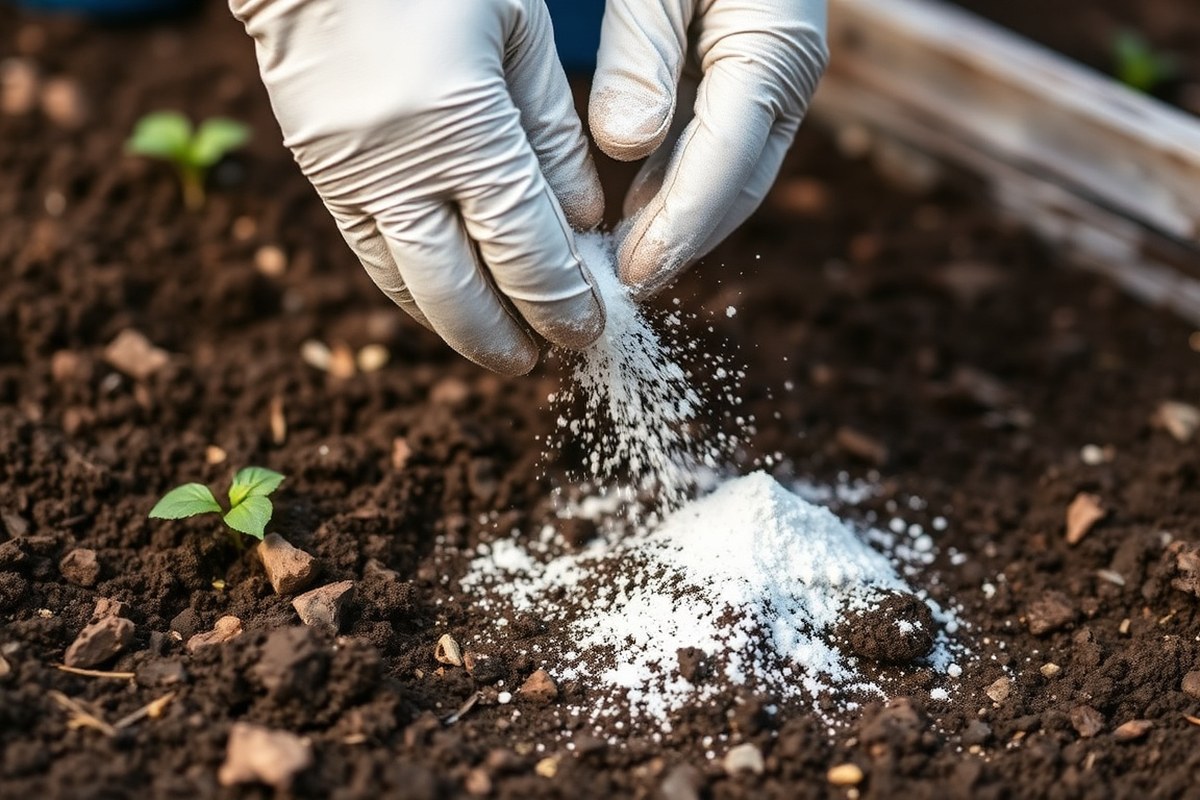
Raising your soil’s pH safely means adding alkaline materials carefully and testing often. You want to avoid raising the pH too high because soil above 8.0 can harm plants. Most gardeners add alkaline amendments in spring while prepping their garden beds.
Mixing amendments well into the soil helps them work effectively. Add about 2 inches of compost on your soil surface. Mix it into the top 6 inches well.
This helps improve soil quality for your plants. Use natural materials like oyster shells, wood ash, or eggshells.
They add calcium or potassium to your soil. These raise soil alkalinity slowly over time.
How much amendment to add depends on your soil type and its current pH level. A light, sandy soil needs less than heavy clay soil. Start with small amounts, then re-test after a few weeks to adjust carefully.
- Test your soil’s current pH with a simple vinegar test or a kit.
- Choose your alkaline amendment based on plant needs and soil texture.
- Spread the amendment evenly over the soil surface at the recommended rate.
- Work it into about the top 6 inches of soil using a garden fork or tiller.
- Add about 2 inches of compost on top and mix it in for organic matter.
- Water the area gently to help the amendments start reacting with the soil.
- Wait 3 to 4 weeks, then test the soil pH again to track changes.
- Repeat the process as needed, but avoid over-application to prevent excess alkalinity.
Choosing the right amendment is important. Lime is the most common choice and works well for most soils.
Oyster shells break down slower but add calcium steadily. Wood ash can raise pH fast but use it sparingly to prevent spikes.
Good results mean your soil pH rises gradually to just above 7.0, ideally near 7.5. You’ll know changes worked when plants that prefer alkaline soil grow better without leaf yellowing. Adding too much can cause nutrient shortages and harm your plants.
2. Testing Soil pH: Simple Methods You Can Trust
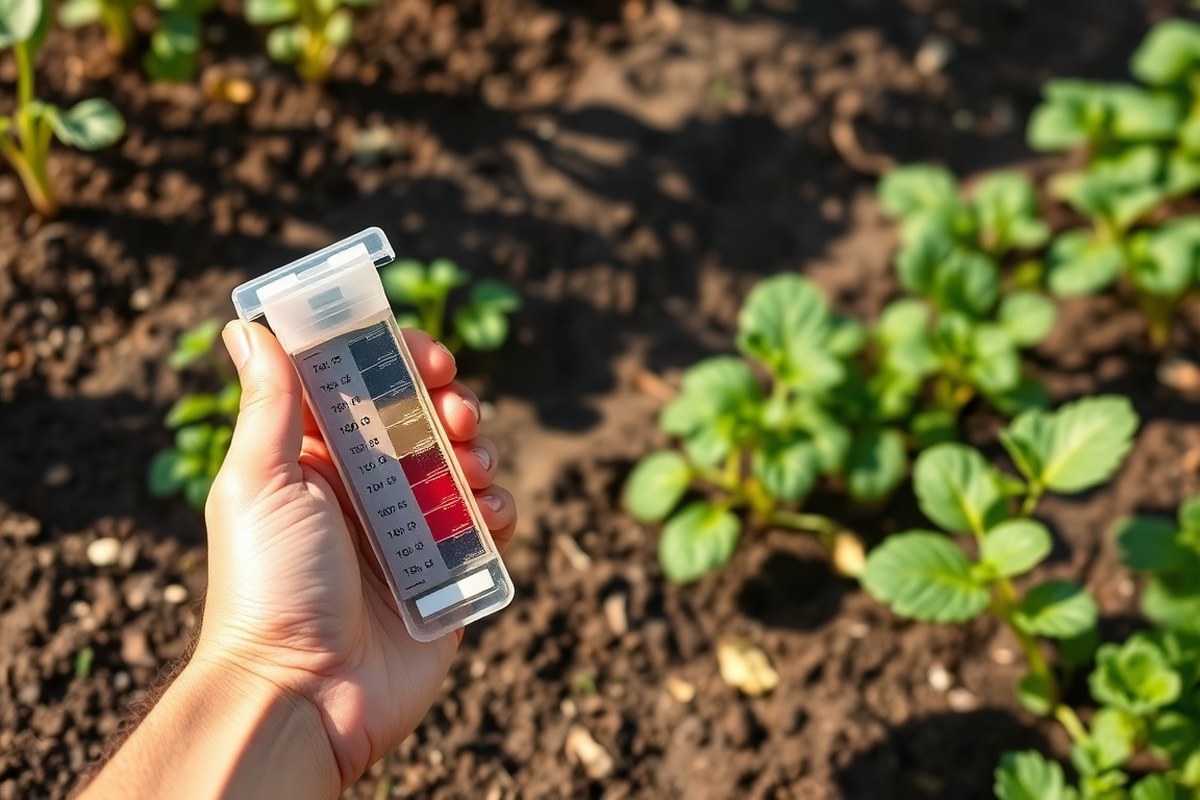
Testing soil pH at home can be simple and affordable. You can use a commercial test kit or a DIY method with ingredients around the house. Checking your soil pH correctly helps you decide how much to raise it for healthier plants.
Professional Soil Test Kits
Soil test kits from garden centers work well for home gardeners. These kits usually include a test solution or strips that change color to show pH levels. They cost about $10 to $20 and give you a general pH range for your soil.
These kits require a small sample of moist soil mixed with the provided solution. Waiting a few minutes lets the color develop so you can compare it with a chart. Most kits offer pH readings between 4.0 (acidic) and 8.0 (alkaline).
Keep in mind, home kits don’t give lab-level accuracy. They help you check if your soil is acidic or alkaline. You can also track changes over time.
This shows how your soil pH shifts. Testing every two to three years is usually enough for garden soil.
DIY Vinegar and Baking Soda Tests
You can do simple tests with vinegar and baking soda. These give a rough idea of your soil’s pH. Try these at home.
Baking soda reacts with acid in soil to produce bubbles. Vinegar reacts with alkaline soil the same way. This doesn’t give an exact pH number but shows if soil is too acidic or alkaline.
- Take about 2 tablespoons of moist soil from your garden.
- Place the soil in a clean bowl or jar.
- Add 1/2 cup of vinegar to the soil. Watch for fizzing or bubbles.
- No reaction means the soil needs cleaning. Wash soil off and dry it before testing again.
- Add 1/2 cup of baking soda mixed in 1/2 cup water to fresh soil.
- Look for bubbles in the baking soda mix.
Vinegar bubbles mean your soil is alkaline. That means pH is above 7.0 pH. Baking soda bubbles mean your soil is acidic.
That means pH is below 7.0 pH. No bubbles both times mean soil is near neutral.
Interpreting Your pH Results
Use pH results to plan your soil treatment steps. Ideal soil for many plants is slightly acidic to neutral, between 6.0 and 7.0. Soil with pH above 7.0 is alkaline and may need amendments to support acid-loving plants.
For example, if your test kit shows a pH of 5.5, your soil is acidic and could benefit from lime or baking soda. If it’s 7.A pH of 5 or higher means your soil is alkaline.
You may not need to change it. Some crops like lavender grow well in alkaline soil.
Test your soil pH every two to three years. This helps you track soil changes. You can adjust care for your garden as needed.
3. Common Amending Materials and Their Effects
Several materials can raise soil pH. But they differ in speed, cost, and best use.
Garden lime and dolomitic lime are common for steady changes. Wood ash and crushed eggshells offer natural, slower options but vary in nutrient content and suitability.
Types of Lime Products
Garden lime, also called agricultural lime, mostly contains calcium carbonate. It gradually raises soil pH and adds calcium. Dolomitic lime also adds magnesium, benefiting soils low in that mineral.
Hydrated lime works faster to boost pH but can be harsh. It requires careful handling and thorough mixing into soil to avoid plant damage. Usually, you till hydrated lime into the top 6 to 8 inches of soil.
| Type | Main Component | Speed of Effect | Additional Nutrients | Application Notes |
|---|---|---|---|---|
| Garden Lime (Calcium Carbonate) | Calcium carbonate | Slow to moderate | Calcium | Easy to apply; available at garden centers |
| Dolomitic Lime | Calcium & Magnesium carbonate | Slow to moderate | Calcium, Magnesium | Good for magnesium-deficient soils |
| Hydrated Lime | Calcium hydroxide | Fast | Calcium | Mix into soil 6-8 inches deep carefully |
Garden lime fits most home gardens with mildly acidic soils. Dolomitic lime suits soils that also lack magnesium. Hydrated lime is more for quick fixes but needs caution to prevent over-alkalizing.
Natural Alternatives: Wood Ash and Eggshells
Wood ash raises soil pH by adding calcium, potassium, and alkaline minerals. It also supplies potassium, which helps plant growth. Spread it evenly and lightly to avoid nutrient imbalances.
Crushed eggshells provide calcium carbonate but work slowly. They need to break down in soil over time to affect pH. Both materials offer natural options if you have access or want to recycle kitchen waste.
Suitability by Soil Type
Sandy soils require less lime or ash to change pH than clay soils. Clay holds more acidity and needs more amendment. Dolomitic lime helps more in magnesium-poor or heavier soils.
Use hydrated lime cautiously on sandy soils to avoid rapid pH swings. Wood ash fits lighter soils well but is less effective in very acidic clay. Eggshells suit any soil but act over longer periods, best for mild pH adjustments.
4. How Soil Type Affects pH Adjustment Time and Amount
Sandy soil reacts faster to changes in pH than clay soil because it drains quickly. Water and amendments like lime pass through sandy soil with less resistance. Clay soil holds water tightly.
It has a high buffering capacity. This slows down pH adjustment.
You’ll need less amendment for sandy soil since it changes faster and holds fewer nutrients. Clay soil requires more lime or alkaline material to shift pH because it resists changes.
Use about half the lime on sandy soil compared to clay. This helps get the same pH rise.
Test your soil’s texture by doing a simple percolation test. Fill a cup with soil and water. Water draining in less than 10 minutes likely means sandy soil.
Drainage over 30 minutes suggests more clay. Adjust your lime quantity based on this test to avoid under- or over-treating your soil.
Soils with high organic matter or clay change pH slowly. Add lime gradually over months for best results. For sandy soils, faster changes allow more immediate pH testing after treatment.
Keep your plants in mind; some prefer mild alkalinity. So don’t overdo the amendments especially in clay soils.
Don’t apply lime or similar materials without considering soil type. Over-liming sandy soil can cause nutrient imbalances and harm plants.
Clay soils handle larger lime amounts but take longer to reach the target pH. Patience and proper testing help you get the pH just right for your garden’s needs.
5. Timeline: How Long Before Soil pH Changes Noticeably?
Lime usually takes several months to noticeably raise soil pH. You can expect some change in three to six months. But full effects can take a year or more.
After spreading lime, mix it into the soil. Use a rake or tiller to go 6 to 8 inches deep. This helps the lime work faster.
Organic methods, like adding compost or eggshells, work more slowly than lime. These materials gradually raise pH by breaking down over time and adding calcium carbonate.
The speed depends on soil type, temperature, and microbes. These slow down in cold, dry ground.
Environmental factors can greatly affect timing. Warmer soil with good moisture encourages microbes to break down organic matter faster.
In contrast, heavy clay soils slow lime’s reaction with soil acids. High rainfall areas may also leach away lime, extending the time needed for pH changes.
Apply lime early in the growing season and mix it well to speed pH adjustments.
For quick results, fine powdered lime reacts faster than pelletized types. Adding lime in fall gives nearly a year for the soil to adjust before planting. Organic amendments add nutrients but need patience, especially in cooler regions or dry spells.
Your soil’s current pH level and type also change how long it takes. Acidic soils with more clay hold onto acidity longer, requiring more lime and time. Sandy soils change quicker but may need repeat treatments because lime washes away faster.
6. Plants That Thrive in Alkaline Soil Conditions
Some common garden plants actually prefer alkaline soil. Broccoli, cabbage, kale, and asparagus grow well in slightly alkaline soil.
These conditions reduce diseases like club root while helping their nutrient uptake. Barley also thrives in alkaline soil and improves soil texture over time.
Soil pH affects how plants absorb nutrients. When pH is too low or high, roots can’t get nutrients. Iron, manganese, and phosphorus become hard to access.
This affects how plants grow. This causes nutrient deficiencies even if the soil has plenty stored. Keeping pH near neutral or a bit alkaline helps plants.
It lets them absorb the nutrients they need. This supports healthy growth.
Even plants that tolerate some alkalinity can suffer if pH goes too high. Nutrient lock-up gets worse as the pH rises above 7.5. You might see stunted growth or yellowing leaves when pH gets too alkaline.
Monitor soil pH regularly to avoid these problems. Adjust pH gradually in steps for best results.
Test soil again after a few weeks each time. This keeps pH in the right range.
7. Avoiding Mistakes When Raising Soil pH
Adding too much lime can harm your plants by making soil too alkaline. This blocks important nutrients like iron, causing problems like yellow leaves. Changing soil pH too fast can shock plants, so go slow and test regularly.
Signs of Over-Alkaline Soil
Yellowing leaves, especially between leaf veins, often signal nutrient problems from high pH. Plants may also grow slowly or wilt despite enough water. Some plants might develop brittle stems or thin, weak roots.
You might notice soil that feels powdery or dusty when dry. It often lacks organic matter and can drain poorly. Checking soil pH with a test kit can confirm if it’s above 7.5, which is too alkaline for many plants.
Correcting pH That’s Too High
Start by testing soil to know how far the pH is from ideal. You can lower high pH by adding acidic organic materials slowly. Use pine needles or peat moss as examples.
Mix them in well to avoid sudden changes. Apply these in small amounts over several months to avoid shocking plants.
Watering with diluted vinegar (1 tablespoon per gallon) can reduce pH temporarily on small patches. Avoid strong acids or baking soda, as they can cause harm if misused. Soil with very high pH benefits from adding elemental sulfur.
This change happens over several months. Apply sulfur carefully to avoid harm.
- Test soil pH before adding anything new
- Add organic matter in stages, not all at once
- Use acidifying mulches like pine bark or peat moss
- Apply sulfur or acidic fertilizers carefully as directed
- Avoid baking soda and harsh chemicals
- Watch plants closely for stress signs
Fixing a high pH usually takes patience and several adjustments. Keep testing and adjusting slowly to restore balance.
Best Practices for Safe Application
Always test your soil before applying lime or alkaline materials. This avoids adding too much and hurting plant health. Spread lime evenly and mix it into the soil for best results.
Use small lime doses for sandy soils, about 5 pounds per 100 square feet. Spread it evenly. Allow time between each application to see effects.
Clay soils may need more but apply it gradually over months. Avoid reapplying lime sooner than six months without testing again.
Do not add lime right before planting sensitive seedlings. Instead, apply it in fall or early spring so it can adjust properly. Do not add acidic fertilizers and heavy organic matter all at once.
This helps keep soil pH steady. It also keeps nutrients balanced for better plant growth.
8. Safety and Environmental Tips for Alkalinity Amendments
Always wear gloves and a dust mask when handling lime or wood ash. These powders can irritate your skin and lungs. Long sleeves and goggles add more protection, especially on windy days.
Spread amendments evenly and avoid windy weather to reduce dust spread. For large areas, till lime into the top 6-8 inches. This stops the lime from washing away during rain or watering.
Spread lime evenly to get the best results. Lightly water the soil after spreading to help it absorb without runoff.
Using too much lime at once can harm earthworms and beneficial microbes. Stick to recommended amounts based on your soil test. Avoid spreading lime near streams or storm drains to protect water quality.
Wood ash can raise soil pH quickly but contains potassium and other nutrients. Apply ash sparingly, usually less than 20 pounds per 1,000 square feet. Avoid ash from burned treated wood as it contains harmful chemicals.
Don’t apply alkaline amendments before heavy rain; it causes runoff and wastes your material.
Store lime and ash in covered containers to keep moisture out. Moisture causes clumping and reduces effectiveness. Use your amendments within a few months for best results.
Step-by-Step Action Plan to Raise Soil pH
Follow this plan to safely raise your soil’s pH and help your plants thrive. Check progress with simple soil tests at each step.
- Before you start: Test your soil pH with a home kit. You can also send a soil sample to a local extension. This helps know your soil’s acidity or alkalinity. This sets your baseline.
- Day 1: Choose your amendment, like ground limestone. Apply the recommended amount based on your soil test results.
- Day 2: Spread the amendment evenly and mix it into the top 6 inches of soil. This helps it work faster.
- Week 2: Water the area thoroughly. Keep the soil moist to activate the lime and begin raising pH.
- After 4 weeks: Test the soil pH again. Look for a slight increase toward your target pH.
- Month 2: If pH is still low, apply a second dose of amendment. But no more than the recommended total.
- Ongoing: Retest every 6 weeks during the growing season to avoid over-alkalizing.
Frequently Asked Questions
What Materials Can Safely Raise Soil Alkalinity Without Harming Plants?
Agricultural lime, wood ash, and crushed eggshells can raise soil alkalinity safely. Use these materials carefully and in recommended amounts for steady pH increase.
Can Alkaline Soil Affect Nutrient Availability for All Plant Types?
Yes, alkaline soil can limit nutrient absorption in some plants, especially those needing acidic conditions. Choose plants suited for alkaline soil or adjust pH accordingly.
How Do Soil Microbes Respond to More Alkaline Soil Conditions?
Soil microbes change with alkalinity; some beneficial types thrive, while others weaken. Balancing soil pH helps maintain healthy microbial activity.
Is It Possible to Over-Alkalize Soil, and What Happens Then?
Yes, over-alkalizing soil can cause nutrient lockout and poor plant growth. Monitor pH closely to avoid going above 8.0, which can stress plants.
What Role Does Irrigation Water pH Play in Soil Alkalinity?
Irrigation water with high pH can gradually raise soil alkalinity. Testing water helps prevent unintended soil pH shifts.
How Often Should You Retest Soil After Applying Alkalinity Amendments?
Retest soil pH every 3 to 6 months after applying amendments. This helps track changes and avoid overcorrection.
The Bottom Line
Raising your soil’s pH step by step keeps your plants happy and healthy. Start by testing your soil this week. A small effort now gives you better growth later.