How Much Grass Seed for 1 Acre: Complete Guide with Exact Calculations & Costs
Wondering how much grass seed for 1 acre you really need? Usually, it ranges between 200 and 450 pounds depending on your lawn type and condition.
For overseeding, you’ll use less, around 90 to 220 pounds per acre. This depends on whether you seed a new lawn or add grass to an existing one.
Figuring it out is simple. If the seed tag says 5 pounds per 1,000 square feet, multiply 5 by 43.56 to cover an acre’s 43,560 square feet. That quick math helps avoid buying too much or too little seed, saving time and money.
Start by checking your seed’s planting rate on the bag. Also, make sure to mow any existing grass short for overseeding. That helps the seed reach the soil and sprout better.
Key Takeaways
- One acre equals 43,560 square feet of lawn to seed or overseed.
- New lawns typically need 200 to 450 pounds of grass seed for one acre.
- Overseeding one acre requires about 90 to 220 pounds of grass seed.
- Use the seed tag rate times 43.56 to calculate seed needed per acre.
- Mow existing grass short before overseeding for better soil contact.
- Grass type affects seed amount: Centipede needs less than Tall Fescue.
How to Calculate Grass Seed Needed for 1 Acre
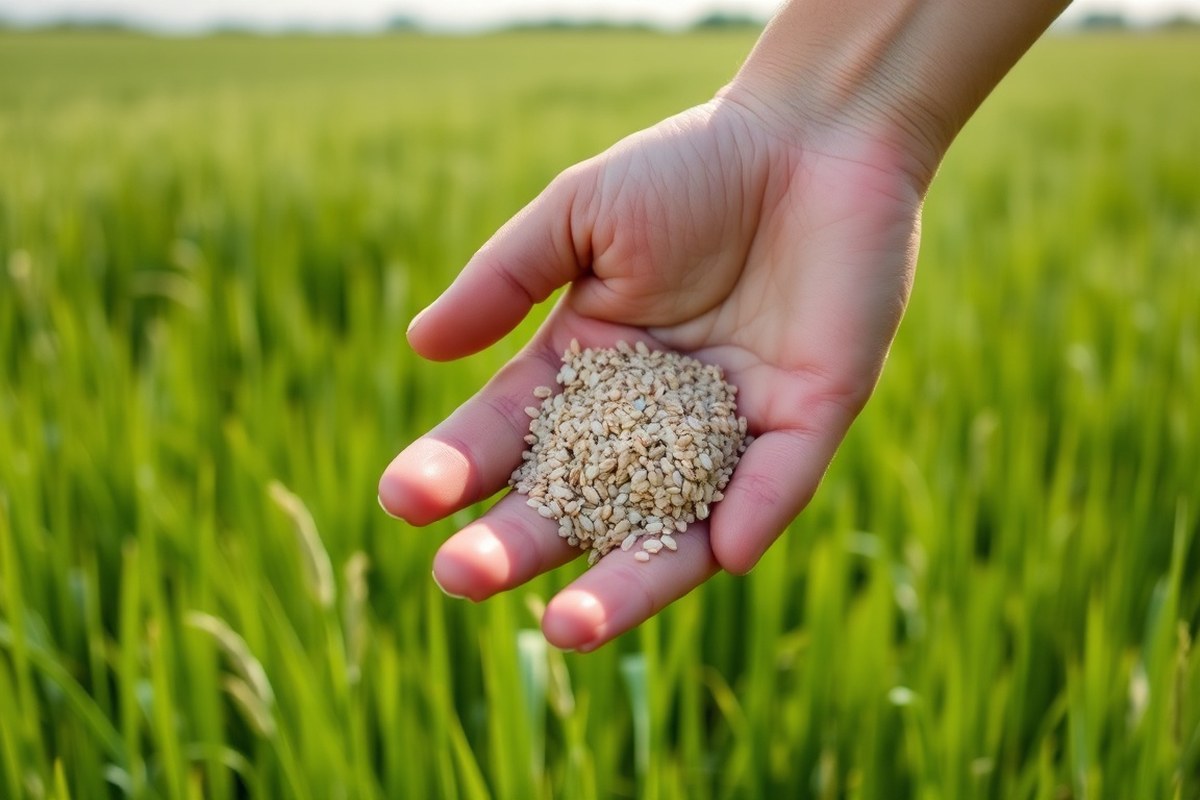
To find how much grass seed you need for an acre, first check the seed rate for 1,000 square feet. Different grass types and lawn conditions require different seed amounts. Usually, new lawns need about 5 to 10 pounds per 1,000 square feet.
Overseeding uses less seed. Multiply the rate per 1,000 feet by 43 to cover one acre.
An acre has 43,560 square feet. Because seed rates are usually per 1,000 square feet, multiply the seed amount by 43.56 for an exact total. For example, your seed label might say 7 pounds per 1,000 square feet.
Multiply 7 by 43 to cover one acre. This means you need about 301 pounds for an acre.56. That shows how many total pounds you need for one acre.
Follow these steps to figure out seed needed per acre. Start with the seed rate per 1,000 square feet. Then multiply that rate by 43 to get total seed for an acre.
- First, measure your lawn’s area in square feet. One acre equals 43,560 square feet. Make sure your lawn matches this number or adjust accordingly.
- Check the recommended seed rate on the bag, shown in pounds per 1,000 square feet.
- Divide your total square feet by 1,000 to find the number of units. This tells you how many 1,000-square-foot sections your lawn has. It’s a simple step to calculate seed.
- Multiply the seed rate (pounds/1,000 sq ft) by the number of 1,000 sq ft units.
- The result is the total pounds of seed you need for the entire area.
- Buy seed bags according to the total weight calculated.
- Adjust your calculations if overseeding, using lower seed rates as appropriate.
These are common seed rates per 1,000 square feet for lawns. It also shows typical new lawn seed weights needed per acre.
Rates vary depending on your lawn’s condition. This shows what you might expect to use:
| Grass Type | Seed Rate per 1,000 sq ft | Seed Rate per Acre (pounds) |
|---|---|---|
| Kentucky Bluegrass (new lawn) | 2 to 3 lbs | 87 to 131 lbs |
| Tall Fescue (new lawn) | 8 to 12 lbs | 348 to 522 lbs |
| Bermuda Grass (new lawn) | 1 to 3 lbs | 44 to 131 lbs |
| Zoysia Grass (new lawn) | 1 to 2 lbs | 44 to 87 lbs |
| Perennial Ryegrass (new lawn) | 6 to 10 lbs | 261 to 435 lbs |
| Overseeding example: Kentucky Bluegrass | 1 to 1.5 lbs | 44 to 65 lbs |
| Overseeding example: Buffalo Grass | 1.5 lbs | 65 lbs |
Use these ranges to estimate seed needs and costs. For example, tall fescue needs about 7 pounds per 1,000 square feet. That adds up to roughly 305 pounds per acre.
This helps you buy the right amount of seed. That would require six 50-pound bags. Buying the right amount prevents waste and ensures even lawn coverage.
Failing to calculate this precisely can cause bare spots or over-seeding. Too little seed misses coverage.
Too much wastes money and invites disease. Checking the label and doing this math helps you plan well before buying.
Grass Seed Rates by Type and Lawn Condition

Grass seed rates change by species and whether you start a new lawn or overseed. Kentucky bluegrass needs about 87 pounds per acre for a new lawn. But just 44 pounds for overseeding.
Tall fescue needs a lot of seed. You use about 305 pounds per acre for new planting. For overseeding, use half that amount.
Common Grass Types and Their Rates
Seed amounts vary a lot among grass types. Warm-season grasses like Bermuda and Centipede need less seed than cool-season types.
Kentucky bluegrass uses the least seed. Tall fescue and perennial ryegrass use the most.
Here is a table with seeding rates. It shows pounds per 1,000 square feet and per acre. This covers the main grass types.
| Grass Seed Type | New Lawn (lbs/1,000 sq ft) | New Lawn (lbs/acre) | Overseeding (lbs/1,000 sq ft) | Overseeding (lbs/acre) |
|---|---|---|---|---|
| Kentucky Bluegrass | 2 | 87 | 1 | 44 |
| Tall Fescue | 7 | 305 | 3.5 | 152 |
| Perennial Ryegrass | 8 | 348 | 4 | 174 |
| Fine Fescue | 5 | 218 | 2.5 | 109 |
| Bermudagrass (Hulled) | 2 | 87 | 1 | 44 |
| Zoysiagrass | 1.5 | 65 | 0.75 | 33 |
These rates help you plan how much seed to buy. Kentucky bluegrass and Bermuda grass use the least. Tall fescue takes the most seed.
New Lawn vs Overseeding Rates
Planting a new lawn needs about twice as much seed as overseeding. More seed helps fill bare soil evenly and quickly. Overseeding only thickens existing grass, so you need less seed to cover gaps.
Kentucky bluegrass requires 87 pounds per acre for new lawns. It uses about 44 pounds for overseeding. Tall fescue might require 305 pounds fresh but only 152 pounds to overseed.
Use the lower seed rate on healthy turf. Use the higher rate when soil is bare or the lawn is thin and patchy.
Using too much seed in overseeding can create overcrowded grass and invite disease.
Adjusting Rates by Soil and Lawn Conditions
Heavy clay or poor soils lower seed germination. You should increase seed rates by 10-20% on such soils. This helps more seedlings establish strong roots despite tough conditions.
For new lawns on compacted soil, spread seed evenly and consider mixing in starter fertilizer. Overseeding lawns with thin spots also benefits from slightly higher seeding rates than normal.
Well-drained, fertile soils may need no adjustment to rates. Less seed means better airflow and less chance of disease, saving money and time.
Understanding Pure Live Seed (PLS) and Seed Quality
Pure Live Seed, or PLS, shows how much viable seed is in a bag. Seed purity and germination rates can be very different in seed bags. These affect how much bulk seed you need to buy for one acre.
Definition and Importance of PLS
PLS means the percentage of seed that will actually grow. It combines seed purity and germination rate into one number. Using PLS helps you buy the right amount for a healthy lawn.
Seed purity tells how much seed in the bag is the grass you want. Germination rate measures how many of those seeds will sprout. Low purity or germination means you have to plant more seed.
Without knowing PLS, you might buy too little seed and get a patchy lawn. Buying too much seed wastes money and can cause overcrowding. PLS makes seeding efficient and effective.
Calculating Seed Amount Using PLS
To find bulk seed needed, divide the target PLS seeding rate by the PLS decimal. For instance, you want 200 lbs of good Tall Fescue seed per acre. The seed’s purity and germination affect how much to buy.3% PLS (0.833), calculate 200 ÷ 0.833 = 240 lbs bulk seed.
Seed purity at 80% and germination at 75% means a PLS of 60%. To reach 200 lbs PLS, divide 200 by 0.60.
You’d buy about 333 lbs bulk seed per acre. This ensures enough seeds will grow despite lower quality.
Always add about 30% extra seed for measurement errors and losses. Spread the seed carefully for the best coverage. Using the PLS ratio helps avoid those common seeding mistakes.
How to Read a Grass Seed Tag Correctly
The seed tag lists purity, germination, and inert matter percentages. Look for purity and germination first. Multiplying them (as decimals) gives the PLS percentage.
Check for weed seeds and other crop seeds listed on the tag. Higher weed content lowers seed quality. Make sure the buyer’s rights and seed origin are also on the label for safety.
Some bags include coatings, fertilizer, or mulch mixed with seed. That means not all the weight is viable seed.
Use the PLS number and label details to figure your seed amount. Don’t rely only on the bag’s weight.
How Many Bags of Grass Seed to Buy for a Full Acre
Calculating Bags Needed from Pounds
Start with the pounds of seed per acre required for your grass type. For example, Kentucky Bluegrass needs about 130 to 175 pounds per acre for new lawns. You can figure out how many bags you need by dividing by bag weight.
A common seed bag size is 50 pounds. But the actual seed weight may be less due to coatings or fillers. Divide the total pounds needed by the seed weight per bag.
This shows you how many bags to buy. This gives a clearer picture than just counting bags by their label weight.
Factors That Affect Bag Quantities
Seed coatings add weight but are not grass seed. Many 50-pound bags contain only about 25 pounds of actual seed. The rest is coating, which helps seed survival but reduces pure seed per bag.
Your calculation should use the pure seed weight, not the full bag weight. Check the label or ask for the “net seed weight.”
Also confirm “pure live seed” content to avoid short buying. This step prevents surprises after spreading your seed.
Adding Extra Seed to Cover Loss
Grass seed can get washed or blown away, or fail to sprout. Buying 10 to 30 percent more seed than your exact calculation covers this loss. For example, if you need 150 pounds, add 15 to 45 extra pounds as a buffer.
This extra seed helps maintain the right density in your lawn. Without it, you might end up with thin or patchy grass. The right amount depends on your soil and weather; rougher sites need more.
Step-by-Step Bag Purchase Calculation
Use these steps to convert pounds needed into bags for one acre. This method factors in seed rate, bag weight, and extra seed for loss.
- Find the pounds per acre needed for your grass type and lawn condition.
- Check the seed bag label for actual seed weight per bag (not just gross weight).
- Divide the pounds needed by the net seed pounds per bag to get bags required.
- Multiply the bags required by 1.1 to 1.3 to add 10, 30% extra seed for loss.
- Round up to whole bags since you can’t buy partial bags.
- Consider seed mix if you use a blend; calculate each component separately.
- Order from a supplier that can confirm seed weight and purity.
Cost Considerations and Final Buying Tips
Seed prices vary widely, usually $3 to $35 per pound. High-quality blends cost more but often require less application. When buying large quantities, bulk 50-pound bags from distributors lower the cost per pound.
Keep receipts and test samples to verify germination rates if possible. Buying too little means extra trips to the store later. Buying too much ties up cash and storage space but avoids gaps in coverage.
Comparing Seeding Methods for Large Areas
Broadcast spreading, drop spreaders, and hydroseeding are the main seeding methods for one-acre lawns. Broadcast spreaders fling seed widely, which works fine on mostly flat, open land. Drop spreaders release seed straight down for consistent coverage but move slower than broadcast spreaders.
Hydroseeding mixes seed with water and mulch, spraying it over the soil. This method gives excellent seed-to-soil contact, especially on slopes or uneven ground. Hydroseeding usually costs more than spreading but reduces seed loss and speeds germination.
| Method | Pros | Cons | Estimated Cost per Acre |
|---|---|---|---|
| Broadcast Spreader | Very fast on flat land, affordable rental options | Less precise, seed can blow away on windy days | $100 – $200 (equipment rental only) |
| Drop Spreader | Uniform seed distribution, better for small patches | Slower work, harder to cover large areas quickly | $100 – $250 (equipment rental only) |
| Hydroseeding | Great for slopes, mulch protects seeds, fast coverage | Higher upfront cost, needs professional application | $1,800 – $2,800 including seed and materials |
Choose broadcast spreading for budget-friendly seeding on mostly flat, clear sites. Drop spreaders fit better when you want precise control over seed placement. Hydroseeding performs best on uneven or sloped ground where seed washing or displacement is a risk.
Using a seed spreader effectively means calibrating the spreader with your seed type first. Spread seed at recommended rates. For new lawns, up to 450 pounds can be needed per acre.
Overlap passes slightly to avoid striping. Avoid spreading in windy or wet conditions to keep seed where it belongs.
Calibrate your spreader on a small test area before seeding the whole acre.
Hydroseeding mixes seed, water, and mulch for good germination. It gives a more even spread than other methods. However, it costs almost ten times more than renting a spreader.
It works better if your lawn has slopes or poor soil. Renting a spreader lets you save money by doing it yourself.
It works best on simple, even land. But it takes more effort than hiring a service.
Keep your budget and land type in mind when picking a method. A flat, open acre leans toward broadcast or drop spreaders.
Hilly terrain benefits most from hydroseeding. Make sure to work quickly and follow seed bag instructions for rates and timing.
Preparing Soil and Site Before Seeding One Acre
Good soil and site prep help grass seed grow well on one acre. Prepare the land carefully. This makes a big difference.
Test and fix soil before planting. Cut existing grass short if overseeding. Loosen compacted soil by aerating or tilling.
Start by testing the soil’s pH and nutrient levels. You can buy a test kit or send a sample to a local extension service. Grass grows best in soil with a pH between 6.0 and 7.5.
Add lime or sulfur as recommended to fix soil acidity or alkalinity. Also, add starter fertilizer with phosphorus to help seed roots develop.
Mowing your grass before overseeding means cutting it low, about 1 to 1.5 inches tall. This lets the seed reach soil and get light and water better.
Avoid seeding with a spreader on thick grass. Use a hand spreader or a slit seeder for better seed-to-soil contact.
Till or rototill new or bare soil about six inches deep. This breaks up hard ground and prepares soil for seed. This helps roots grow deep.
You can aerate compacted soil using a core aerator that pulls out plugs. Aeration is best done a week before seeding so the holes can dry a bit.
- Test soil pH and nutrient levels using a kit or lab service.
- Add recommended lime, sulfur, or fertilizer amendments based on test results.
- Mow existing grass very short (1, 1.5 inches) before overseeding.
- Choose tilling to loosen soil 6 inches deep for new lawns.
- Aerate compacted lawns with a core aerator one week before seeding.
- Remove debris like rocks, sticks, and old thatch before seeding.
- Spread seed by hand or slit seeder for best soil contact.
Testing and adjusting soil means grass seed will absorb nutrients and grow faster. Mowing short removes barriers to sunlight and water. Tilling or aerating fixes hard, compacted soil that blocks seedling roots.
Costs vary: soil tests run $10 to $30 per sample. Starter fertilizer costs about $20 to $40 per 50-pound bag.
Renting a core aerator can cost $50 to $100 per day. Tilling might take a few hours with a rented rototiller at $60 to $80 a day.
Failing to prepare soil leads to poor seed germination and patchy lawns. Hard soil stops roots from penetrating, and thick grass blocks seeds.
Proper soil contact helps seeds grow better. This improves your lawn’s success across the acre.
Covering Seed and Watering Guidelines After Seeding
Apply about a quarter bale of straw mulch per 1,000 square feet to cover seed evenly. For one acre, that totals roughly 11 bales of straw. The straw should form a light layer, just enough to hide the seed without smothering it.
Use weed-free straw to avoid introducing unwanted plants. This thin mulch will help retain moisture and protect seeds from birds and wind. Avoid piling straw thickly, which can block sunlight and air needed for germination.
Water the seeded area lightly but frequently during the first two weeks. Aim to give about half an inch of water daily. This keeps your soil moist without becoming soggy.
Water consistently to help your lawn grow strong. Early morning is the best time to water, reducing evaporation and leaf diseases.
Reduce watering frequency gradually after seed sprouts, allowing the soil surface to dry between sessions. This encourages proper root growth and helps seedlings develop resilience to drought stress. Avoid overwatering, which can wash away seed or cause fungal problems.
Grass seed usually takes 7 to 21 days to germinate depending on the type and weather. During this period, watch for bare or dry spots. Keep watering steady until grass reaches about an inch tall and looks healthy.
Protect seeded sites from heavy rain and wind if possible, which can cause seed washout. Straw mulch helps here but be ready to reapply it or seed thin areas again. Consistent care in these early weeks pays off with a thicker, stronger lawn.
Avoiding Common Mistakes When Seeding One Acre
Applying too much grass seed is a common mistake. Putting down the full new lawn rate can smother the grass. For example, 200 pounds per acre without aeration is too much.
Spread less seed or aerate first to avoid this problem. The roots need air and space, or the new seed won’t take well.
Overseeding without core aeration or verticutting often leads to patchy results. The seed can’t reach the soil properly and sits on top instead.
Thin spots or poor coverage happen because the seed can’t contact soil. So it won’t sprout evenly.
Check the soil before seeding. Poor soil needs about 25% more seed to improve coverage. You can ask a professional at your store about seed amounts.
They can give advice based on your lawn size and type. They can help based on your grass type and soil condition.
- Don’t overseed at the full new lawn rate over existing turf.
- Core aerate or verticut before overseeding to help seed reach soil.
- Increase seed rate by 25% if the soil quality is poor.
- Use a lower overseeding rate (130, 175 lbs per acre) for established lawns.
- Avoid buying cheap seed with low purity or germination rates.
- Fix thin spots by spot-seeding after aerating and loosening soil.
- Water seeds gently but deeply for best germination.
Buying cheap seed can cost more in the long run. Low-quality seed has fewer viable seeds and more weed seeds.
That leads to weak grass and more weed problems later. Always buy seed with a good germination rate and high purity to avoid these issues.
Seeding at the wrong time is another pitfall. Seed needs right temperatures for best growth, usually between 50°F and 85°F. Plant too early or late, and seeds may fail to sprout or die off quickly.
Overseeding is best done after aerating so seed reaches soil and roots thrive.
Spot-check your lawn after seeding. Watch for thin areas and patchy spots in about two weeks. When you spot gaps, lightly rake the area to prepare it.
Then spread some seed there and water carefully to help it grow. Early fixes prevent bare soil from unwanted weeds moving in.
Step-by-Step Action Plan for Seeding One Acre
Follow these steps to seed your acre efficiently and get good grass growth. Check your progress after each phase to stay on track.
- Before You Start: Measure your area carefully to confirm it’s one acre. Use stakes and a tape measure for accuracy.
- Day 1: Choose the right grass seed type for your soil and climate. Pick seed with a high Pure Live Seed (PLS) percentage.
- Day 2: Prepare the soil by removing old grass, rocks, and debris. Loosen the top 2-3 inches with a rake or tiller for better seed contact.
- Day 3: Calculate the exact amount of seed using the recommended pounds per 1,000 sq ft. Multiply by 43.56 to cover one acre.
- Day 4: Buy seed in bags based on your total weight calculation. Check if the seed label matches your calculated needed pounds after adjusting for PLS.
- Day 5: Spread the seed evenly using a broadcast spreader. Walk at a steady pace to avoid clumps and bare spots.
- Day 6: Cover seed lightly with soil or mulch to protect from birds and drying out. Aim for about ¼ inch depth.
- First 2 Weeks: Water lightly twice a day, keeping the soil moist but not flooded. Seedlings should start appearing within 7-14 days.
Frequently Asked Questions
How Much Grass Seed Do I Need to Reseed a Patch on One Acre?
For patch reseeding, estimate about 10-20% of the full seeding rate. This means roughly 20 to 90 pounds, depending on your grass type and lawn condition. Spot seed moist soil for best germination.
What Impacts the Final Amount of Seed Needed per Acre Besides Grass Type?
Soil quality and lawn health affect seed needs. Poor soil or heavy compaction may require extra seed to cover bare spots. Also, overseeding rates differ from new lawn rates.
How Much Seed Covers an Acre for a New Bermuda Grass Lawn?
About 85 to 100 pounds of hulled Bermuda seed covers one acre new lawn. This is roughly two 50-pound bags. Its seed rate is lower than tall fescue or ryegrass.
Can I Estimate Seed Needs by Square Footage Before Buying for One Acre?
Yes, multiply the per 1,000 square feet seed rate by 43.56. This quick math helps avoid buying too little or too much seed for one acre.
Does Seed Quality Affect How Much Seed I Need per Acre?
Seed quality, including Pure Live Seed (PLS) percentage, impacts amounts. Higher PLS means more viable seed per pound, possibly lowering total pounds needed. Check seed labels before buying.
How Does Overseeding a One-Acre Lawn Change Seed Amounts?
Overseeding usually requires half to two-thirds less seed than new lawns. For one acre, use about 90 to 220 pounds based on seed type. This refreshes grass without heavy reseeding.
Key Points to Remember
Choosing and applying the right seed amount sets the foundation for your lawn’s success. Keep an eye on watering and soil conditions to help seeds grow well. Start measuring your area today to get ready for seeding.