
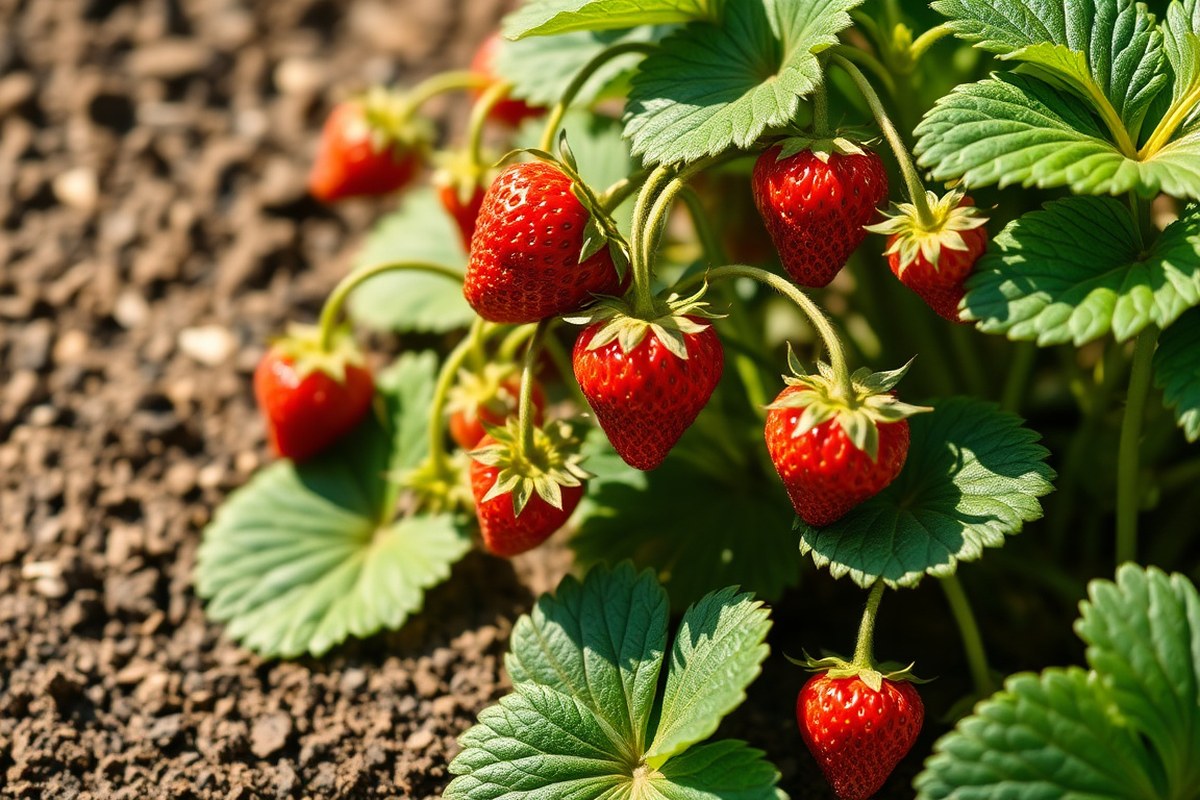
When Should You Plant Strawberries: A Complete Guide for Best Timing and Growth
When should you plant strawberries is a common question for gardeners. The best time is mid-spring, once the temperature stays above 50°F consistently.
Planting at this time helps the plants settle before warmer weather arrives. Soil temperature matters too; it should reach about 60°F to encourage strong root growth.
For a second option, you can plant strawberries in late summer or early fall. Just make sure to plant at least six weeks before the first frost.
This lets the plants root well before winter arrives. Avoid planting too late, or the roots won’t develop enough to survive cold weather.
Start by preparing your soil well. Healthy soil lets roots grow easily and keeps moisture steady. Clear the area of weeds and add organic matter to improve drainage.
Watch out for late spring frosts. Cover plants if temperature dips below 30°F to protect them from damage.
Key Takeaways
- Plant strawberries mid-spring when temperatures are above 50°F consistently.
- Late summer or early fall planting needs at least six weeks before frost.
- Prepare soil by loosening and enriching it before planting strawberries.
- Space plants 18 to 30 inches apart for good air circulation.
- Use mulch to help keep soil moist and protect roots.
- Cover plants if a late frost threatens with temperatures below 30°F.
When Is the Best Time to Plant Strawberries

The best time to plant strawberries depends on your local climate and frost dates. In colder areas, plant strawberries in early spring.
Do it after the last frost. The soil should be around 50°F. This timing helps protect young plants from frost damage and ensures good root growth.
Fall planting works well in milder climates, like USDA zones 7 and warmer. Plant strawberries at least six weeks before the first expected frost to let roots establish.
This timing prepares plants to produce a strong crop the following spring. Avoid planting too late in fall because cold soil or early frost can kill new plants.
Temperature matters a lot for strawberry success. Soil should be workable and not soggy, with consistent daytime temps above 50°F for spring planting. Planting in cold soil stops roots from growing well.
Plants may struggle to survive. Fall plantings should happen before soil cools below 50°F to let roots develop before winter.
How Different Strawberry Types Affect Planting Time

Strawberry types affect when you plant them because each type has a unique fruiting schedule. June-bearing, everbearing, and day-neutral strawberries flower and fruit at different times. This timing changes when to plant for the best harvest and how soon you’ll get berries.
June-Bearing Strawberries
June-bearing strawberries produce one large crop each year, typically in late spring or early summer. You should plant them in late summer to early fall while the soil stays warm. This gives the plants time to develop roots and runners before winter.
Removing flowers in the first year helps plants focus on growing strong roots. Fruit yields from June-bearers peak in the second year. They reach about half a pound per plant.
This gives you a strong harvest. These strawberries don’t fruit much in their first year if you remove flowers to encourage growth.
June-bearers are perfect for one big harvest at once. They work well if you plan to freeze strawberries.
You can also can them for later use. Planting outside their traditional season risks weak plants and poor fruit the following year.
Everbearing Strawberries
Everbearing strawberries give two main fruiting times each year. The first is early summer. The second is in late summer or early fall.
Plant them in spring or early summer to get a partial harvest the first year. Early planting helps the plants establish, leading to stronger yields the next season.
These berries give you fruit twice a year but less total yield than June-bearers. You can remove some flowers during the first few weeks to let the plant build roots.
But it’s not always necessary. Everbearing strawberries tolerate a wider planting window than June-bearers.
Choose everbearing if you want two good harvests and can care for plants through summer heat. They also suit moderate climates better than extreme cold or hot regions.
Day-Neutral Strawberries
Day-neutral strawberries bloom and produce fruit continuously throughout the growing season, from late spring until frost. Plant them in early spring for the fastest fruiting, usually within 10 weeks. This type is the only one that fruits the year you plant it.
This happens if the soil is warm. You get fruit quickly with these.
To help new day-neutral plants grow well, remove flowers for the first 4-6 weeks. This encourages strong roots before fruiting. These strawberries thrive in mild climates.
They grow well in containers or hydroponic setups. This allows you to grow them year-round.
Day-neutral strawberries give you steady harvests throughout the season. Their yield per plant is usually less than June-bearers. This means more frequent but smaller pickups.
They are good if you want fresh berries all summer. You need to handle a longer picking season. This suits gardeners who like ongoing harvests.
Avoid planting June-bearing strawberries outside late summer or early fall. This can stunt root growth and reduce next summer’s harvest.
Preparing Soil and Site for Optimal Strawberry Planting
Ideal Soil Conditions for Strawberries
Strawberries want soil that drains well and feels loose. Compact or wet soil can cause root problems and poor fruit. Aim for fertile soil that stays moist but not soggy.
The soil pH should be slightly acidic, between 5.5 and 6.5. This range helps strawberries take up nutrients well. When the pH is wrong, plants absorb fewer nutrients and weaken.
Testing and Adjusting Soil pH and Fertility
Test your soil with a pH kit or send a sample to a local extension service. These tests cost around $10 to $20 and show pH and key nutrient levels. You can buy kits at garden centers or online.
Your soil’s pH gets too high? Add sulfur or peat moss to fix that. For acidic soil, apply lime to raise it.
Add compost or balanced fertilizer to improve fertility before planting. Mix amendments into the top 6 to 8 inches evenly.
When to Plant Based on Soil Temperature
Wait until soil is warm enough to easily dig with a trowel. This usually means soil temperatures hit about 50°F (10°C). Cold soils slow root growth, so planting too early can stunt plants.
Does your soil warm up slowly? Start strawberries in pots or raised beds. These warm up quicker and you can move plants outside when conditions improve.
Preparing Raised Beds or Mounds
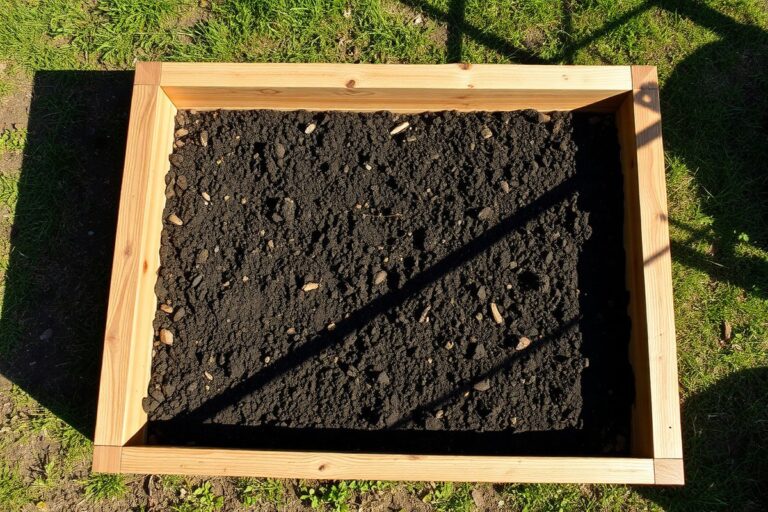
Strawberries do best in beds that drain fast and have deep, loose soil. For clay or heavy soil, add 4 or more inches of compost. Mix this well and shape raised mounds or beds about 6 to 12 inches high.
Raised beds help keep roots from sitting in water and reduce disease risk. They also warm faster in spring. Space rows 30 to 45 cm apart.
Keep strawberry crowns just above soil. This helps prevent rot.
How to Tell If Soil Is Ready for Planting
Soil is ready if you can dig easily without it clumping or sticking. It should also dry out a bit after melting snow or rain. Try squeezing a handful; it should crumble apart, not stay in a tight ball.
Soil feels soggy or dense? Don’t plant yet. Improve drainage before planting.
Prepare soil by making it firm but loose around roots. Crowns should be exposed. Avoid gaps or air pockets near roots.
Step-by-Step Guide to Planting Strawberry Crowns and Runners
Planting strawberry crowns and runners right lets your plants grow strong roots and produce good fruit. You’ll space them properly and water on planting day. Follow these steps to get your strawberries off to a healthy start.
Planting Strawberry Crowns
Plant strawberry crowns with the roots spread out evenly in a hole. The crown needs to sit just above soil level so new leaves can grow freely. Here’s how to plant strawberry crowns step by step:
- Dig a hole wide and deep enough to hold the roots without bending.
- Spread the roots out gently in the hole, trimming any very long ones to 4 inches.
- Set the crown so its base is right at the soil surface, not buried.
- Fill in around the roots carefully with soil, firming gently by hand.
- Water the plant thoroughly right after planting to settle the soil.
Planting too deep can rot the crown. Too shallow leaves roots exposed and dry.
Planting Strawberry Runners
Runners are baby plants that root from the mother plant. Planting runners helps fill your strawberry bed faster.
To plant runners right, use pots or plant them in the ground. Make sure the new roots touch the soil well.
This helps the runner start growing strong. Keep runners moist but not soggy.
Steps to plant runners:
- Cut runners from the mother plant, keeping some roots on each.
- Prepare pots or soil holes about 3 to 4 inches deep for new roots.
- Place the runner’s roots into the hole or pot, spreading gently.
- Cover roots lightly with soil, leaving the leaves above ground.
- Water them well to encourage root growth on planting day.
Runners do best when spaced to avoid overcrowding. Give each room to grow.
Optimal Spacing and Planting Depth
Space strawberry plants 12 to 18 inches apart in rows 3 to 4 feet wide. This leaves enough room for runners and air circulation.
You can space rows closer if you use a matted row system. Keep them about 18 to 24 inches apart.
This setup saves space and helps spread plants. Plant depth matters too.
Plant crowns just at soil level, not deeper than 1 inch. Runners’ roots go 3 to 4 inches deep.
Keep crowns visible to avoid rot. Water each plant deeply on planting day to settle soil and help roots start fast.
Understanding How Long Strawberries Take to Grow and Fruit
Strawberries usually start fruiting 4 to 6 weeks after planting. This depends on the variety you choose and your local climate. June-bearing strawberries usually produce fruit in one main crop during the summer.
You can get your first harvest in the first season. This happens if you plant established crowns at the right time.
The first year is key. For June-bearers, pinch off flowers right after planting. This helps the plants grow stronger roots.
This pushes the actual harvest to the next season. Everbearing and day-neutral types can bear fruit in the first year.
Remove flowers only in the first 6 weeks for best results. After that, you get smaller, steady harvests through summer and autumn.
Climate affects these schedules significantly. Cooler areas slow down strawberry growth and fruiting. Some types may fruit later or even the next year.
Warmer areas let plants start flowering and fruiting sooner. Check your local frost dates and soil temperatures carefully.
Strawberries need soil around 60°F to grow well. You can expect fruit around 8 to 12 weeks after planting in warm zones.
Try not to water the crown or fruit directly. Wetness there invites fungal issues like gray mold.
Starting from seeds usually takes over a year for fruit to appear. So most gardeners prefer plants or runners. Fertilize strawberries 4 to 6 weeks after planting.
Do it again near August to support growth and fruiting. Good timing, the right variety, and care in year one matter most. They lead to better strawberry harvests later on.
Protecting Your Strawberry Plants from Frost and Temperature Extremes
Strawberries need frost protection mainly during planting and flowering times. Late frosts, especially in May, can harm strawberry flowers. They may cause problems like black eye on the fruit.
Watch out during spring frosts. Plant bare-root strawberries a few weeks before the last frost.
For potted transplants, plant right after the frost is over. Potted plants can be more sensitive to cold.
Using cloches or an unheated greenhouse can protect young plants from cold snaps. Cloches give an advantage by bringing harvest up to one week earlier. Unheated greenhouses can speed it up by two weeks.
For a cheap way to protect plants, use clean straw to cover them. Do this loosely in early winter and early spring. It helps protect flower buds and crowns from frost.
Heat and drought stress are the main risks after planting in hot weather. Strawberry leaves curl up when they don’t get enough water or face temperature extremes. Make sure you plant away from large trees to avoid root competition, which steals moisture.
Use about 1 inch of straw mulch around your strawberry plants. This holds soil moisture and keeps fruit off the bare soil. It helps stop fruit rot problems.
Water strawberries regularly, especially in dry spells, but avoid soaking the crowns. In hot, dry climates, planting in fall instead of spring helps plants establish before heat hits. Mulch helps keep the soil cool and holds in moisture.
During heat waves, check soil moisture every day. Water strawberries early morning or late evening to keep water from evaporating. This helps the plants stay hydrated.
Can Strawberries Be Grown Successfully in Containers and When to Plant Them
Strawberries grow well in containers if you pick the right time to plant them. Plant in early spring or late summer for best root growth. This helps roots settle before cold or hot weather.
It improves plant survival. Fall planting works best in mild climates, letting plants build strong roots before winter.
Pick containers that hold at least 8 to 10 inches deep and wide. This space fits soil and room for spreading roots.
Use pots with good drainage holes to avoid water pooling. A half-barrel or large planter works well, especially if your local soil is alkaline.
Fill your pots with compost-rich soil and peat moss or coir. These materials keep moisture balanced in the soil. This mix helps strawberries grow well.
This mix helps strawberries get air and water without staying soggy. Avoid plain garden soil, which might compact and block roots.
Strawberries in containers need more watering than those in the ground. Check soil moisture every day during hot weather and water when the top inch feels dry. Use a saucer to catch excess water but empty it after draining to prevent root rot.
Place your container where the plants get 6 to 8 hours of sunlight daily. Bright light supports fruiting like it does for tomatoes or peppers. Slight shade is okay, but less sun means fewer berries.
Starting strawberries from seed in pots takes patience. Sow seeds indoors about 3 to 4 months before outdoor planting, usually by December. Seeds sprout slowly, so keep soil moist and warm until seedlings appear.
Using runners or young plants is faster. Plant runners in soil mounds about 8 inches high in your container for better drainage. Space runners a few inches apart since containers let you grow strawberries closer than garden beds.
Feed your container strawberries every two weeks with a balanced liquid fertilizer. Container plants use up nutrients quickly, so regular feeding helps produce bigger berries. Check leaves often for yellowing or drooping as stress signs.
These signs mean the plant needs more water or fertilizer. Act quickly to keep your strawberries healthy.
Common Planting Mistakes and How to Avoid Them
Poor timing is a common mistake when planting strawberries. Planting too late can stunt growth and reduce fruit yield. Aim to plant when the soil is between 55°F and 65°F for best results.
Incorrect spacing also causes problems. Crowded plants compete for nutrients and air, leading to diseases. Space strawberry plants 12 to 18 inches apart to help them grow strong and healthy.
Overwatering or underwatering harms new plants in different ways. Too much water makes leaves turn brown and encourages rot.
Too little water causes stress and slows fruit development. Keep soil moist but not soggy, especially in the first two weeks.
- Plant in loose, well-drained soil to avoid waterlogged roots.
- Place plants 12 to 18 inches apart to prevent crowding.
- Water deeply once or twice per week, depending on weather.
- Remove runners to help plants focus on growing fruit.
- Do not plant strawberries where potatoes or tomatoes grew before.
- Use mulch to keep soil moisture steady and prevent weeds.
Too many runners mean your strawberry plant spreads, not fruits. Pinch off runners to direct energy to bigger strawberries, not baby plants. This takes a few minutes weekly but greatly improves harvest size.
Choosing a planting spot free from previous disease-prone crops is important. Avoid planting after potatoes, aubergines, chrysanthemums, or tomatoes to cut disease risks. Good drainage and sunlight exposure also reduce problems.
Watch for brown leaves, they often signal too much or too little water rather than pests.
Step-by-Step Action Plan for Planting Strawberries
Follow these easy steps to plant your strawberry plants correctly. Planting at the right time helps your berries grow strong. Use these tips to boost your strawberry harvest.
- Before planting: Choose a sunny spot that drains well. Test soil pH to be between 5.5 and 6.8 for best growth.
- Two weeks before planting: Prepare the soil by mixing in compost or aged manure. This improves nutrients and drainage.
- Planting time: For June-bearing types, plant crowns early spring after frost risk passes. For everbearing, plant in spring or late summer.
- After planting: Water plants deeply to settle the soil around roots. Check soil moisture daily for the first two weeks.
- One month after planting: Mulch around plants using straw or pine needles. Mulch keeps soil moist and reduces weeds.
- Before winter: For areas with frost, cover plants with frost cloth or mulch heavily. This protects crowns from freeze damage.
- During growing season: Watch for pests and diseases weekly. Remove damaged leaves to keep plants healthy.
- When harvest time arrives: Pick ripe berries every two to three days. Frequent harvesting encourages more fruit.
Frequently Asked Questions
Can I Plant Strawberries Indoors Before Moving Them Outside?
Yes, start strawberries indoors 4-6 weeks before the last frost date. This gives young plants a head start and better growth when moved outside.
How Deep Should I Plant Strawberry Crowns in the Soil?
Plant strawberry crowns just deep enough to cover the roots. Avoid burying the crown itself, which can cause rot and stunt growth.
Is It Better to Plant Strawberry Runners or Crowns for Fruit Production?
Crowns generally produce fruit faster than runners. Runners are best for expanding your strawberry patch over time.
Should I Rotate Strawberry Planting Sites Yearly?
Yes, rotate to a new site every 3-4 years to reduce disease. Strawberry plants are prone to soil-borne diseases if replanted in the same spot.
Can Strawberries Be Planted in Partial Shade?
Strawberries grow best in full sun but tolerate light shade. Too much shade can reduce flowering and fruit yield.
How Often Should I Water Newly Planted Strawberry Plants?
Water newly planted strawberries deeply once or twice per week. Keep soil moist but not soggy to help roots establish.
Before You Go
Plant strawberries in early spring where frost has passed for the best start. Check soil and pick the right type for your region before planting. Begin prepping your soil today to be ready for planting next season.




One Comment