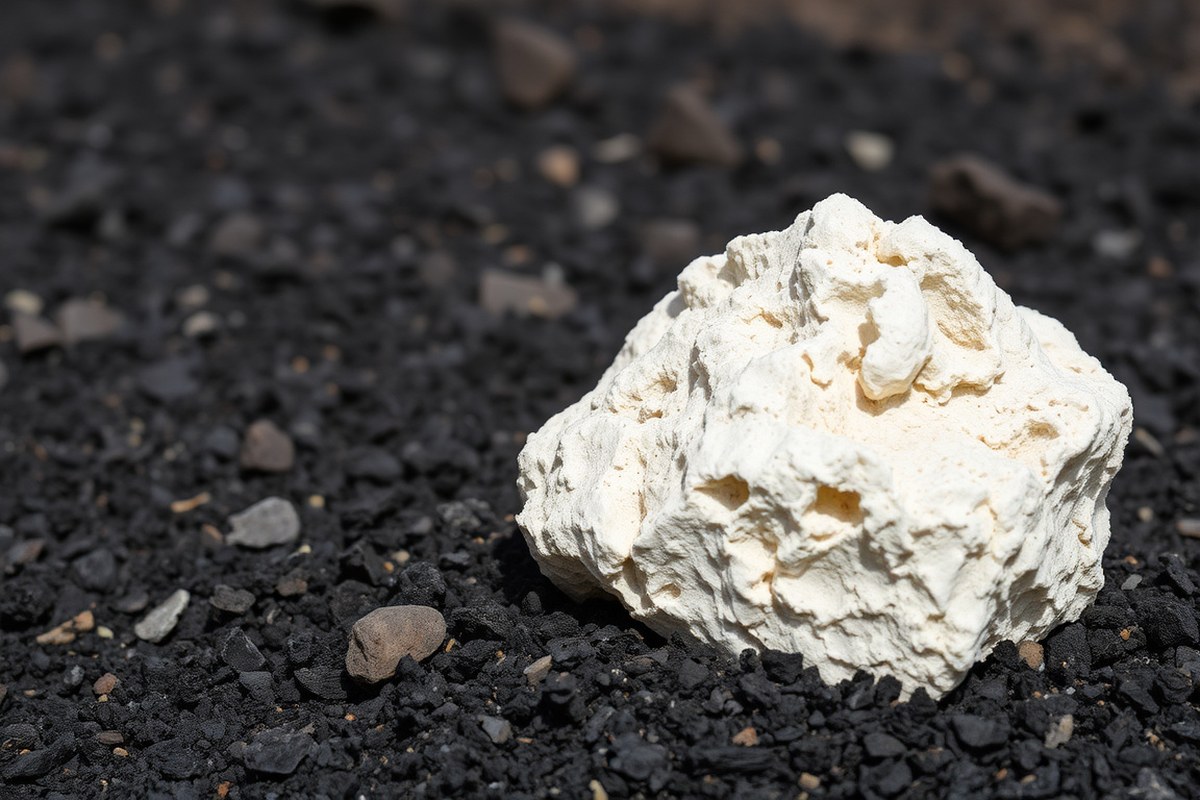
Is Pumice an Intrusive or Extrusive Rock? Clear Answers and Detailed Comparison
Is pumice an intrusive or extrusive rock? Pumice is an extrusive igneous rock.
It forms when magma erupts onto the Earth’s surface and cools very quickly. This fast cooling traps gas bubbles inside, giving pumice its porous and lightweight texture.
Knowing pumice is extrusive helps explain its light, airy feel. Because of its many pores, pumice has a very low density, allowing some pieces to float on water. Its rough, sponge-like surface is a clear sign when you spot pumice in nature.
Pumice does not form deep underground like intrusive rocks. Instead, it results from violent volcanic eruptions that blast magma into the air. This sudden process prevents large crystals from growing, leaving pumice with tiny or no visible crystals.
Key Takeaways
- Pumice forms during explosive volcanic eruptions on the Earth’s surface.
- It cools quickly, trapping gas bubbles, which makes it porous and light.
- Pumice’s density ranges from 0.25 to 0.9 g/cm³, often lighter than water.
- Its texture is vesicular, full of holes from frozen gas bubbles.
- Rapid cooling produces very low crystal formation in pumice.
- Its typical colors are white, cream, or light gray, due to high silica.
Is Pumice an Intrusive or Extrusive Igneous Rock?
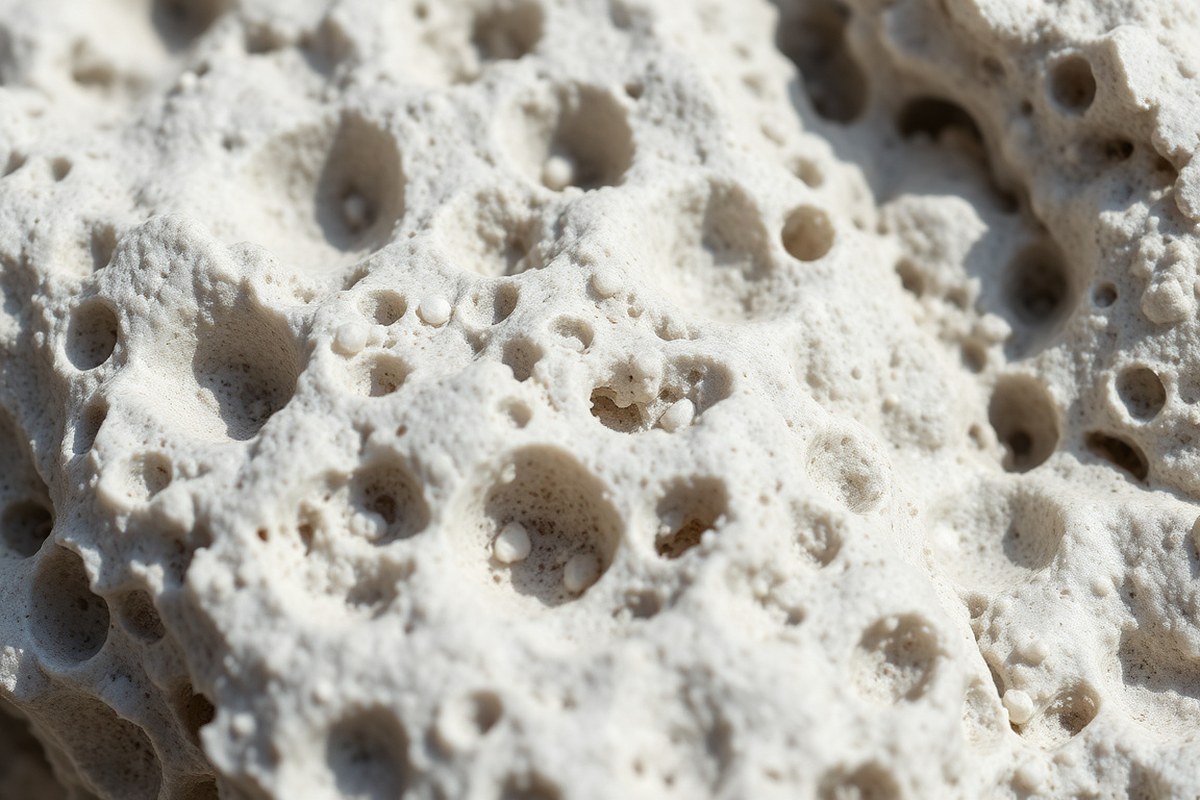
Pumice is classified as an extrusive igneous rock. It forms when magma reaches the Earth’s surface and cools rapidly in an explosive volcanic eruption. This quick cooling traps gas bubbles, creating pumice’s porous texture.
Intrusive igneous rocks form beneath the Earth’s surface and cool slowly. This slow cooling lets large crystals grow, making the rock coarse-grained. Extrusive igneous rocks cool quickly on or near the surface.
They form small or no crystals. The texture often looks glassy or full of gas bubbles.
Pumice fits the extrusive category because it cools quickly after being ejected from a volcano. It has tiny crystals or no visible crystals and contains many holes from gas bubbles. Intrusive rocks like granite cool slowly underground.
They have large, visible crystals. These rocks do not have gas pockets.
| Property | Intrusive Igneous Rocks | Extrusive Igneous Rocks (Pumice) |
|---|---|---|
| Location of Formation | Beneath the Earth’s surface | On or near the Earth’s surface |
| Cooling Rate | Slow | Rapid |
| Crystal Size | Large, visible crystals | Small or no crystals |
| Texture | Coarse-grained | Vesicular and porous |
| Examples | Granite, Diorite | Pumice, Basalt, Rhyolite |
The classification matters because it tells you about the rock’s formation environment. Pumice’s lightweight and porous nature come from rapid cooling and depressurization of gas-rich magma. This differs greatly from the denser, less porous intrusive rocks that cool underground.
Checking crystal size and texture helps you identify pumice as extrusive in the field. You usually see tiny crystals and many holes from escaping gases. Pumice is light and full of gas bubbles.
Intrusive rocks are heavy and solid. They contain large crystals.
How Does Pumice Form During Volcanic Eruptions?
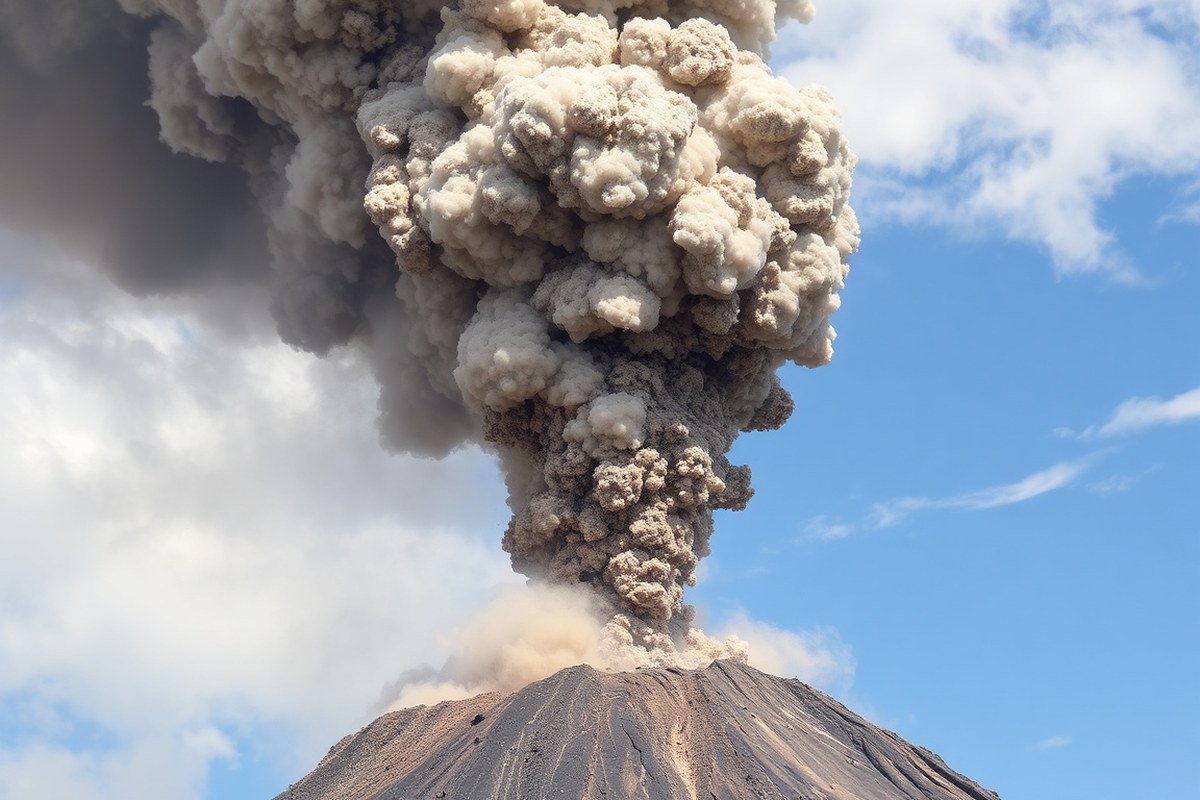
Pumice forms during explosive volcanic eruptions where gas-rich magma rapidly cools. The trapped gas bubbles create a frothy texture, making pumice light and porous. Fast cooling keeps this texture from collapsing and turns the magma into solid rock almost instantly.
Role of Magma Composition and Gas Content
Pumice starts as magma high in silica, which makes it thick and sticky. This thick magma traps gases such as water vapor and carbon dioxide.
It does this while moving up towards the surface. The more gases trapped, the more bubbles form when pressure drops during the eruption.
The magma’s high gas content is important for making pumice. Without enough gas, the bubbly texture can’t develop. This gas-rich magma often appears in volcanic areas where explosive eruptions happen.
Eruption Dynamics Leading to Pumice Production
Violent eruptions push the gas-charged magma out of the volcano with great force. Pressure drops quickly when magma exits, causing gases to expand and form bubbles. This frothy, bubbly magma blasts into the air as ash and pumice fragments.
The eruption blasts magma fragments into a cloud. These fragments cool down and fall as pumice, lapilli, or ash.
For example, the Mount Mazama eruption sent a 30-mile-high column of pumice and ash skyward. These eruptions are common where the magma contains lots of gas and silica.
Rapid Cooling and Vesicle Formation Mechanism
Once the frothy magma hits the air, it cools very quickly. This rapid cooling solidifies the rock before bubbles can escape. The trapped bubbles form vesicles, making pumice highly porous and lightweight.
Cooling happens within seconds to minutes, freezing the frothy texture. Cooling slower allows bubbles to rise and escape first.
This process makes the rock denser. Pumice’s density can be as low as 0.25 grams per cubic centimeter, sometimes allowing it to float on water.
Handle pumice carefully; its porous structure can break easily under pressure.
Distinct Physical and Chemical Properties of Pumice
Pumice stands out with its extremely porous and lightweight nature. This porosity happens because gas bubbles get trapped during rapid cooling of magma. These tiny holes, called vesicles, make pumice so light it can float on water.
This rock mainly consists of volcanic glass with minerals like feldspar and quartz. Its chemical makeup has high silica content, ranging from 60% to 75%. This high silica causes pumice’s frothy texture and contributes to its lightness.
The texture of pumice is very different from denser igneous rocks like granite or basalt. While granite has large, interlocking crystals, pumice looks spongy and rough. Basalt, an extrusive rock, has a fine-grained, smooth texture with no visible holes.
| Property | Pumice | Granite (Intrusive) | Basalt (Extrusive) |
|---|---|---|---|
| Density (g/cm³) | 0.2 to 0.9 (lightweight) | 2.6 to 2.7 (dense) | 3.0 (dense) |
| Porosity | High (many vesicles) | Very low (few vesicles) | Low (few vesicles) |
| Composition | Silica-rich volcanic glass | Quartz, feldspar, mica | Pyroxene, olivine, plagioclase |
| Texture | Vesicular, frothy | Coarse-grained, crystalline | Fine-grained, aphanitic |
| Hardness (Mohs) | 6 (relatively soft) | 6, 7 (hard) | 5, 6 (moderate) |
Pumice’s vesicular structure causes its low density, often less than 1 g/cm³. This is much lighter than granite or basalt, which range from about 2.6 to 3.0. The trapped gas bubbles create pore spaces that make pumice brittle and easily crushed.
Though mostly volcanic glass, pumice contains fine crystals of feldspar and quartz. These minerals form as the magma cools quickly but still allow gas to escape. The texture is rough and full of many cavities.
It is different from glassy rocks, which are smooth. Crystalline rocks show visible minerals, unlike this type.
The hardness of pumice is moderate due to its mix of glass and mineral fragments. It breaks easily under pressure, reflecting the porous nature. This property makes pumice useful for scrubbing surfaces without scratching them deeply, unlike denser igneous rocks.
Comparison of Intrusive and Extrusive Igneous Rocks
Intrusive and extrusive igneous rocks form in very different places. Intrusive rocks cool deep inside the Earth.
Extrusive rocks cool on or near the surface. This difference in location changes how fast they cool.
Intrusive rocks cool slowly, often over thousands or millions of years. That slow cooling lets large crystals form, making the texture coarse and easy to see. Common intrusive rocks include granite and diorite.
Extrusive rocks cool quickly because they erupt and solidify on the surface. Quick cooling stops big crystals from growing, resulting in fine-grained or glassy textures. Examples are basalt, andesite, and pumice.
Here is a clear comparison of these rock types:
| Feature | Intrusive Rocks | Extrusive Rocks |
|---|---|---|
| Formation Depth | Deep underground | On or near Earth’s surface |
| Cooling Rate | Slow (thousands to millions of years) | Fast (minutes to days) |
| Texture | Coarse-grained, visible crystals | Fine-grained or glassy |
| Crystal Size | Large (millimeters to centimeters) | Small (microscopes needed) or none |
| Common Examples | Granite, Diorite | Basalt, Andesite, Pumice |
Cooling speed directly affects crystal size and texture. Slow cooling lets atoms arrange into large crystals. Fast cooling traps atoms before they grow crystals, creating fine grains or glass.
These characteristics help geologists identify where a rock formed. For instance, pumice’s fine grains and vesicles come from rapid surface cooling during eruptions. Granite’s visible crystals show it cooled underground over long periods.
How to Identify Pumice in the Field and Lab
Pumice stands out in the field due to its very light weight and porous texture. You spot it by how light it feels compared to other rocks. It weighs much less than rocks of the same size.
This lightness makes it easy to recognize. Pumice forms during volcanic eruptions and floats on water because of its many tiny holes.
Key Visual Features of Pumice
Pumice is pale gray, white, or light brown with a frothy appearance. The surface looks rough and spongy, full of small cavities called vesicles. These holes are a key sign that the rock trapped gas bubbles as it cooled fast.
The cavities range from barely visible to a few millimeters wide. The spaces between the holes are very thin, making the rock feel almost airy and fragile. These traits make pumice much lighter than rocks that look similar.
Distinguishing Pumice from Scoria and Obsidian
Scoria is often darker brown or reddish and has larger, thicker-walled holes. It feels much heavier than pumice and sinks in water. Obsidian is glassy and smooth, with no holes, and breaks with sharp edges.
You can tell pumice apart by these simple contrasts. Scoria’s holes look chunky, and obsidian shines like glass. Pumice’s holes are smaller and walls thinner, making the rock porous and lightweight.
- Pumice: light color, many small vesicles, very low density
- Scoria: dark color, larger vesicles, heavy and dense
- Obsidian: no vesicles, glassy texture, sharp fractures
- Tuff: made of compacted volcanic ash, crumbly, less vesicular
- Pumice floats in water, scoria sinks
Test flotation in water before breaking the rock, not after.
Simple Field Tests for Pumice Confirmation
Hold a pumice sample and try floating it in fresh water. Pumice often floats or partly floats due to its low weight and many air pockets. Weigh the rock in your hand; pumice feels much lighter than expected.
Scratch the surface gently with a knife. You’ll find pumice soft compared to obsidian’s hardness and glassy feel. Thin slices show holes clearly when held to light, confirming the porous texture.
A quick tap test helps too. Pumice sounds dull and feels brittle unlike the ringing or dense sounds of other volcanic rocks. These tests cost nothing and take only minutes at the field site.
Common Myths and Misconceptions About Pumice Formation
Pumice does not form underground. It is an extrusive igneous rock, created when lava cools rapidly after a volcanic eruption. This fast cooling traps gas bubbles, making pumice porous and lightweight.
Not every volcanic eruption produces pumice. It forms mainly during explosive eruptions that eject gas-rich magma. Quiet lava flows typically create denser rocks without the frothy texture pumice has.
Many people think pumice always floats on water. While pumice often floats because it contains many gas bubbles, it can eventually sink. The rock’s density and water absorption change over time, affecting its ability to float.
- Myth: Pumice forms underground. Fact: Pumice forms from rapid cooling of lava above ground.
- Myth: Pumice always floats. Fact: It floats initially but can sink after water fills its pores.
- Myth: All volcanic eruptions create pumice. Fact: Only explosive eruptions with gas-rich lava produce pumice.
- Myth: Pumice remains floating indefinitely. Fact: Floating pumice rafts can last months to years but usually sink eventually.
- Myth: Intrusive rocks like pumice exist. Fact: Intrusive rocks cool slowly underground and are dense, unlike pumice.
Scientific explanations show pumice floats because its specific gravity is less than one. This means pumice’s density is lower than water. However, ocean waves and rainwater slowly fill its pores, increasing weight until it sinks.
After some eruptions, pumice can drift on ocean surfaces for months, sometimes forming floating islands. These rafts hold marine life and influence ecosystems by moving species between islands. This shows pumice’s unique role beyond geology.
Where Is Pumice Found Globally and Its Geological Significance
Pumice forms in areas with explosive volcanic activity and spreads widely across the globe. It appears mostly in volcanic regions rich in silica. Large pumice deposits occur in several countries and shape local landscapes significantly.
Major Pumice Mining Areas Worldwide
Significant pumice deposits exist in countries like Italy, Turkey, Greece, and the United States. Italy’s Lipari Islands produce vast amounts of pumice used for construction and abrasives. The western U.S., especially near Mount Mazama in Oregon, holds thick pumice layers from ancient eruptions.
Indonesia and New Zealand also host large pumice fields near active volcanoes. These deposits often support local mining industries. Pumice rafts drifting in the ocean come mainly from underwater or coastal eruptions in these regions.
Volcanic Settings Favoring Pumice Formation
Regions with rhyolitic or highly silica-rich magma tend to produce the most pumice. Explosive eruptions launch molten rock that cools rapidly, trapping gas bubbles and forming pumice. Stratovolcanoes like Mount St. Helens or Mount Mazama fit this description well.
Pumice commonly accumulates around calderas and explosive volcanic vents. Thick layers build from repeated eruptions and ash falls. Large emissions can cover valleys with over 100 meters of pumice.
This thick layer can include ash and change the land’s shape. The local topography gets altered by these deposits.
Impact of Pumice Deposits on Regional Geology
Thick pumice layers affect drainage and soil development in volcanic regions. Valleys near volcanoes often fill with pumice, changing landscapes and river paths. Around Mount Mazama, deposits reach 300 feet, influencing erosion patterns and vegetation growth.
Pumice also forms porous rock layers that store groundwater differently than other volcanic rocks. The lightweight, angular nature of pumice affects sediment transport and stability. Satellite-tracked pumice rafts can even disrupt marine navigation over vast ocean areas.
Practical Uses and Handling of Pumice Stone
Pumice is widely used because it is lightweight and abrasive. Its porous and rough texture makes it perfect for scrubbing and smoothing surfaces. The stone’s low density allows it to float on water, which helps in certain industrial processes.
In construction, pumice is a common ingredient in lightweight concrete and insulation blocks. It reduces weight without losing strength. Its insulating properties also help keep buildings energy efficient.
The abrasion quality of pumice finds many uses in cleaning and cosmetic products. It can remove dead skin gently without harsh chemicals. Many brands include pumice in soaps and exfoliating scrubs.
- Lightweight concrete and insulating blocks in construction
- Abrasive in soaps, scrubs, and household cleaners
- Soil conditioner to improve drainage and aeration
- Stone-washed jeans use small pumice pebbles for fabric softening
- Polishing and smoothing rough metal or wood surfaces
- Gardening mulch to retain moisture and reduce soil compaction
Because pumice is abrasive, avoid rubbing it on sensitive skin areas too aggressively. Wear gloves when handling the dry powder to prevent skin or eye irritation.
Inhaling fine pumice dust can irritate lungs. So work in well-ventilated areas or wear a mask.
Never inhale pumice dust, and use gloves if handling dry pumice often.
The rough texture helps loosen dirt and skin, but can damage soft surfaces. People often mix pumice with water to make a paste for safer use. When you use pumice wet, it feels gentler.
It creates less dust. This helps you keep control when cleaning or polishing.
In gardening, pumice’s porous nature holds air and water well. It lets roots breathe without keeping too much water. This balance supports healthier plants, especially in container gardening or poor soils.
Step-by-Step Action Plan for Understanding and Identifying Pumice
This plan helps you quickly confirm pumice is igneous. You will learn how to spot it outside or in the lab.
- Before your field trip: Review what makes a rock extrusive versus intrusive. You’ll know you’re ready when you can explain the difference in one sentence.
- Day 1 at the field site: Collect light, porous rocks near volcanic areas. Check for pumice’s frothy texture and float test in water.
- Day 2 lab session: Examine your sample under a hand lens or microscope. Confirm the many tiny holes from trapped gas bubbles.
- After lab work: Measure hardness with a scratch test. Pumice should be softer than glass but rough.
- Week 1: Compare your sample to other igneous rocks like basalt or granite. Note pumice’s lighter weight and volcanic origin.
- Week 2: Learn common uses like garden soil or abrasives. This will help you identify pumice better.
- Ongoing: Share your findings with others or document with photos. This improves your identification confidence.
Frequently Asked Questions
Is Pumice an Intrusive or Extrusive Rock?
Pumice is an extrusive igneous rock. It forms when lava cools quickly on or near Earth’s surface during volcanic eruptions.
Can Texture Reveal If Pumice Is Extrusive or Intrusive?
Yes, pumice has a vesicular, fine-grained texture, showing rapid cooling on the surface. Intrusive rocks have coarse-grained, large crystals from slow cooling underground.
Why Does Pumice Have so Many Holes and Look Light?
The holes come from gas bubbles trapped during rapid cooling at the surface. This makes pumice porous and lightweight compared to dense intrusive rocks.
How Can You Tell Pumice Apart from Obsidian in the Field?
Pumice feels rough and floats due to air bubbles. Obsidian is smooth and glassy, without pores or holes.
Does Pumice Ever Form Below the Earth’s Surface?
No, pumice forms only during explosive eruptions when gas-rich magma cools quickly above ground.
Is Pumice the Same as Volcanic Ash?
Pumice can refer to the rock or volcanic ash form pumicite. Ash is finer, while pumice is a porous rock fragment.
The Bottom Line
Pumice is definitely an extrusive igneous rock formed by volcanic eruptions. Its porous, lightweight nature sets it apart from intrusive rocks. Try finding some pumice near local volcanic areas to see it yourself.