
What Causes High Humidity Inside a Home: 8 Key Factors You Must Know
What causes high humidity inside a home often comes down to moisture buildup without proper removal. Daily activities, leaks, and poor airflow add moisture inside. This raises indoor humidity above 60%.
High humidity can cause problems in your home. Fixing this starts with knowing where the moisture comes from and how your home handles it.
Common sources include cooking, showering, and drying clothes indoors, which add a lot of water vapour. Without good ventilation, that moisture stays trapped and pushes humidity higher. Using exhaust fans and opening windows can help remove excess moisture quickly.
Your home might be sealed too tightly or have poor airflow. This stops fresh air from circulating well inside. Poor ventilation can increase indoor humidity.
This traps humid air inside, making the problem worse even if you don’t see leaks. Checking how your home breathes is often the first step to fix high humidity.
Key Takeaways
- Everyday activities like cooking and showering produce lots of indoor moisture.
- Ventilation removes excess humidity and helps keep air fresh inside your home.
- Sealed homes can trap moisture unless they have good air exchange systems.
- Humidity above 60% often causes mold, condensation, and musty smells.
- Check and use exhaust fans in bathrooms and kitchens during activities.
- Open windows briefly to reduce indoor moisture when weather allows.
1. What Common Factors Cause High Indoor Humidity?

High indoor humidity happens when moisture enters your home faster than it can leave. Everyday activities add water vapor to the air, raising indoor moisture levels. Your home’s materials soak up moisture from the air.
Then they slowly release it back. This keeps indoor humidity levels higher.
People and pets play a big role in indoor moisture. Breathing, sweating, cooking, and washing all put water vapor inside your space. Even watering houseplants adds moisture.
Poor air movement or lack of ventilation traps moisture inside your home. This causes humidity to rise above comfort levels.
- Bathing and showering create steam that raises humidity quickly.
- Cooking on stoves releases steam and water vapor.
- Drying clothes indoors adds moisture to the air.
- Breathing by occupants and pets contributes small but steady humidity.
- Houseplants release moisture through their leaves.
- Damp carpets and building materials hold moisture and add it gradually.
- Leaks or groundwater near basements add moisture into walls or floors.
Damp materials inside your house can be a source too. When carpets, walls, or wood stay wet or absorb moisture, they increase the air’s humidity. For example, after a spill or leak, soaked carpets slowly release moisture for days.
This can raise relative humidity past 60%. The EPA says that level is a problem for homes.
Condensation on windows signals high humidity, especially overnight or early morning. This moisture comes from warm indoor air touching cold glass.
It means your home’s air has more moisture than it should hold. Checking for condensation regularly helps catch humidity problems early before mold or damage starts.
2. How Poor Ventilation Raises Moisture Levels Indoors
2. How Poor Ventilation Raises Moisture Levels Indoors
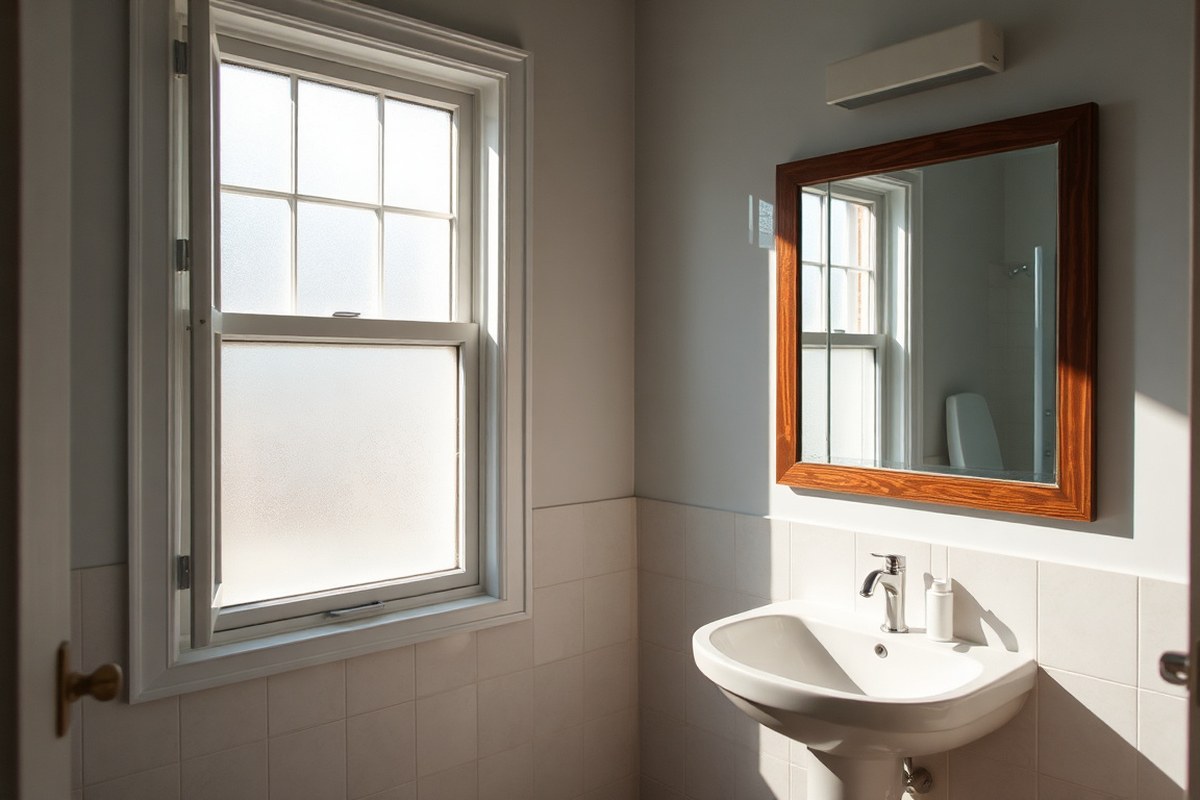
Poor ventilation traps moisture inside your home, allowing humidity to build up. This happens when air doesn’t flow well or exhaust fans are missing or not working right. Without moving moist air outside, your rooms stay damp, which can lead to mold and damage.
Why Airflow Helps Control Humidity
Ventilation moves moist air out and brings drier air in. Without it, moisture from cooking, showering, or breathing stays inside. This lets humidity rise above safe levels, usually above 60% relative humidity.
Good airflow stops damp air from sitting still and spreading. Opening windows or doors creates natural vents that lower humidity. It can take just 10 to 15 minutes of cross-ventilation to freshen a room.
How Missing or Weak Exhaust Fans Increase Moisture
Bathrooms and kitchens produce lots of moisture, so they need exhaust fans venting outdoors. Without these, steam and water vapor spread to other rooms, raising overall humidity. A bathroom fan typically costs $100 to $300 installed.
Fans that don’t vent outside or are too small don’t remove enough moisture. You might notice foggy mirrors or a damp smell. Running exhaust fans during and 20 minutes after showers can reduce humidity spikes.
Effects of Closed Doors and Blocked Vents
Closed room doors limit air movement, trapping humid air inside. This is common in bedrooms at night when doors stay shut. Rooms without proper return air vents often feel stuffy and damp.
Blocked or dirty vents reduce airflow through your HVAC system. Restricted ducts increase humidity since moist air can’t circulate well. Having ducts professionally cleaned or unblocked helps restore proper airflow.
What to Do When Airflow Is Limited Between Rooms
Installing transfer grilles or door vents allows air to move freely under doors. This balances air pressure and helps exhaust fans work better. For example, adding a 10-inch door grille costs about $20 and improves ventilation.
You can also keep interior doors open to let air flow freely. This prevents moisture build-up in one room and lowers house-wide humidity. It works well in homes without mechanical ventilation systems.
Balancing Moisture Input and Removal in Your Home
Ventilation alone won’t fix humidity if moisture sources keep adding wet air. Regularly use exhaust fans, open windows on dry days, and limit indoor water use times. Dehumidifiers can help when ventilation options are limited or outdoor air is humid.
Combining these actions keeps humidity below the EPA’s recommended 60% level. Proper ventilation removes moisture efficiently, helping prevent mold and protecting your home’s structure.
Run your bathroom fan during showers. Keep doors open inside. This helps air move and cuts moisture build-up.
3. How Outdoor Climate and Weather Influence Indoor Humidity
Outdoor climate and weather play a big role in indoor humidity. Moist air from outside often seeps indoors, raising your home’s moisture levels. Temperature changes and rain also affect how much humidity gets inside and stays there.
Effects of Humid Versus Dry Climates
Homes in humid climates experience more moisture infiltration. Outdoor air with 90% relative humidity can still be managed indoors. This works if your home is sealed tightly.
Conditioning helps too. In contrast, dry climates usually bring lower indoor humidity, which can cause discomfort and dry air.
Sealing your home well controls outdoor moisture entry. A consistent indoor temperature also cuts down on moisture buildup from outside. This keeps your indoor humidity in a comfortable range.
Impact of Rain and Moisture Saturation on Homes
Rainy weather increases the moisture around your home’s structure. Water can seep into walls, basements, or crawl spaces, raising indoor humidity. Even small leaks or poor drainage can cause moisture problems.
Maintaining good drainage and sealing all gaps reduces this risk. Homes with proper insulation and weatherproofing handle wet seasons better. This lowers excess indoor moisture from outside rain.
Seasonal Shifts in Indoor Humidity Causes
Seasonal temperature changes cause indoor humidity to rise and fall. Summer often brings high outdoor humidity and warm air that pushes moisture inside. Air conditioning alone may not remove all this moisture, requiring extra dehumidification in some homes.
Heating dries out indoor air during colder months. But it can also pull in damp air. This happens if your home isn’t sealed well.
Use humidity monitors like the Awair Element™ to track indoor air. They alert you to changes in humidity. This helps you act quickly.
The table below offers a rough guide to indoor humidity levels. It shows what these levels mean for comfort and moisture risks.
| Indoor Humidity | What It May Mean |
|---|---|
| Below 30% | Air may feel dry and uncomfortable |
| 30, 50% | Generally a comfortable indoor range |
| 50, 60% | Humidity is improve; monitor conditions |
| 60, 70% | Moisture and mold problems become more likely |
| Above 70% | Excessively humid for most indoor spaces |
Keeping indoor humidity in the 30, 50% range helps avoid moisture and mold issues. You can use sealing, insulation, and dehumidification to stay in this range throughout changing seasons. Knowing outdoor weather’s effects guides these efforts.
4. Why Air Conditioning and HVAC Systems Sometimes Fail to Lower Humidity
High humidity often sticks around even with air conditioning running. One common reason is an oversized HVAC system.
It cools the air quickly and shuts off before removing enough moisture. This short cycling leaves the air damp.
Proper sizing means your system should run long enough each cycle to dehumidify. A typical cooling cycle lasts 15 to 20 minutes.
Your AC running only 5 to 10 minutes misses most moisture removal. Checking this requires tracking runtime on a thermostat or HVAC control panel.
Airflow also affects moisture levels. Low airflow through the evaporator coil causes the coil to stay too cold or freeze. This stops the system from pulling moisture out of the air efficiently.
A simple way to check airflow is to feel the vent temperature. It should be cool but not icy. You may need a professional to measure airflow in cubic feet per minute.
Whole-home dehumidifiers link to your HVAC to improve moisture control. These units run alongside your air conditioner but focus on humidity.
They turn on when indoor humidity goes above 50%, sometimes even without the AC starting. Installing one usually costs $1,500 to $3,000 including labor, depending on your home’s size.
A decision rule helps you pick the right approach. Short AC cycles and humidity over 60% often mean oversized or poor airflow.
Start by having an HVAC pro measure system size and airflow first. Check those first, then add a whole-home dehumidifier to control moisture.
Good results show a humidity level between 40% and 50% during summer. You’ll see less condensation on windows and feel more comfortable without lowering the thermostat much.
Humidity rising after that? Check for leaks or activities adding moisture.
5. What Structural Issues and Moisture Intrusion Cause High Humidity?
Leaks in plumbing or roofing can add moisture to your home’s air. Water from a hidden pipe leak stays behind walls and slowly raises humidity.
Roof leaks allow water to soak inside attic spaces, which then spreads moisture downward. Check for damp spots or discoloration on ceilings and walls as signs.
Basements and crawl spaces often hold moisture that seeps into living areas. These spaces can have wet soil or damp concrete floors that continuously release water vapor. Without proper sealing or ventilation, this moisture hangs around and raises humidity in rooms above.
Exterior wall problems also bring in moisture. Gaps in siding, failed flashing, window leaks, or poorly sealed openings let humid outdoor air enter.
Water can get trapped inside wall cavities due to missing insulation or cold spots. This hidden moisture keeps indoor humidity high without obvious water damage.
- Look for wet or soft drywall, wood, or peeling paint near leaks and basement walls.
- Check crawl spaces for standing water or damp insulation; improve ventilation if needed.
- Seal rim joists and pipe penetrations with foam or caulk to block moisture entry.
- Repair roof damage and replace missing or damaged flashing around chimneys and vents.
- Install vapor barriers or waterproof coatings in basements and crawl spaces.
- Use a moisture meter to detect hidden dampness inside walls or floors.
- Inspect plumbing regularly and fix leaks promptly to stop moisture buildup.
Take these actions quickly to prevent long-term problems like warped wood or mold growth. Moisture trapped behind walls can go unnoticed for months. Professional help may be needed if problems persist, especially for waterproofing basements or crawl spaces.
Regular inspections and fast repairs of leaks keep humidity from rising indoors.
6. How to Identify Signs and Symptoms of High Indoor Humidity
Visible signs of high indoor humidity usually show up where moisture collects easiest. Condensation on windows is one of the clearest clues. You might see droplets form overnight.
This happens in colder months. Warm air inside meets cold glass surfaces.
Sticky or heavy air is a common feeling when humidity levels climb above 60%. It makes your home feel uncomfortable and can cause persistent sweating even without physical activity. Musty odors rising from closets, basements, or storage areas also indicate trapped moisture.
High humidity can cause several material damages around your home. Look for peeling paint, warped wood, and bubbling wallpaper.
These signs mean water vapor is harming surfaces. Left unchecked, it promotes mold and mildew growth, which risk your family’s health.
- Condensation forming on cooler surfaces like windows or pipes
- Foggy or sweaty windows during mornings or cold seasons
- Persistent damp or musty smells in closets or cupboards
- Peeling paint, blistering wallpaper, or warped wood trim
- Visible mold spots, often black or greenish in corners
- Heavy, sticky feeling in the air making breathing slightly harder
- Frequent sweating without exercise or heat exposure
To check for these signs, start by inspecting window edges early in the morning. Wipe condensation with a cloth and watch for quick return within hours. That means indoor moisture is high and ventilation may be poor.
Use a hygrometer, a device that costs $10 to $25, to measure humidity. Aim for indoor humidity between 30% and 50% to avoid problems.
Follow up by looking at walls and baseboards for any damage or mold patches. Smell inside closets and cabinets to spot musty scents. Notice signs of moisture?
Act quickly to stop damage and protect health. High moisture might also trigger allergic reactions or respiratory issues due to mold spores.
7. Common Mistakes Homeowners Make About Indoor Humidity
Many homeowners think simply cracking a window will fix indoor humidity problems. Fresh air helps, but without proper airflow, it does little. You need exhaust fans in bathrooms and kitchens to move moist air outside effectively.
Another common mistake is running the air conditioner at very low temperatures to dry the air. AC units can reduce humidity by cooling air below its dew point.
But setting the thermostat too low wastes energy. It can also cause condensation in ducts, worsening moisture issues if your HVAC isn’t well maintained.
People often blame humidifiers for high moisture but overlook that modern sealed homes trap moisture inside. Tightly sealed homes reduce drafts but limit natural ventilation. Without mechanical ventilation or dehumidifiers, moisture builds up indoors.
Cooking, showers, and breathing add to this moisture. These raise humidity above 60% regularly.
Some homeowners use cheap hygrometers and trust results blindly. These devices may be inaccurate and mislead you about your true indoor humidity. Spending $20 to $30 on a good digital hygrometer helps.
A model like TempPro TempAir CORE TP50 works well. It tracks humidity between 30% and 50%. Check readings several times a day to see patterns.
People often see mold and try deep cleaning right away. Many paint over mold without stopping moisture problems. This won’t solve the root cause.
Without repairing leaks or improving ventilation, mold returns quickly. Fix leaks, improve airflow with exhaust fans, and keep humidity below 50%. Costs vary from simple repairs around $100 to HVAC upgrades costing thousands.
Trying to seal every crack or vent to prevent moisture entry can backfire. Blocking vents traps moisture indoors, pushing relative humidity higher.
Instead, prioritize sealing leaks in the foundation or roof that allow outside water in. But keep mechanical ventilation working to manage indoor moisture levels sustainably.
Running a dehumidifier constantly without adjusting settings wastes electricity and can dry air excessively. Set your dehumidifier to about 45% humidity for comfort. This level avoids air that’s too dry.
Dry air can irritate skin and sinuses. The cost varies, with small units around $150 and bigger ones close to $300. Check the humidistat often to avoid over-drying.
Some believe simply keeping indoor temperature warm will lower humidity. Warm air holds more moisture but raises relative humidity only if moisture levels rise too.
Using a thermostat around 68°F to 72°F balances comfort and humidity control. Too warm indoors without ventilation can lead to stale, damp feeling rooms.
8. Practical Steps to Diagnose and Address High Indoor Humidity
Measuring Indoor Humidity Correctly
Use a digital hygrometer to check your home’s humidity level. These devices cost about $10 to $30 and give accurate readings within 2 to 3 percent.
Place the meter in the main living area, away from windows or heat sources. So you get a true sense of indoor moisture.
Check humidity several times during the day and night. Aim to keep relative humidity between 30% and 50%, which balances comfort and mold prevention. A reading above 60% means you need to act fast to reduce moisture.
Addressing Common Moisture Sources
Start by reducing moisture from everyday activities like cooking, showering, and drying clothes indoors. Use exhaust fans or open windows during these tasks to vent moist air outside. Fix any leaks in pipes, faucets, or roof areas promptly to stop water intrusion.
Next, use a dehumidifier for quick relief in rooms that stay damp or musty. A 35-pint unit from Best Buy suits medium to large rooms. The Insignia model costs about $150 or more.
It works well for most home spaces. Run it during the most humid months or when you notice moisture accumulation.
- Vent kitchen, bathroom, and laundry fans outdoors.
- Fix leaks in plumbing or foundation quickly.
- Seal windows and doors to prevent damp air entry.
- Use a dehumidifier in basements or humid rooms.
- Avoid drying clothes indoors without ventilation.
- Keep gutters clean and direct water away from the house.
- Consider houseplants that absorb moisture, but don’t overwater them.
Keep your indoor temperature steady between 68°F and 75°F. Too much heat or cold can change relative humidity. This helps control moisture levels better. Also, reduce clutter that hinders air circulation around vents and walls.
Don’t leave dehumidifiers running 24/7. Empty their water tanks regularly to keep them working well.
Knowing When to Hire a Specialist
Call a professional if indoor humidity stays above 60% despite your efforts. Persistent mold, water stains, or musty smells often point to hidden leaks or structural issues. A building scientist or HVAC technician can find moisture sources that are hard to spot.
Hire experts if you need help installing or sizing ventilation or dehumidification systems. They can recommend cost-effective solutions based on your home’s layout, climate, and existing HVAC setup.
Prices for such services vary. But ignoring ongoing humidity can lead to costly repairs later.
Step-by-Step Action Plan to Control High Indoor Humidity
Follow these steps to lower humidity and check each fix works as you go.
- Day 1: Measure indoor humidity with a hygrometer. Aim for 30%-50%. This gives you a clear start point.
- Week 1: Improve ventilation by opening windows or using exhaust fans. Notice if air feels less sticky and smells fresher.
- Week 2: Inspect for leaks around windows, doors, and plumbing. Fix any leaks you find. Check if wet spots and musty smells fade.
- Week 3: Ensure your HVAC system drains properly and the filter is clean. Run it for a few days and watch for reduced dampness.
- Week 4: Use a dehumidifier in moist rooms like basements. Monitor if humidity stays in the recommended range.
- After 1 month: Check the outdoor weather. Keep doors and windows closed during humid days. See if indoor moisture stays stable.
- Ongoing: Keep an eye out for condensation on windows or walls. Take action quickly to stop buildup before it worsens.
Frequently Asked Questions
Can Cooking Cause High Indoor Humidity?
Yes, cooking releases a lot of steam and moisture. You can lower humidity by using exhaust fans or opening windows while cooking.
Does Showering Increase Indoor Humidity?
Showering adds a significant amount of steam into your home. Using a bathroom fan or opening a window helps reduce moisture buildup.
Can Houseplants Raise Humidity Levels?
Yes, houseplants release moisture through a process called transpiration. Limit the number of plants or place them in well-ventilated areas to manage humidity.
Do Clothes Dryers Cause High Indoor Humidity?
Yes, ventless or improperly vented dryers release moisture indoors. Proper ventilation or using an outdoor vented dryer lowers indoor humidity.
Can Leaks Cause Unseen Humidity?
Water leaks inside walls or under floors add moisture to your home. Check for damp spots or musty smells to detect hidden leaks early.
Does Singing or Exercising Indoors Affect Humidity?
Yes, your body releases moisture as sweat and breath. Ventilate rooms during and after activities to keep humidity at safe levels.
Before You Go
High humidity inside your home often comes from leaks, poor airflow, and outside air. Tackling these causes helps protect your home and health. Start by measuring humidity today and fixing any obvious problems you find.


One Comment