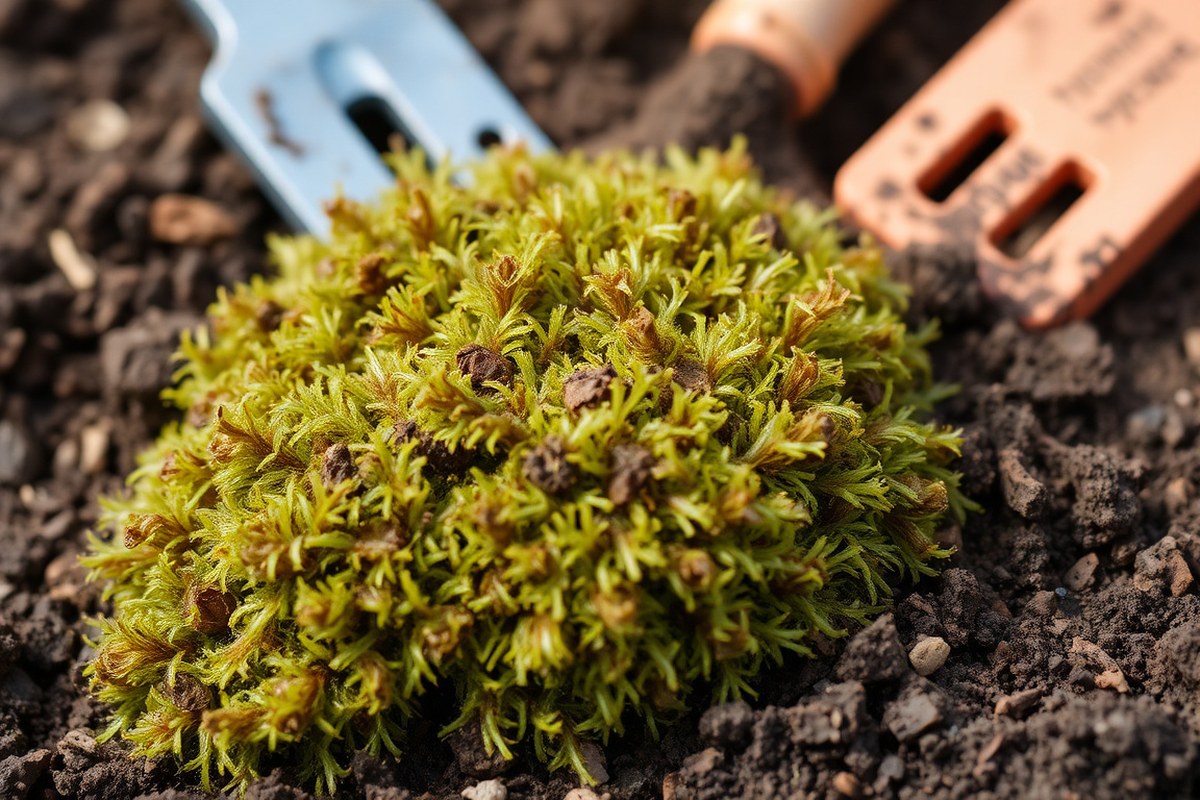
What Is Peat Moss? A Complete Guide with Benefits, Uses, and Alternatives
What is peat moss? It is partially decomposed plant material found in peat bogs. Peat moss forms when dead sphagnum moss breaks down.
This happens in wet, low-oxygen places. The process takes thousands of years. This process creates a spongy, lightweight material that gardeners often use to improve soil.
Peat moss is acidic, usually with a pH between 3 and 4.5, which helps acid-loving plants like blueberries thrive. It holds water well and adds organic matter, making tough soil easier to work with. Before using, soak peat moss in water to avoid it repelling moisture in dry soil.
Harvesting peat moss involves draining a bog and removing a thin 2-3 inch layer. Peat grows very slowly, about an inch in 20 years.
Because of this, it is not a renewable resource. You should weigh these facts when deciding whether to use it in your garden.
Key Takeaways
- Peat moss is made from decomposed sphagnum moss found in bogs.
- Its acidic nature suits plants that prefer low pH soil.
- Always soak peat moss before use to help it absorb water properly.
- Peat moss improves soil by increasing water retention and organic matter.
- Harvesting peat moss damages bog ecosystems and depletes a slow-growing resource.
- Consider mixing peat moss up to 30% of your soil volume for best results.
What Is Peat Moss and How Is It Formed?

Peat moss forms from Sphagnum moss that partly breaks down. This moss grows in bogs full of water and acid. Layers of dead moss collect over thousands of years, slowly forming peat moss.
Most peat moss comes from northern peat bogs. Canada has about a quarter of the world’s supply.
These bogs are wet and low in oxygen, which limits decay of the plant material. The water acidity ranges from about pH 3.0 to 4.5, creating tough conditions where other plants struggle.
Sphagnum moss is the main plant in these bogs. There are over 160 species of it, which collect rainwater and acidify the environment.
Besides Sphagnum, other bog plants like sedges and reeds contribute to peat formation but less so. This process happens slowly as moss layers get buried under newer growth underwater.
Harvesting peat moss means draining the bog first. Then, a 2-3 inch layer of moss is removed. This stripping disrupts the fragile ecosystem and releases stored carbon.
Peat moss layers take centuries to grow. Because of this, peat moss isn’t renewable in a short time.
Peat moss feels light, spongy, and crumbly to touch. It has mainly moss fibers and some organic stuff. Its natural acidity makes it ideal for acid-loving plants like blueberries and azaleas.
Gardeners mix peat moss into soil or use it as mulch. It helps keep moisture and makes soil better.
Partially decomposed peat comes from deeper in the bog. The living Sphagnum moss forms a fibrous, loose layer on top. This difference matters when choosing peat moss for seed starting or as a soil amendment.
Peat moss breaks down within a growing season once in your garden. So repeat applications may be needed.
Physical and Chemical Properties That Make Peat Moss Useful

Peat moss is prized for its spongy texture and excellent water retention. It also naturally lowers soil pH, making it perfect for acid-loving plants. Its sterility ensures no weeds or diseases hitch a ride.
Water Retention Capacity
Peat moss can hold up to 10 times its weight in water. This helps soil stay moist longer without turning muddy. Its fibrous structure lets air reach roots while keeping moisture steady.
Adding peat moss to dry or sandy soil improves water holding dramatically. Spread 2 to 3 inches on your bed and mix down 8 to 12 inches deep. This loosens the soil and keeps roots hydrated.
Typical pH Range and Soil Impact
Peat moss is naturally acidic, usually around pH 3.5 to 4.5. It’s great for plants that prefer low pH like blueberries, azaleas, and rhododendrons. Mixing it into alkaline or neutral soil helps lower the pH over time.
Besides acidity, peat moss improves soil texture by making heavy clay soils lighter. It also helps sandy soil hold water, balancing moisture levels. This makes the entire garden bed more welcoming for roots.
Nutrient Availability and Sterility
Peat moss doesn’t provide nutrients on its own, so you’ll need to add fertilizer. It’s free of weed seeds and pathogens, which keeps your garden clean. This makes peat moss a safe choice for starting seeds and young plants.
Because it holds onto nutrients well, peat moss helps prevent fertilizers from washing away. This means your plants use nutrients more efficiently. Combining peat moss with compost adds both nutrition and moisture control.
You can compare peat moss properties with coconut coir, a common alternative:
| Property | Peat Moss | Coconut Coir |
|---|---|---|
| Water retention | Excellent, holds several times its weight | Excellent, similar capacity |
| Renewability | Non-renewable; bogs regenerate at <1mm/year | Renewable byproduct of coconut processing |
| PH | Acidic (ideal for blueberries, azaleas) | Near-neutral (6.0, 6.8) |
| Sterility | Naturally free of weed seeds and pathogens | Can contain salts; requires rinsing |
| Nutrient content | None, must be supplemented with fertilizer | Minimal, also needs ferti |
This table helps you choose the right soil amendment based on your needs. Peat moss is best for acid-loving plants and improving moisture retention.
Remember to mix peat moss well to prevent clumps.
How to Use Peat Moss in Your Garden: Best Practices and Ratios
Peat moss works well in many garden spots. Mix about one part peat moss with two parts soil. It helps improve soil texture and retains moisture.
Incorporating Peat Moss into Garden Beds
Add peat moss to loosen heavy clay or sandy soil. It improves water retention and drainage for better plant growth. Avoid using too much peat moss directly on alkaline or high pH soil.
Mix peat moss evenly into the top 6 to 8 inches of soil. This allows plant roots to benefit from improved soil conditions. Peat moss usually lasts 1 to 2 growing seasons before breaking down.
- Clear the garden bed of weeds and debris.
- Spread one part peat moss over two parts of soil.
- Use a garden fork or tiller to mix the peat moss into the soil.
- Rake the bed level and water it lightly to settle the mix.
- Plant seeds or seedlings as usual once soil settles.
Using Peat Moss for Seed Starting
Peat moss is sterile, making it ideal for starting seeds. It holds moisture without becoming soggy, which protects young roots. You can use it alone or with perlite or vermiculite.
Fill seed trays about three-quarters full with peat moss mix. Moisten the peat moss evenly before planting seeds. Avoid letting peat dry out during germination.
- Choose clean seed trays or pots with drainage holes.
- Fill containers three-quarters full with peat moss or a peat mix.
- Moisten the peat moss with water until lightly damp but not wet.
- Plant seeds according to package depth instructions.
- Cover seeds lightly with dry peat moss or a fine mix layer.
- Keep trays in a warm, bright spot with indirect sunlight.
- Check moisture daily and water gently as needed.
Amending Specific Soil Types with Peat Moss
Use peat moss to improve sandy soils by increasing water and nutrient retention. For clay soils, it helps break up tight clumps and improves aeration. Adjust the amount depending on soil condition.
Try about 25 to 33 percent peat moss by volume for sandy or clay soils. Test soil pH first.
Peat moss can lower pH, which may not suit all plants. Mixing peat with compost can balance nutrients and acidity.
Comparing Peat Moss with Sphagnum Moss and Other Alternatives
Peat moss and sphagnum moss often confuse gardeners. Peat moss is made from partially decomposed sphagnum moss collected from peat bogs. Sphagnum moss is the live or dried moss itself.
You can use it fresh for lining hanging baskets. It also works well as mulch.
Alternatives include coconut coir, pine bark, and compost. They differ in cost and durability. Each one affects soil differently.
Coconut coir comes from coconut husks. It holds water well like peat moss. It’s a renewable option for gardeners.
Compost and bark add nutrients and improve soil structure. They don’t hold water as well as peat moss. Their benefits are different.
| Material | Cost (per cubic foot) | Main Benefit | Main Drawback |
|---|---|---|---|
| Peat moss | $4.33 | Excellent water retention and anti-compaction | Less sustainable, higher cost due to shipping |
| Compost | $1.79 | Rich in nutrients, affordable | Less water retention and structure support |
| Pine bark | $1.74 | Improves aeration, natural mulch | Does not hold water well |
| Coconut coir | Varies, often more than peat moss | Renewable, good water retention | Usually more expensive, sometimes salt content |
Mixing peat moss with compost or bark balances water retention and nutrients well. For succulents, mix one-third peat or compost with two-thirds sand or perlite. This blend ensures good drainage.
Proper drainage helps succulent roots stay healthy. Coconut coir alone or mixed can replace peat moss sustainably.
It’s good for plants that like plenty of water. This option helps protect peat moss resources.
You’ll notice differences in soil feel and moisture depending on your choice. Peat moss keeps soil fluffy and moist, useful for starting seeds or container plants.
Compost and bark add bulk and slowly release nutrients but may need more watering. Switching among these materials depends on your plants’ needs and budget.
Pros and Cons of Using Peat Moss in Gardening
Peat moss helps your soil hold water and nutrients well. It lowers soil pH, making conditions more acidic, which many plants like. You can mix it with heavy clay soil to improve drainage and reduce compaction quickly.
However, peat moss also has downsides. It can dry out fast if left exposed, so you must keep it moist.
It’s not renewable on a human timescale, making it less eco-friendly. Also, peat moss may make soil too acidic for some plants, requiring pH adjustments.
- Improves soil water retention and aeration
- Acidifies soil, suitable for acid-loving plants
- Reduces soil compaction in clay-heavy areas
- Needs frequent watering to prevent drying out
- Non-renewable and environmentally controversial
- Can lower pH too much for neutral or alkaline plants
- Usually costs more than compost or other organic matter
Peat moss can reduce how often you water by holding moisture well. Use a 1:1 mix of peat moss and potting soil to see this effect. Keep in mind, it still dries out faster than compost when exposed.
Always moisten peat moss before adding it to your soil. Dry peat moss resists water absorption.
Choosing peat moss means balancing its water-holding benefits against its environmental cost. Gardeners who want to avoid overwatering can use peat moss sparingly but monitor soil moisture closely. Alternatives like compost offer similar water retention without acidity or sustainability issues.
Environmental Impact and Sustainability of Peat Moss Harvesting
Peat moss is not a sustainable resource because it forms very slowly. Harvesting peat releases large amounts of carbon dioxide, which adds to global warming. Some countries have banned peat moss use to protect ecosystems and reduce carbon emissions.
Peat Formation Timeline and Accumulation Rate
Peat moss grows slowly over many years in wet bogs. It builds up at less than one millimeter every year. Because of this, peat moss takes a very long time to replace after harvesting.
Peat moss takes thousands of years to develop. This means it does not renew quickly. On a human scale, it counts as a non-renewable resource.
Removing peat disrupts a natural resource that took thousands of years to develop. This slow growth makes sustainable harvesting very challenging.
Peat Moss Harvesting Process Explained
Harvesting peat moss involves draining peat bogs to access the moss layers. This process damages the bog ecosystem and releases stored carbon into the air. The released carbon contributes significantly to greenhouse gas emissions.
Harvesting peat moss releases a lot of carbon dioxide. The IUCN says this is twice what airlines emit each year. This shows peat harvesting has a big impact on the air.
Transporting peat moss around the world adds further to its carbon footprint. Sustainable methods exist but require careful regulation and monitoring.
Peat bogs hold large amounts of carbon safely. When these bogs get disturbed, it releases carbon into the air. This damage affects the environment beyond just losing peat.
Plant removal during harvesting also affects local wildlife and water quality in the bog area. These impacts raise concerns about continuing peat moss use.
Global Peat Moss Policies and Bans
Several countries have banned peat moss harvesting to protect peat bogs and reduce carbon emissions. These bans aim to stop ecosystem loss and limit climate change impacts. Countries leading this change focus on sustainable gardening alternatives.
Peat moss regulations require strict controls on when and how harvesting happens. Some places limit the amount harvested annually to help bogs recover. These rules try to balance environmental concerns with peat moss demand.
Gardeners who want to reduce environmental harm often switch to peat-free soil alternatives. Using compost, coconut coir, or bark helps avoid the carbon footprint peat moss has. Awareness of peat moss bans encourages more sustainable gardening choices.
Common Mistakes and How to Fix Them When Using Peat Moss
Using too much peat moss is a common mistake. It can make soil heavy instead of light. Use just enough to improve soil texture.
Add only about 10% to 20% peat moss by volume. This is enough when mixing soil for garden beds.
More peat moss may weigh soil down. Overapplication can make soil waterlogged and lower oxygen, harming roots instead of helping them grow strong.
Ignoring peat moss’s acidity is another frequent error. Peat moss usually has a pH between 3.5 and 4.5, which is quite acidic for many plants. To avoid problems, test your soil’s pH before adding peat moss.
Your soil is already acidic. Balance peat moss with lime like ground agricultural lime to raise pH near 6.0 or 7.0 for most garden plants.
Starting with dry peat moss is tough because it repels water initially. It’s best to soak peat moss in water for about an hour. You can also sprinkle water on it before mixing.
This helps it blend better with soil. This helps it break down and hold moisture evenly in the soil.
- Test soil pH; adjust lime if soil is too acidic.
- Mix peat moss to no more than 20% of the soil volume.
- Soak peat moss well before mixing or planting.
- Use peat moss mostly in seed trays, containers, or raised beds.
- Avoid using peat moss as a standalone soil, it lacks nutrients.
Peat moss works best when you know your soil’s needs and balance its acid content carefully. It’s a helpful soil conditioner, but not a fertilizer. Adding compost or balanced nutrients alongside peat moss supports healthy plants better.
Consider peat moss if your garden soil is sandy or drains too quickly. But skip it if you already have acidic soil or heavy clay that holds water.
Choosing Peat Moss or Alternatives: A Decision Guide for Gardeners
Start by testing your soil’s pH and moisture levels to guide your choice. Peat moss excels in aerating soil and holding moisture well. Choose peat moss if you need to improve soil texture and water retention evenly.
Local compost is the best alternative when you want to avoid environmental harm. It feeds soil with nutrients and is easier on ecosystems than peat moss.
Compost prices run higher than common garden peat moss. But it benefits soil life much more.
| Feature | Peat Moss | Local Compost | Other Alternatives |
|---|---|---|---|
| Cost | Generally less expensive at garden centers | Costs more, varies by source | Usually higher than peat moss |
| Sustainability | Non-renewable, slow to form naturally | Renewable, made from local organic waste | Varies; some non-renewable or imported |
| Nutrient Content | Low nutrients, mostly structural | High nutrients, improves soil health | Varies widely, often nutrient-rich |
| Availability | Widely available at garden centers | Available locally or online | Common in specialized stores |
| Soil Improvement | Improves aeration and moisture retention | Improves nutrient content and soil life | Depends on material; check product details |
Pick peat moss when budget is tight and you mainly need soil texture fixes. Choose compost if you want richer soil and can spend a bit more. Other options like coconut coir or wood fibers suit specific plants but often cost more.
For heavy clay, peat moss helps break up tight soil easily. In sandy soil, compost adds needed nutrients and moisture hold. Your final choice should match your plant types and water availability goals, then check prices.
Choose local compost over peat moss to help protect natural peatlands and improve soil health.
Step-by-Step Action Plan for Using Peat Moss in Your Garden
Here’s a simple plan to start using peat moss effectively while being mindful of sustainability.
- Before planting: Mix peat moss with your garden soil at a ratio of about 1:3. The soil should feel lighter and hold moisture better.
- Planting day: Add a thin layer of peat moss mulch around plants. Check that it stays moist but not soggy to help roots grow.
- First two weeks: Water regularly and monitor soil moisture. The combined soil and peat moss should stay damp without pooling water.
- One month: Observe plant growth and soil texture. Plants should look healthy with less wilting or yellowing leaves.
- Every growing season: Renew the peat moss top layer as mulch. Mix fresh peat moss into soil before planting. This helps keep soil structure steady.
- Once a year: Test your soil’s pH. Peat moss can lower pH. So adjust lime accordingly if your soil is too acidic.
- Ongoing: Try partial replacements with coconut coir or other options. This reduces peat use while keeping soil quality.
Frequently Asked Questions
Can Peat Moss Be Reused After One Gardening Season?
Peat moss usually breaks down after one use and isn’t reusable. It loses its structure and ability to retain moisture for new plants. Composting used peat moss can return nutrients to the soil instead of reusing it directly.
Does Peat Moss Affect Soil Temperature for Seedlings?
Peat moss helps keep soil temperatures stable for seedlings. Its moisture retention slows temperature swings, protecting young roots. This makes it better than bare soil in early seed starting setups.
How Long Does Peat Moss Take to Decompose in Soil?
Peat moss breaks down very slowly, over several years in soil. It improves soil texture but doesn’t add nutrients quickly. For faster nutrient boost, mix peat moss with compost or organic matter.
Is Peat Moss Safe to Use Around Pets and Children?
Peat moss is generally safe for pets and children around the garden. It’s a natural material with no toxic chemicals. Still, keep it dry to avoid mold growth that may irritate sensitive skin.
Can Peat Moss Be Used in Hydroponic Gardening?
Peat moss can be used in hydroponic systems but is less common than other media. It holds moisture well but can compact easily, affecting air flow. Combining it with perlite can improve drainage and root health.
Does Peat Moss Attract Pests or Insects in the Garden?
Peat moss doesn’t typically attract pests or insects on its own. Its acidity helps prevent many soil-borne pests. However, overwatering peat moss might create damp conditions that invite fungus gnats.
Wrapping Up
Peat moss can improve soil and plant health if used carefully and sparingly. Try mixing it into your soil this planting season. Watch how your plants respond and adjust your use based on what you see.