What Is Potting Soil? A Complete Guide to Choosing and Using It Right
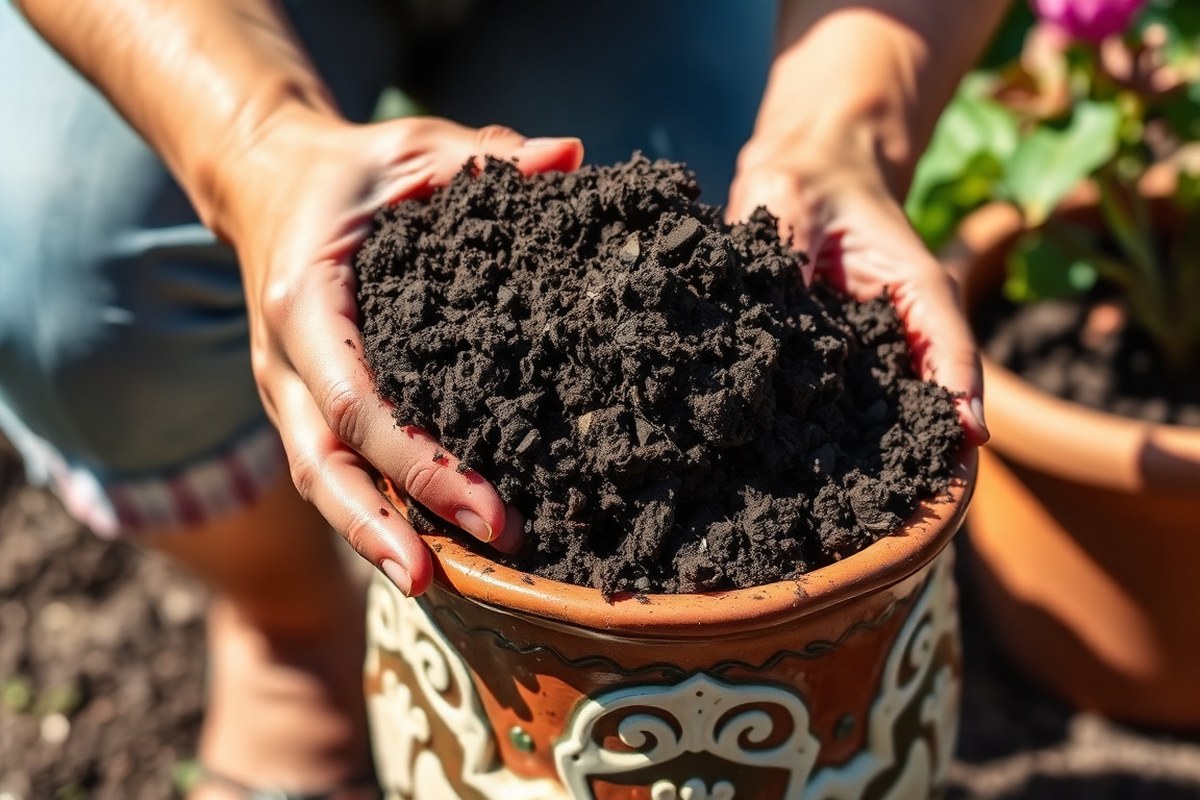
What is potting soil? It’s a special growing medium designed for plants in containers.
Unlike regular dirt, it’s lighter and drains water well. This helps plant roots get enough air and water without drowning.
Potting soil often mixes organic materials, minerals, and sometimes small amounts of real soil. It usually contains peat moss, bark, perlite, and compost for nutrients.
These components support healthy plant growth by balancing moisture retention and drainage. You’ll find it heavier than potting mix but closer to real soil in feel.
Use potting soil when planting in pots or raised beds. Leave about 2 inches of space between soil and pot rim for watering.
That gap prevents overflow and keeps plants comfortable. Some potting soils include slow-release fertilizers to feed plants over time.
Key Takeaways
- Potting soil is mostly organic materials with some natural soil mixed in.
- It’s heavier and denser than potting mix but supports container plants well.
- Good potting soil balances drainage and moisture retention for root health.
- Leave about 2 inches of space at the top of containers when filling.
- Potting soil is less likely to contain weed seeds than garden soil.
- Choose potting soil over garden soil for containers to avoid compaction.
What Exactly Is Potting Soil and How Is It Made?

Potting soil is a growing medium designed mainly for container gardening. It often contains a mix of organic materials rather than actual dirt. Despite its name, many brands labeled as potting soil don’t include real garden soil.
Instead, potting soil typically blends peat moss, pine bark, and perlite or vermiculite. These ingredients improve drainage and air flow, which soils from the ground often lack.
The peat helps retain moisture. Bark and perlite keep the mix from becoming compacted.
Some potting soil includes a little bit of real soil. This is not common. Most types don’t have any real soil at all.
Natural garden soil is denser and heavier, which can cause poor drainage in pots. That’s why potting soil usually avoids heavy soil and sticks to lighter, more porous components.
Making potting soil involves combining these ingredients in controlled amounts. Producers mix peat moss, ground bark, and perlite or vermiculite. These ingredients create the right balance.
They work well together for plant growth. This mix holds water well but also drains properly.
Drainage helps stop root rot. It keeps roots healthy.
Potting soil may also include additives like slow-release fertilizers or moisture-retention treatments. These help plants grow better in containers by slowly providing nutrients or holding water longer. Using potting soil with moisture control means you might water less often since it stays wetter.
Potting soil and potting mix share some ingredients. The main difference is real mineral soil. Potting soil usually has some actual soil in it.
Potting mixes are usually soilless, made entirely from organic components. Potting soil may sometimes have small amounts of real soil. Always check the label to know what you’re getting.
Potting Soil vs. Potting Mix, Garden Soil, and Compost: Key Differences
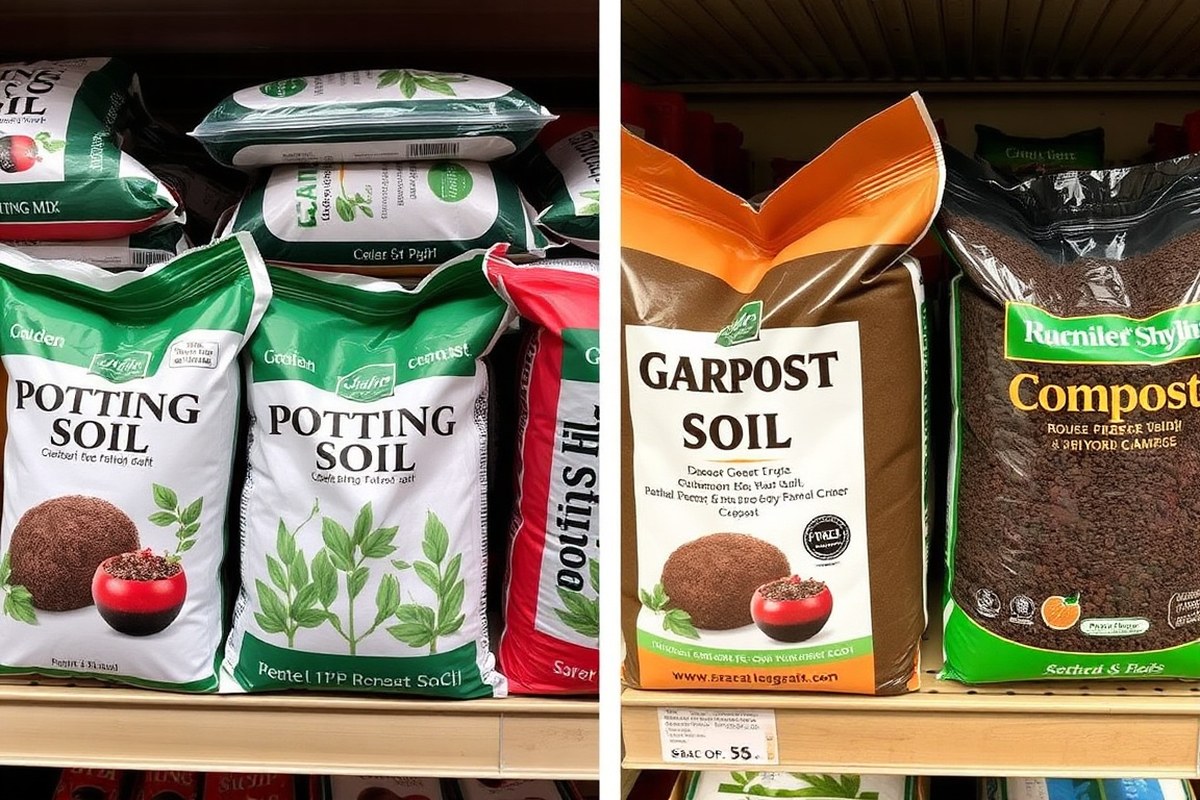
Potting soil differs from potting mix, garden soil, compost, and topsoil in ingredients and uses. Potting soil often has Canadian sphagnum peat moss, composted bark, perlite, and fertilizer. Potting mix is usually soilless, made with peat moss, compost, and perlite for containers.
Garden soil combines soil with compost, sand, and clay for use in garden beds. Compost is mostly broken down organic matter.
It adds nutrients to soil. It is not used alone as a planting base.
You should use potting mix for container plants needing light, well-drained media. Potting soil suits in-ground planting because it includes soil and nutrients. But it can be heavier for pots.
Garden soil works best when mixed into existing ground to improve soil texture and fertility. You cannot use potting mix to replace garden soil. Mix is too light and lacks useful microbes.
It is made for containers, not beds. Compost is added to improve soil life and nutrient content but isn’t a stand-alone growing medium.
| Product | Main Components | Best Use | Typical Weight |
|---|---|---|---|
| Potting Soil | Peat moss, composted bark, perlite, compost, soil, fertilizer | In-ground planting, heavier container plants | Heavier than potting mix |
| Potting Mix | Peat moss, compost, perlite (no soil) | Container plants; soilless, light, fast draining | Lighter than potting soil |
| Garden Soil | Topsoil, compost, sand, clay | Amending garden beds, in-ground plants | Variable, generally heavier than mix |
| Compost | Decomposed organic matter | Soil amendment, enriches nutrients and microbes | Light to medium |
| Topsoil | Natural soil surface layer | Filling, landscaping, not ideal alone for containers | Heavy |
Potting soil may be used for in-ground planting and some container plants needing nutrient-rich, moisture-retaining soil. Avoid using garden soil or topsoil for containers because their poor drainage can cause root rot. For raised beds, mixing garden soil into native soil improves texture and fertility.
Add 3 inches of garden soil to native soil. Till them together in the top 3 inches. Do this before planting anything in the bed.
To plant trees or shrubs, mix equal parts garden and native soil. Use this mix to fill the hole correctly. This helps the plant adjust.
Buy soilless potting mix labeled for containers to avoid drainage problems and root diseases.
Potting soil costs more than garden soil, reflecting higher ingredient processing. Choosing the right product depends on plant type and location. Ask your local garden center which potting soil suits your plants best.
Avoid confusion by reading labels carefully, potting soil contains soil. Potting mix does not. The difference affects drainage, weight, and microbial life, impacting plant growth and health.
Main Ingredients in Potting Soil and Their Roles
Potting soil often includes peat moss, pine bark, and perlite or vermiculite. Peat moss retains moisture while letting extra water escape. Pine bark creates air pockets and supplies nutrients for root health.
Perlite and vermiculite are lightweight minerals that improve drainage and aeration. Perlite creates big air pockets, helping water drain fast.
Vermiculite holds a bit more water, so it suits plants liking consistent moisture. Together, these ingredients create a balance so roots get water, air, and space to grow.
Some potting soil blends include organic compost or slow-release fertilizers. These feed plants over time but don’t change drainage much.
The mix stays light and porous to avoid soggy roots. Good potting soil never compacts easily and stays fluffy in containers.
Water moves straight down through potting soil since it has uniform texture. This movement stops roots from sitting in water too long, reducing root rot risk. That’s why containers filled with heavy garden soil or dirt cause problems.
For cost savings, some gardeners mix their own potting soil from these materials. Buying peat moss, pine bark fines, and perlite separately lets you customize moisture and drainage. Name-brand mixes often offer more consistent quality but might cost more.
Different plants need different drainage levels. For example, orchids need very fast draining soil and can’t tolerate retained moisture.
They need special mixes with extra pine bark or coarse materials. Most other container plants do fine in general potting soil with balanced water retention.
How to Choose the Right Potting Soil for Different Plants and Containers
Choosing the right potting soil depends on your plant’s needs and container size. Each plant type thrives in a soil mix suited to its water and nutrient needs. Picking soil with proper drainage and aeration prevents root problems and promotes healthy growth.
Selecting Soil for Indoor Plants
Indoor plants like African violets need potting soils that drain well but hold moisture. Look for mixes made for indoor use. Choose ones with peat moss or coconut coir.
These keep the soil light and airy. Avoid garden soil or heavy mixes that compact and stop roots from breathing.
You can improve potting soil for these plants by adding perlite or vermiculite. These improve aeration and drainage, which African violets and other houseplants love. A “starter charge” fertilizer mix helps new plants grow strong right away.
- Choose potting soil labeled for indoor or African violets
- Look for ingredients like peat moss or coconut coir
- Add perlite for better airflow in the mix
- Pick mixes with a small amount of fertilizer included
- Avoid garden soil that compacts and drains poorly
Always check the bag’s freshness, especially if it contains fertilizer. Old potting soil can lose nutrients and affect plant growth.
Options for Succulents and Cacti
Succulents and cacti need potting mixes that drain quickly and don’t hold water. Pick bags labeled cactus or succulent mix, with sand or small gravel clearly listed. These ingredients keep roots dry and prevent rot.
For extra drainage, add coarse sand or fine pumice to your soil. This helps water pass fast, which succulents and cacti prefer. Avoid moisture control potting soil here.
It traps too much water. These plants don’t like that.
- Use potting mixes specifically for succulents and cacti
- Check for sand or small gravel in the ingredients list
- Add extra coarse sand or pumice for better drainage
- Avoid soils with moisture retention additives
- Keep the soil light and loosely packed
Succulent and cactus mixes usually cost a bit more than general potting soil. Still, the drainage benefits will prevent common root problems and save plants.
Choosing Soil for Vegetables and Herbs
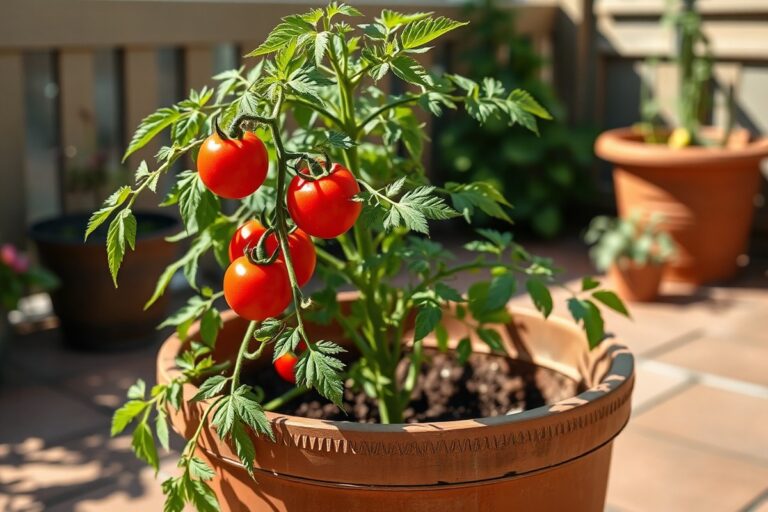
Vegetables and herbs in containers need soil that holds moisture but drains well. Soilless potting mixes with peat moss and perlite work best. They provide air and water balance, perfect for fast-growing plants.
Look for potting soils labeled for vegetables or herbs with added fertilizer. This “starter charge” gives your plants nutrients for the first few weeks. Avoid using garden soil alone since it’s too dense and can harbour weed seeds or disease.
- Select potting mixes designed for vegetables or herbs
- Use soilless mixes with peat moss and perlite
- Choose mixes with light fertilizer included
- Do not use garden soil by itself in containers
- Ensure containers have drainage holes to avoid soggy roots
Fresh soil helps vegetables and herbs produce better, healthier yields. Store bags sealed and dry to keep the soil fresh until planting time.
How Potting Soil Affects Plant Health: Drainage, Aeration, and Nutrients
Potting soil affects plant health mainly through its ability to manage water and air. Good potting soil holds enough moisture to keep roots hydrated without becoming soggy. This balance stops root rot caused by waterlogged soil.
It also gives roots oxygen they need. Strong roots grow better this way.
The texture and weight of potting soil matter a lot for root health. Potting soil is lighter and fluffier than garden soil, which stops it from compacting in containers.
Compacted soil blocks air and water movement, which kills roots and stunts growth. Common ingredients like perlite and vermiculite lighten the soil and increase air space, keeping roots healthy.
Potting soils often include slow-release fertilizers and organic matter to feed plants steadily. Over time, plants will use up these nutrients. So you need to fertilize regularly, especially if rainfall washes nutrients away.
Avoid reusing potting soil unless the previous plants were disease-free and healthy. Old soil can carry diseases and loses its structure.
Never use potting soil that’s been soaked and stored wet, it will compact and harm roots.
How to Make Your Own Potting Soil: DIY Recipe and Mixing Steps
Yes, you can make your own potting soil at home using simple ingredients. This lets you control what goes into your mix and tailor it for your plants. Follow these clear steps with exact ratios to create a balanced potting soil.
Gathering Ingredients
Start by collecting basic components that provide texture, drainage, and nutrients. You need a lightweight material for air and water flow. Organic matter offers nutrients and helps hold moisture.
Here’s what you’ll need:
- Coconut coir or peat moss for moisture retention
- Perlite or vermiculite to add air space and drainage
- Compost or well-rotted organic matter for nutrients
- Optional: garden lime to balance pH
- Optional: coarse sand if you want faster drainage (great for succulents)
Use clean tools and containers to avoid introducing pests or diseases. A large bucket or wheelbarrow helps mix ingredients evenly.
Mixing Ingredients in Correct Proportions
A common homemade potting soil mix uses three main parts. Use 2 parts coconut coir or peat moss. Then add 1 part perlite or vermiculite and 1 part compost.
This mix keeps the soil light and well-aerated. It also supplies enough nutrients without being heavy.
To mix:
- Measure each ingredient carefully by volume.
- Combine ingredients in a large container.
- Stir thoroughly until evenly mixed.
For example, start with 4 cups of coir. Add 2 cups of perlite. Finally, mix in 2 cups of compost.
Mix until uniform. Adding 1/4 cup garden lime per gallon of mix can help keep pH stable around 6.0 to 7.0.
Adjusting for Specific Plant Needs
Some plants need changes to this base recipe. Succulents need fast-draining soil, so add up to 50% coarse sand or more perlite. Houseplants usually thrive with balanced moisture, so don’t add too much sand.
For heavy feeders, increase compost up to 1.5 parts, but watch for compaction. For seedlings, mix finer materials like vermiculite with some compost to keep things soft and moist.
Check what your plants prefer and adjust the ingredient percentages step by step. This flexibility helps your plants grow strong without water logging or nutrient issues.
Common Potting Soil Mistakes and How to Avoid Them
Using potting soil the wrong way can slow your plants down or invite pests. One common error is poor drainage. Water pooling or soggy soil lets roots rot quickly.
You can fix this by adding perlite or coarse sand, about 10% of the soil volume. Mixing it well improves air pockets and water flow.
Another mistake is reusing old potting soil without treatment. The soil won’t go bad, but nutrients fade after a year. More importantly, diseases can stick around and reinfect new plants.
Throw out soil used with sick plants. To reuse soil from healthy plants, bake it in the oven. Use 180°F for 30 minutes to kill germs.
- Don’t pack soil too tightly in containers; it should stay loose.
- Avoid adding outdoor garden soil directly to pots; it lacks drainage.
- Feed plants regularly since potting soil nutrients wash out faster than garden soil.
- Use fresh potting soil yearly to prevent fungal issues and pests.
- Watch for mold or white crust; replace or fix with better drainage.
Fungal growth often means the soil stays too wet or lacks airflow. Water only when the top inch feels dry.
Remove visible mold with a spoon and replace part of the soil. Also, keep containers in bright spots with good air movement to discourage fungus.
Cost-wise, fresh potting soil bags run from $10 to $25 depending on size and quality. Adding perlite or sand costs around $5 to $10 for a big bag that lasts seasons. Spending a few extra minutes checking soil quality helps.
Amending soil can save money. It also prevents frustration later. Healthy soil leads to strong plants and better blooms or veggies.
How to Store and Maintain Potting Soil for Longevity and Quality
Store potting soil in a cool, dry spot away from sunlight. Moisture can cause mold or clumping, and too much sun dries it out fast. Use airtight containers or heavy-duty plastic bags to keep pests and weeds out.
Potting soil stays good for about six months to a year if stored right. Older soil loses nutrients and its structure, which harms plant growth. Avoid reusing soil from old containers because it may carry diseases or pests.
Keep the storage area clean and free of insects or rodents. Check your potting soil regularly for signs of bugs, fungus, or bad smells. Those signs mean the soil needs replacing immediately to protect your plants.
- Use a sealed, water-resistant container or bag
- Store in a place with temperatures between 40°F and 75°F
- Avoid direct sunlight and humid conditions
- Keep soil off the ground to stop bugs from getting in
- Label containers with the date you opened the soil
- Don’t mix used soil back with fresh soil
- Buy only the amount you can use within a year
Stay aware that potting soil may contain fertilizers or wetting agents. These ingredients can affect indoor air and water if handled improperly. Always wear gloves when handling this product.
Follow disposal rules on the bag. Check your local waste facility’s guidelines too.
Choose fresh potting soil for each planting to avoid hiding diseases or pests in old soil.
Specialty Potting Soils and Additives: Moisture Control, Fertilizers, and Organic Options
Specialty potting soils and additives improve moisture retention, provide nutrients, and support organic gardening. These blends suit specific plant needs or growing conditions. Choosing the right additives depends on your plants’ needs.
It also depends on how you water and feed. Both affect what additives work best.
Moisture Control Potting Soil Features
Moisture control additives help potting soil hold water without becoming soggy. These materials slowly release water to plant roots, reducing watering frequency. For instance, water-absorbing crystals absorb excess water then release it gradually over days.
Adding ingredients like coir or vermiculite improves the soil’s water-holding capacity. This is useful in hot or dry indoor spots where soil tends to dry out fast. Don’t use moisture control soils if you overwater often.
They can keep soil too wet. This can harm plant roots.
Fertilizer Types Included in Potting Soil
Many potting soils contain fertilizers either as a starter charge or slow-release pellets. Starter charges give plants a nutrient boost right after transplanting. Slow-release fertilizers feed plants over several weeks to months, reducing the need to fertilize often.
Fertilizers commonly include nitrogen, phosphorus, and potassium, essential for leaf, root, and flower growth. Rejuvenating old or used potting soil often means adding fresh fertilizer and compost. Use balanced fertilizers designed for container plants to avoid burning roots.
Organic Potting Soil Characteristics
Organic potting soils are made from natural materials approved for organic gardening. They focus on using composted bark, peat, and other plant-based ingredients instead of chemical additives. These materials break down over time, creating finer particles that make soil denser by season’s end.
Organic mixes support beneficial microbes that help plant health naturally. They also need more frequent fertilizing since natural nutrients release slower. Choose organic potting soils when you want to avoid synthetic chemicals or grow edible plants indoors.
Step-by-Step Action Plan for Using Potting Soil
Get your plants thriving by following this simple potting soil plan. Each step helps you pick, prepare, and use soil correctly.
- Before you start: Choose potting soil matching your plant’s needs. Look for ingredients that support drainage and nutrients for that plant type.
- Day 1: If using homemade soil, mix your ingredients well. Test moisture by squeezing a handful; it should hold shape but crumble easily.
- Day 2: Fill your container with soil up to 1 inch below the rim. Check the soil feels loose and not packed tight around your fingers.
- Week 1: Water the soil lightly to settle it without flooding. Watch for water draining freely from pot holes in a few minutes.
- Week 2: Observe plant health for signs of over- or under-watering. Leaves wilting or soil staying soggy means adjust your watering.
- Month 1: Add slow-release organic fertilizer if potting soil lacks nutrients. Follow package amounts and watch for healthy new growth.
- Ongoing: Check soil moisture weekly and top off soil if it shrinks or compacts. Avoid using garden soil or compost alone inside containers.
Frequently Asked Questions
What Is Potting Soil?
Potting soil is a mix designed for container plants. It often contains organic matter, minerals, and sometimes compost to support plant growth. It differs from garden soil because it’s usually lighter and better draining.
What Is the Difference Between Potting Soil and Regular Soil?
Potting soil includes organic materials and often compost for nutrients. Regular soil is garden dirt, heavier, and may contain clay or sand. Potting soil supports container plants better because it drains well and provides aeration.
Is Potting Soil the Same as Compost?
Potting soil is not the same as compost. Compost is decomposed organic matter used to enrich soil. Potting soil contains compost but also includes other materials like peat moss and perlite.
What Is Considered Potting Soil?
Potting soil typically contains peat moss, compost, aged bark, and perlite or pumice. It supports plant roots in containers by holding moisture and air. This mix is ready to use for most indoor and outdoor potted plants.
What Is Another Name for Potting Soil?
Potting soil is sometimes called container mix or potting medium. These terms emphasize its use for potted plants. Avoid confusing it with potting mix, which is usually a soilless blend.
Can You Reuse Potting Soil for New Plants?
Yes, but add compost or fertilizer first. Old potting soil loses nutrients and may compact over time. Refreshing it keeps plants healthy in containers.
Final Thoughts
Potting soil is key to keeping your container plants healthy. Using the right soil helps roots breathe, drain, and get nutrients. Start with a good potting mix and pay attention to watering for best results.