Are Alliums Perennials? A Complete Guide to Growing Long-Lasting Allium Plants
Most alliums are perennial plants that return each year, especially in zones 3 to 9. These zones have cold winters that alliums handle well. They are hardy and easy to grow outdoors in spring.
Allium species like Allium giganteum can live and bloom for many years. Their bulbs store energy to survive winter cold. New shoots come out when the soil reaches about 50 °F, starting spring growth.
Choose species that match your hardiness zone for the best results. Alliums spread slowly but may become overcrowded after a few years, which can hurt growth. Divide bulbs every 3 to 4 years in fall to keep them healthy.
Adding compost each fall improves the soil and supports strong, lasting growth of alliums.
Key Takeaways
- Alliums are perennials in USDA zones 3 to 9 and handle winter cold well.
- Plant allium bulbs outdoors in spring after soil warms to about 50 °F.
- Choose allium species suited to your zone for best long-term growth.
- Divide allium clumps every 3 to 4 years in fall before soil freezes.
- Add 2, 3 inches of compost each fall to refresh soil nutrients.
- Watch for bulb overcrowding to avoid weaker plants and fewer blooms.
Are Alliums Truly Perennial Plants?
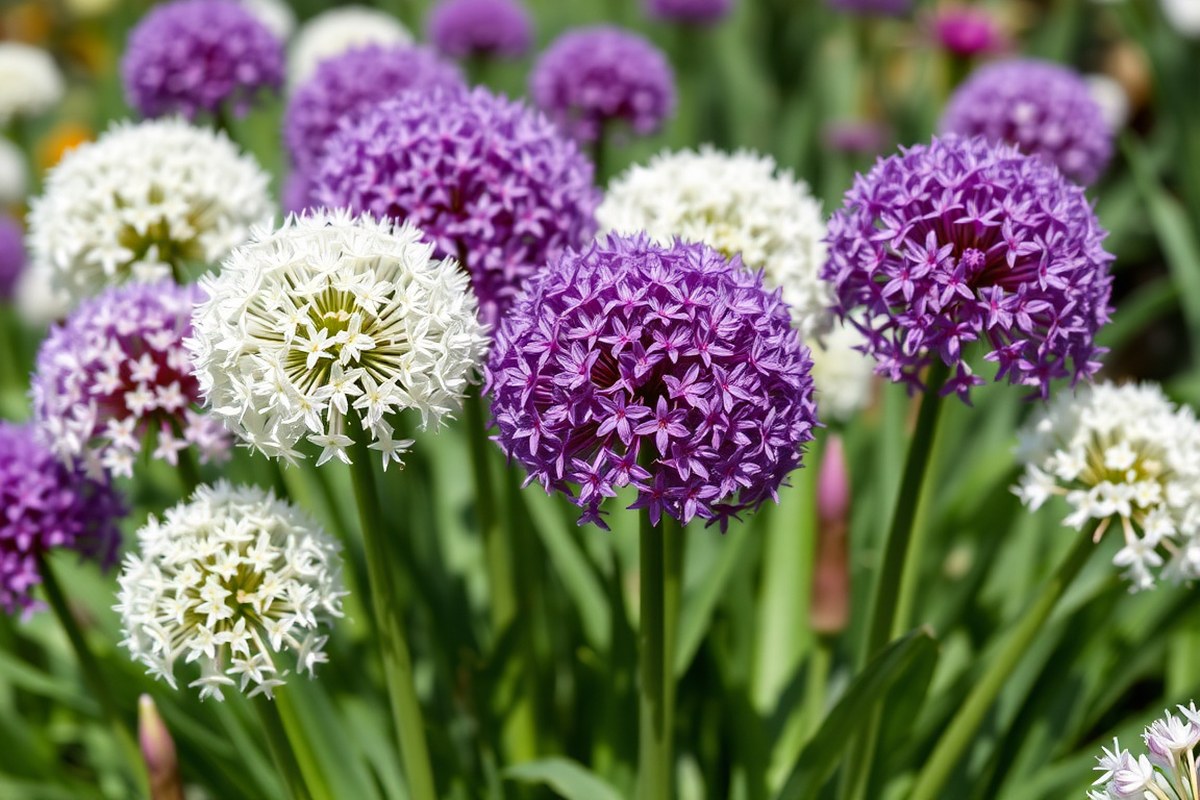
Most alliums are perennial, meaning they return year after year. These plants survive winter through bulbs or rhizomes stored underground. The bulbs sprout new foliage and flowers in spring or summer without replanting.
Perennial means the plant lives for more than two growing seasons. In contrast, annual alliums complete their entire life cycle in one year. Biennial alliums live for two seasons, usually flowering the second year and then dying.
Knowing if your allium is perennial or annual matters because care and planting habits differ. Perennial alliums, like giant allium (Allium giganteum) or drumstick allium (A. Sphaerocephalon), come back reliably. Annual alliums need replanting every year or two, as they do not survive cold or dormancy.
Most garden alliums grow from bulbs planted in spring or fall. You should space bulbs 7 to 10 cm apart for small species.
About 20 cm for giants. Planting only one bulb per hole helps avoid overcrowding.
Some alliums form clumps or spread with rhizomes rather than classic bulbs. These perennials often naturalize, creating garden patches that expand without reseeding. Drumstick alliums are great examples of clump-forming, long-lived perennials you can let grow freely.
You can find perennial alliums hardy to about -20°C (zone 3 to 9). This temperature range matches many U.S. Climates. For colder zones, some species or hybrids may not survive harsh winters without protection.
Annual or biennial alliums often suit containers or seasonal displays. Perennials fit better for stable garden beds.
Rotating perennial alliums with other plants every few years helps keep soil healthy and pests low. Annual alliums get moved or replanted regularly to maintain fresh soil.
How Do Hardiness Zones Affect Alliums as Perennials?
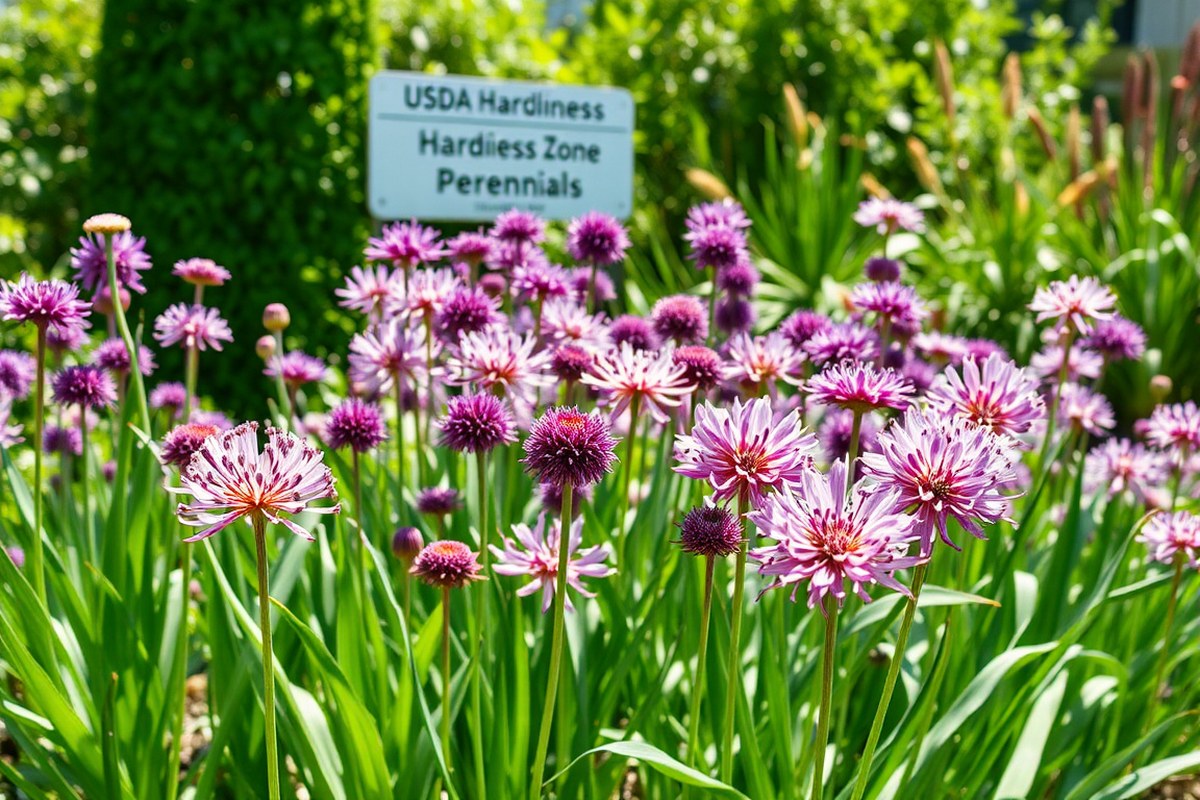
Alliums behave as perennials mainly in USDA zones 3 through 9. These bulbs handle cold winters well. They grow best in zones 4 to 8.
In these zones, they survive underground freezes without trouble. Bulbs may not survive in zones colder than 3. The cold can freeze bulbs too deeply.
This stops them from coming back. Warmer zones generally help alliums thrive longer. But bulbs may need a dry dormant period to avoid rot.
Containers need special care, especially in colder zones. Alliums grown in pots survive winter best in zones 5 or higher. You can protect bulbs in pots with bubble wrap insulation.
Moving containers to sheltered spots also helps them stay safe. Keeping containers off frozen ground helps prevent damage. Mulching soil inside the pot adds insulation against temperature swings.
Climate affects alliums by influencing soil moisture and freeze-thaw cycles. Too wet or poorly drained soil in cold zones puts bulbs at risk of rotting. Mulch helps maintain steady soil temperatures and avoid freeze-thaw damage.
Bulbs in hot, dry zones can suffer without enough water. They need regular watering during summer’s hottest months.
| Season | Tasks For Perennial Alliums | Extra Tips |
|---|---|---|
| Autumn | Plant new bulbs and separate crowded groups. Add grit or compost to improve soil drainage and nutrition. | Plant before ground freezes so roots can form. |
| Winter | Keep beds drained; protect containers from severe cold. | Use a light layer of mulch in cold areas. This helps protect bulbs from freezing and thawing damage. |
| Spring | Check for new shoots as they come up. Water bulbs during dry periods and keep the area weed-free. | Avoid disturbing shallow roots near emerging stems. |
| Early summer | Enjoy bloom; stake tall varieties if needed. | Leave foliage until it yellows to feed the bulbs. |
Adding mulch or bringing pots inside helps bulbs in borderline zones. This care helps bulbs come back like perennials.
Alliums return each year only if their hardiness fits your zone. Matching bulbs to zones is key to success. Bulbs that stay firm after leaves die back indicate good health.
Clusters of small side bulbs show your plants are multiplying and will come back stronger. Consistent blooming each year confirms your alliums thrive as perennials in your climate.
Which Allium Species Are Long-Lived Perennials?
Most ornamental alliums are perennial bulbs that return year after year. Their lifespan depends on the species, soil, and climate.
Some alliums last longer and grow bigger. Others stay smaller or behave like biennials.
Ornamental Alliums Known as Perennials
Many popular ornamental alliums come back reliably each season. They form bulbs that store energy through winter. This helps them survive cold and regrow in spring without replanting.
Height and flower size stay consistent in perennial varieties. That makes them great for repeated use in garden borders or group plantings. These alliums usually grow well in USDA zones 3 to 8.
They do best if the soil drains well. Avoid heavy, soggy soil to keep them healthy.
Perennial alliums also resist rabbits and squirrels. After blooming, leaving their seed heads can attract birds while adding winter interest to your garden.
Culinary Alliums: Biennial, Annual, or Perennial?
Common edible alliums like onions, garlic, and leeks differ from ornamental types. Most grow as biennials or annuals in home gardens. They often complete their life cycle in 1 or 2 years rather than many.
Chives are an exception; they behave like perennials. They grow as clumps of roots instead of bulbs and come back multiple seasons. This makes chives easier to maintain as a perennial herb.
Growing edible alliums from seed takes patience. It can take years until they flower or produce mature bulbs. For quicker harvests, bulbs or sets are usually planted instead.
Special Long-Lived Species Examples
Some alliums are famous for lasting many years with proper care. Allium giganteum towers over most at 4 feet tall. It produces large purple flower spheres and performs well in zones 4 through 8.
Smaller types like Allium ‘Blue Eddy’ reach about 1 foot tall. They come back year after year in the garden. These make great choices for small spaces.
These compact types suit borders or container gardens well. They require the same well-drained soil and sunlight as bigger types.
The table lists common perennial and biennial alliums with key facts. You’ll see their height, lifespan, and how to care for each. This helps you pick the right one for your garden.
| Species/Variety | Type | Height | Lifespan | Care Notes |
|---|---|---|---|---|
| Allium giganteum | Perennial bulb | Up to 4 ft (1.2 m) | 4+ years with good soil | Well-drained soil, full sun |
| Allium ‘Blue Eddy’ | Perennial bulb | 1 ft (30 cm) | 3-5 years | Well-drained soil, sun |
| Allium schoenoprasum (chives) | Perennial clump | 1-2 ft (30-60 cm) | Several years | Sun, moist soil, divides easily |
| Allium cepa (common onion) | Biennial in garden | 1-3 ft (30-90 cm) | 1-2 years | Often treated as annual |
| Allium sativum (garlic) | Annual or perennial | 1-3 ft (30-90 cm) | 1-2 years garden cycle | Needs dry soil post-harvest |
Knowing the species you plant helps plan garden space. Perennial alliums like A. Giganteum need fewer replacements yearly. Biennials like common onions require replanting or harvesting every season or two.
How and When Should You Plant Allium Bulbs for Perennial Success?
Planting allium bulbs properly sets them up for strong perennial growth. Plant bulbs at the right depth and space them well apart.
Do this in fall using well-drained soil with lots of sun. These steps encourage shoots to return season after season.
Optimal Planting Depth and Spacing
Plant allium bulbs at a depth four times their size. For a typical bulb, that means about 6 inches (15cm) deep. This depth protects bulbs from cold and helps roots develop well.
Space bulbs about 6 inches apart to start. As clumps grow, thin or divide them to keep at least 12 inches between bulbs. Crowded bulbs may produce smaller blooms or fail to return.
Ideal Planting Seasons for Best Perennial Growth
Plant allium bulbs in fall for the best perennial return. This timing lets bulbs settle before winter and start roots early in spring. In most areas, planting from September through November works well.
Spring planting is not recommended. Bulbs need cold soil to trigger growth. Fall planting mimics natural cycles, promoting reliable blooming the following spring.
Soil and Light Requirements for Perennial Alliums
Choose a sunny spot that gets at least six hours of direct sunlight. Alliums thrive in full sun and bloom best under these conditions. Avoid too much shade, which leads to weak stems and fewer flowers.
Use well-drained soil to prevent bulb rot. Your soil may hold water.
Add sand or organic matter to help drainage. Raised beds can help when drainage is a problem.
Follow these steps to plant allium bulbs for perennial success:
- Prepare the soil by loosening it to 8 inches deep and mixing in compost.
- Soak bulbs in water for 3 to 6 hours before planting to hydrate.
- Dig holes 6 inches deep, matching four times the bulb’s height.
- Place bulbs pointy end up in the holes spaced 6 inches apart.
- Cover bulbs with soil and gently firm it down to remove air pockets.
- Water the area thoroughly right after planting to settle soil around bulbs.
- Add a layer of mulch to protect bulbs over winter and regulate soil temperature.
Doing this in fall helps bulbs establish roots before winter. Rotate bulbs every few years to avoid diseases. Keep the planting area sunny and well-drained for the best chance at yearly returns.
What Is the Best Care Routine to Keep Alliums Perennial?
After alliums bloom, wait for the flower heads to dry completely. You can then cut off the dried flower stalks to keep the bed tidy. Leave the foliage alone until it yellows and withers.
The plant sends energy back to the bulb during this time. This helps the bulb store nutrients for next season.
Applying mulch around your alliums helps them stay healthy through seasonal changes. Add 2 to 3 inches of compost or well-rotted manure in fall. This improves soil nutrients and its structure.
Spread it evenly over the planting area. This feeding helps bulbs build strength for the next growing season and reduces weed growth.
Don’t cut back allium leaves too soon; green leaves are important for bulb development.
Watering alliums depends on your climate, but keep soil moist during active growth. After blooming and into dormancy, reduce watering so bulbs don’t rot. Using a layer of mulch also helps conserve moisture and stabilizes soil temperatures.
- Leave flower heads to dry before cutting them off
- Wait to remove foliage until it turns yellow and dies back
- Spread 2, 3 inches of compost or well-rotted manure every fall
- Keep soil moist during spring growth, reduce watering after bloom
- Apply mulch to protect bulbs from temperature swings and retain moisture
- Pair alliums with low-growing perennials to hide fading leaves
- Check soil drainage to prevent bulb rot during wet seasons
Good perennial care supports bulb health and blooming vigor year after year. Paying attention to these routine tasks means you’ll enjoy those showy allium flowers again next spring. Watch for soggy soil and remove mulch in early spring if it’s too thick.
How and When to Divide Allium Clumps to Sustain Perennial Growth
How and When to Divide Allium Clumps to Sustain Perennial Growth
Divide allium bulbs every 3 to 4 years to keep patches healthy and blooming. Doing this stops overcrowding and gives each bulb room to grow well. Late summer or early fall, after foliage dies back, is the best time to divide bulbs.
Signs Alliums Need Division
When your alliums produce fewer flowers or smaller blooms, they likely need dividing. Clumps that look crowded or have thin, spindly leaves also show signs of overcrowding. Another clear sign is when bulbs stop expanding and get misshapen.
Best Season and Soil Conditions for Dividing
Wait until after allium foliage dies brown in late summer or early fall to divide. The bulbs are dormant then and less likely to suffer damage. Choose dry, loose soil because wet ground can cause bulb rot during the process.
Step-By-Step Division Process
Dividing alliums is simple but requires gentle handling to avoid bulb damage. Use a garden fork to lift the clump carefully, then separate bulbs by hand or knife. Plant divisions soon after to prevent drying out.
- Dig around the allium clump with a fork, loosening soil gently.
- Lift the entire clump out, keeping bulbs intact with roots attached.
- Shake off excess soil and inspect bulbs for mold or softness.
- Separate bulbs by hand, removing old outer layers if needed.
- Trim dead foliage and any damaged roots with clean scissors.
- Replant bulbs with crowns just under the soil surface, spacing 6, 8 inches apart.
- Water well after planting but avoid soaking the soil to prevent rot.
- Mulch lightly to retain moisture and ward off weeds.
Common Problems That Limit Allium Perennial Habits and How to Fix Them
Alliums often fail to come back mainly from planting errors or poor site conditions. Planting in heavy shade weakens bulbs.
They won’t store enough energy to bloom again the next year. Also, overcrowding bulbs in the same hole limits space for growth and reduces returns.
Common pests like onion flies or thrips can damage bulbs under the soil. Diseases such as basal rot or white rot cause bulbs to decay and stop regrowing. These problems usually show by soft, discolored, or smelly bulbs.
Healthy bulbs stay firm and smell fresh. Check bulbs in fall before planting or after lifting them in spring.
- Avoid planting bulbs too deep or too shallow. 2-3 times bulb height deep is best.
- Plant only one bulb per hole for better airflow and root space.
- Pick a sunny spot to help bulbs store energy for next spring.
- Remove bulbs with soft spots or visible rot to prevent spread.
- Watch for pests like onion maggots and treat promptly with insecticidal soap.
- Don’t leave bulbs too wet in winter; improve drainage if soil is heavy clay.
- Lift bulbs every few years to divide and inspect for health issues.
No serious insect or disease problems affect many perennial alliums, like Allium ‘Millenium.’ But small issues add up if you ignore them. Planting bulbs late may delay flowering but usually won’t stop future returns.
Regularly digging up and inspecting bulbs avoids hidden rot or pests. Healthy bulbs feel firm, solid, and have no discoloration.
Can Alliums Reseed or Naturalize as Perennials in the Garden?
Many alliums reseed naturally and can spread in your garden over time. They drop seeds that sprout nearby, creating new plants each season. This self-sowing helps alliums form clumps, making them seem more like perennials that last for years.
Different allium varieties behave differently when it comes to reseeding and naturalizing. Some popular types, like Allium hollandicum ‘Purple Sensation’ and Allium spherocephalon, spread steadily. Some alliums last many years in good soil.
If your soil has heavy clay or drains poorly, they may only last a few years. Poor drainage limits their lifespan.
To encourage alliums to naturalize, plant them in well-drained soil with plenty of sun. Avoid overcrowding so seedlings get enough room to grow. Mark where seeds fall in spring.
Young plants stay small. They are easy to miss without marking.
Multiply alliums faster by dividing clumps every few years. Dividing lets you move plants to new garden spots.
You can also share bulbs with friends. Just dig up the bulbs carefully in early fall, split the clumps, and replant them immediately.
Some alliums act like short-lived perennials or annuals, especially in tougher soils. You might need to replace these bulbs every few years to keep your display strong. Even so, growing varieties that reseed can reduce this work.
Plant alliums in sunny, well-drained spots to help seedlings grow strong and naturalize well.
Step-by-Step Action Plan to Grow Perennial Alliums
Follow these steps to make sure your alliums come back year after year. Each step helps you track your success.
- Fall, before first frost: Plant allium bulbs 2 to 3 times their height deep. Use well-drained soil for best results. This helps bulbs grow healthy roots. You’ll know it worked if shoots emerge in spring.
- Spring, when shoots appear: Apply a balanced fertilizer around the plants weekly for the first month. Leaves should look green and healthy.
- Late spring, after blooms fade: Cut flower stalks but leave leaves untouched until they yellow. This feeds nutrients back to the bulbs.
- Early summer, after leaves die back: Dig and divide allium clumps every 3 to 4 years. You want firm, healthy bulbs with roots for replanting.
- Summer, while dormant: Mulch newly divided or planted bulbs with 2 inches of organic mulch. This protects from extreme heat and moisture loss.
- Fall and spring: Check for onion maggots or fungal spots on leaves. Use insecticidal soap to treat pests quickly. Remove any leaves that look damaged.
- Year-round: Let some seed heads stay to drop seeds naturally. This helps alliums spread slowly in your garden. You control the spread this way. Watch nearby spots for seedlings.
Frequently Asked Questions
Can Alliums Survive Harsh Winters Without Mulch?
Yes, alliums can survive harsh winters but mulch helps. Mulch keeps bulbs warmer and reduces freeze damage during cold spells.
Are Allium Flowers Deer-Resistant in Perennial Gardens?
Alliums are generally deer-resistant due to their strong smell. This makes them a good perennial choice in areas with deer problems.
How Long Do Allium Bulbs Stay Healthy Underground?
Allium bulbs usually stay healthy for about four years underground. Dividing bulbs every 3 to 4 years helps keep plants vigorous.
Do Allium Perennials Attract Pollinators Like Bees?
Yes, allium perennials attract bees and other pollinators. Their flowers provide nectar in spring and early summer when pollinators are active.
Can Alliums Be Grown in Containers as Perennials?
Alliums grow well in containers and behave as perennials there. Make sure containers have drainage and plant bulbs deeply for best results.
What Soil Condition Do Alliums Prefer for Perennial Growth?
Alliums prefer well-drained soil that doesn’t stay soggy. Good drainage prevents bulb rot and helps them return yearly as perennials.
Key Points to Remember
Alliums are true perennials if you follow good planting and care. You can help them thrive by planting bulbs deeply and feeding them well. Start by setting a reminder to plant your bulbs this fall for spring blooms.