How Many 50lb Bags of Sand in a Yard: A Complete Guide for Accurate Ordering
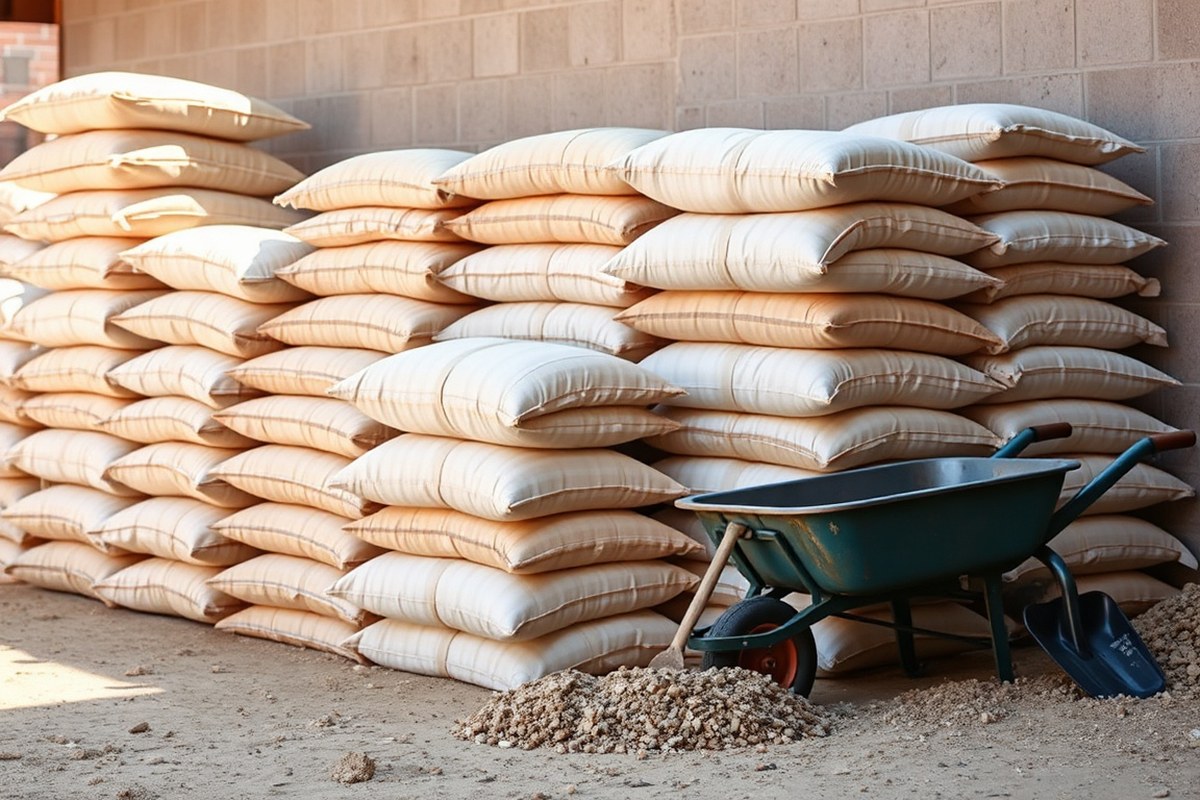
A cubic yard of sand weighs roughly 2,700 pounds in total. Filling that amount requires around 54 bags, each weighing 50 pounds. This comes from breaking down 2,700 by 50 to find how many bags you need.
Different kinds of sand can change this number a little. Some sands weigh more, some less, in each yard. This can make the total bags needed go up or down.
Masonry sand is lighter, concrete sand a bit heavier, and bank-run sand weighs the most. Knowing the sand type helps you order accurately and avoid shortages or leftovers.
Start by checking the sand’s weight per cubic yard to get a closer estimate. Remember, moisture and compaction can change how much sand your bags hold. Plan to buy extra sand to cover small errors and changes.
This lets you avoid running out during your project. A little extra goes a long way in rough estimates.
Key Takeaways
- Masonry sand requires about 54 bags per cubic yard due to its fine, compact nature.
- Concrete sand needs roughly 56 bags per cubic yard because it’s slightly heavier.
- Play sand is lighter. So expect to use about 50 bags for a cubic yard.
- Bank-run sand weighs more, meaning you’ll use about 60 bags per cubic yard.
- Calculate bag needs by dividing the total sand weight by 50 pounds per bag.
- Moisture can increase sand weight and reduce the number of bags needed.
How Many 50lb Bags of Sand Are in a Cubic Yard?
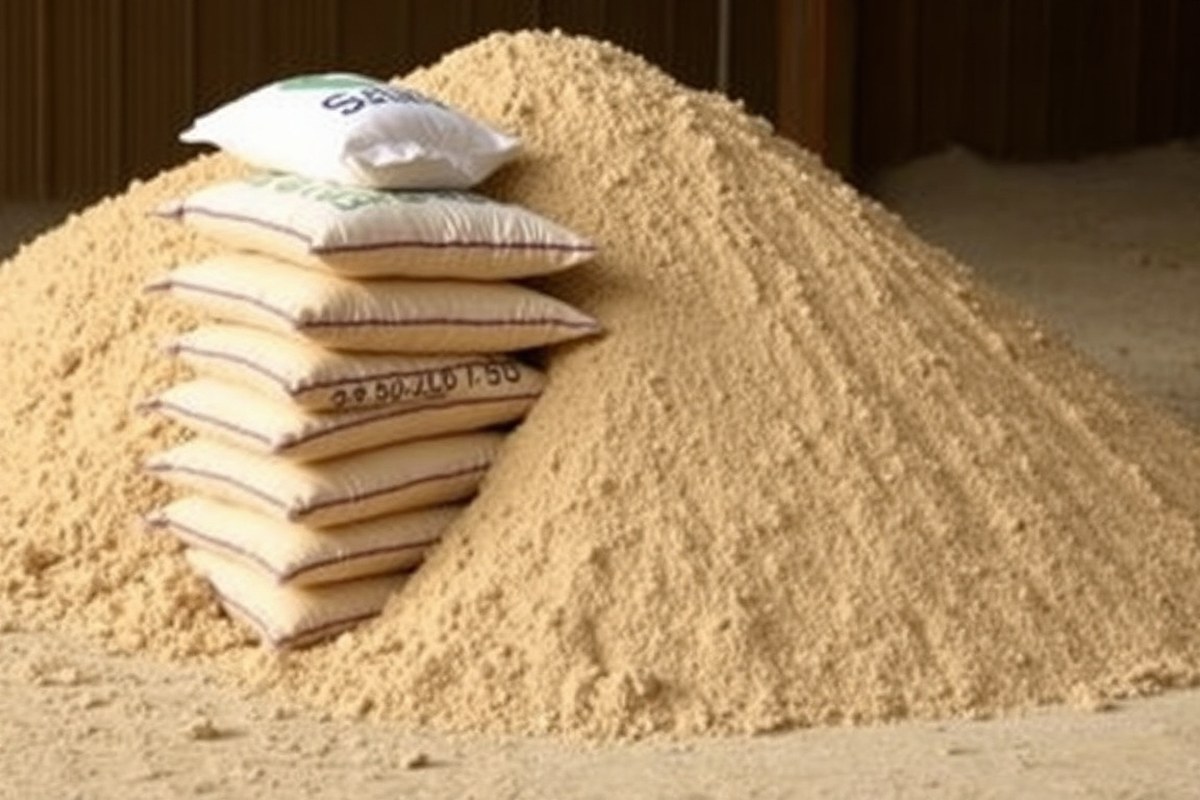
A cubic yard holds 27 cubic feet of sand. A 50-pound bag of sand typically contains about 0.5 cubic feet. To find how many 50-pound bags make a cubic yard, divide 27 by 0.5.
Doing the math, 27 ÷ 0.5 equals 54 bags. So, you need roughly 54 bags of 50-pound sand for one cubic yard. This calculation matches the typical sand weight of about 2,700 pounds per cubic yard.
For example, if you buy 54 bags, each weighing 50 pounds and holding 0.5 cubic feet, multiplying 54 bags by 0.5 cubic feet equals 27 cubic feet. That’s the full cubic yard volume. Knowing this helps you buy the right amount without wasting money or running out.
How Different Sand Types Affect Bag Quantity
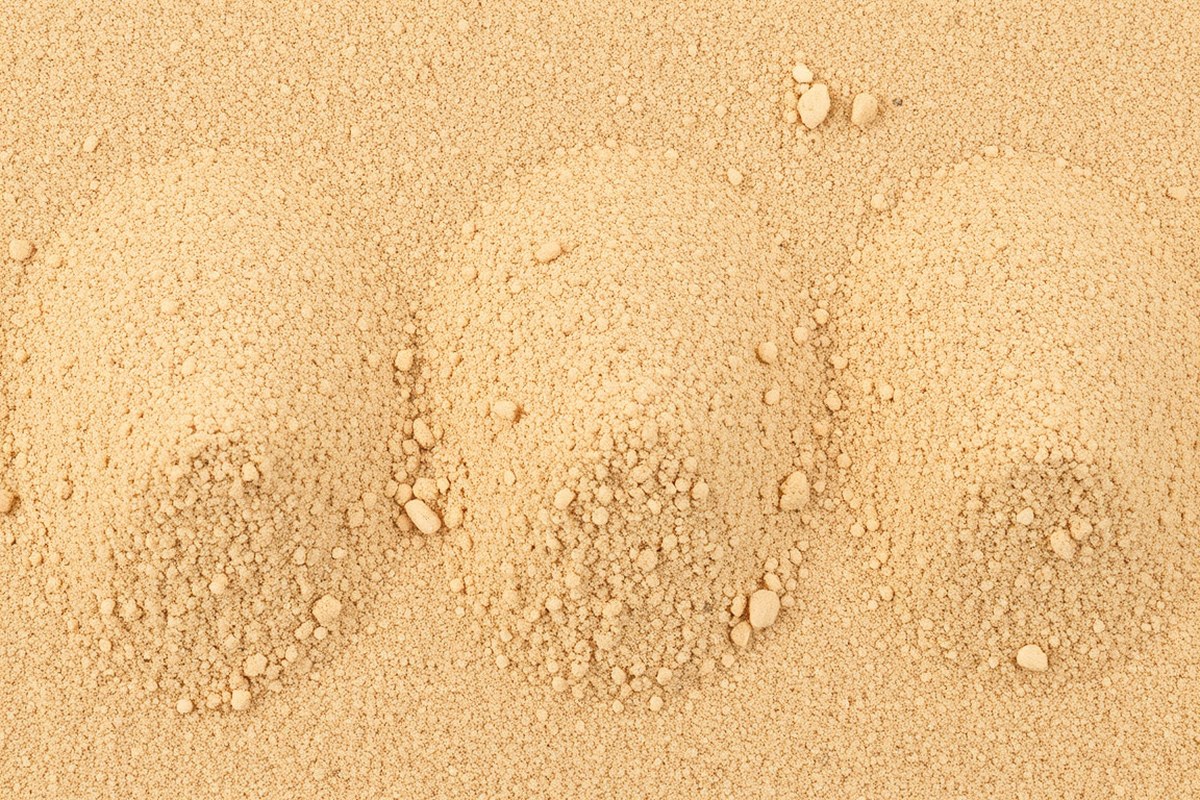
How many 50lb bags of sand you need depends on the type of sand. Different sand types have different densities, so they weigh different amounts per cubic yard. This changes the bag count even though the volume is the same.
Masonry Sand Density and Bag Count
Masonry sand tends to be slightly lighter than concrete sand. It’s usually around 2,600 pounds per cubic yard. That means for one cubic yard, you’d need about 52 bags of 50 pounds each.
This sand is finer and has good workability, ideal for mortar mixes. The slightly lower density means fewer bags than heavier sands like concrete sand.
Concrete Sand Density and Bag Requirements
Concrete sand is coarser and denser, weighing roughly 2,700 pounds per cubic yard. For a cubic yard, plan on using about 54 bags of 50 pounds. That matches the typical estimate for dry sand in general.
You want this sand for concrete mixes because its weight and coarseness provide strength. It’s the heaviest common type you’ll find bagged.
Play Sand and Other Specialty Sands
Play sand and fill sand are lighter, about 2,600 pounds per cubic yard. Expect around 52 to 54 bags for a cubic yard. Moisture can increase weight, though, making the count higher.
Wet sand weighs more, about 3,200 pounds per cubic yard. You would need about 64 bags if using wet sand. But bag weights could vary with moisture.
Here’s a quick table showing different sands and their weights. It also lists bag counts for one cubic yard of sand. This helps you see the amounts easily.
| Sand Type | Lbs per Cubic Foot | Tons per Cubic Yard | Lbs per Cubic Yard | Approximate 50lb Bags |
|---|---|---|---|---|
| Concrete Sand (Dry) | 100 | 1.35 | 2,700 | 54 |
| Silica Sand (Dry) | 100 | 1.35 | 2,700 | 54 |
| Masonry Sand (Dry) | 96 | 1.30 | 2,600 | 52 |
| Play Sand (Dry) | 96 | 1.30 | 2,600 | 52 |
| Fill Sand (Dry) | 96 | 1.30 | 2,600 | 52 |
| Wet Sand | 119 | 1.60 | 3,200 | 64 |
Know your sand type to buy the right amount. Avoid getting too many or too few 50-pound bags.
This saves you money and effort. A small variation in sand density shifts your project’s total bag count by a few bags.
Always double-check the sand type and dryness before ordering to get the bag count right.
Step-by-Step Calculation for Your Project’s Bag Needs
To figure out how many 50lb bags of sand you need, measure your project’s volume first. Calculate the volume in cubic feet first. Then change that number to cubic yards.
Finally, find how many bags fit that weight. This method ensures you buy enough sand without waste or shortage.
Measuring Project Dimensions Accurately
Start by measuring the length, width, and depth in feet. Use a tape measure for edges and a level for depth. Check all measurements twice to avoid mistakes.
Depth is key because sand volume depends on it. For a flat area, measure the average depth at several points.
For uneven areas, find the average depth. Or split the space into parts and measure each.
Calculating Volume in Cubic Feet and Cubic Yards
Multiply length by width by depth to get your project’s volume in cubic feet. Then divide that number by 27 to convert cubic feet into cubic yards. One cubic yard equals 27 cubic feet, which is how sand is often sold.
For example, if your project is 10 feet long, 5 feet wide, and 0.5 feet deep, the volume is 10 x 5 x 0.5 = 25 cubic feet. Divide 25 by 27 for about 0.93 cubic yards.
Converting Volume to 50lb Bag Count
Sand in one cubic yard weighs about 2,700 pounds. You can divide this by 50 pounds per bag to find the number of bags. For 0.93 cubic yards, multiply 0.93 by 2,700 then divide by 50 to get the count.
This example requires roughly 50 bags (0.93 x 2,700 = 2,511 pounds, then 2,511 ÷ 50 = 50.2 bags). Always round up to avoid running short, especially if your sand is dry or loose. Wet sand weighs more and needs fewer bags for the same volume.
Follow these steps to calculate your sand bag needs:
- Measure the project’s length, width, and depth in feet.
- Multiply length x width x depth to get cubic feet.
- Turn cubic feet into cubic yards by dividing by 27.
- Multiply cubic yards by 2,700 to find project weight in pounds.
- Divide total pounds by 50 to find number of 50lb bags.
- Round up the bags count to cover slight variations.
How Moisture and Compaction Change Sand Bag Requirements
Moisture adds extra weight to sand, changing how many bags you need. Dry sand usually weighs about 2,600 pounds per cubic yard. Wet sand, soaked with water, can weigh between 3,000 and 3,200 pounds for the same volume.
This means wet sand packs heavier, so fewer 50-pound bags cover a cubic yard. For example, divide 3,000 pounds by 50 pounds per bag and you get 60 bags.
Dry sand might need around 52 bags because it weighs less. Expect to order fewer bags if your sand is damp or wet.
Compaction squeezes sand particles closer together, raising weight per cubic yard, too. Loose sand has more air in between grains, making it lighter. When compacted, the same space holds more sand, so it weighs more overall.
Compacting sand before measuring means you’ll need fewer bags overall. You can check compaction by pressing on sand with your hand or foot.
Sand that feels tight and firm is compacted well. Loose, fluffy sand suggests less compaction and more bags.
Estimate if sand is dry, wet, or compacted. Think about a mix too. This helps you figure out the number of bags to buy.
For wet or compacted sand, calculate weight around 3,000 pounds per cubic yard. For dry and loose sand, plan closer to 2,600 pounds per yard. Then divide by 50 pounds per bag to find bag count.
Ordering some extra bags helps cover small differences in moisture or compacting. Getting too few bags means buying more later and losing time.
Too many bags cost extra and take space. So aim for a good guess based on moisture and compaction.
Get wet sand? Leave bags slightly open to let it dry before use. Wet sand can clump, making it hard to spread evenly.
Let the sand dry out a day or two in the sun. So it flows better for your project.
Common Mistakes When Buying Sand Bags and How to Avoid Them
People often guess how many sandbags they need by eye. This causes them to buy too many or too few. They don’t always consider all factors involved.
Not adding extra bags for settling and spillage leads to shortages during projects. Ordering too much sand wastes money and takes up unnecessary space.
Always add about 10 percent more sand bags to your order for settling and spillage. One cubic yard needs about 37 bags of 50 lb sand. This count includes 10 percent extra for safety.
This helps cover any shortfall during use. Bank-run sand, denser than regular sand, may need around 60 bags for the same volume.
Before ordering, check the sand type for your project. Confirm the supplier’s bag weight too. This ensures you get what you need.
Find out if bags are tightly or loosely packed. Weight can vary based on packing. This changes how many bags you should buy.
Ask if you need dry sand or wet sand for your job. Moisture affects both sand weight and volume. Knowing this helps you order right.
- Measure your project’s area accurately with a tape measure or laser tool.
- Calculate bags based on 50 lb per bag and factor in extra 10% for waste.
- Confirm the weight and type of sand bags from the supplier.
- Account for more dense sand types like bank-run sand needing more bags.
- Consider delivery time to avoid needing extra last-minute purchases.
- Inspect bags for damage or moisture to prevent quality loss.
- Keep some spare bags for unexpected settling or spills during work.
Always keep a few extra sand bags beyond your calculation to cover waste and settling.
Sand settles and compresses under its own weight over time. This reduces volume by about 5 to 10 percent. The change can affect project measurements.
Spillage happens during transport and handling, especially with loose bags. Ordering less than the total plus extra often causes delays.
Projects may stop mid-way waiting for more sand. This wastes time and can cost more.
You can avoid these mistakes by using a clear checklist before buying. Checking bag weight and sand type ensures you don’t buy the wrong material or size. Proper measurement and adding about 10 percent more bags prevent running short without overspending.
Deciding Between Buying Bagged Sand or Bulk Sand
Buying sand in 50lb bags usually costs more per pound than bulk sand. Each bag holds about 1/54th of a cubic yard.
So you need 54 bags for one yard. Bagged sand works well for small jobs or places where bulk delivery won’t fit.
Bulk sand works best for big projects like filling a sandbox. It also helps when you need to level a large area. You get a lower cost per pound because there’s less packaging and handling.
Dump trucks deliver bulk sand. So you need a place to unload and store it.
Here’s a basic cost comparison to help decide.
| Type of Sand | Quantity | Average Price | Cost per Pound |
|---|---|---|---|
| 50lb Bags | 54 bags = 1 cubic yard | $3 to $7 per bag | 6 to 14¢ |
| Bulk Sand | 1 cubic yard (2,700 lbs) | $25 to $50 per yard | 0.9 to 1.8¢ |
Use the table above to estimate costs. For example, 54 bags at $5 each total $270.
A bulk yard at $40 costs less than half that. Always check delivery fees, because they can add $50 to $150.
Plan your project size before ordering. You need fewer than a half-yard. Bags help you avoid waste.
For projects needing more than a yard, bulk saves money, even with delivery costs. Measure your space carefully and add 5% extra sand to cover settling.
Estimating bulk sand means knowing your cubic yard needs and asking suppliers for quotes. They may lower prices on larger orders.
Have a spot ready for delivery so unloading goes smoothly. Keep ground clear to avoid damage to your yard or driveway.
Estimating Sand Needs for Irregular Shapes and Partial Yards
Handling irregular shapes or partial yards means breaking the project area into smaller, simpler parts. Then, you calculate each part’s volume separately before adding them up. Finally, convert that volume to sand bags based on weight and volume measures.
Breaking Down Complex Shapes into Simple Sections
Most yards or project areas aren’t perfect rectangles. You can divide odd shapes into rectangles, triangles, or circles to make calculations easier. Measuring length, width, and depth for each shape gives you clear numbers to work with.
For example, a curved patio might break down into one rectangle and one half-circle. You measure the rectangle normally, then use the half-circle’s radius to find its area. The depth stays consistent unless the project requires different thicknesses in sections.
Calculating Volume from Multiple Sections
Start by multiplying the area of each section by the sand depth. This gives you the volume for that section. Do this for every part of the project.
Adding these volumes gives the total cubic feet for your project. The total usually won’t be one full cubic yard. So it helps to keep track accurately.
Here’s a quick checklist for calculating volume:
- Measure length and width for rectangles or radius for circles.
- Work out the area of each shape section. Rectangles use length times width. For half-circles, use π times radius squared, then divide by two.
- Multiply each area by the project depth to get volume in cubic feet.
- Add all section volumes to find total volume in cubic feet.
- To change cubic feet into cubic yards, divide by 27. This is because one cubic yard has 27 cubic feet.
Converting Total Volume to Bag Count
One cubic yard equals 27 cubic feet, which weighs roughly 2700 pounds of sand. Each 50 lb bag covers about 0.0185 cubic yards (1.35 cubic feet). Dividing your total cubic yard figure by 0.0185 gives the number of bags needed.
For example, a 0.5 cubic yard project requires about 27 bags (0.5 ÷ 0.0185 ≈ 27). It’s wise to buy a few extra bags to allow for compaction or slight measurement errors.
Use a tape measure and calculator to do the math. You can also get an app to find volumes of odd shapes.
Tips for Ordering Sand Bags to Avoid Running Out
Order about 5% to 10% extra sand bags to cover spillage and settling. Sand settles as you tamp or use it, so you need a small buffer. For example, if you need 54 bags, buy 3 to 6 more to avoid running short.
Unused bags can sometimes be returned if the seller allows it. Check the store’s return policy before buying.
When returns aren’t possible, store bags somewhere dry and cool. This stops sand from clumping or washing away.
Keep sand bags off the bare ground by placing them on pallets or plastic sheets. This stops moisture from soaking into the bags. Cover the stack with a tarp if bags stay outside.
This keeps rain off bags. It helps avoid mold or damage.
- Check your supplier’s return and exchange rules before ordering.
- Label how many bags you bought and date the purchase.
- Stack bags on smooth pallets or boards, not dirt.
- Keep sand bags away from direct sunlight to prevent weakening.
- Use a tarp or plastic cover if bags stay outside more than a day.
- Use sand bags in order of purchase to avoid old bags hardening.
- Plan for about 5% extra bags for projects with loose sand.
Buy a few extra sand bags to prevent delays. But avoid overbuying to reduce waste and cost.
Avoid guessing too low. Projects often need extra sand if the base isn’t perfectly smooth.
Your extra 3 to 6 bags help fix any uneven spots without a second trip. You save time and keep your job moving.
Sometimes sand bags get wet or tear. Storing them properly keeps the sand dry and usable for months. Dry sand is easier to spread, compacts better, and gives you a stronger surface.
Step-by-Step Action Plan for Buying Your Sand Bags
Follow these steps to figure out exactly how many 50lb bags of sand you need. This way, you won’t run out or buy too much.
- Before you buy: Measure your project area in cubic yards. Multiply length, width, and depth in feet, then divide by 27. Check that your numbers make sense.
- Day 1: Choose your sand type based on project needs, like play sand or concrete sand. This affects how much each 50lb bag covers.
- Before starting: Use the cubic yard amount and bag size to calculate total bags needed. Divide total cubic yards by 0.014 cubic yards per bag. Round up to the nearest whole number.
- Day 2: Account for moisture and compaction by adding 5-10% extra bags. Check if sand feels wet or packed to decide the amount.
- Before delivery: Order slightly more bags than calculated to cover mistakes or uneven ground. Verify delivery timing with your supplier.
- At delivery: Check bags for damage and confirm the total count. This prevents surprises on the job.
- During your project: Keep track of how many bags you use each day. Adjust future orders based on actual usage.
Frequently Asked Questions
How Many 40lb Bags of Sand Equal a Cubic Yard?
You need about 67 bags of 40lb sand for one cubic yard. This number is higher because each bag weighs less. You need more bags to fill the same volume.
Can I Mix Sand Bags of Different Weights for One Yard?
Mixing bags of different weights can cause inaccurate estimates. It’s best to use bags of the same weight to ensure you buy the right amount.
How Do I Store 50lb Sand Bags to Keep Them Dry?
Store sand bags on a raised surface in a dry area. Cover them with a tarp to prevent moisture and clumping.
Is It Cheaper to Buy 50lb Sand Bags or Bulk Sand?
Bulk sand usually costs less per pound than bagged sand. However, bagged sand offers convenience for smaller projects and easy transport.
How Does Frozen Sand Affect Your Project for Yard Coverage?
Frozen sand clumps and doesn’t spread evenly, causing gaps. Store bags in a temperature-controlled area before use in cold weather.
What Is the Shelf Life of Sand in a Sealed 50lb Bag?
Sand can last indefinitely if kept dry and sealed. Moisture or contamination can reduce its quality over time.
The Bottom Line
Knowing the exact number of 50lb sand bags saves time and money on your projects. Start by measuring your space in cubic yards and calculating bags needed. Then order just enough to get your job done without waste.