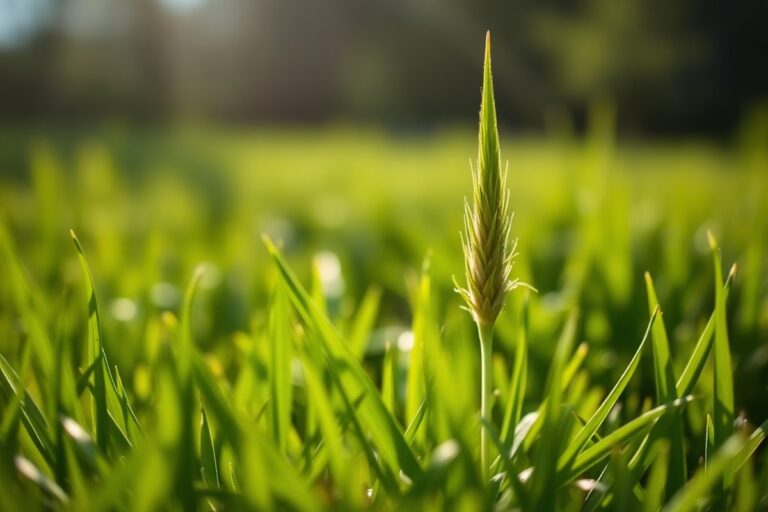
How Can I Tell What Type of Grass I Have: A Complete Guide with 8 Key Steps
How can I tell what type of grass I have? You start by looking at its physical traits.
Check the blade shape, color, and texture. These clues quickly narrow down your options.
Next, notice how the leaves grow. Grass leaves either roll up or fold flat when new.
This helps identify the grass species more precisely. The leaf tip shape and vein patterns also give hints.
Look at the grass height and growth pattern too. Some grasses spread by stolons or rhizomes, while others grow in bunches. These details help separate warm-season from cool-season types.
Also, pay attention to your local climate and lawn care habits. Some grasses prefer cooler temperatures, while others thrive in warmth. Knowing this shapes your identification approach and lawn treatment.
Key Takeaways
- Look at the blade length and width to distinguish grass types.
- Check if new grass leaves roll up or fold flat for identification clues.
- Note the color shade, from bright green to bluish-green tones.
- Feel the texture to see if the grass is coarse or fine.
- Consider your region’s temperature and seasons for likely grass types.
- Observe growth patterns like spreading or bunching for more details.
1. How to Identify Your Grass by Key Physical Traits
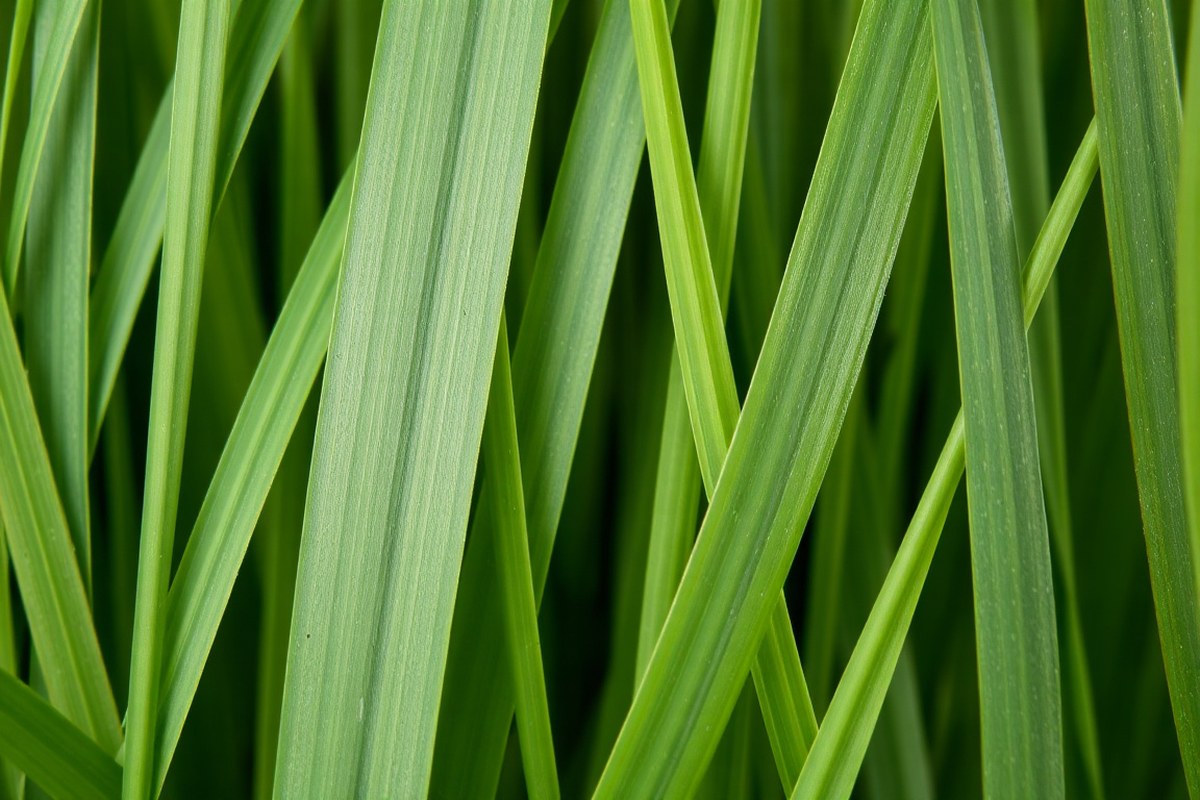
Start by looking at the blade width. Measure it with a ruler or tape to get millimeters or fractions of an inch. Blade widths under 3 millimeters narrow the choice to fine fescue.
Wider blades up to 10 millimeters suggest tall fescue. Kentucky bluegrass blades are 2 to 4 millimeters wide.
They usually feel medium-fine. Bermudagrass blades are often 2 to 4 millimeters wide too but feel rougher.
Next, check the blade tip shape. Pull a blade and look where it ends. A boat-shaped or canoe-like tip points to Kentucky bluegrass.
Sharp, pointed tips could be bermudagrass or zoysiagrass. Some grasses, like tall fescue, have pointed yet sometimes serrated tips. Fine fescue blades are very narrow with a bristle-like tip, which looks thin and needle-like.
Feel the blade texture. Glossy, smooth blades with a prominent midrib lean toward Kentucky bluegrass. Coarser and ridged blades likely mean tall fescue.
Fine fescue blades feel almost wiry or very fine. Bermudagrass blades are rough around the edges and have tiny hairs near the collar. Zoysiagrass has stiff blades that resist bending.
Vernation tells you how the blade folds as it grows. Roll one blade gently between your fingers. Rolled vernation means the grass blade curls up like a tube.
This shows up often in Kentucky bluegrass. Fine fescue also has rolled vernation.
Folded vernation means the blade folds flat with edges touching, seen in tall fescue and bermudagrass. You can check vernation by pulling a blade from the base and observing how it stands.
Look for auricles, little ear-like parts at the collar where the blade meets the stem. Some grasses like perennial ryegrass have small, claw-shaped auricles. Many types don’t have auricles at all.
So their absence helps rule out certain grass species. Auricles may be hairy or smooth, which also helps.
The ligule sits just behind the auricles, on the collar’s inner side. It can be a thin membrane, hairs, or absent. Kentucky bluegrass has a short membrane ligule.
Tall fescue’s ligule is short and jagged. Some grasses like bermudagrass have a fringe of hairs instead of a membrane. Gently part the collar area with fingers or tweezers to see the ligule clearly.
Putting it all together makes identification easier. A grass with 3 millimeter wide blades and rolled vernation fits Kentucky bluegrass. It also has a boat-shaped tip and smooth texture.
Its membrane ligule is short and it has no auricles. Blades 7 millimeters wide often have folded vernation. They have pointed, serrated tips and feel rough.
The ligule is jagged, hinting at tall fescue. Examining these traits carefully takes about five minutes on a dry day. Avoid wet blades since moisture can hide texture and tiny features.
2. Common Cool-Season Grasses and Their Distinctive Features
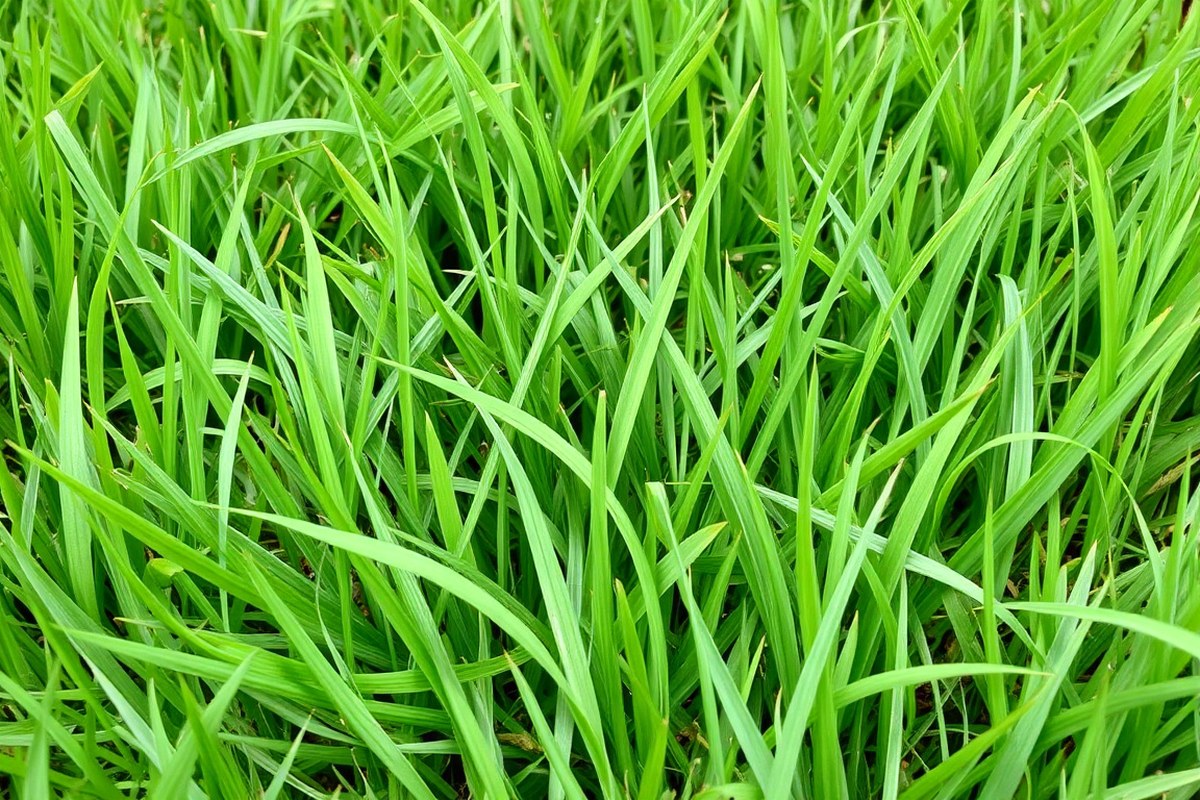
Cool-season grasses include Kentucky Bluegrass, Tall Fescue, Perennial Ryegrass, and Fine Fescue. These grasses grow best in northern U.S. Climates with cooler temperatures. They have distinct blade shapes and growth habits that help you tell them apart.
Kentucky Bluegrass Key Characteristics
Kentucky Bluegrass has medium-fine blades with boat-shaped tips. Its color is dark green or blue-green, giving a rich look to the lawn. This grass spreads through underground rhizomes that fill in bare spots well.
You’ll notice a faint mid-rib stripe on its blades. It grows best where soil temperature stays between 50 and 65°F. The rhizomes produce a dense, carpet-like turf over time. It usually takes 14 to 30 days for seeds to sprout.
Tall Fescue Identification Tips
Tall Fescue leaves are medium to broad with pointed tips and visible ribs along the blade. The blades feel slightly coarse compared to Kentucky Bluegrass. It grows in bunches, not spreading via underground stems like bluegrass.
It has dark green color and grows upright, which makes it look tough and durable. This grass germinates faster, in around 7 to 12 days. It works well in the transition zone between cool and warm climates.
Perennial and Fine Fescue Differences
Perennial Ryegrass blades are fine to medium in width with pointed tips and a glossy underside. It germinates quickly, usually within 5 to 10 days, and creates a shiny green lawn. It grows in bunches rather than spreading runners.
Fine Fescue blades are very narrow and needle-like, often found in shaded areas. Their color ranges from medium green to blue-green. Fine Fescue spreads slowly and prefers cooler, less sunny spots in the lawn.
Where Cool-Season Grasses Thrive
These grasses grow best in northern states like those north of the Virginia-to-Kansas line. They grow well in cool springs and falls.
Soil temps should be 50 to 65°F. These conditions help grass stay healthy and green. Kentucky Bluegrass and Fine Fescue prefer shaded or cooler spots in your yard.
Tall Fescue is common in the transition zones that mix warm and cool climates. It tolerates heat and drought better than other cool-season grasses. These grasses slow down in hot summer months.
They go dormant until cooler weather returns. Then they bounce back and grow again.
Check blade tips and growth habits in spring or fall. Look while the grass is growing actively. This helps identify the grass type correctly. This makes ID more accurate and easier than summer or winter.
3. Common Warm-Season Grasses and How to Recognize Them
Warm-season grasses include Bermuda, Zoysia, St. Augustine, Centipede, and Buffalo. They grow best in hot climates and turn brown in cold weather. You can identify them by blade texture and growth habits like stolons or rhizomes.
Bermuda Grass Identification Features
Bermuda grass has fine, thin blades ranging from 2 to 16 cm long. It spreads quickly using both stolons and rhizomes, creating a dense turf. The blades feel medium to coarse and tolerate very short mowing heights around 0.5 to 1.5 inches.
This grass stays green through warm summers but goes brown below soil temperatures of 55°F. Its seed heads have a notable spike shape, helping to spot it in a lawn. Bermuda is common in southern states with hot summer climates.
Zoysia and St. Augustine Grass Traits
Zoysia grass has fine blades like Bermuda but grows slower. It spreads via both stolons and rhizomes, forming a thick carpet. Zoysia tolerates colder zones down to zone 5, making it popular for transition areas.
St. Augustine grass has wide, coarse blades measuring 8 to 10 millimeters. It spreads by thick rhizomes, not stolons.
Its broad blades and coarse texture make it easy to recognize. This grass thrives in warm coastal areas with humid climates.
Centipede and Buffalo Grass Differences
Centipede grass has flat, rounded blades about 30 mm long and 2 to 4 mm wide. It grows slowly in clumps rather than spreading strongly with runners. Centipede suits acidic, sandy soils in warm southern regions.
Buffalo grass is coarse and grows in clumps without running runners like stolons. It handles heat and drought well, ideal for dry climates. The seed heads are spiked, a helpful ID clue when grass is mature.
Warm-Season Grass Growing Zones
Warm-season grasses mainly grow in U.S. Zones 5 through 10. They thrive in temperatures between 80°F and 95°F during summer. These grasses turn brown and enter dormancy when soil drops below 55°F, usually over winter.
The South generally features warm-season lawns because of its hot summers. Northern areas prefer cool-season grasses for their green winter look.
These grasses grow best when temperatures range from 60°F to 75°F. They stay green even during cold months. Knowing your regional zone narrows down your likely grass type quickly.
4. Step-by-Step Method: How to Accurately Identify Your Lawn Grass
Start identifying your lawn grass during its peak growing season for clearer features. Collect several samples from different patches for a full view. Follow a set of practical steps to inspect your lawn carefully and use tools for accuracy.
Prepare Your Lawn for Inspection
Pick a dry day in late spring or early summer. Grass grows fastest then. It shows its key traits clearly at that time.
Cut the grass about two inches high to reveal blades and other parts better. Water your lawn lightly the day before if it’s dry to freshen its look and feel.
Wear gloves and use clean scissors or a sharp knife to cut grass samples. Pick several clumps from separate areas to catch any mix of grass types. Keep samples in a plastic bag with some air inside.
Do this for a few hours if you can’t check them right away. This helps keep the grass fresh.
Examine Blades, Growth Habit, and Structures
Look closely at blade width, edge shape, and tip form for clues to the species. Note if blades are flat, folded, or rolled when emerging. Check collars, the area where the leaf meets the stem, for color and texture differences.
Observe the seed head’s growth habit if present. It might take a few days for it to mature fully.
Look at how the grass spreads: through stolons (aboveground runners) or rhizomes (underground stems). These details help separate warm-season from cool-season grasses.
Use Photos and Apps for Confirmation
Snap clear photos of blades from various angles and close-ups of seed heads or stems. Make sure to capture a ruler or coin in pictures for scale reference. Upload photos to trusted lawn identification apps that compare your images with grass databases.
Apps can help confirm your guess but may misidentify grasses if photos are blurry or incomplete. Use them as a quick check but don’t rely on them as the only source. Combining your observations with app feedback results in better ID accuracy.
Verify Identification with Regional Guides
Compare your findings to a local or regional grass identification guide online or in print. Grass types vary greatly by state or zone.
So focus on species common in your area. Check if your grass matches the seasonal growth and climate hints of those regional types.
Check if care advice fits your lawn’s condition. Make sure it suits the weather where you live.
Only follow suitable tips for best results. This reduces errors from incorrect ID and guides your next steps for fertilizing and mowing properly.
- Choose dry day in late spring or summer for best visibility.
- Cut grass to about two inches to expose details.
- Collect samples from multiple locations using gloves and scissors.
- Note blade width, shape, collar color, and seed head type.
- Observe growth habit: stolons vs. Rhizomes; flat vs. Rolled blades.
- Take clear, close-up photos including an object for scale.
- Use recognized smartphone apps to compare grass images.
- Cross-check your ID with local regional grass guides online.
5. How Climate and Region Affect Grass Type and Identification
Your local climate zone helps you narrow down your grass type fast. Cold-season grasses grow in cooler zones, while warm-season types thrive where summers get hot. Knowing your USDA zone helps identify grasses that grow well there.
It shows the types that usually thrive in your area. This guide helps pick the right grass for your lawn.
The transition zone runs through parts of the eastern and central U.S. This area has hot summers, colder winters, and often drought stress. Because conditions swing a lot, grasses here must handle both heat and cold. That makes it tricky for some grasses to grow well.
| Grass Type | USDA Zones | Climate Suitability |
|---|---|---|
| Bentgrass | 4-6 | Cool-season, prefers cooler, moist climates |
| Fescue (tall, fine, creeping, hard) | 4-7 | Cold tolerant, grows well in northern areas |
| St. Augustinegrass | 8-10 | Heat tolerant, good for warm coastal regions |
| Bermudagrass | 7-10 | Thrives in hot, southern states like Georgia |
| Zoysiagrass | 6-9 | Handles heat and moderate cold, common in transition zones |
Use your zone to cross-check with these grasses below. You live in zone 5.
Your lawn likely has fescue or bentgrass. In zone 9, warm-season grasses like St. Augustine or bermudagrass are common choices.
Grass appearance also changes with temperature and season. Cool-season grasses turn green in spring and fall. They may go dormant in hot summers.
These grasses often brown when the temperature rises. Warm-season grasses peak in heat but slow down or brown in winter. Checking your lawn’s color and growth through the year helps confirm your grass type’s climate preference.
Focus on patch-by-patch identification when multiple grasses grow together to avoid confusion.
Transition zones need grasses tough enough for wide temperature swings. This often means a mix or grass varieties bred for both heat and cold tolerance. Your lawn may struggle in drought or heat.
It might have grass not suited for your zone. Use your climate zone with key grass types.
This makes lawn care and seed choice easier. It helps you make a smarter lawn plan.
6. Using Grass Seed Heads and Growth Patterns for Precise ID
Seed heads show key clues about your lawn grass. Different grasses have unique shapes, like the Y-shaped seed heads of bahiagrass.
Flowering usually happens in spring or early summer. Checking seed heads during this time helps you spot these features clearly.
Growth patterns tell you more. Some grasses spread by stolons, which are above-ground runners. Others use rhizomes, underground stems that fill in dead patches.
Some grasses grow in tight bunches and don’t spread much. Noticing if your grass creeps out or stays clumped narrows down what type it is.
Look closely at your lawn when it’s about 6 to 12 inches tall. That’s when seed heads start to appear. Use a photo guide to compare seed head shapes for popular grass types in your area.
You can also gently dig or pull aside blades to spot stolons or rhizomes. Stolons often form visible trails on the surface, while rhizomes hide beneath soil.
7. Common Grass Identification Mistakes and How to Avoid Them
Many homeowners jump to identifying grass too early in the growing season. Young grass blades often lack clear features like seed heads or mature leaf shapes. Wait until mid to late spring or summer for the best chances at accurate ID.
Sometimes a lawn has multiple grass types mixed together. This can confuse your eyes since colors and textures blend. Check different spots across the yard to see if varieties are really mixed.
Picking grass type based on color alone is a common mistake. Grass color shifts with sunlight, water, and soil conditions. Instead, focus on leaf texture, vein count, and growth pattern for clues.
- Avoid guessing grass type too early in the season.
- Examine several patches of grass to spot mixed species.
- Don’t rely only on grass color for identification.
- Look for vein patterns and leaf blade shapes.
- Use local extension office resources to confirm your ID.
- Take photos over time to observe growth changes.
- Test soil conditions to rule out nutrient effects on grass look.
Check seed heads if you can find them; they show important details. Compare these with trusted guides or ask a lawn professional to help. Regions like the transition zone make ID tricky since many grasses appear similar.
You’ll spend less on mistakes by confirming first. Buying the wrong seed or fertilizer wastes money and harms your lawn. Local extension offices often help identify lawns for free or little cost.
You can also ask lawn pros for ID support. They help avoid costly lawn problems down the road.
8. When and How to Get Expert Help for Lawn Grass Identification
You should seek expert help when your grass doesn’t match common types or identification apps. Experts can also help if your lawn has multiple grass types or shows unusual growth patterns. A local extension office is a good place to begin.
A lawn care professional near you can also help. They know your area’s grass types well.
Local extension offices usually identify grass samples for a small fee or free. Lawn care professionals often have hands-on experience with regional grasses, recognizing types quickly. Choose an expert familiar with your climate and region for the most accurate help.
Before your appointment, take close-up photos of your grass blades, seed heads, and overall lawn. Note where you live, how often you mow, and recent lawn treatments. Bring or send these details to the expert to speed up identification and advice.
Costs vary widely, depending on the expert and service level. Extension services may charge nothing or about $10 to $25 for identification.
Lawn care companies often charge $50 to $150 for lawn analysis and recommendations. Make sure you understand what is included before you pay.
Clear communication helps get precise advice. Tell the expert if you want a low-maintenance lawn or one that looks lush year-round. Knowing your priorities lets them recommend the right grass or lawn care plan.
Avoid sending blurry photos or incomplete information. It slows down the process and leads to mistakes.
Experts may also test soil and check for weed or pest issues when identifying grass. You can ask them to suggest seed types or care routines based on your lawn’s condition. A good expert offers a written report or care plan to guide your lawn work.
Step-by-Step Action Plan to Identify Your Lawn Grass
Follow these steps to identify your lawn grass and improve your lawn care. Each step helps you check a key trait or get extra info.
- Day 1: Look at your grass blades closely. Notice their width, color, and texture. You’ll know it worked when you record these clear details.
- Day 2: Check for seed heads or flowering parts. Compare them to pictures of common grasses. This confirms if you found matching features.
- Day 3: Use an online grass type guide for your region. Match your observations with likely grass types displayed. Success means you narrow down your options.
- Week 1: Monitor new growth patterns and density daily. Note if your grass spreads by runners, seeds, or bunches. This tells you how your grass grows and creates its shape.
- Week 2: Observe how your lawn reacts to water and sunlight. Healthy growth under those conditions reveals type clues. You’ll see better color or thicker leaves when matched correctly.
- Week 3: Take clear photos and ask a local lawn care expert or extension service. Provide your notes and pictures for a second opinion. Getting their ID confirms what you learned.
- After 1 Month: Start using care routines made for your identified grass type. Check for improved growth and fewer problems. This proves you successfully identified your lawn grass and adapted care.
Frequently Asked Questions
What Tools Can Help Me Identify My Grass Type at Home?
A magnifying glass and a ruler can help check blade texture and width. Take clear close-up photos for comparison online or in guides.
Can Soil Type Affect the Type of Grass Growing in My Yard?
Yes, soil texture and drainage influence grass growth and health. Clay favors certain grasses, while sandy soils suit others better.
How Does the Age of My Lawn Affect Grass Identification?
Younger lawns have thinner, smaller grass blades and fewer seed heads. Older lawns show mature blade shapes and more visible growth patterns.
What Role Does the Mowing Pattern Play in Identifying Grass Type?
Different grasses respond uniquely to mowing height and frequency. For example, Bermuda handles close mowing, while Fescue prefers higher cuts.
Can Grass Color Help Me Determine the Species?
Color gives clues but isn’t definitive because weather affects hue. Blue-green often points to Kentucky bluegrass, dark green to Tall Fescue.
When Is the Best Time of Year to Identify Grass Species by Seed Heads?
Seed heads appear mostly in late spring or early summer. Check during this time for clear, distinctive seed head shapes.
Key Points to Remember
Now you know how to spot your grass type and why that matters. Take a close look today and start your notes. Next, compare what you see to trusted local resources or guides.