How Many Milligrams in a Gram of Weed: A Complete Guide to THC and Dosage
When you ask how many milligrams in a gram, it’s 1,000. One gram contains exactly 1,000 milligrams of weed. That’s the basic weight measure you deal with when handling cannabis.
The THC amount depends on your cannabis’s potency percentage. This changes the milligrams of THC you get.
For example, a gram of cannabis with 20% THC contains about 200 milligrams of THC. You use this number to know how much THC you take.
It’s important for dosing the right amount. Always check the potency on your product to calculate the real THC amount.
Keep in mind, how you consume cannabis affects how much THC your body actually absorbs. Smoking can waste up to 70% of THC.
Edibles or oils may deliver close to 70% of the THC. This means understanding both weight and potency is important for managing your experience.
Key Takeaways
- One gram of weed equals exactly 1,000 milligrams by weight.
- Multiply the gram’s THC percentage by 10 to get THC milligrams in that gram.
- Smoking weed wastes up to 70% of THC through combustion and inhalation loss.
- Edibles and oils usually deliver about 70% of the THC content to your body.
- Check the potency percentage listed to estimate your actual THC intake accurately.
- Start with low doses to avoid unwanted strong effects, especially with edibles.
How Many Milligrams Are in One Gram of Weed?
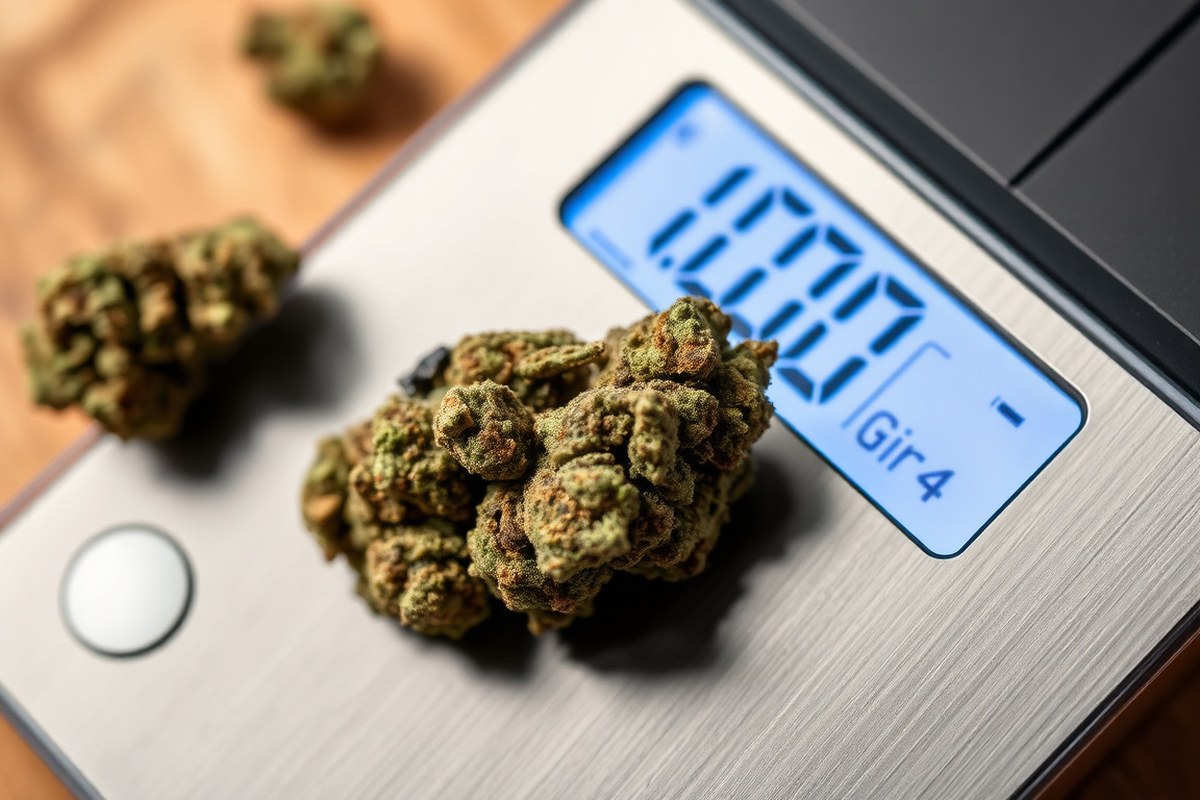
One gram of weed always equals 1,000 milligrams of plant material. This is just a basic weight conversion, like how one kilogram equals 1,000 grams.
One gram of cannabis flower equals 1,000 milligrams of dry plant. You get 1,000 milligrams with each gram you buy.
This number only tells you how much plant matter you have. It does not tell you how much THC or other cannabinoids are inside. THC content depends on the strain’s potency and is shown as a percentage on most labels.
For example, if your cannabis has 20% THC, then 20% of that 1,000 milligrams is THC. That equals 200 milligrams of THC in one gram of weed. Potency at 30% means about 300 milligrams of THC per gram.
Understanding this difference helps you control how much THC you actually consume. The plant weight stays the same, but THC varies. You can calculate the milligrams of THC per gram by multiplying the THC percentage by 10.
When you smoke, you don’t absorb all the THC. Some THC is lost in the process. Smoking isn’t 100% efficient.
Around 30% to 50% of the THC may actually reach your system depending on the method. Smoking one gram can give 60 to 100 milligrams of THC. You absorb less THC than what’s in the flower.
Labels break down cannabinoid amounts in milligrams to help you figure your dose. This is especially useful for edibles, tinctures, and other products where the THC is evenly mixed. Start low if you’re new, such as taking 5 milligrams of THC or less.
Knowing milligrams in a gram and THC content helps plan your dose. This info helps you take the right amount.
The plant weight shows how much raw material you have. THC milligrams give you the active drug strength inside that weight.
How to Calculate THC Milligrams from Cannabis Potency
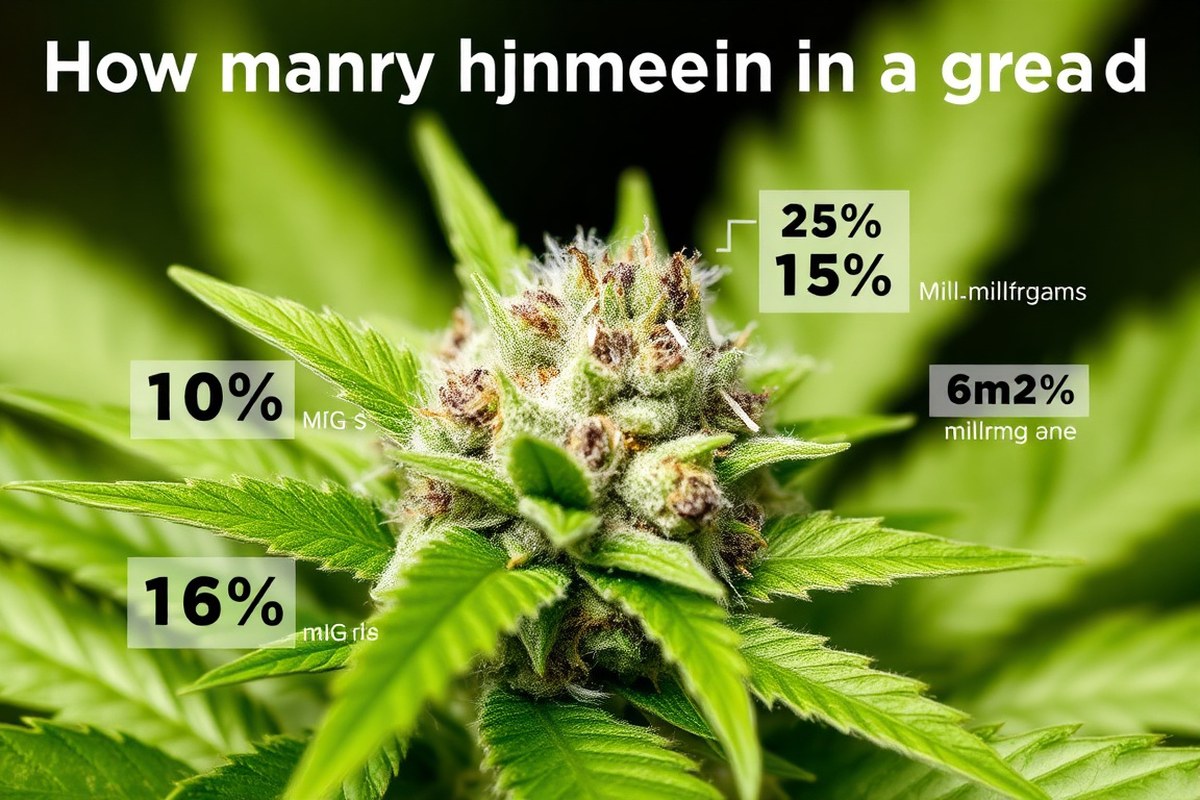
Multiply the THC percentage by 10 to get milligrams per gram. This shows how much THC is in one gram of cannabis. Use this simple calculation to understand potency better.
One gram of cannabis flower weighs 1,000 milligrams. Each 1% of THC means there are 10 milligrams of THC in one gram of flower.
Understanding THC Percentage in Flower
THC percentage shows how much THC is in the flower by weight. It reflects the part of one gram that is pure THC. For example, 20% THC means 200 milligrams of THC per gram of flower.
This percentage is important for dosing and understanding potency. Different strains have different THC percentages, often ranging from 10% to 30%. Knowing this helps you estimate how strong your cannabis is before use.
Step-by-Step THC Milligram Calculation
Calculating THC milligrams helps you track your dosage more clearly. Use these steps to turn THC percentage into the total THC milligrams per gram of flower:
- Identify the THC percentage on your cannabis package or lab test.
- Convert the percentage to a decimal (for example, 20% becomes 0.20).
- Multiply the decimal by 1,000 milligrams (the weight of one gram).
- The result is the milligrams of THC per gram of flower.
- Adjust your calculation if you have less or more than one gram of flower.
Make sure you use the right THC percentage from lab results, not just strain names.
Example Calculations for 15%, 20%, and 25% THC
A 15% THC flower has 15 x 10 = 150 milligrams of THC per gram. This is a lower potency option for mild effects.
Take a 20% THC flower and multiply 20 by 10. This equals 200 milligrams of THC in one gram.
You now see the amount of THC clearly. This is common for balanced potency hybrids.
For 25% THC flower, multiply 25 by 10. That equals 250 milligrams of THC per gram.
This helps you know exactly how much THC is inside. This is stronger and suited for experienced users or medical needs.
Buying half a gram means you get half the total THC per gram. Multiply the THC amount per gram by 0.5 for exact milligrams.
This tells you how strong your amount is.5 g) of 20% THC flower, multiply 0.5 x 200 mg = 100 mg THC total. Adjust your dose based on how much flower you use.
Why Smoking, Vaping, and Edibles Deliver Different THC Amounts
Different ways to take THC mean different amounts actually get into your body. Smoking, vaping, and eating all deliver THC. But your body absorbs varying amounts each time.
This depends on bioavailability. It means the THC reaching your bloodstream. This is out of the total dose you take.
Bioavailability Rates of Different Methods
Bioavailability measures how much THC your body absorbs from what you consume. Smoking typically delivers between 30% and 50% of the available THC into your bloodstream. Vaping is often more efficient, with about 50% to 80% of THC absorbed.
Edibles have lower bioavailability, usually between 4% and 20%. You might waste less THC overall. This helps you absorb a good portion.
Your body still gets much of the dose. The difference is how your body processes THC.
It changes depending on the intake method. Metabolism and digestion play a big role.
Typical THC Losses When Smoking Cannabis
Smoking causes significant THC loss mainly due to sidestream smoke and incomplete combustion. About 30% to 50% of THC gets absorbed.
The rest is lost to the air or burned off. Puff depth and how long you hold the smoke also affect absorption.
For example, a 0.5-gram joint at 20% THC contains 100 mg of raw THC. Your body likely only absorbs 15 to 35 mg from that joint. This loss explains why smoking is less efficient than vaping and some edibles.
Edibles’ Delayed Onset and Longer Effects
Edibles take longer to kick in because THC passes through your digestive system first. Effects start in 30 minutes to 2 hours. This depends on digestion speed and metabolism.
How fast your body works matters. Once absorbed, the effects last much longer than smoking or vaping.
Edibles can deliver up to 70% THC from one gram. That makes them strong.
They work well despite lower bioavailability. This slower and longer-lasting effect suits people who want steady relief without repeated dosing.
Here’s a clear comparison to explain the differences in THC absorption:
| Consumption Method | Bioavailability Range | Typical THC Absorbed From 1 Gram (200 mg at 20%) |
|---|---|---|
| Smoking | 30% – 50% | 60 – 100 mg |
| Vaping | 50% – 80% | 100 – 160 mg |
| Edibles | 4% – 20% | 8 – 40 mg (variable), up to 140 mg with efficient extraction |
This table shows THC your body might get from one gram of cannabis flower. The flower has 20% THC. The amount varies widely.
Vaping usually gives you the most THC absorbed. Smoking loses more THC through sidestream smoke. Edibles seem low in bioavailability.
They deliver high doses due to less THC wasted. Preparation methods keep more THC available.
How Much Weed Should You Buy Based on Milligram Needs and Budget
Choosing how much weed to buy depends on your THC goals and budget. Larger amounts usually cost less per milligram of THC. To plan right, estimate how many milligrams each purchase size offers based on your weed’s potency.
Here’s a quick reference for common purchase sizes and their approximate THC amounts. You can use this to figure your dose or find the best price per milligram.
| Amount | 15% THC (mg) | 20% THC (mg) | 25% THC (mg) |
|---|---|---|---|
| 1 gram | 150 mg | 200 mg | 250 mg |
| Eighth (3.5 g) | 525 mg | 700 mg | 875 mg |
| Quarter (7 g) | 1,050 mg | 1,400 mg | 1,750 mg |
| Half ounce (14 g) | 2,100 mg | 2,800 mg | 3,500 mg |
| Ounce (28 g) | 4,200 mg | 5,600 mg | 7,000 mg |
Daily users might want a quarter or half ounce to avoid frequent trips. Occasional users usually find a gram or eighth enough for several sessions.
Start by deciding how many milligrams of THC you want each day or session. Then, pick a size that covers a few uses without wasting product.
Checking price per milligram helps too. Ounces often cost less per milligram than grams or eighths.
But buying big only makes sense if you consume regularly and store your weed properly. Buying smaller amounts can save money and keep your weed fresh.
Decide your target milligrams and budget. Use this rule: pick the smallest size that covers your milligrams. This should be enough for about one or two weeks.
Using 10 mg each time, five times a week totals 50 mg. This fits in one gram of 15% THC weed. For more sessions or higher doses, look at eighths or quarters.
Practical Ways to Measure THC Dosage at Home Without Lab Tests
You can guess THC dosage at home using labels and simple tools. No need for lab tests. Just read the label and measure carefully.
Labels often show THC percentages or milligrams for edibles and oils. A basic milligram scale and math help you figure out doses from flower and concentrates safely.
Reading and Understanding Product Labels
Labels usually state THC content as a percentage or milligrams. For flower, this percentage tells how many milligrams of THC are in each gram of weed. For example, a 15% THC strain holds about 150 mg of THC per gram.
Edibles come with clear milligram amounts in each serving and package. This helps you follow safe dosing guidelines, especially since edibles take longer to affect you.
Knowing these labels means you don’t have to guess your dose. Remember that packaging varies by state and product type. So label formats might differ a bit.
Using a Milligram Scale for Oils and Concentrates
A milligram scale is key for measuring oils, tinctures, or concentrates at home. These scales can measure as little as 1 milligram up to a few grams for accuracy. They usually cost between $10 and $30 online or at vape shops.
Suppose you have a 500 mg THC oil bottle. Put the dropper on the scale.
Then measure how many milligrams you want. This helps prevent taking too much at once.
Keep the scale clean and on a flat surface to avoid errors. Always tare it before weighing to ensure correct measurements.
Making Rough Estimates for Flower-Based Edibles
When making edibles from flower, use about 15% THC for your math. This helps estimate the dose. One gram of this flower contains roughly 150 mg THC.
Split the total THC dose to match your recipe’s amount. This way you can adjust your doses.
Here’s a simple checklist for estimating flower-based edibles:
- Weigh your flower in grams using a kitchen scale.
- Multiply grams by estimated THC percentage (e.g., 1 g × 15% = 150 mg THC).
- Decide total servings and divide THC by that number.
- Start with one serving and wait at least two hours before more.
- Label your homemade edibles with estimated THC per serving.
Start low, especially if you don’t know the exact potency. Effects can take up to two hours and vary widely for homemade edibles.
Accurate dosing protects you from taking too much THC and experiencing unwanted effects.
Common Dosing Mistakes and How to Avoid Them Safely
Many people overconsume THC because they mix up total weed weight with actual THC content. One gram of flower does not mean one gram of THC.
Potency varies a lot. So you must check the percent THC on the label and calculate the real amount.
Some confuse raw THC with active THC after heating (decarboxylation). For flower, only about 77% of THC becomes active once smoked or vaped.
Edibles lose even more potency, about 46%, during infusion. This means eating a gram isn’t the same as consuming all its THC milligrams.
Early signs you’ve taken too much THC include rapid heartbeat, dizziness, anxiety, or nausea. These can hit within minutes for smoking and vaping.
But edibles may take two hours. Knowing these hazards can stop you from taking more too soon.
- Always start with 2.5 to 5 mg active THC if you’re new to edibles.
- Check your flower’s THC percentage to estimate milligrams correctly.
- Use online calculators or charts to convert THC percent to milligrams.
- Wait at least two hours after an edible dose before taking more.
- Measure doses carefully; avoid eyeballing or rolling by feel alone.
- Keep track of what you consume to see how it affects you.
- Don’t mix cannabis with alcohol or other drugs to reduce risks.
For example, 1 gram at 20% THC has about 200 mg raw THC. After decarboxylation, 77% is active, giving roughly 154 mg actual THC.
If you make butter with that flower, expect only about 106 mg in your edibles. This clear math helps avoid taking too much.
Even experienced users can overdose when trying new products or strains. Pay attention to product labels and follow dosing advice carefully.
Patience is key. Taking small amounts and waiting lets you avoid the unpleasant effects of too high a dose.
How Long Do Effects Last Based on THC Milligrams and Consumption Method?
The effects of THC vary widely depending on how you consume it. Smoking or vaping 100 mg of THC usually leads to effects within minutes.
You might feel the peak effects after 30 minutes. They usually last 1 to 3 hours.
Eating 100 mg of THC takes longer to kick in, between 30 minutes to 2 hours. The peak effects happen around 2 to 4 hours after eating. High can last 6 hours or longer, sometimes up to 8 hours for stronger doses.
Edibles last longer because THC gets processed differently in your liver. This creates a stronger and longer-lasting compound called 11-hydroxy-THC.
This shows why the same milligrams feel stronger when eaten. Edibles last longer than inhaled cannabis.
How fast and strong effects hit depends on metabolism and body weight. Tolerance and strain potency matter too.
Smoking delivers THC directly into your bloodstream through your lungs. This creates a quick, sharp onset that fades faster.
Vaping is similar to smoking but offers more control over temperature and dose. Lower temps release smoother cannabinoids without burning, so effects might feel lighter or cleaner. But vaping still hits within minutes and lasts a few hours like smoking.
Eating requires your digestive system to break down cannabis resin first. Your liver converts THC to 11-hydroxy-THC, which crosses the blood-brain barrier more effectively. That’s why edibles take more time but often give a stronger, longer high.
Keep in mind, very high doses like 100 mg can feel overwhelming for inexperienced users. Start with 5 to 10 mg of THC for edibles.
Wait at least 2 hours before taking more. Smoking or vaping heavy doses calls for slower, measured puffs to avoid unpleasant effects.
To get effects quickly for short sessions, inhalation works best. For long-lasting relief or sleep support, edibles are a better choice. Knowing your ideal milligram range and preferred consumption method helps control your experience safely and comfortably.
How Legal Limits Affect How Much Weed You Can Buy or Possess
The amount of weed you can buy or possess depends mostly on state laws. No federal law sets a legal limit, so check your local rules first.
Limits usually range from one to two ounces for recreational use. That equals about 28 to 56 grams.
These limits matter if you want to buy large amounts for cooking or long-term dosing. For example, to make 100ml vape liquid with 20% THC, use 1 to 2 grams of cannabis. The potency of cannabis used is between 10 to 20%.
That is about 1000 to 2000 milligrams of flower. This amount fits within legal limits in many states.
Buying an ounce of flower might cost around $250. But you’d get enough for multiple sessions. This is more economical than buying small amounts frequently.
Still, carrying or possessing more than the local limit can lead to fines or arrest. Some states allow larger medical limits, but recreational possession usually caps lower.
Most states set a personal possession limit around 1 to 2 ounces. But this can change quickly between places. For example, California allows up to 28.5 grams.
Parts of Colorado permit similar amounts but impose other restrictions. Illegal possession is almost always under one gram. That’s even stricter in some areas.
Always check your state’s regulations before purchasing. Possession rules differ widely and can carry penalties.
A typical joint uses about 0.3 to 0.5 grams of weed. This means even small limits still allow several joints per purchase. Legal limits can make it hard to buy large amounts for edibles.
Multiple trips or special licenses may be needed. Medical cannabis programs sometimes have higher purchase caps for that reason.
Knowing the weight limits helps you plan your dose and budget better. Buying near the legal max lets you stock up safely.
Buying too much risks breaking the law. So start small and increase only if allowed by your state.
Step-by-Step Action Plan for Managing Your Weed Milligrams
Track how many milligrams you want and control your cannabis use precisely. Follow these steps to buy, dose, and check results safely.
- Before you buy: Calculate your ideal THC milligrams based on experience and desired effects. This helps you decide how much weed to purchase.
- Day 1: Purchase cannabis with a clear THC percentage label. Verify it with a simple potency calculator before use to confirm dosage.
- Day 2: Measure your initial dose at home using a milligram scale or a dosing tool. Start low, like 5 to 10 mg THC, to check effects.
- Week 1: Adjust your dose based on effect strength and duration. Take notes on how long effects last for each method used.
- Week 2: If you use edibles, test how your body reacts. Use smaller doses and wait 1-2 hours before taking more.
- After 3 weeks: Review your spending versus dosage efficiency. Consider buying in bulk if costs per milligram are high.
- Every use session: Keep measuring with the same method. Avoid eyeballing doses to prevent common mistakes and stay safe.
- Ongoing: Check your local legal possession limits regularly. So you never have more weed than allowed.
Frequently Asked Questions
Is a 10mg Edible Better Than a Joint?
A 10mg edible gives a precise dose but hits slower. A joint’s effects come faster but vary due to burning efficiency and strain.
Is 900 Mg of Edible Strong?
Yes, 900mg is very strong and not for beginners. Start low and wait hours before increasing dose.
How Many Grams of Weed Is 100mg?
100mg of THC depends on weed potency, not total weight. For 20% THC, 100mg equals about 0.5 grams of weed.
How Many Milligrams of THC Are in a Typical Joint?
A typical joint contains 50 to 150mg of THC depending on potency. It varies with how tightly it’s packed and strain strength.
Can You Accurately Measure Milligrams in Homemade Edibles?
Measuring mg in homemade edibles is tricky without lab tests. Use a scale and calculate based on weed potency to estimate doses.
Why Does Smoked THC Feel Different Than Eaten THC?
Smoked THC absorbs quickly and lasts 1 to 3 hours. Edible THC takes longer to kick in.
Its effects last 6 to 8 hours. This changes how strong it feels.
The Bottom Line
There are 1,000 milligrams in a gram of weed. But THC amounts vary by potency.
Measuring milligrams lets you control effects and costs better. Try tracking your doses starting this week to find your best fit.